Aubre J. Stacknick is a Global Real Estate Advisor with Piatt Sotheby's International Realty in Pittsburgh, PA, helping buyers and sellers across Western Pennsylvania see a home through a builder's eyes. I am not an insurance agent, a floodplain manager or an engineer, and this is general information. A licensed insurance producer and your township's floodplain office answer the questions about your own address.
Does homeowners insurance cover flood damage?
FEMA's FloodSmart site says most homeowners insurance policies do not cover flood damage. It says the same of most renters policies. If you assume your policy covers a flooded basement, read the policy and ask your agent in writing, because the answer may surprise you.
That is the single most useful fact in this post. Many people learn it after the water, not before.
Who needs to think about flood risk?
Not only people in a mapped high-risk zone. FloodSmart says that from the years 2014 to 2024, almost one-third of National Flood Insurance Program claims came from areas outside high-risk areas. A house that is not in a mapped zone can still take on water. Western Pennsylvania has creeks, steep streets, old storm drains and lots that drain toward the house, and I do not assume any address is safe or unsafe from the street.
So I do not tell clients that a house is in a flood area or not. I tell them to check the address, and I tell them to look at the lot the way a builder does.
How do you check an address?
FEMA's Flood Map Service Center lets you enter an address, a place or longitude and latitude to find an official flood map. It is free to look. Ask your agent to run it with you, or do it yourself and bring me the result.
Then add a second step. Ask the township or the city's floodplain office whether the property has a history of flooding or sits in a regulated area, and ask the seller in writing. A map shows a zone. A neighbor or a township office tells you what happened last spring.
What is the 30-day waiting period?
FloodSmart says there is typically a 30-day waiting period between the date of purchase and the effective date of a National Flood Insurance Program policy. It lists exceptions, including when flood insurance is purchased in connection with making, increasing, extending or renewing a mortgage loan, and when additional insurance is selected as an option on a renewal bill.
The practical point is timing. Do not wait for a storm to buy a policy. If you are going to buy flood insurance, ask your insurance producer about it as soon as you have a contract, so the date lines up with closing.
What does a flood policy cover?
FloodSmart says building coverage only covers the building's structure, and it points readers to its Summary of Coverage guide for the rest. I will not summarize terms I did not read in full. Ask your insurance producer for the summary of coverage for the policy you are considering, and ask what is and is not covered in a basement.
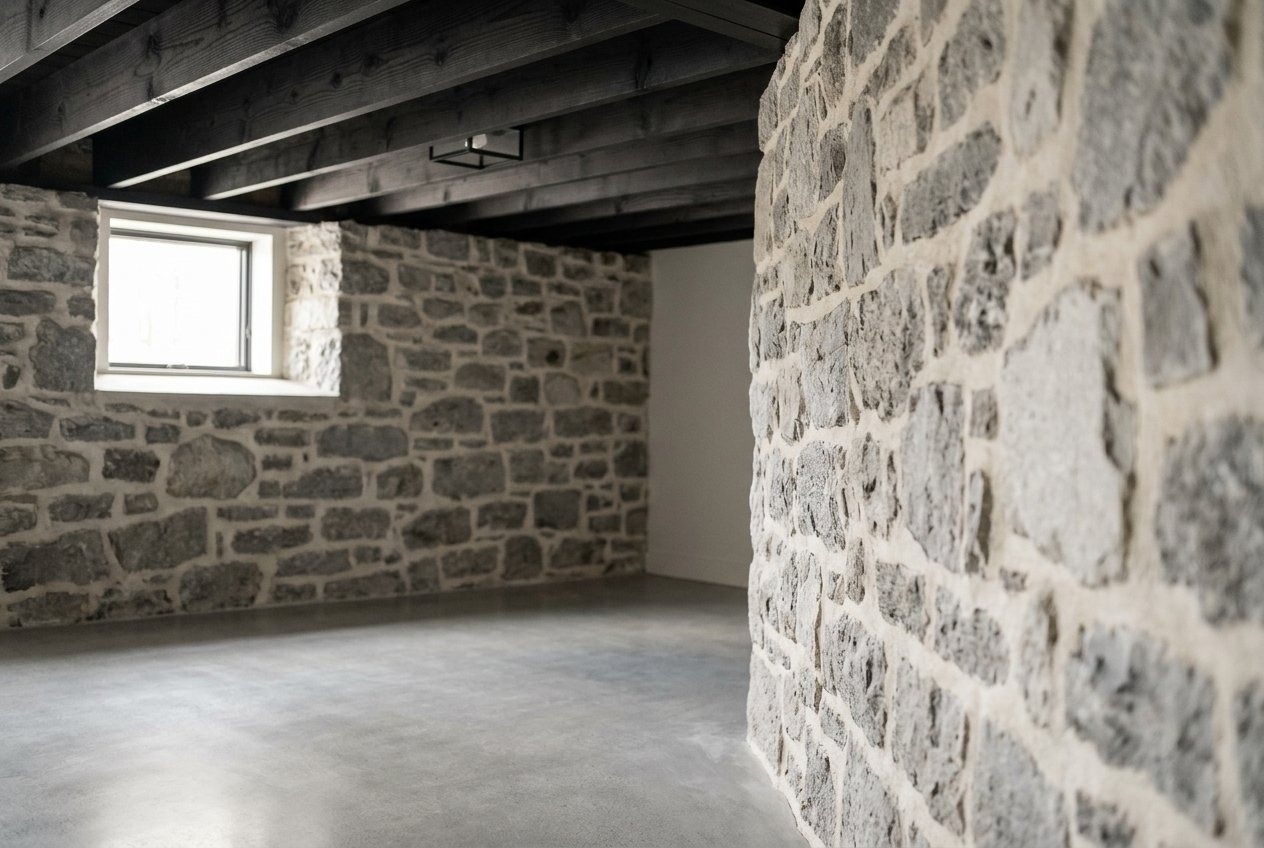
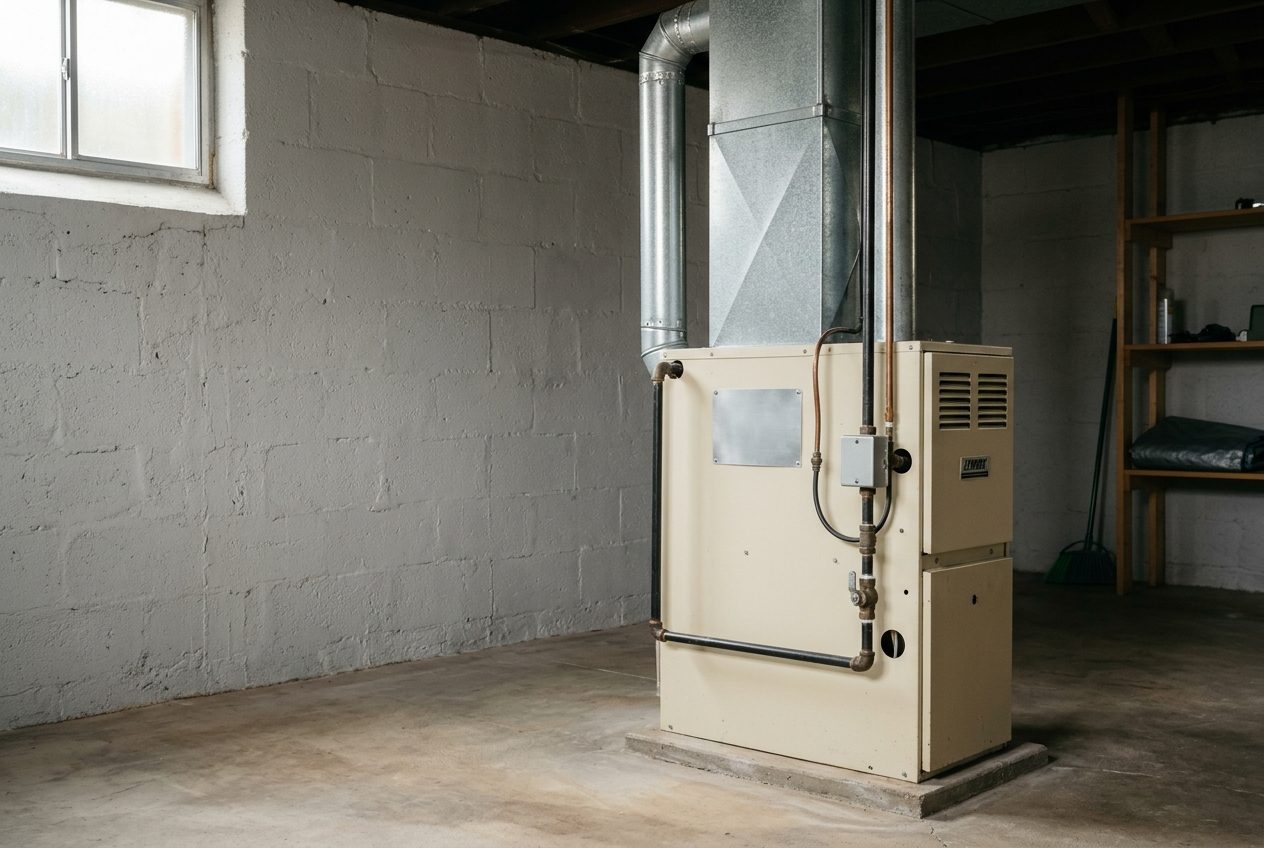
Basements matter. Pittsburgh basements are often partly finished, and the finished part is where the questions are. I covered the wet-basement side of this in Should a Musty or Wet Basement Stop You From Buying an Older Home?
What should a buyer look at on the lot?
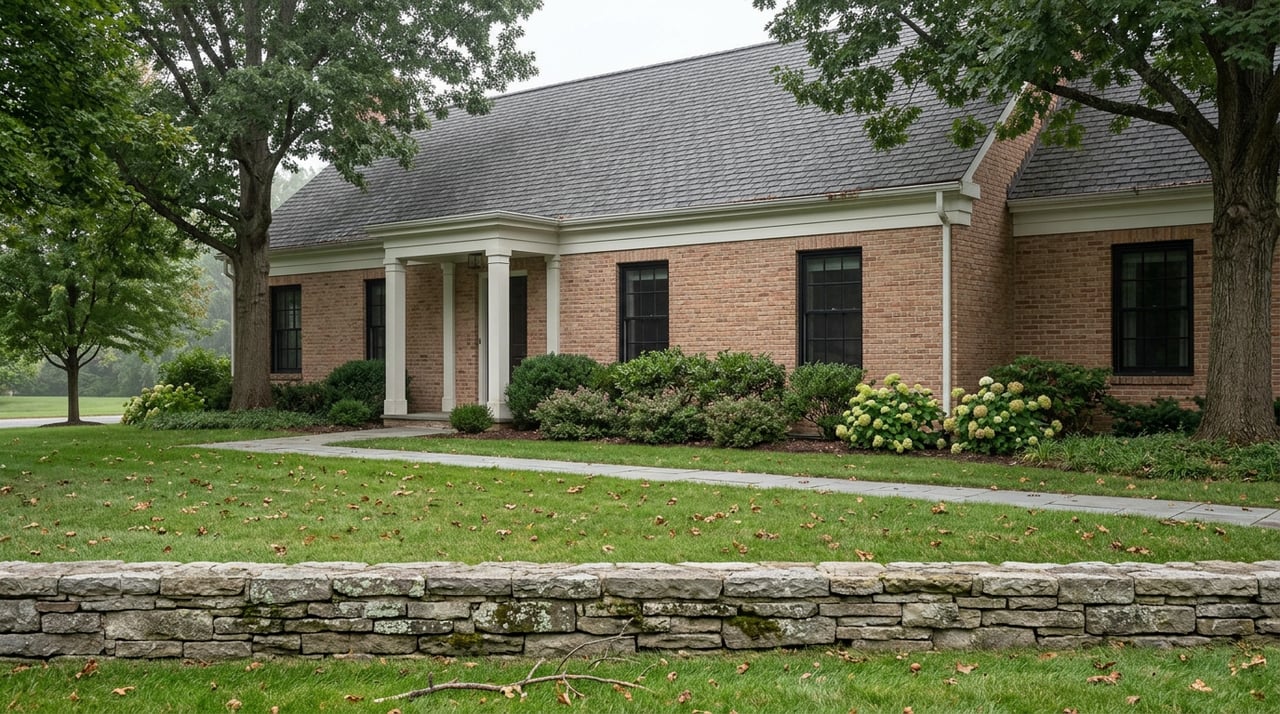
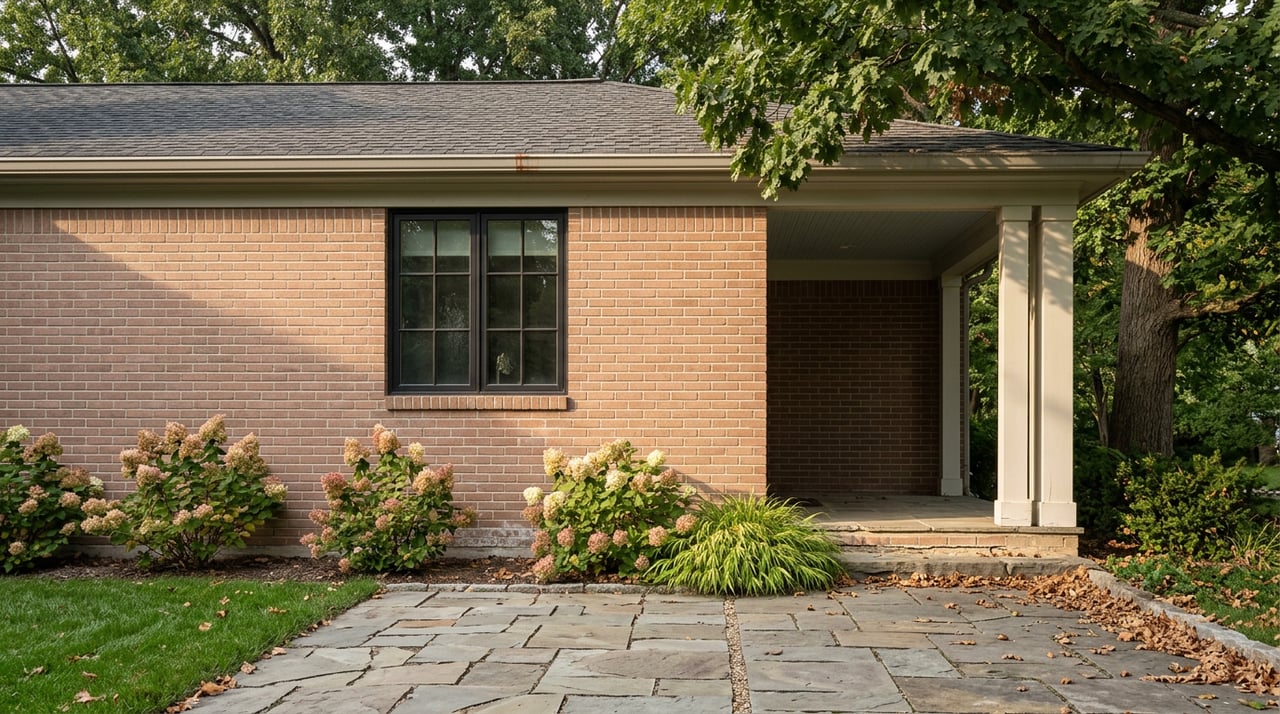
This is the builder's list, and it does not need a map:
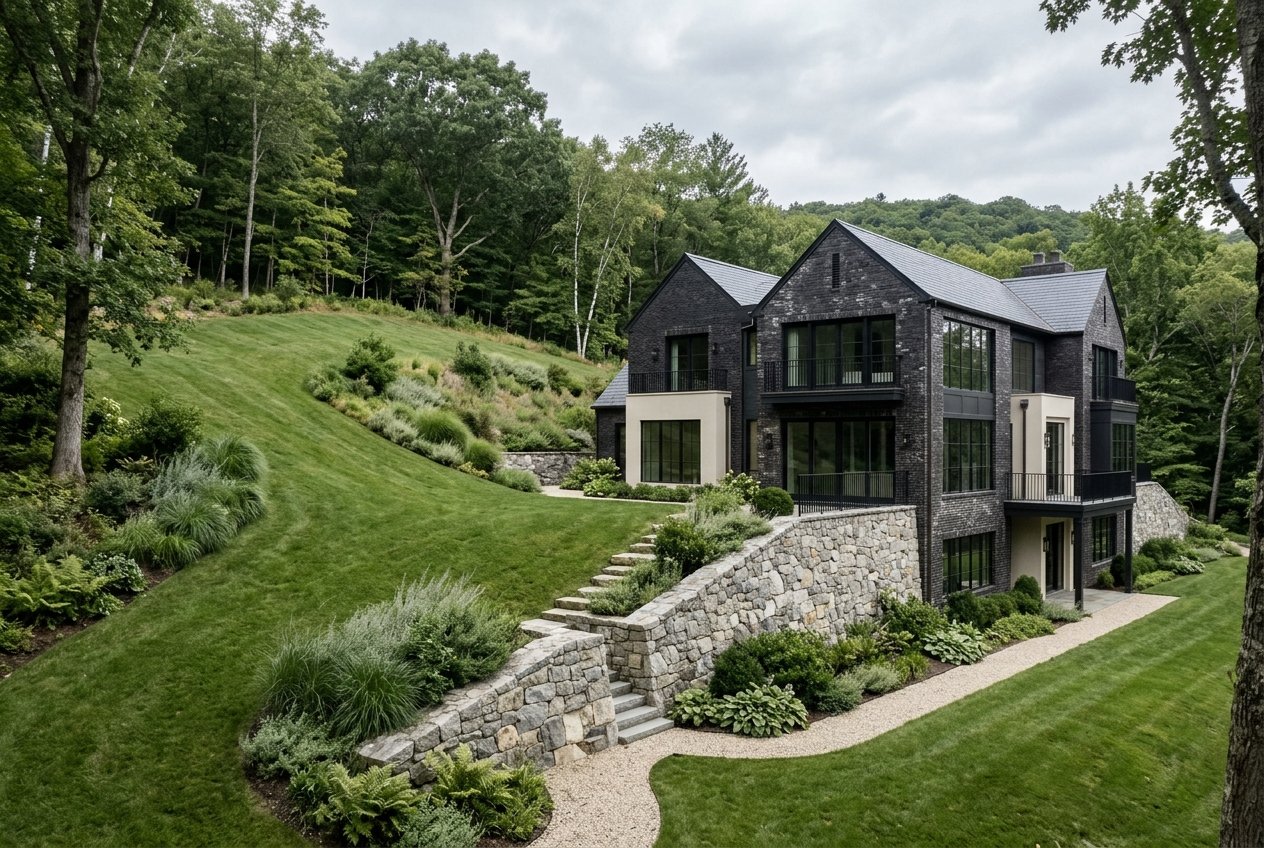
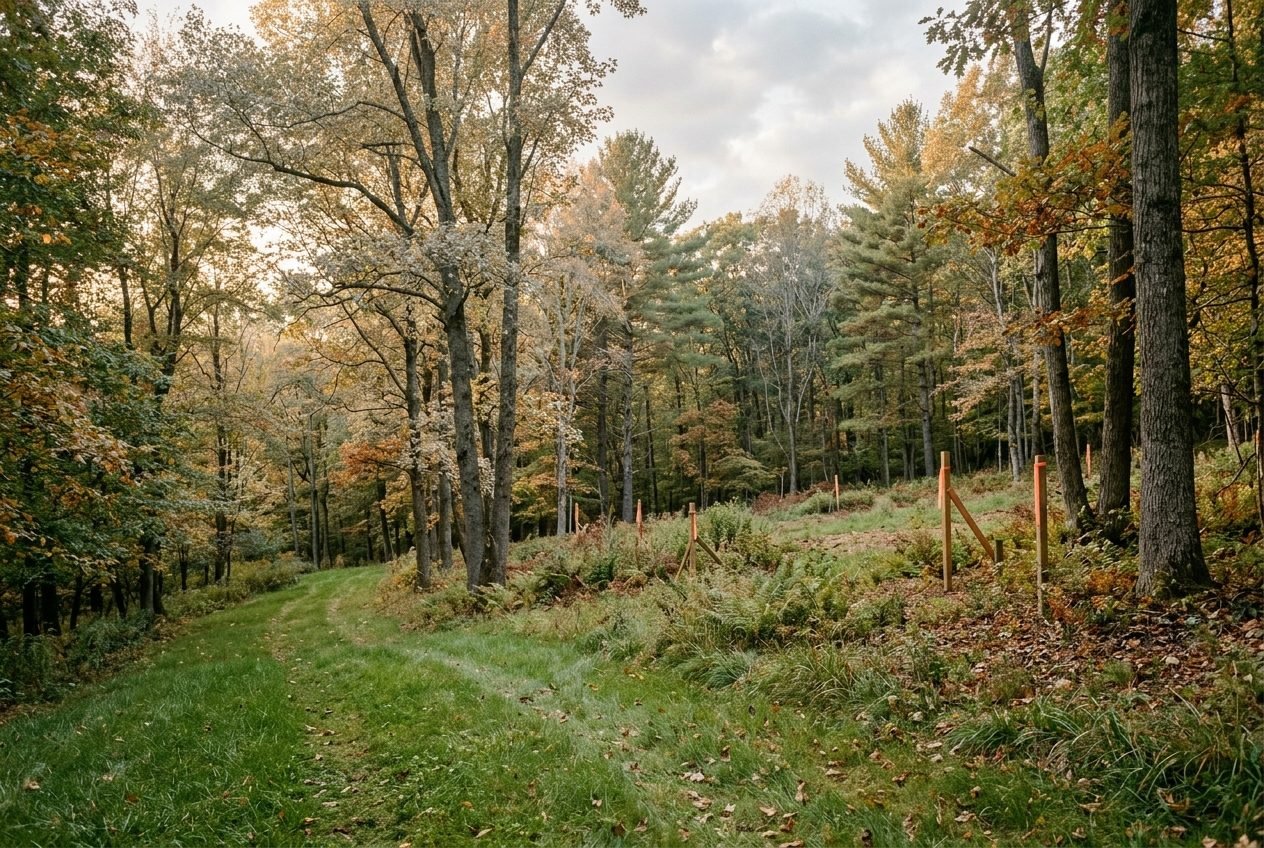
- Does the ground slope toward the house or away from it?
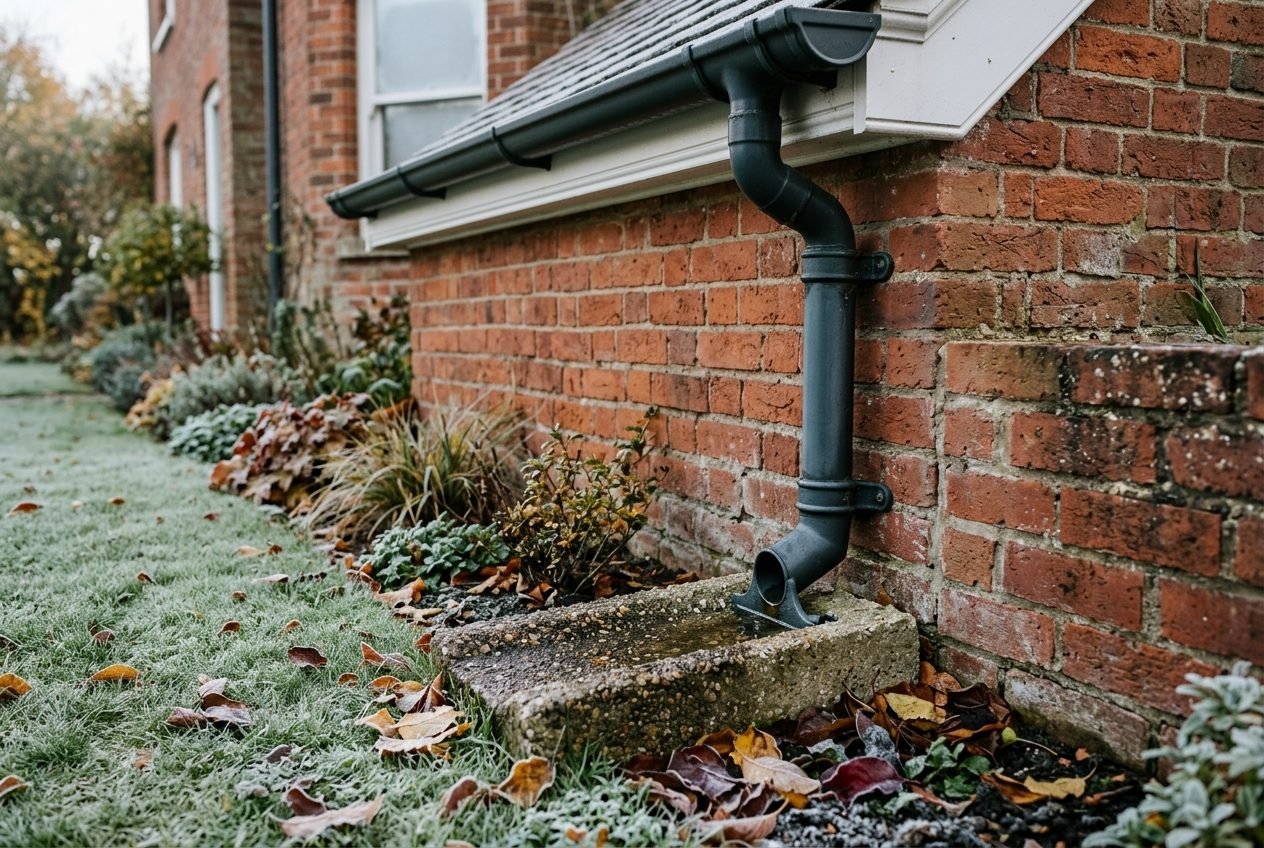
- Do the downspouts empty beside the foundation?
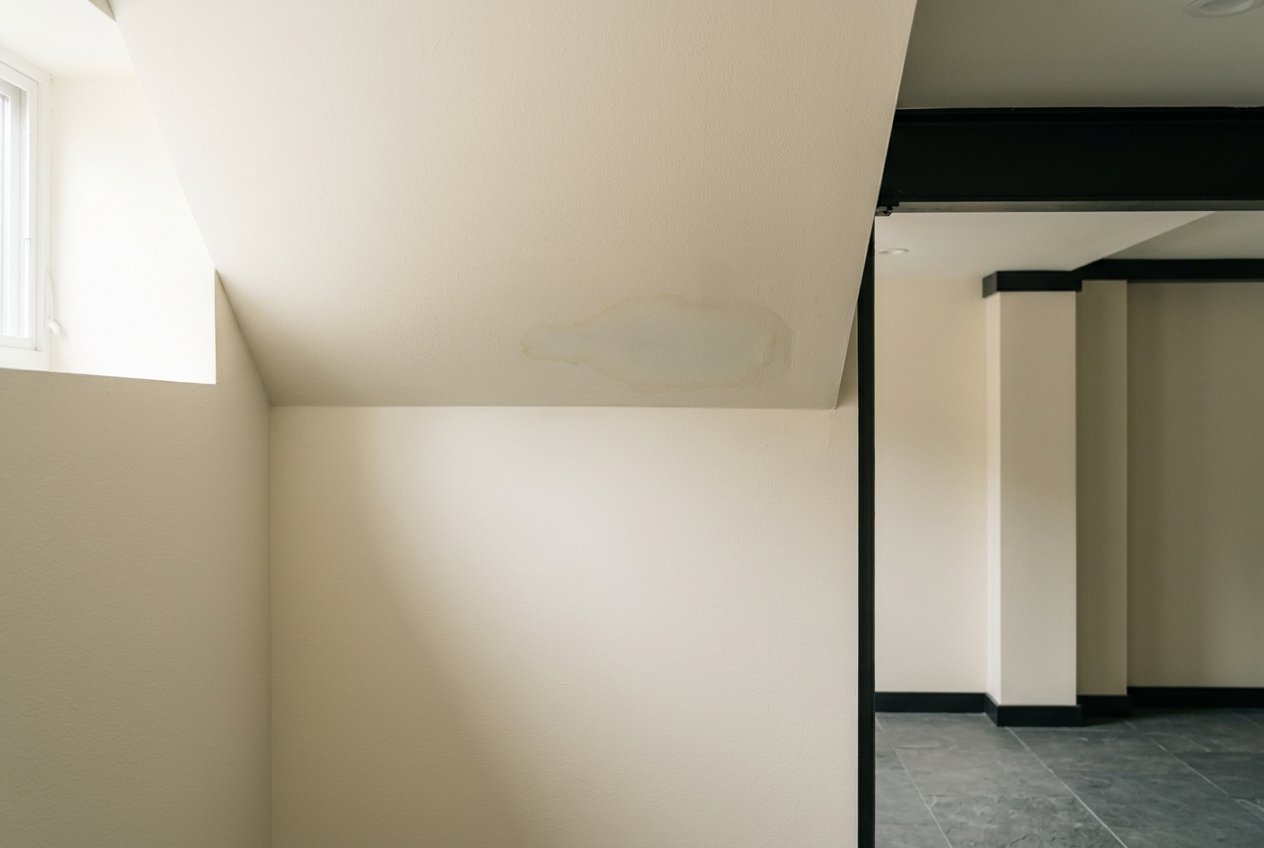
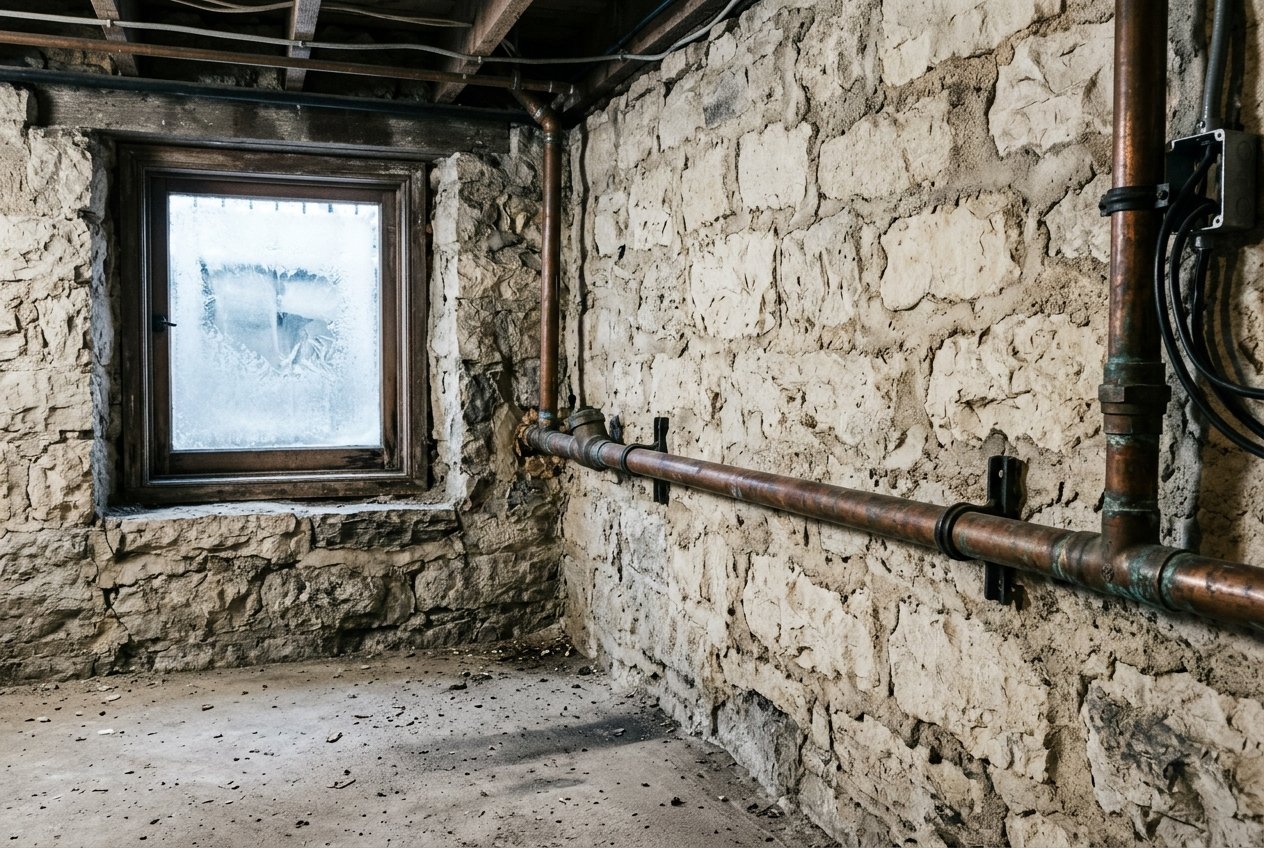
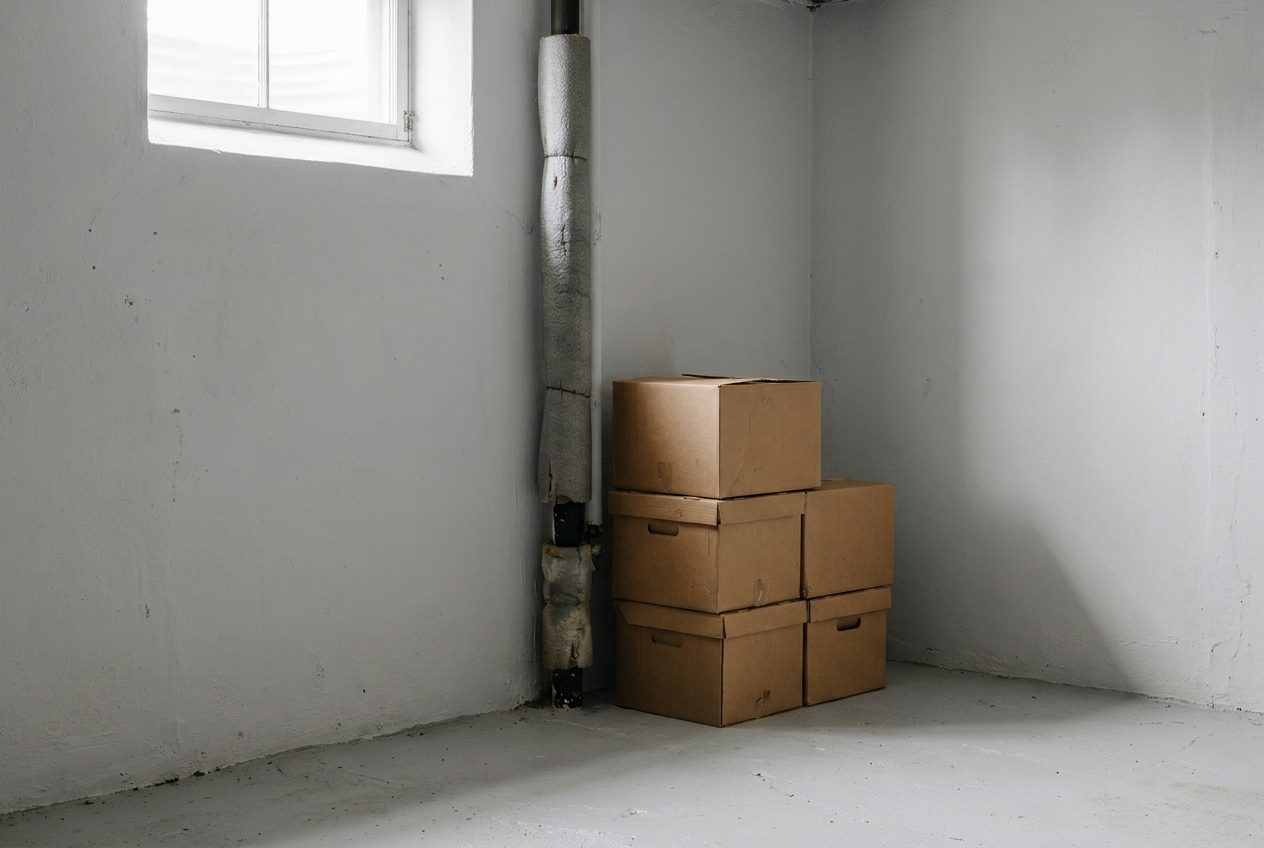
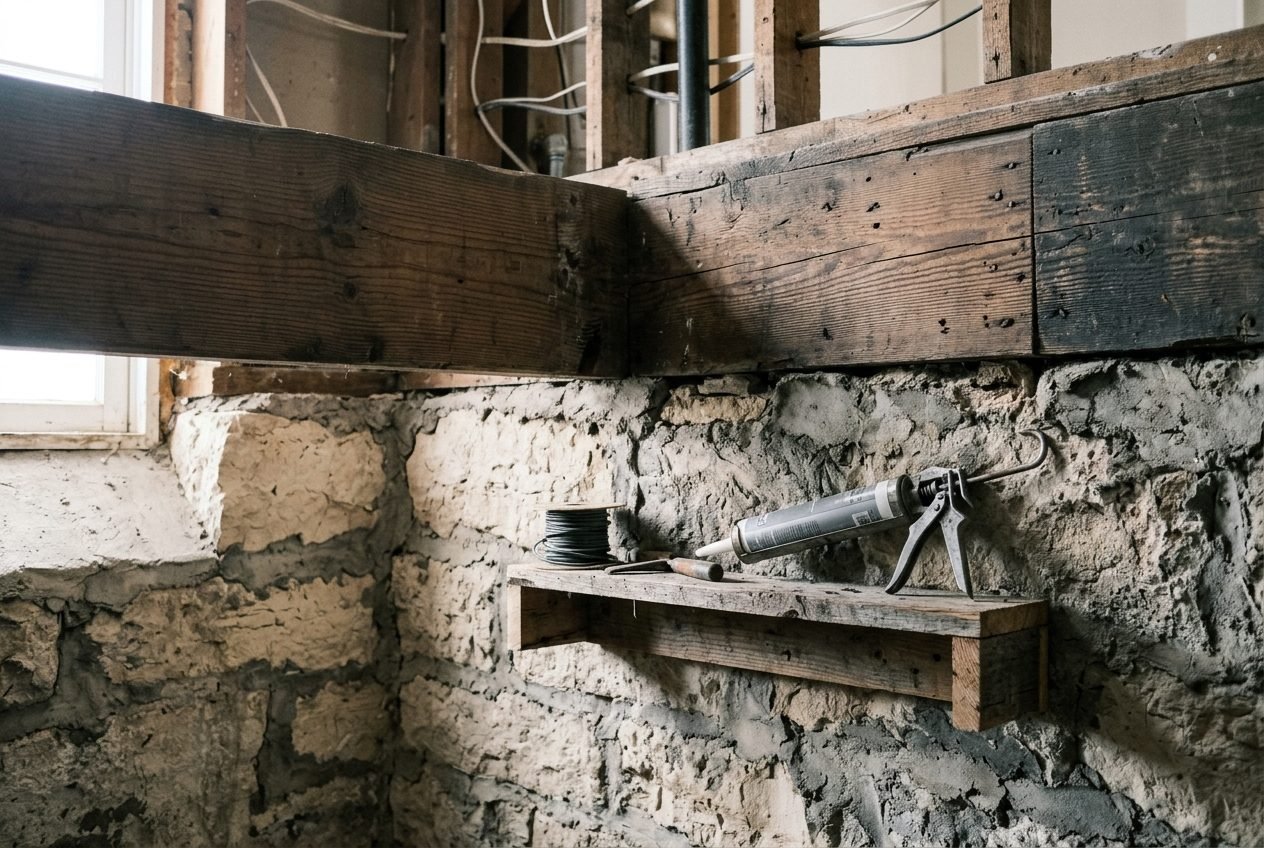
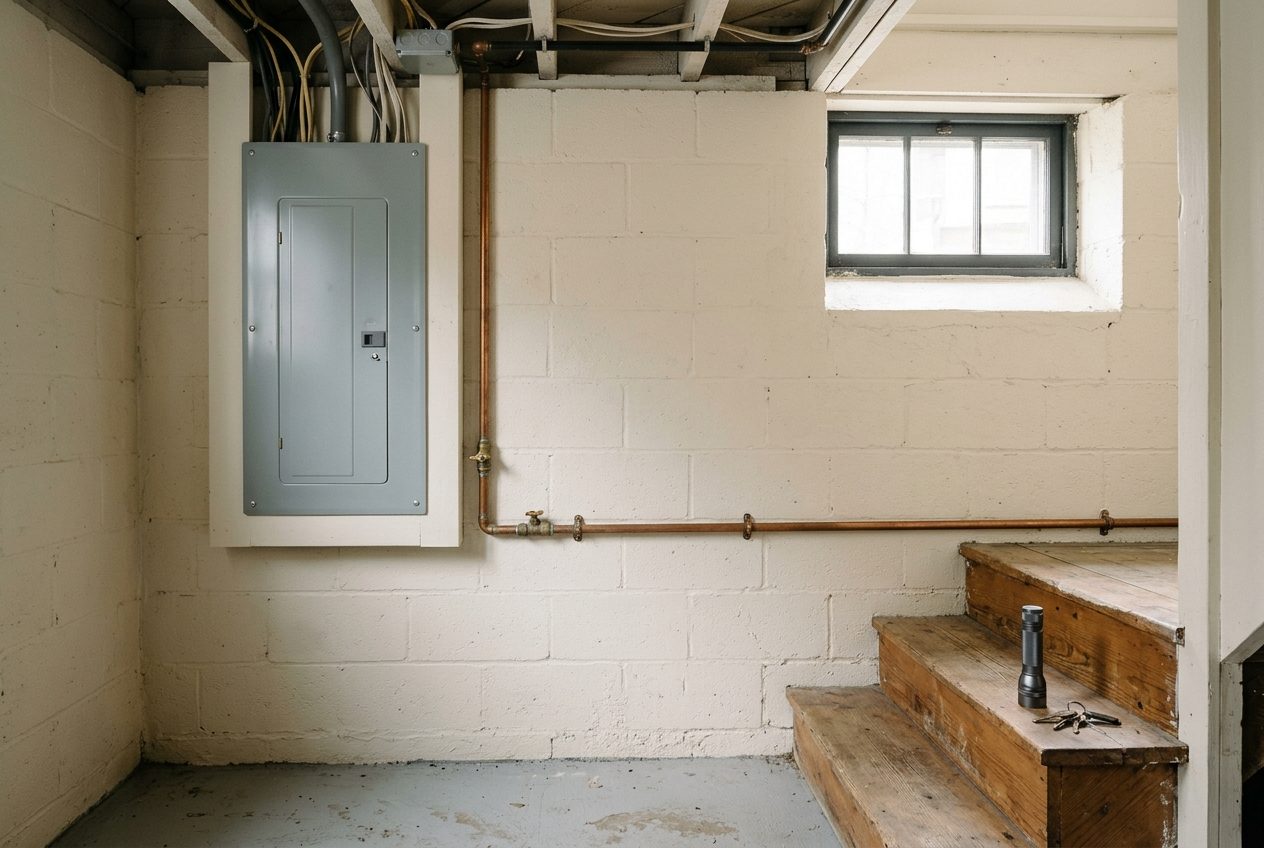
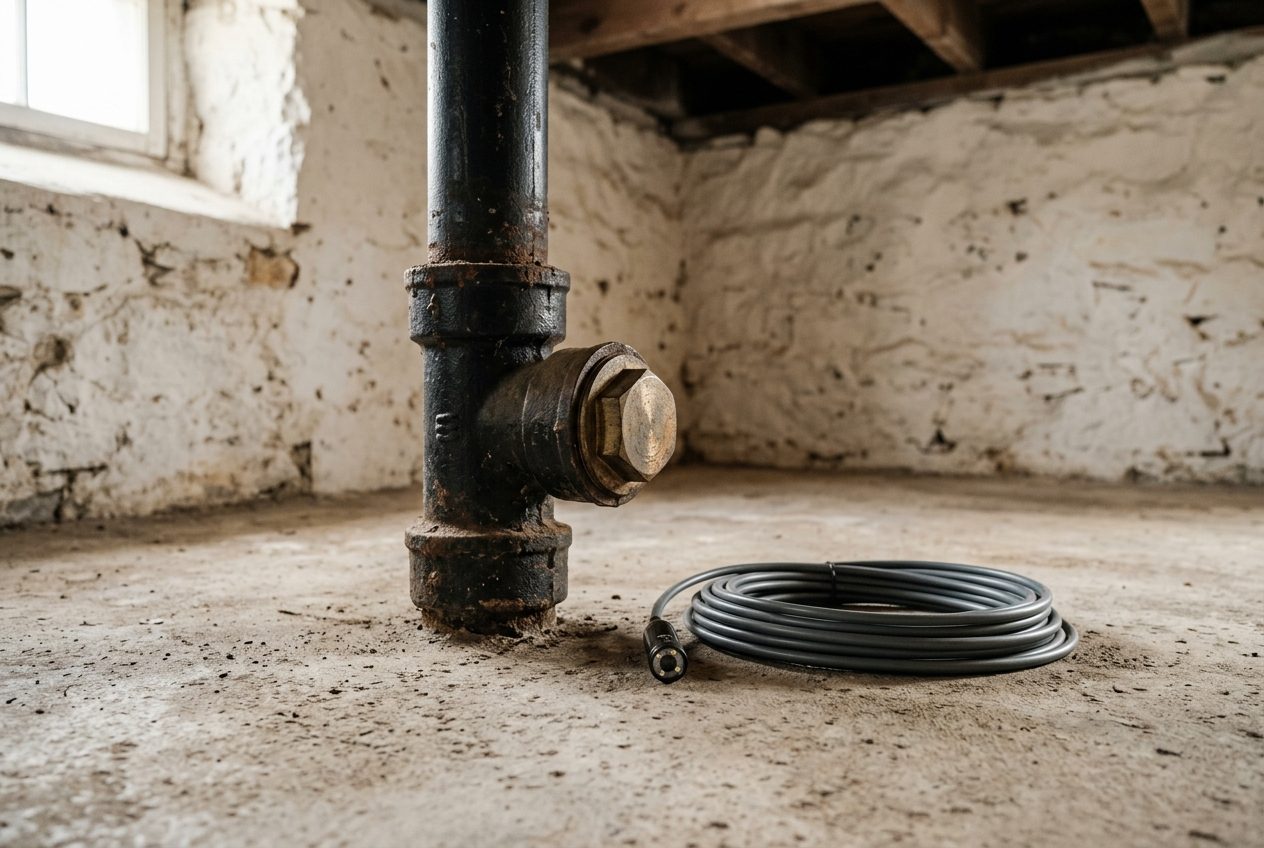
- Are there water stains, a tide line or efflorescence on the basement walls?
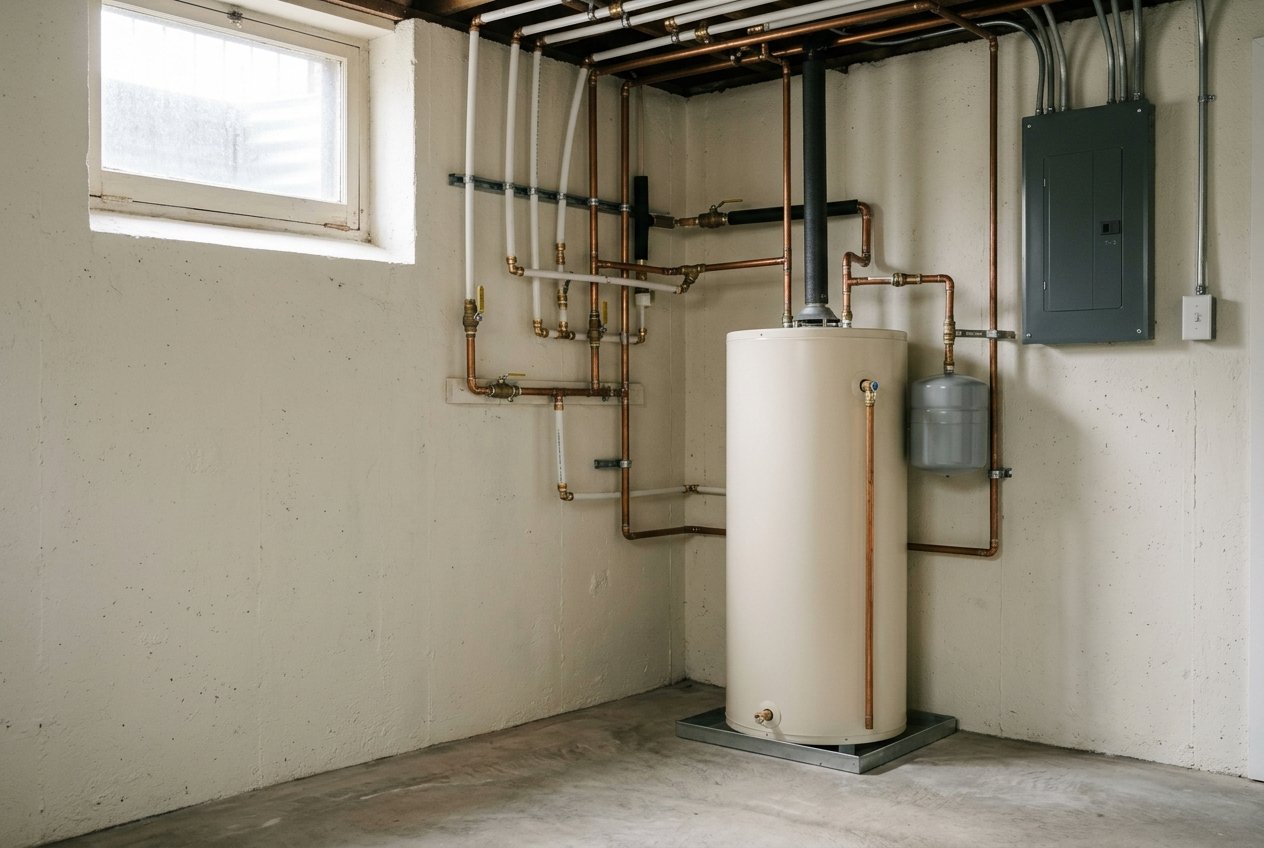
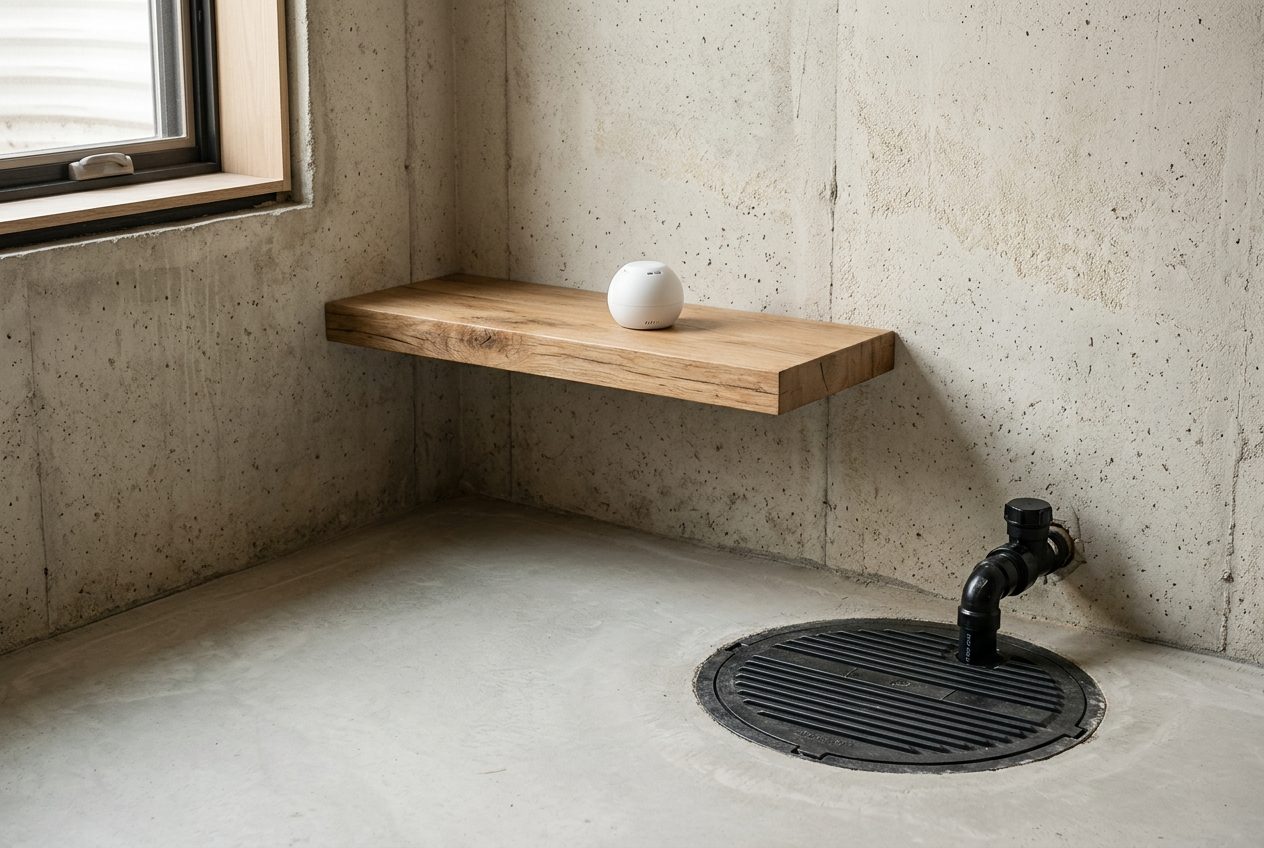
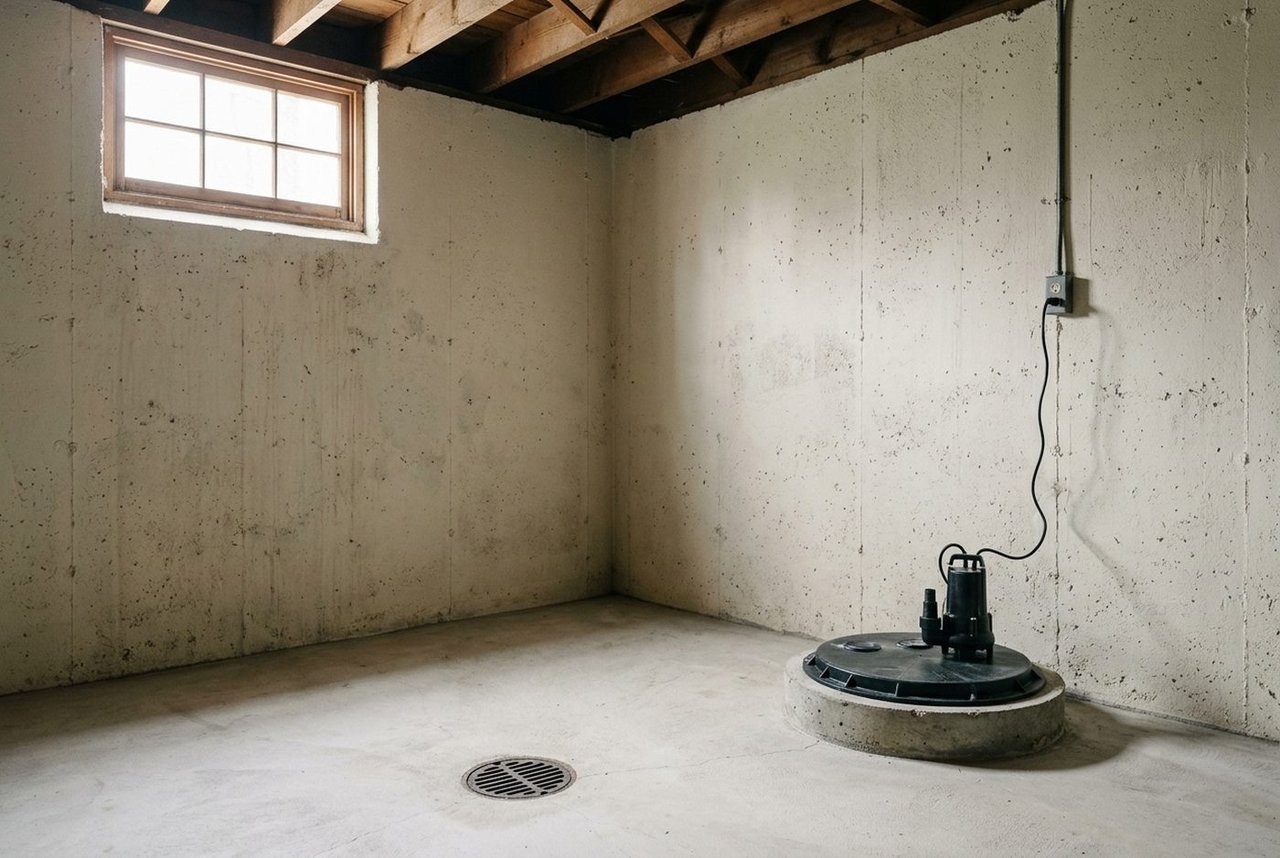
- Is there a sump pump, and does it have power and a discharge line?
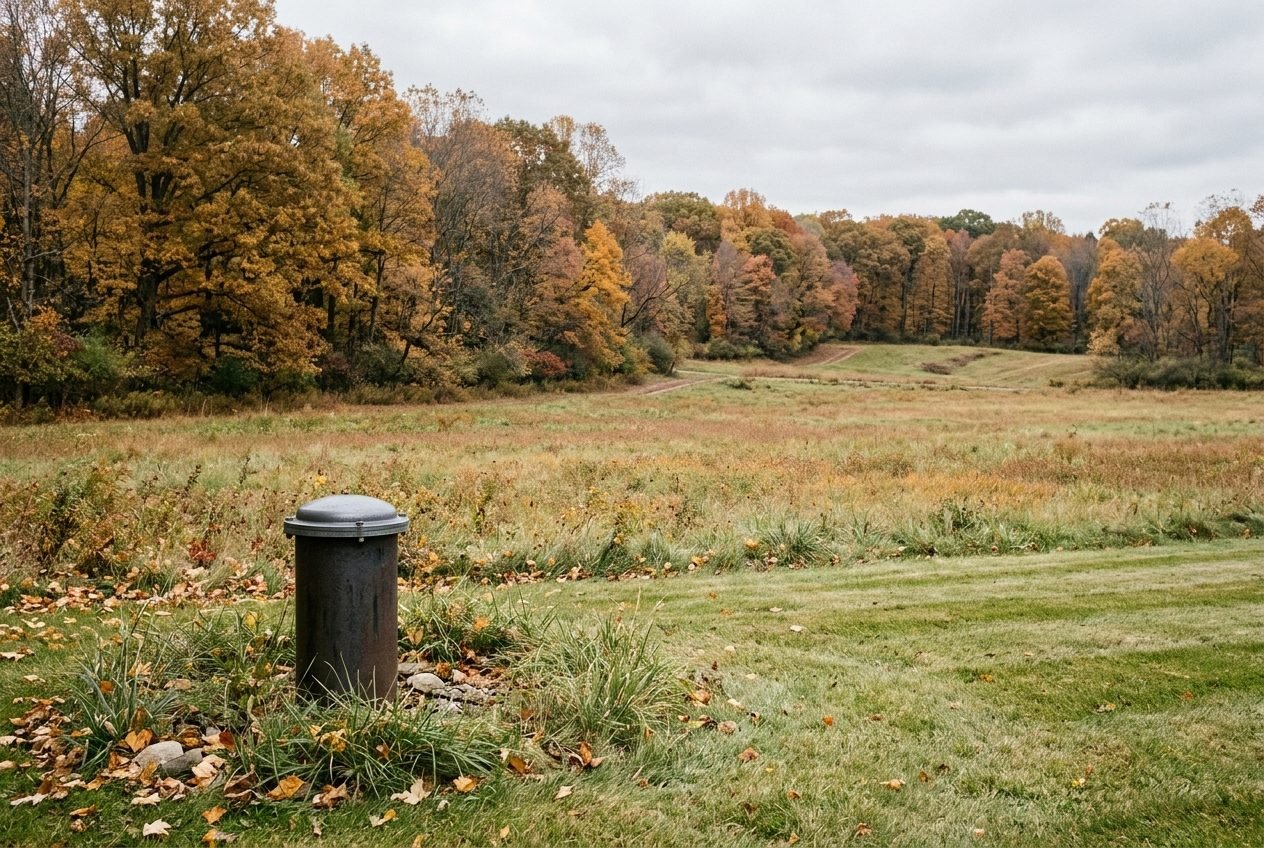
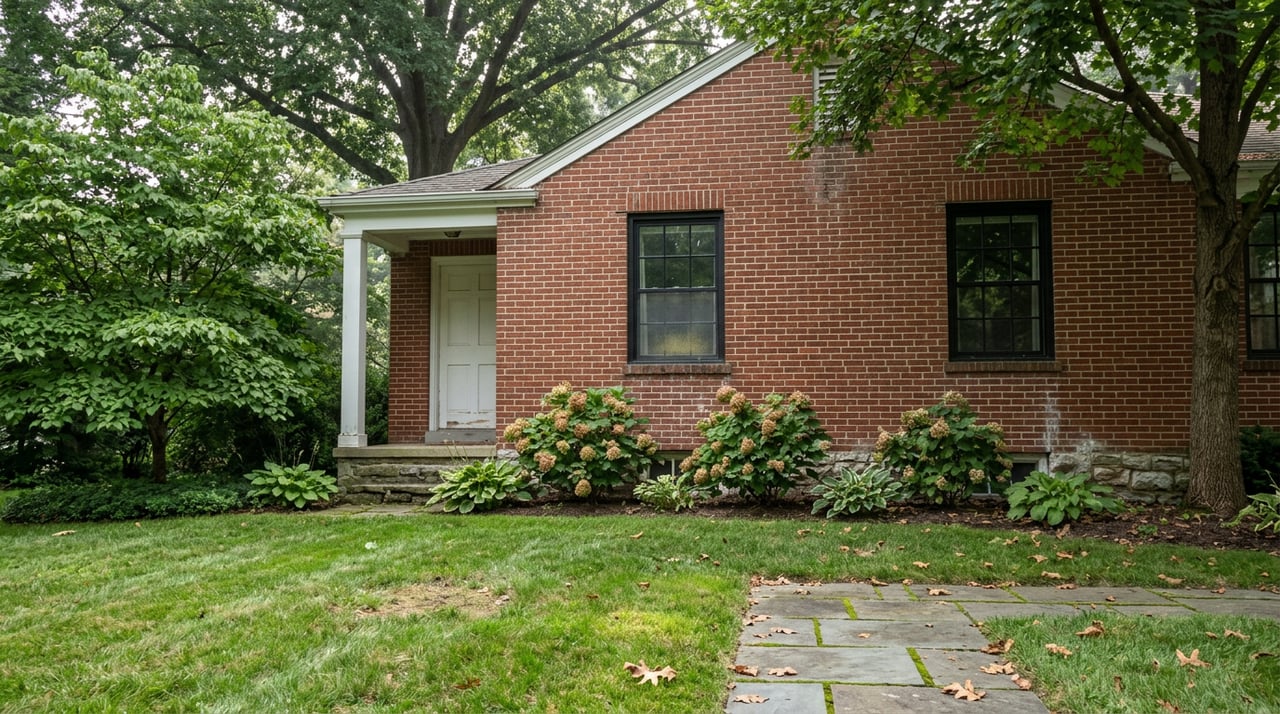
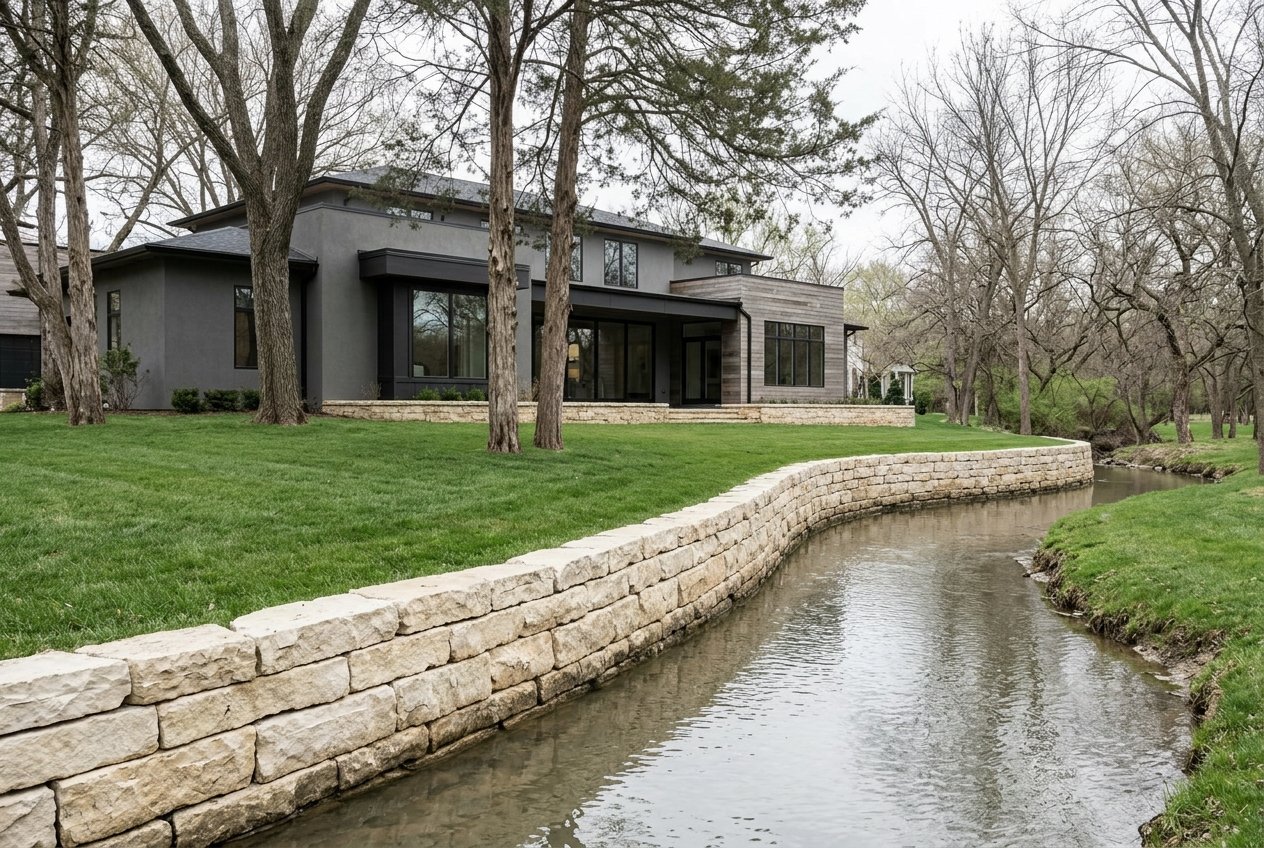
- Is the house near a creek, a low spot or the bottom of a hill?
- Do the neighbors' lots send water onto this one?
Efflorescence is the white, powdery residue on masonry. It is a sign that water has moved through, not proof of flooding. I treat it as a question for the inspector. For the mold side of moisture, read How Do You Spot Mold and Moisture Problems Before You Buy an Older Home?
What should a seller do before listing?
Know your own history. If water has come in, find out why, fix the cause and keep the paperwork. If you have a flood policy, keep the declarations page. If you have a sump pump, test it and write down when you did. If you do not know the answer to a buyer's question, say so and offer to find out.
I would also run the FEMA map for your own address before photos. If it shows a zone, you want to hear it from yourself, not from a buyer's lender. See what else a pre-listing check can catch in What Does a Pre-Listing Inspection Catch Before Buyers Do?
How does this work with a mortgage?
I am not a lender, and lenders have their own rules. Ask your lender early whether the address will require a flood policy, and ask them to put it in writing. FloodSmart says one exception to the 30-day wait applies when flood insurance is purchased in connection with a mortgage loan, so the lender's timeline and the insurance timeline are connected. Your lender and your insurance producer answer this, not me.
What about new construction?
A new house is built on a lot with a drainage plan. Ask the builder for the grading plan and ask what the township approved. Walk the lot after a rain if you can. I covered the larger checklist in What Should You Check on the Final Walk-Through of a New Construction Home?
Why do I care about this as a builder?
Because water is the most common reason a house costs more than it looked. It rots wood, it moves soil, it grows mold and it destroys finished space. I read a lot and a foundation for where the water goes before I read a kitchen. A map is one tool, and a walk in the rain is another, and I want you to use both.
For how I evaluate a house from foundation to roof, see the Builder's Eye approach.
What are the common mistakes?
- Assuming homeowners insurance covers flood
- Assuming no mapped zone means no risk
- Waiting for a storm to ask about a policy
- Not asking how the 30-day waiting period fits the closing date
- Ignoring signs of past water in a finished basement
- Asking only the seller and not the township
What questions should a buyer put in writing?
Keep them plain and send them to the right person:
- To the seller: has water ever entered the house, from a flood, a storm or a failed pump, and is there paperwork on any repair or claim?
- To the township or city: does this address have a flood history or sit in a regulated area?
- To your insurance producer: is a flood policy available for this address, what does the summary of coverage say about a basement, and how does the 30-day wait line up with closing?
- To your inspector: please note any signs of past water in the basement and check the sump pump if there is one
Written answers go in the file, and they help the next owner too. I would rather you ask five questions in November than make a claim in April, and I would rather you hear a plain answer from a professional than a guess from a neighbor, a seller or me.
FAQ
Does homeowners insurance cover flood damage?
FEMA's FloodSmart says most homeowners insurance policies do not cover flood damage.
How do you check the flood risk of a house?
Use FEMA's Flood Map Service Center, where you can enter an address, a place or longitude and latitude to find an official flood map.
How long is the waiting period for flood insurance?
FloodSmart says there is typically a 30-day waiting period between purchase and the effective date, with exceptions such as when the policy is purchased in connection with a mortgage loan.
Can a house outside a high-risk flood zone flood?
FloodSmart says that from 2014 to 2024, almost one-third of National Flood Insurance Program claims came from areas outside high-risk areas.
If you are buying or selling and want a builder's read on how water behaves around a house, book a 30-minute call. Bring the address and your questions.