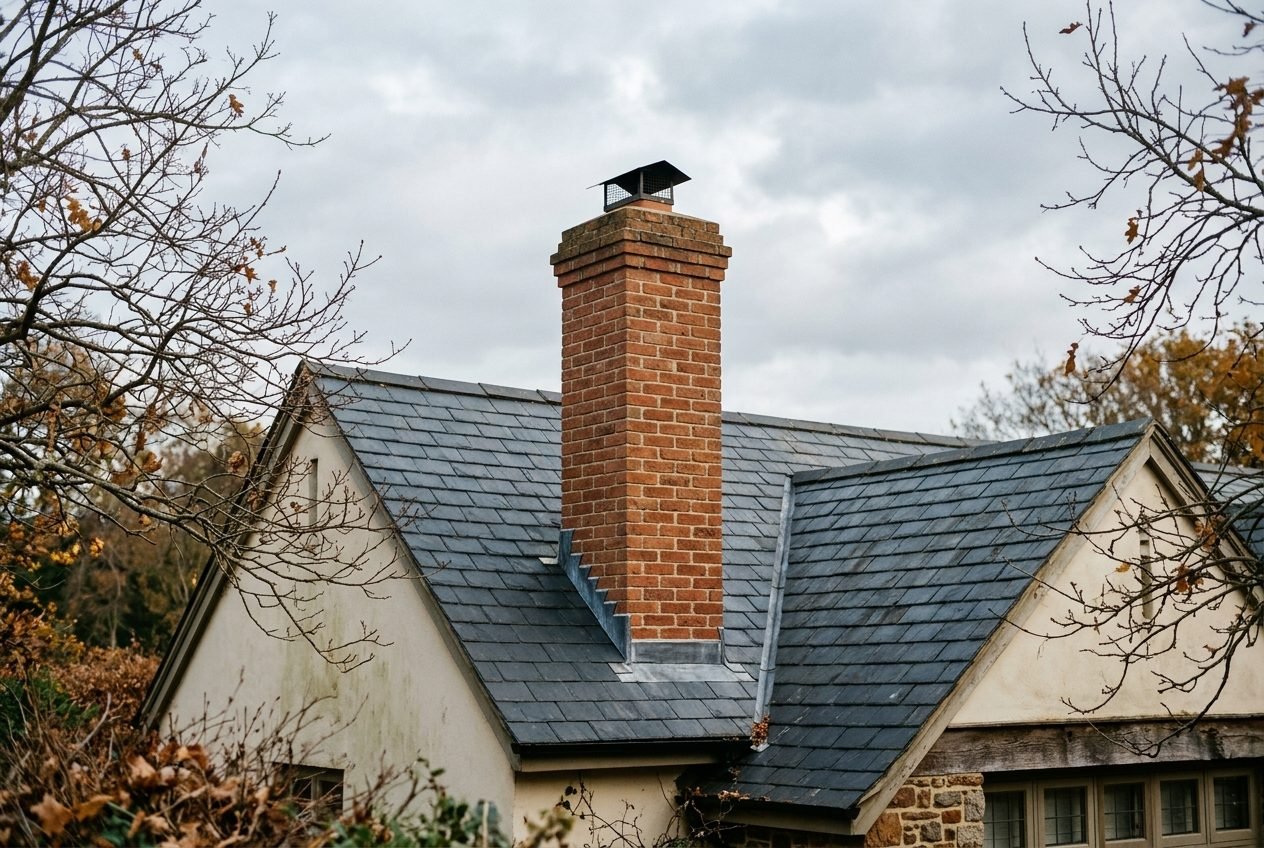
The CDC warns that extreme cold can cause water pipes in your home to freeze and sometimes rupture or break. A burst pipe is not a plumbing inconvenience. It is a water damage claim, and in a house that is vacant or on the market, nobody may notice for days.
Aubre J. Stacknick is a Global Real Estate Advisor with Piatt Sotheby's International Realty in Pittsburgh, PA, helping buyers and sellers across Western Pennsylvania see a home through a builder's eyes. I am not a licensed plumber, and this post is general information, not instructions for your house. A licensed plumber decides what is right for your pipes.
What does the CDC say to do before very cold weather?
Three things. Leave taps slightly open so water keeps moving. Keep your home warm. And open the cabinet doors under kitchen and bathroom sinks so heated air can reach the pipes behind them.
Those steps sound small because they are. They work because a pipe on an exterior wall can sit in a pocket of cold air that the rest of the house never feels. A cabinet door that stays closed holds that cold in. Opening it lets room air in.
Which pipes freeze first in an older Pittsburgh house?
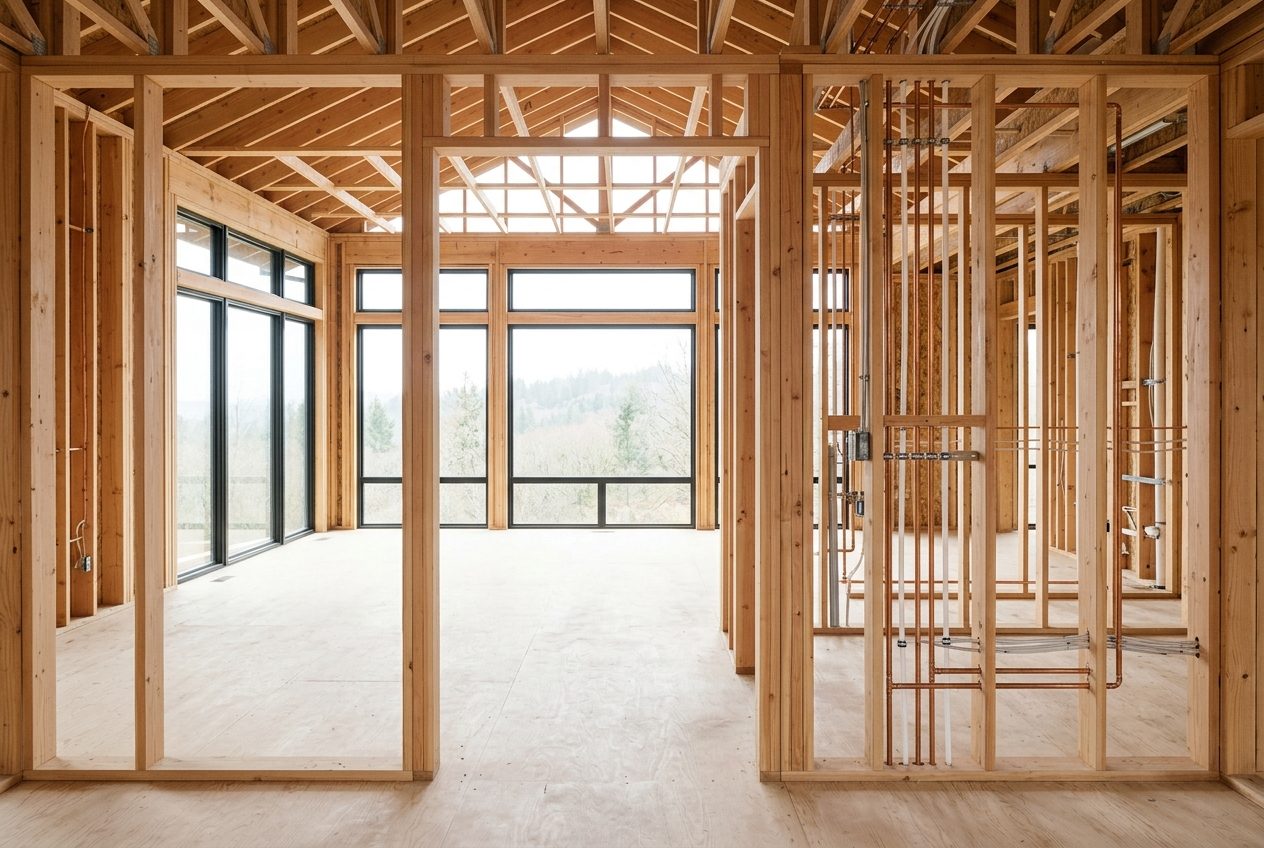
In my work walking older homes, the trouble spots are rarely in the middle of a warm room. They are the places where plumbing meets the cold:
- Pipes in an exterior wall, especially a kitchen or bathroom sink on the windward side
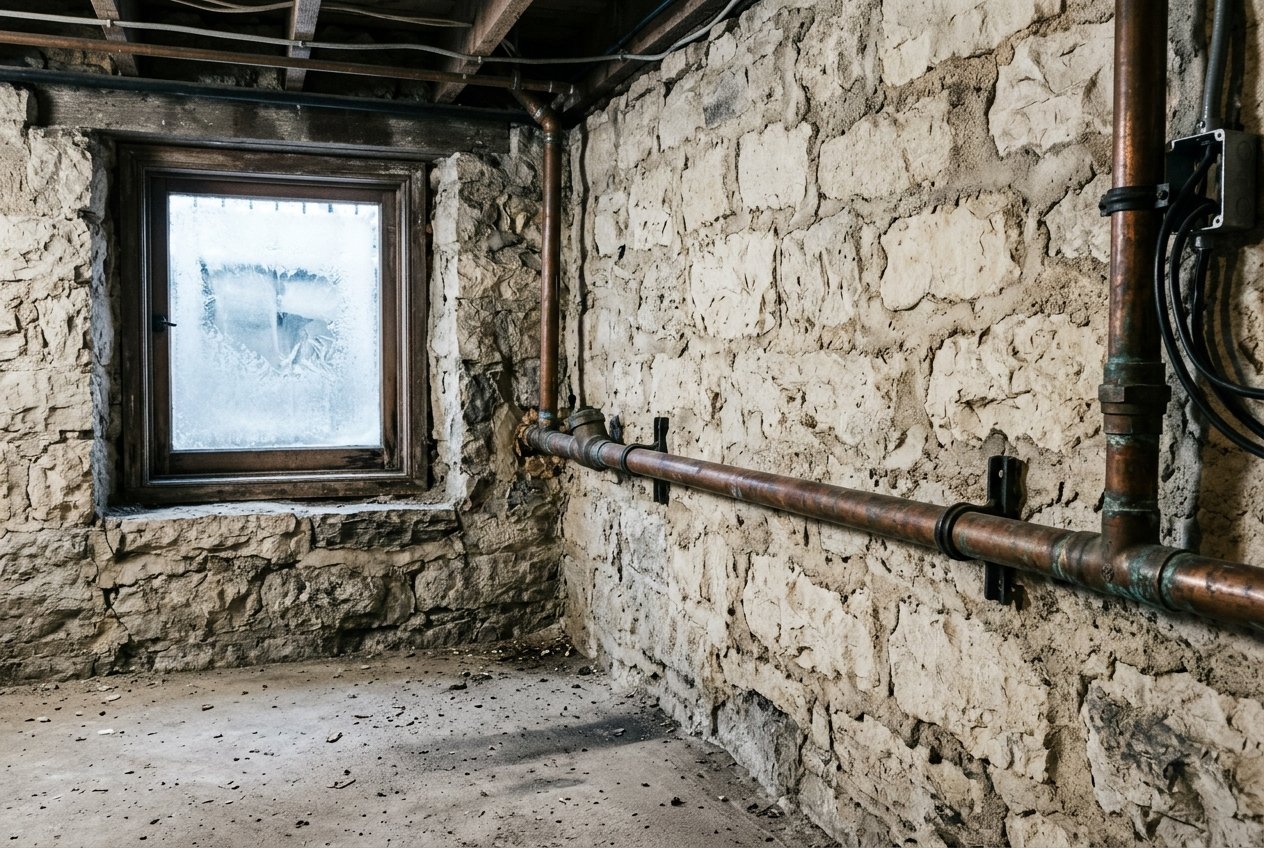
- Pipes in an unheated garage, crawl space or porch
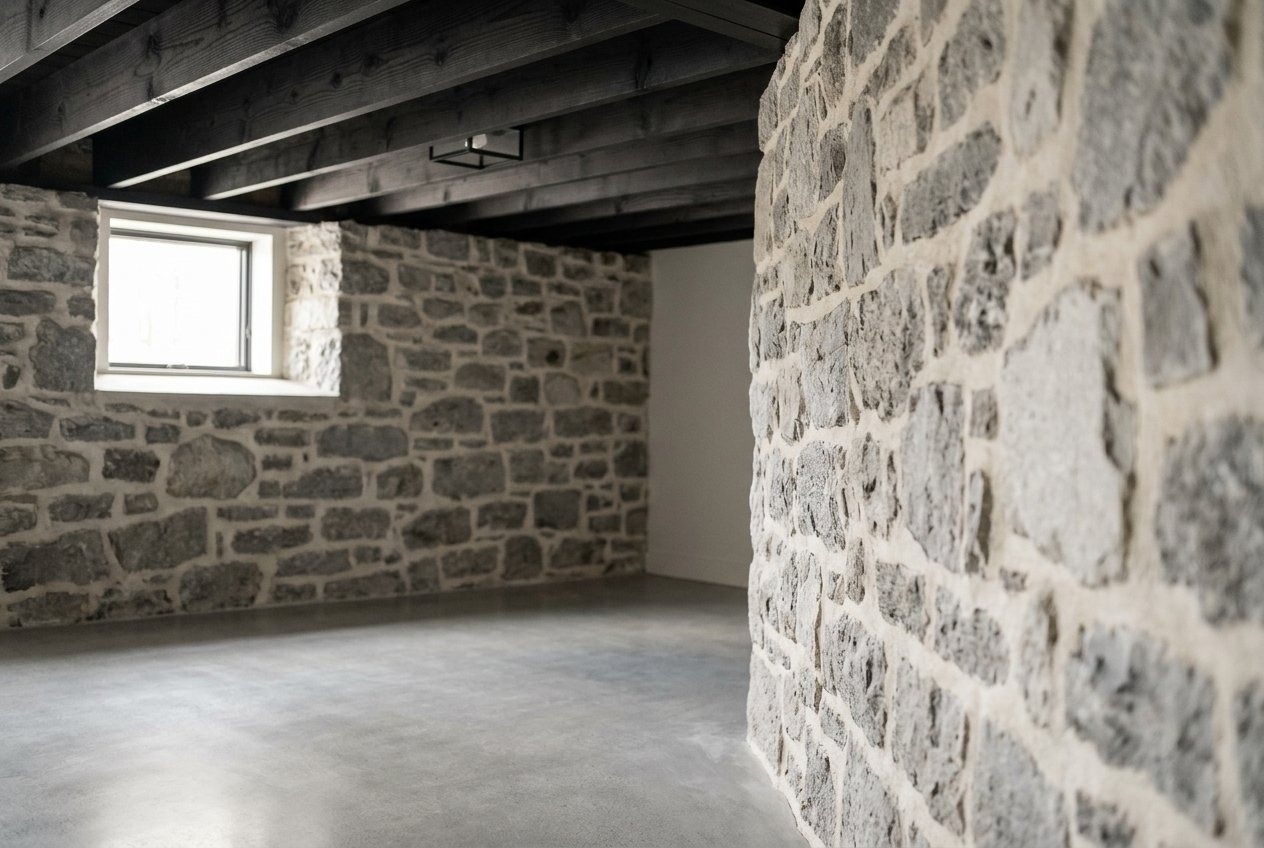
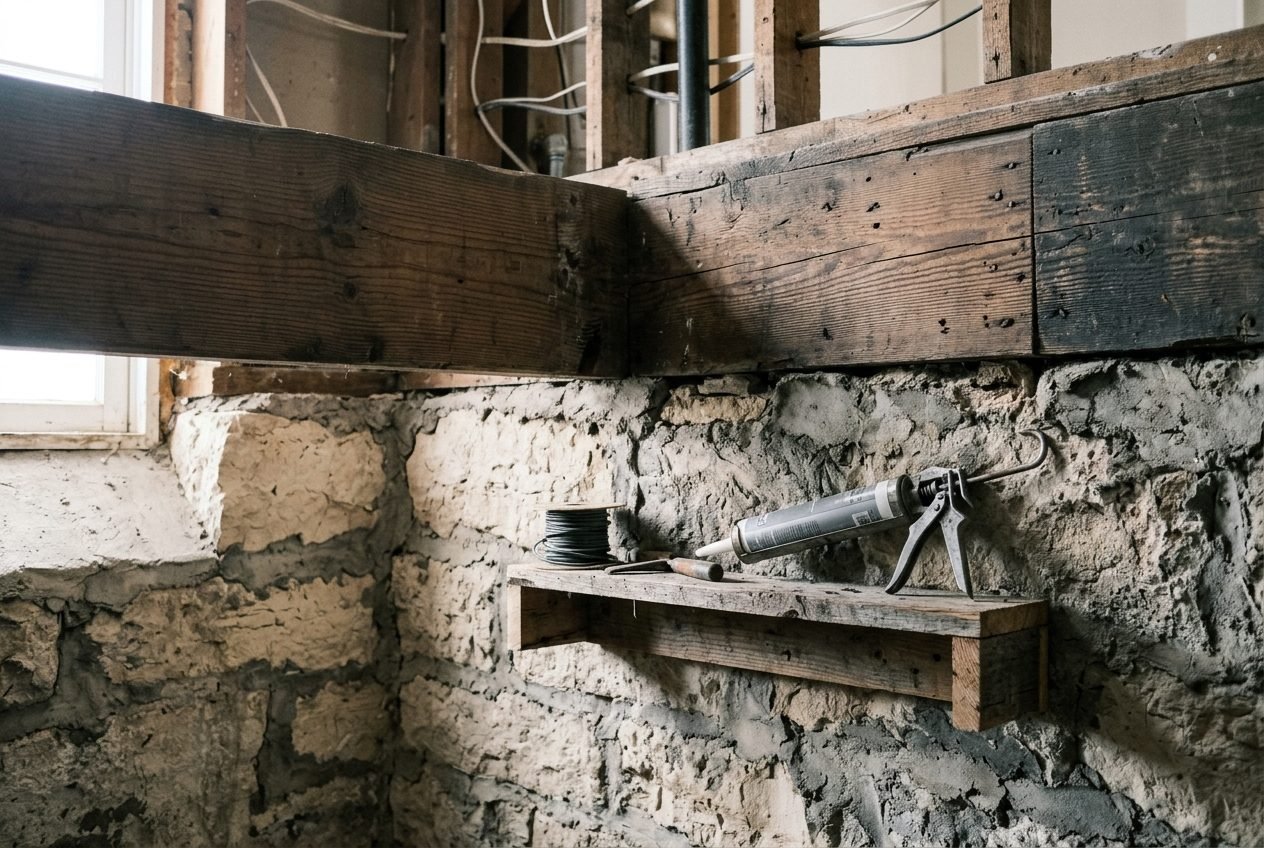
- Supply lines near the rim joist, the area where the framing meets the top of the foundation
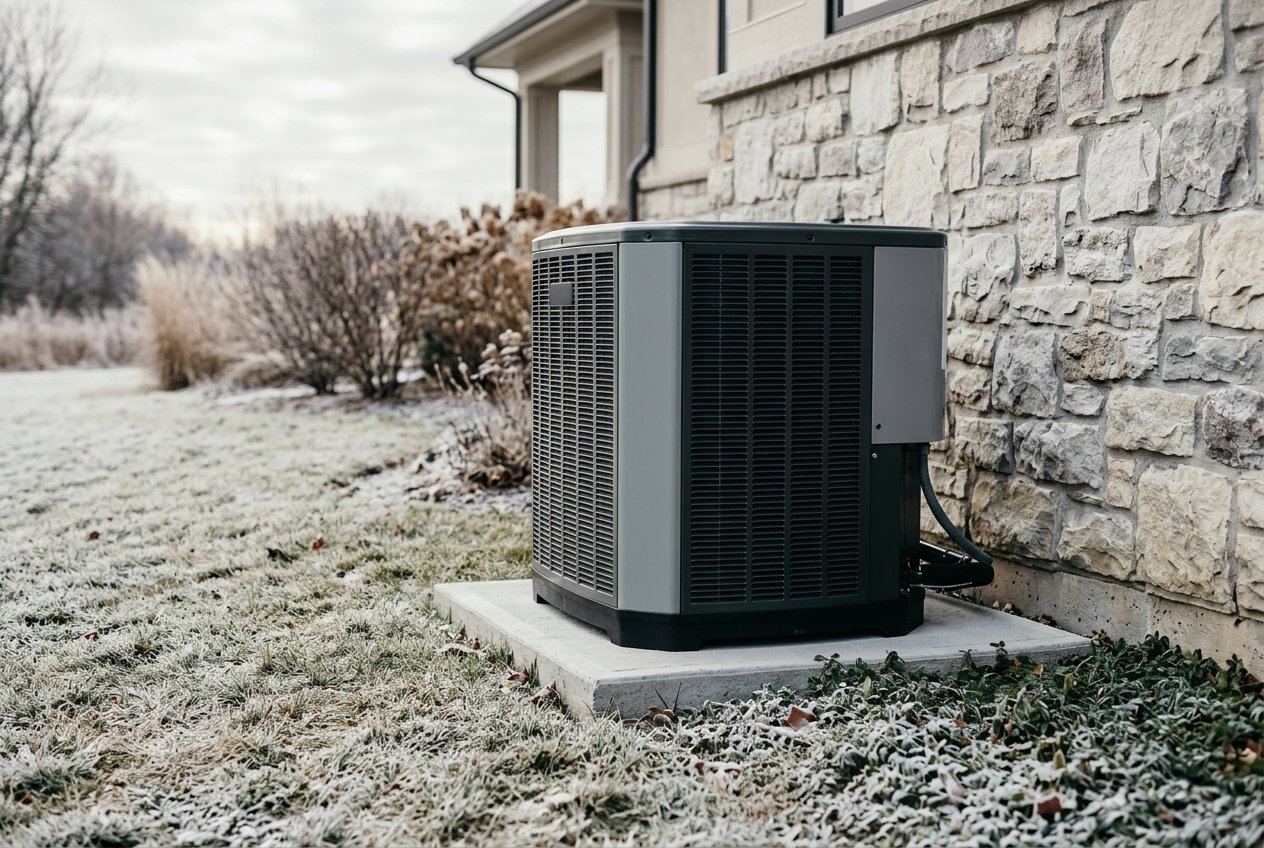
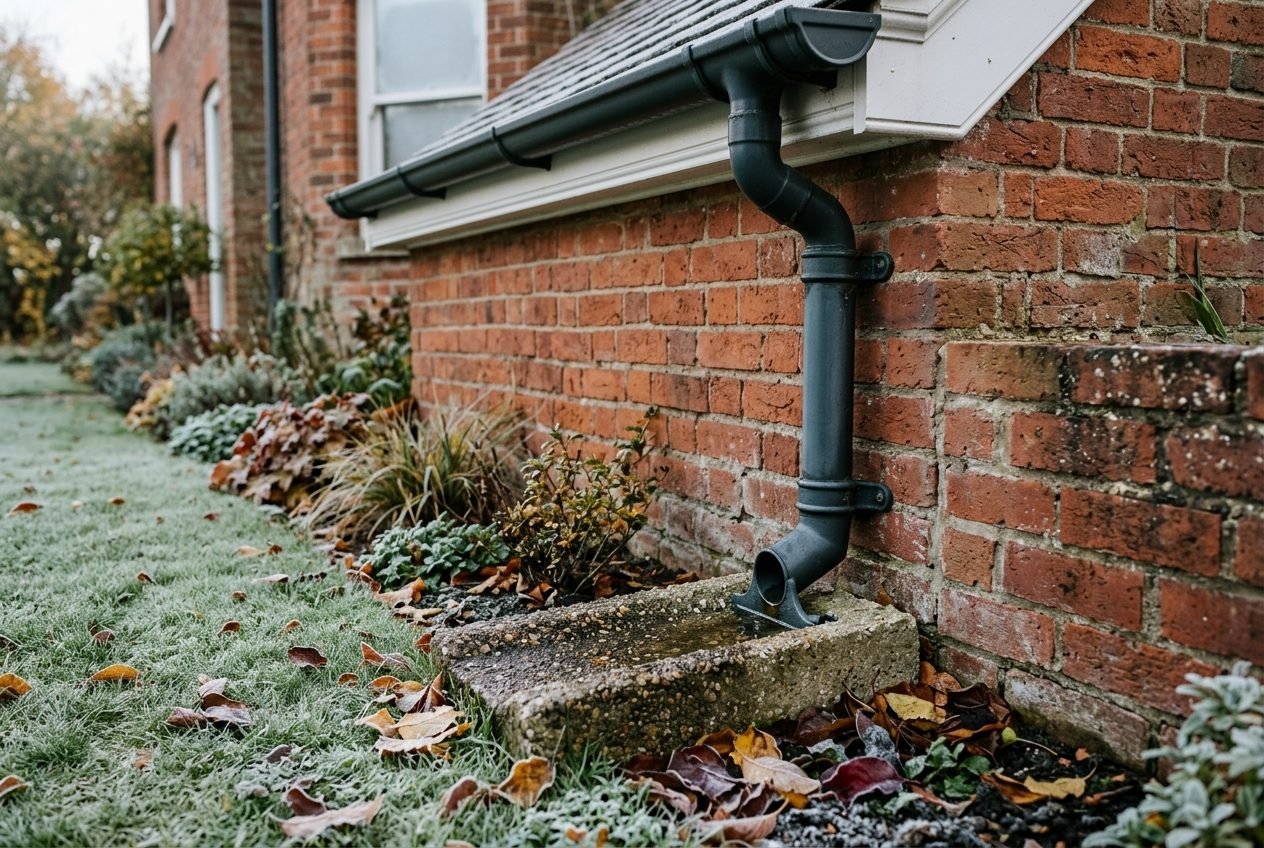
- Outdoor faucets and the pipe that feeds them
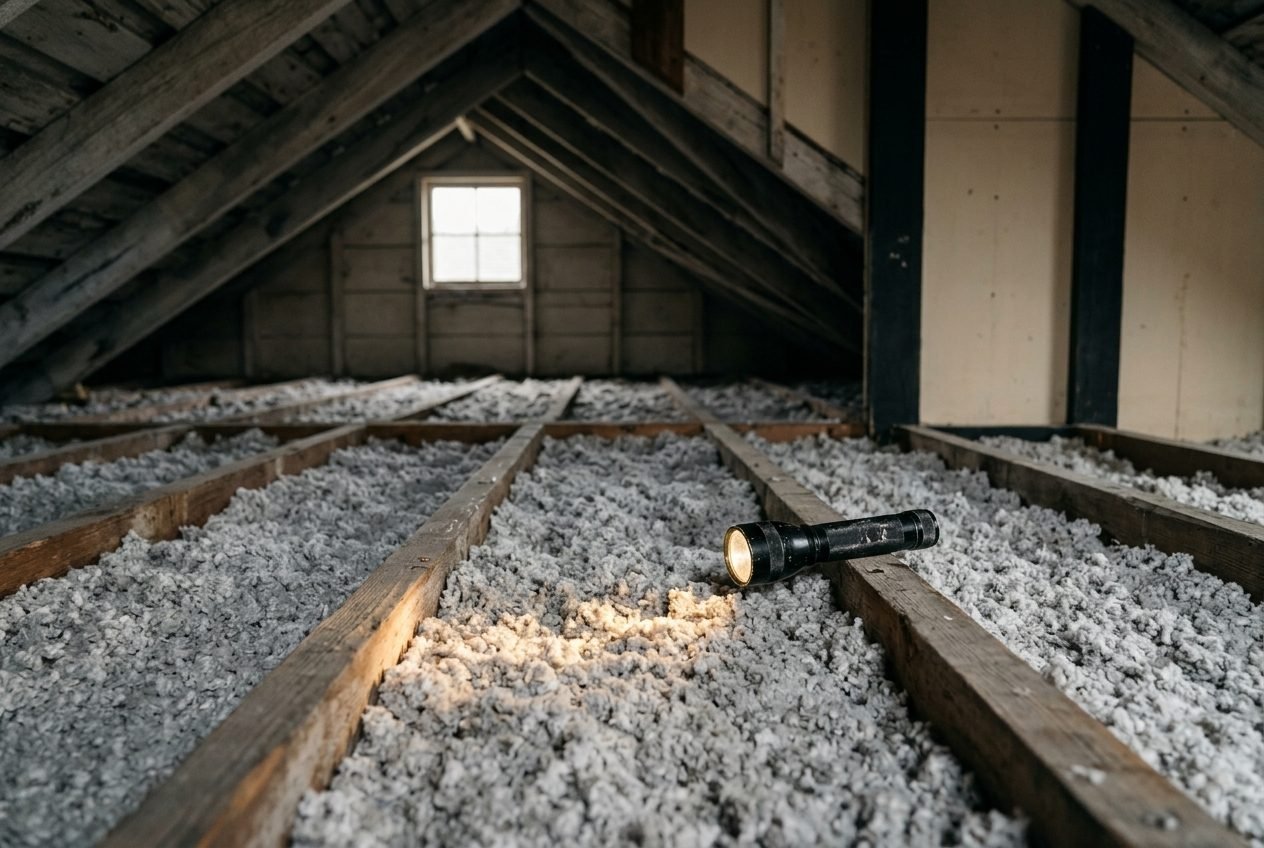
- Any line that runs through an uninsulated attic or an addition built later
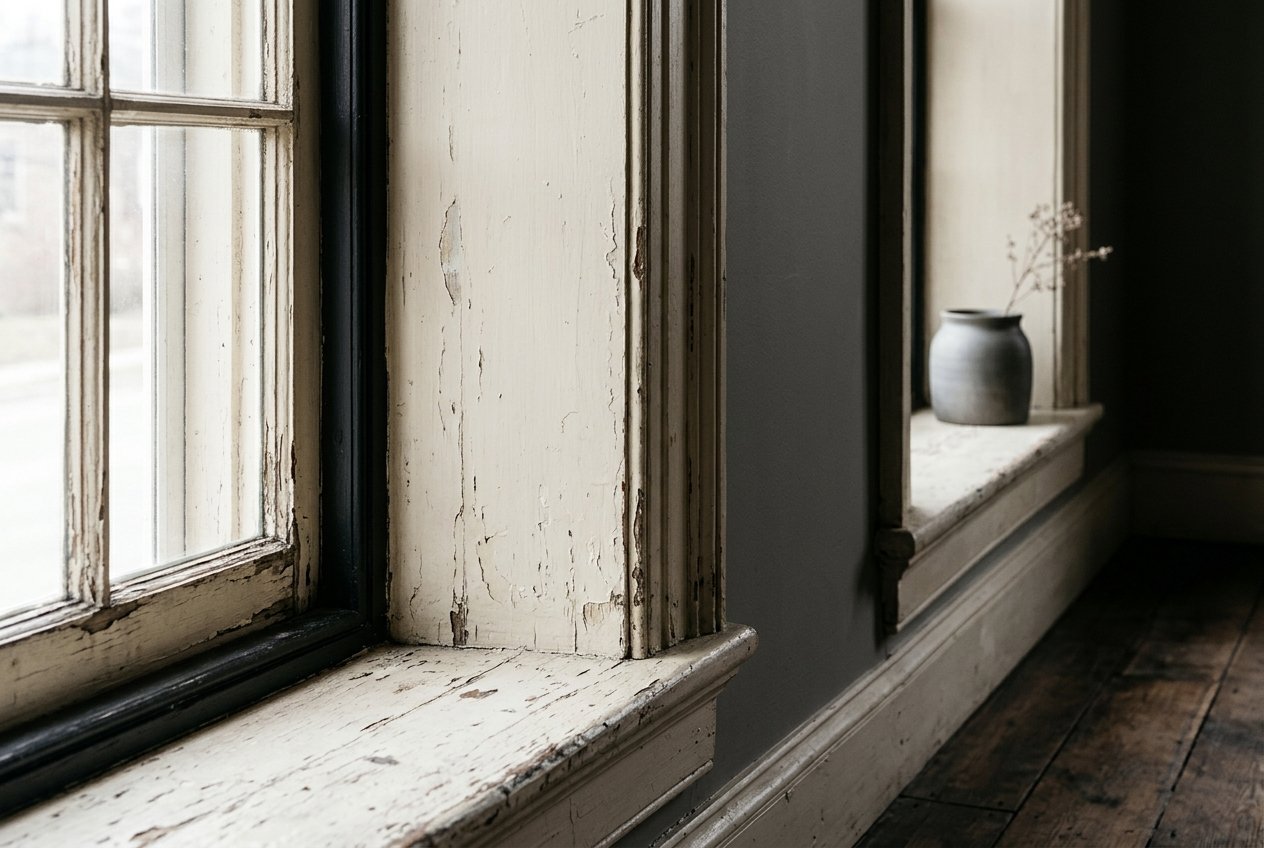
Older homes often have additions, converted porches and rooms that were opened up over the years. Each change can leave a pipe in a place the original builder never planned for it. That is why I look at where the plumbing runs, not just whether the faucets work.
What should you do if a pipe freezes?
Follow the CDC. If your pipes freeze, do not thaw them with a torch. Thaw them slowly with warm air from an electric hair dryer. An open flame near a pipe can start a fire inside a wall, and a pipe heated too fast can break.
Before you start, open the faucet the pipe feeds, so water and steam have somewhere to go as the ice melts. Work from the faucet toward the frozen section. If you cannot find the frozen spot, cannot reach it, or the pipe has already split, call a licensed plumber.
If the pipes will not thaw or have broken open, the CDC advises using bottled water or getting water from a neighbor's home. Do not drink from a line you think may be damaged until a plumber has looked at it.
Where is your main water shutoff, and does it work?
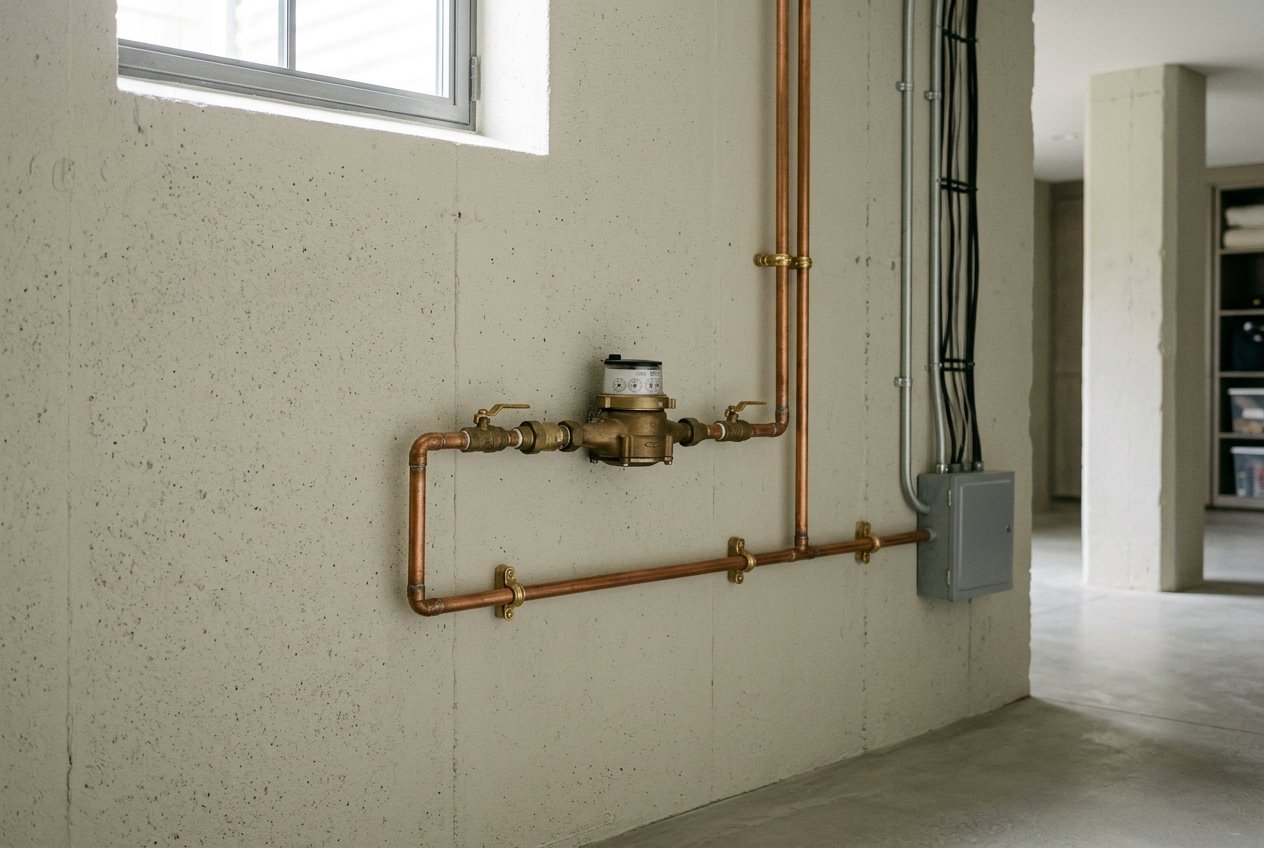
This is the question I ask most often and the one people answer least often. If a pipe bursts, the first move is to stop the water, and you cannot do that if you do not know where the valve is.
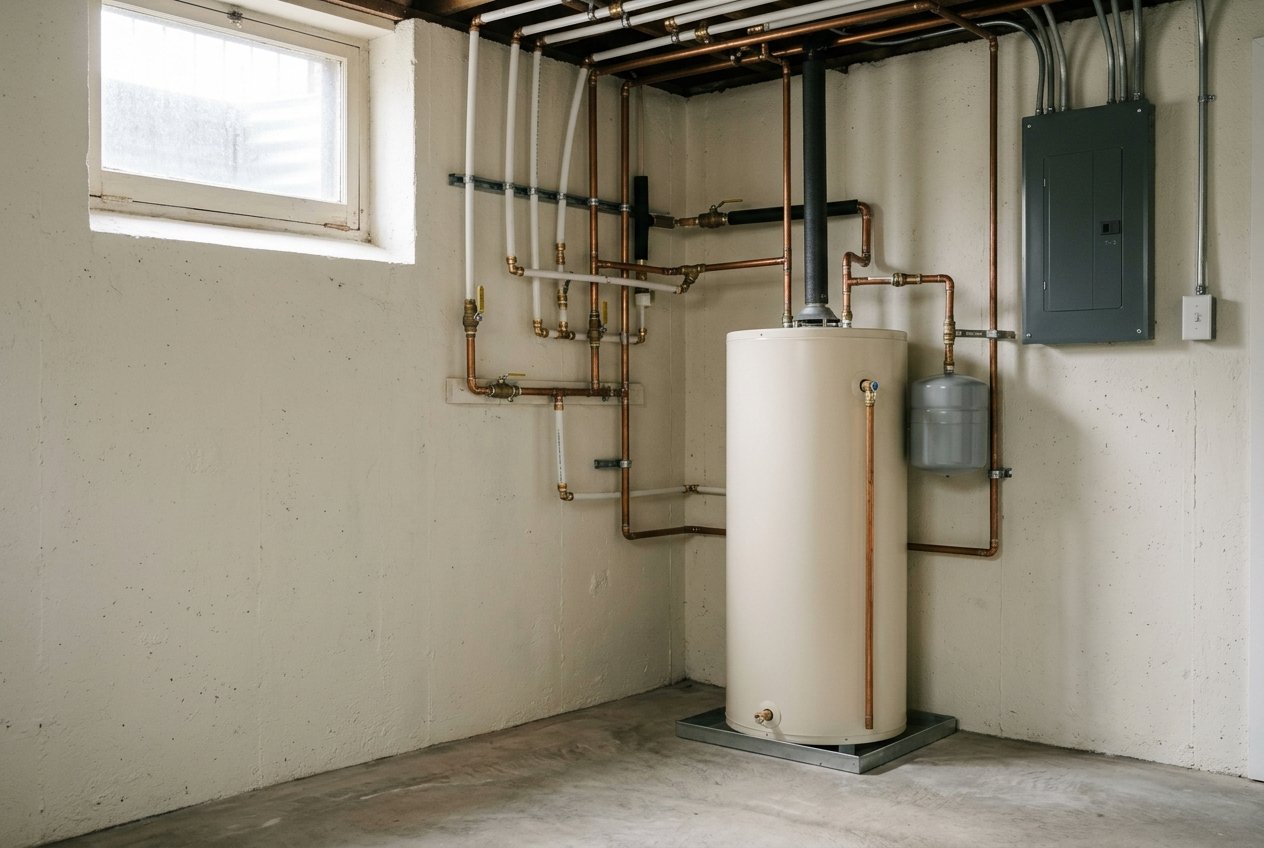
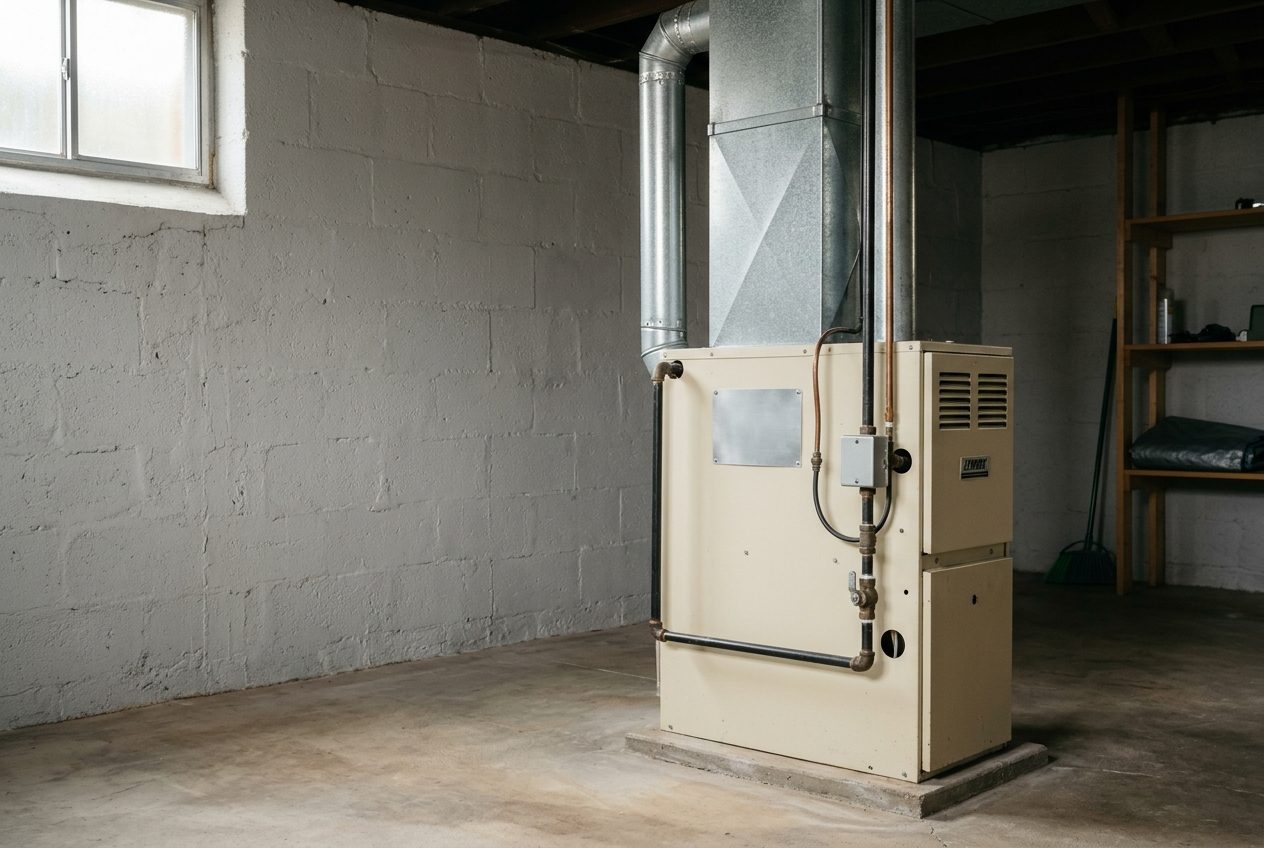
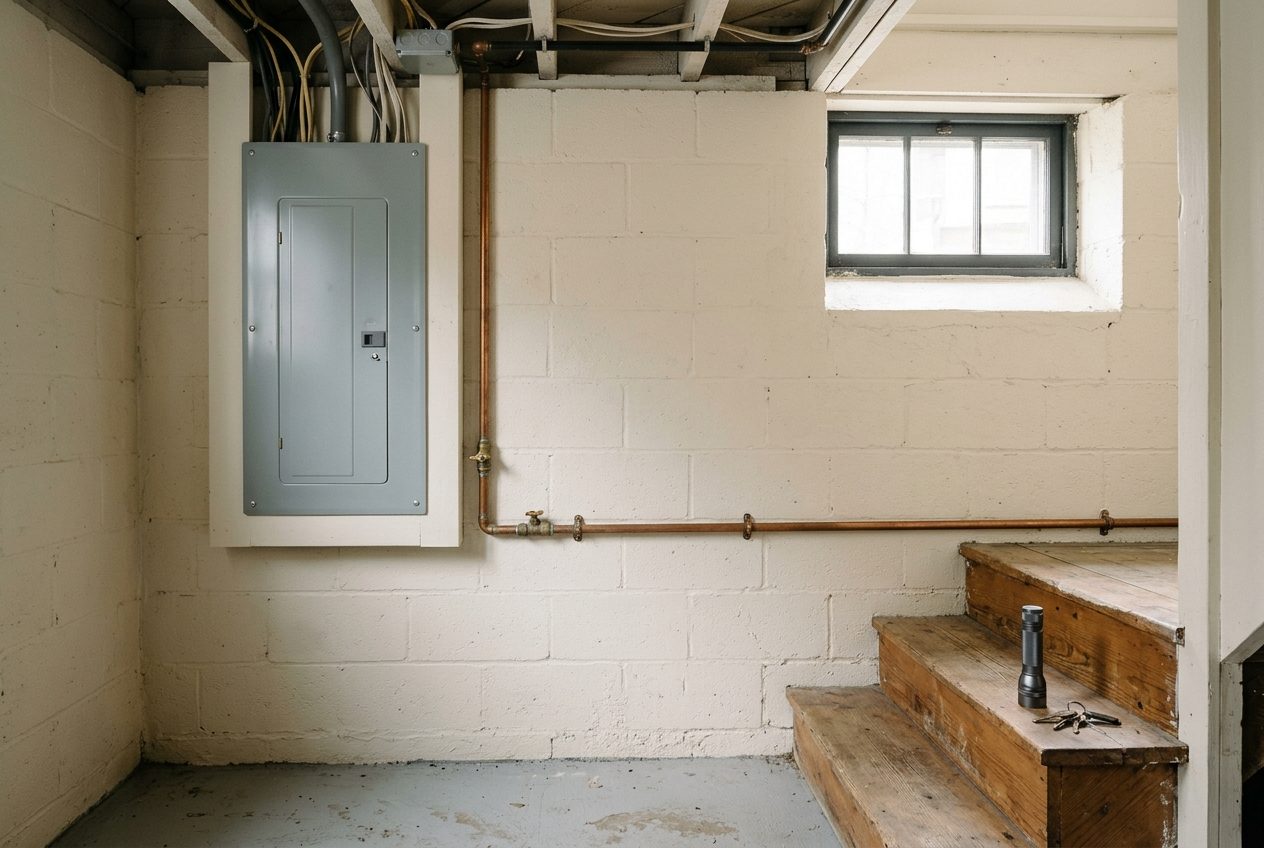
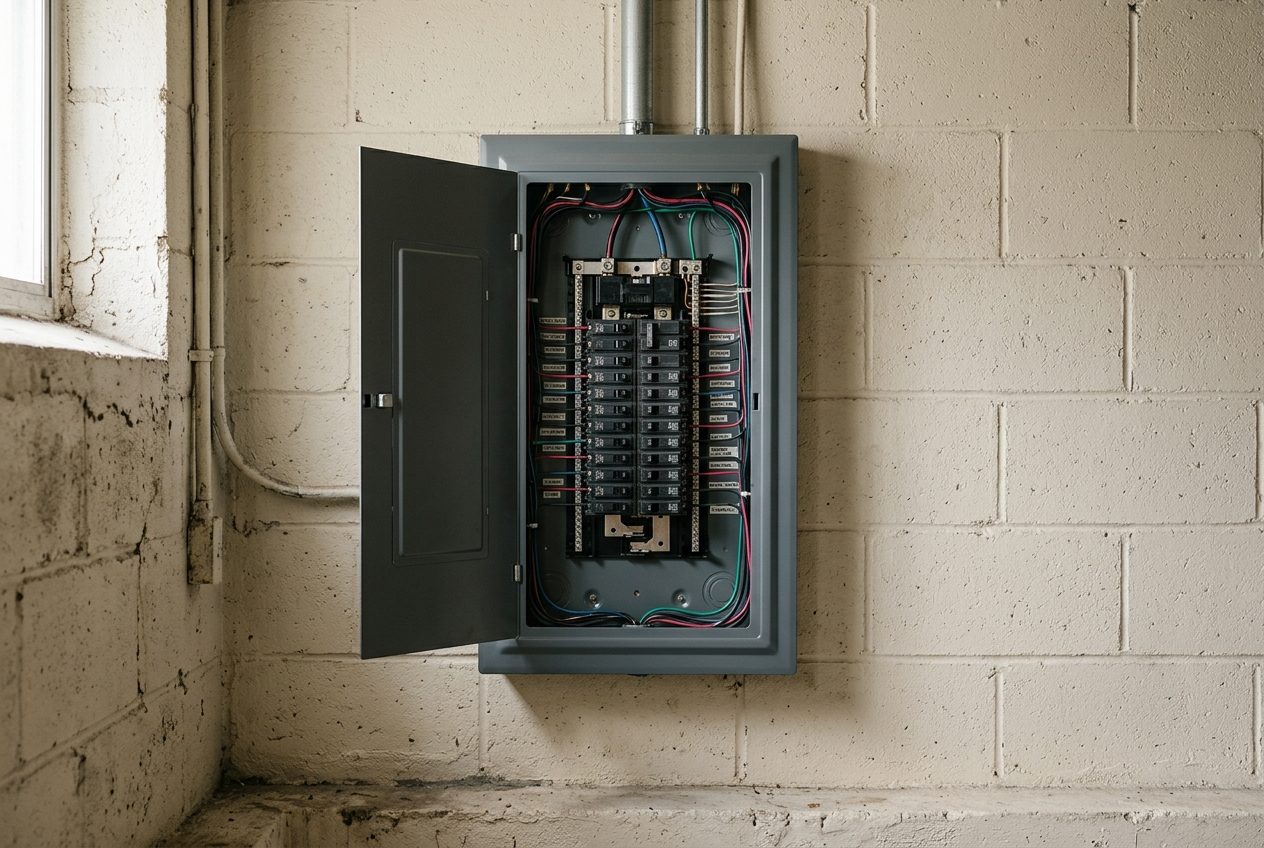
Find the main shutoff before winter, not during a leak. It is usually where the water line enters the house, often in a basement or utility area. Turn it off and on once to see that it moves. A valve that is stuck or leaks around the handle is something to tell a plumber about while the house is dry.
If you are buying, ask the seller or the inspector to show you the shutoff. If you are selling, tape a note by it and tell your agent where it is.
What should you do if you are leaving the house for a few days?
Do not turn the heat off. The CDC says to keep your home warm, and that matters most when nobody is home to notice a problem. Ask a neighbor or friend to check the house if you will be away during a hard freeze.
If you are selling a home that sits empty, build a winter routine into the listing plan. Someone should walk through on a schedule, check for any drip or damp spot, confirm the heat is running and look at the basement. A vacant house in January can go wrong faster than an occupied one. If the home needs to be winterized more completely, that is a job for a licensed plumber, who can tell you what your system allows.
What should buyers look for in winter?
Winter is a useful time to see a house, because the weak points are working at their hardest. I look for:
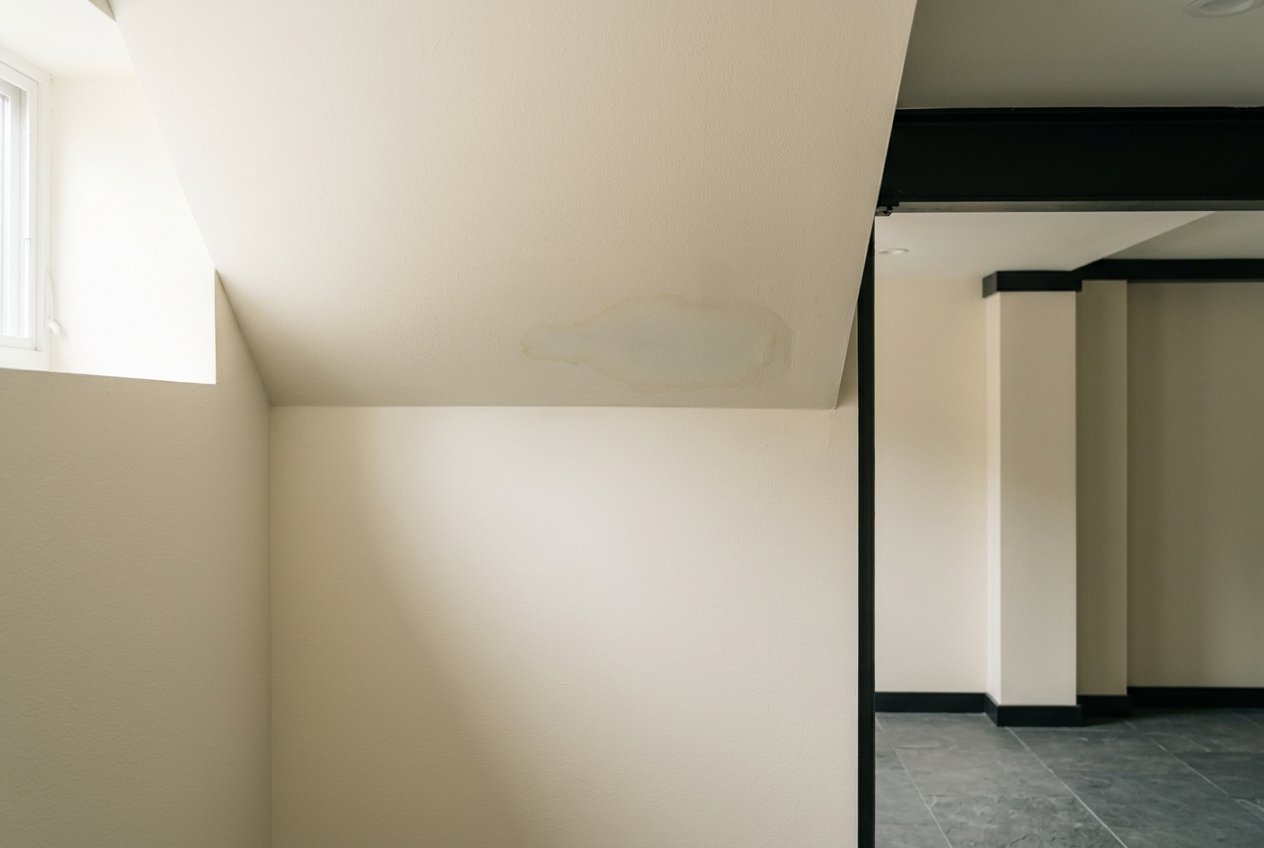
- Stains, bubbling paint or soft drywall on a ceiling or wall near plumbing, which can mean an old leak
- Patched sections of wall or ceiling near a sink or tub
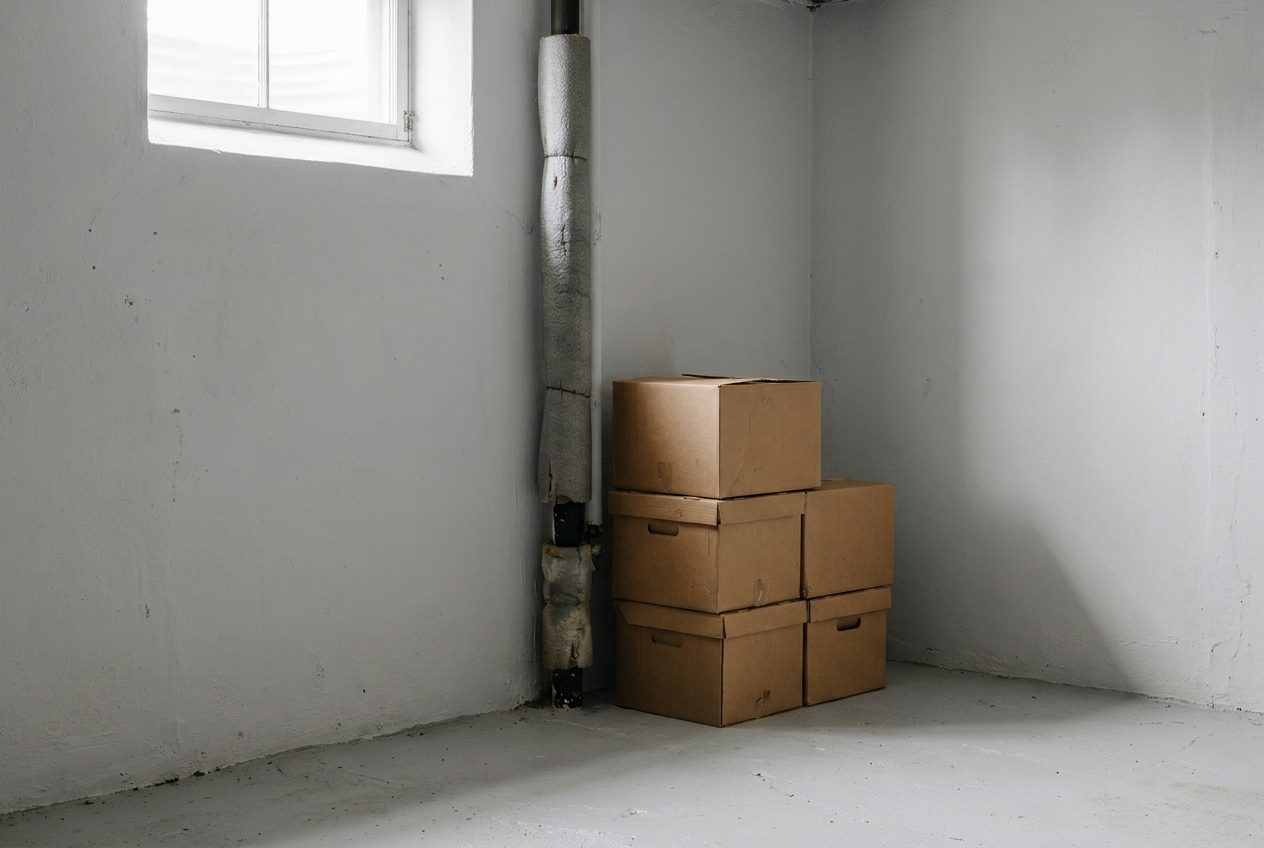
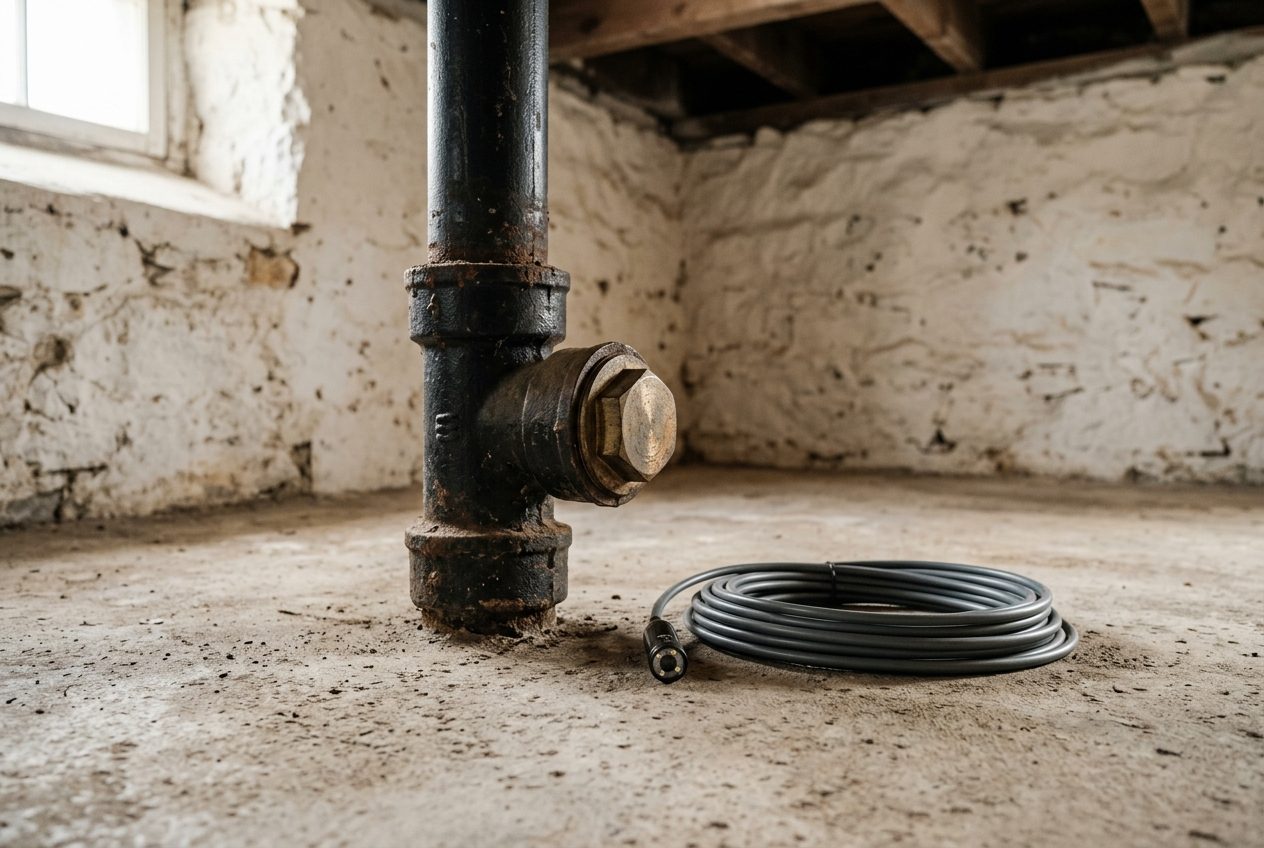
- Pipes in the basement that are wrapped in tape or rags, which can mean someone fought a freeze before
- Outdoor faucets that drip or do not shut off
- Cold spots in a room that sits over a garage or porch
None of those proves a problem. Each one is a reason to ask a question and to ask a licensed plumber or your inspector to look. If the house has had a burst pipe, ask what was repaired, who did the work and whether there are records. A repair that was done well and documented reads very differently from one that nobody can explain.
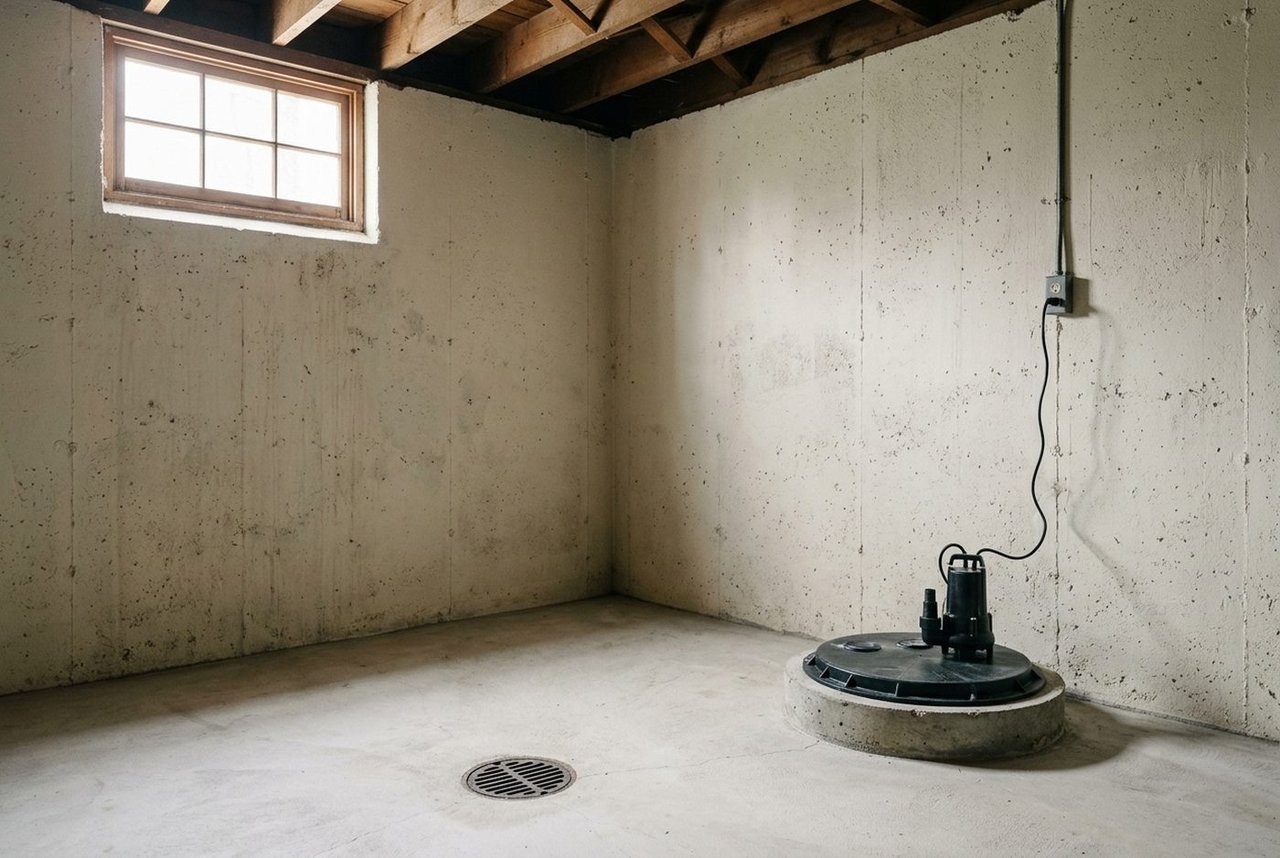
If a basement problem is part of what you are seeing, read Should a Musty or Wet Basement Stop You From Buying an Older Home?
How does this connect to heat loss and ice dams?
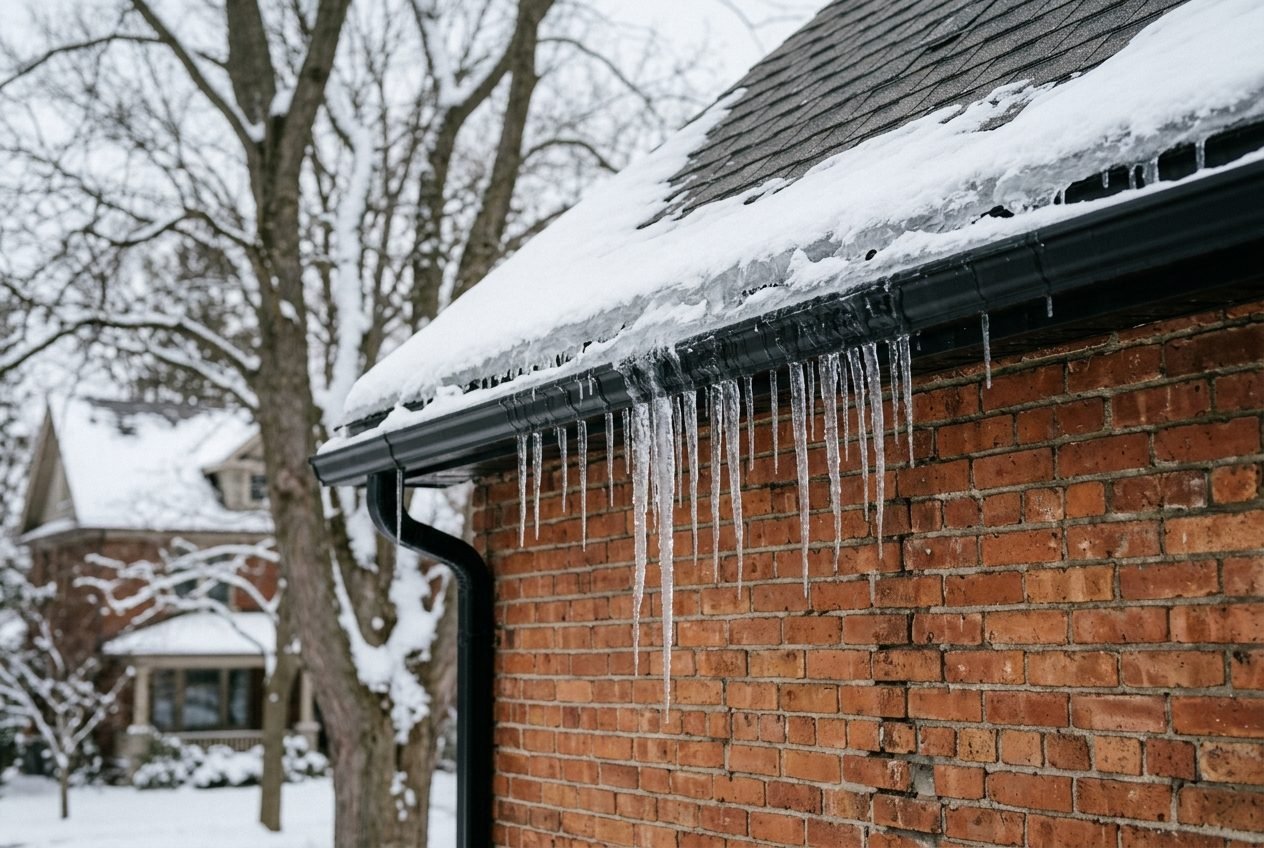
Frozen pipes and heat loss usually share a cause: cold air getting into places that should be warm. The same gaps that let a pipe freeze can let heat leak out of the house. I covered the roof side of that in What Do Ice Dams Tell You About an Older Pittsburgh House Before You Buy It? and the air side in Where Does an Older Pittsburgh House Leak Air, and Is Air Sealing Worth Doing Before You Sell?
If you want the full seasonal list, see What Should You Check on an Older Pittsburgh House Before the First Freeze? For how I evaluate a house overall, start with the Builder's Eye approach.
What are the common mistakes?
- Closing every cabinet door and assuming the heat will find the pipes
- Not knowing where the main shutoff is until a pipe is already leaking
- Using a torch or open flame to thaw a pipe
- Turning the heat off in a vacant house to save money
- Forgetting the pipe that feeds an outdoor faucet
- Ignoring a stain near a sink because it looks old
FAQ
How do you keep pipes from freezing?
The CDC says to keep your home warm, leave taps slightly open before very cold weather, and open cabinet doors under sinks so heated air reaches the pipes.
How do you thaw a frozen pipe?
Do not use a torch. The CDC says to thaw it slowly with warm air from an electric hair dryer. If the pipe will not thaw or has broken, call a licensed plumber.
Should you leave the heat on if you are away?
Yes. Keeping the home warm is part of the CDC's guidance, and it matters most when nobody is there to notice a problem.
Where should you look for a frozen pipe first?
Start where plumbing meets the cold: exterior walls, unheated garages and crawl spaces, the area near the foundation framing and outdoor faucets.
If you are buying or selling a home this winter and want a builder's read on what is behind the walls, book a 30-minute call. Bring the address and what you are seeing.