Pittsburgh has a lot of older houses with masonry chimneys, wood-burning fireplaces and flues that vent a gas furnace or boiler. Buyers love a fireplace in November. It is worth knowing what is inside the chimney before you light it, or before you pay for the house it belongs to.
Aubre J. Stacknick is a Global Real Estate Advisor with Piatt Sotheby's International Realty in Pittsburgh, PA, helping buyers and sellers across Western Pennsylvania see a home through a builder's eyes. I have built and rebuilt chimneys and flues, and the part you can see from the roofline is the smallest part of the story. I am not a chimney sweep, and nothing here replaces an inspection by a qualified one.
What does the national standard say about chimney inspections?
The Chimney Safety Institute of America homeowner resources page identifies the standard as the National Fire Protection Association's NFPA 211: Standard on Chimneys, Fireplaces, Vents, and Solid Fuel-Burning Appliances. It quotes the requirement that chimneys, fireplaces and vents be inspected at least once a year for soundness, freedom from deposits and correct clearances, and that cleaning, maintenance and repairs be done if necessary.
The same page explains that a Level 1 inspection is detailed in NFPA 211, and that a homeowner could ask for a Level 1 chimney inspection together with a chimney sweeping. Ask the company you hire what level of inspection they are quoting and what it includes, and get it in writing.
Please note what I am not saying. I am not telling you that your township or your insurance company requires an annual inspection. I am telling you what the national standard says, and that it is a sensible benchmark for a house you plan to use.
Why does it matter when you are buying?
- Safety. A chimney that is cracked, blocked or built wrong can let smoke, heat and carbon monoxide into the house. Creosote, the sooty deposit from burning wood, can build up and is a fire risk.
- Cost. A flue liner repair, a rebuilt crown or a repointed chimney can be a real expense. You want a number before the end of your inspection period.
- Insurance. Some insurers ask about wood-burning appliances and chimney condition. Ask your agent early.
- Hidden damage. Water that comes in at a bad crown, cap or flashing can run down inside the chimney and the wall around it. Stains on a ceiling or wall near the chimney deserve a close look.
A fireplace that has not been used in years can hold a surprise. Birds, animals, debris and old deposits can all be sitting inside.
What should a chimney inspector look at?
Here is what I ask for and look for as a builder.
- The flue liner. Is there one? Is it intact? Older masonry chimneys may have no liner or a damaged one, and gas and oil appliances can cause their own problems in an old flue.
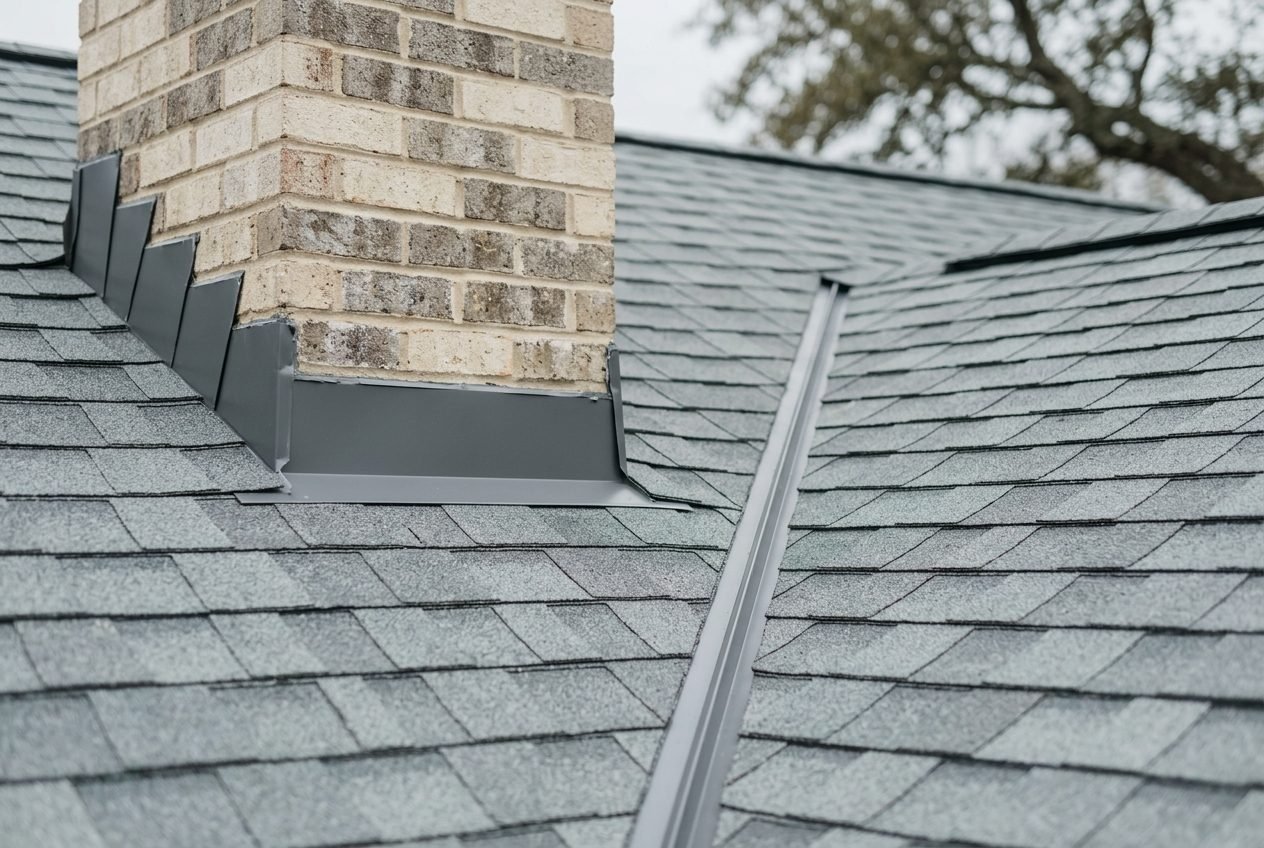
- The crown, cap and flashing. These keep water out at the top. Cracks, gaps and missing pieces lead to leaks.
- The masonry. Look for loose or missing mortar, spalling brick and leaning.
- The firebox, damper and smoke chamber. Cracked firebrick, a damper that does not close and rough surfaces can all cause trouble.
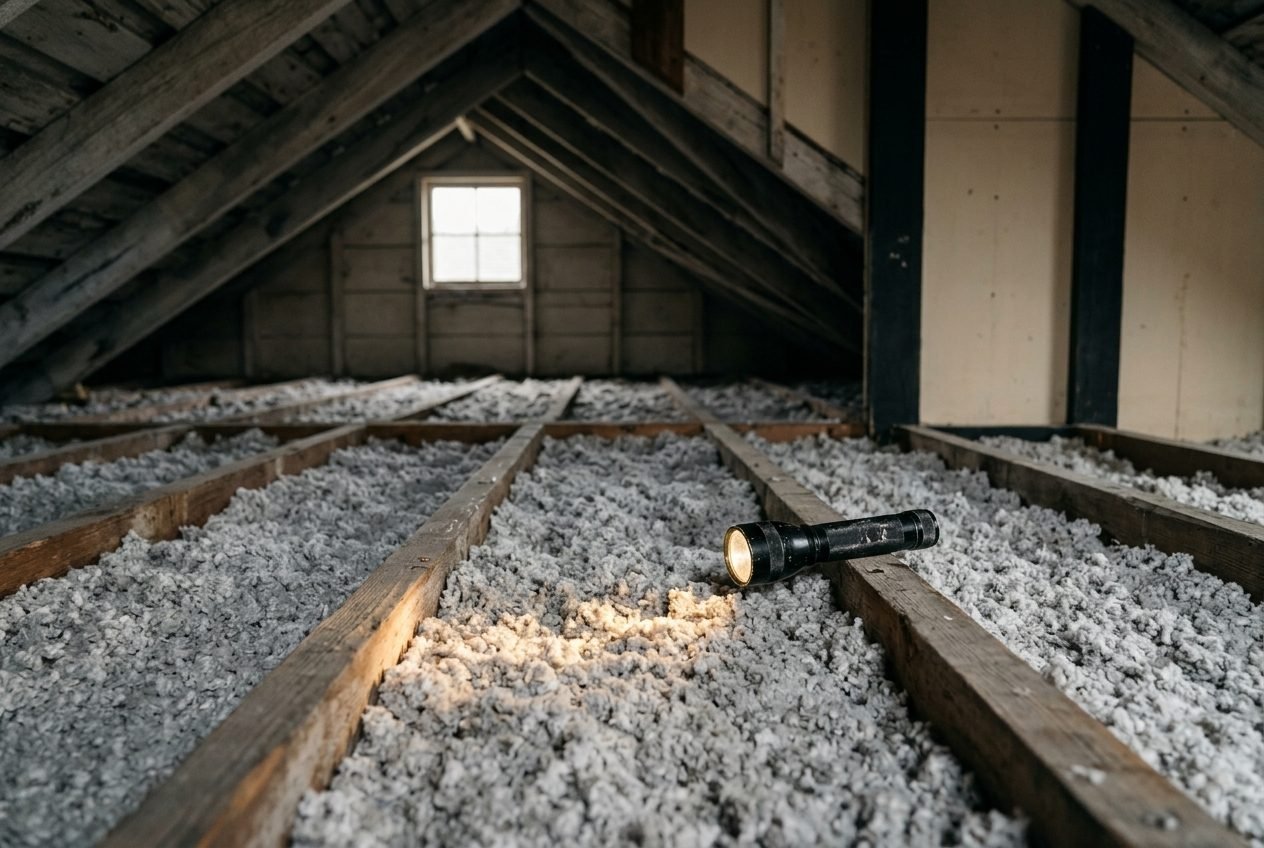
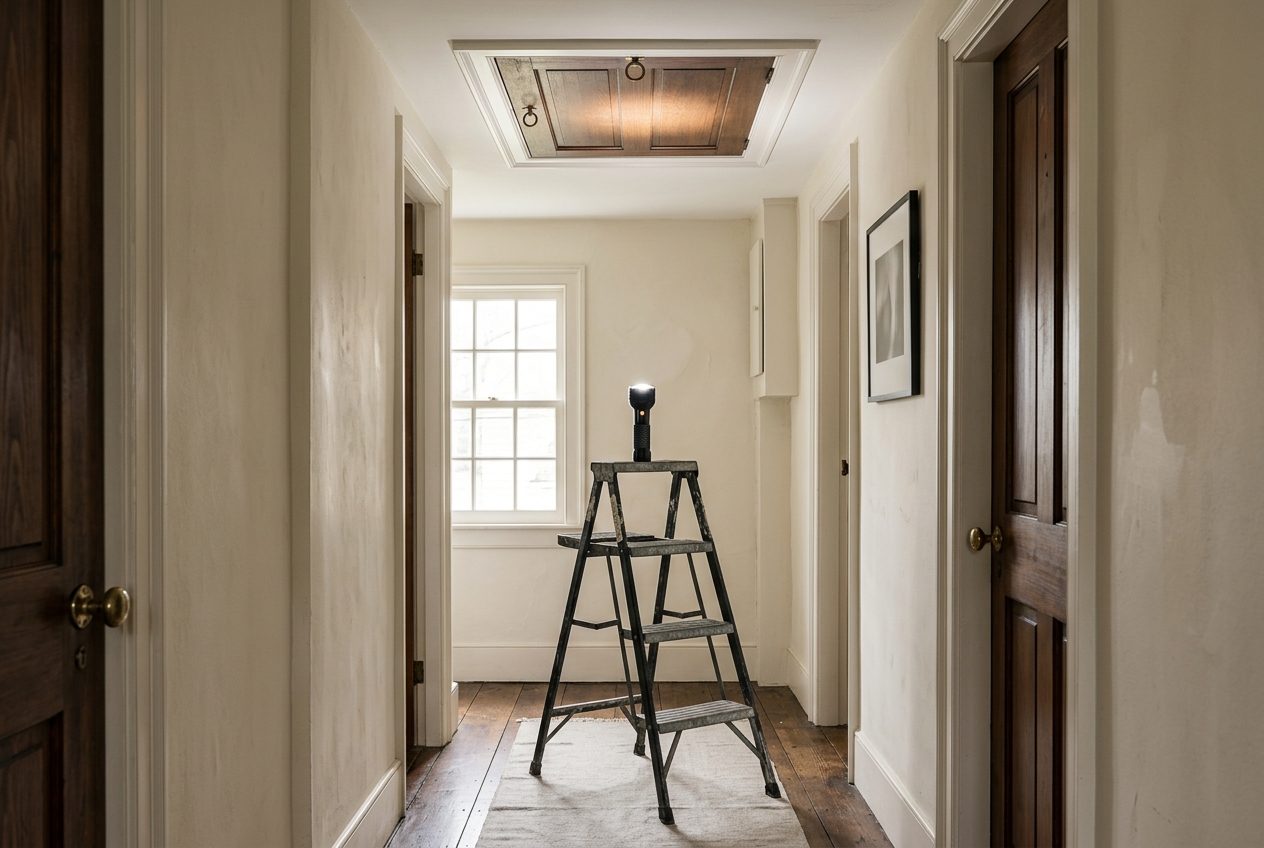
- Clearances. Wood framing and combustible material must be kept at the right distance from the chimney. This is part of the "correct clearances" in the standard, and it is easiest to see in the attic.
- Deposits. The inspector should tell you about creosote or soot, and whether a cleaning is needed.
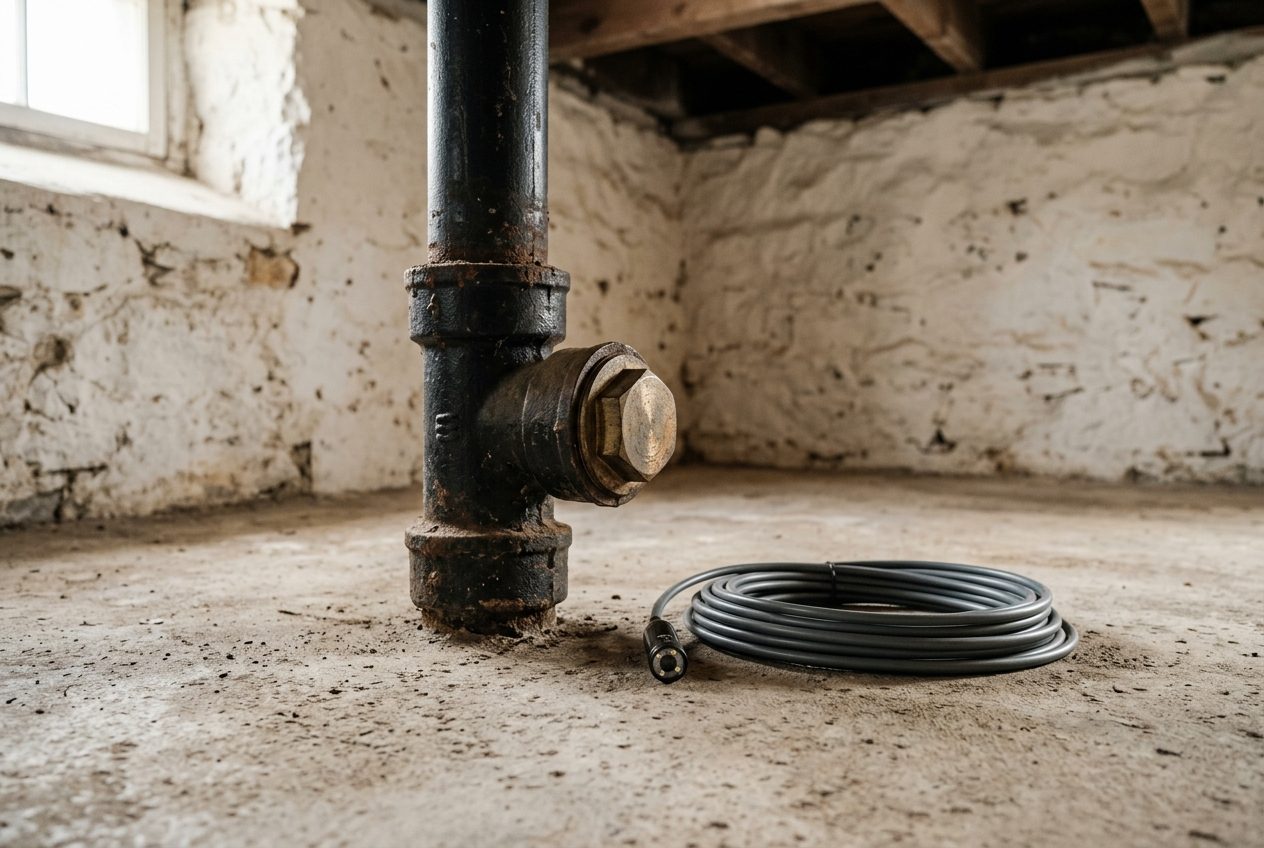
- A video scan of the flue. Many companies offer a camera scan of the inside of the chimney. Ask whether it is part of what you are buying.
Ask for photos and a written report. Photos of the inside of a flue are the only way to see what is up there.
Which chimneys should get extra attention?
- A chimney that serves a gas or oil furnace, boiler or water heater, including one that vents through an old masonry chimney. A change in a heating system can change how the flue needs to be lined. My post on how old is too old for a furnace or boiler covers the heating system side.
- A fireplace that has been converted, blocked off or fitted with an insert or stove.
- A chimney that leans, has loose bricks or shows white staining on the masonry.
- A house where the seller says "we never use it." Ask when it was last inspected and what was done.
- A house with a ceiling stain, a musty smell or a cold draft near the fireplace.
If anything is unclear, do not light a fire until a qualified professional has looked. And make sure there are working smoke and carbon monoxide alarms on every level.
What should sellers do before listing?
- Have the chimney and fireplace inspected before you list, and keep the report. A clean report is a selling point, and a flagged item is one you can handle on your terms.
- Book a sweeping if the inspector recommends it.
- Fix the small things: a missing cap, a cracked crown or loose bricks. Water and masonry get worse in winter.
- If you will not use the fireplace, say so on the disclosure and let buyers know what it is.
- Put the receipts and inspection photos in your listing folder.
A pre-listing inspection can also flag the rest of the house. See what a pre-listing inspection catches before buyers do and my guide to what to inspect before selling an older home. For more on preparing a house, see my Property Knowledge Center.
What should buyers do about a fireplace they love?
- Make the offer contingent on a chimney inspection by a qualified company, with a written report.
- Ask whether the inspection includes a camera scan of the flue.
- Get written quotes for any repairs before the end of your contingency period.
- Ask the seller for records of sweeping, repairs and any chimney liner work.
- If the inspection says do not use it, decide whether you will repair it, convert it or leave it as decoration. The price of the house should reflect that.
My post on what a home inspector does not check explains why a separate specialist is often worth the fee.
What are the common mistakes with chimneys?
- Assuming a general inspection covered the inside of the flue
- Lighting the first fire of the season without checking
- Ignoring stains around the chimney
- Burning damp wood and letting deposits build up
- Skipping the inspection because the fireplace is mostly for looks
- Having a chimney sweep who does not give you a written report
What does a builder notice from the roofline and the yard?
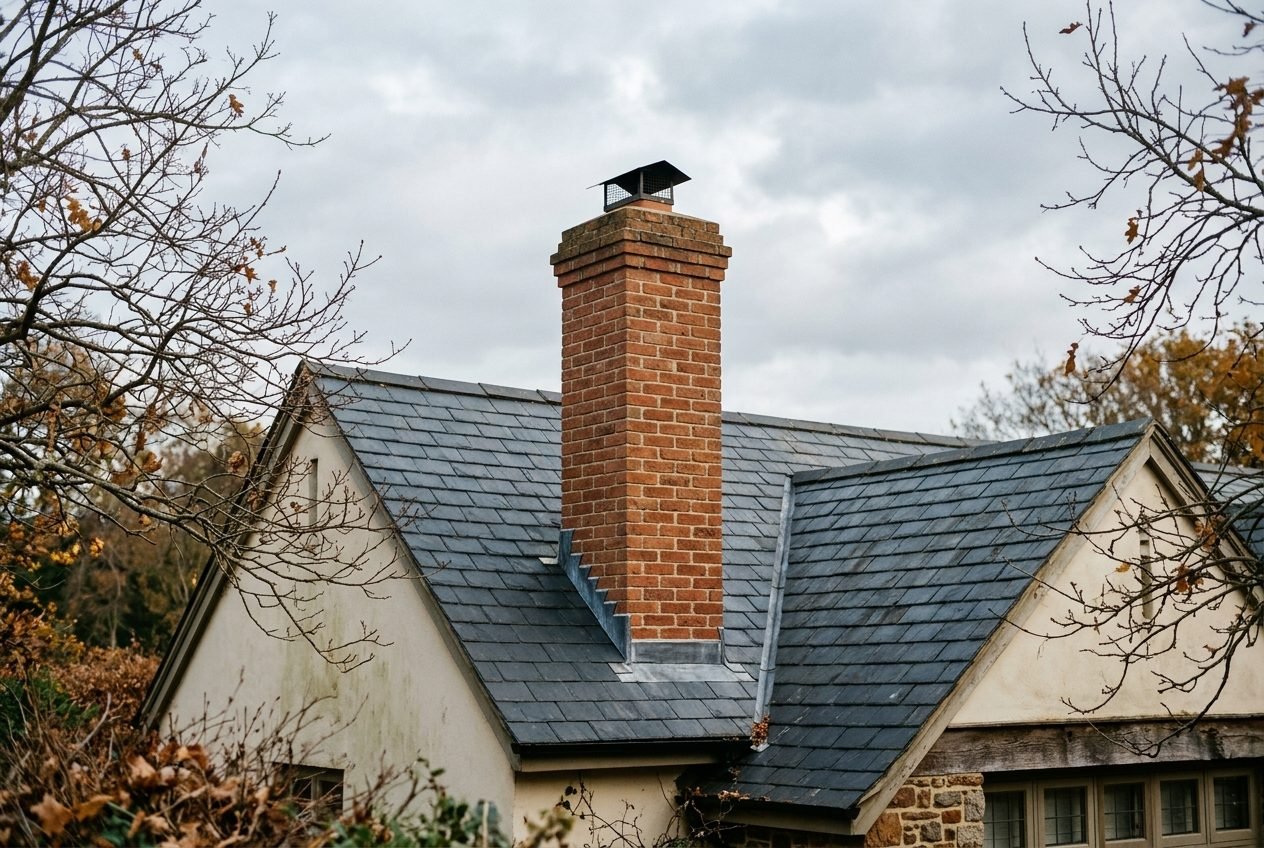
Before I go inside, I look at the chimney from the outside, because a lot of problems show from a distance.
- A chimney that leans, or a gap between the chimney and the house.
- Mortar that is missing or eroded, and bricks that are flaking.
- A cap that is rusted or missing, and a crown that is cracked.
- Flashing that is lifting or sealed with a lot of old caulk.
- Staining on the brick or the siding below the top of the chimney.
Binoculars from the yard are enough for a first look. None of this replaces a proper inspection. It tells you what questions to put in front of the inspector.
FAQ
How often should a chimney be inspected?
NFPA 211, quoted by the Chimney Safety Institute of America, says chimneys, fireplaces and vents should be inspected at least once a year for soundness, freedom from deposits and correct clearances.
Does a regular home inspection include the chimney?
A general inspection usually covers what can be seen from the ground, the roofline or the firebox. A chimney inspection by a qualified company looks at the inside of the flue and other details a general inspector may not reach.
What is a Level 1 chimney inspection?
The Chimney Safety Institute of America says a Level 1 inspection is detailed in NFPA 211 and that a homeowner could ask for one together with a chimney sweeping. Ask the company what it includes.
Should a seller inspect the chimney before listing?
It is a good idea. A written report with photos tells buyers what they are getting, and it lets you handle any repairs on your own schedule.
If you are looking at an older Pittsburgh house with a fireplace and want a builder's read on what to ask before you light it, book a 30-minute call. Bring the address.