R-value is a measure of how well insulation resists heat flow. A higher number means more resistance. The number matters, but so do how evenly the insulation is installed and whether the attic floor was air sealed first.
Aubre J. Stacknick is a Global Real Estate Advisor with Piatt Sotheby's International Realty in Pittsburgh, PA, helping buyers and sellers across Western Pennsylvania see a home through a builder's eyes. I look at the attic early in every property evaluation because it explains so much about comfort, heating bills and roof wear.
What does the Department of Energy say about attic R-values?
The Department of Energy's page on the Energy Efficient Home Improvement Credit, insulation and air sealing lists minimum ceiling R-values for an uninsulated attic under the 2021 IECC by climate zone:
- Zone 1: R30
- Zones 2 and 3: R49
- Zone 4 (except marine), zone 5 and marine zone 4, zone 6, and zones 7 and 8: R60
Two things to keep in mind. First, that table describes a code minimum for an attic that has no insulation. It is a useful benchmark, not a promise of a particular result in your house. Second, your township enforces the energy code it has adopted, and that may be a different edition. Ask the township's code office which edition applies, and check which climate zone your county sits in before you order materials.
Why does the number matter when you are buying?
A thin attic shows up in the things you pay for and live with.
- Heating bills. Ask the seller for a year of gas or electric bills. A drafty, under-insulated house costs more to heat, and you should know that before you offer.
- Comfort. Cold upstairs bedrooms, a floor that stays cold above an unheated space and rooms that never feel the same temperature are often attic and air sealing issues.
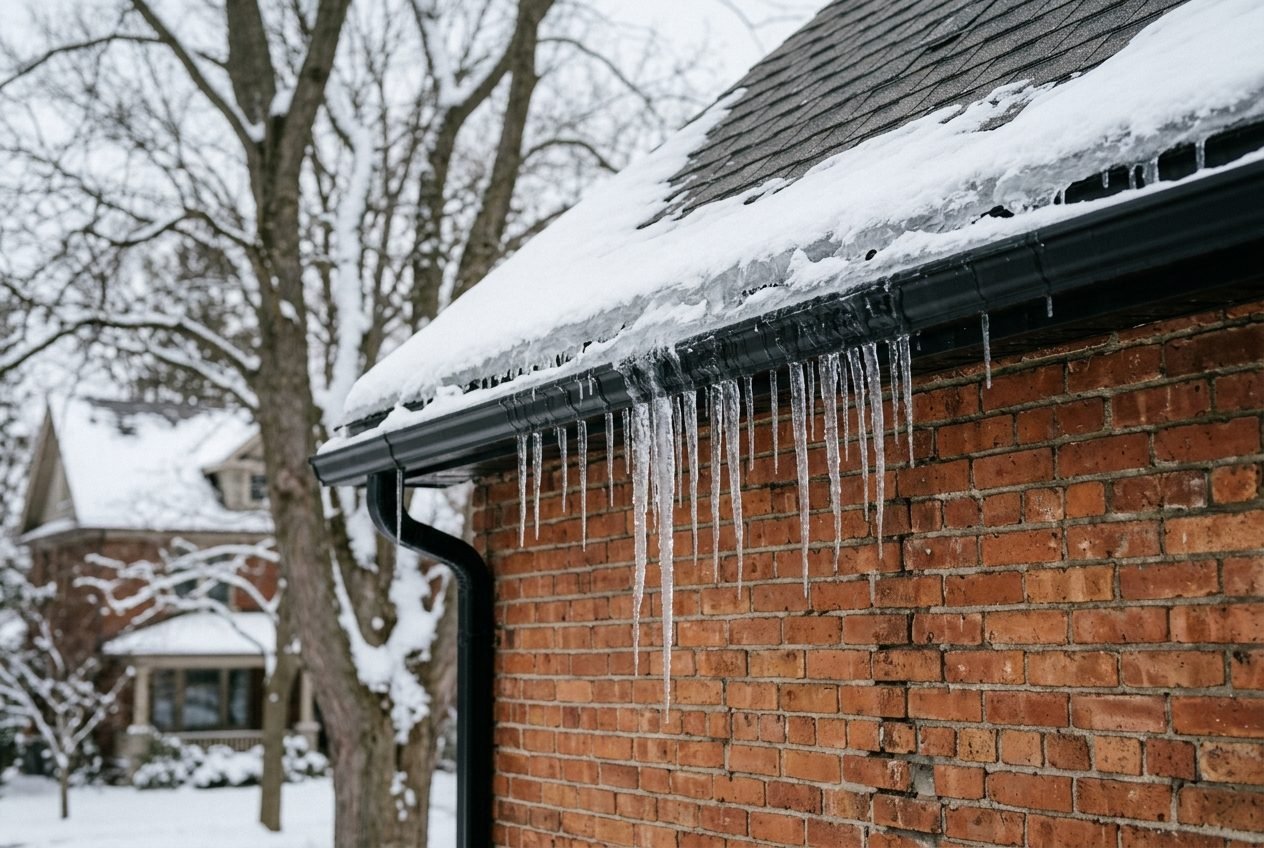
- Ice at the eaves. My post on ice dams explains how heat loss into the attic shows up on the roof.
- Resale. Buyers and appraisers notice a well-documented, energy-conscious house. Documented upgrades are a selling point. Undocumented ones are just a story.
None of this is a reason to pass on a house. It is a reason to price the work and know what you are signing up for.
How do you tell how much insulation is in the attic?
You can learn a lot without special tools.
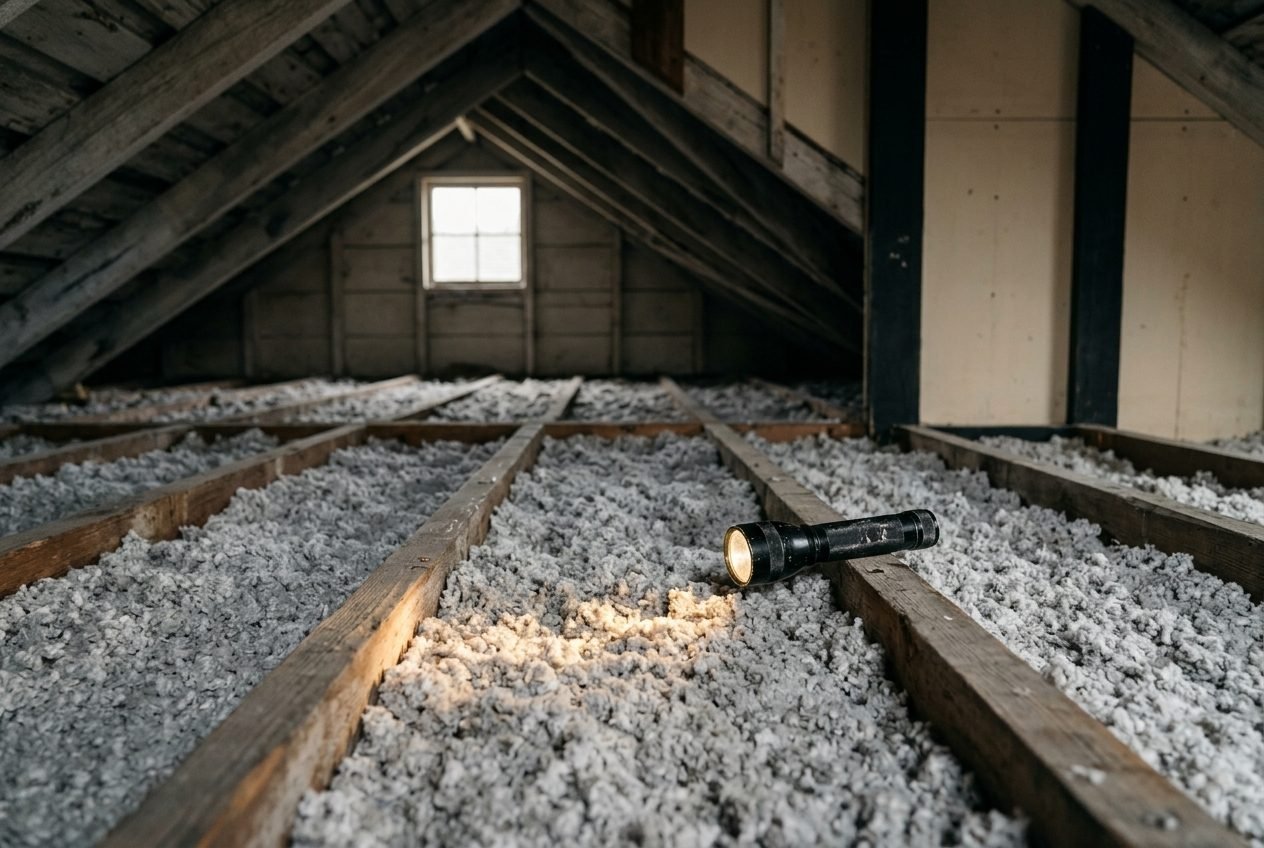
- Look at the depth. The joists are the framing members the insulation sits between. If you can see the tops of the joists, the insulation is thin. If it covers them, it is deeper.
- Check for even coverage. The Department of Energy says the depth of the insulation "should be as even as possible." Look for bare patches, compressed areas and thin spots near the eaves.
- Identify the type. Loose fluffy material, rolled batts and sprayed foam each behave differently. If you cannot tell, take pictures and ask the inspector or an insulation contractor.
- Look for older material. The EPA lists vermiculite insulation among products that may contain asbestos. If an attic has loose, pebble-like insulation you cannot identify, do not disturb it. Read the EPA's page on asbestos before you do anything else.
- Look for signs of moisture and air movement. Dark streaks in the insulation, damp wood, or a staining pattern around fixtures and the hatch can all point to air leaks.
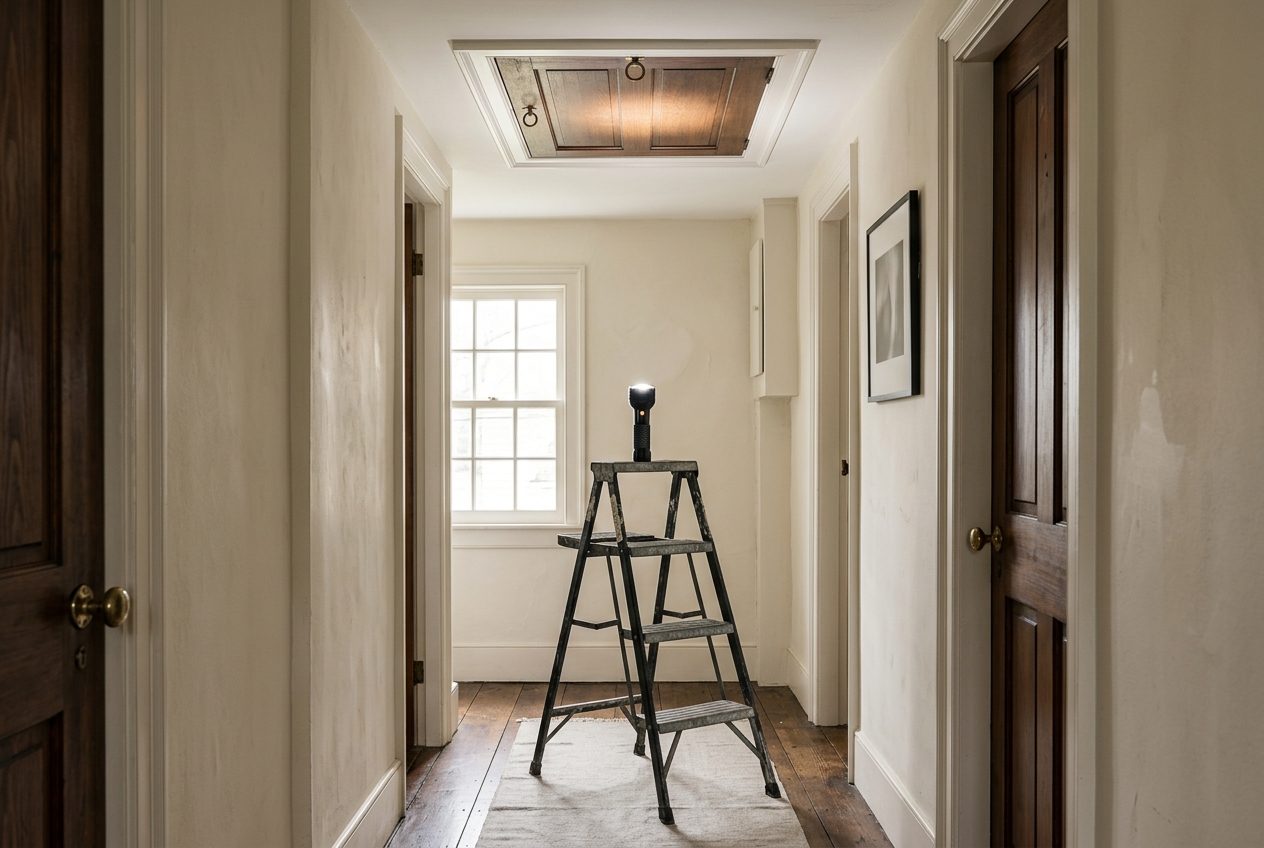
Take care in the attic. Walk only on the framing, bring a flashlight and a mask, and do not go up if there is no safe footing. A buyer's inspector can look for you.
Why does air sealing come before insulation?
Insulation slows heat flow, but it does not stop moving air. If warm air from the house can pour through gaps around pipes, wires, chimneys and light fixtures, insulation on top of those gaps does less than it should.
The Department of Energy's insulation resource says that insulation is installed after air sealing on the ceiling deck and that replacing insulation "provides an opportunity to air seal the attic." The same federal sources describe air sealing as a cost-effective way to cut heating and cooling costs and improve comfort and durability.
That is the builder's order of operations:
- Seal the gaps in the attic floor.
- Make sure bath fans and dryer vents go outside.
- Keep the soffit vents open and install baffles where needed.
- Then add insulation, evenly, to the depth your local code calls for.
What does it look like when a seller upgrades before listing?
Some sellers ask whether it is worth upgrading the attic before they list. It depends on the house, and I would look at it with them before spending a dollar. Here is how I think about it.
- If the attic is bare or very thin, the upgrade is usually worth looking into. It is a hidden item that buyers' inspectors often flag.
- If the attic has decent insulation but poor air sealing, a smaller project may do the job.
- If the house has other, bigger issues, such as an aging roof or major wet-basement problems, spend there first. My posts on roof replacement before selling and what a pre-listing inspection catches can help you set priorities.
- Whatever you do, keep the invoices, the product information and any permits, and put them in the listing notes.
Get at least two written quotes. Ask each contractor to describe the air sealing as well as the insulation, and ask what R-value and depth they plan to reach. If a contractor will not put it in writing, keep looking.
What does a builder look at beyond the number?
When I stand in an attic, the R-value on a bag of insulation is the last thing I think about. I look at whether the work was done in the right order and whether anyone can show me what was done.
- Is there a clear path for air from the soffit to the ridge, or has insulation been pushed into the eaves?
- Are the penetrations sealed, or can I see daylight or dark staining around them?
- Is the insulation the same depth in the corners as it is in the middle?
- Is there any record of the work, such as an invoice, a product label or a permit?
- Does the attic match the story on the listing? A house that is described as updated should not have a bare attic floor.
A house with a modest amount of well-installed, well-sealed insulation can outperform one with a big number on paper and a lot of gaps. That is why I ask for the whole picture, not only one measurement.
What should buyers do when the attic is thin?
- Ask the inspector to note the type and approximate depth of the insulation, signs of moisture, and whether vents and fans terminate outside.
- Get a contractor quote during your inspection period so you can negotiate with real numbers.
- Ask the seller about any past ice dams, leaks or energy bills.
- If the house has a finished attic or knee walls, ask about the insulation behind them. Those spaces are easy to miss.
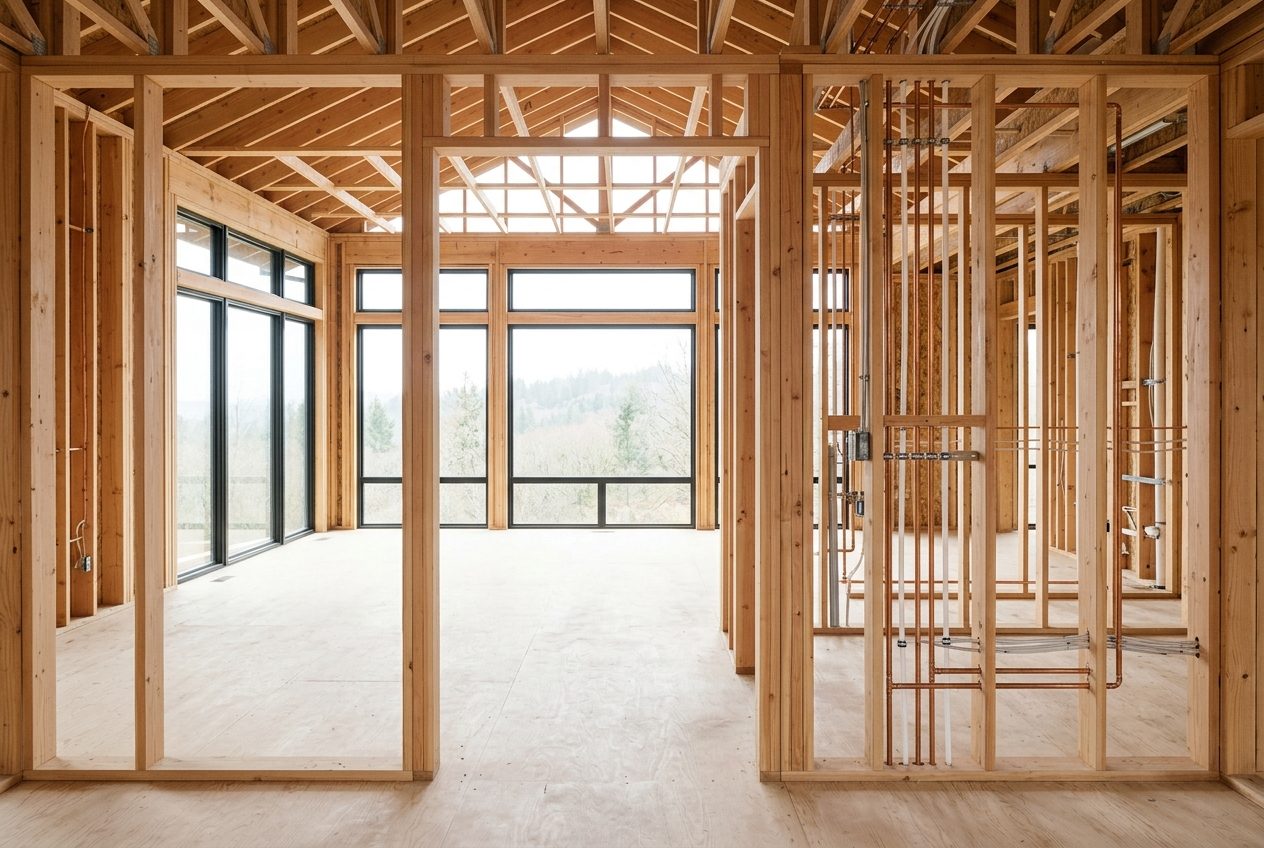
- Do not assume new equals well insulated. A new construction home should have its insulation and air sealing checked too. See my post on the pre-drywall inspection.
What are the common mistakes with attic insulation?
- Stuffing insulation against the roof deck and blocking soffit vents
- Insulating over open gaps and wiring that should be sealed
- Leaving the attic hatch uninsulated
- Disturbing old vermiculite or dusty material without knowing what it is
- Assuming one number applies everywhere. Check the code in your township.
- Buying insulation before getting the air sealing plan
FAQ
How much attic insulation do I need in Pennsylvania?
Your local energy code decides. For an uninsulated attic, the 2021 IECC as summarized by the Department of Energy lists R60 in climate zones 4 through 8. Ask your township which code edition applies and which zone your county is in.
Should I air seal before adding attic insulation?
Yes. The Department of Energy describes insulation as installed after air sealing on the ceiling deck, and says replacing insulation is an opportunity to air seal the attic.
How do I know if my attic insulation is even?
Look across the whole attic for bare patches, compressed areas and thin spots near the eaves. The Department of Energy says the depth of the insulation should be as even as possible.
Is old attic insulation dangerous?
Some older materials, such as vermiculite insulation, may contain asbestos according to the EPA. Do not disturb loose, pebble-like insulation you cannot identify. Have a qualified professional look at it first.
If you are comparing older Pittsburgh houses and want a builder's read on what is up in the attic and what it would take to fix, book a 30-minute call. Bring the address.