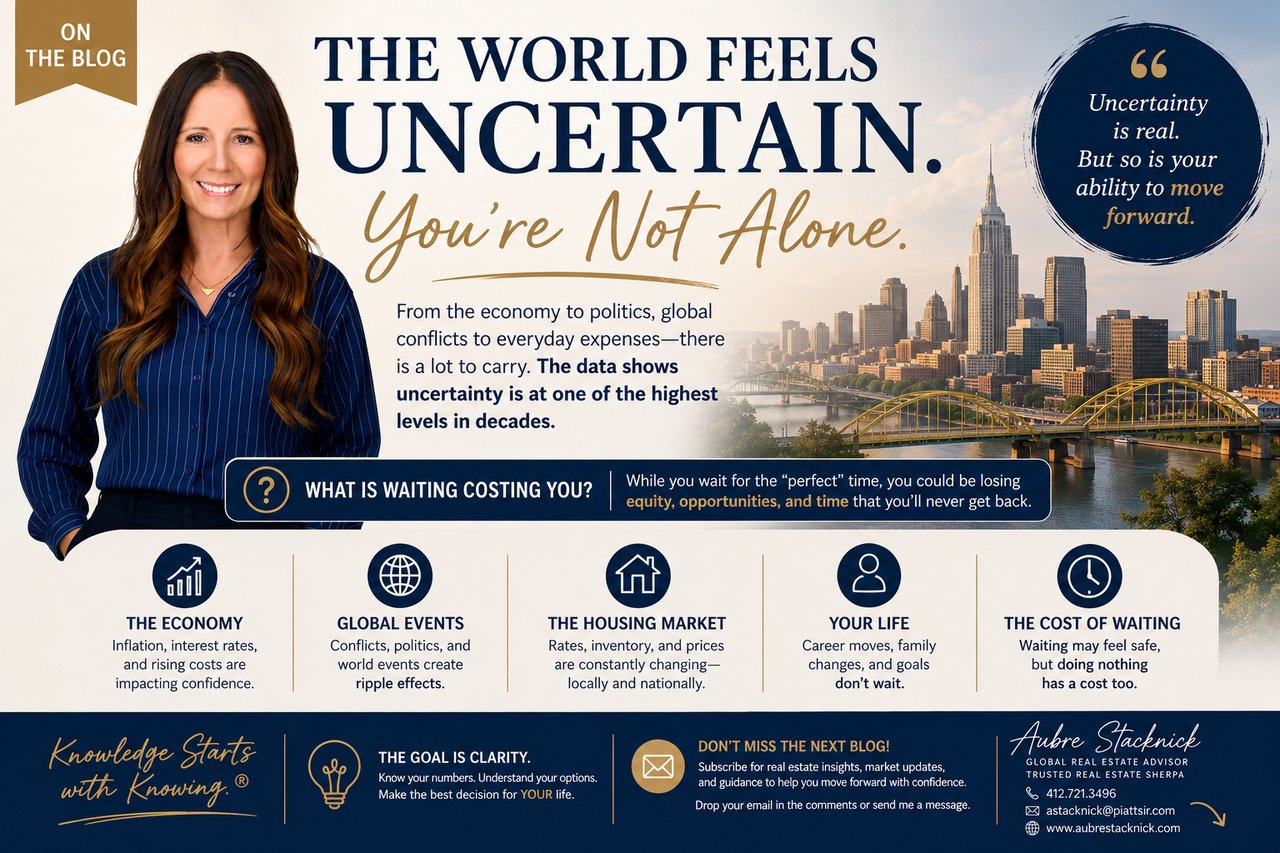
The World Feels Uncertain. But What Is Waiting Costing You?
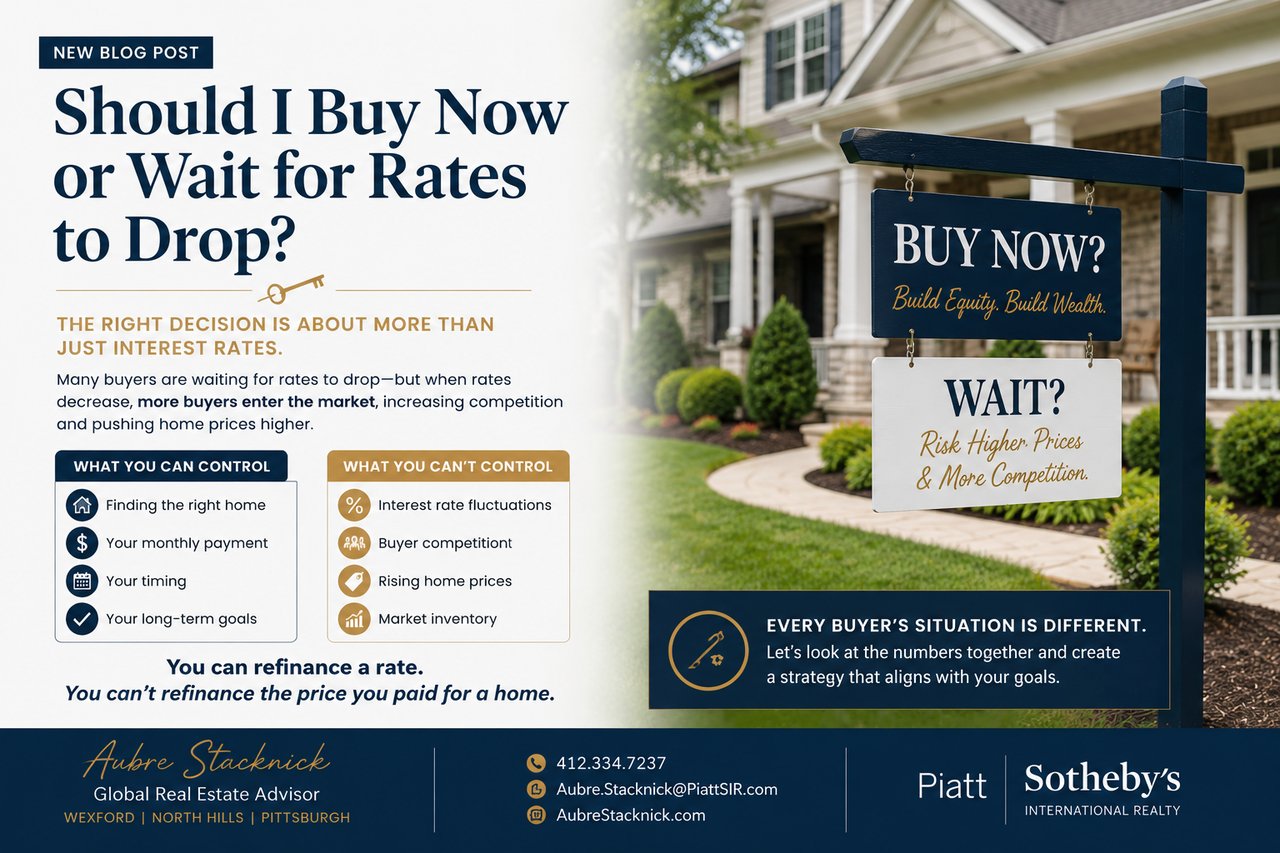
When the economy, housing market, interest rates and world events all feel unpredictable, waiting can feel like the safest choice. But doing nothing has a cost, too.
What if waiting for the world to feel "normal" is actually costing you more than the uncertainty itself?
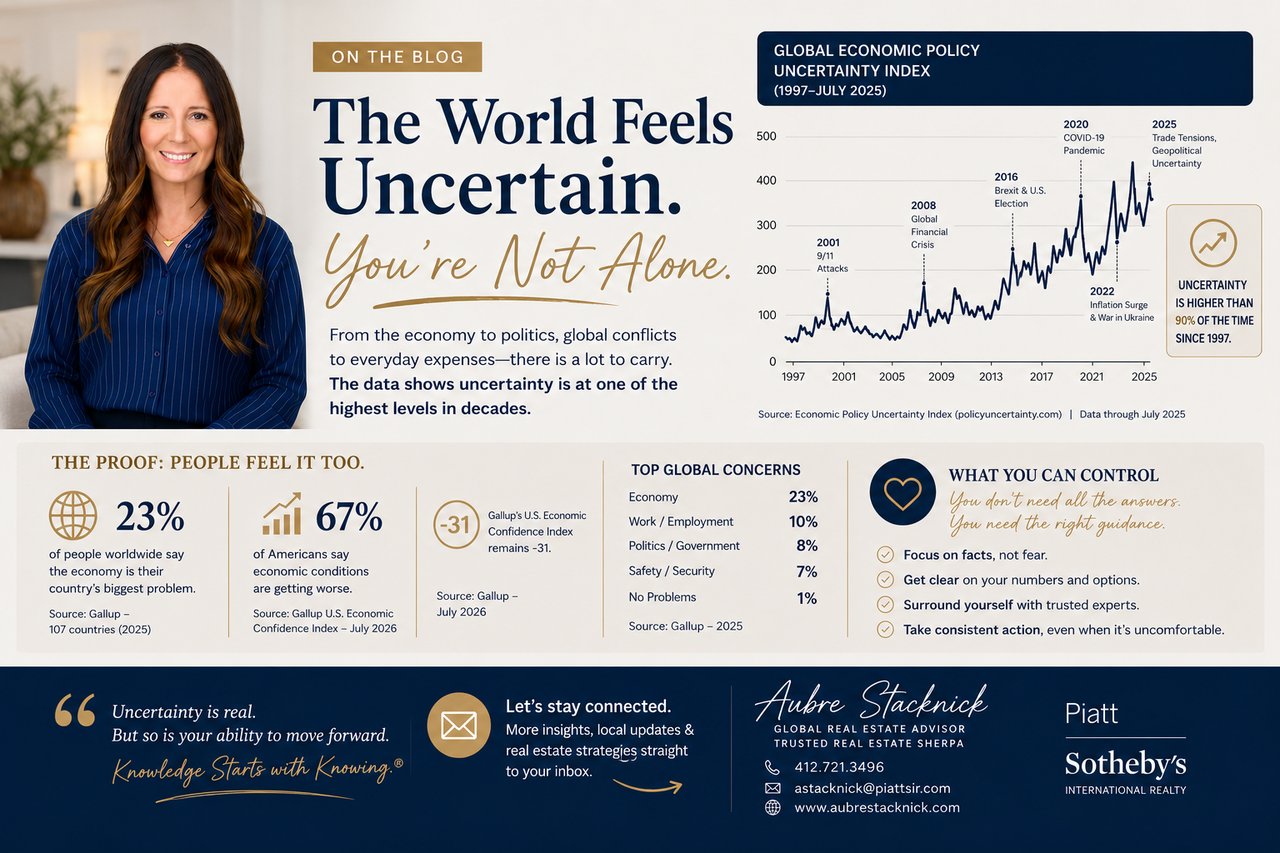
If you've been feeling like everything is a little heavier lately, you're not imagining it. The economy. The cost of living. Interest rates. Housing affordability. Political uncertainty. Global conflicts. Rapid changes in technology and AI. Job security. Even the constant stream of information coming through our phones.
We're processing an extraordinary amount of uncertainty while simultaneously being expected to work, raise families, run businesses, plan for retirement and make some of the biggest financial decisions of our lives. No wonder so many people feel stuck.
The Natural Response to Uncertainty: Wait
When people feel uncertain, there's a very natural response:
- Wait to buy the house
- Wait to sell
- Wait to relocate
- Wait to invest
- Wait to renovate
- Wait to downsize
- Wait until interest rates change
- Wait until after the election
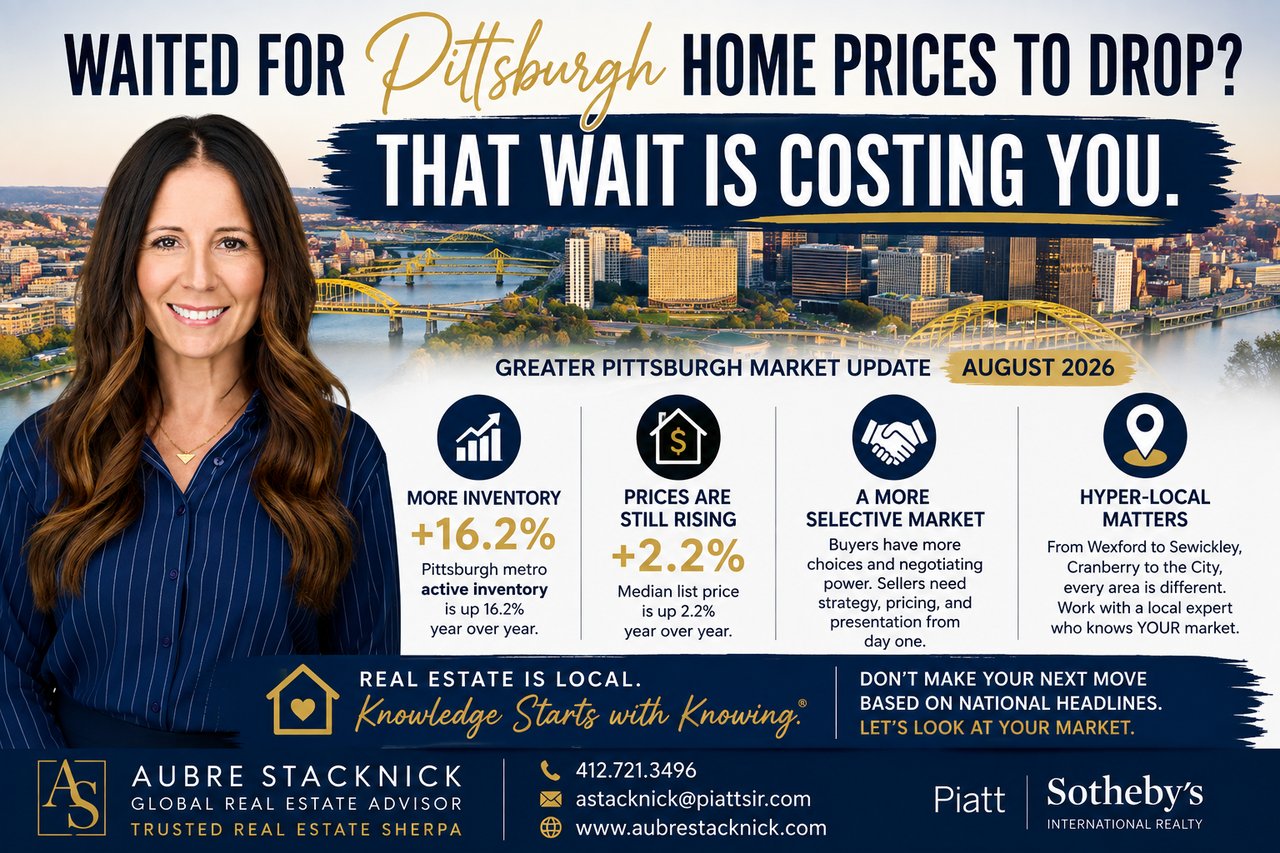
- Wait until prices come down
- Wait until the economy feels stronger
- Wait until the world finally feels a little more predictable
But there's an important question we don't ask nearly enough: what if waiting has a cost, too?
Waiting Isn't Free — Here's What It Can Actually Cost You
Doing nothing can feel like the safest decision because there isn't an immediate transaction attached to it. But financially — and personally — waiting isn't always neutral.
If you're considering buying a home, waiting could mean paying another year of rent while home values change around you. It could mean competing with more buyers if interest rates eventually fall and demand increases. It could mean losing an opportunity on a property that uniquely fits your needs.
For a homeowner thinking about selling, waiting could mean another year of taxes, insurance, utilities, repairs and maintenance.
For someone considering downsizing, it could mean continuing to maintain a home that no longer fits the way you live.
For someone relocating, it could mean postponing a career or lifestyle opportunity.
And for someone sitting on substantial home equity, it could mean leaving an asset underutilized without ever examining what else that equity could accomplish.
None of that means you should automatically make a move today. Sometimes waiting is absolutely the right decision. But waiting should be a strategy — not a reaction to fear.
The Better Question Isn't "Should I Wait?"
"What will waiting another 6 or 12 months actually cost me?"
Then take it one step further:
"What specifically am I waiting to happen?"
- If you're waiting for mortgage rates to fall, how far would they need to fall before the difference materially improves your situation?
- If you're waiting for home prices to decline, what happens if prices remain stable — or increase?
- If you're waiting to sell, what are the carrying costs of owning your property for another year?
- If you're waiting to renovate, what happens to labor and material costs?
- If you're waiting to relocate, what is another year in your current situation worth to you?
Those are questions we can actually evaluate.
Stop Trying to Predict the World
Here's something I think consumers deserve to hear more often: no one can tell you with certainty what interest rates, home prices, financial markets or the economy will look like a year from now. And your real estate advisor shouldn't pretend otherwise.
What We Can Evaluate Today
Local inventory · Recent comparable sales · Your home's estimated market position · Your equity · Your potential net proceeds · Your purchasing power · Financing scenarios · Property taxes · Renovation costs · The cost of maintaining your existing home — and most importantly, what you're actually trying to accomplish.
That's where a real strategy begins.
National Headlines Don't Tell Your Whole Real Estate Story
This is particularly important in real estate because there isn't one single American housing market. There are thousands of local markets.
That's why I don't believe a national headline should make a six-figure — or seven-figure — decision for you. Your numbers should.
Life Has Never Waited for Perfect Market Conditions
Think about everything we've lived through: recessions, the financial crisis, political changes, a global pandemic, supply-chain disruptions, inflation, rapidly changing mortgage rates, wars and international conflict.
And through every one of those periods, life continued. People got married. Families grew. Children left home. Careers changed. Companies relocated employees. People retired. Parents needed care. Homeowners downsized. Families moved across the country — and across the world. People bought homes. And people sold homes.
Because sometimes a real estate decision isn't about perfectly timing a market. It's about your life being ready for something different.
Maybe the Goal Isn't Certainty — It's Clarity
Know your numbers. Understand your options. Separate facts from headlines. Identify what you can control. Surround yourself with professionals willing to tell you the truth — even when the answer isn't necessarily "buy" or "sell." Then make the best decision available with the information you have today.
Sometimes that decision will be: Buy. Sometimes: Sell. Sometimes: Renovate. Sometimes: Relocate. And sometimes my advice may genuinely be: don't do anything yet.
But there's an enormous difference between strategically choosing to wait and simply being too afraid to make a decision.
Before You Decide to Wait, Ask Yourself One Final Question
If nothing substantially changes over the next 12 months, will I be happy that I waited?
If the answer is yes, waiting may be exactly the right strategy. If the answer is no, it's probably time to gather better information.
You don't need to predict the world to make a smart decision. You need to understand your position within it.
Uncertainty is real. But so is your ability to move forward. And sometimes the first step isn't buying or selling anything — it's simply knowing your numbers.
Knowledge Starts with Knowing®
Not sure if waiting makes sense for you?
Get a free, no-pressure market analysis for your specific address, situation and goals.