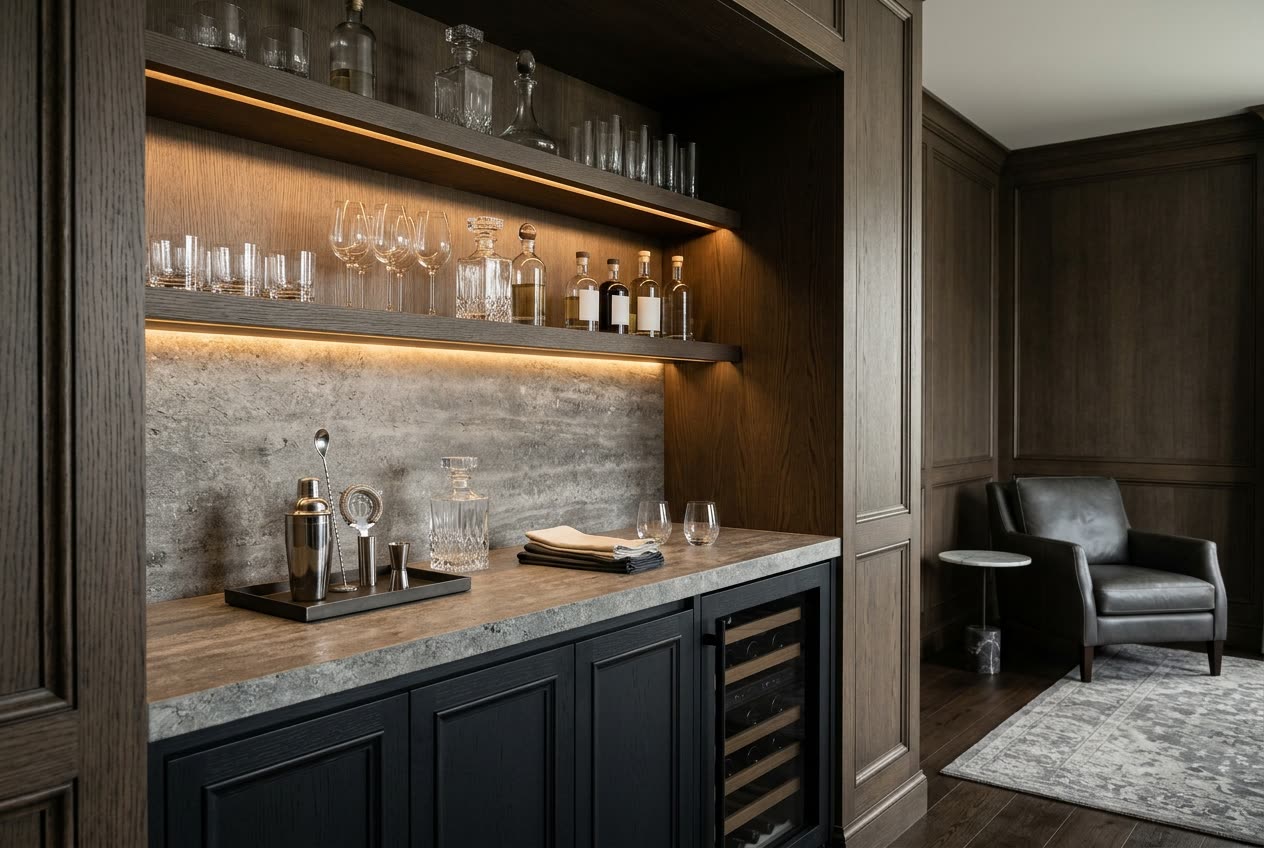
Sotheby's International Realty's Extraordinary Living blog explores bar design in Shaken or Stirred: How To Design The Perfect Home Bar. The designers in that piece talk about bars as conversation starters, hidden cabinets and rooms with a point of view. That is the part everyone sees. This post is about the part nobody sees.
Aubre J. Stacknick is a Global Real Estate Advisor with Piatt Sotheby's International Realty in Pittsburgh, PA, helping buyers and sellers across Western Pennsylvania see a home through a builder's eyes. I am not a licensed plumber or electrician, and these are general points, not instructions for your house. Your township's code office and licensed trades decide what is allowed where you live.
Where should a home bar go?
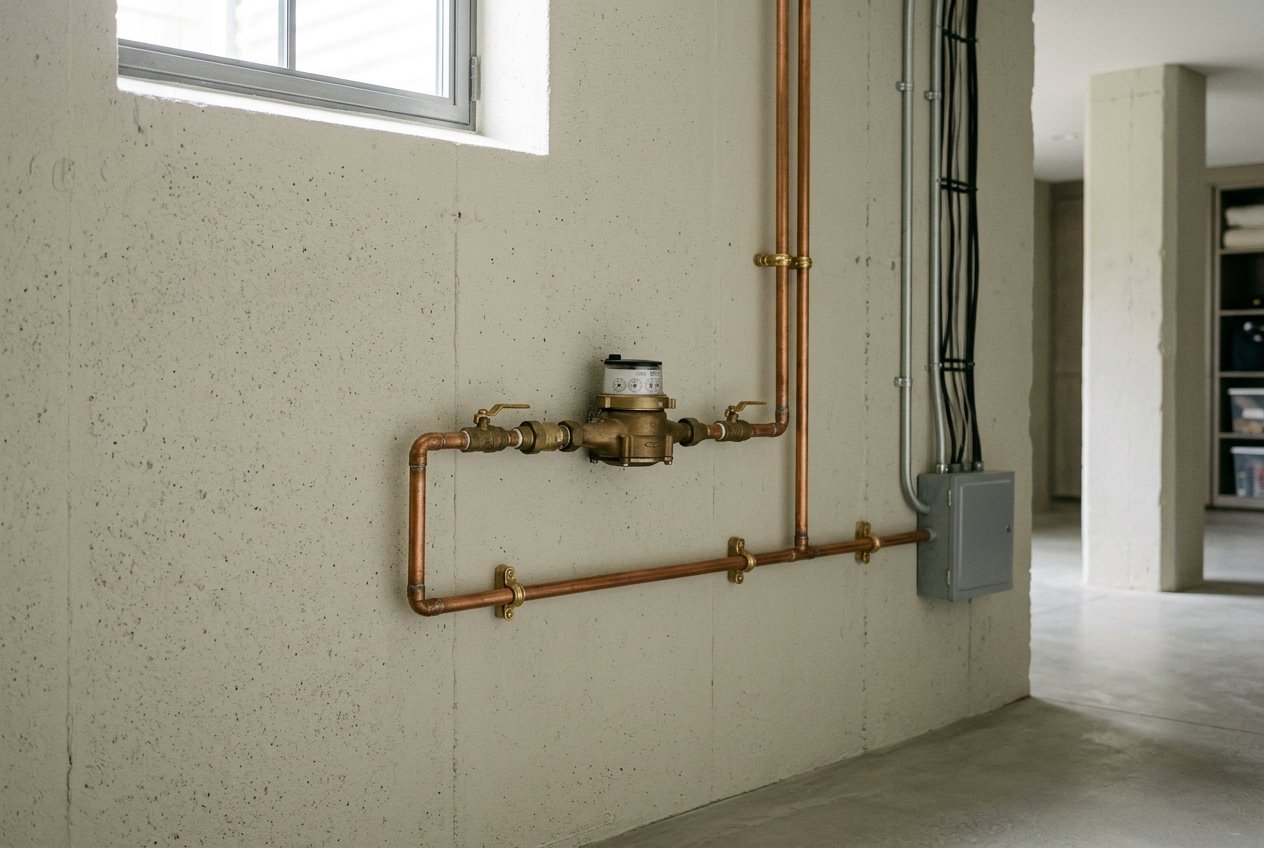
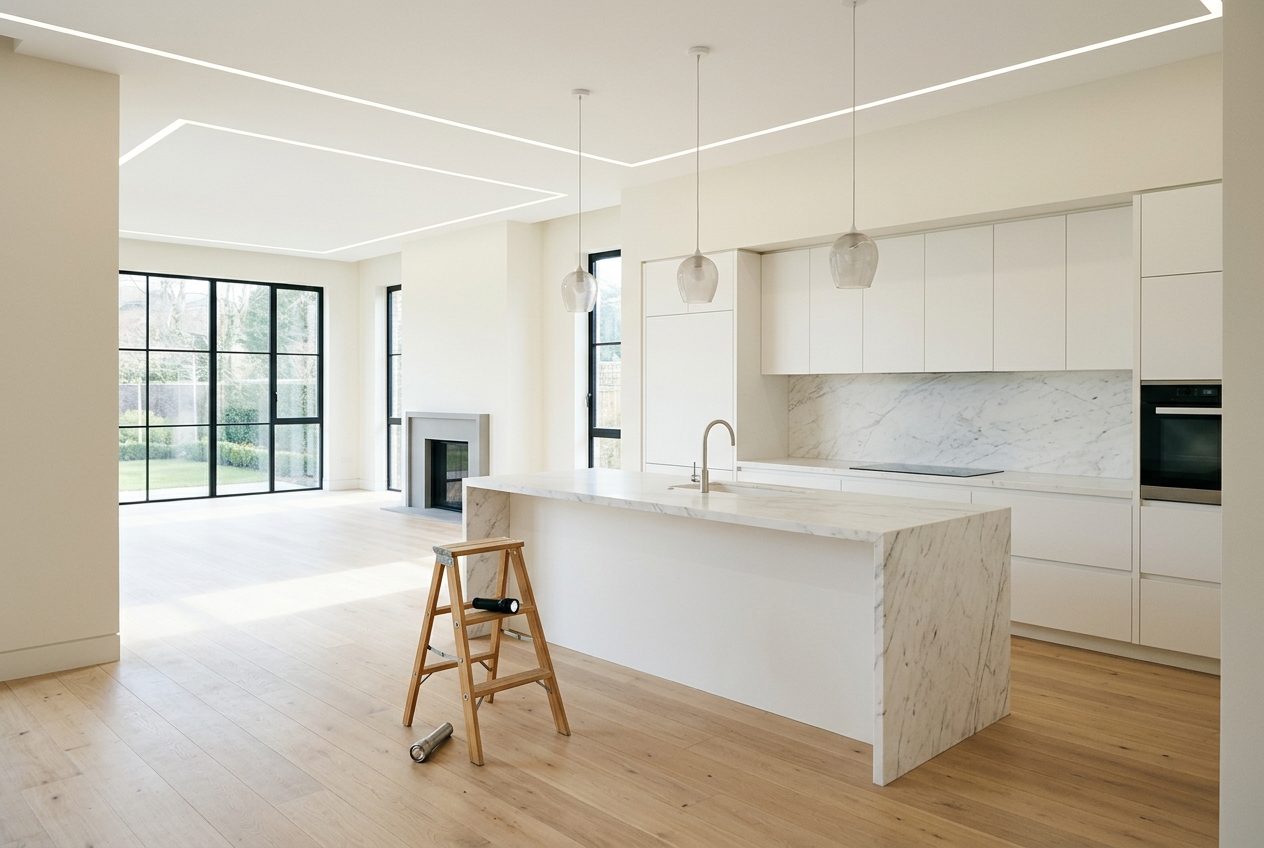
Put it as close as you can to the water, drain and power the house already has. The Sotheby's article notes that when a bar is added to an existing home, designers often fit it into what is already there, such as a counter, a wall or an underused corner.
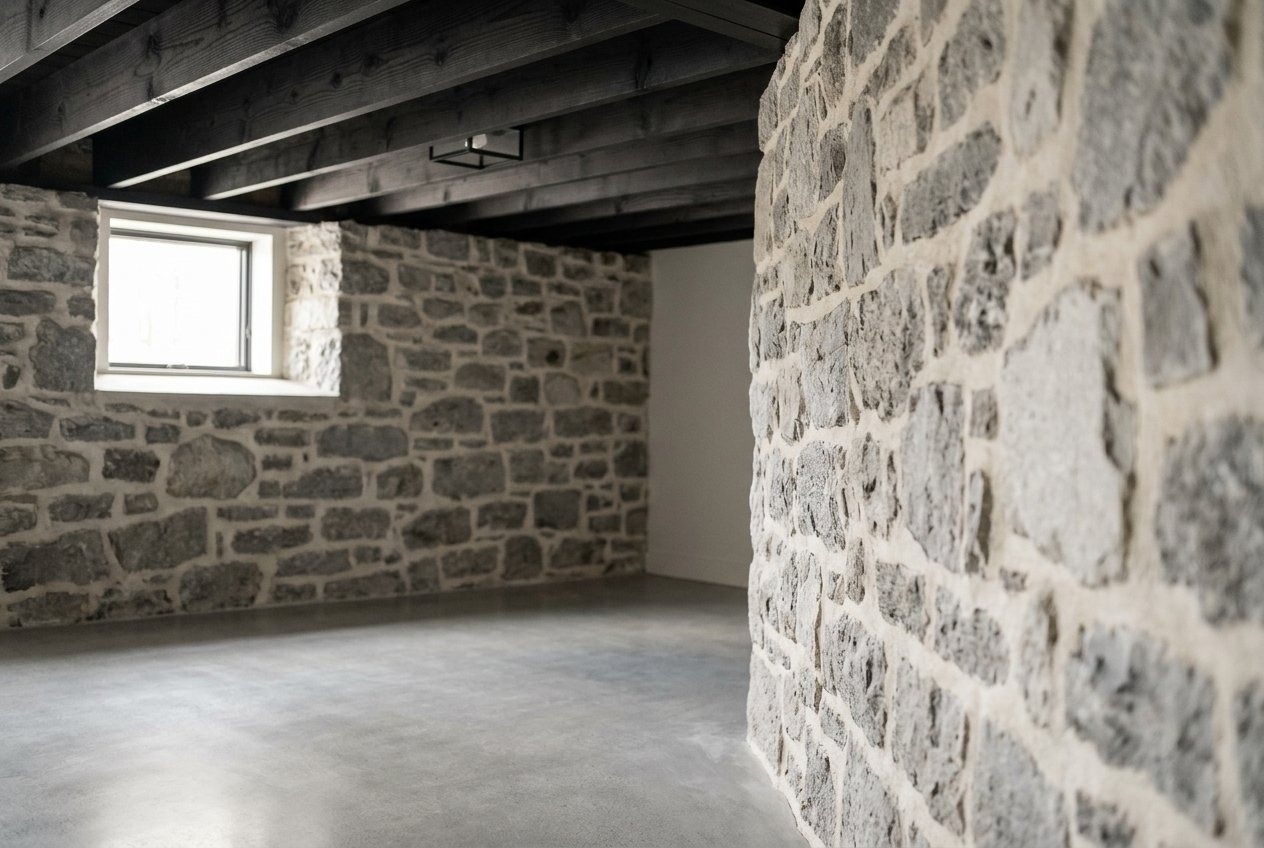
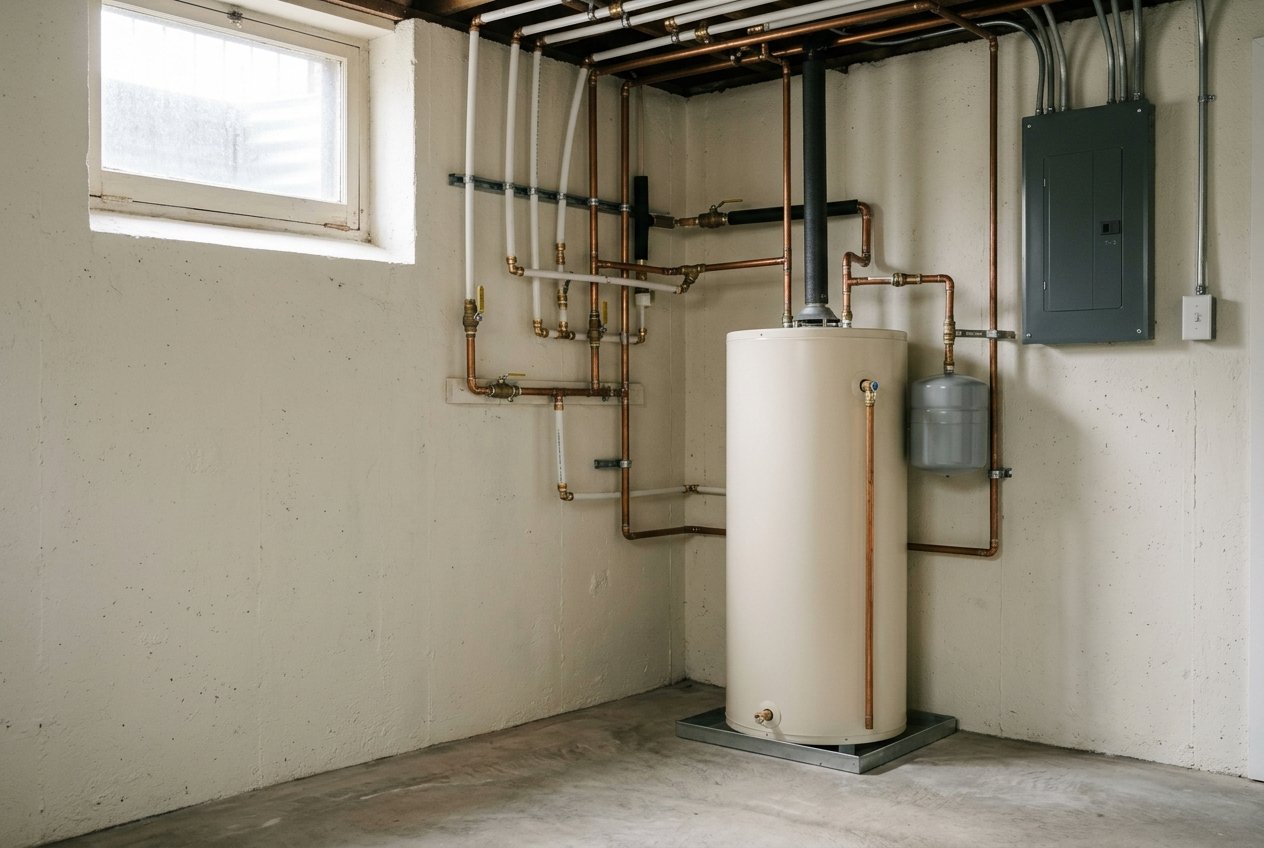
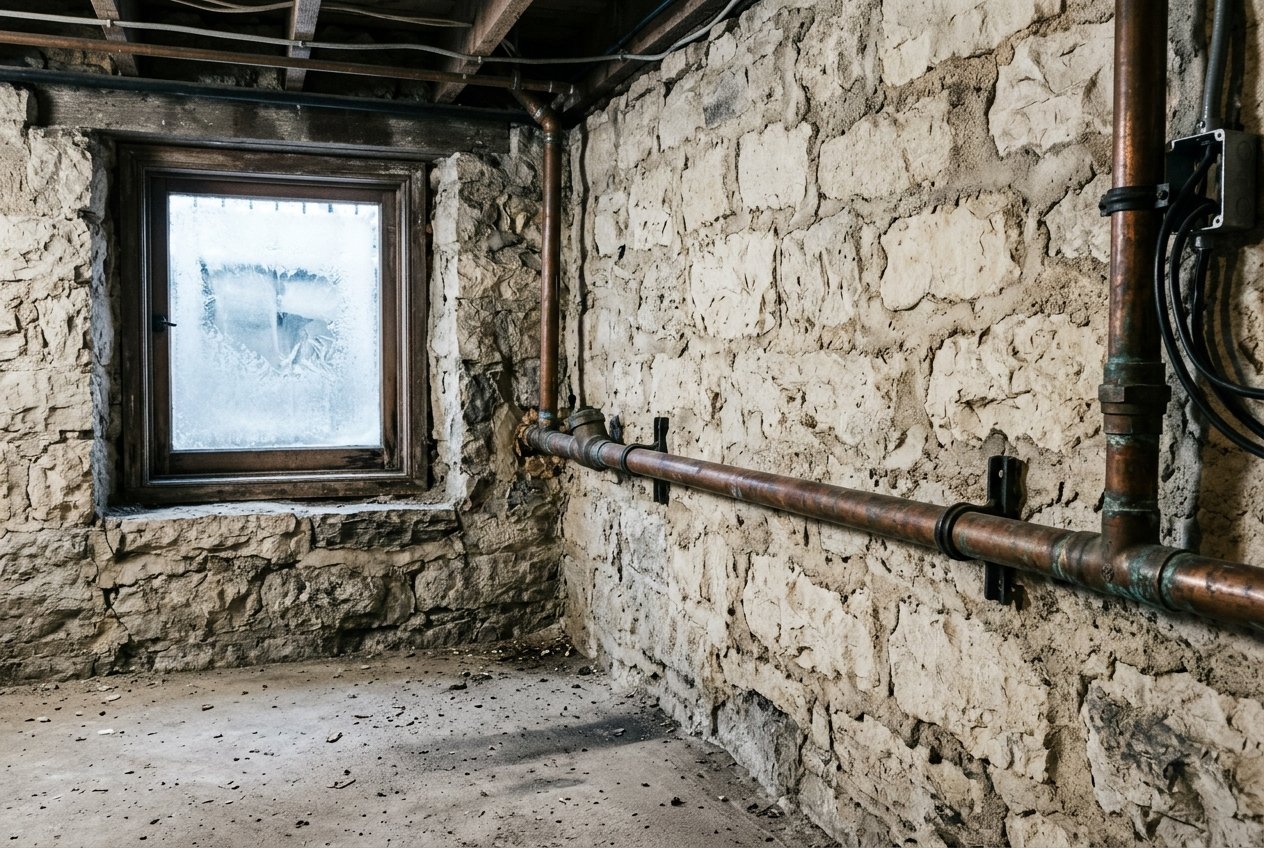
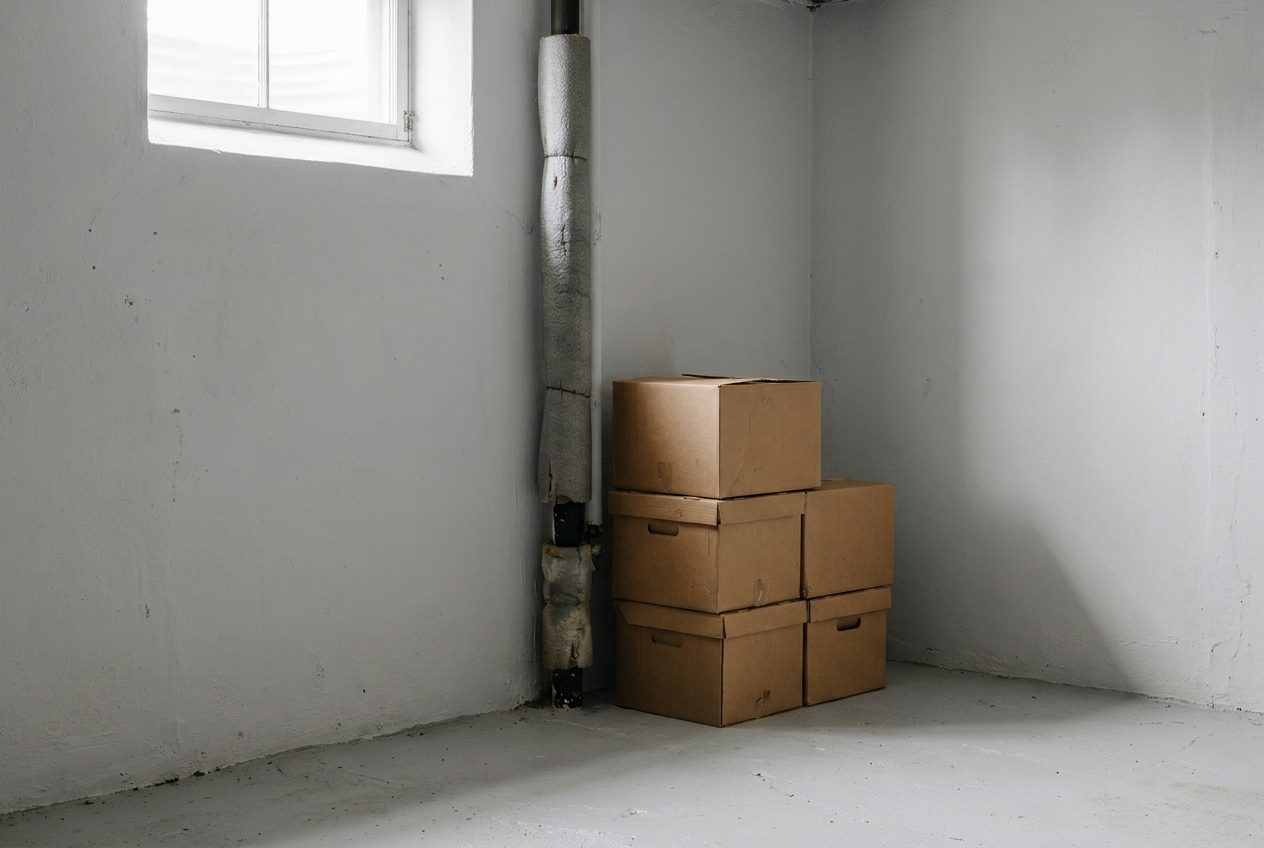
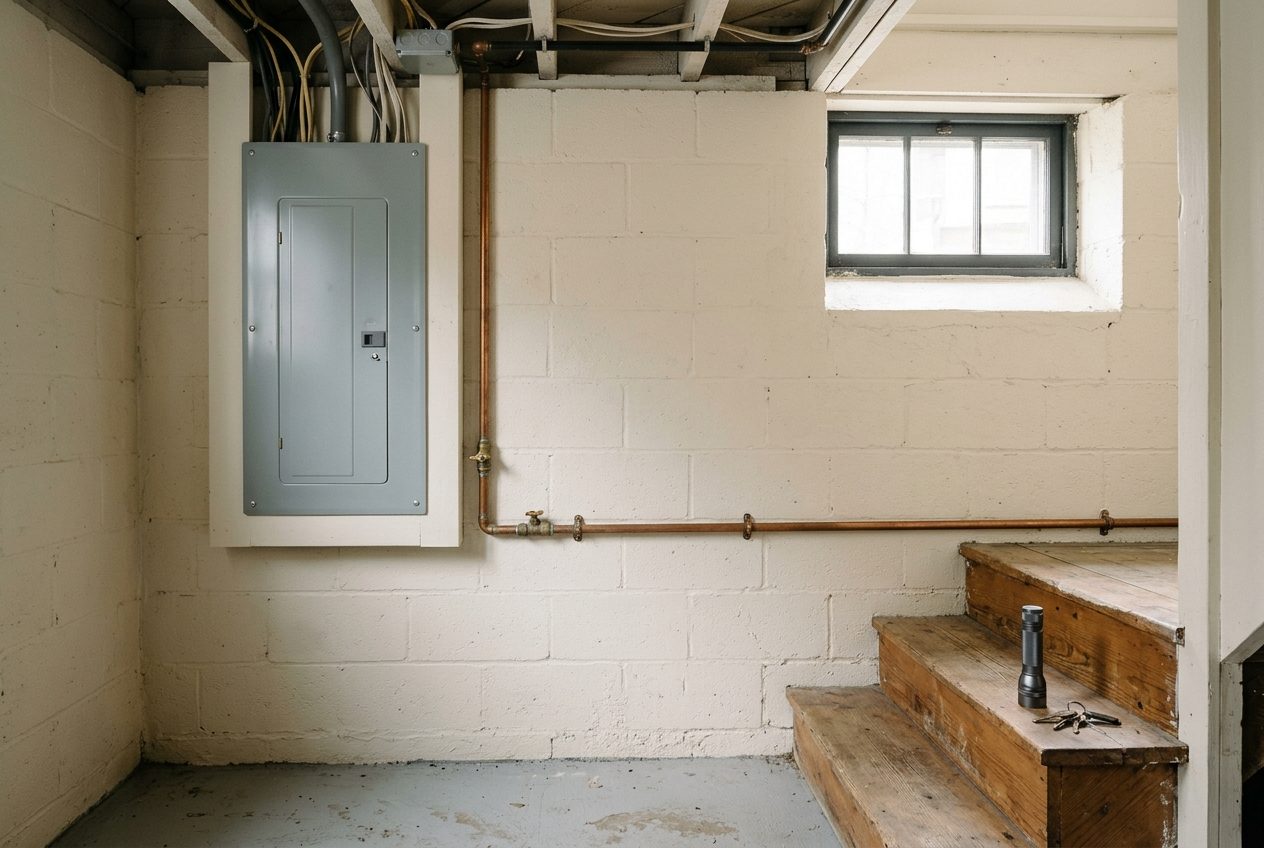
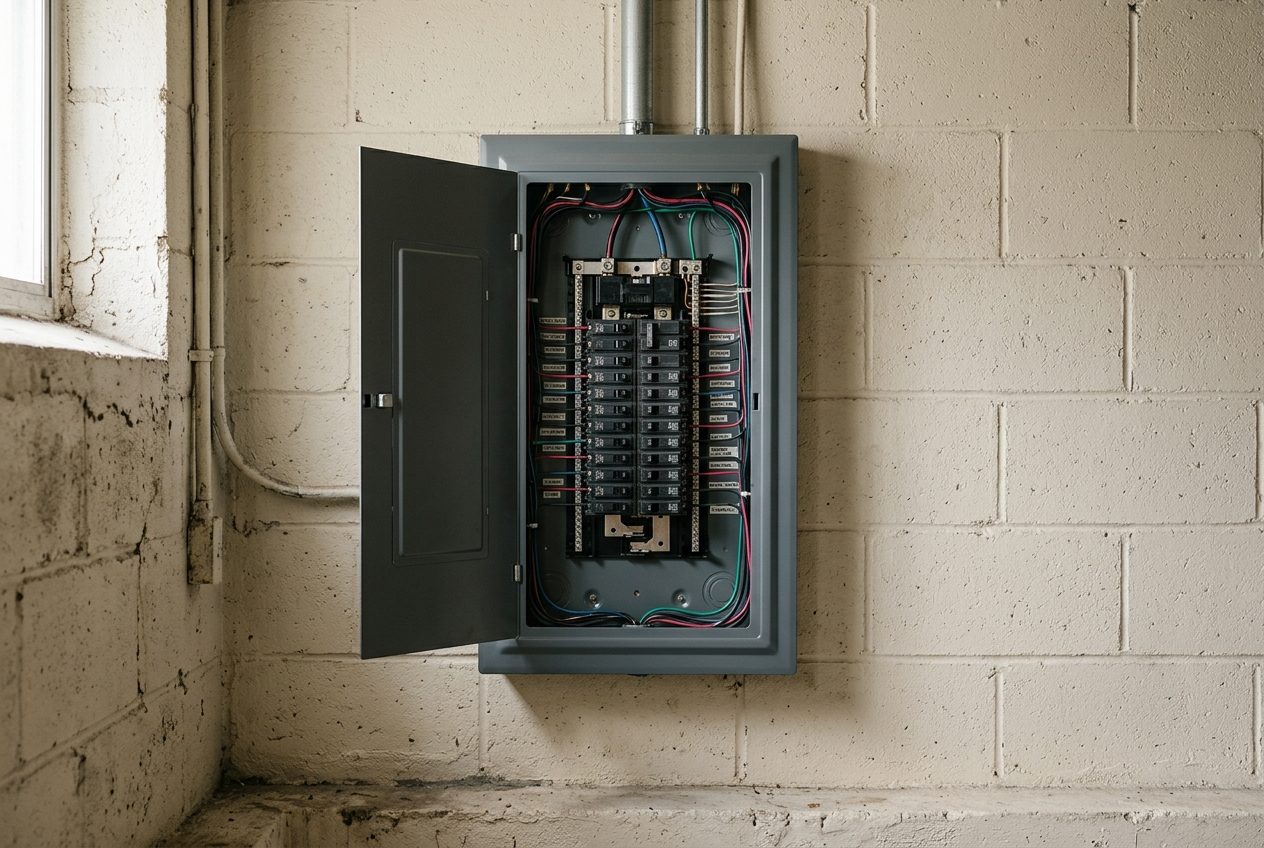
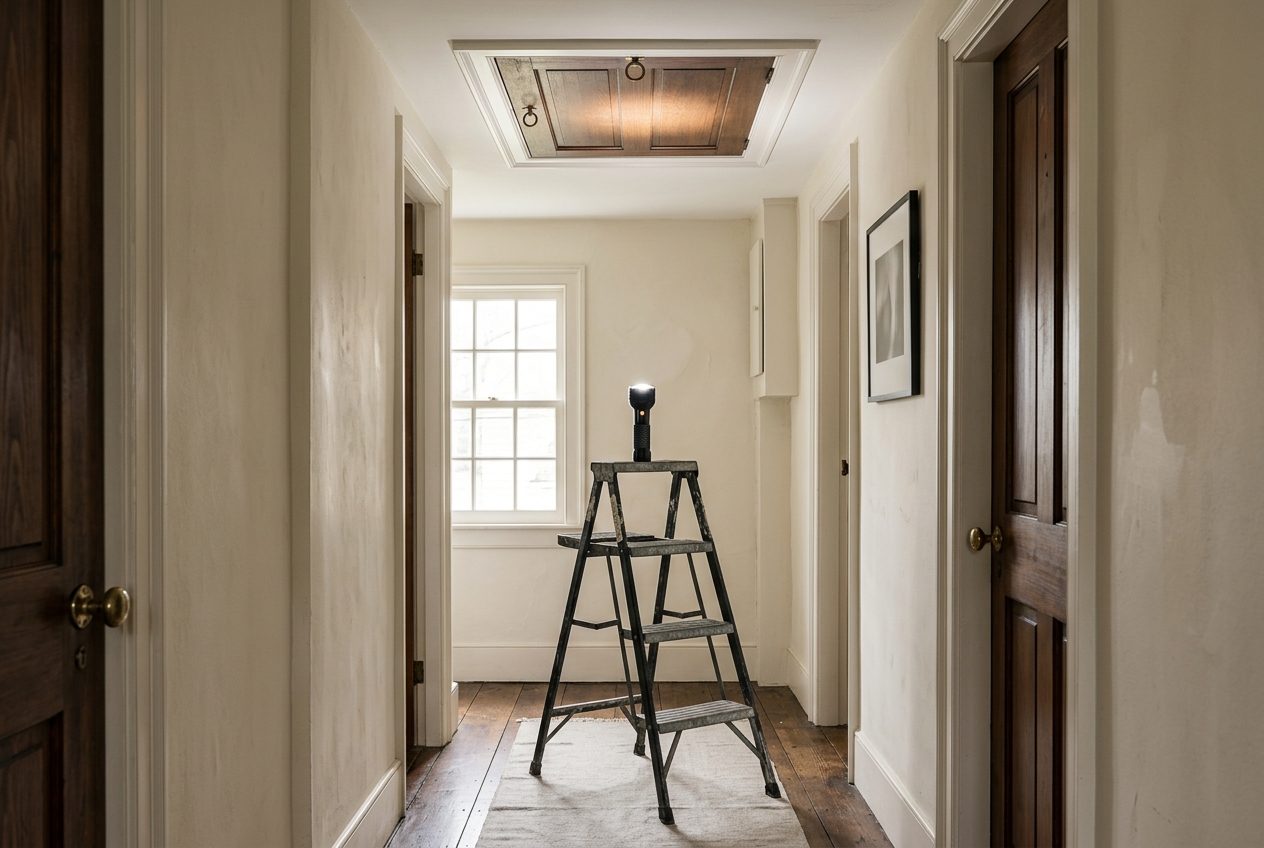
Every foot between the bar and the existing lines adds work in the walls and floor, not in the finish you chose. Before you fall for a spot, ask where the nearest supply line, drain and electrical panel are, and what sits above and below. A basement ceiling you can reach is easier than a finished room under it.
Do you need a wet bar, or will a dry bar do?
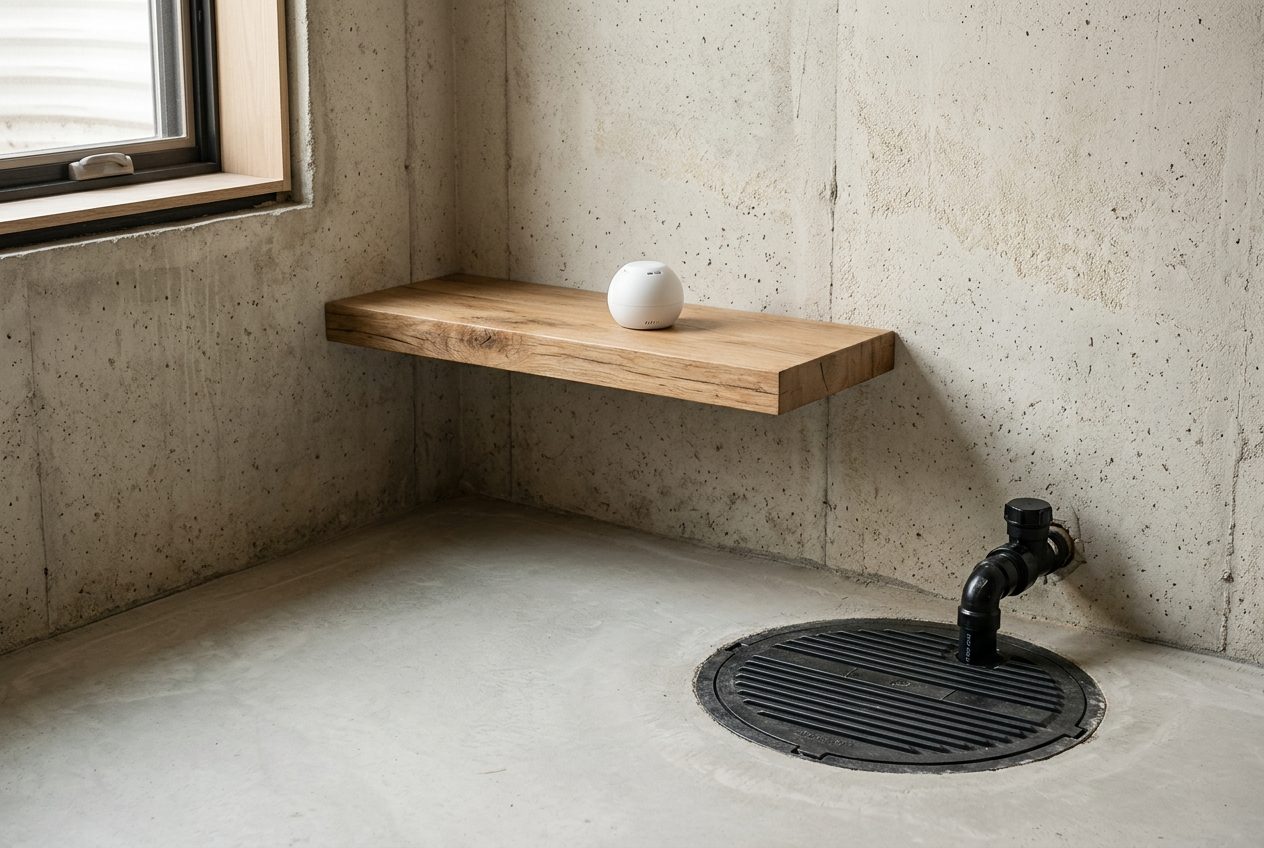
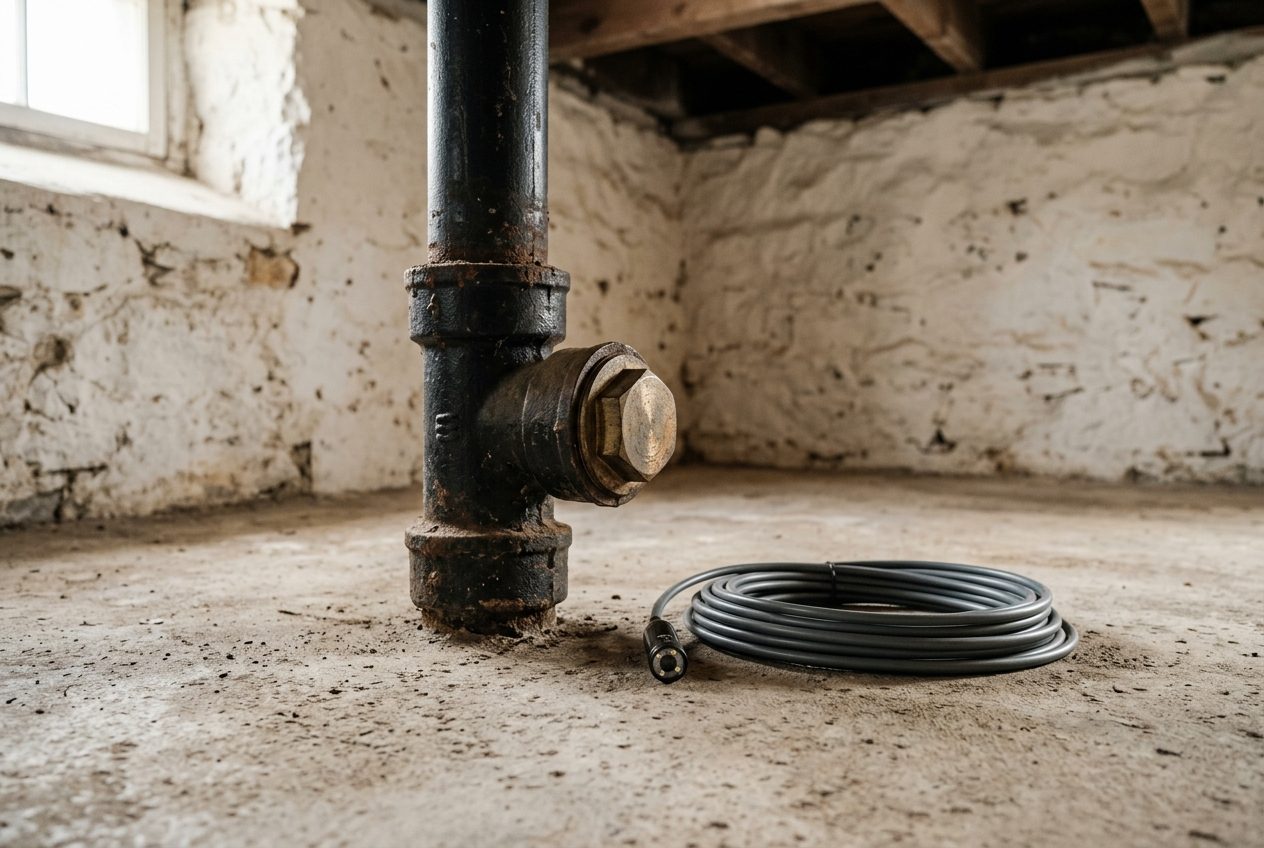
A dry bar needs storage, a counter and power. A wet bar adds a sink, and a sink adds supply lines, a drain that has to slope and be vented, and usually a plumber and a permit conversation with your township.
If the house has no plumbing near the spot you love, a dry bar with a small beverage fridge gives you most of the use with far less demolition. Ask a licensed plumber what your house allows before you commit to a sink. An ice maker usually needs a water line and a place for its drain water to go, so plan it in the same conversation.
What should you know about a beverage fridge or ice maker?
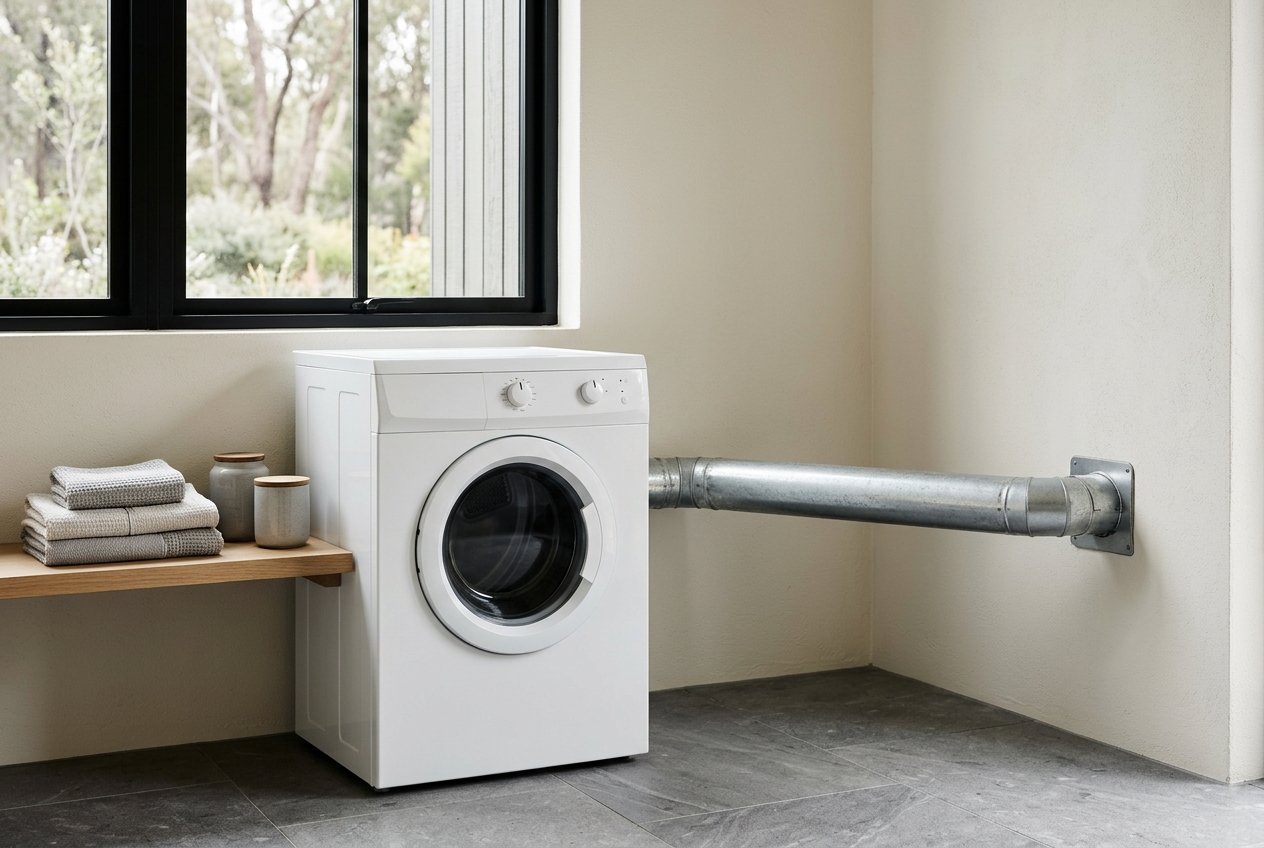
Read the installation sheet before you build the cabinet around the appliance. Some under-counter units are made to be built in and some are not, and the manufacturer's guide says how much air space each needs. A cabinet built tight around the wrong unit is an expensive mistake to undo. Give the unit its own outlet and leave room to pull it out for service.
What does a home bar need for electrical and lighting?
Count what will plug in before the cabinets are drawn. A fridge, an ice maker, under-shelf lights, a speaker and a glass washer all draw power. Ask a licensed electrician whether the existing circuit can carry them or whether the bar needs its own.
Outlets near a sink have special protection requirements, so that is an electrician's job, not a weekend project. If your home has older wiring, read What Should You Know About Old Wiring Before You Buy a Pittsburgh Home? first.
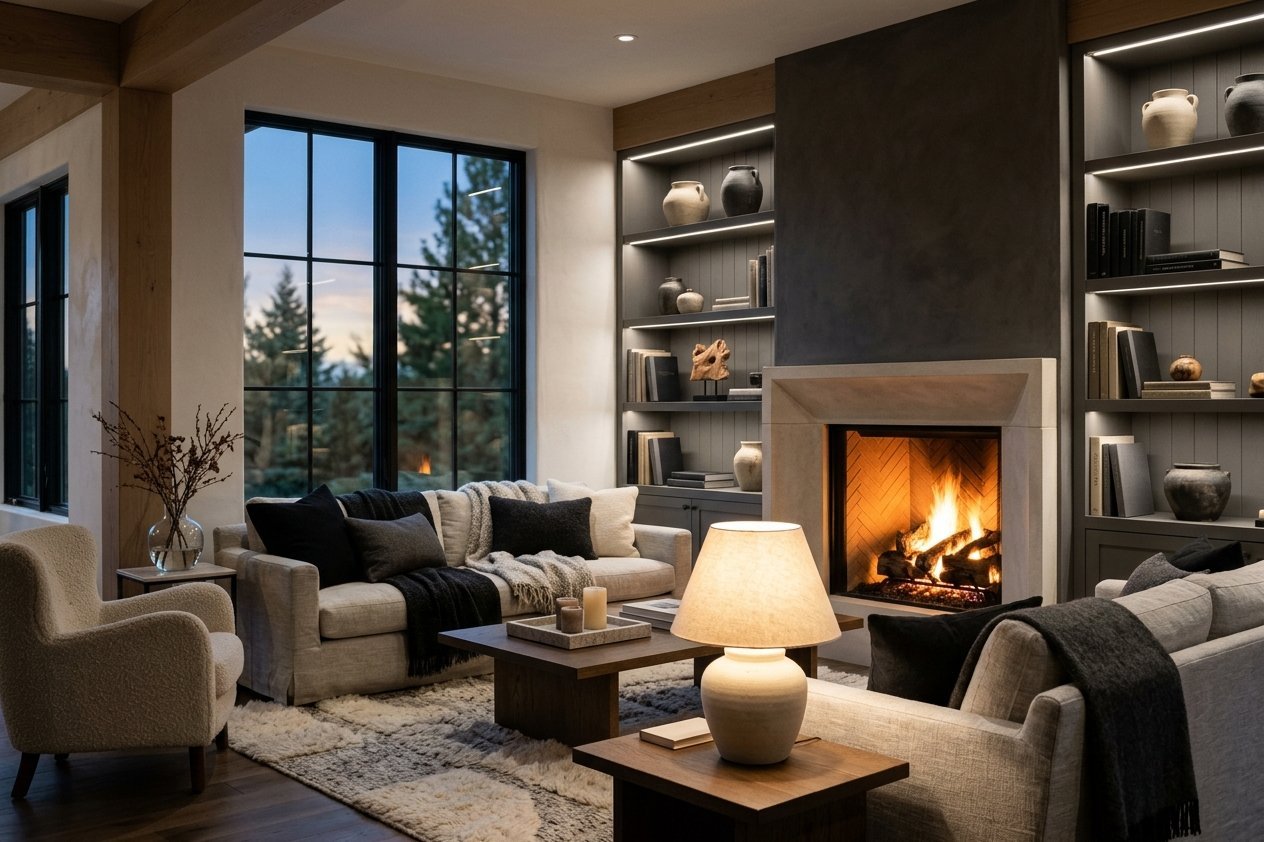
Lighting is where a bar earns its mood. Warm, dimmable light under shelves and over the counter makes glass and bottles glow, and it has to be wired before the drywall closes. I wrote about layered light in How Do You Make a Pittsburgh Home Feel Warm and Curated for Fall and Winter?
What do the cabinets, counters and floor have to carry?
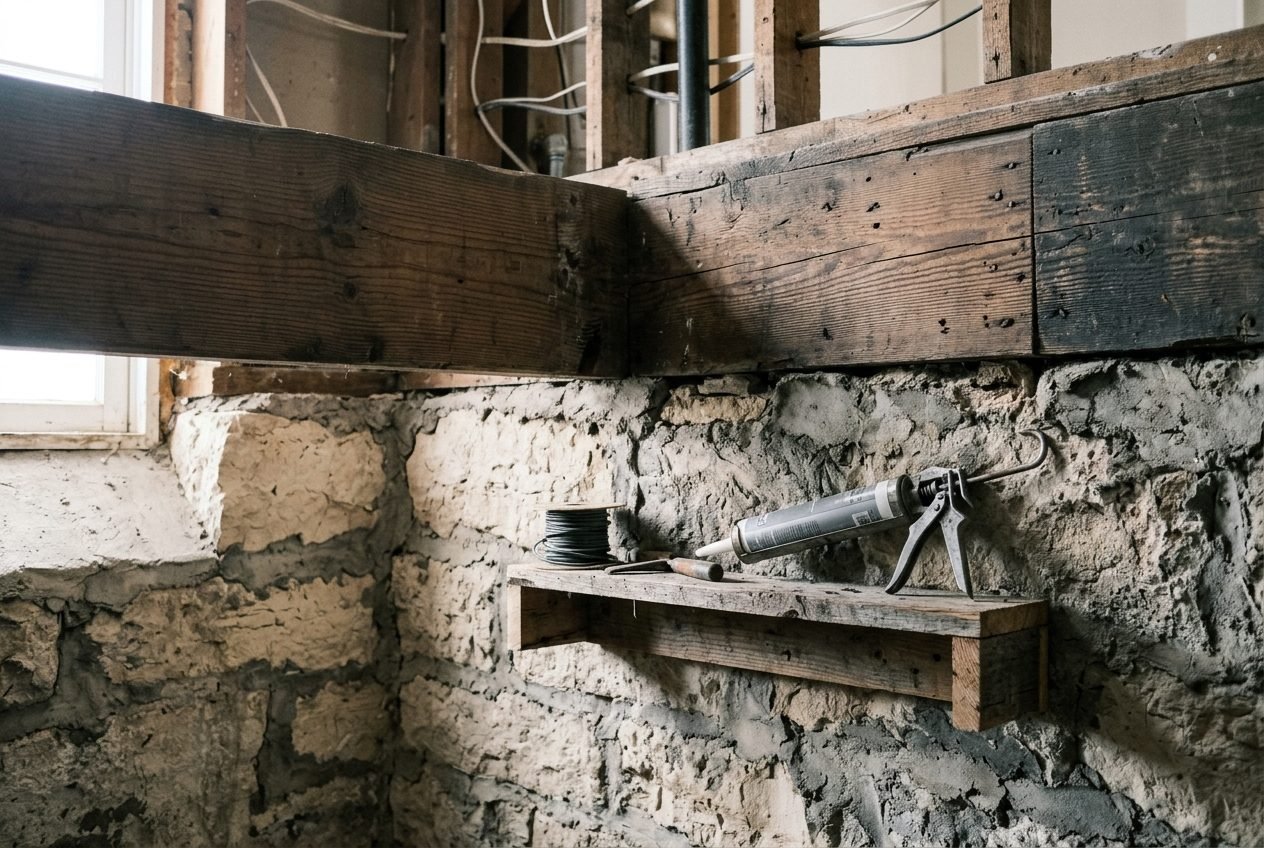
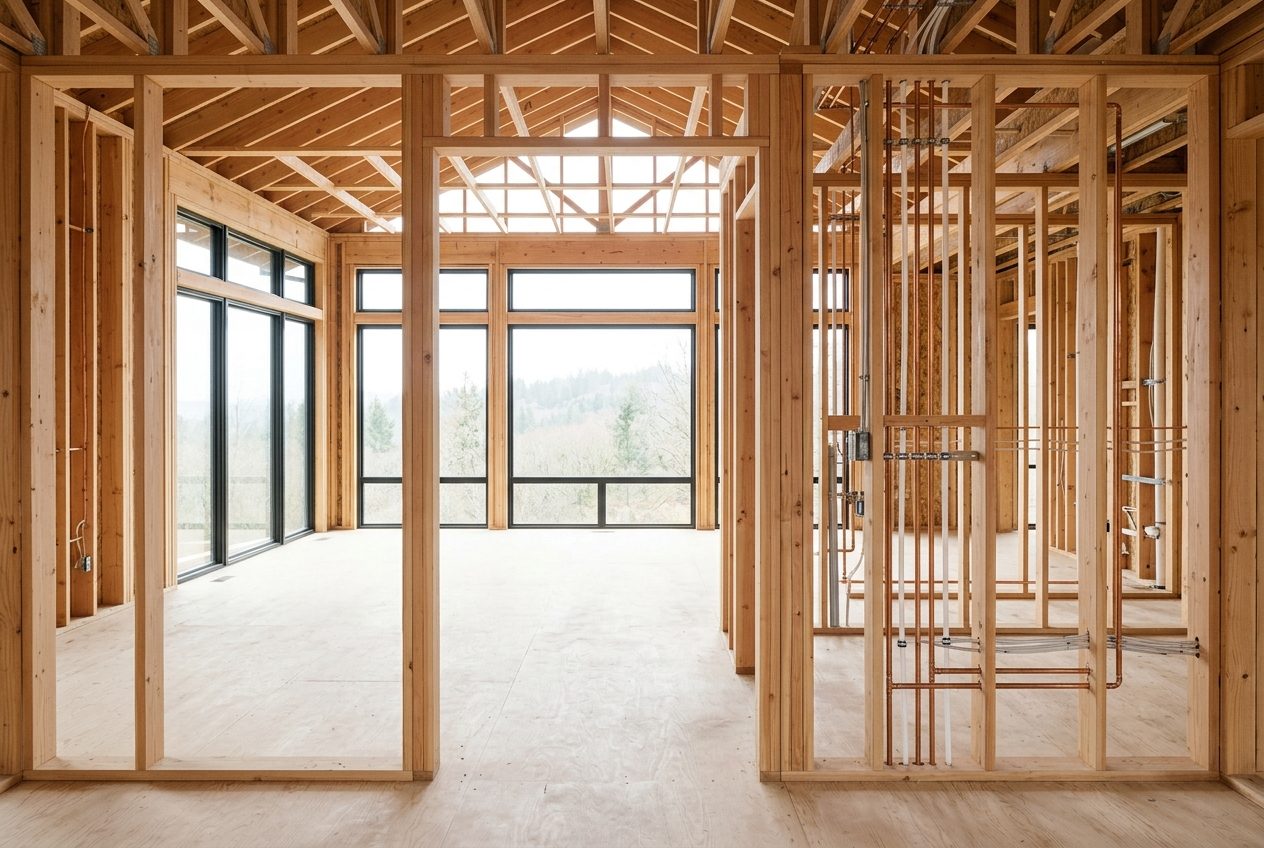
More than they look like. A stone counter, a cabinet full of bottles and glass shelves add weight, and wall-hung units need solid blocking behind the drywall, not just anchors in the board. On an upper floor, ask someone who can read the framing whether the floor is up to the load.
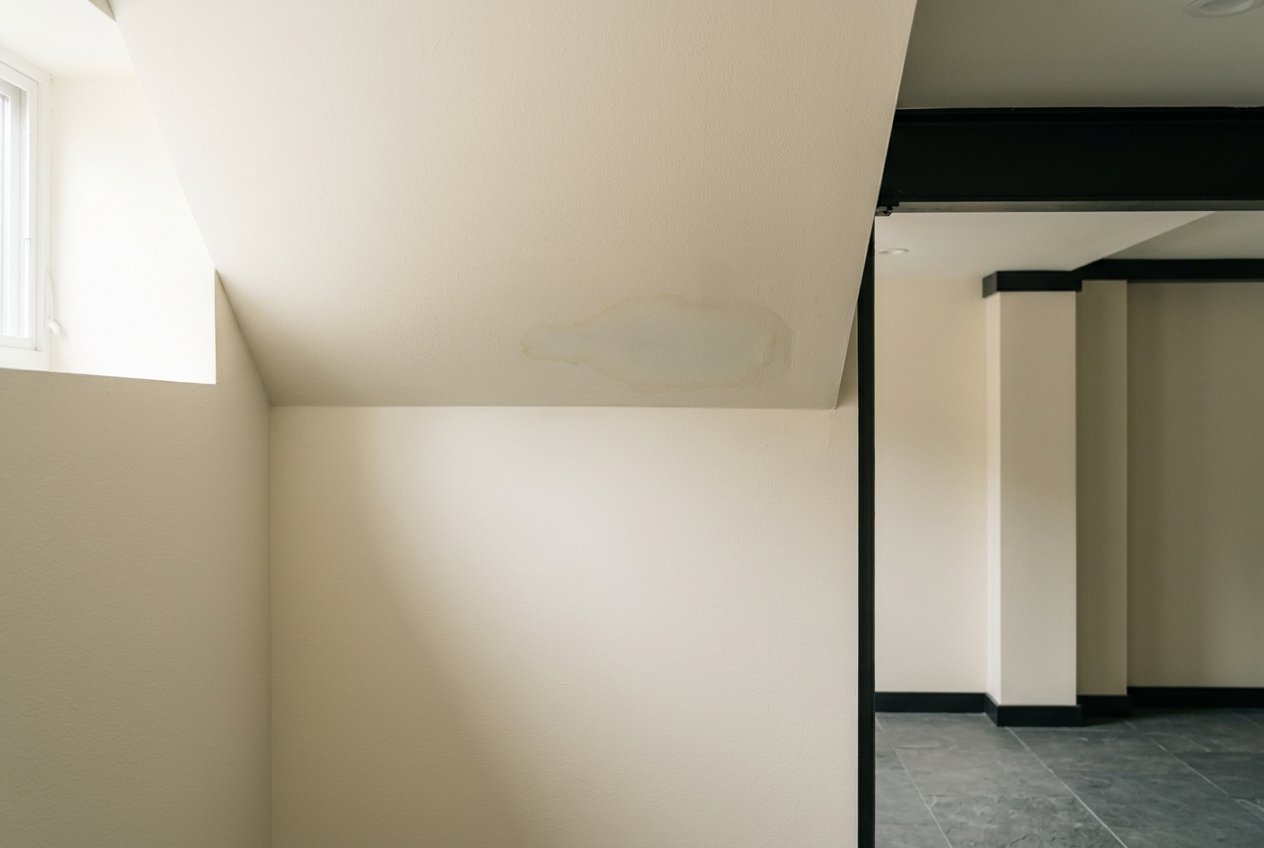
Moisture matters too. A sink or ice maker next to wood cabinets needs a water-tolerant surface and shutoff valves you can reach. Pretty gets your attention. What is behind it determines whether it is a smart build.
Does a home bar help or hurt when you sell?
It helps when a buyer sees care and hurts when a buyer sees a project. I have no statistic that says a bar adds a set amount to a sale price, and I would not trust one that does. A bar reads well when the sink drains, the lights work and you can show who did the plumbing and electrical work. It reads badly when the work was done without a permit, the cabinet smells damp or the room is a theme a buyer would have to rip out.
If you may sell in the next few years, keep the bones neutral and put the personality in things you can take with you, such as glassware, art and stools. Save the receipts and permit paperwork either way.
If you are buying a home with a bar, open the sink cabinet and look for stains, run the water, check the lights and ask what was permitted. A bar is a feature you inherit, repairs included.
What are the common mistakes?
- Choosing the cabinets before knowing where water and power can reach
- Adding a sink with no plan for the drain
- Building a cabinet tight around an appliance that needs air
- Putting every appliance on one circuit
- Hanging heavy shelves with no blocking behind the wall
FAQ
Do you need a permit to add a home bar?
It depends on the work and your township. Adding a sink, new wiring or structural changes commonly involve the local code office, so call yours before you start.
Can you put a wet bar anywhere in a house?
Not easily. A sink needs supply lines and a drain that slopes and is vented, so the closer the bar is to existing plumbing, the simpler the job.
What is the difference between a wet bar and a dry bar?
A wet bar has a sink and plumbing. A dry bar has storage, a counter and power but no sink.
Does a home bar add value to a house?
There is no fixed amount. Buyers respond to a bar that is well built and documented, and they discount one that looks like a project.
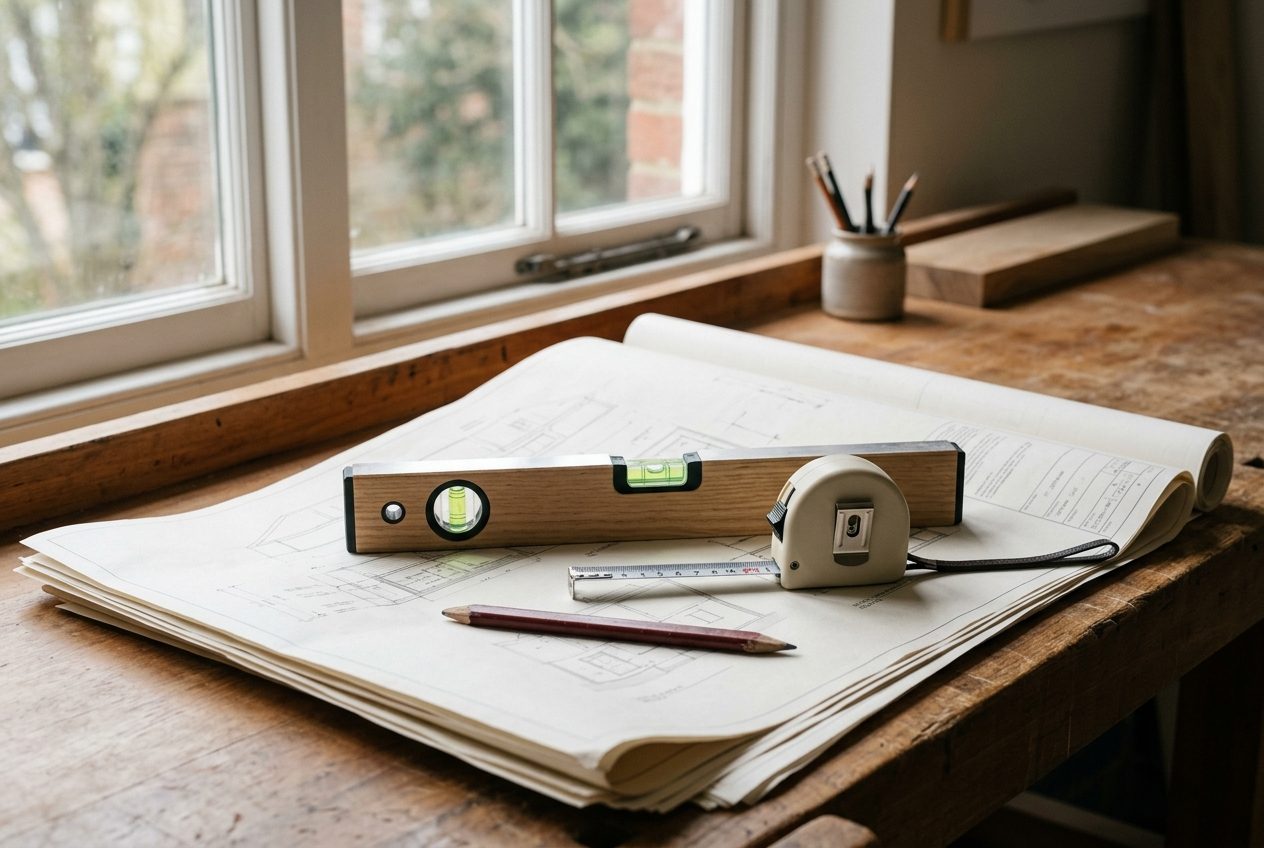
If you are planning a bar, or looking at a house that has one, and want a builder's read on what is behind it, book a 30-minute call. Bring the address or the plans.