Aubre J. Stacknick is a Global Real Estate Advisor with Piatt Sotheby's International Realty in Pittsburgh, PA, helping buyers and sellers across Western Pennsylvania see a home through a builder's eyes. I am not an HVAC contractor, and this is general information. A licensed heating and cooling contractor decides what is right for a specific house.
What is a heat pump, in plain words?
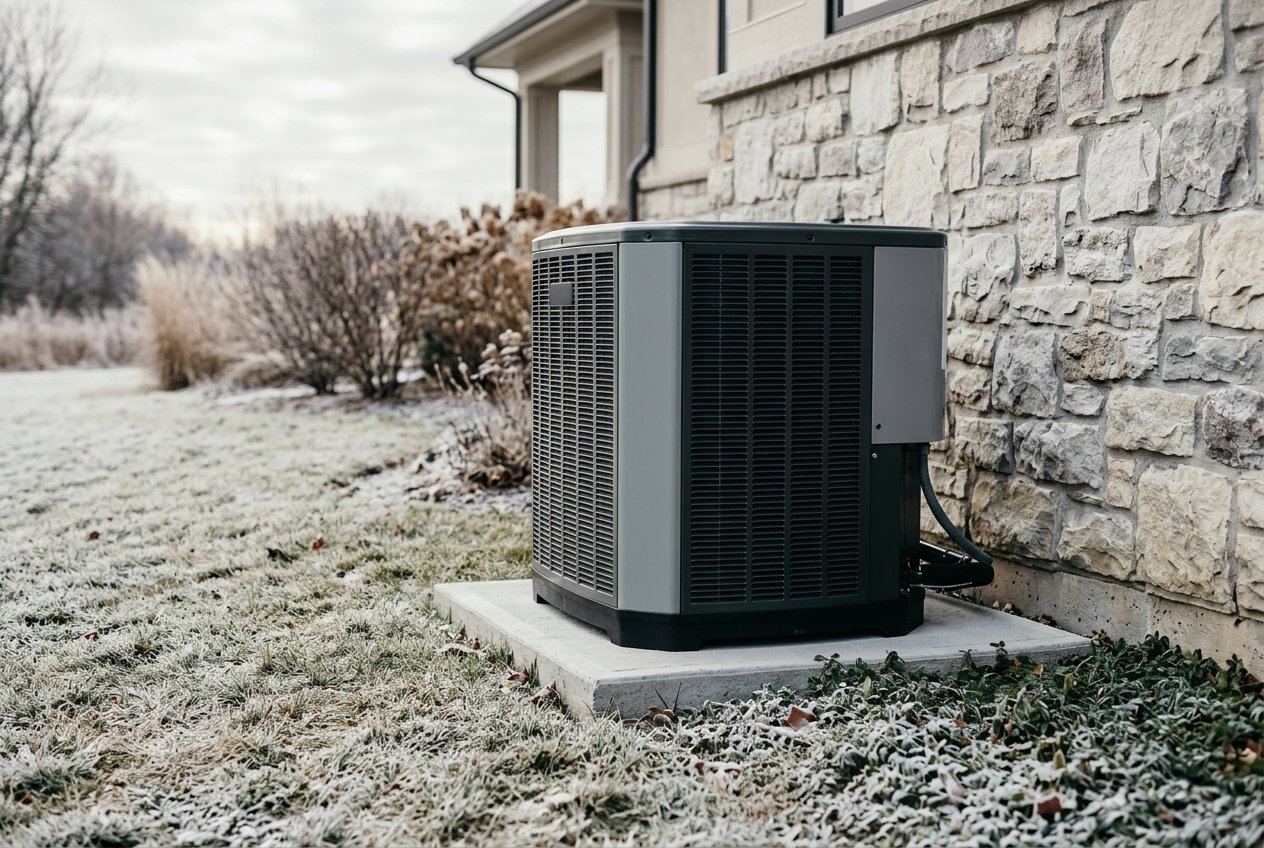
DOE explains that heat pumps use electricity to transfer heat from a cool space to a warm space, like your refrigerator does. They move existing heat rather than generating it. In winter, an air-source unit pulls heat from the outdoor air and moves it inside. In summer, it moves indoor heat outside, so the same equipment cools the house.
That is the practical difference from a furnace, which burns fuel to make heat. A heat pump is one system that heats and cools. In a house with central air conditioning, a heat pump can replace both the furnace and the air conditioner.
Does a heat pump work in a Pittsburgh winter?
DOE says air-source heat pumps were not used in areas with subfreezing temperatures for extended periods until recently, and that improved technology now makes them a legitimate option for colder regions. That includes the cold-climate models built for lower outdoor temperatures.
I would still ask two questions about any system in an older house. First, what backup heat does it have, if any, for the coldest days? Second, was it sized for this house after someone looked at how well the house holds heat? A system that is too small will run constantly and still not keep up. A system that is too large can cycle on and off and not do its job well.
The answers depend on the house, the equipment and the installer. That is why I do not give a one-size verdict. I give a list of questions.
What should you ask when a house has a heat pump?
- How old is the outdoor unit and the indoor unit, and what is the brand and model?
- Who installed it, and is there a written warranty and service record?
- What is the backup or supplemental heat, and when does it come on?
- Is it ducted, or is it a ductless setup with wall units? Do all the rooms get heat?
- Was the house insulated and air sealed before or after the system went in?
- Have there been any complaints from the sellers about cold rooms or high winter bills?
Ask to see utility bills for a full year if the seller will share them. A cold January bill tells you more than a brochure.
Do you still need to inspect a furnace or boiler?
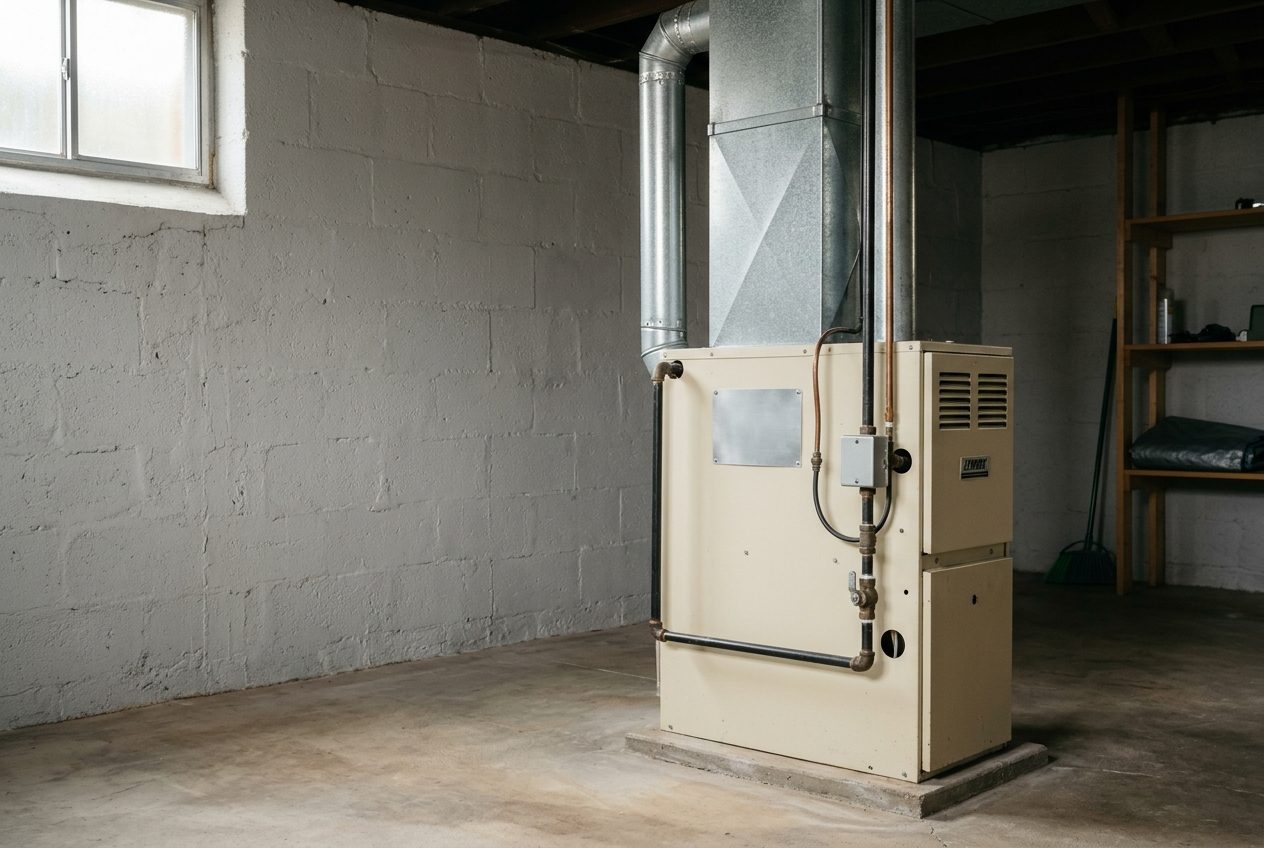
Yes, if the house has one. Many Pittsburgh houses have a mix: an older boiler with radiators, a furnace in a newer addition, a heat pump on an upper floor. Look at each system on its own terms. I wrote about age and condition in How Old Is Too Old for a Furnace or Boiler When You Buy a Pittsburgh House?
If a house has more than one heating system, ask which one is the main source in winter and which is the backup. Do not assume.
Why does the building matter as much as the equipment?
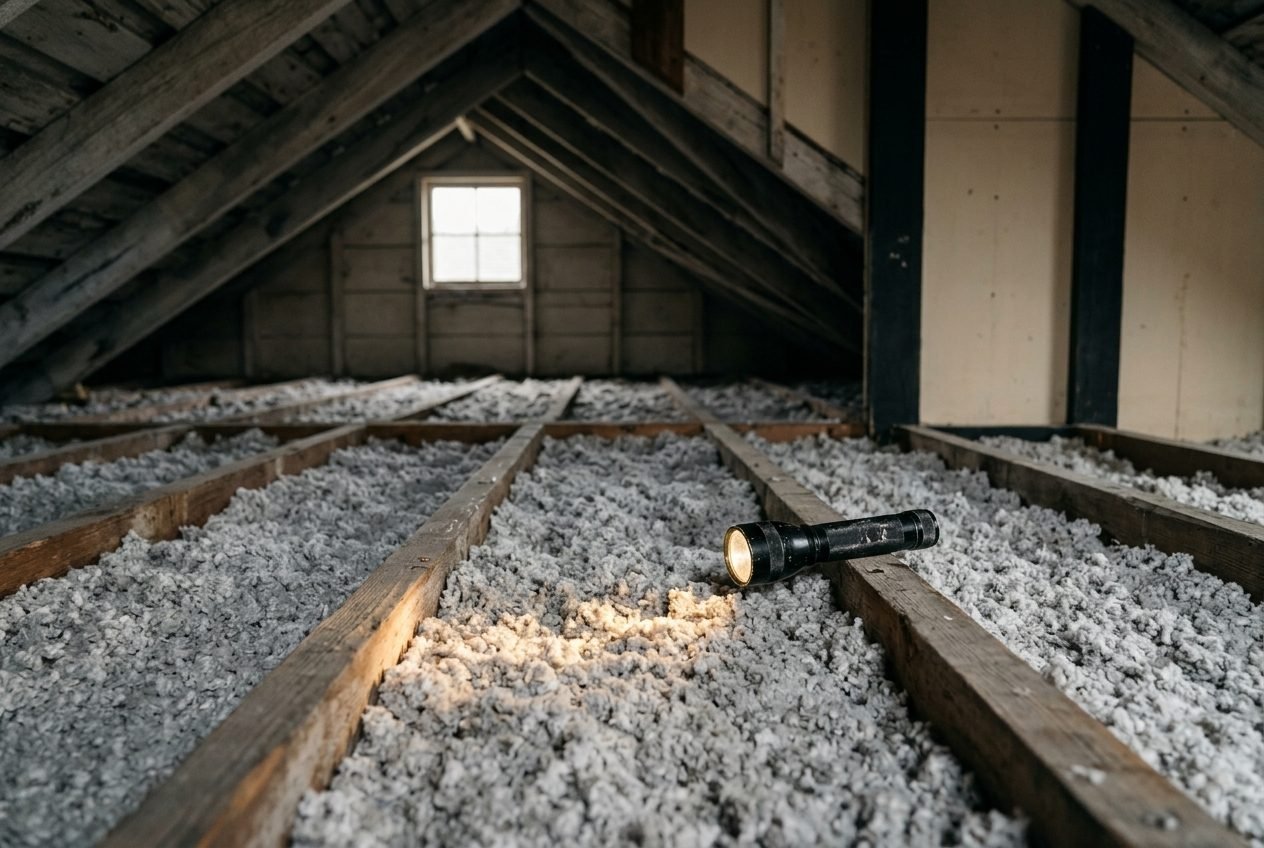
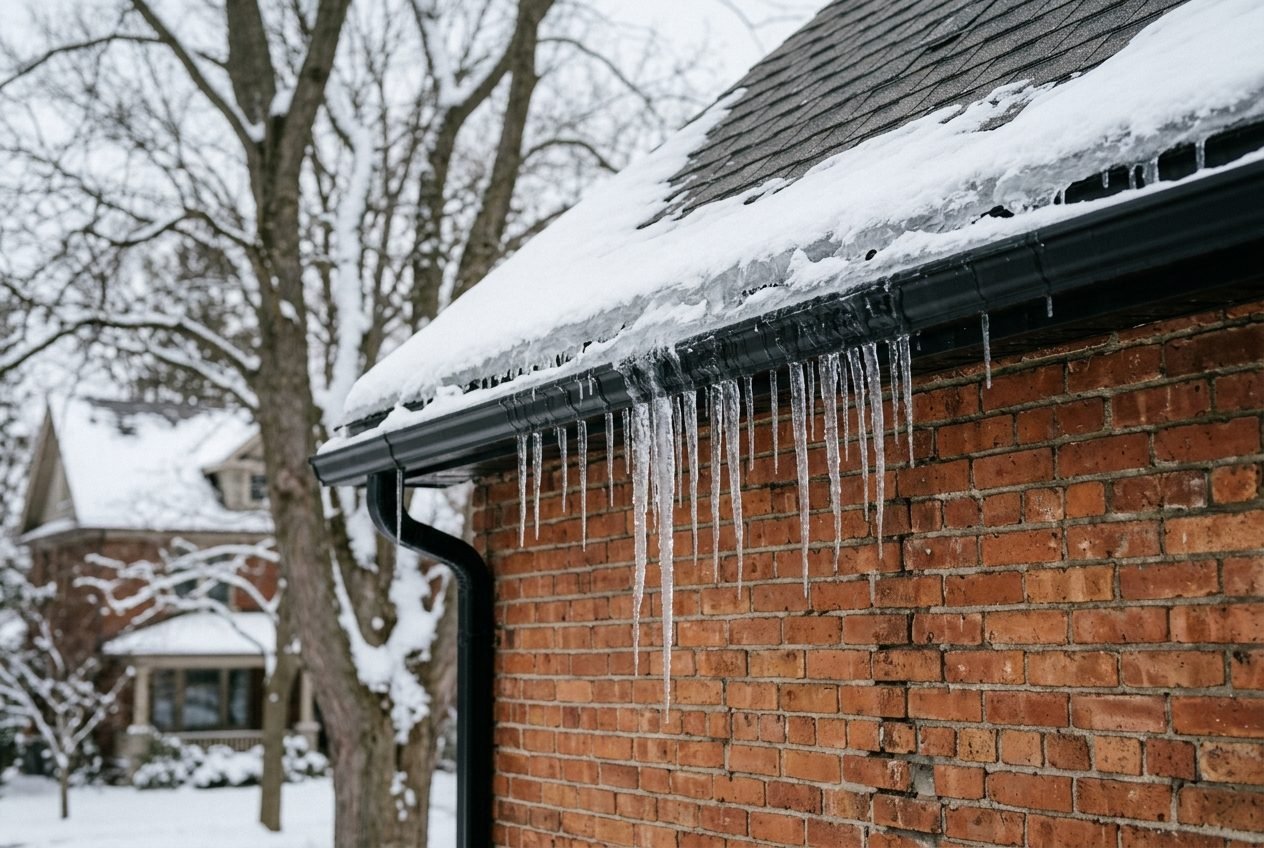
Any heating system is only as good as the house around it. A heat pump moves heat. If the house loses heat quickly through an uninsulated attic, a leaky rim joist or old windows, you are paying to move heat that leaves right away.
That is why I put insulation and air sealing in the same conversation as the equipment. See How Much Attic Insulation Does an Older Pittsburgh House Need Before You Buy or Sell It? and Where Does an Older Pittsburgh House Leak Air, and Is Air Sealing Worth Doing Before You Sell?
A home energy assessment can show how the house and the system work together. I covered that in What Does a Home Energy Assessment Tell You Before You Buy or Sell a House?
What does it mean for sellers?
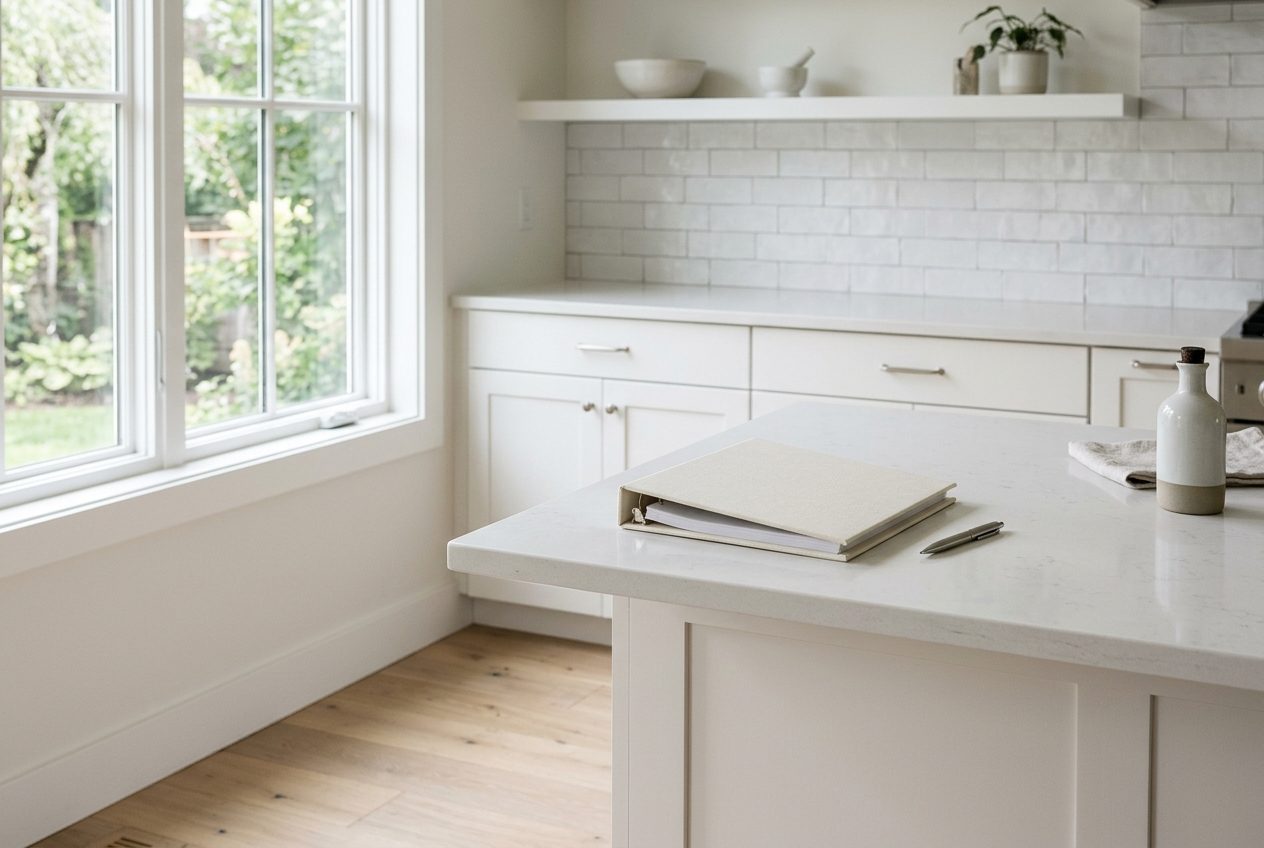
If you have a heat pump, gather the paperwork before listing: the installation date, the contractor, any permit, the warranty and service records, and what the system covers. Buyers who do not know heat pumps will have questions, and a folder answers most of them.
If you are thinking about replacing a furnace before you sell, ask first whether the buyers in your price range will value the change. I would not spend money on a heating upgrade that a buyer will not notice, unless the current system is failing or the buyer's lender or inspector will flag it. Talk it through with me and with a licensed contractor before you commit.
What about incentives and costs?
I am not giving numbers here. Incentives and utility rebates change, and I would not trust any list that is more than a few months old. If you are buying a house and plan to replace its heating system, ask your lender about financing options and ask a licensed contractor for a written quote. Check current programs at the source, and do not rely on a summary from a blog, including this one.
What are the common mistakes?
- Assuming a heat pump will not work in western Pennsylvania without asking about the model and backup heat
- Skipping the service records and warranty paperwork
- Judging the system by its age alone and not by how the house performs
- Replacing a heating system before insulating and air sealing
- Forgetting to check that every room gets heat in a ductless setup
FAQ
How does a heat pump work?
DOE says heat pumps use electricity to transfer heat from a cool space to a warm space, like a refrigerator. They move existing heat rather than generating it.
Are heat pumps more efficient than furnaces?
DOE says modern air-source heat pumps can reduce your electricity use by 50% compared to furnaces and baseboard heaters.
Do heat pumps work in cold climates?
DOE says improved technology now makes air-source heat pumps a legitimate option for colder regions. Ask about the specific model and any backup heat.
Should you buy a house with a heat pump?
Yes, if you understand its age, installation, backup heat and service records. Ask a licensed contractor to look at it during your inspection period.
If you are looking at a Pittsburgh home with a heat pump, a furnace or both and want a builder's read, book a 30-minute call. Bring the address and what the seller has shared.