Aubre J. Stacknick is a Global Real Estate Advisor with Piatt Sotheby's International Realty in Pittsburgh, PA, helping buyers and sellers across Western Pennsylvania see a home through a builder's eyes. I am not a mold remediation specialist or a medical professional, and this is general information. A qualified professional decides what your house needs.
What does the EPA say about mold and moisture?
The EPA's guide says that "the key to mold control is moisture control." It also says that if mold is a problem, you have to clean it up and fix the water problem. Cleaning mold without fixing the source usually means it comes back.
Two numbers from the guide are worth remembering. The EPA says to dry water-damaged areas and items within 24 to 48 hours to prevent mold growth. And it says to keep indoor humidity below 60 percent, ideally between 30 and 50 percent relative humidity.
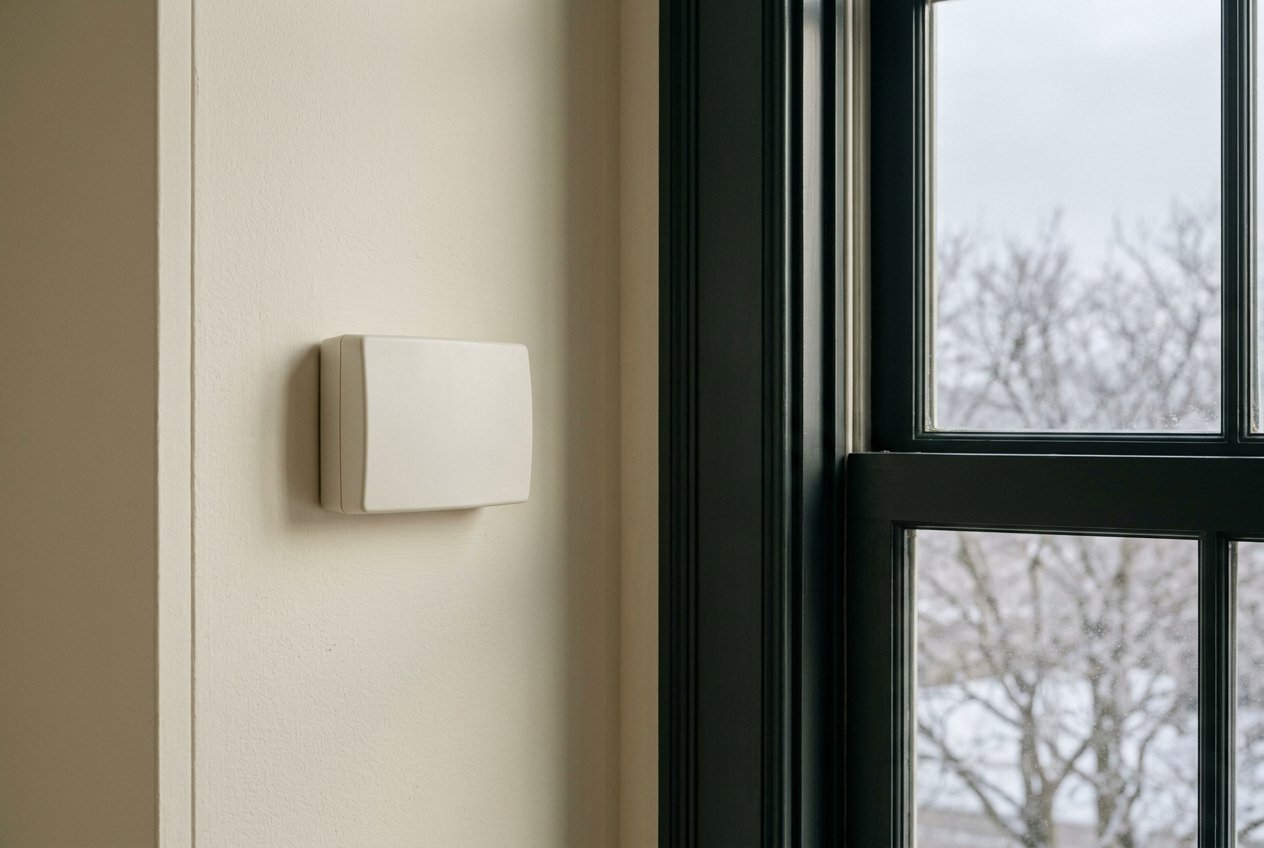
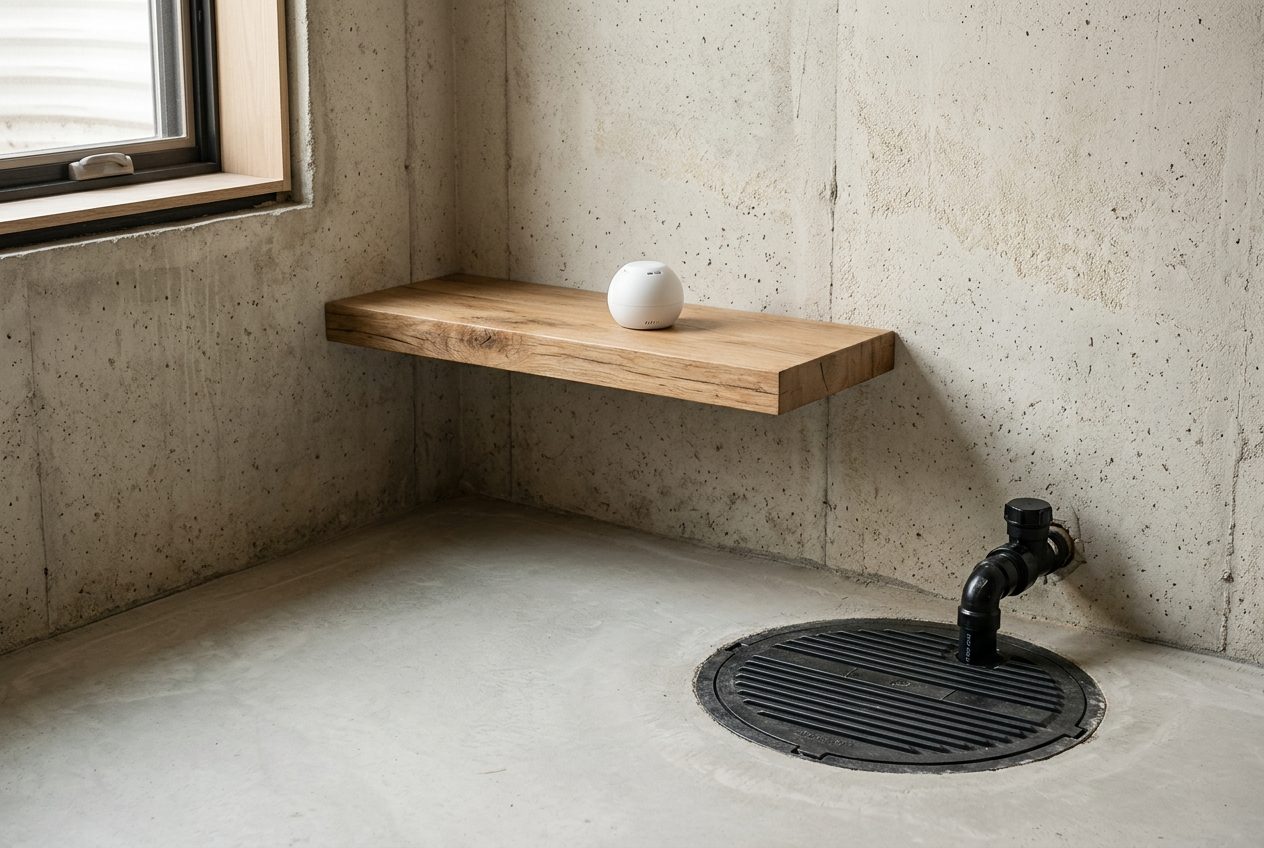
I like those numbers because they turn a vague worry into something you can measure. A basic humidity meter is inexpensive, and a reading in a basement can tell you a lot about how a house is behaving.
Where does moisture hide in an older Pittsburgh house?
Older homes were built with different materials and different habits than a house built today. The common places I check:
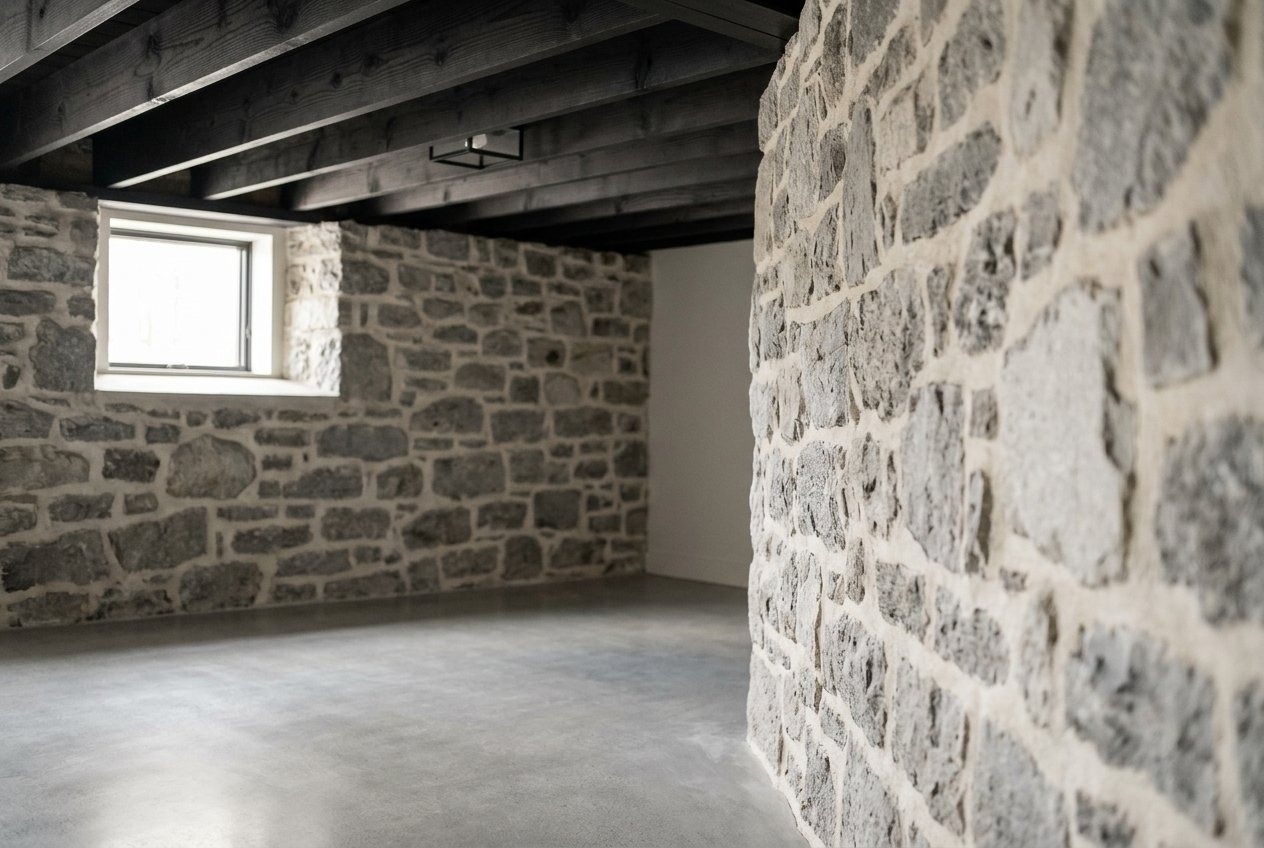
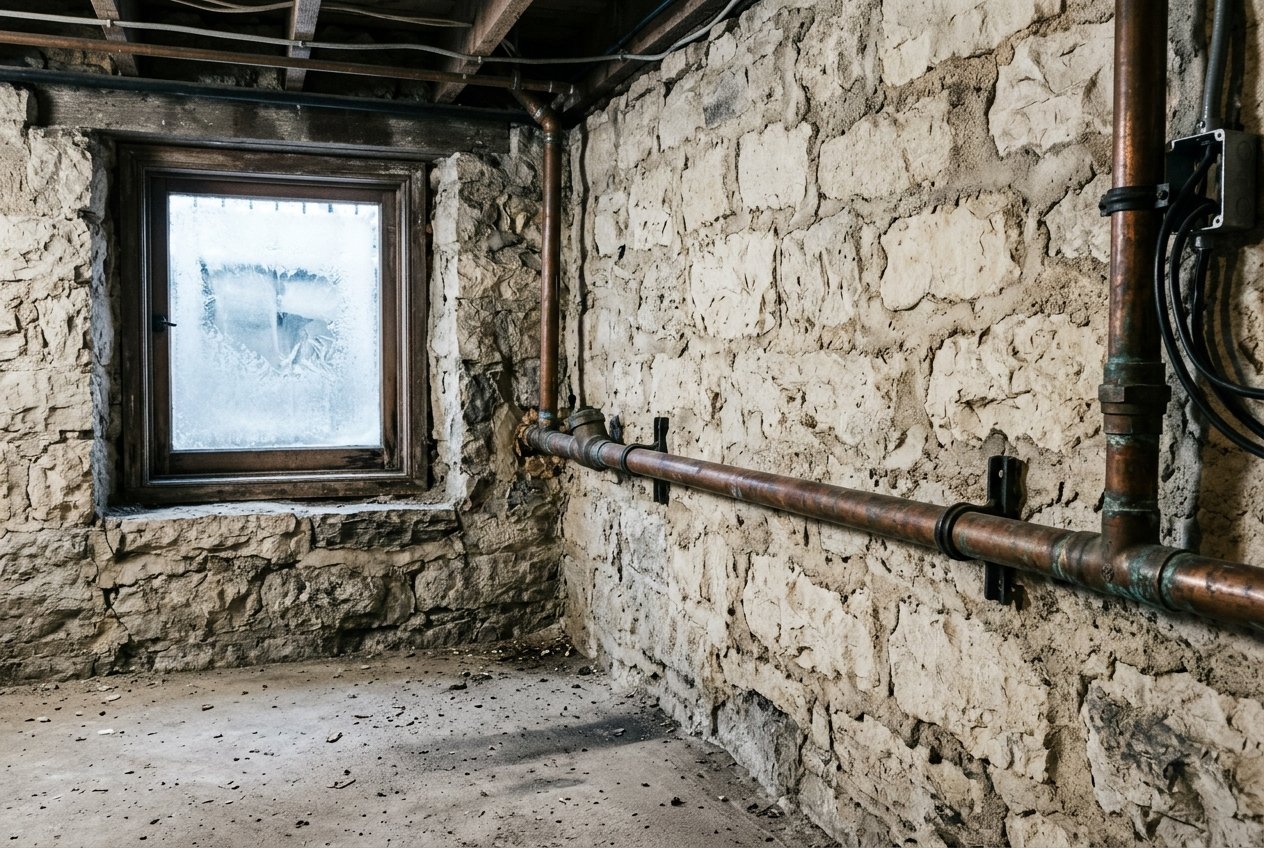
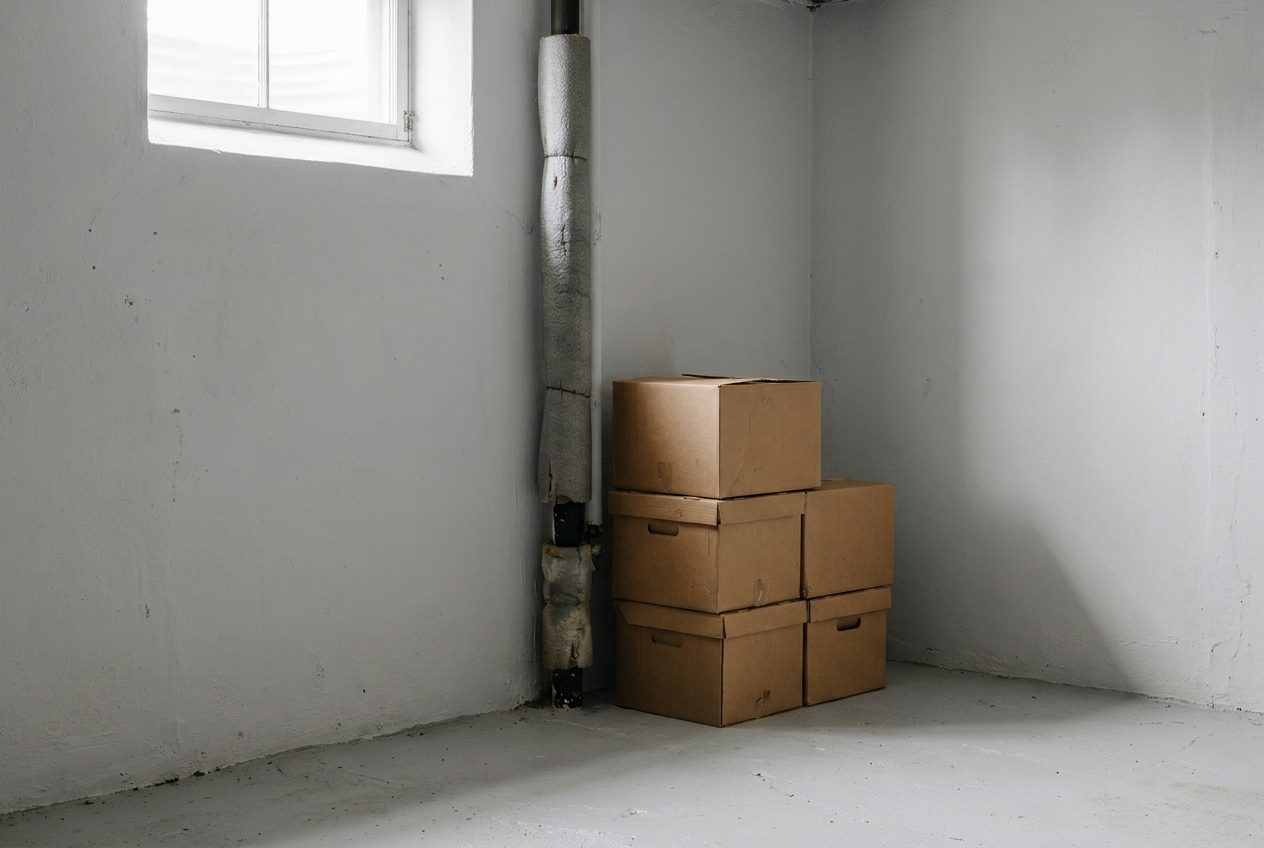
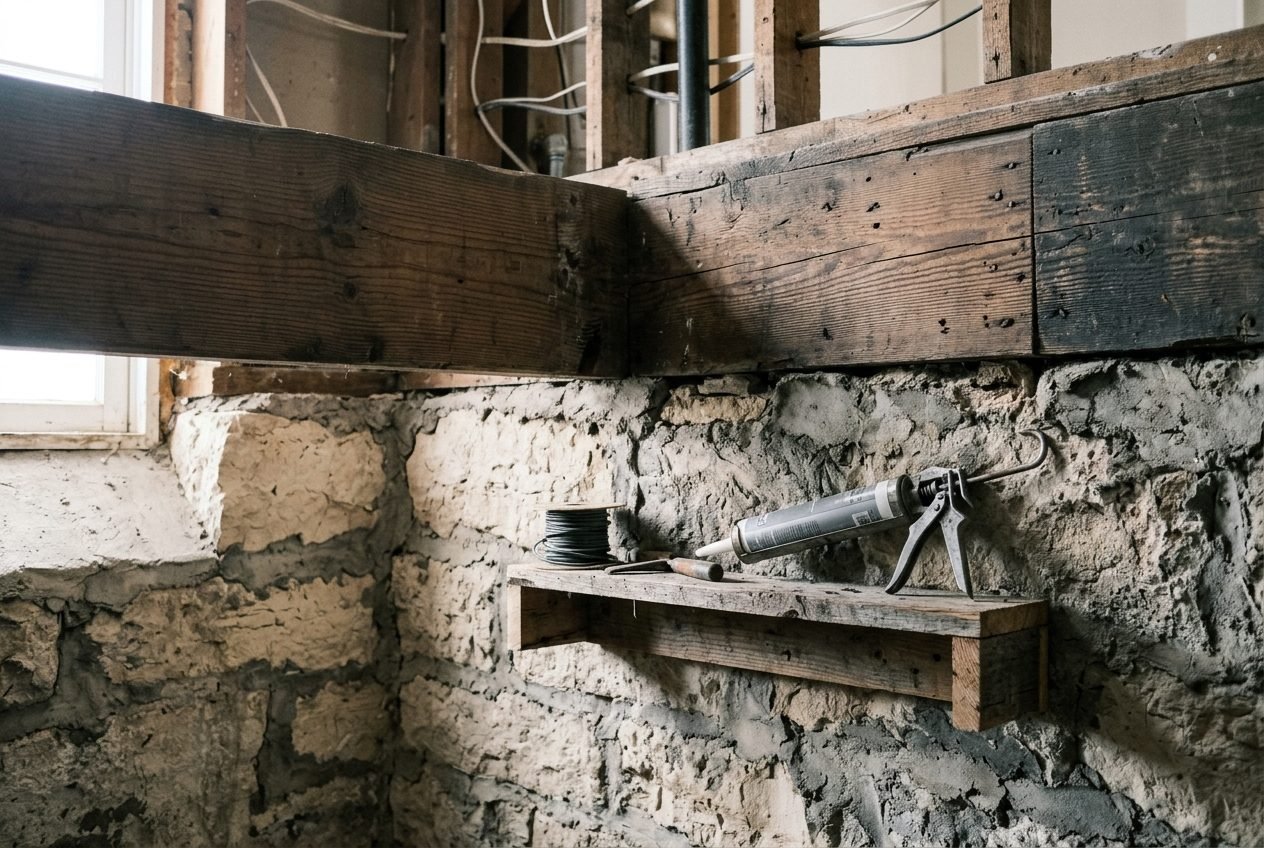
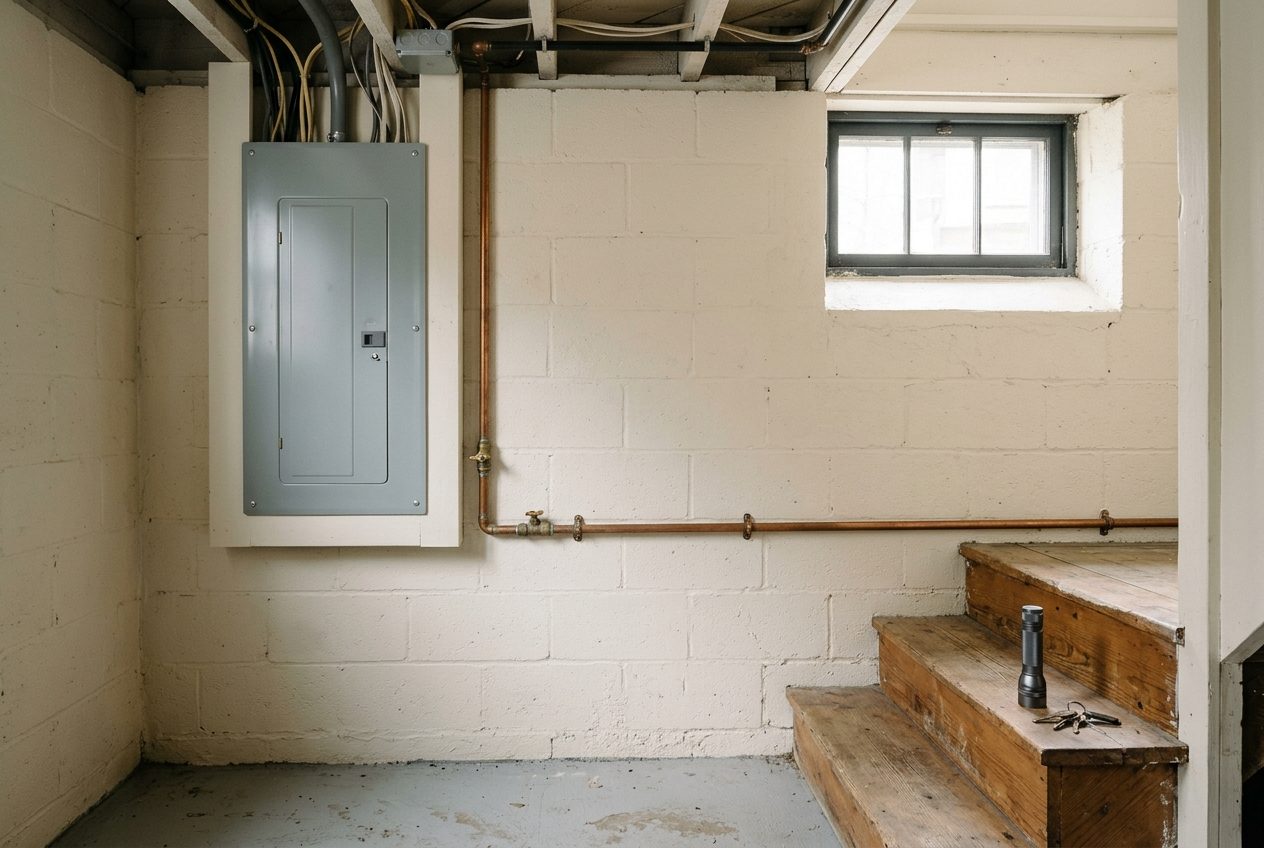
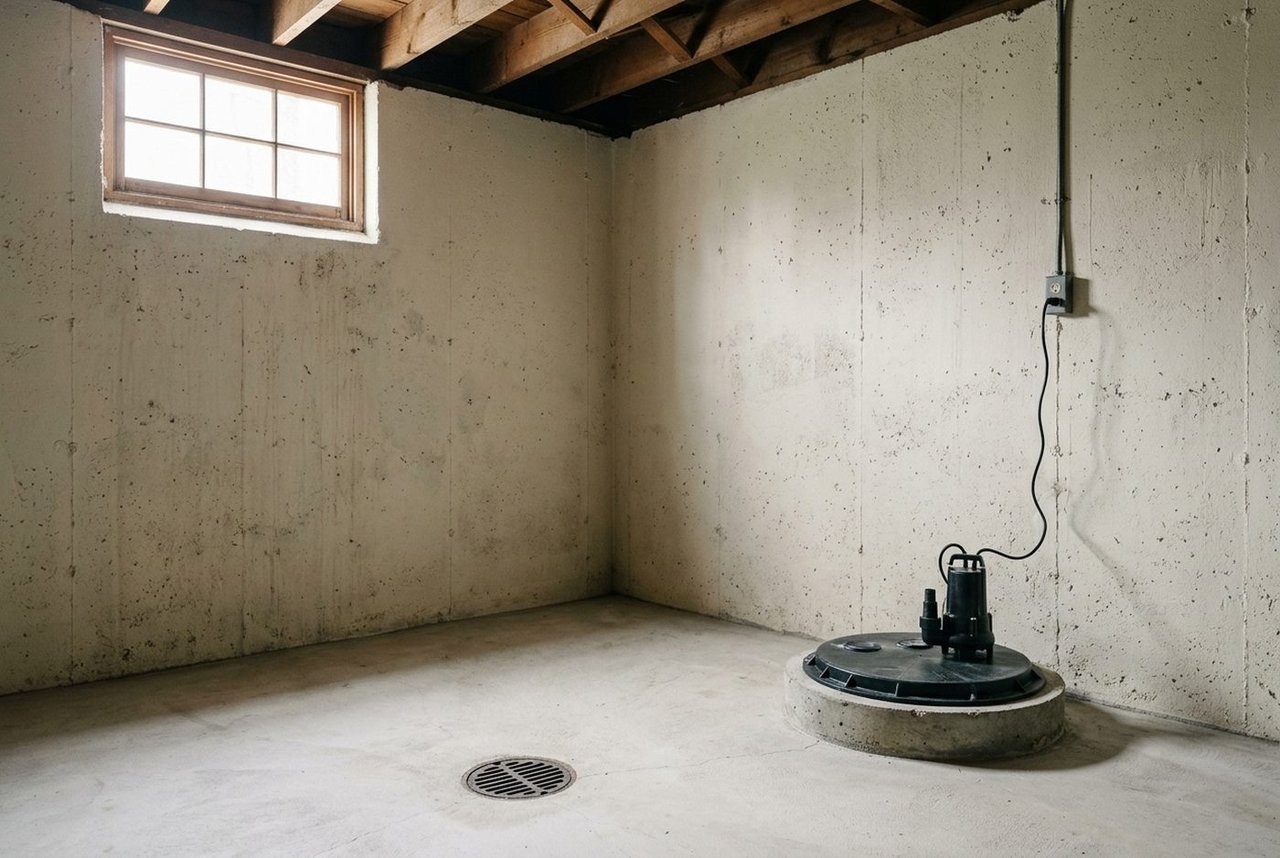
- Basement walls and floors, especially at corners and where walls meet the slab
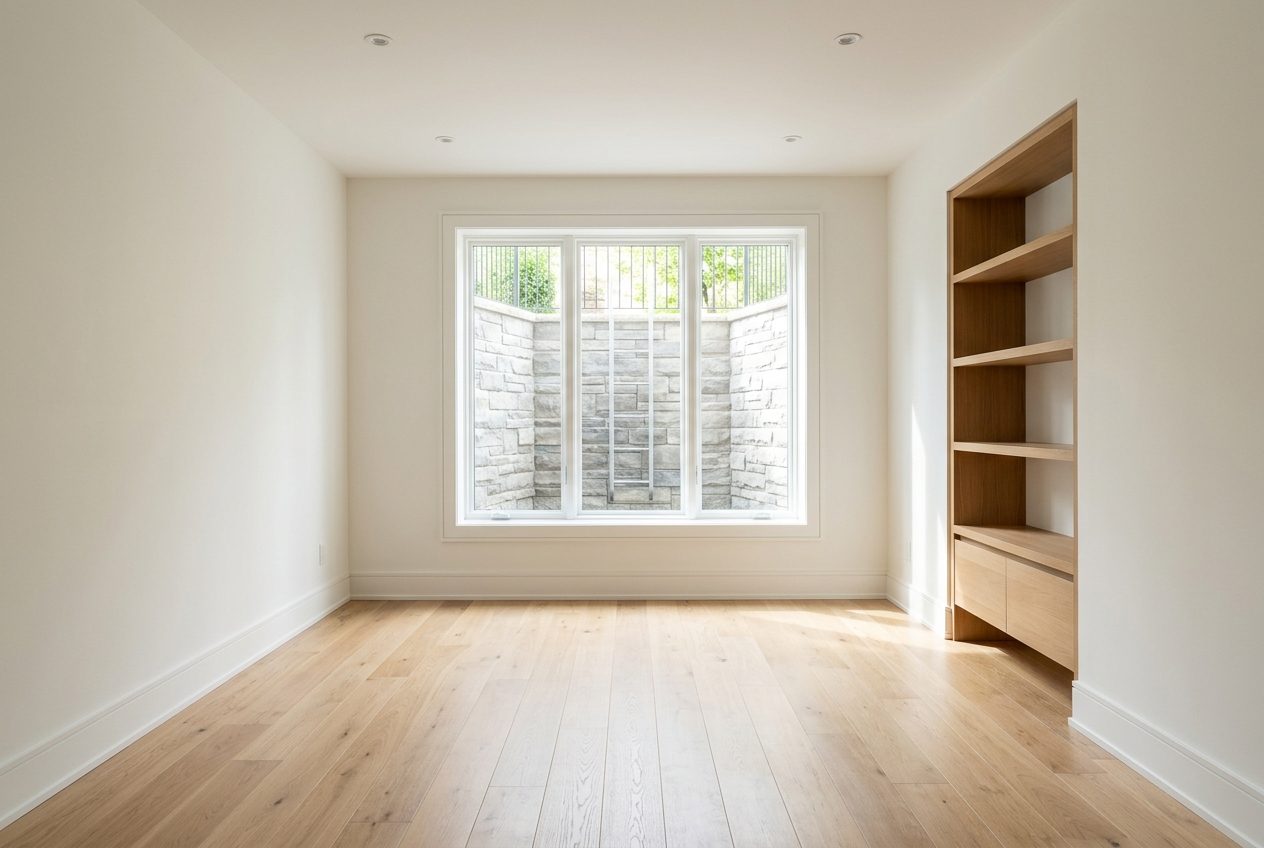
- Window wells and the sills of basement windows
- Around tubs, showers and toilets, and the ceiling below them
- Under kitchen and bath sinks
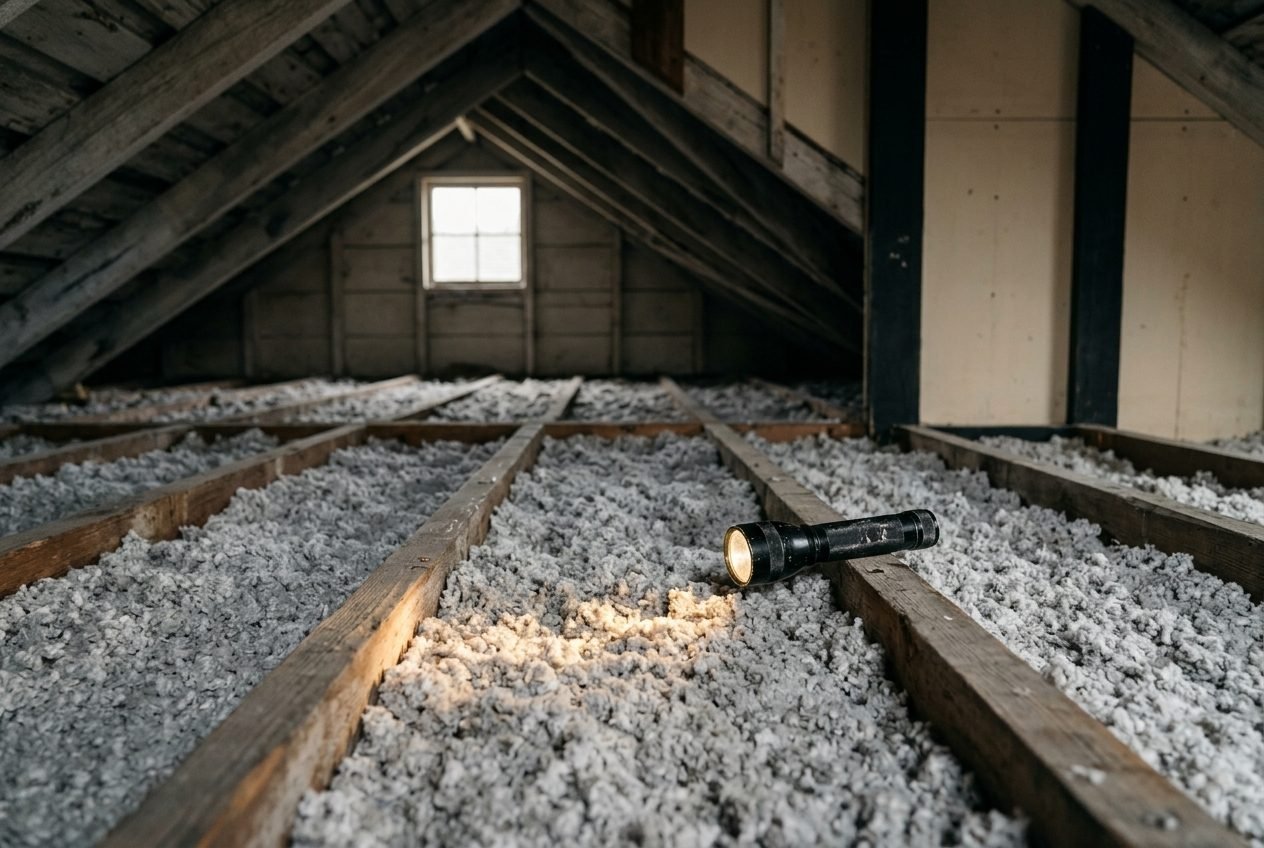
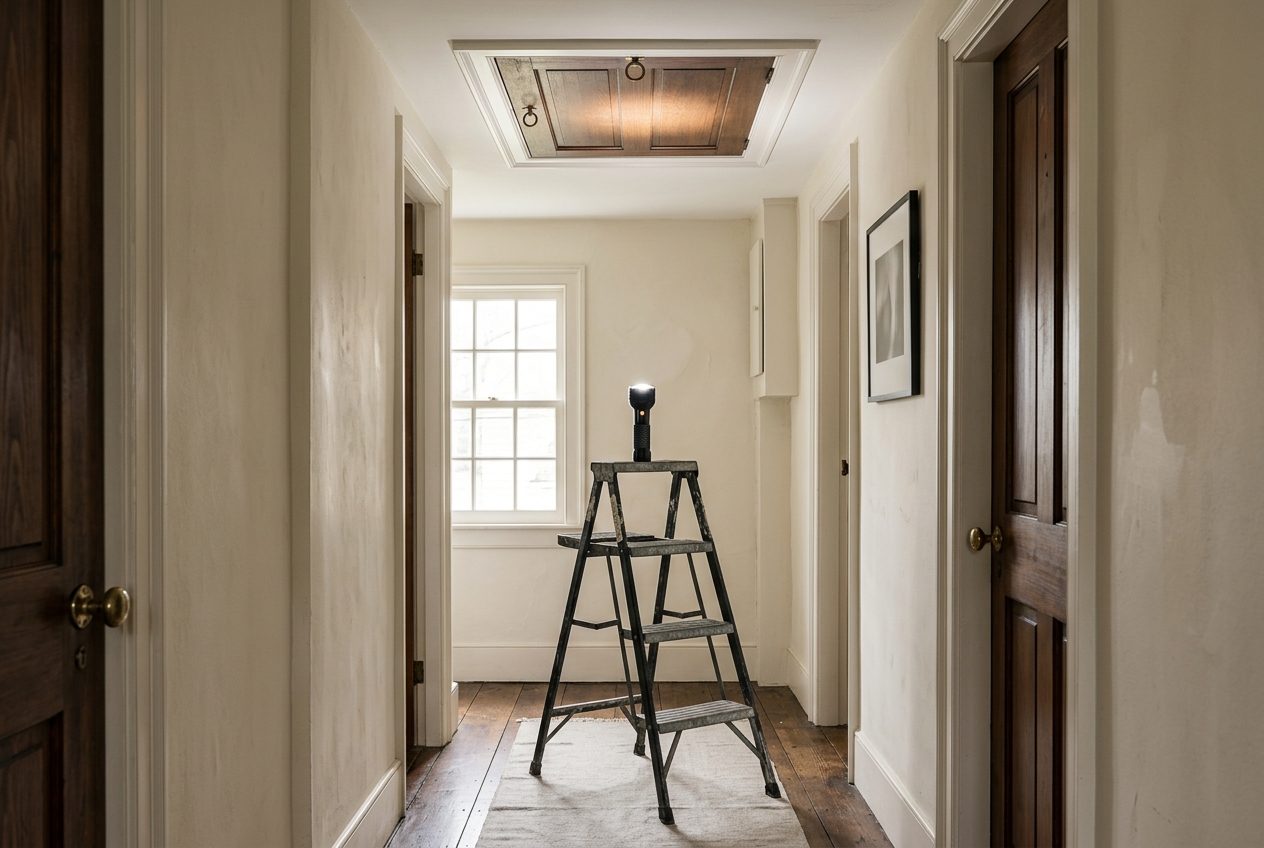
- Attics, near bath fans that vent into the attic instead of outdoors
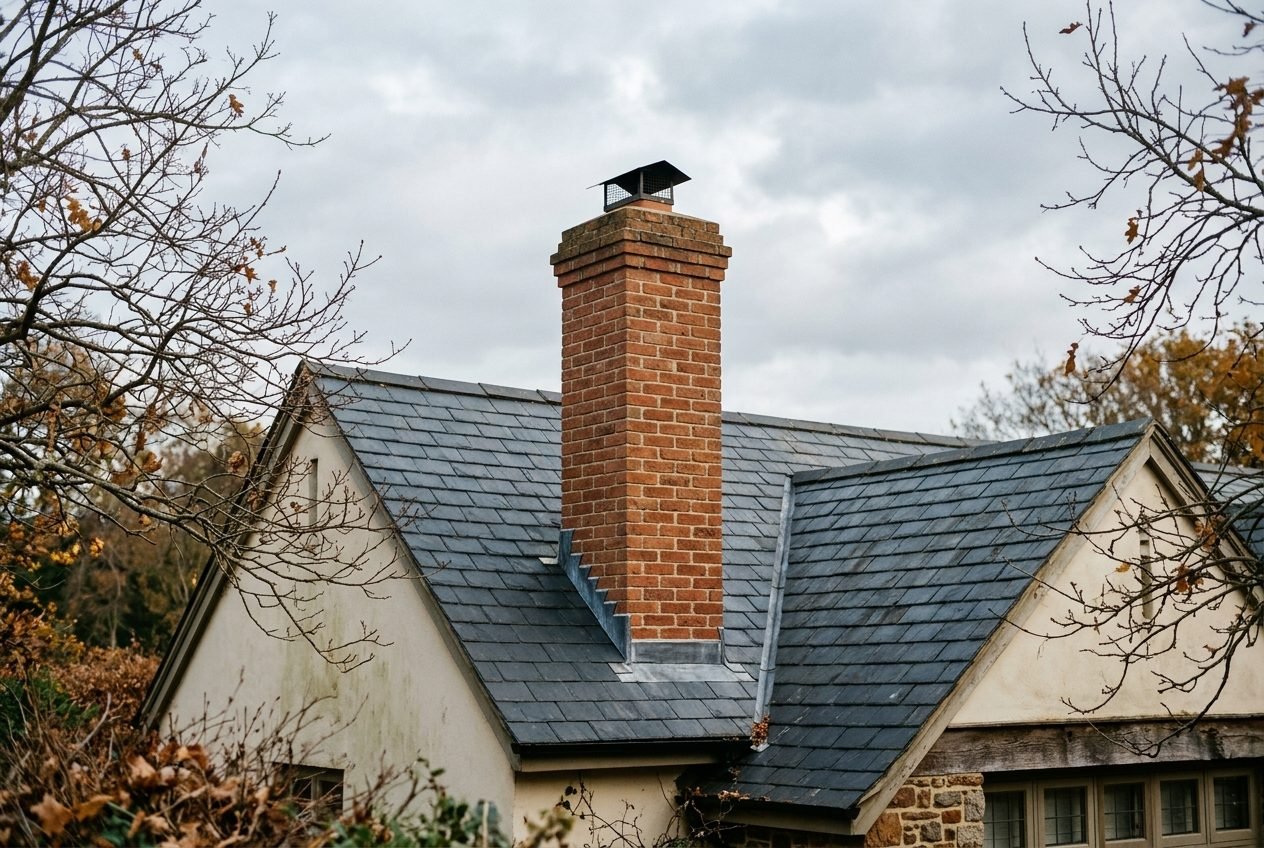
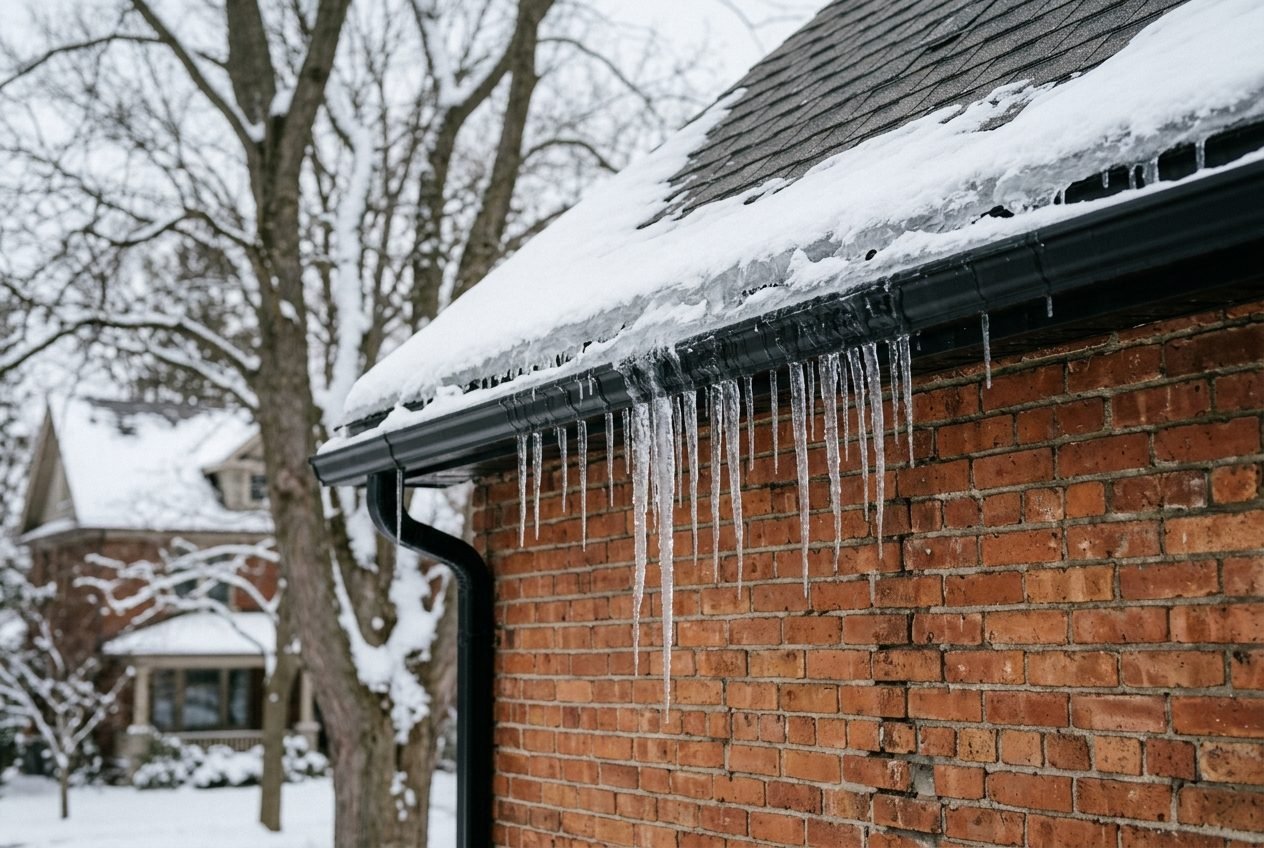
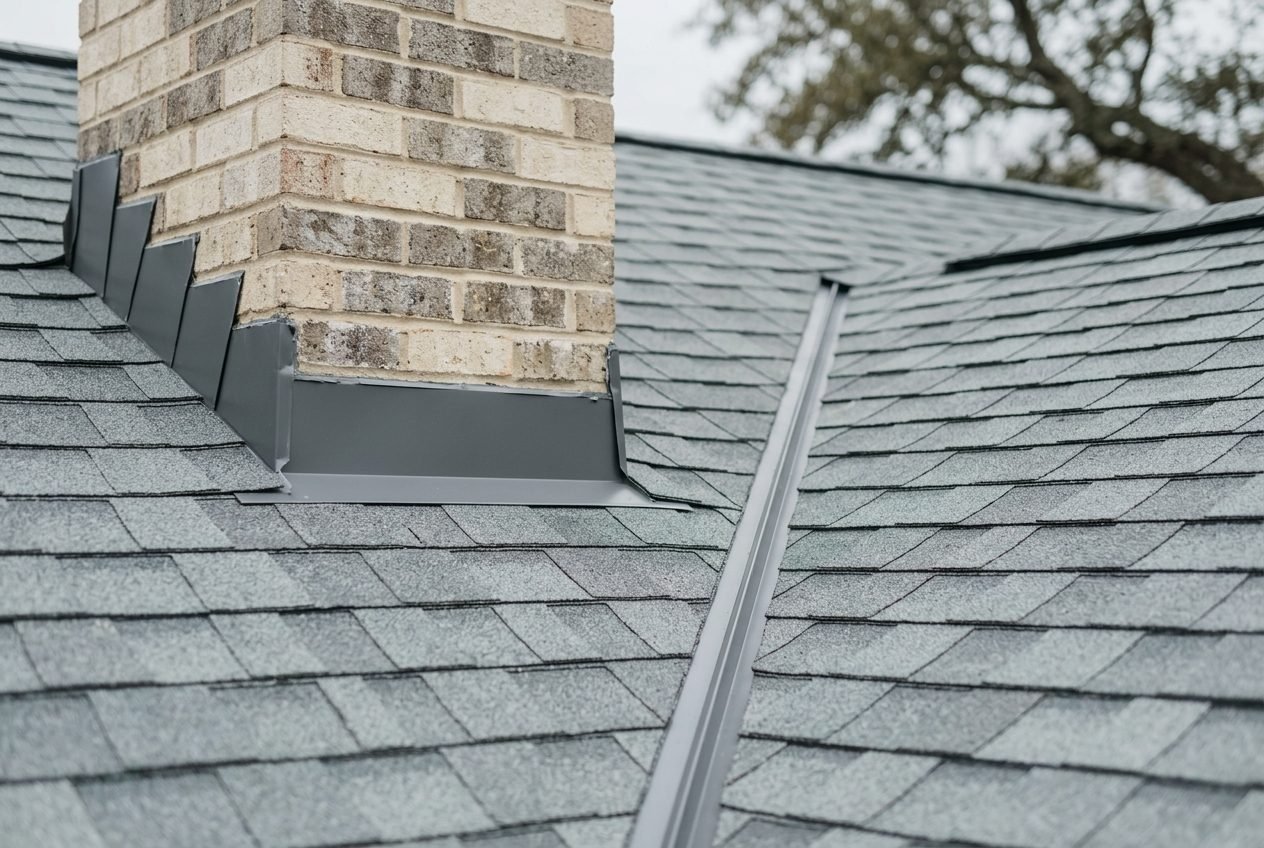
- Around a chimney or roof penetration, where flashing can fail
- Crawl spaces and under porches
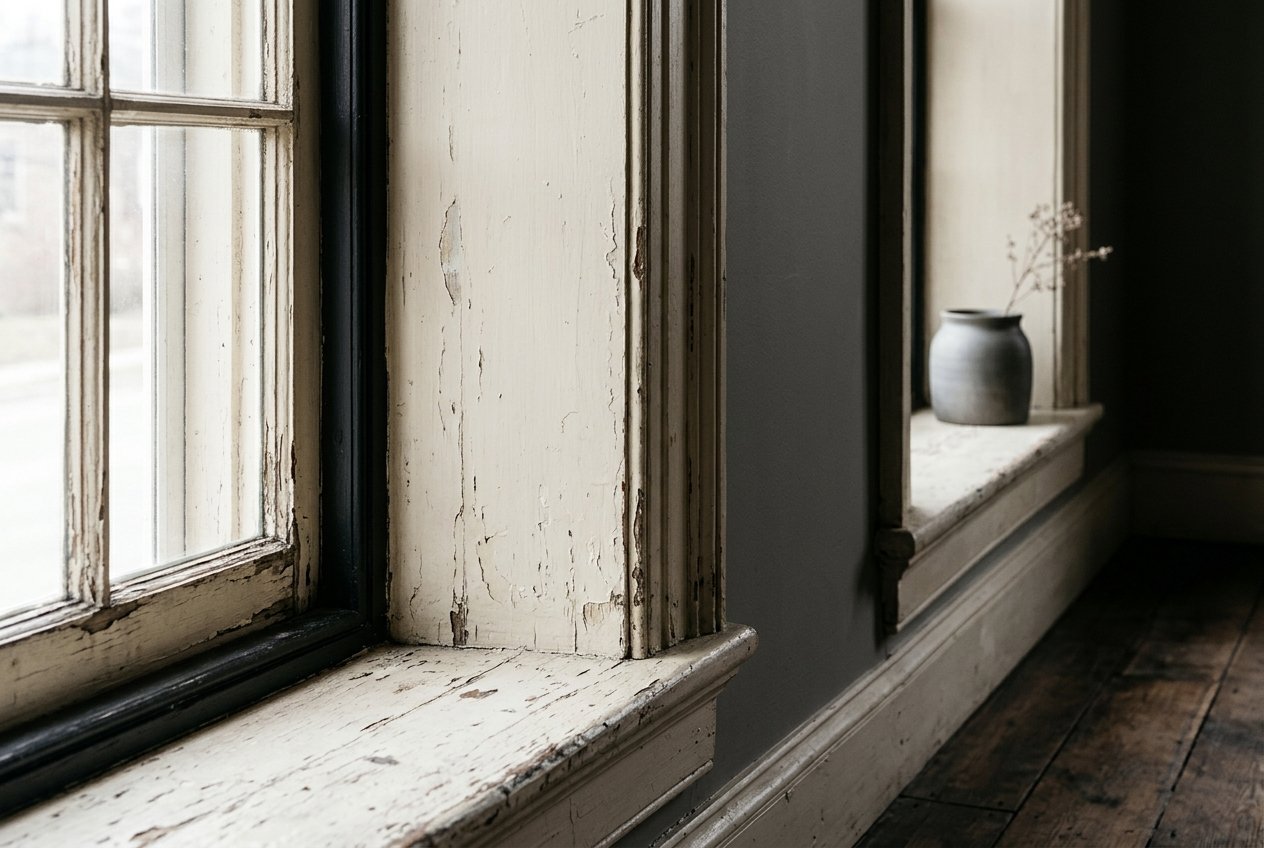
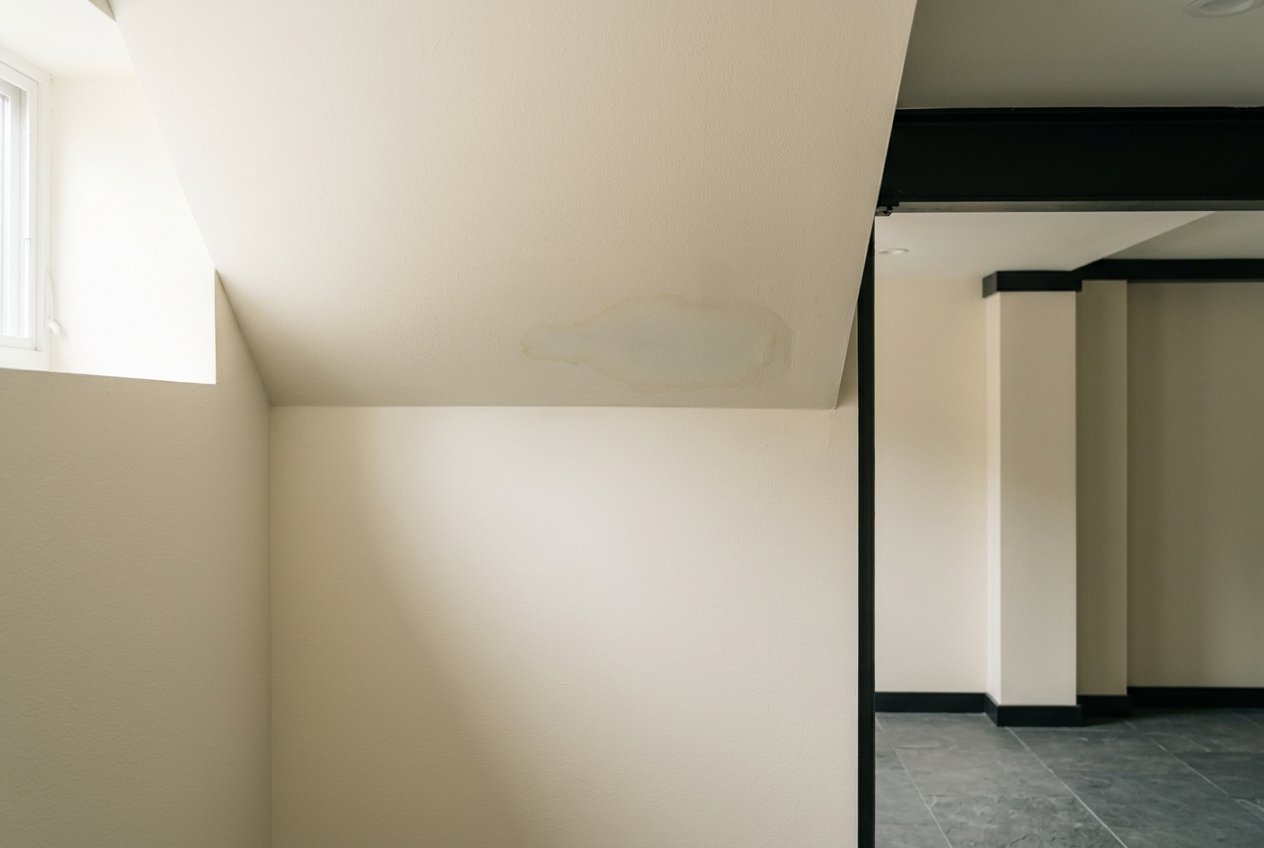
Moisture does not always show up as a puddle. It can be a stain, peeling paint, a damp smell, a white powdery crust on masonry, warped flooring or a door that sticks in damp weather. Each is a clue that deserves a question.
For the basement in particular, read Should a Musty or Wet Basement Stop You From Buying an Older Home?
What are the warning signs of mold you can see or smell?
- A musty or earthy smell that is stronger in one room or area
- Stains, fuzzy spots or discoloration on walls, ceilings, carpet or stored items
- Paint or wallpaper that is bubbling, peeling or stained
- Condensation on windows or cold surfaces
- A freshly painted patch in an odd place, such as a basement corner or a ceiling near a bathroom
That last one is a place to slow down. A fresh coat of paint is not proof of a problem, and it is often just a seller getting ready to list. It is also a way to hide a stain. The EPA says not to paint or caulk moldy surfaces before they have been cleaned and dried, so ask what was done and when.
How big is too big to handle yourself?
The EPA says that if the moldy area is less than about 10 square feet, you can usually handle the cleanup yourself by following its guidelines. If there has been a lot of water damage, or mold growth covers more than 10 square feet, it points you to its remediation guidance.
It says to call a professional in several situations:
- If the water or mold damage was caused by sewage or other contaminated water
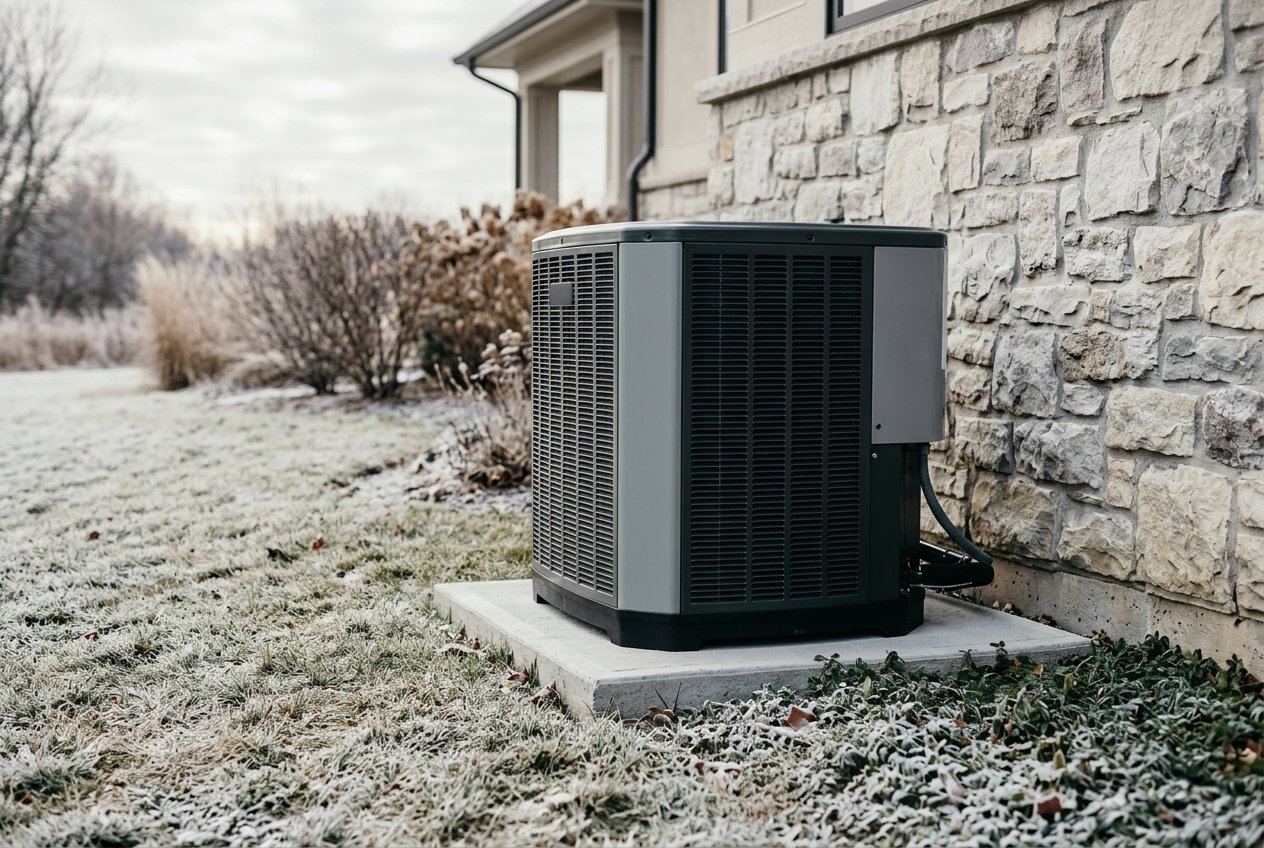
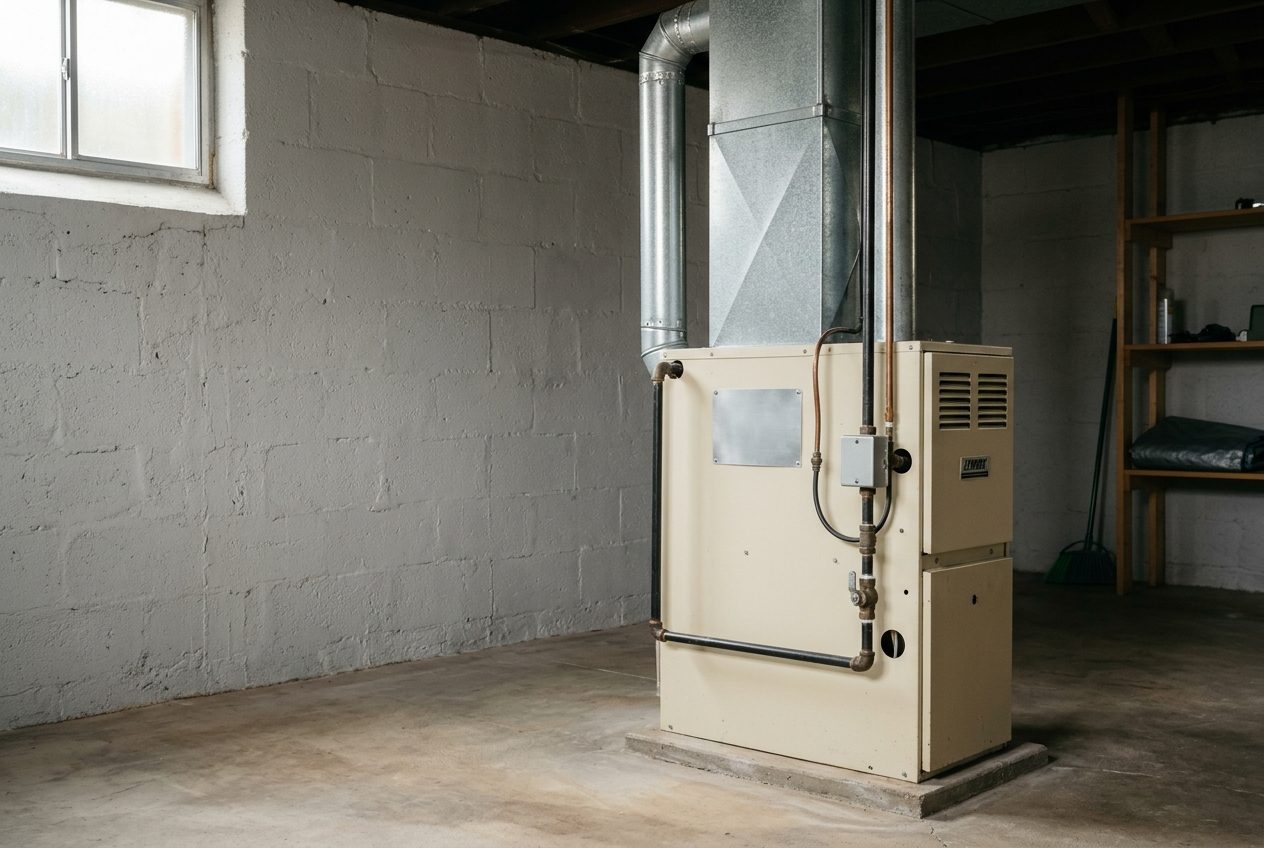
- If the heating and cooling system may be contaminated. The EPA says not to run the system if you know or suspect it is contaminated
- If you have health concerns. The EPA says to consult a health professional before starting cleanup
If you hire a contractor, the EPA says to check that they have experience with mold cleanup. Ask for references and a written scope of work.
What does the EPA say about cleaning mold?
For small areas, the guide says to fix plumbing leaks and other water problems first, then dry everything completely. Scrub hard surfaces with detergent and water and dry them fully. Porous materials such as ceiling tiles and carpet that are moldy may need to be thrown away.
It recommends protection: an N-95 respirator, gloves and goggles without ventilation holes. It also advises avoiding routine use of biocides such as bleach. If you do use one, ventilate the area, and never mix bleach with products that contain ammonia.
I am repeating the EPA here because mold advice on the internet is full of shortcuts. When a house is a significant purchase, I would rather you follow the government guide and ask a professional than rely on a quick fix.
What should a buyer do about it?
Three moves, in order:
1. Look and smell on the first visit, then again at the inspection. Bring a flashlight. Look at the ceiling below every bathroom.
2. Ask direct questions: has the house ever had water in the basement, a roof leak or a plumbing leak? What was repaired, by whom, and is there paperwork?
3. If something looks wrong, ask your inspector or a specialist for a closer look before your contingency period ends. Your agent and attorney can tell you what the contract allows.
A house with a past leak that was fixed correctly and documented is a different house than one where the stain was painted over. Ask for the records. A seller who can show who did the work and what it cost is giving you real information.
What should a seller do before listing?
Fix the water, then dry it, then deal with the damage, in that order. Painting over a stain is the worst option, because a buyer's inspector can find it and the trust is gone.
Run a dehumidifier in a damp basement and check that the room reads in the EPA's range before photos and showings. If a bathroom fan vents into the attic or a ceiling is stained, call a professional and keep the receipt. I wrote about the sell-side version of this in What Does a Pre-Listing Inspection Catch Before Buyers Do?
If you are unsure what you must disclose about past water problems, ask your agent and attorney early. Pennsylvania has its own seller disclosure law, and I do not want you guessing.
How does air sealing and ventilation connect to moisture?
A tight house with no ventilation can hold moisture, and a leaky house can let damp air into places it should not go. That is why I treat moisture, ventilation and air sealing as one conversation. See Where Does an Older Pittsburgh House Leak Air, and Is Air Sealing Worth Doing Before You Sell?
For how I evaluate a house from foundation to roof, see the Builder's Eye approach.
What are the common mistakes?
- Cleaning visible mold without fixing the water source
- Painting or caulking over a stain
- Letting a wet area stay wet for days instead of drying it within 24 to 48 hours
- Running the heating and cooling system when it may be contaminated
- Mixing bleach with products that contain ammonia
- Buying a house with a past leak and not asking for the repair records
FAQ
What is the key to controlling mold?
The EPA says the key to mold control is moisture control. Fix the water problem, then clean and dry.
How fast should you dry water damage?
The EPA says to dry water-damaged areas and items within 24 to 48 hours to prevent mold growth.
What humidity level should a home stay under?
The EPA says to keep indoor humidity below 60 percent, ideally between 30 and 50 percent relative humidity.
When should you call a professional about mold?
The EPA says to call one when damage is caused by sewage or contaminated water, when the heating and cooling system may be contaminated, and to consult its remediation guidance when mold covers more than about 10 square feet.
If you are looking at an older home and want a builder's read on its moisture clues, book a 30-minute call. Bring the address and the inspection report.