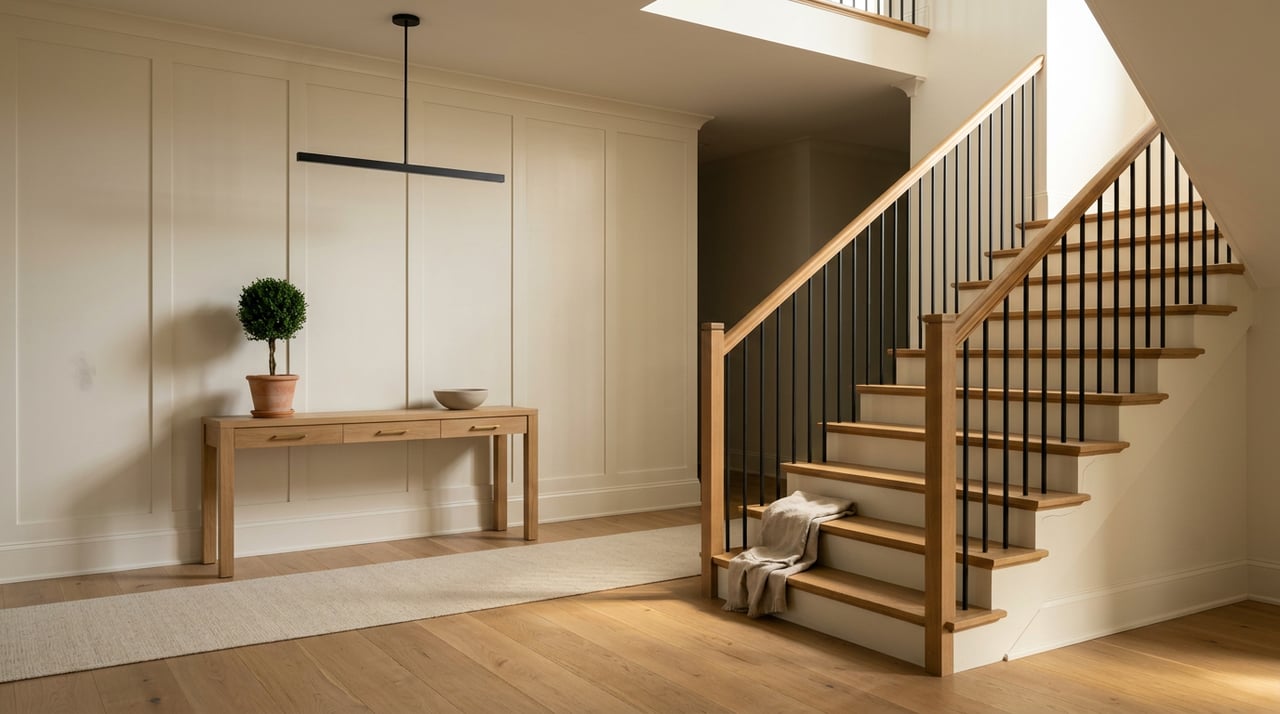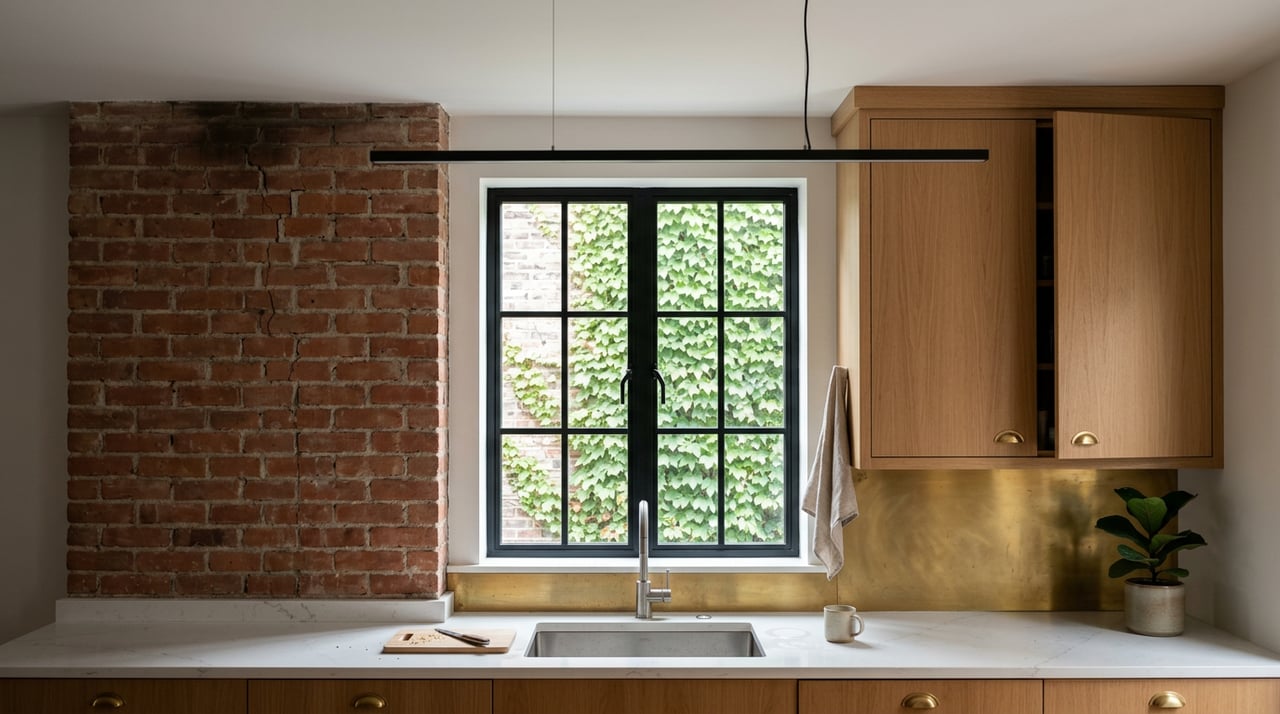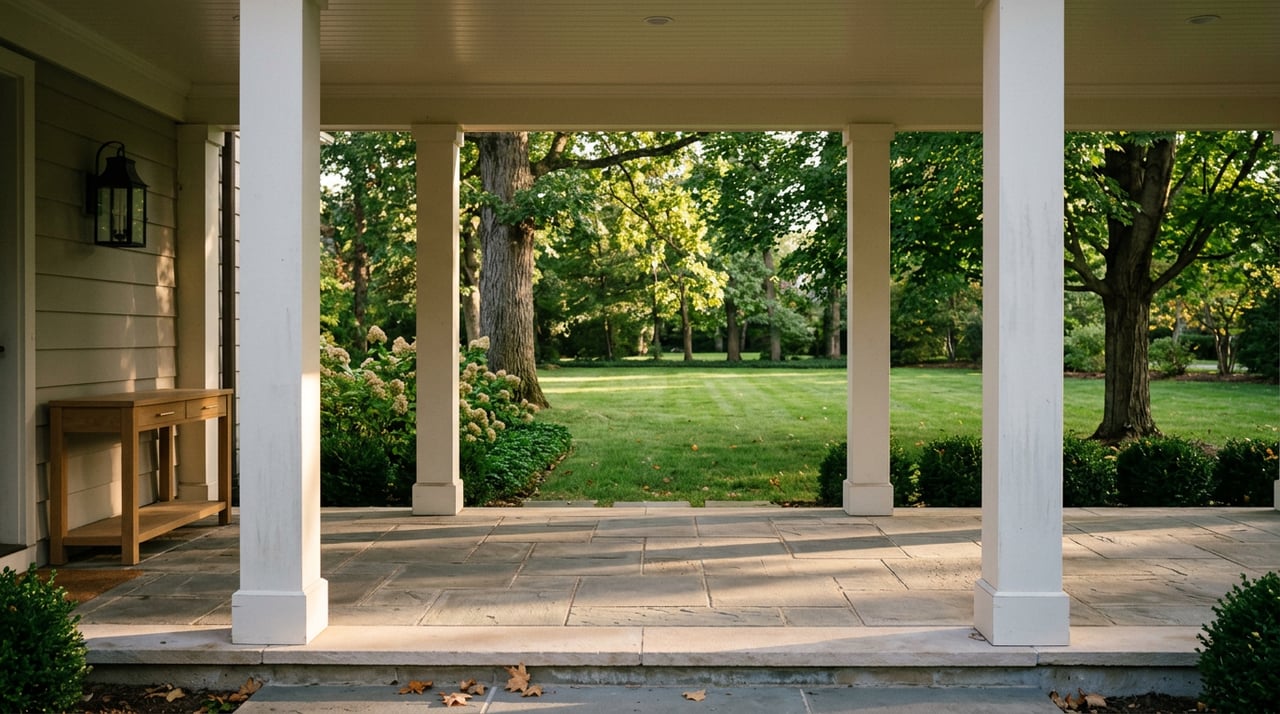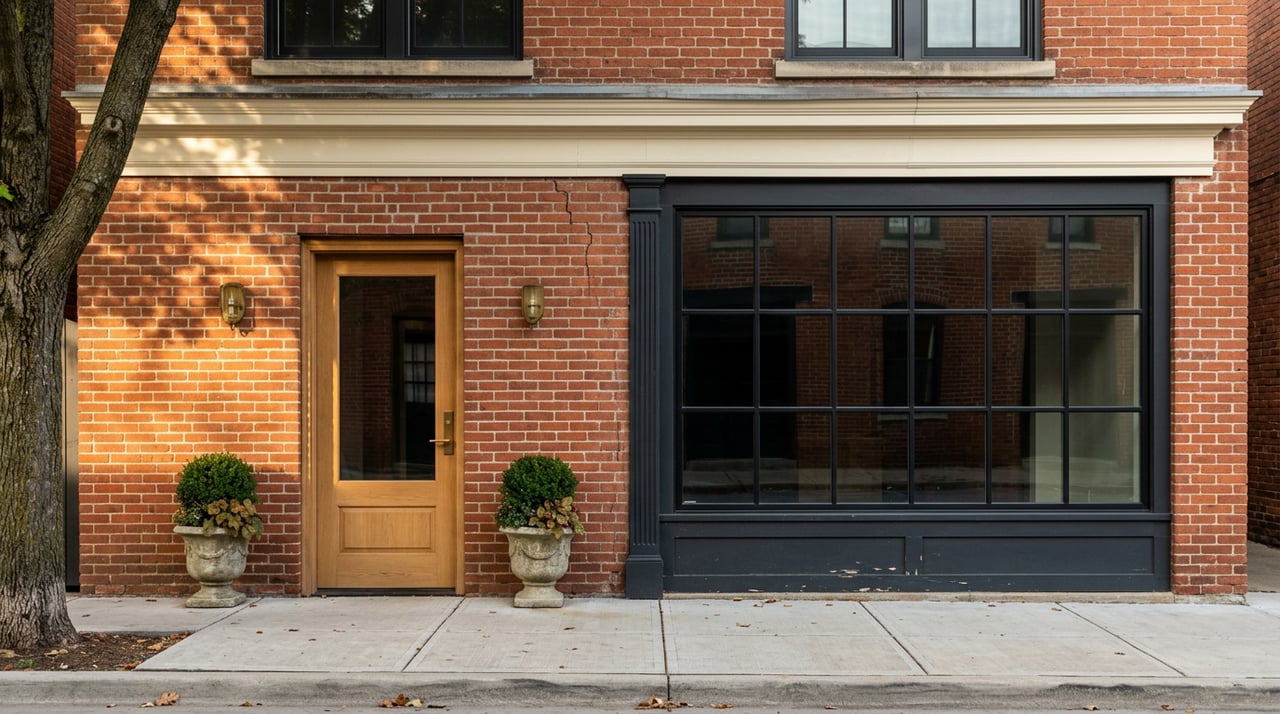
Pittsburgh has some incredible older homes.
Original hardwood.
Beautiful millwork.
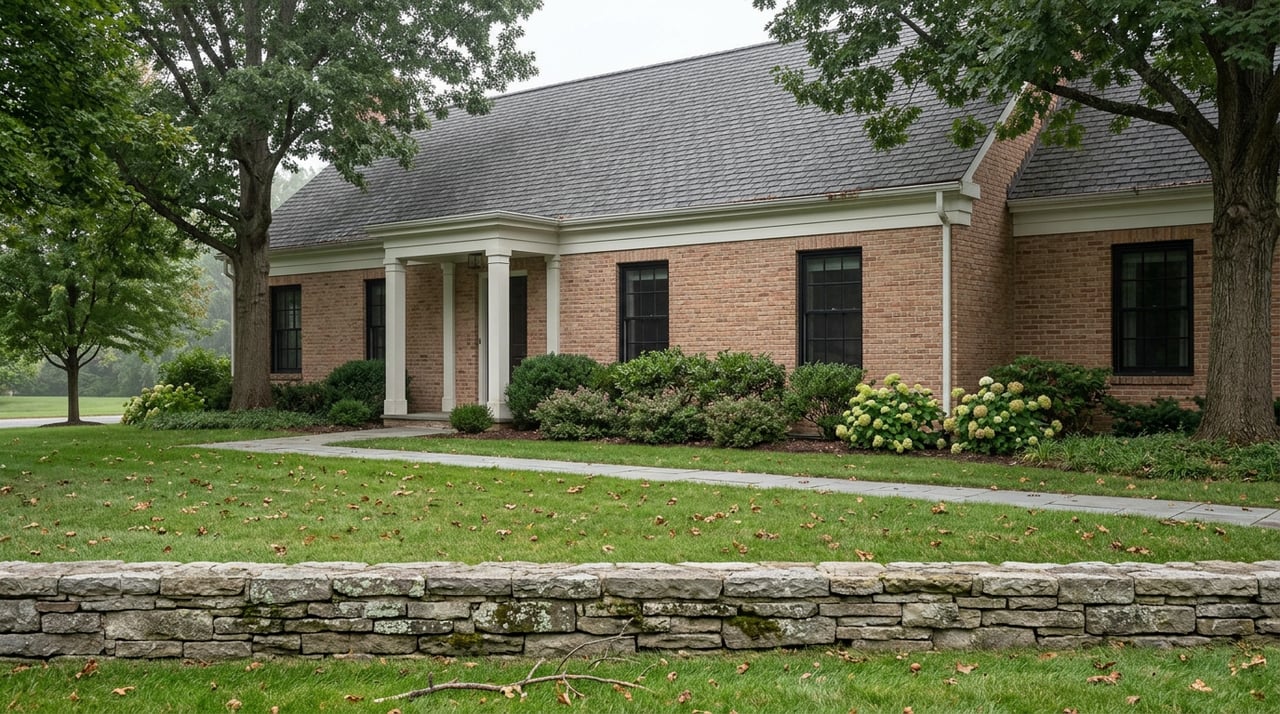
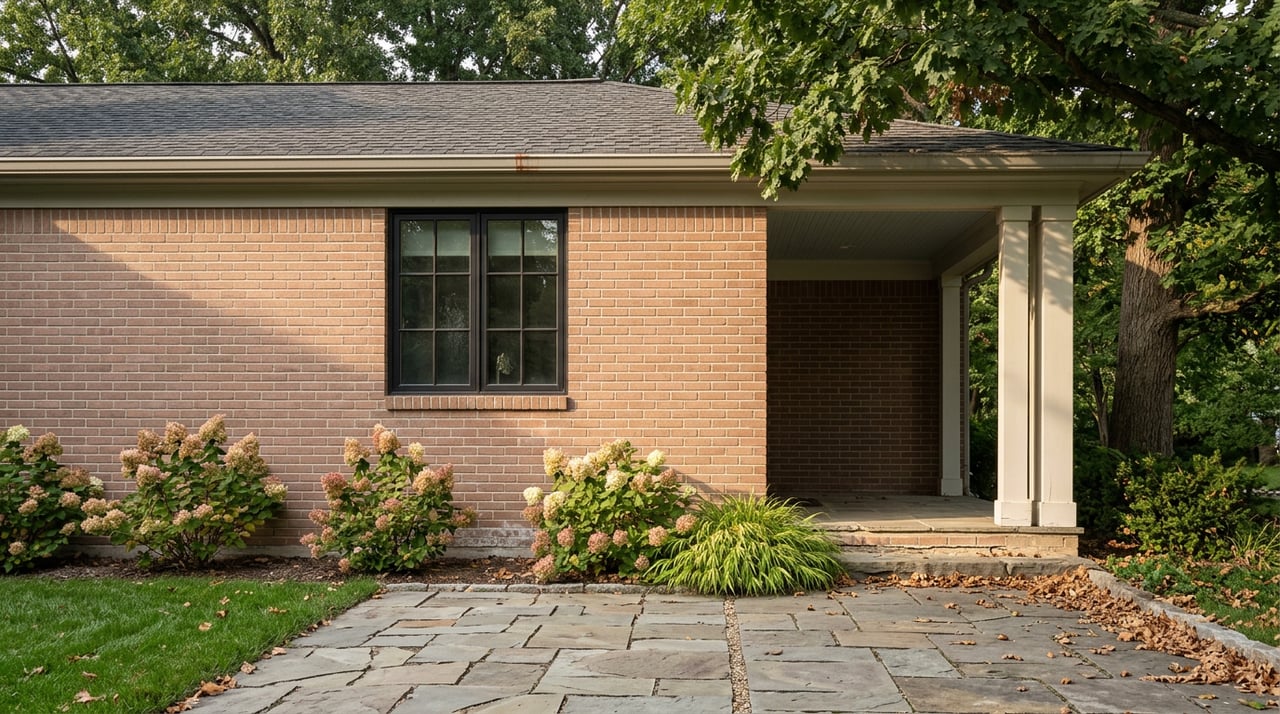
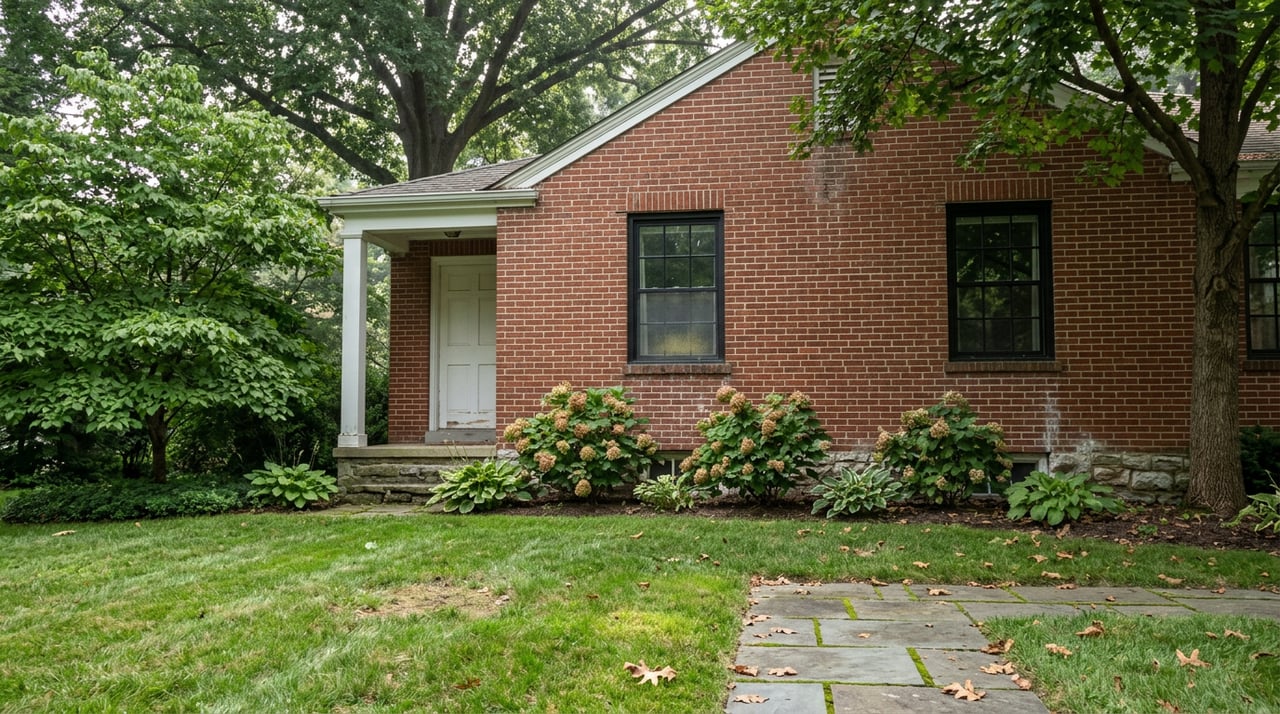
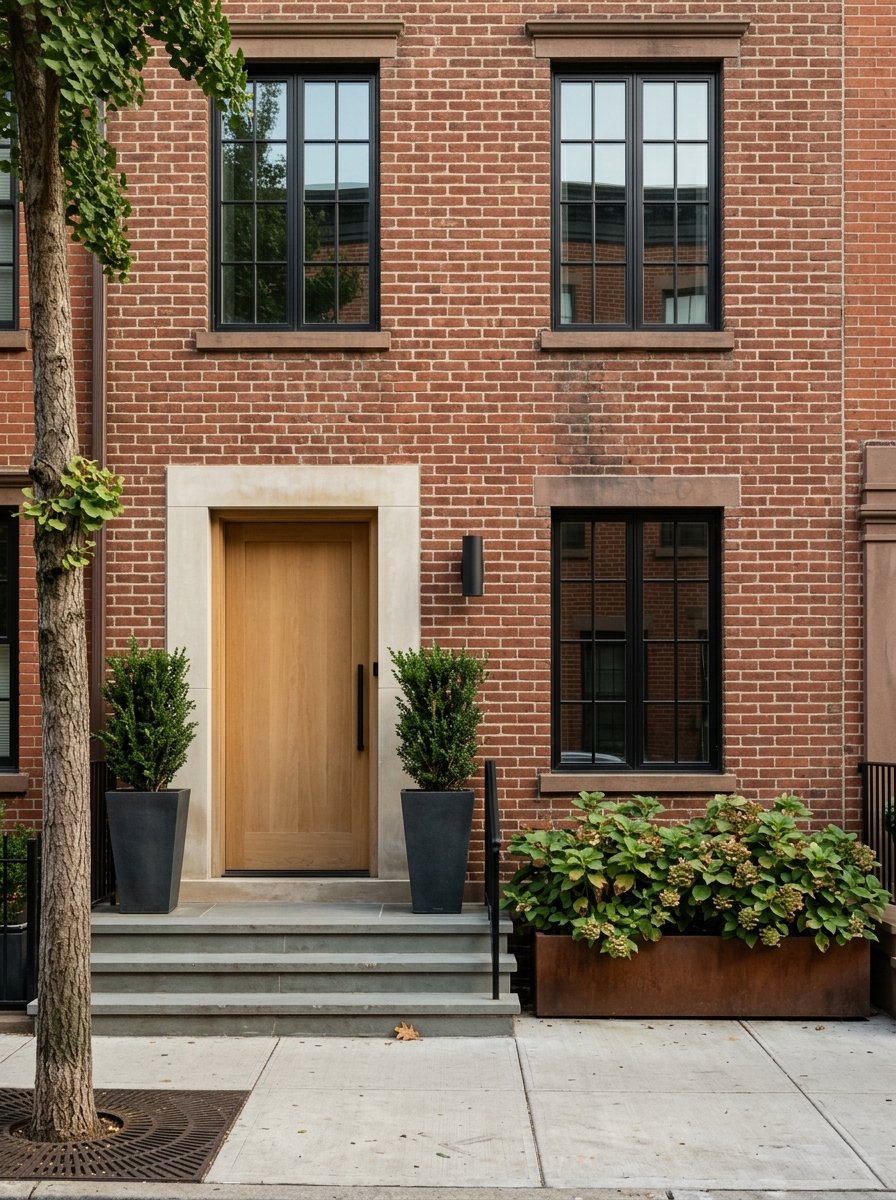
Stone and brick exteriors.
Pocket doors.
Built-ins.
Plaster walls.
Architecture and craftsmanship that can be difficult—and incredibly expensive—to recreate today.
I love that character.
But I've also spent more than 20 years in custom home building, construction management and renovation, so when I walk into an older Pittsburgh home, I'm looking at more than the beautiful staircase.
I'm looking at the house itself.
And here's something I want buyers to understand:
An older home doesn't need to be perfect to be a great purchase.
But you do need to understand the difference between character, normal aging, deferred maintenance and a potentially expensive problem.
1. Start With the Foundation and Structure
Before I'm worried about countertops, I'm looking at how the house is sitting.
Pittsburgh's housing stock varies tremendously by neighborhood and era, and older homes may have stone, block or other foundation systems.
Cracks don't automatically mean a house has a major structural problem.
But location, direction, width, movement and surrounding conditions matter.
I'm looking for clues.
Are floors noticeably uneven?
Are doors operating properly?
Are there areas that appear to have moved?
Has structural work previously been completed?
Is there evidence of water intrusion?
When something deserves further evaluation, that's when we bring in the appropriate inspector, structural engineer or other qualified professional.
The goal isn't to diagnose the house during a showing. It's to recognize when we should be asking more questions.
2. Water Is One of the First Things I Look For
If you've spent enough time around construction, you develop a healthy respect for water.
Water will find a way.
That's why I'm paying attention to:
- Grading around the house
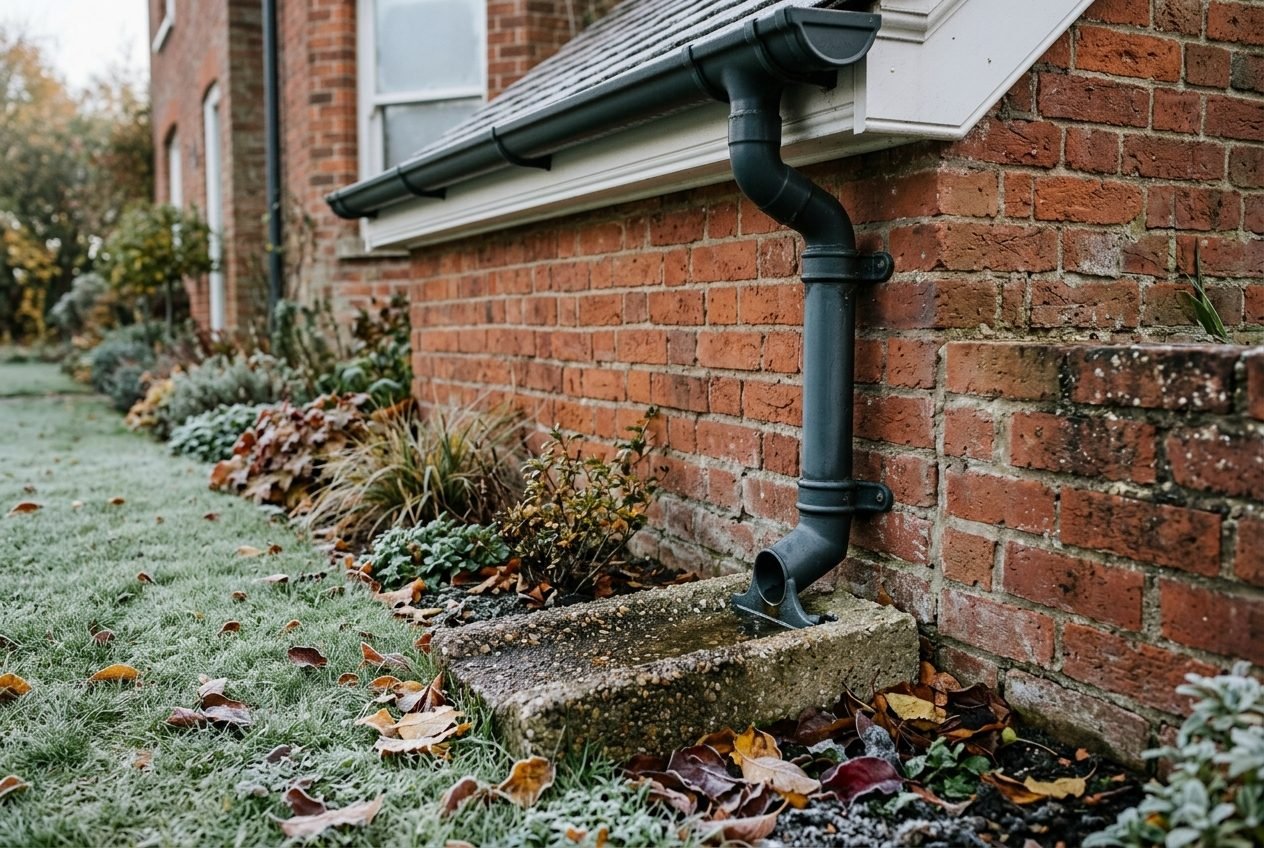
- Gutters and downspouts
- Drainage
- Foundation walls
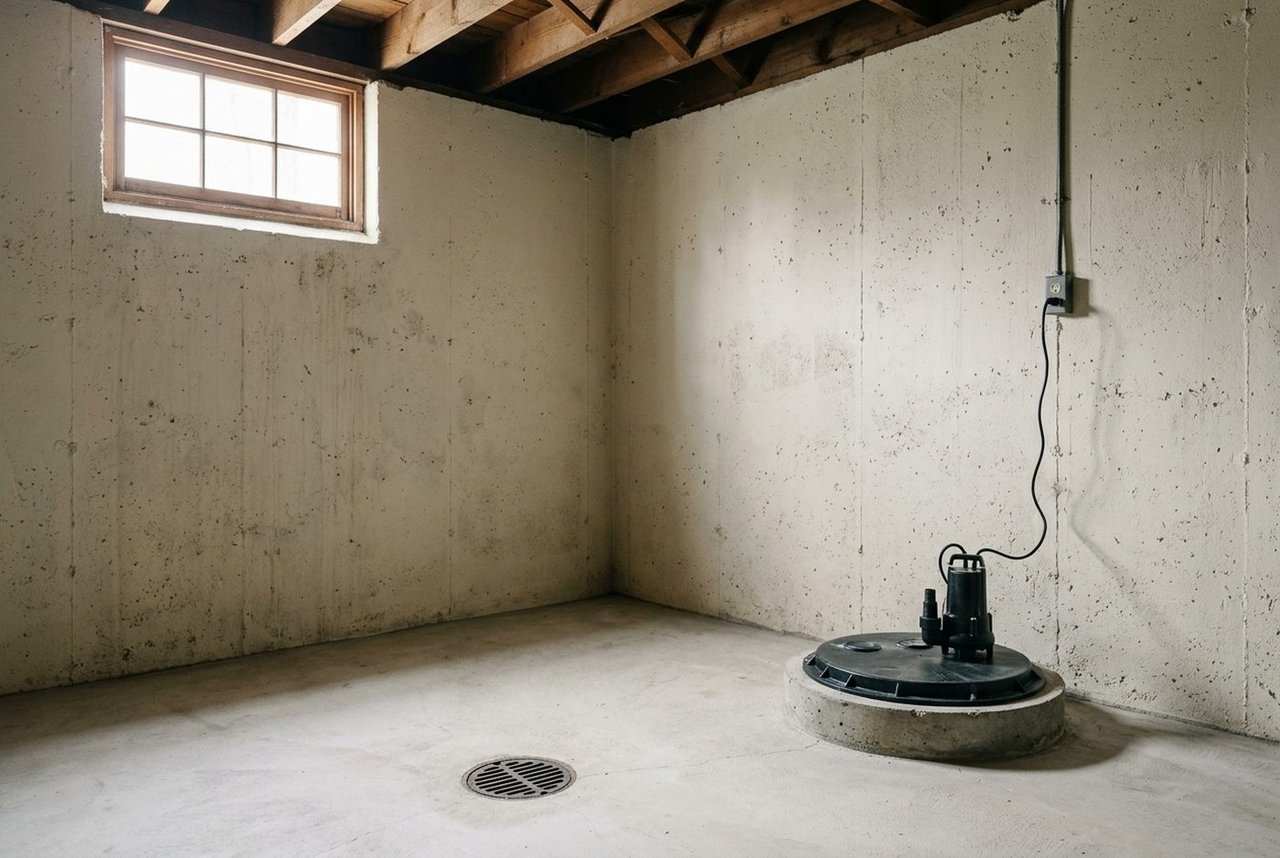
- Basement conditions
- Staining
- Efflorescence
- Musty odors
- Signs of previous water intrusion
- Exterior conditions that may direct water toward the house
A freshly painted basement can look fantastic.
I still want to understand what's happening outside.
Sometimes the source of a basement moisture issue isn't the basement itself.
The story may begin with the grading, gutters or drainage around the property.
3. Look Up—The Roof Matters
Roofs aren't exciting until you need one.
Then they become very exciting.
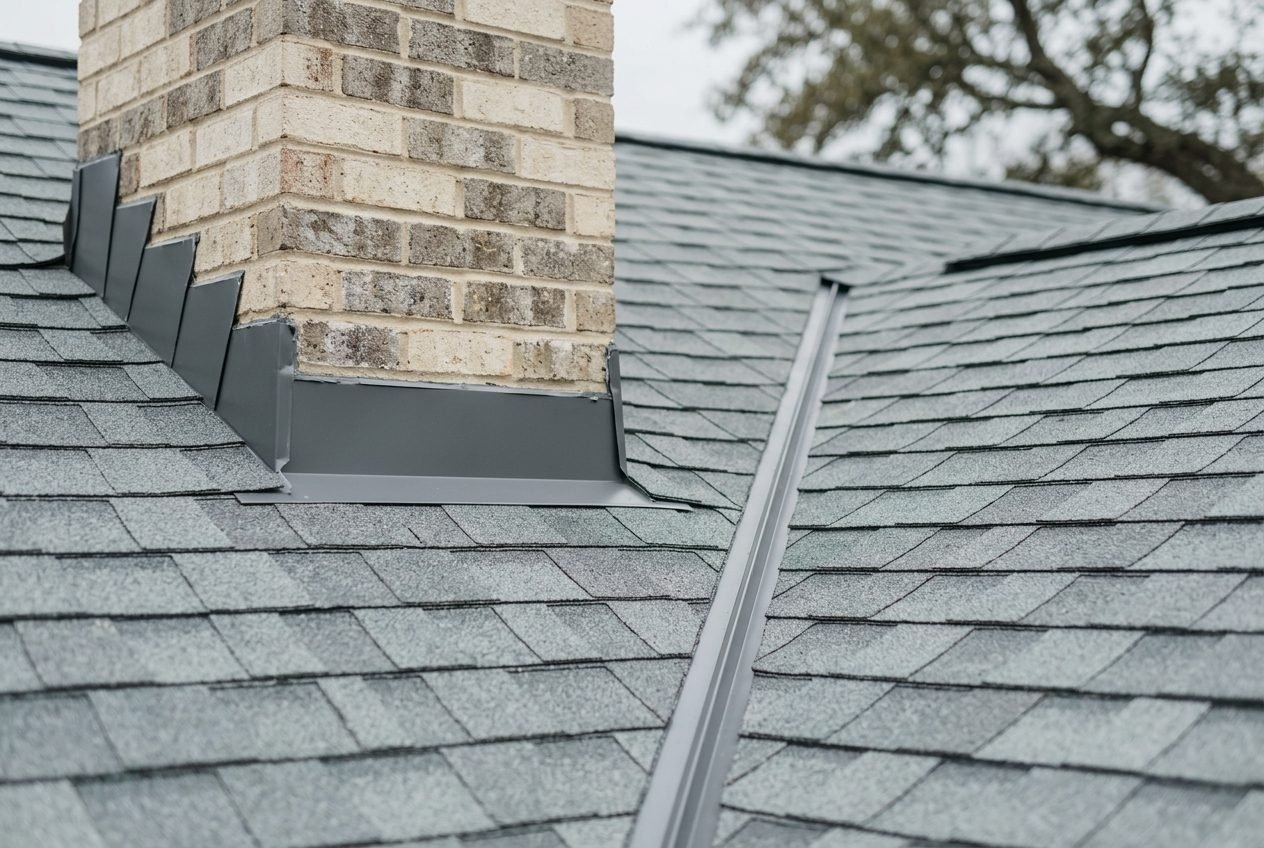
When considering an older Pittsburgh home, I want to understand the approximate age and condition of the roof and whether there are multiple rooflines, additions, valleys, flashing details or other areas that deserve closer inspection.
I'm also looking inside.
Are there ceiling stains?
Evidence of previous leaks?
Repairs?
Discoloration?
Again, I'm not replacing the home inspector or roofer.
I'm helping my buyers know what questions we need answered.
4. Understand the Electrical System
This is a big one in older homes.
Electrical systems may have been modified multiple times over many decades.
A house may have an updated electrical panel while portions of the wiring elsewhere in the property are much older.
That's why I don't assume that one visible improvement means the entire system has been modernized.
We may need to understand:
What type of wiring is present?
What is the electrical service capacity?
Have major renovations been properly integrated into the system?
Are outlets grounded where appropriate?
Does the house have the capacity for today's lifestyle?
Think about how much we plug into our homes today compared with when many Pittsburgh houses were built.
Computers.
Televisions.
Kitchen appliances.
HVAC equipment.
EV charging.
Home offices.
Smart-home technology.
How you intend to live in the house matters.
5. Plumbing—and What's Happening Underground—Matters Too
When buyers walk through a house, they naturally notice beautiful bathrooms and kitchens.
I'm also thinking about what's carrying water to and away from them.
Older homes may contain different plumbing materials based on the home's age and renovations completed over the years.
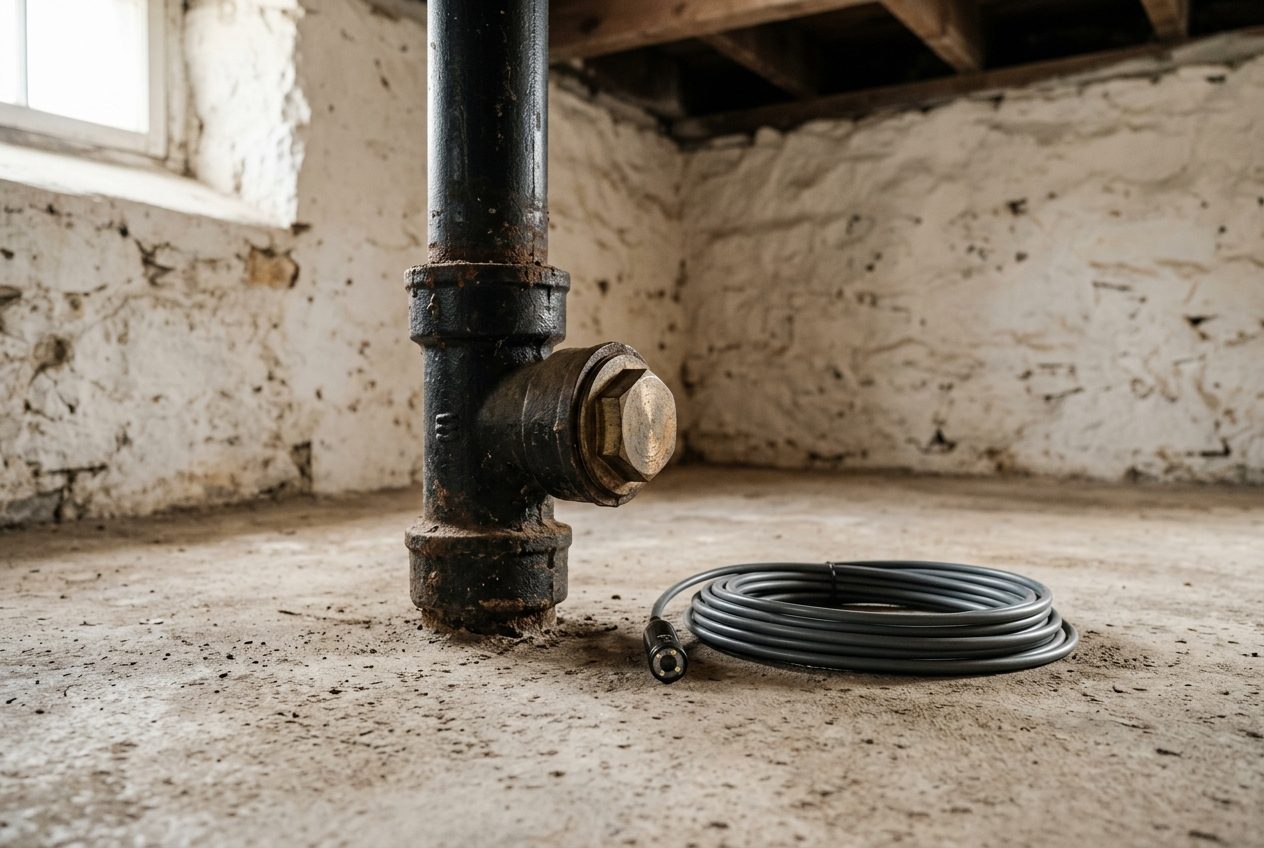
And then there's the sewer line.
A beautiful interior renovation doesn't tell you the condition of the line running underground.
Depending on the property and circumstances, additional sewer evaluation may be worth discussing with the appropriate professional.
This is exactly why I tell buyers:
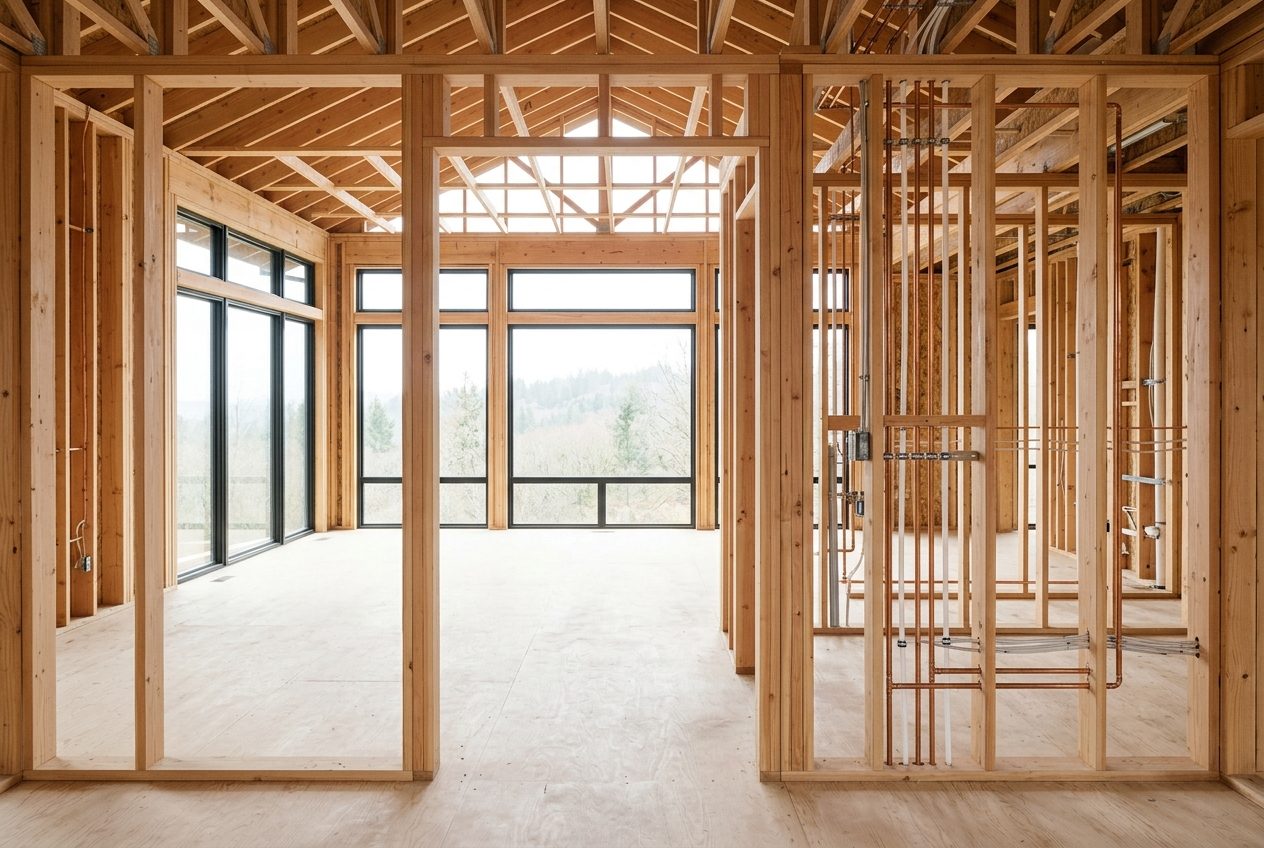
What's behind the walls—and under the ground—matters too.
6. Don't Assume “Renovated” Means Everything Was Updated
This is probably one of the biggest misconceptions I see.
A house can look completely renovated and still contain older systems.
New cabinets don't tell me what happened to the plumbing.
New drywall doesn't tell me what happened to the electrical.
New flooring doesn't tell me what's underneath it.
And a beautiful finished basement doesn't automatically tell me whether moisture issues were properly addressed.
When I see a renovation, I'm interested in how the work was done.
Who completed it?
Was the scope cosmetic or comprehensive?
Were permits required and, where applicable, obtained?
Were mechanical systems updated?
Were structural changes made?
Is the quality of workmanship consistent?
A renovated home and a well-renovated home are not necessarily the same thing.
7. Pay Attention to Additions and Alterations
Older Pittsburgh homes have often evolved.
A porch may have been enclosed.
A kitchen expanded.
An attic finished.
A bathroom added.
Walls removed.
A basement converted into living space.
Some of these modifications may be fantastic.
But I want to understand how they integrate with the original house.
Does the addition appear properly supported?
Does the roofline make sense?
How was heating and cooling handled?
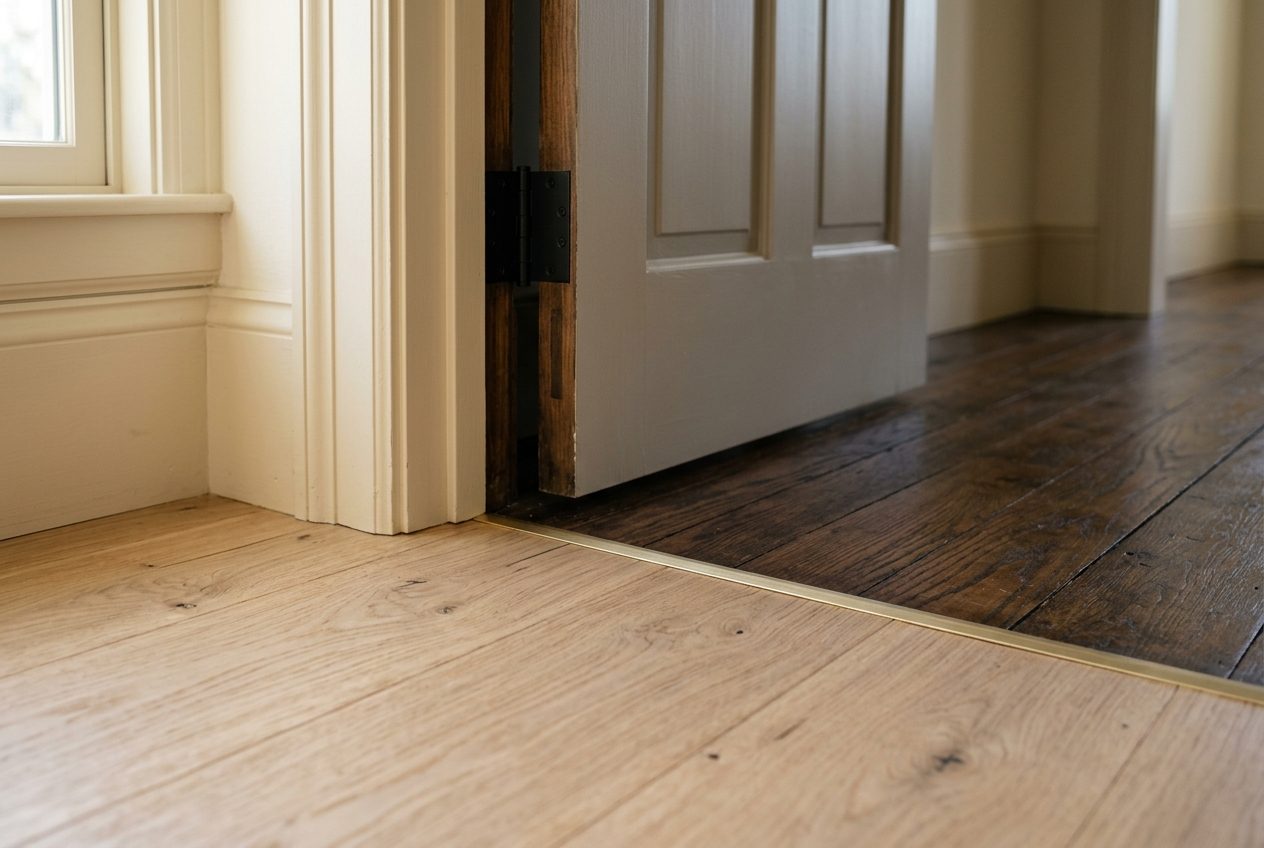
Does the flooring transition appropriately?
Are there signs that something was added later?
Again, noticing something doesn't mean there's automatically a problem.
It means:
Let's understand what we're looking at.
8. Windows and Insulation Affect More Than Appearance
Those gorgeous original windows can be part of what makes an older house special.
They can also affect energy efficiency, comfort and maintenance.
The same goes for insulation.
Older homes were built under very different energy standards than today's homes.
That doesn't mean you shouldn't buy one.
It means you should understand what you're getting.
Ask questions about insulation, windows, heating costs, HVAC systems and improvements previous owners have made.
9. Mechanical Systems Have a Lifespan
Furnaces.
Air conditioning.
Water heaters.
Boilers.
Electrical panels.
Roofing.
None of these things last forever.
An older home can have newer mechanical systems, and a newer-looking home can have equipment nearing the end of its expected useful life.
I want buyers looking at the whole property, not simply its birthdate.
Sometimes an older Pittsburgh home that has been thoughtfully maintained for decades can be a much more compelling purchase than a newer property with years of deferred maintenance.
Age alone doesn't determine condition.
10. Look for Deferred Maintenance
This is where individual items begin adding up.
One small issue may not concern me.
But when I see:
Peeling exterior paint.
Failing caulk.
Old gutters.
Loose railings.
Aging mechanicals.
Water staining.
Damaged masonry.
Overgrown landscaping.
And several repairs that appear to have been postponed...
I'm thinking about the cumulative cost of ownership.
A buyer shouldn't necessarily walk away.
But that buyer should understand what may need attention after closing.
11. Don't Be Afraid of an Older Home—Be Educated About It
This is important.
My construction background doesn't make me afraid of older homes.
Actually, it's often the opposite.
I've seen incredible craftsmanship in Pittsburgh homes that have stood for generations.
I've also seen homes transformed through thoughtful renovation.
The objective isn't to walk through a property searching for reasons not to buy it.
The objective is to understand the house well enough to decide:
Does this property make sense for me?
That's a very different conversation.
12. Your Home Inspection Still Matters
My construction experience adds another layer of knowledge to the buying process.
It does not replace your home inspector, structural engineer, electrician, plumber, roofer, sewer professional or other licensed specialist.
When we need expertise, we bring in expertise.
What my background allows me to do is help you recognize areas where we may need more information and help you ask better questions throughout the process.
That's exactly what I want for my buyers.
Not fear.
Knowledge.
Pittsburgh's Character Is Part of What Makes Living Here Special
Drive through Pittsburgh, Sewickley, Bellevue, Avalon, Ben Avon, Oakmont, Mt. Lebanon, Shadyside, Squirrel Hill, Lawrenceville or many of our established communities and you'll find homes with architecture and craftsmanship you simply don't see in every market.
That's part of what makes Pittsburgh real estate so interesting.
But buying a 100-year-old home requires a different mindset than buying new construction.
You aren't necessarily looking for perfection.
You're evaluating:
Condition.
Maintenance.
Quality.
Previous improvements.
Future investment.
And ultimately:
Is this the right house for you?
Know Before You Buy
When I'm walking an older Pittsburgh home with a buyer, I'm not just looking at what the house looks like today.
I'm thinking about how it was built, how it has aged, how it has been maintained and what ownership may look like tomorrow.
That's where my construction experience and my real estate experience come together.
I don't expect an older Pittsburgh home to be perfect.
I want my clients to know the difference between character, normal aging, deferred maintenance and a potentially expensive problem.
Considering an Older Home in Pittsburgh?
Before you fall completely in love with the hardwood floors and original staircase, let's make sure you're asking the right questions about the house itself.
Whether you're buying in Pittsburgh, the North Hills or one of our surrounding communities, I'll help you evaluate the property through both a real estate and construction lens and bring in the appropriate professionals when deeper evaluation is needed.
Know Before You Buy.
Builder Eyes. Real Estate Expertise. Smarter Decisions.
Knowledge Starts with Knowing®.
Aubre Stacknick, Realtor®
Global Real Estate Advisor
Piatt Sotheby's International Realty
Your Next Chapter Starts Here.