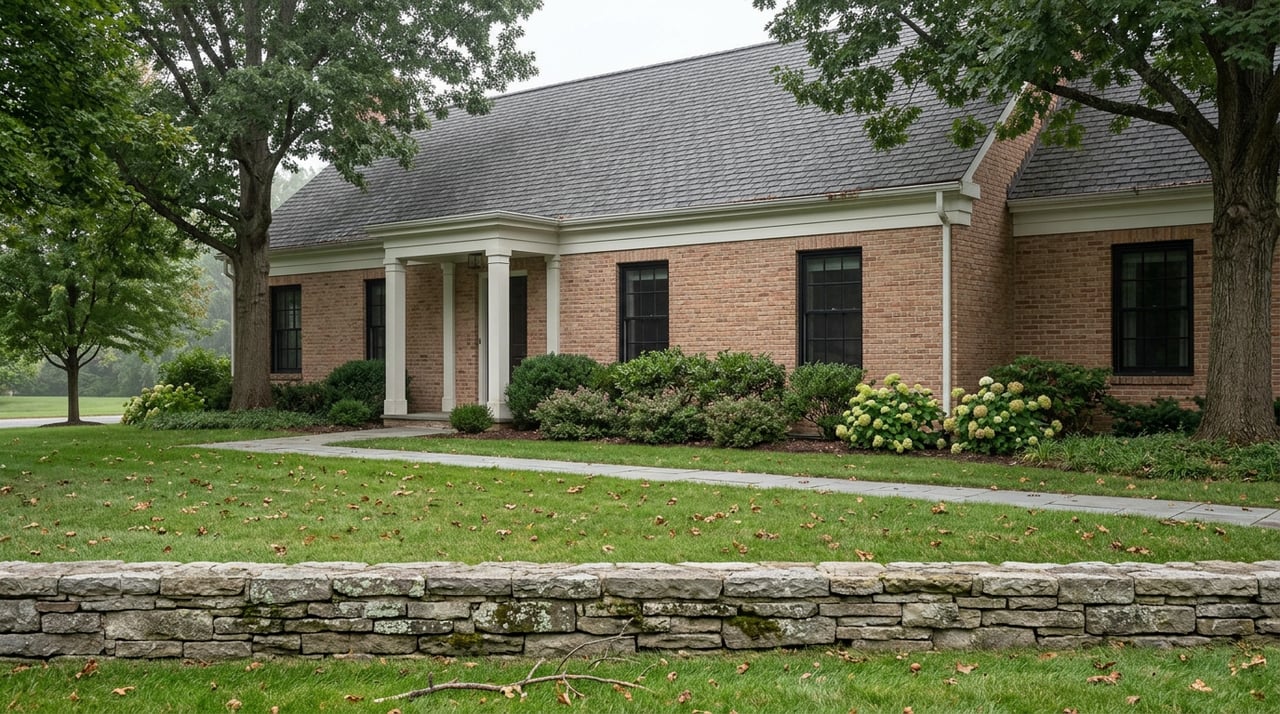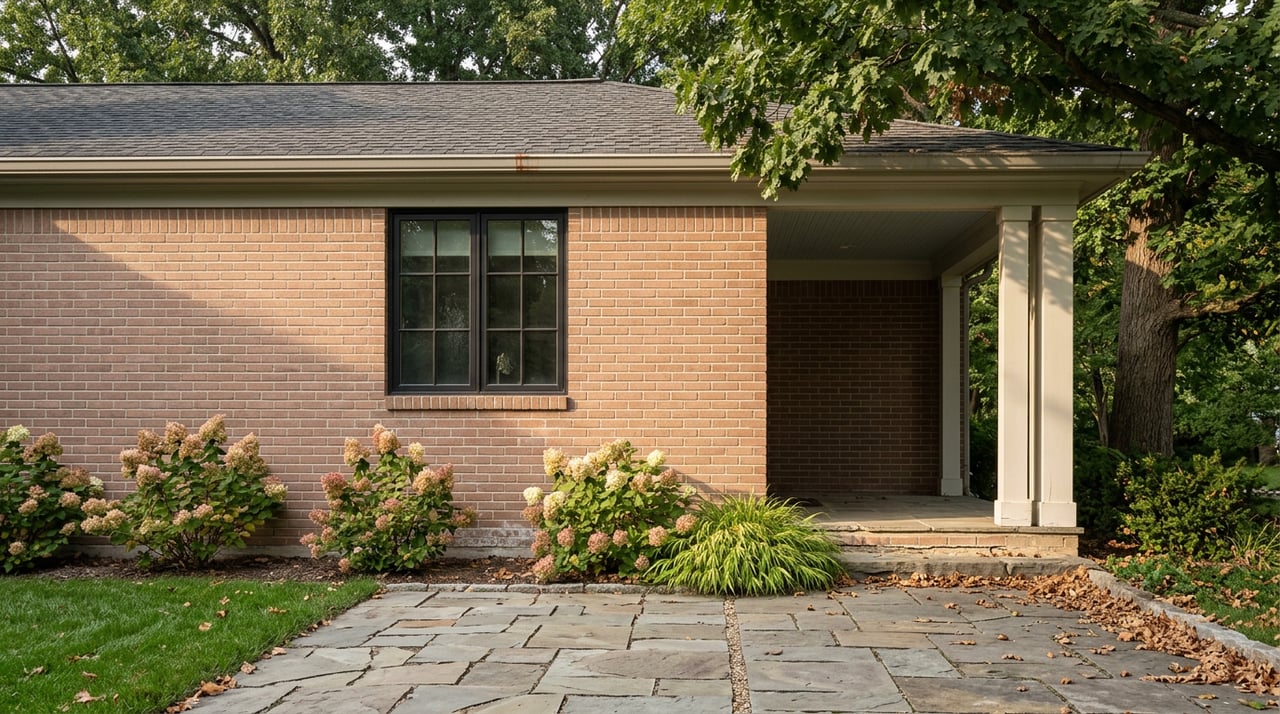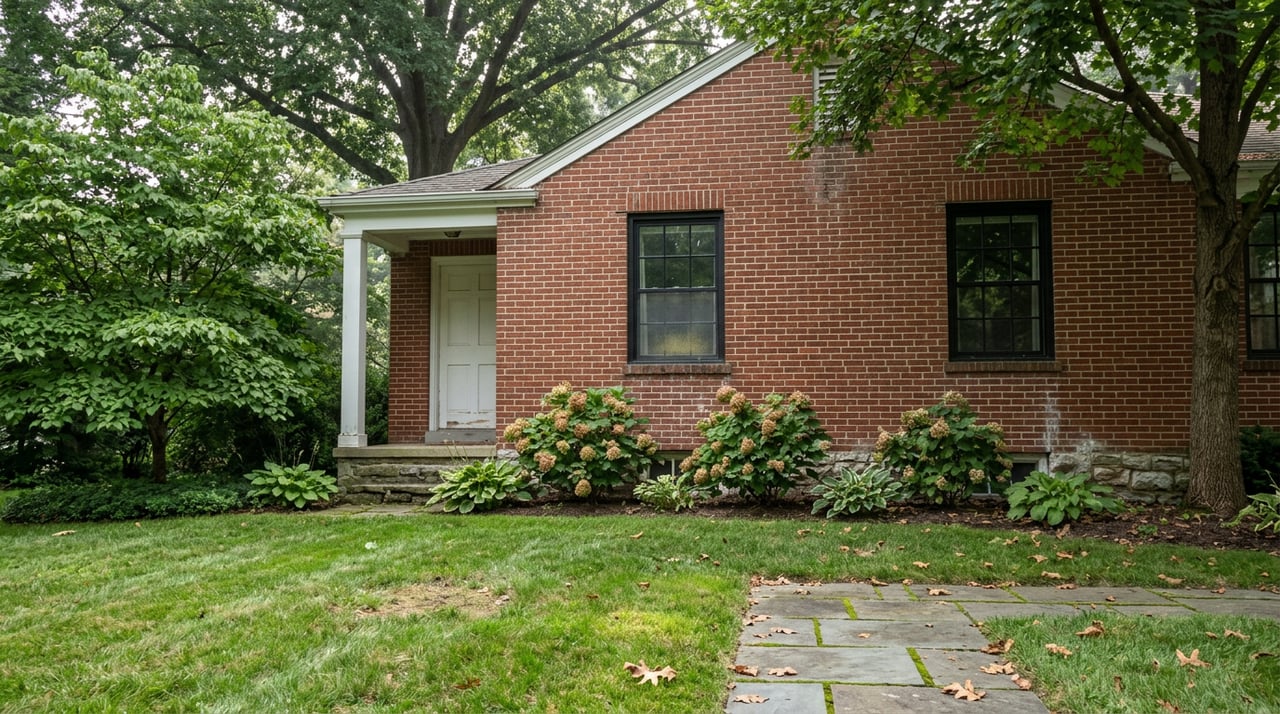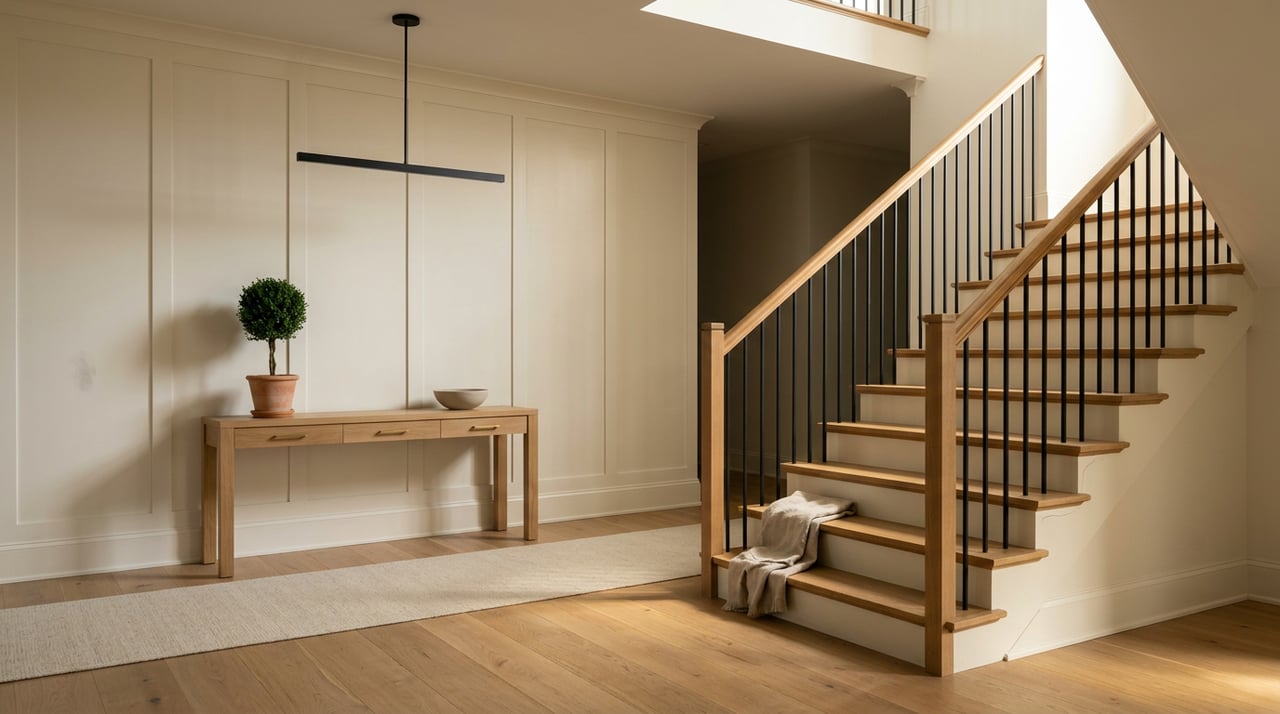
Make the house warm, bright and dry before the first showing: heat it to a comfortable temperature, turn on every light, clear the entry of snow, leaves and wet footwear, and fix the small things a buyer notices in cold weather. A buyer who walks in from the cold decides in the first minute whether the house feels cared for.
Selling in Pittsburgh from November through February is a different job from selling in May. The days are short, the yard is bare or snow-covered, the driveway may be icy, and every buyer comes through the door cold and in a hurry. None of that is a reason to wait. Serious buyers shop in winter, and they often have a deadline. It is a reason to prepare differently.
This is the checklist I walk through with sellers before the first showing in cold weather. It is built around what a buyer experiences, step by step, from the curb to the basement.
Aubre J. Stacknick is a Global Real Estate Advisor with Piatt Sotheby's International Realty in Pittsburgh, PA, helping buyers and sellers across Western Pennsylvania see a home through a builder's eyes. I look at a house the way a buyer's inspector will, and winter is when a house shows what it is made of.
What do buyers notice first in winter?
They notice how the house feels. Before they see the kitchen, they feel the temperature, hear the furnace, smell the air and see whether the entry is wet or clear. Those four things set the mood for the rest of the visit.
So start there, before you think about staging:
- The path from the street or driveway to the front door.
- The entry: floor, mat, light and a place to put wet shoes.
- The temperature and the air quality inside.
- The light, especially at 4 p.m. when it is already getting dark.
Get those right and the rest of your preparation works harder. Get them wrong and no amount of fresh paint recovers the first minute.
How warm should the house be for a showing?
Warm enough that nobody keeps their coat on. Buyers linger in a comfortable house and hurry through a cold one. I ask sellers to set the thermostat to a comfortable level an hour or two before a scheduled showing, and to hold it steady between showings so the house does not feel damp and chilly when the door opens.
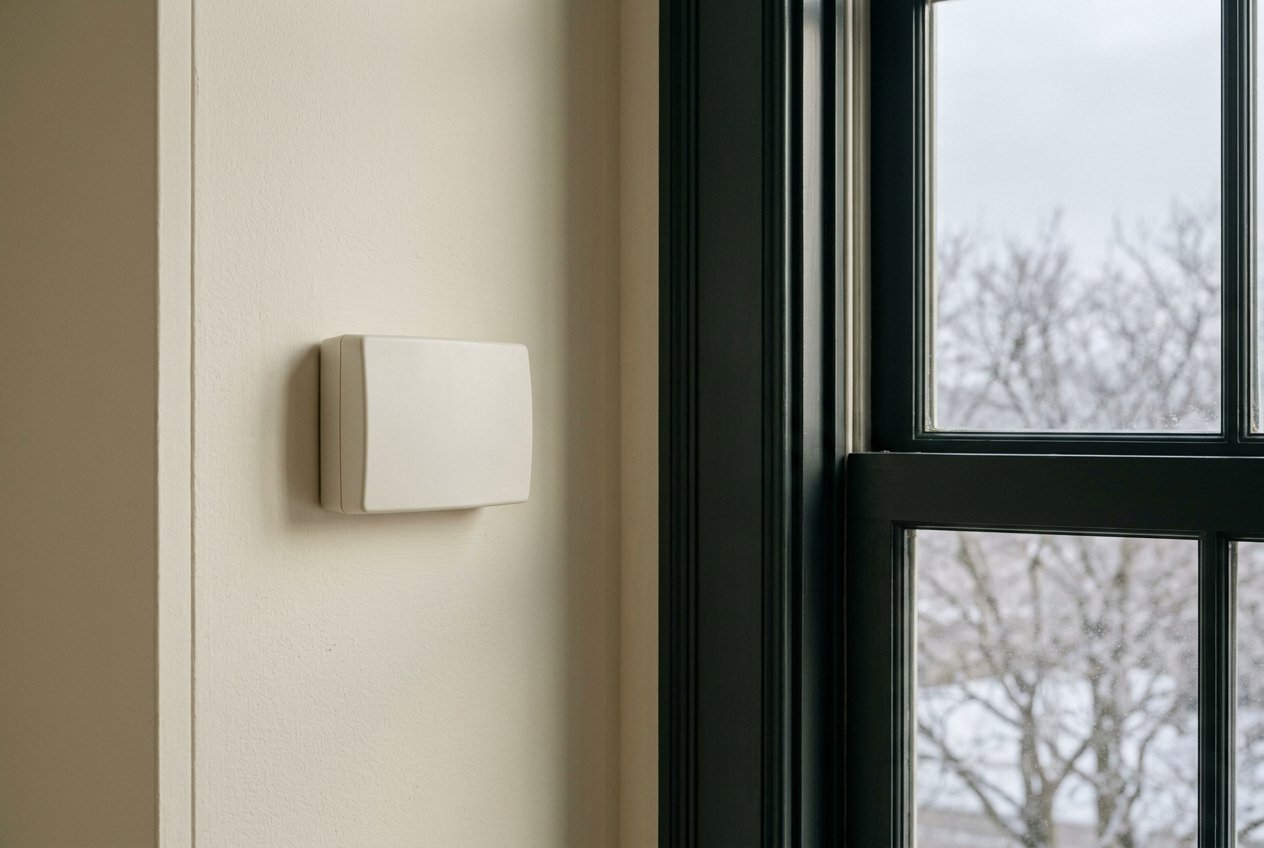
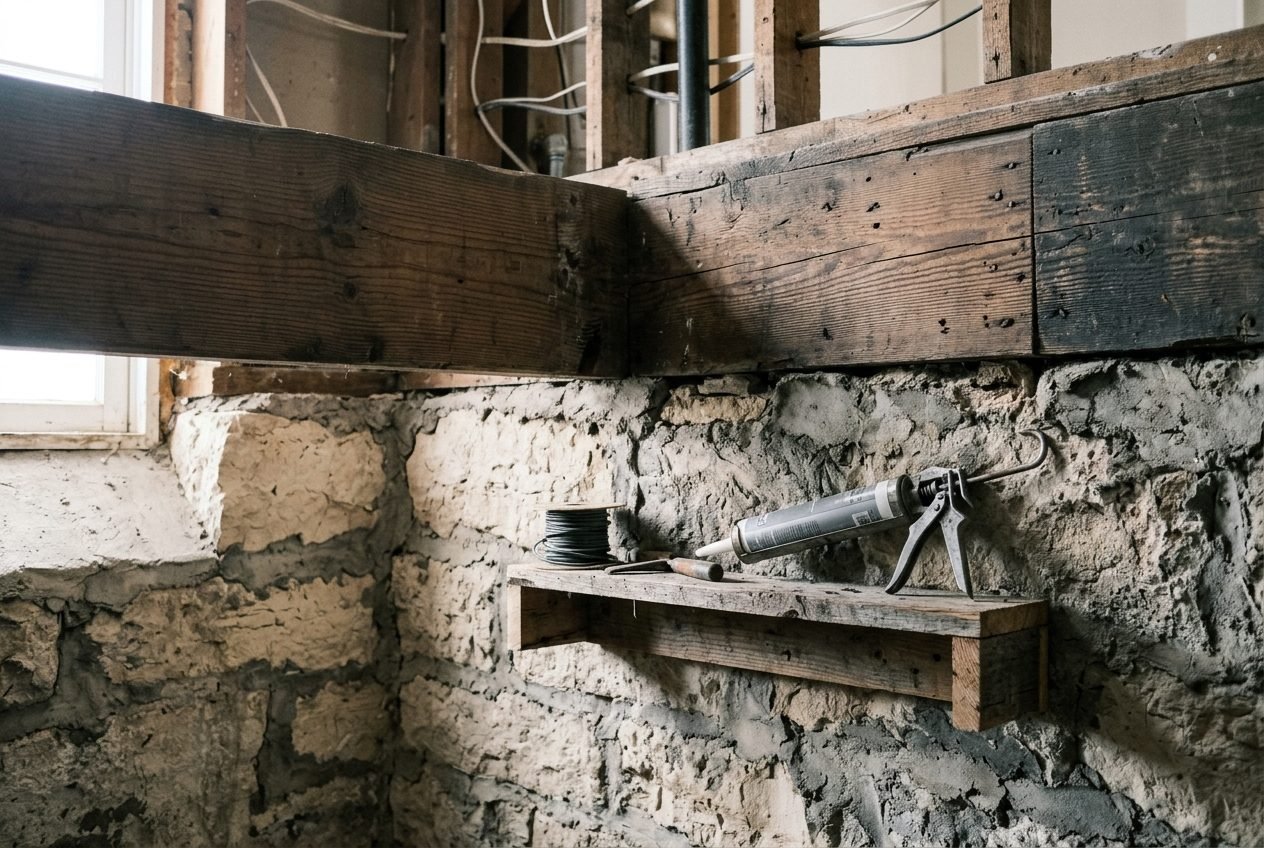
Two cautions from the builder's side. First, a thermostat set very low to save money invites the wrong kind of attention: buyers and inspectors notice cold rooms, and a house that has been held cold can show condensation on windows and cold spots at exterior walls. Second, if the house has a drafty room you have been living with, buyers will find it fast. A basic fix, such as a door sweep, weatherstripping or caulk at a window, costs little and removes the question.
If the heating system is older, read How Old Is Too Old for a Furnace or Boiler When You Buy a Pittsburgh House? from the buyer's side, because your buyer's inspector will be asking exactly those questions about your system.
How do you make a dark winter house feel bright?
Light is the biggest difference between a winter showing and a summer one. A house that looks warm and open at noon can feel closed in at 4:30.
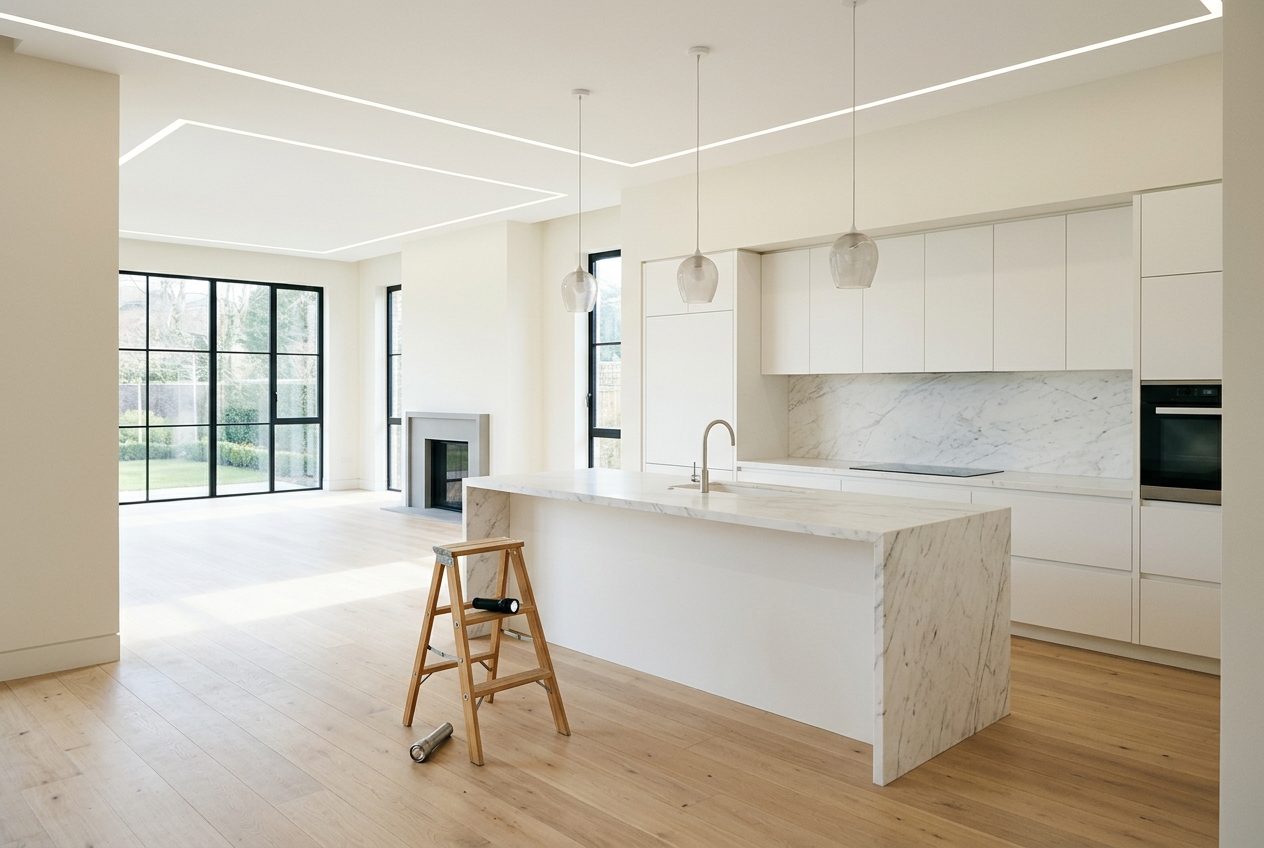
- Turn on every light in the house for every showing, including closets, the basement and the garage if buyers will see them.
- Replace burned-out bulbs and use the same color of bulb throughout. A mix of warm and cool bulbs in one room looks careless.
- Open blinds and curtains fully in daylight. Wash the inside of the windows where you can reach them.
- Add a lamp to any dim corner. A lit lamp does more than a new coat of paint in a dark corner.
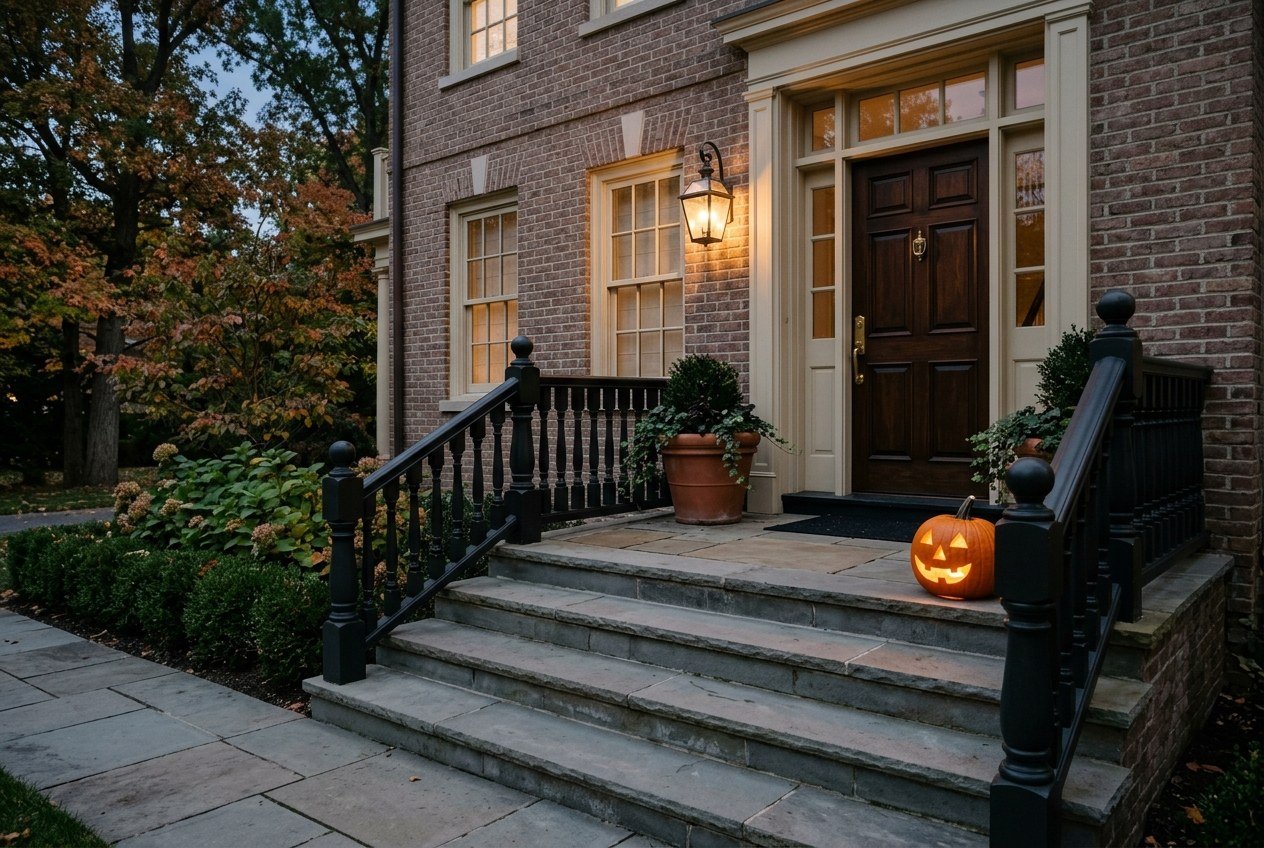
- Check exterior lights: the porch light, the walkway light and the garage light. Buyers come at dusk, and a lit approach feels welcoming.
Ask your agent to schedule showings in daylight where the schedule allows. If a buyer can only come after dark, the lighting list above does the work for you.
What should the outside look like in winter?
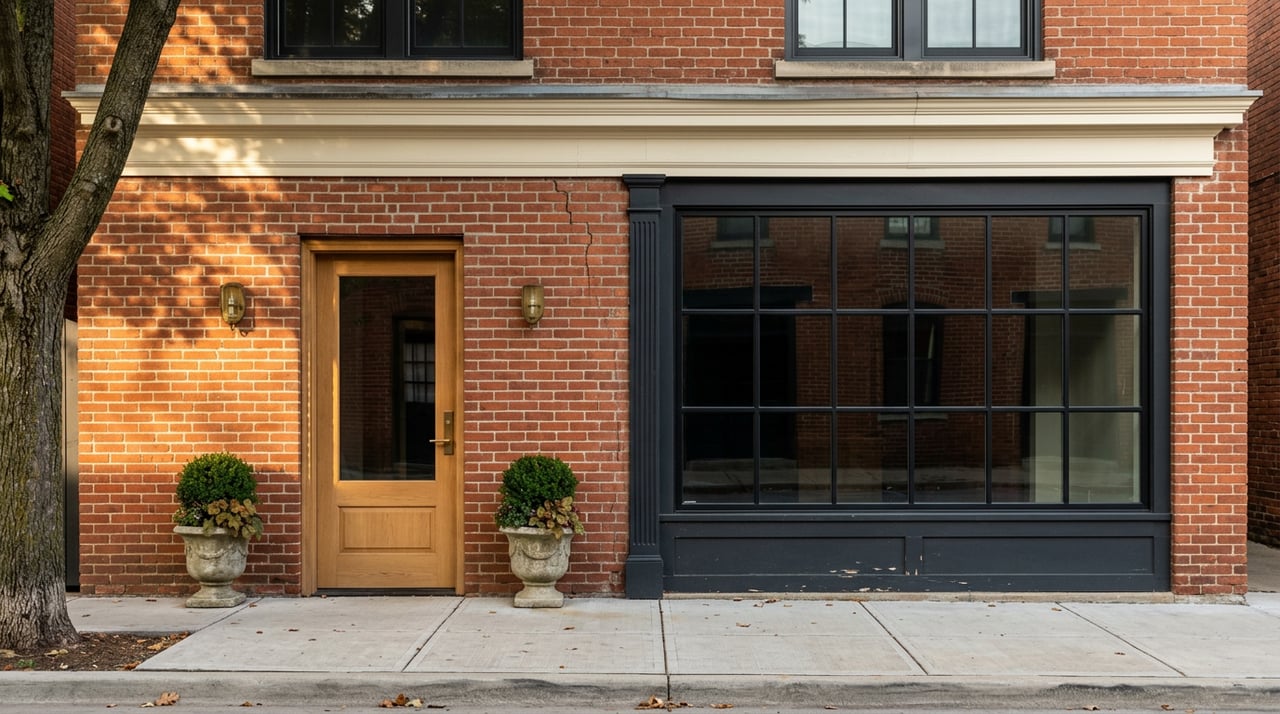
Buyers form an opinion while they are still in the car. The condition of the approach tells them how the house has been kept.
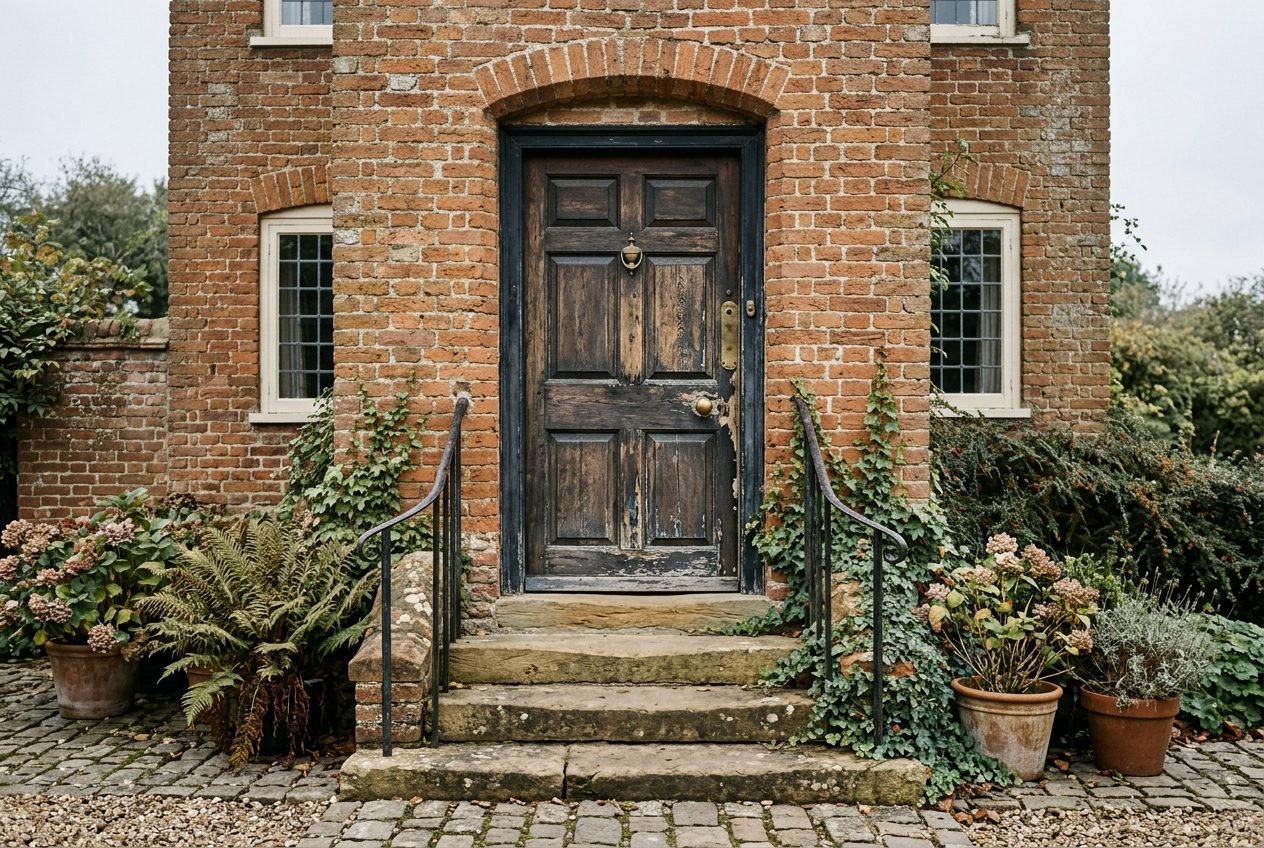
- Clear snow and ice from the walkway, steps, porch and driveway before every showing, and treat slippery spots. A buyer who slips is not going to love your kitchen.
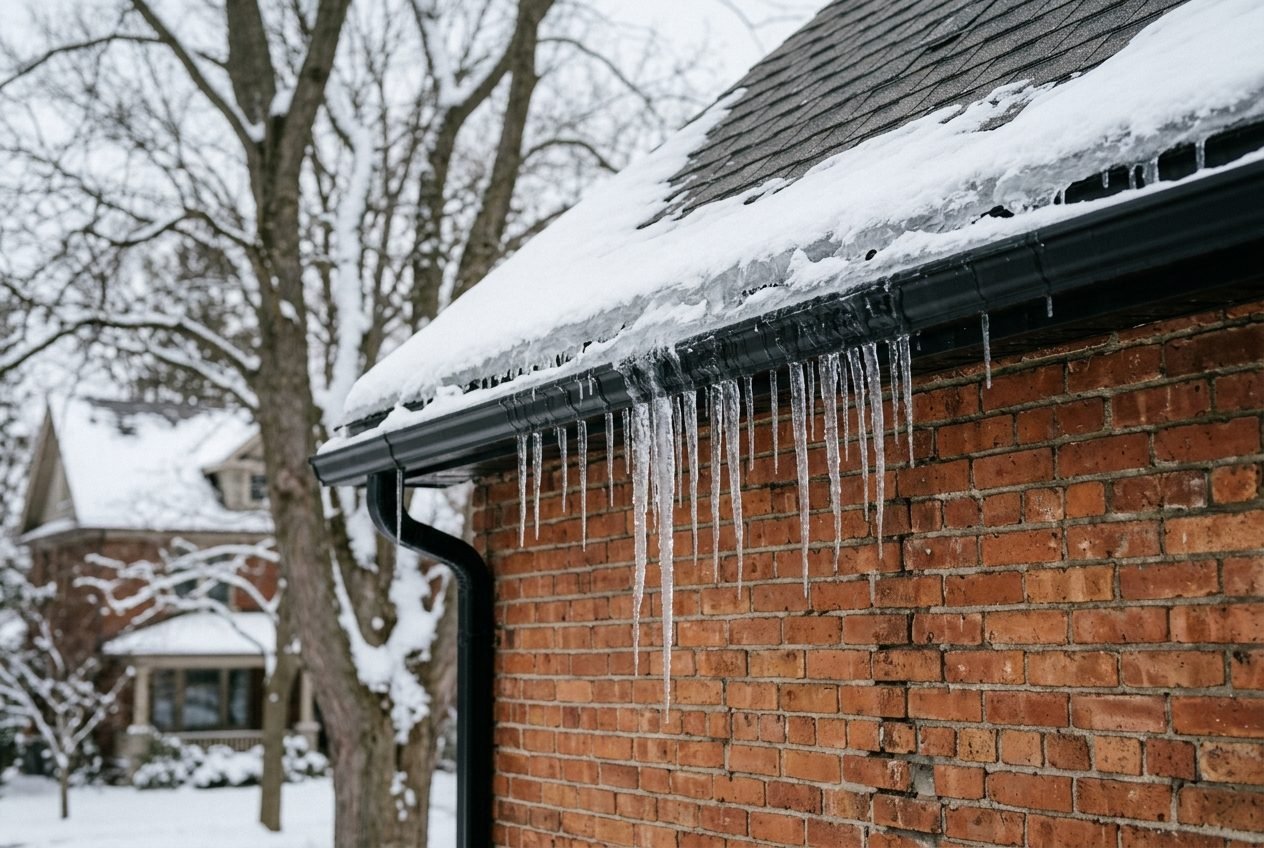
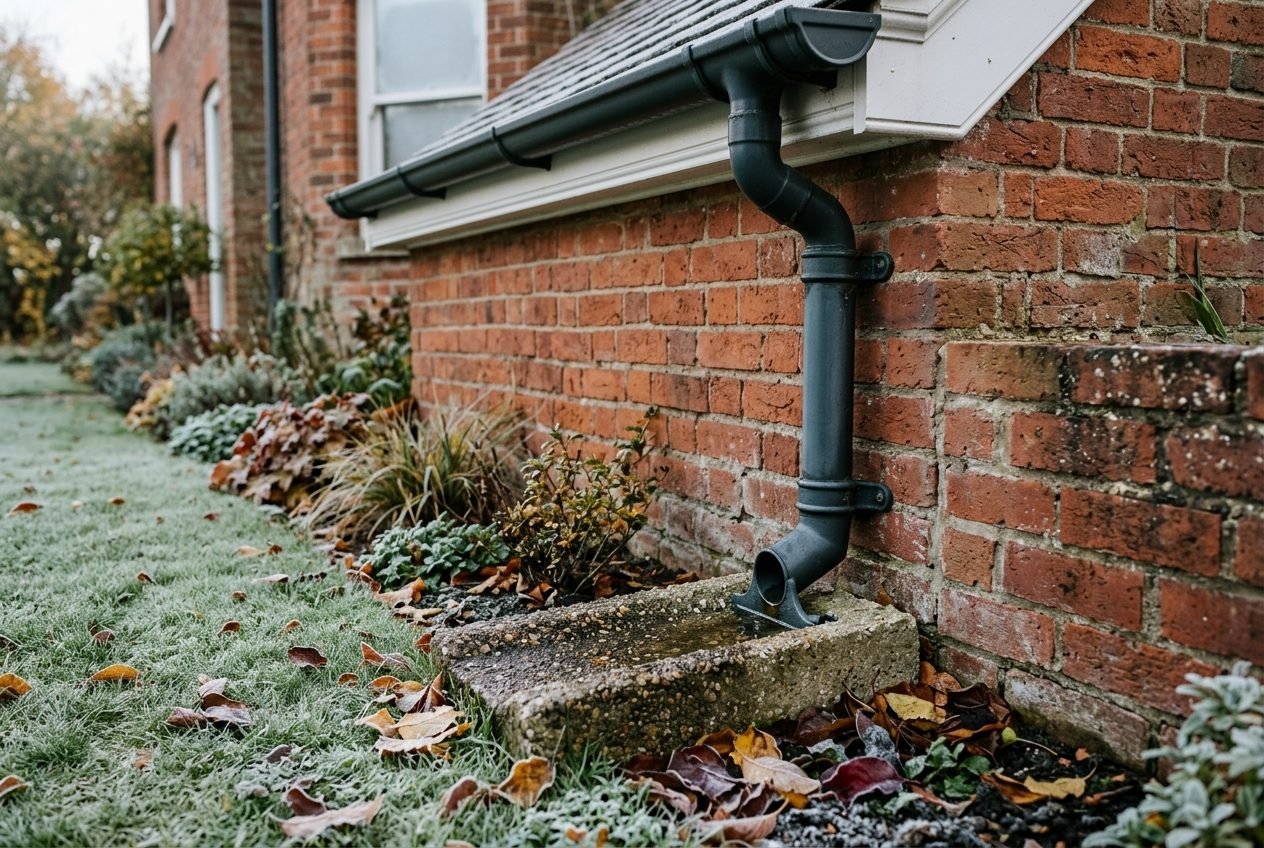
- Rake or blow leaves from the yard, gutters and downspout outlets in late fall. A clogged gutter can leave icicles and ice on the walk, which is also what an inspector will point to.
- Make sure handrails are firm and steps are even. Winter shows every uneven tread.
- Tidy the planters and put out simple, seasonal decoration if you like. Skip anything religious or political so the house stays neutral.
- Check the front door, the lock and the doorbell. A sticking door in cold weather is a small annoyance that reads as a big one.
For a wider look at exterior fixes worth making, see What Exterior Repairs Should I Make Before Selling an Older Home?.
How do you handle wet boots, coats and salt?
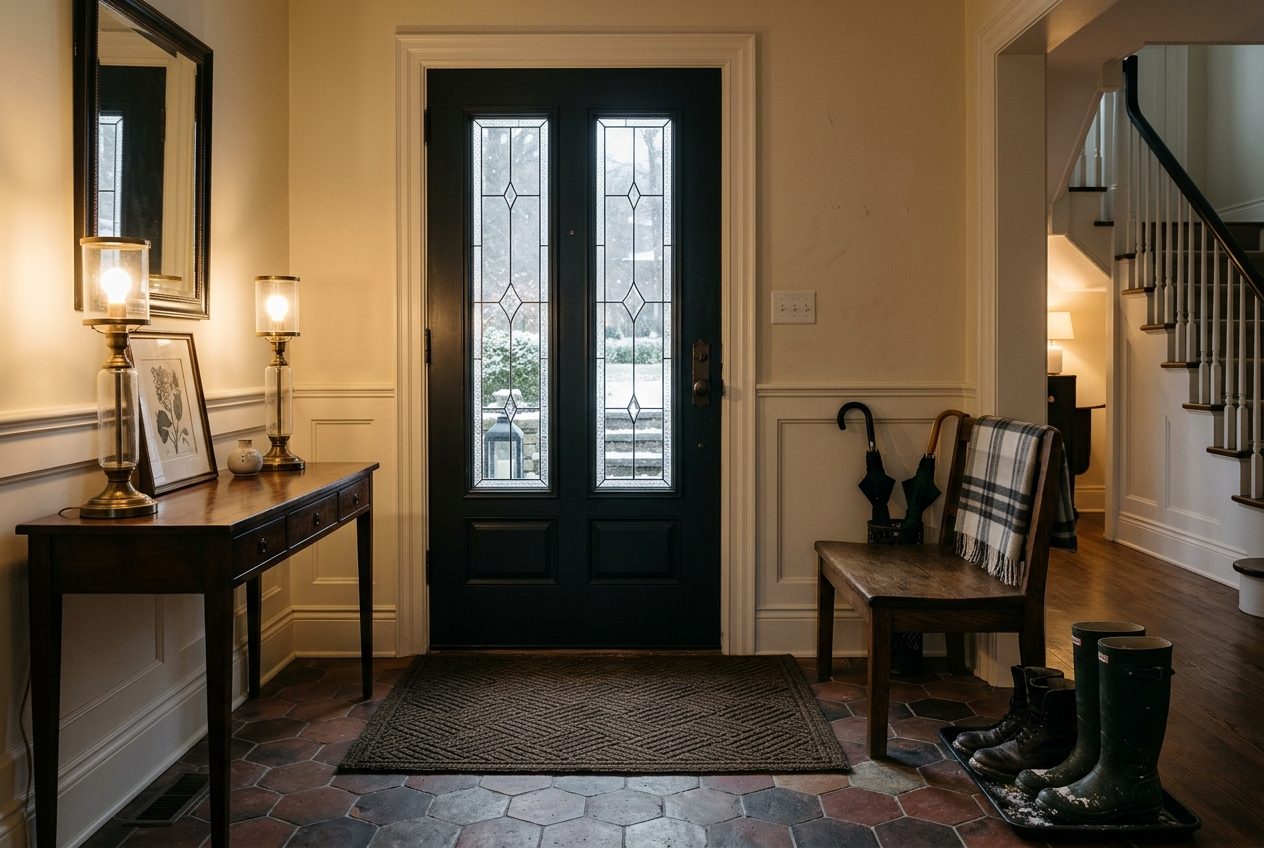
This is the detail most sellers miss, and it is a real one. Every visitor brings in water and road salt, and a wet entry floor looks bad and can damage the finish.
- Put a heavy mat inside and outside the door and a boot tray or towels where buyers can see them.
- Ask your agent to place a sign asking visitors to remove shoes or use shoe covers, and set out a basket of shoe covers.
- Offer a chair or bench near the door. Buyers need somewhere to sit and slip shoes off.
- Set aside a spot for coats so they do not pile on your furniture.
- Wipe the floors after each showing day if you can.
A calm, orderly entry tells the buyer the house is being managed, which is the feeling you want them to carry through the rest of the visit.
What should you clear out and clean before photos and showings?
Winter makes clutter more obvious. Houses are closed up, people are inside more, and everything that normally lives in the garage or shed ends up in the house.
- Take bulky coats, boots and gear out of the front hall and into a closet or storage.
- Clear counters, shelves and tables down to a few chosen objects.
- Pack away off-season items you are not using, including holiday decorations beyond a simple, neutral touch.
- Make sure closets look roomy. Buyers open them.
- Clean the glass in the front door, windows, mirrors and the oven. Dust the baseboards and vents.
- Deal with smells honestly: pet odors, cooking, damp. Ventilate and clean the cause. Do not cover it with heavy fragrance, which makes buyers wonder what you are hiding.
For what the work is worth, I have laid out the thinking in How Much Should I Spend Preparing My Pittsburgh Home for Sale?. The short version: spend first on what buyers notice and what inspectors will flag, and last on trends.
What cold-weather problems do buyers and inspectors look for?
Winter exposes things that summer hides. Walk the house with that in mind.
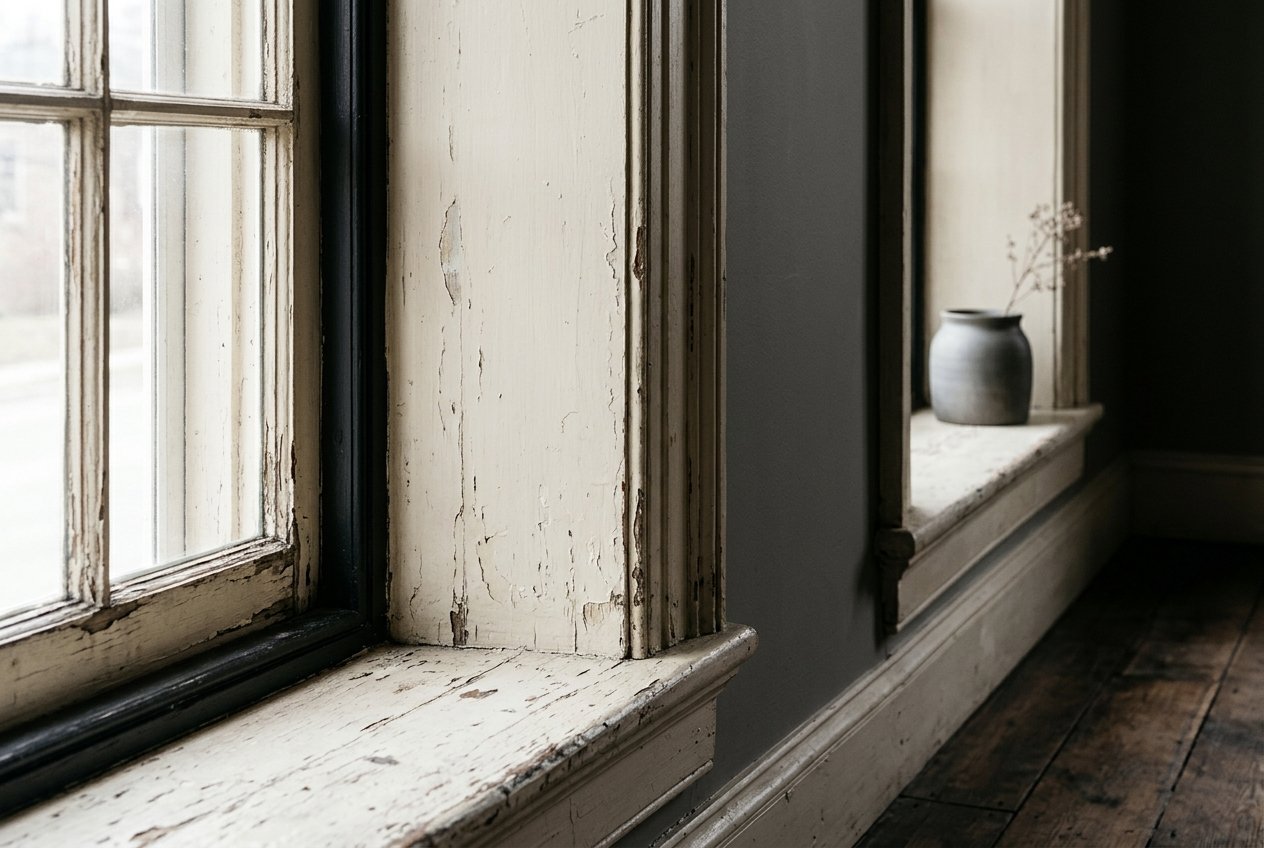
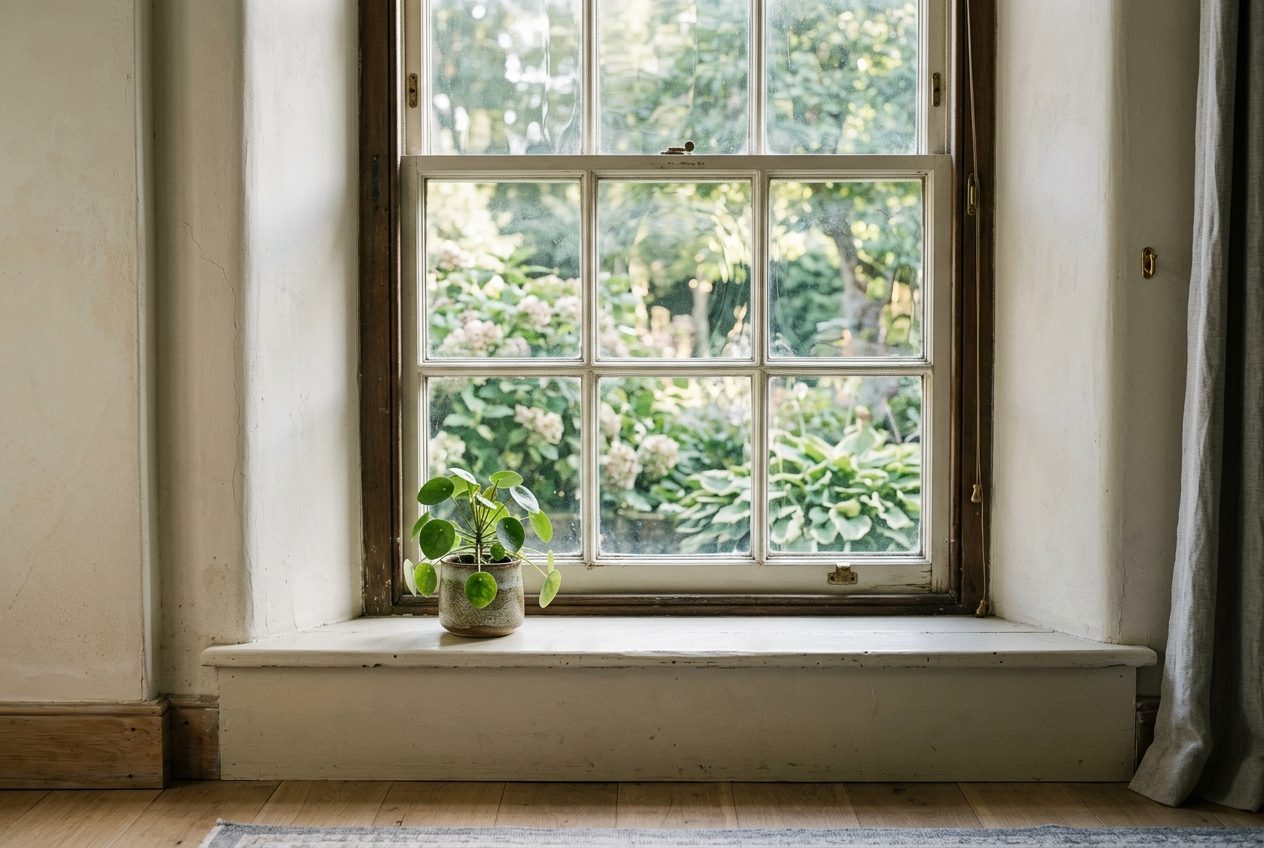
- Windows and doors: drafts, condensation, frost on the inside, failed seals, or windows that will not close tightly. Should You Replace the Windows Before You Sell or Buy an Older Pittsburgh Home? is worth a read before you spend.
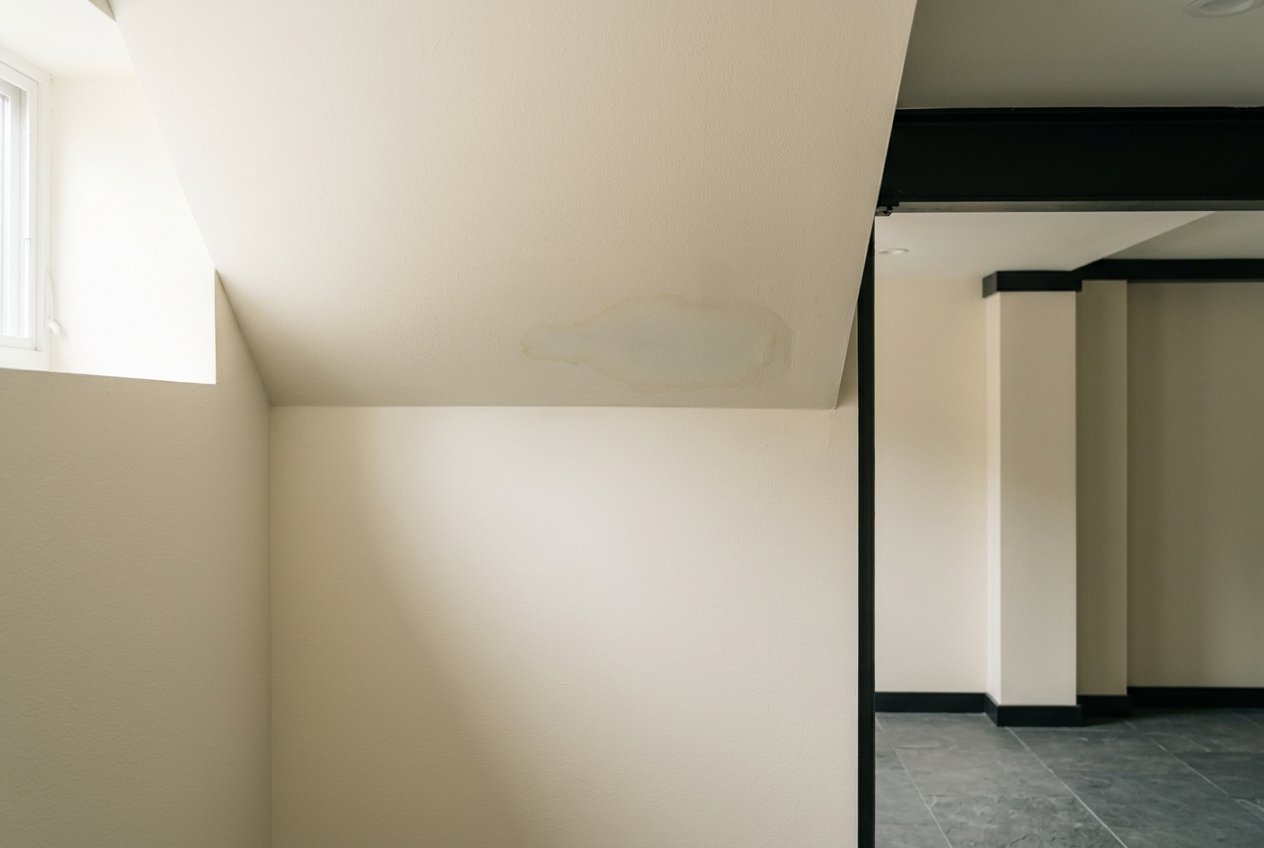
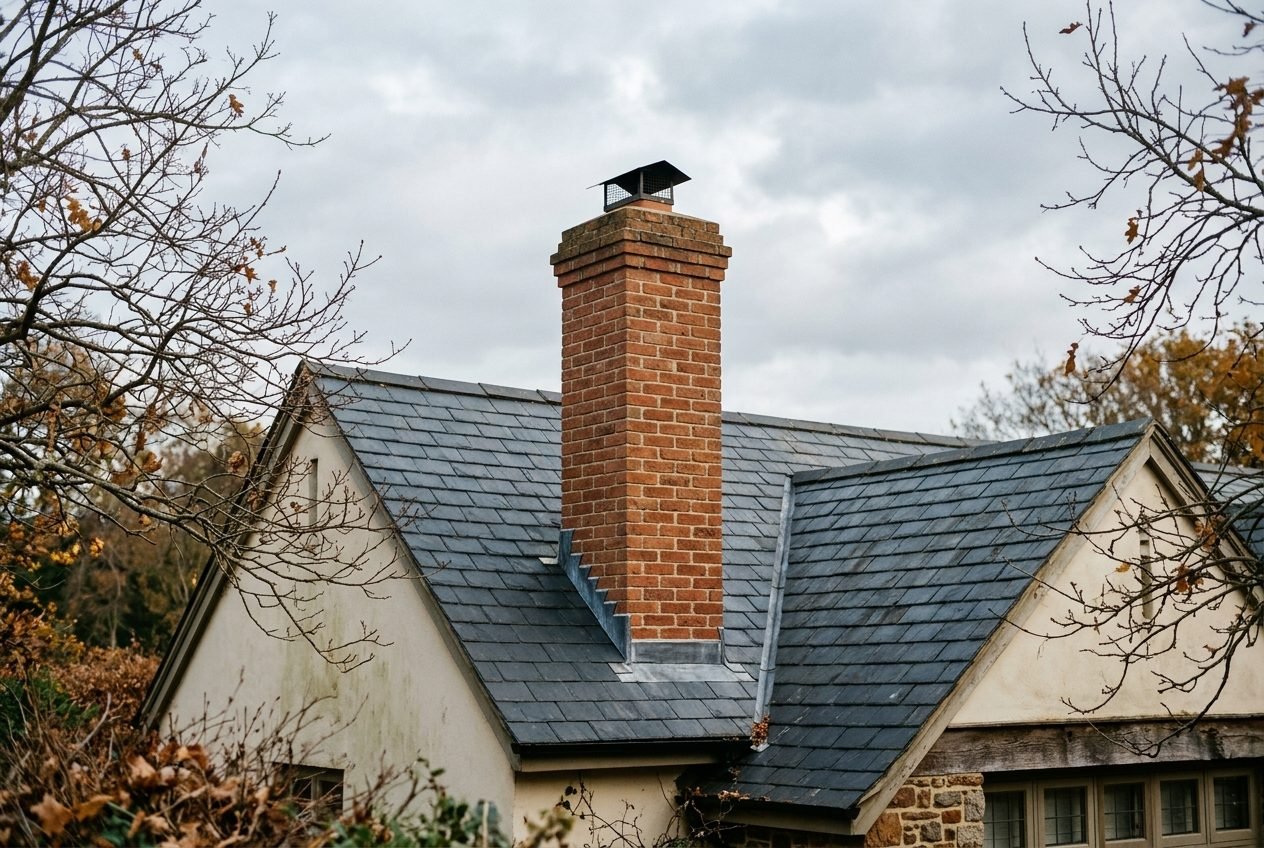
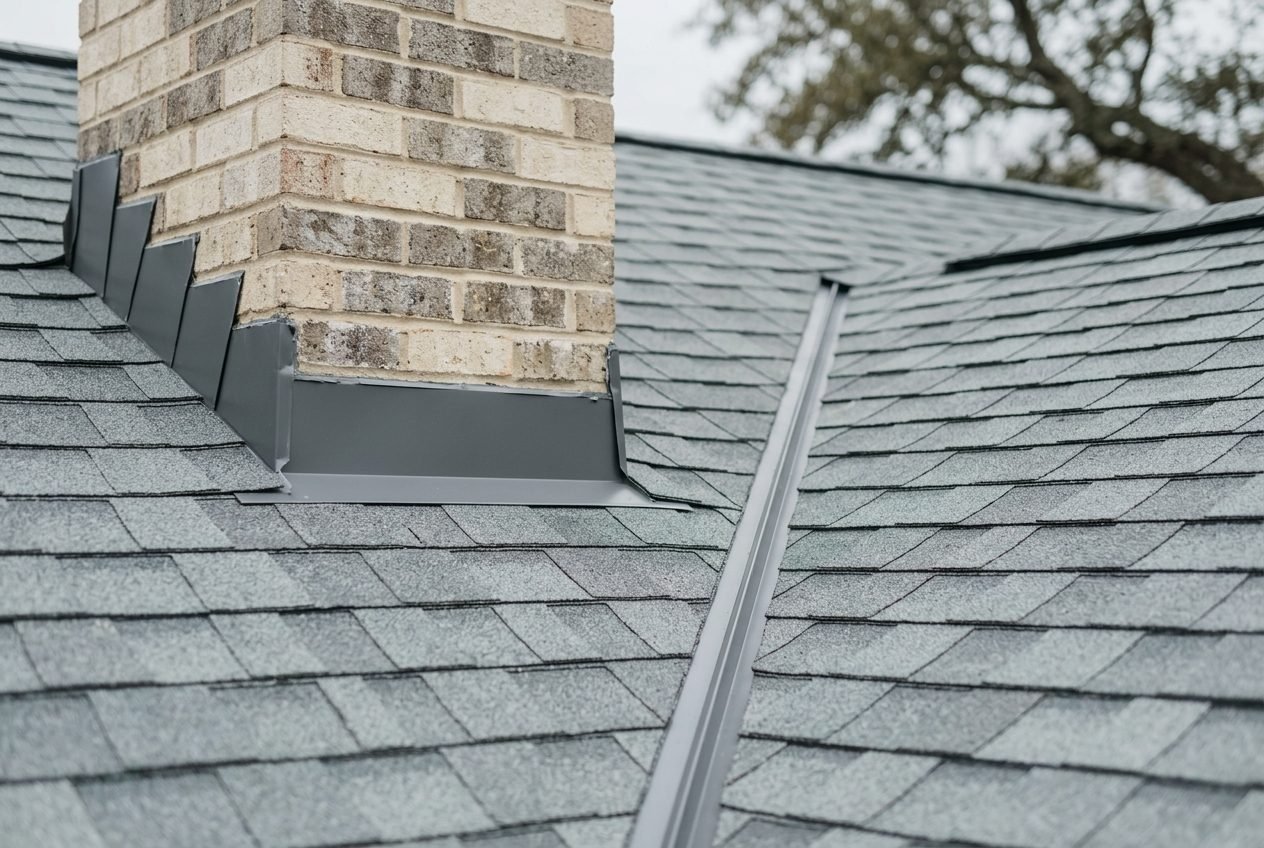
- Ceilings and walls: water stains from ice dams or roof leaks, especially under the roof edge and around chimneys.
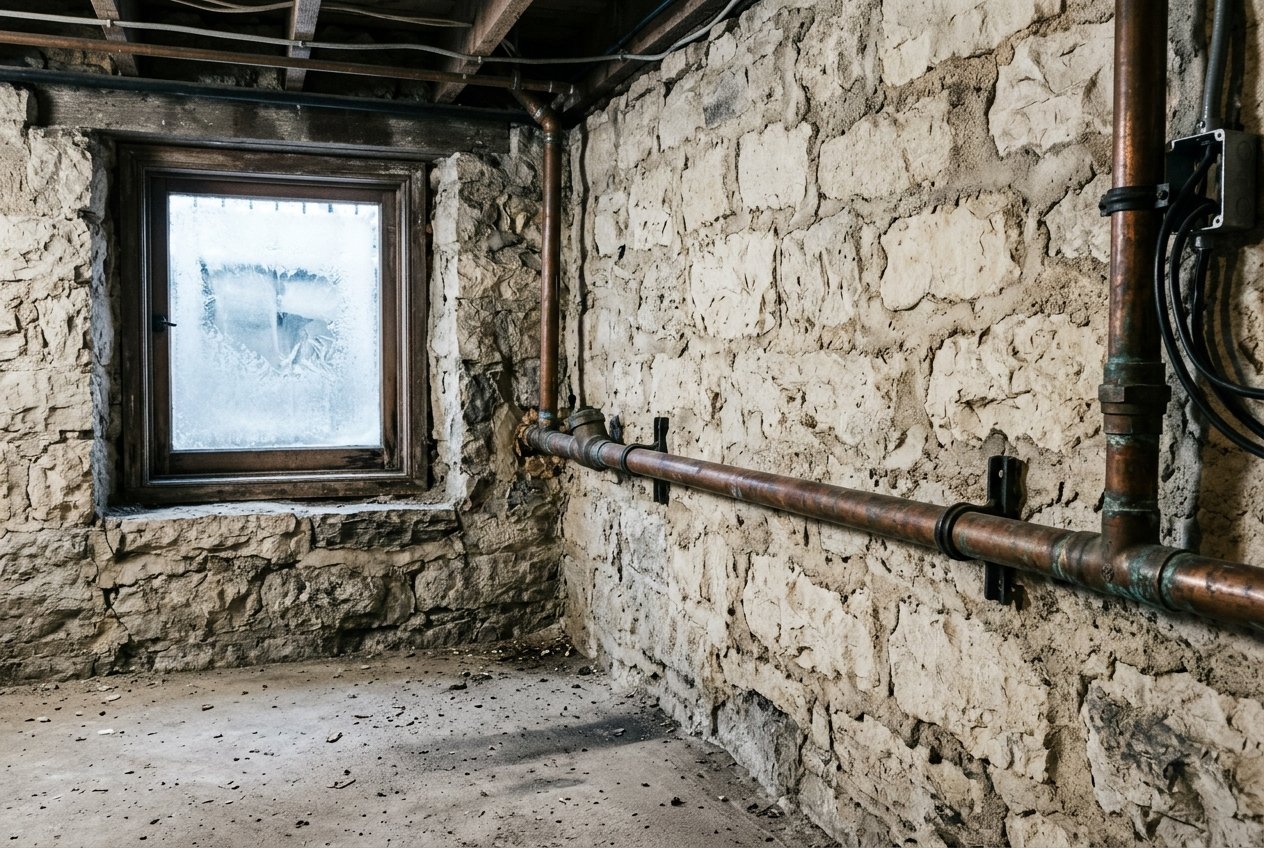
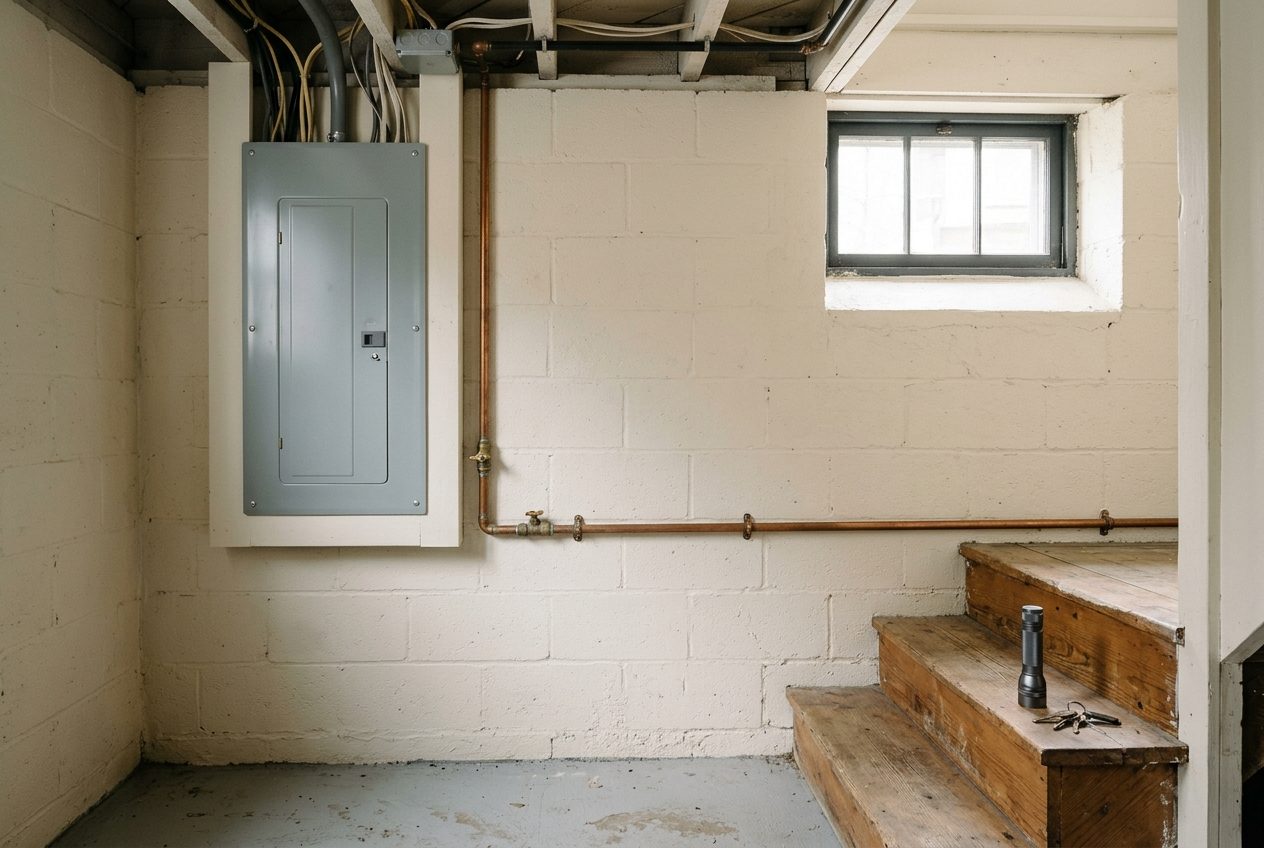
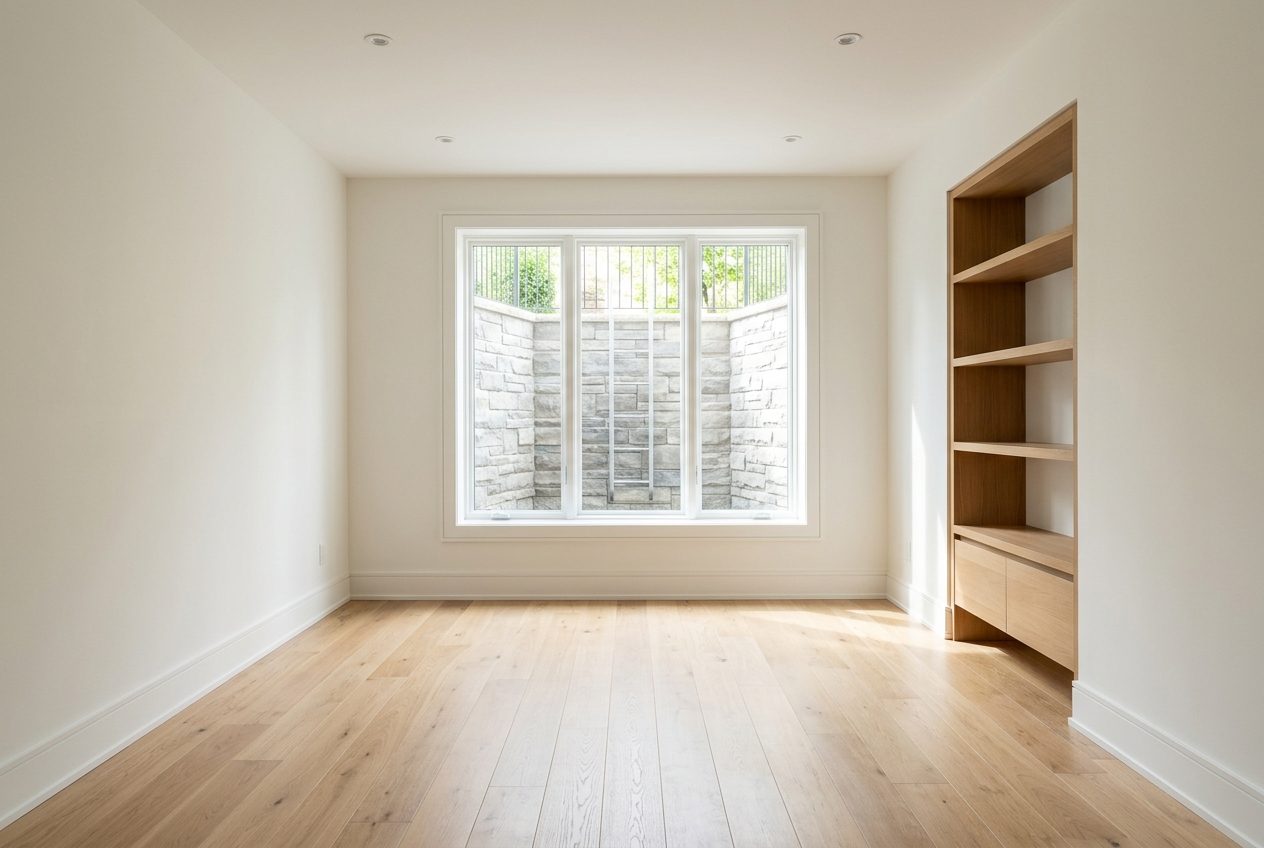
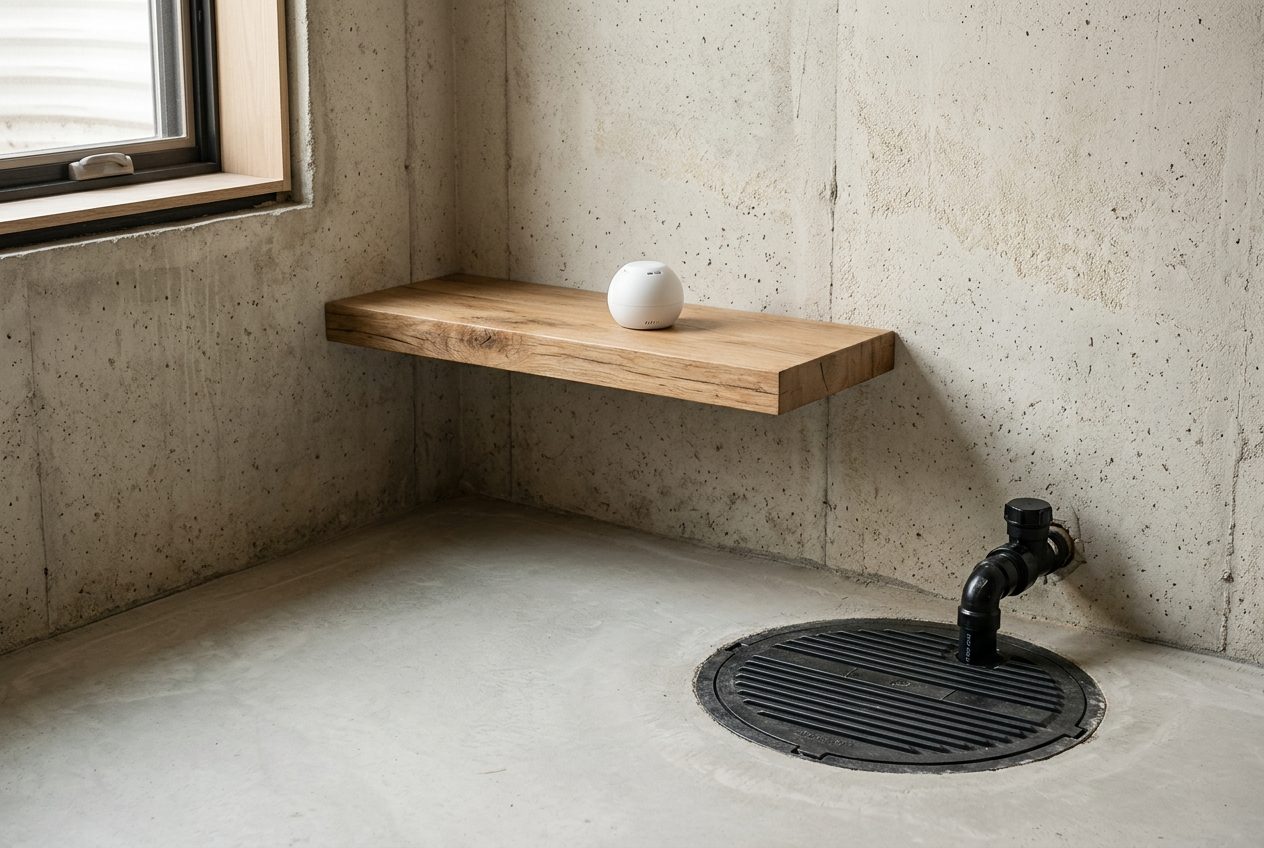
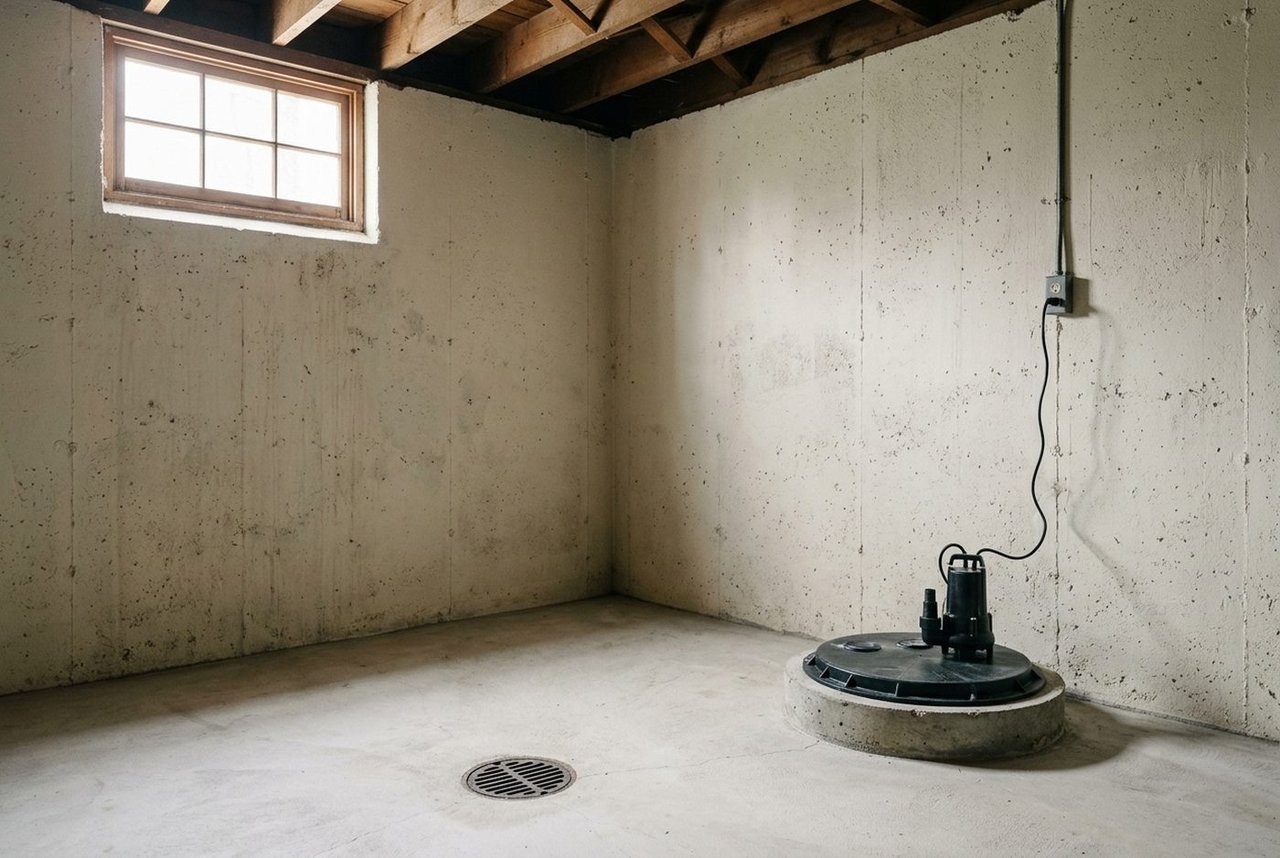
- Basement: dampness, a sump pump that runs, and whether it is working. A sump that is not working in a thaw is the kind of thing an inspector notes quickly.
- Pipes: any exposed pipes in unheated areas, and any past frozen-pipe damage.
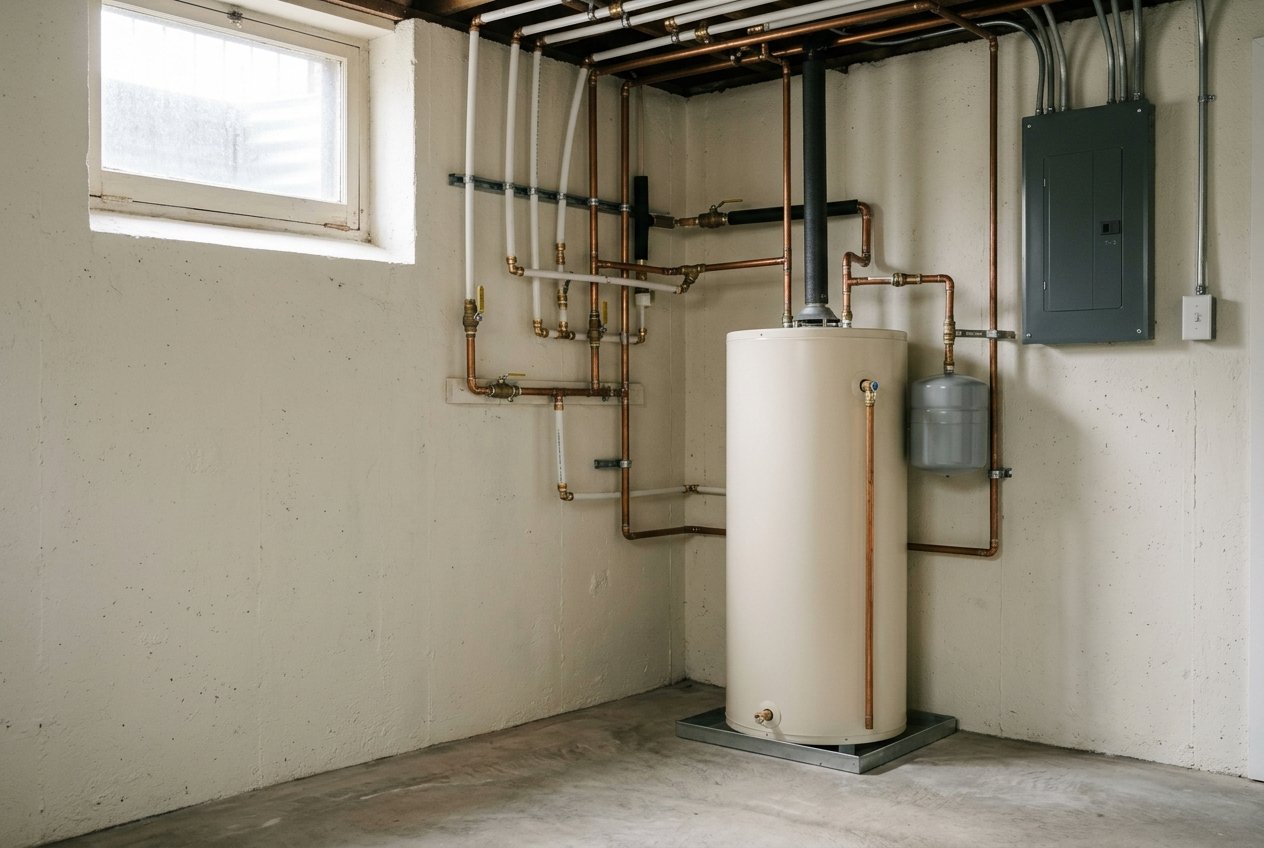
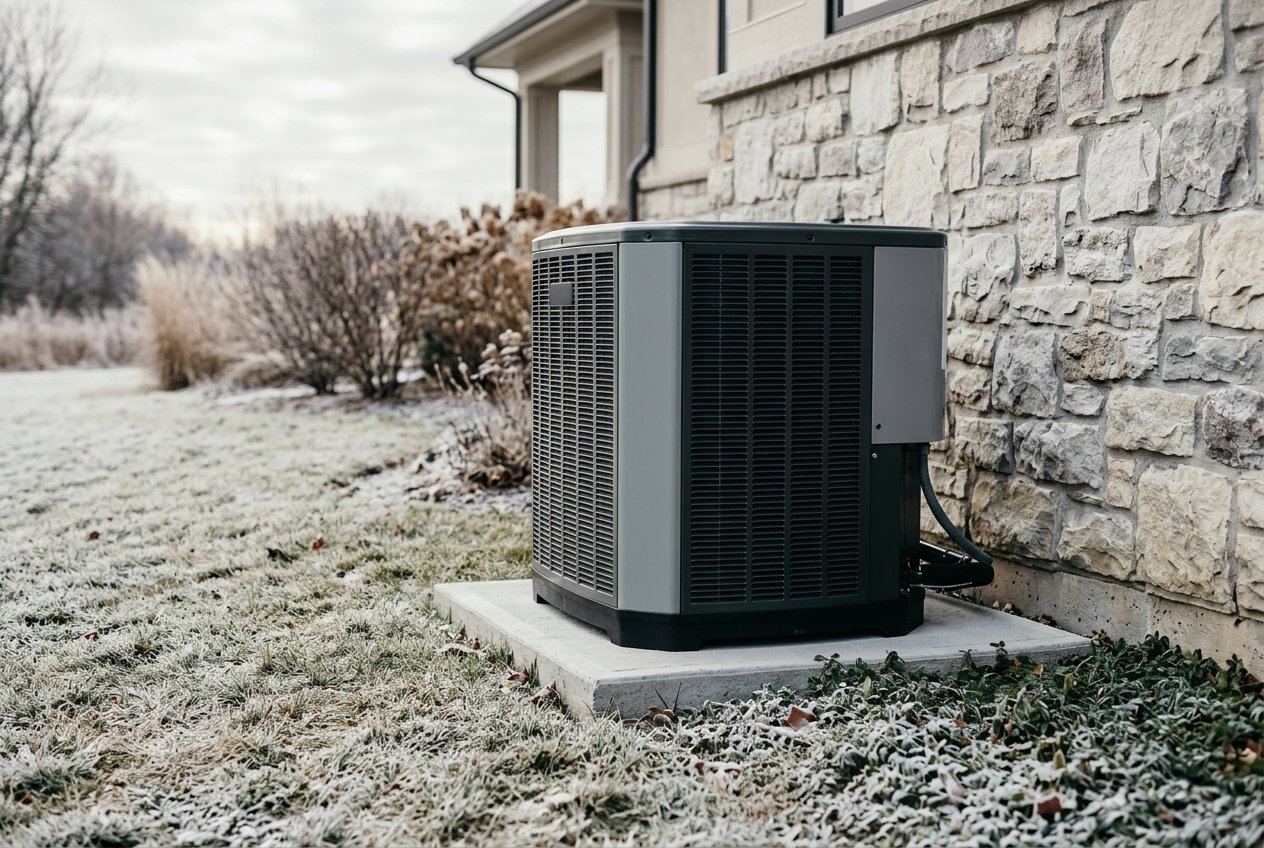
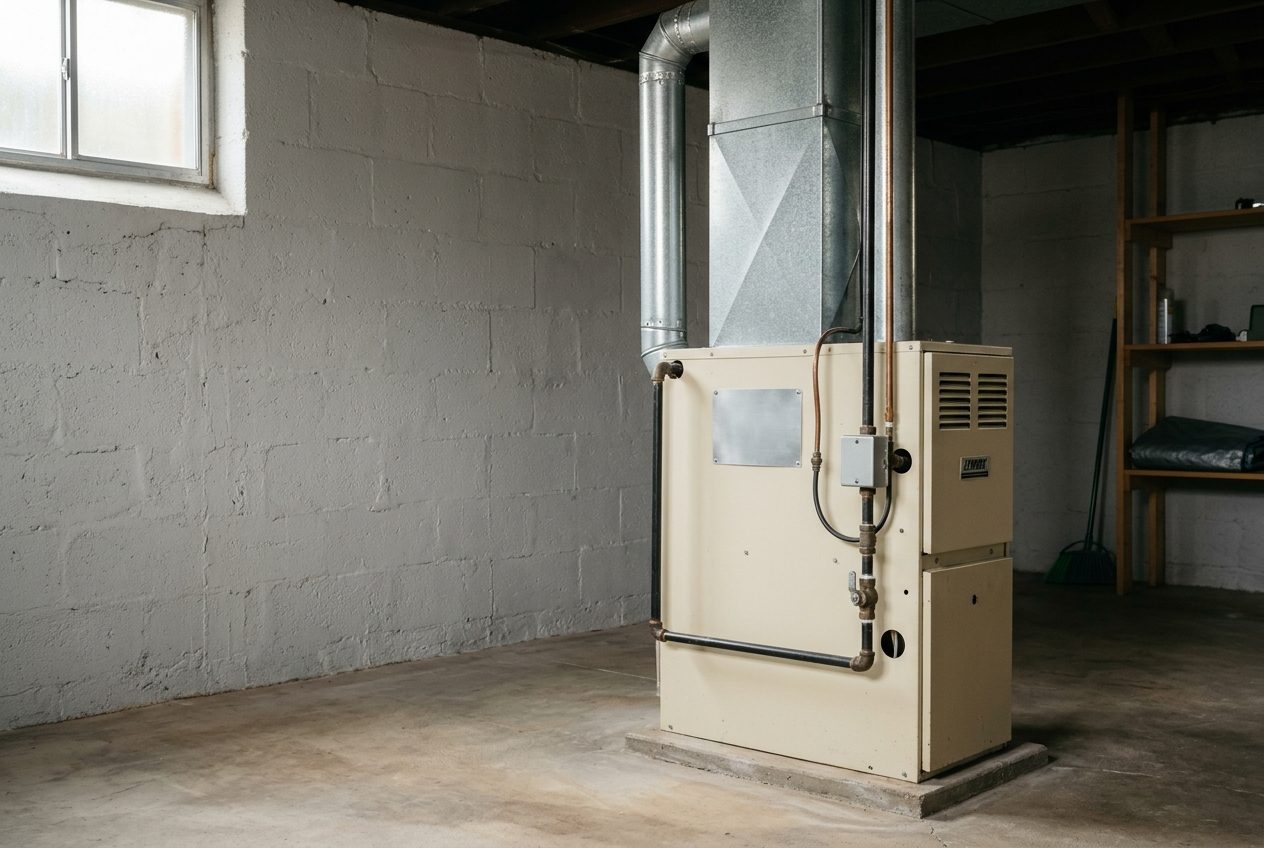
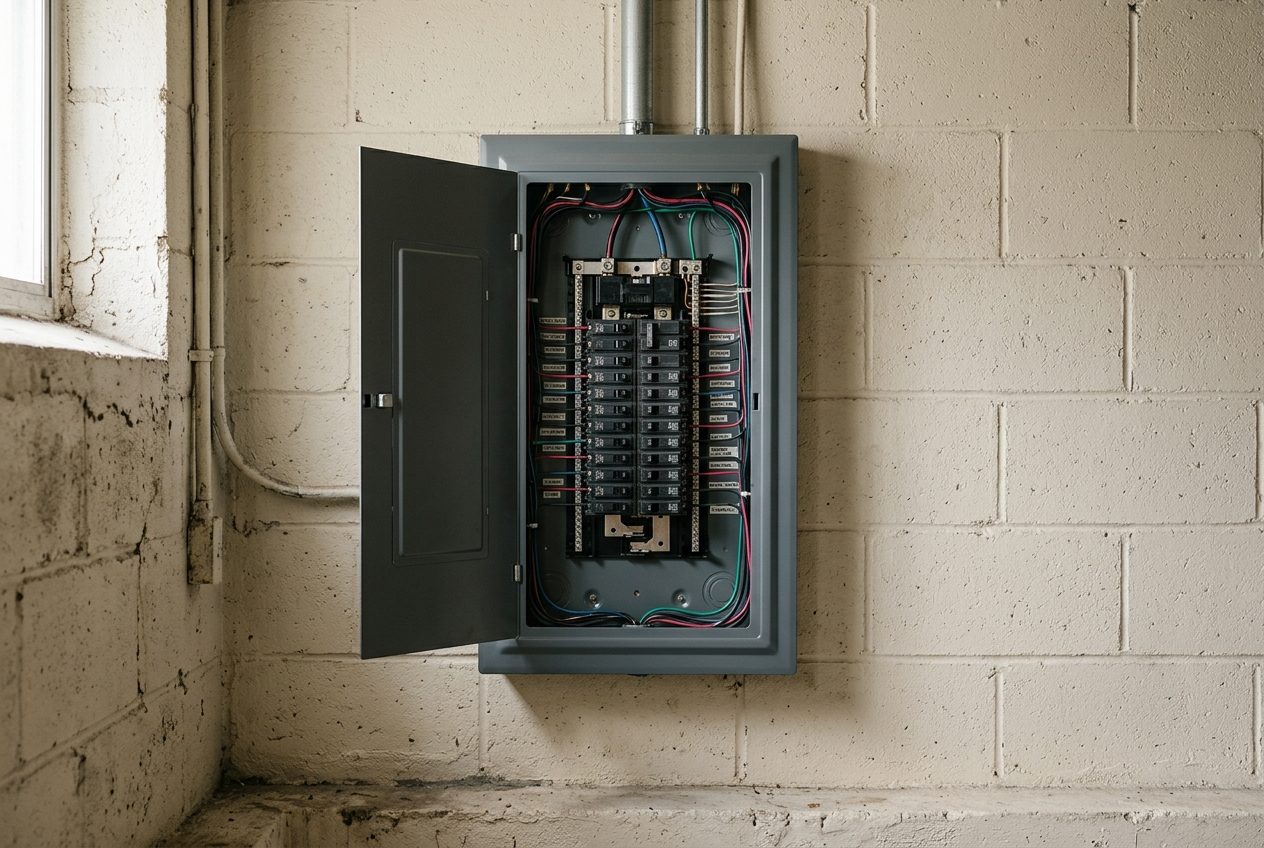
- The heating system: how it sounds, how evenly it heats, and whether it has been serviced recently.
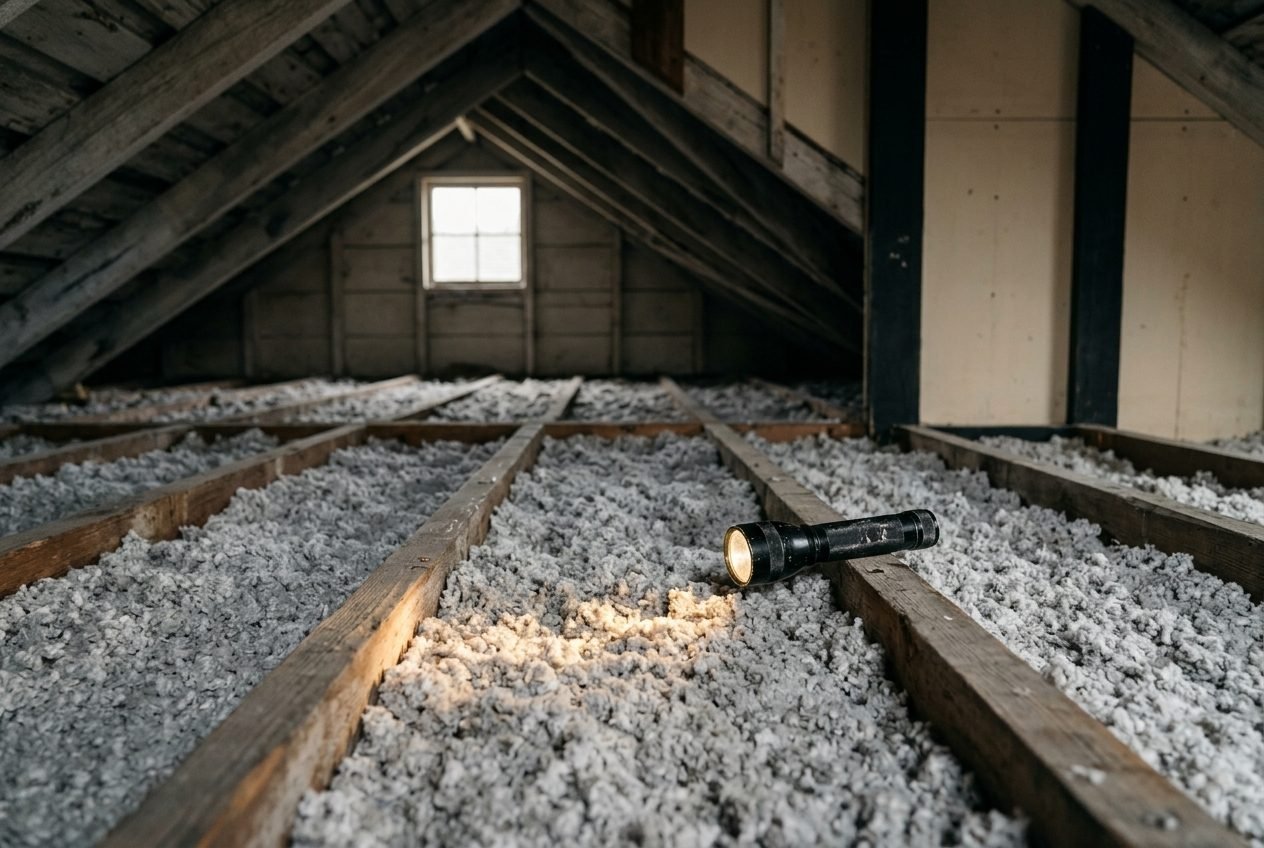
- Attic: insulation, and any signs of moisture at the roof deck.
If you already know of a problem, deal with it or disclose it. Cold weather is when buyers and inspectors are most likely to find it, and a surprise during the inspection costs more than a plain statement in the listing.
What paperwork helps a winter listing?
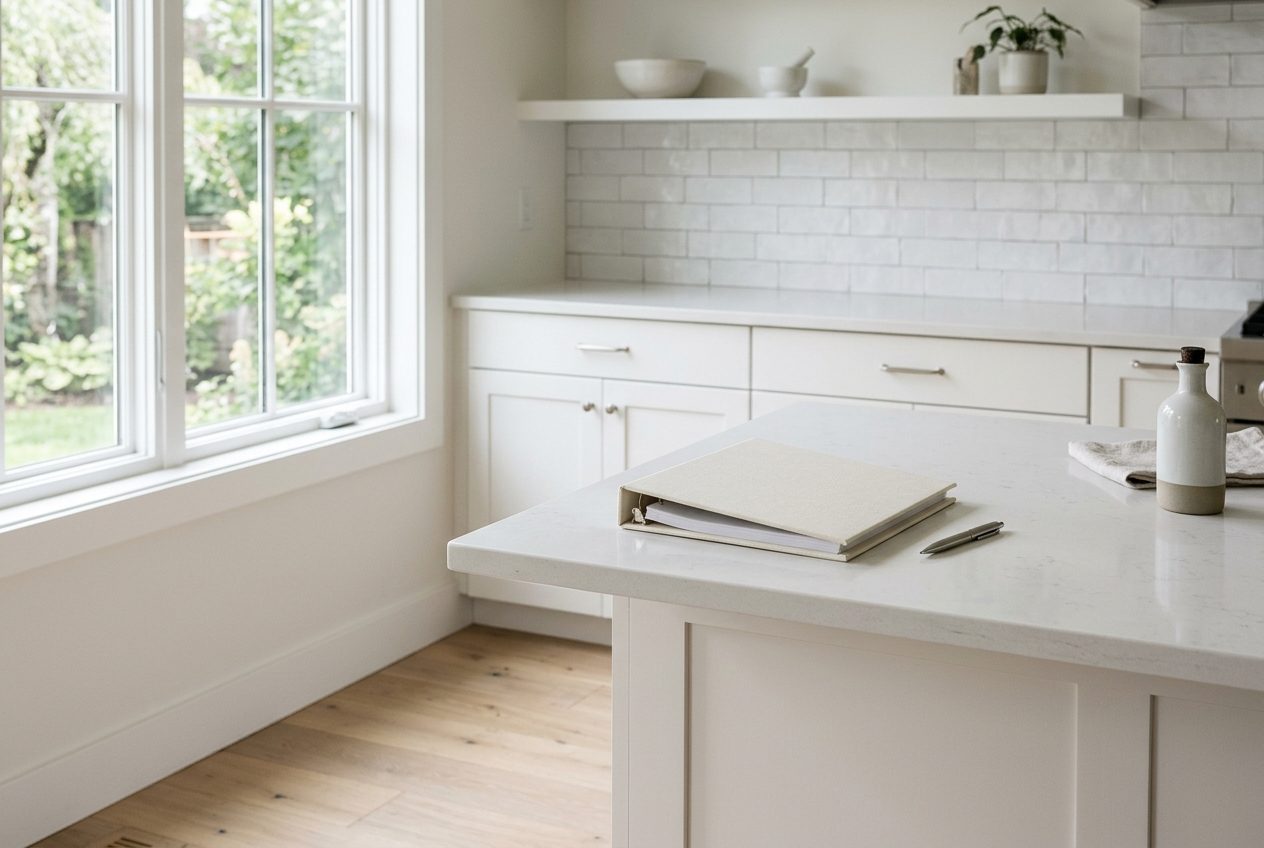
A folder in the kitchen or on the counter saves a lot of questions:
- Heating service records and the age of the major systems.
- Utility bills for a recent winter, so buyers can see what the house costs to run.
- Receipts and warranties for recent work, such as a roof, windows or a furnace.
- A list of recent improvements, with dates.
Buyers worry about heating costs in Pittsburgh winters, and facts calm that worry. A house with records feels like a house with an owner who paid attention.
How should you handle showings in bad weather?
Plan for it. Snow days happen, and some buyers still want to see the house.
- Keep the schedule flexible, and tell your agent which times work.
- Have a plan for pets and for leaving the house during showings.
- Shovel and salt before showings, not just after storms.
- Keep the driveway and the street approach clear so visitors can park.
- If a showing cancels because of weather, treat it as a reschedule. A buyer who wanted to come in the storm is a serious buyer.
Should you wait until spring to list?
It depends on your reason for selling and your timeline. If you have a fixed date, a move, or a purchase waiting, a well-prepared winter listing reaches buyers who also have a reason to move now. If you have no deadline, waiting costs you nothing but time. I do not believe in a rule that says winter is bad or spring is good. I believe in a house that is ready on the day it hits the market, whatever the season. If you want to weigh the cost of waiting, I wrote about it in Should You Wait to Buy or Sell a Home? What Waiting Really Costs You in 2026.
What is the builder's-eye winter list in one place?
- Heat the house to a comfortable level before showings.
- Every light on, every bulb working.
- Walks and steps clear and treated.
- A tidy entry with mats, a tray and a place to sit.
- Closets and counters clear.
- Known cold-weather problems fixed or disclosed.
- A folder of records on the counter.
FAQ
Is winter a bad time to sell a house in Pittsburgh?
No. Buyers shop all year, and winter buyers often have a reason to move. A house that is warm, bright and well prepared shows well in any season.
How warm should I keep the house for showings?
Comfortable enough that visitors can take off their coats. Set the thermostat an hour or two before a showing and hold it steady between showings so the house does not feel damp or cold.
How do I deal with snow, ice and salt at showings?
Clear and treat the walks, steps and driveway before every showing, put mats inside and out, and offer a boot tray or shoe covers so buyers do not track water through the house.
What cold-weather problems should I fix before listing?
Drafty windows and doors, water stains from ice dams or leaks, a damp basement, uneven heat, and any heating system that has not been serviced. Fix what you can and disclose what you know.
If you are thinking about listing this winter and want a builder's eye on what to do first, book a 30-minute call. We will walk the house and make a short list.