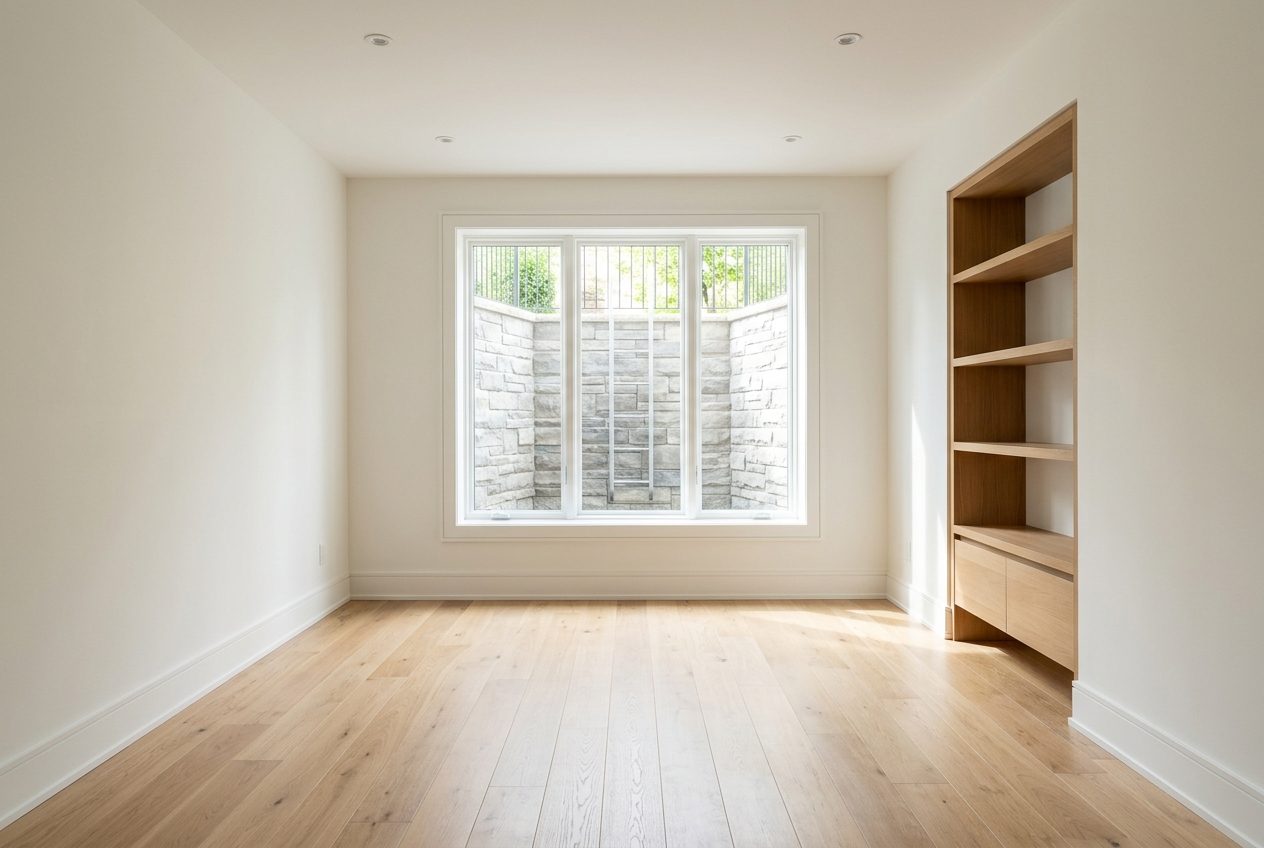
Sellers hear that a finished basement adds square footage and think it will add value. Sometimes it does. More often, the money goes in and does not come back out, and a rushed finish becomes a negotiating problem.
A builder asks a different question first: is the basement ready to be finished at all?
Aubre J. Stacknick is a Global Real Estate Advisor with Piatt Sotheby's International Realty in Pittsburgh, PA, helping buyers and sellers across Western Pennsylvania see a home through a builder's eyes. I have finished basements and I have torn out bad ones, and the difference is almost always the water.
Is the basement dry?
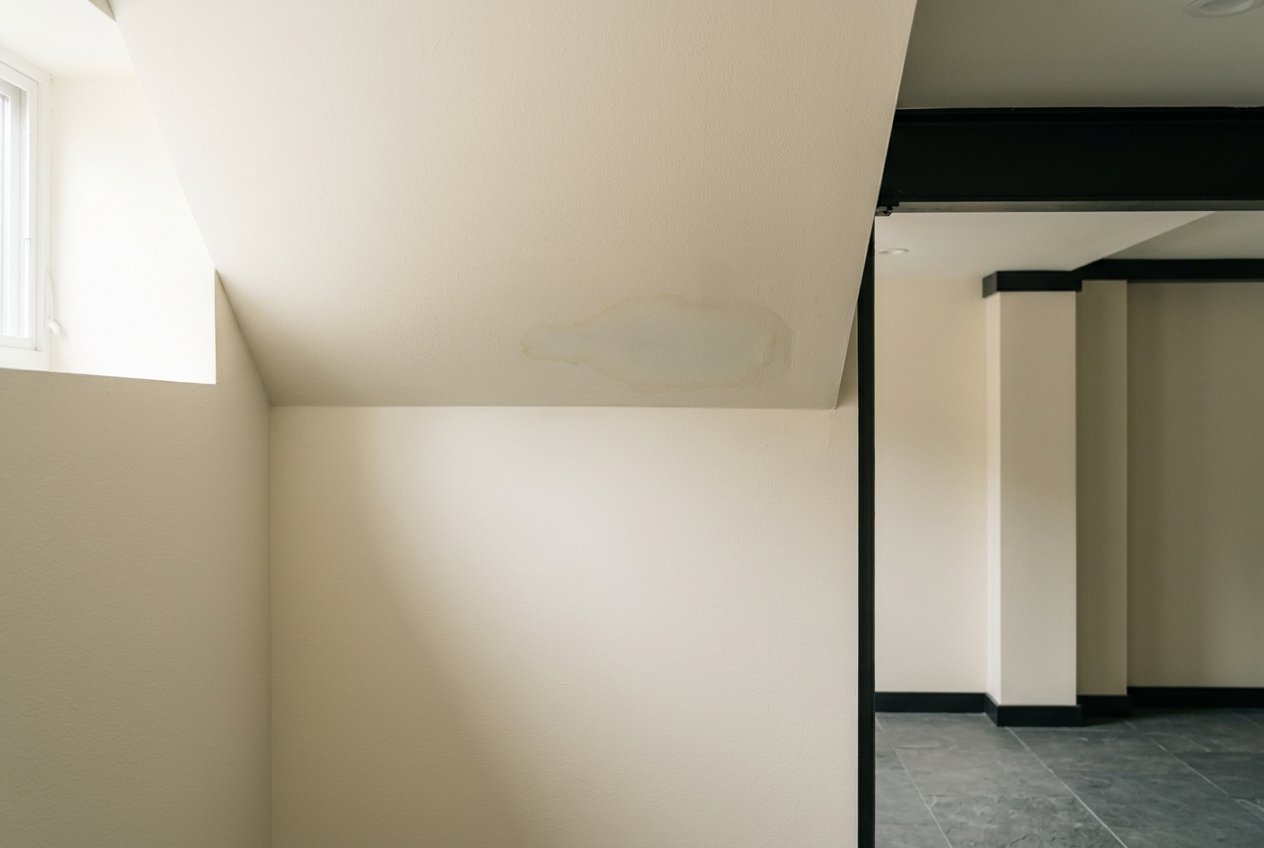
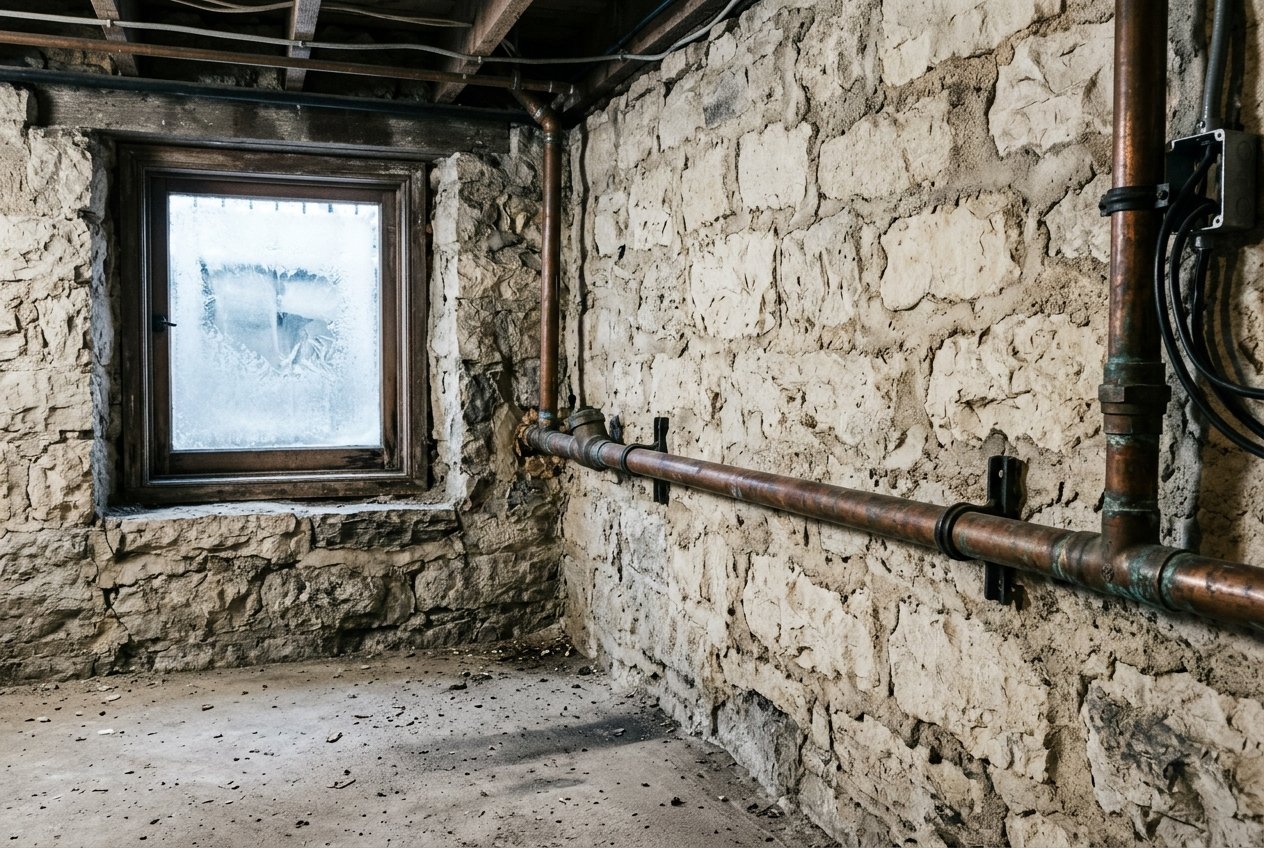
Everything starts here. If water or moisture is an issue, drywall and carpet will hide it and make it worse. A basement finished over a damp wall can grow mold and rot out behind the finish, and buyers' inspectors know where to look.
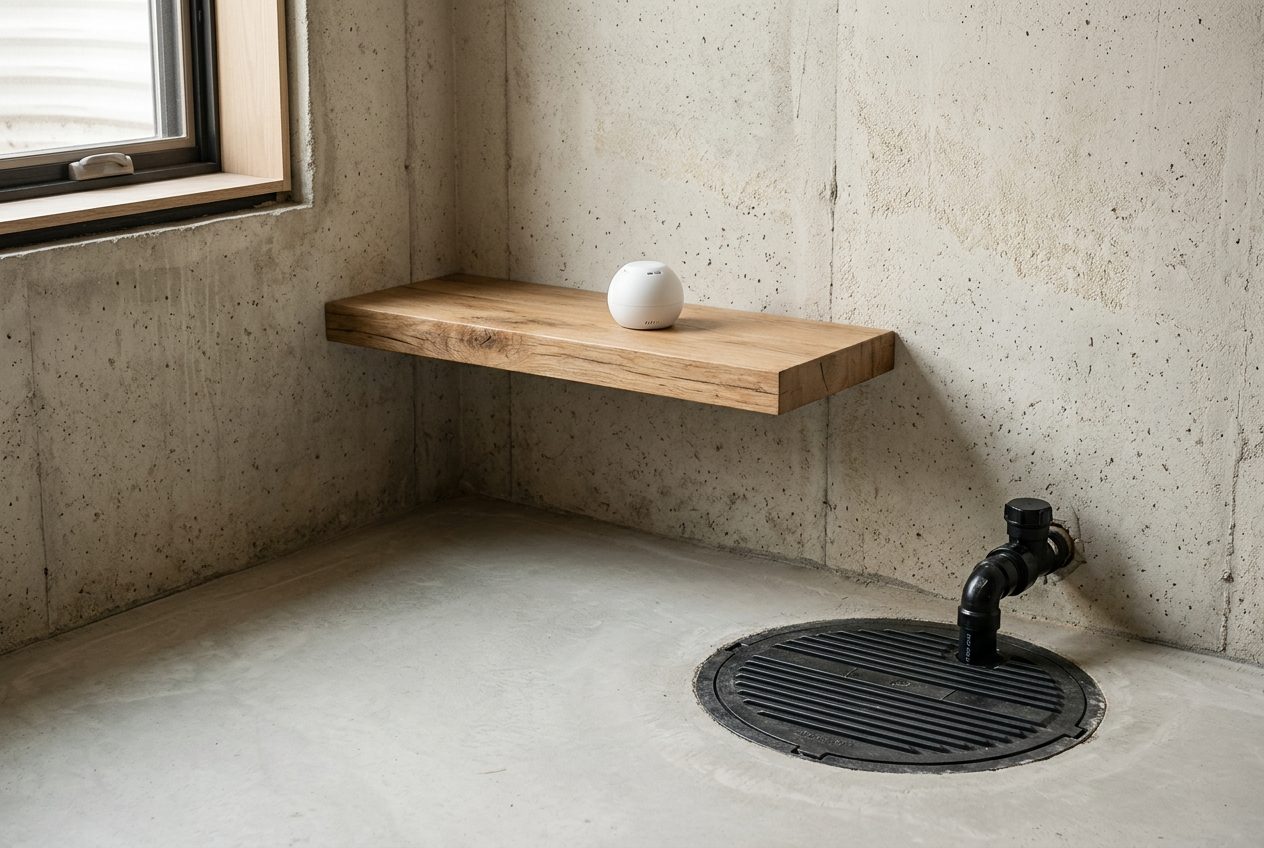
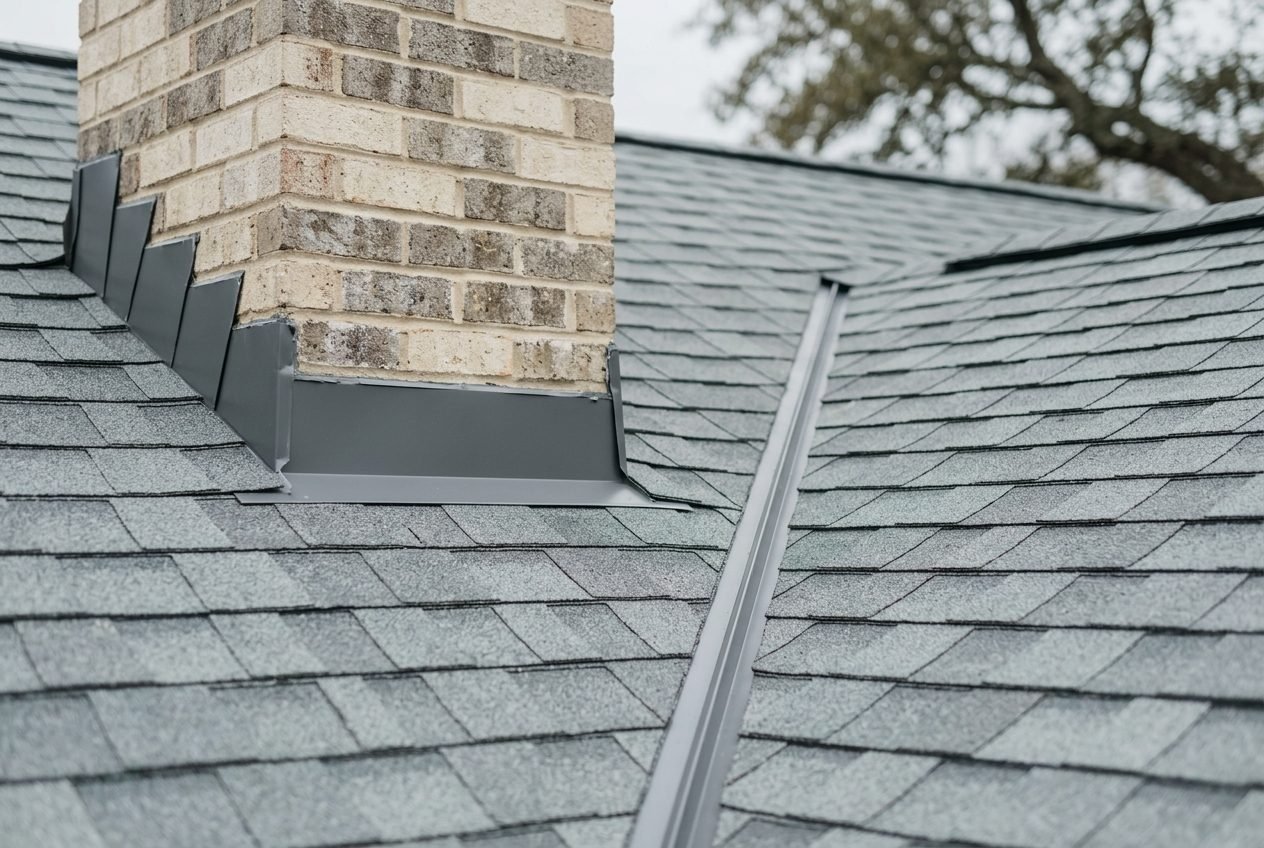
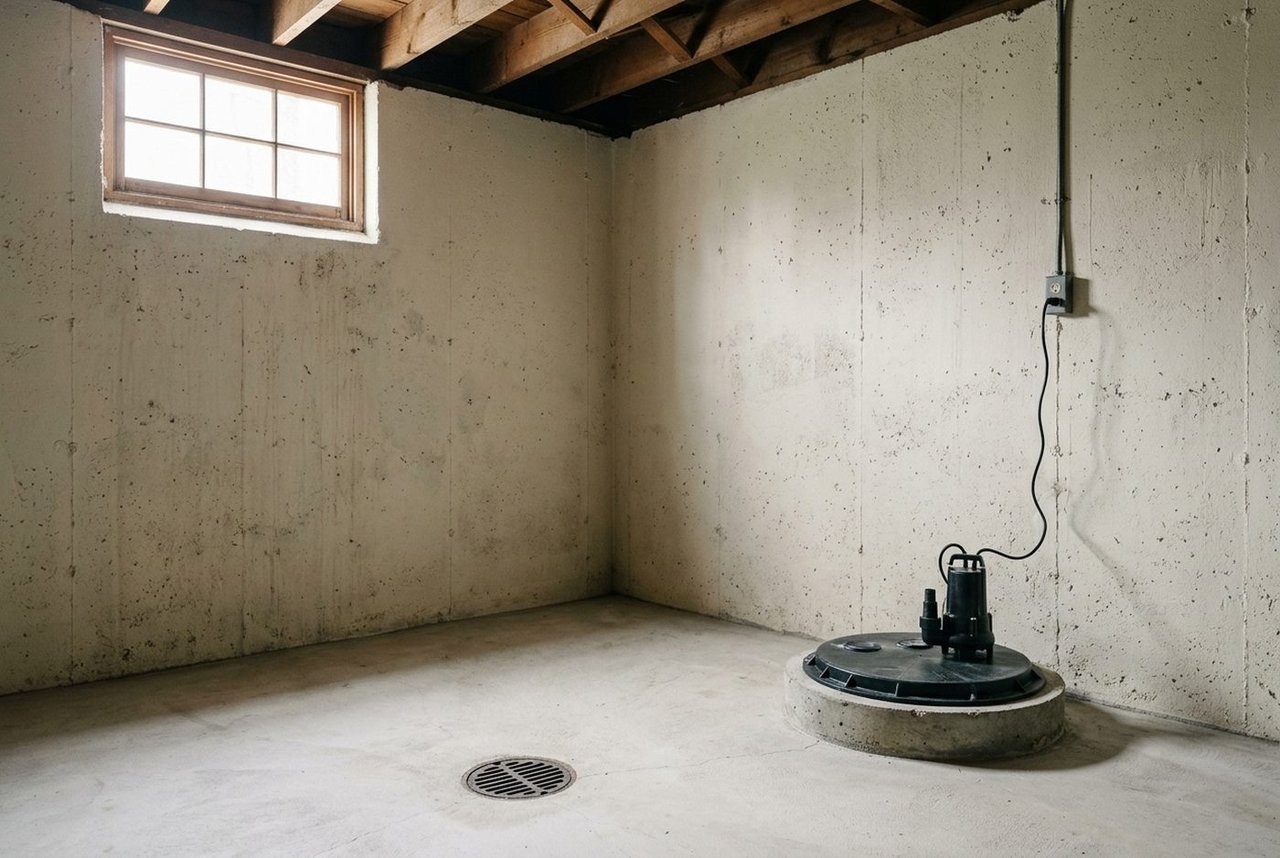
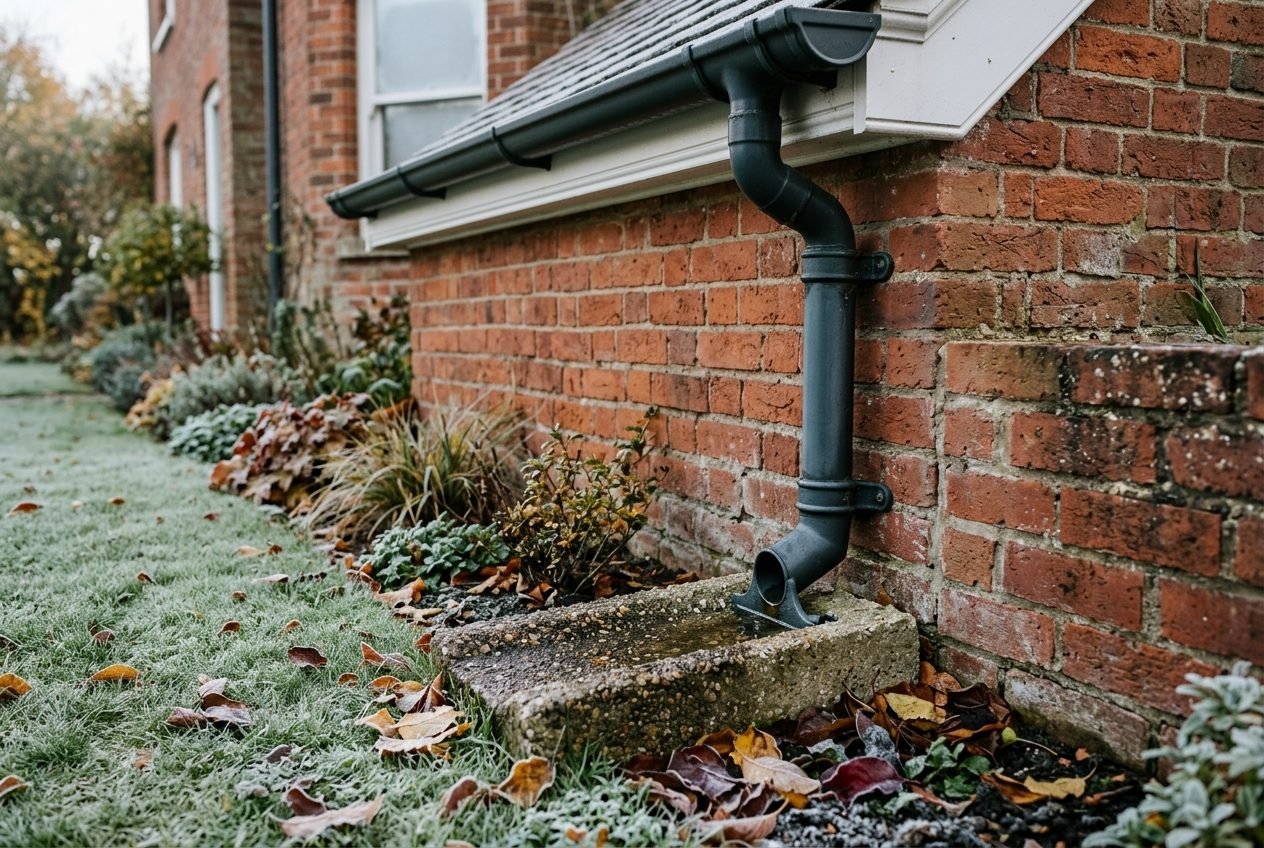
Fix drainage first: gutters, downspouts, grading, a working sump pump, and any cracks that leak. Then see whether the space stays dry through a wet season. For how I read a damp basement, read Should a Musty or Wet Basement Stop You From Buying an Older Home?.
Do you need permits?
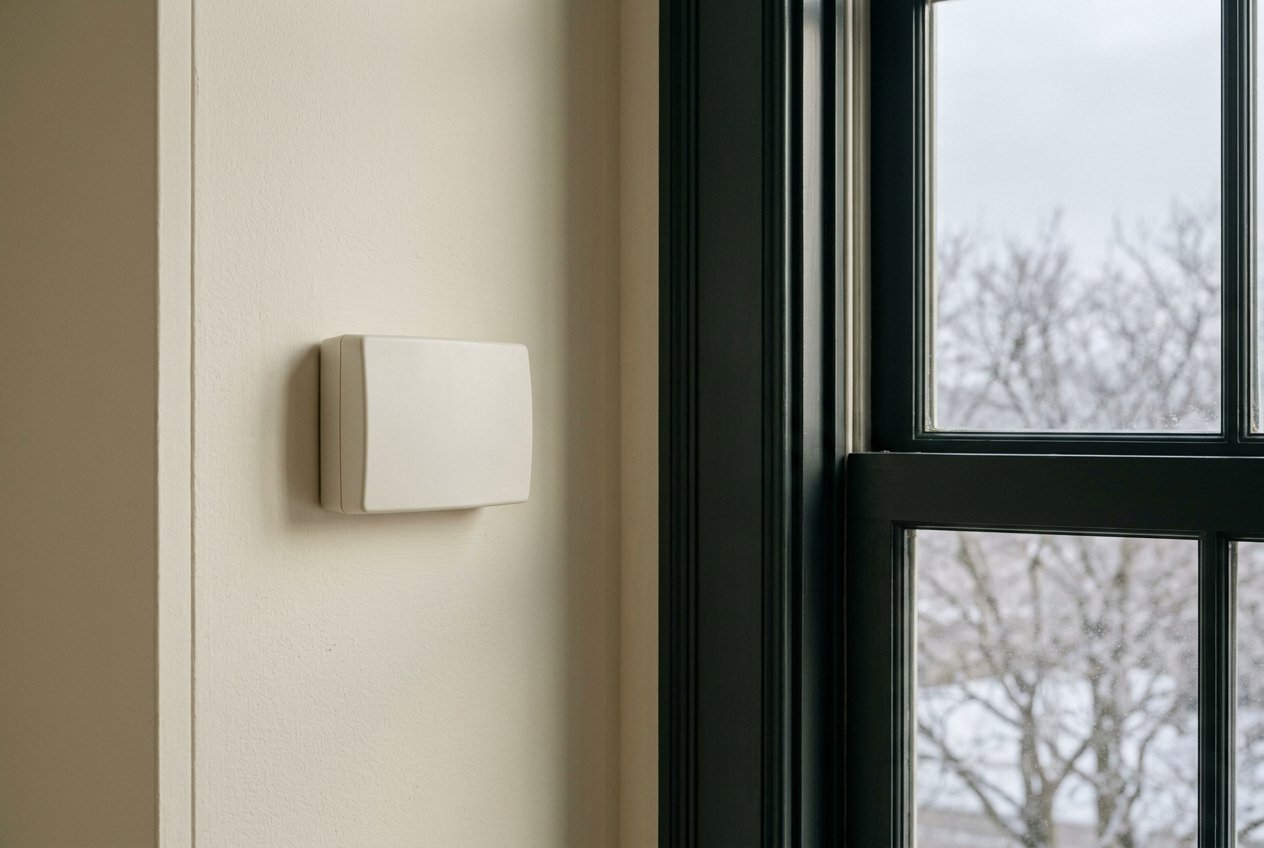
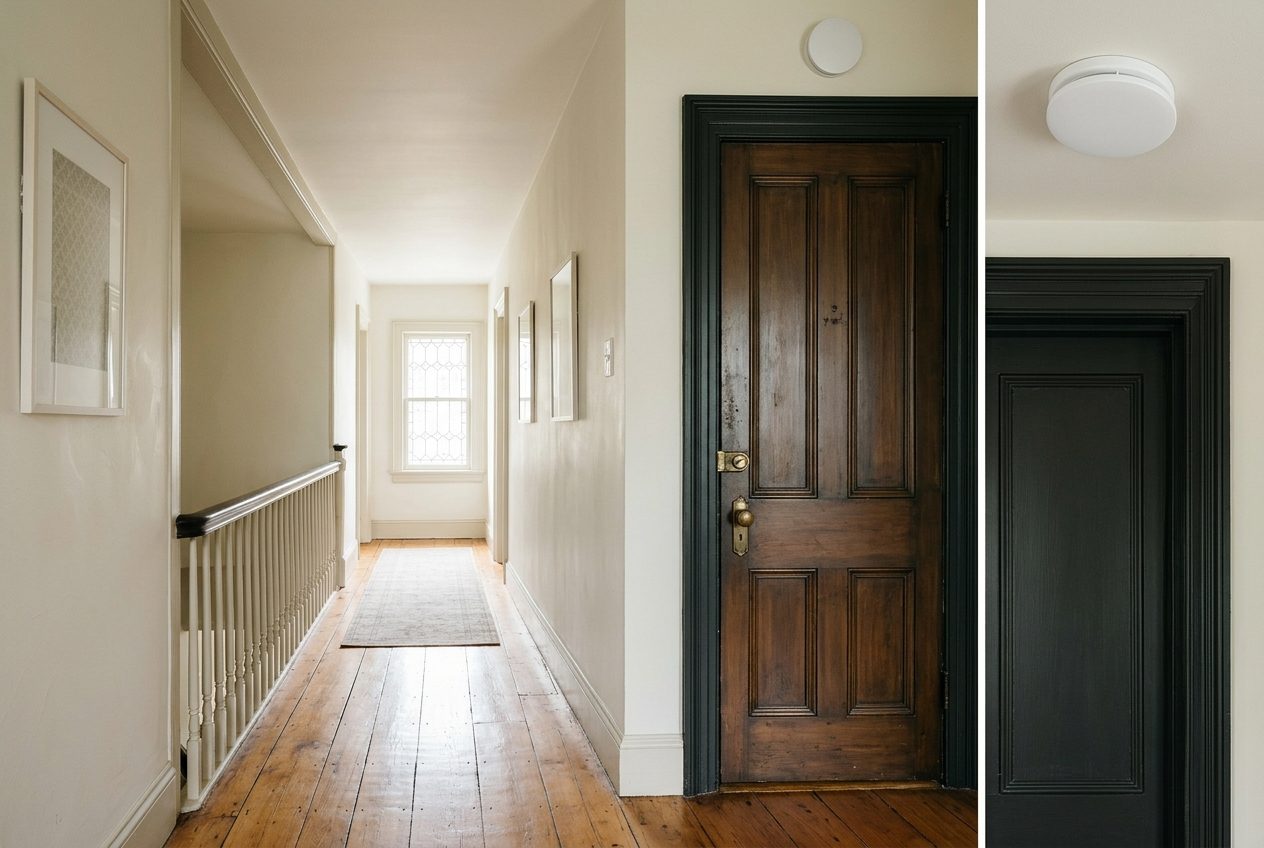
Often, yes. Finishing a basement can involve electrical, plumbing, framing, egress windows, and smoke and carbon monoxide detectors. Your township sets the rules, and some require permits and inspections for finished space. Ask the township before you start.
Unpermitted work is a common problem for buyers. It can raise questions at the inspection and with insurers and lenders, and a buyer may ask you to fix it, credit them, or walk away. If the basement was finished before you owned the house, find out whether it was permitted. For why permits matter when a house has been updated, read How Can You Tell If a Renovation Was Done Right Before You Buy?.
Does it count as living space?
Not always. Listings count finished above-grade living area differently from below-grade space, and buyers and appraisers treat them differently. A finished basement tends to add some value and usefulness, but it rarely counts the way upstairs square footage does. Ask your agent how comparable sales in your area treat finished lower levels, rather than assuming a number.
What does a good finish need?
If you do finish it, do it right.
- A dry space with moisture addressed first
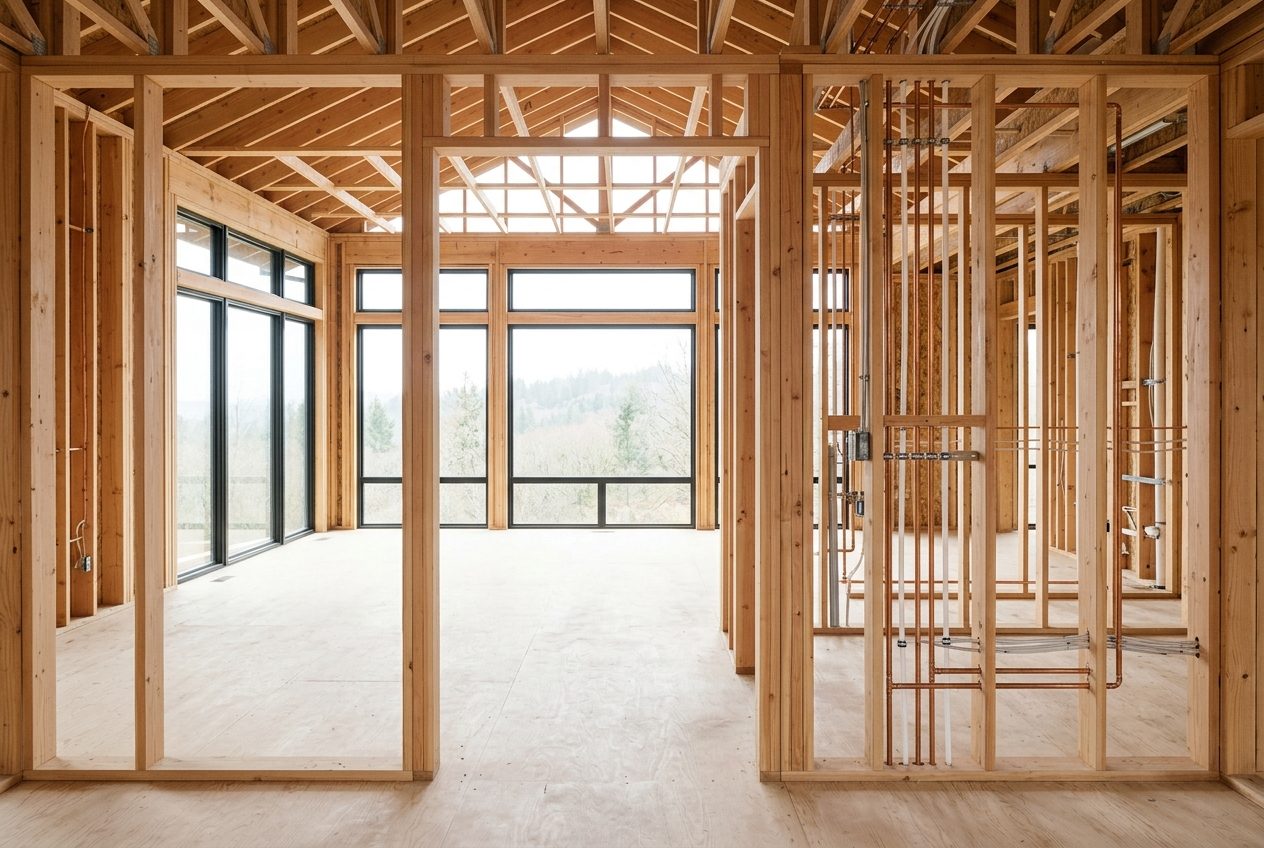
- Proper framing and insulation, with materials that tolerate damp, such as treated lumber at the floor
- A way for the space to breathe, with heating, cooling, and ventilation
- Electrical done to code, with the right outlets and protection
- Egress if a bedroom is included, and detectors everywhere required
- Finishes that can handle the occasional wet day, such as hard flooring rather than wall-to-wall carpet
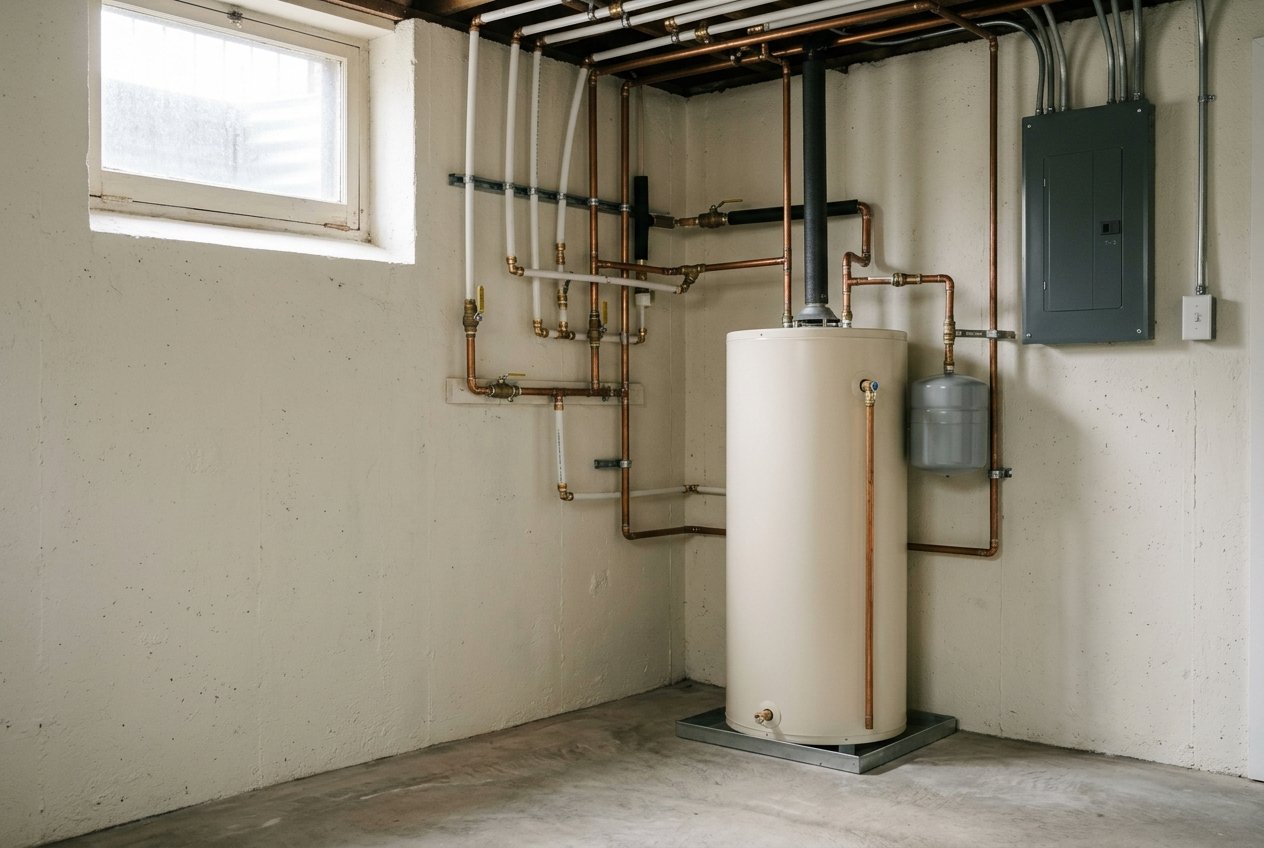
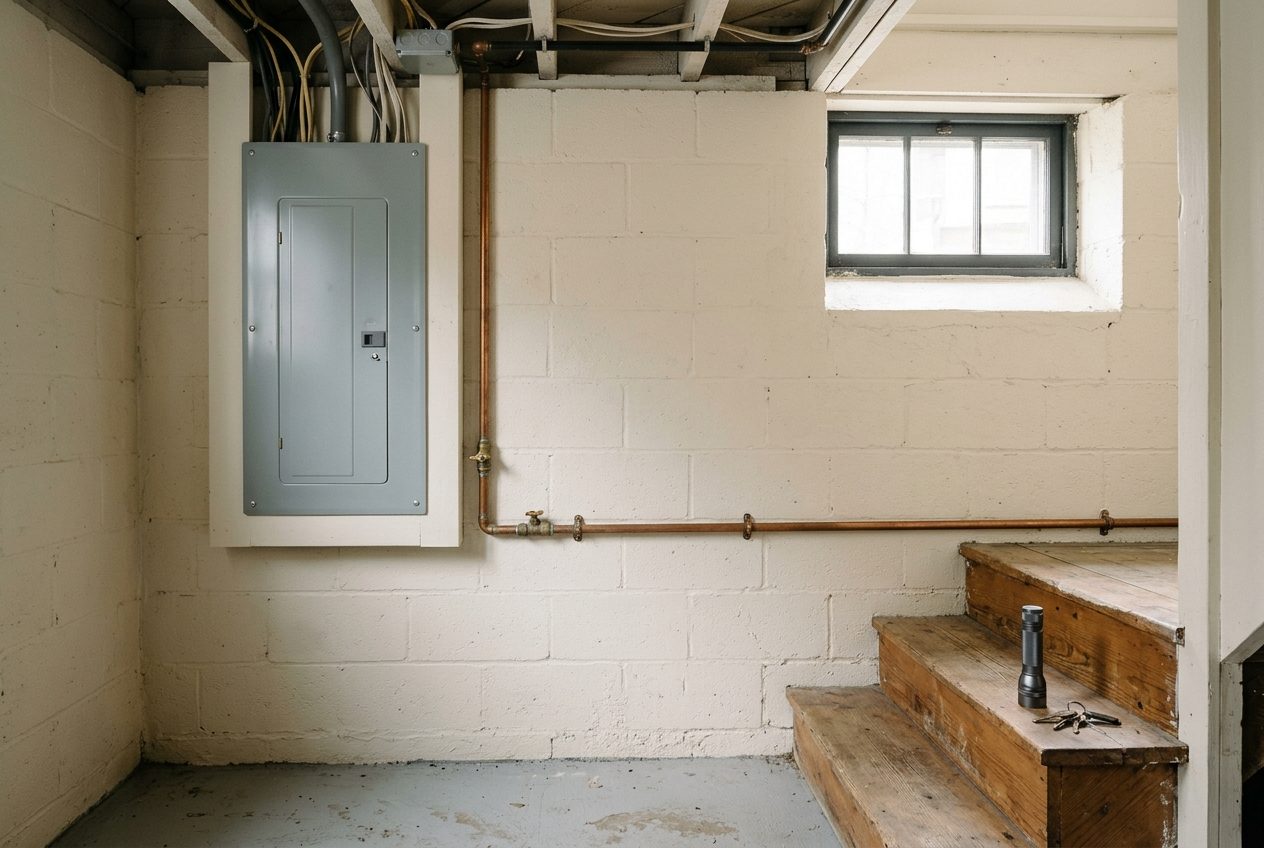
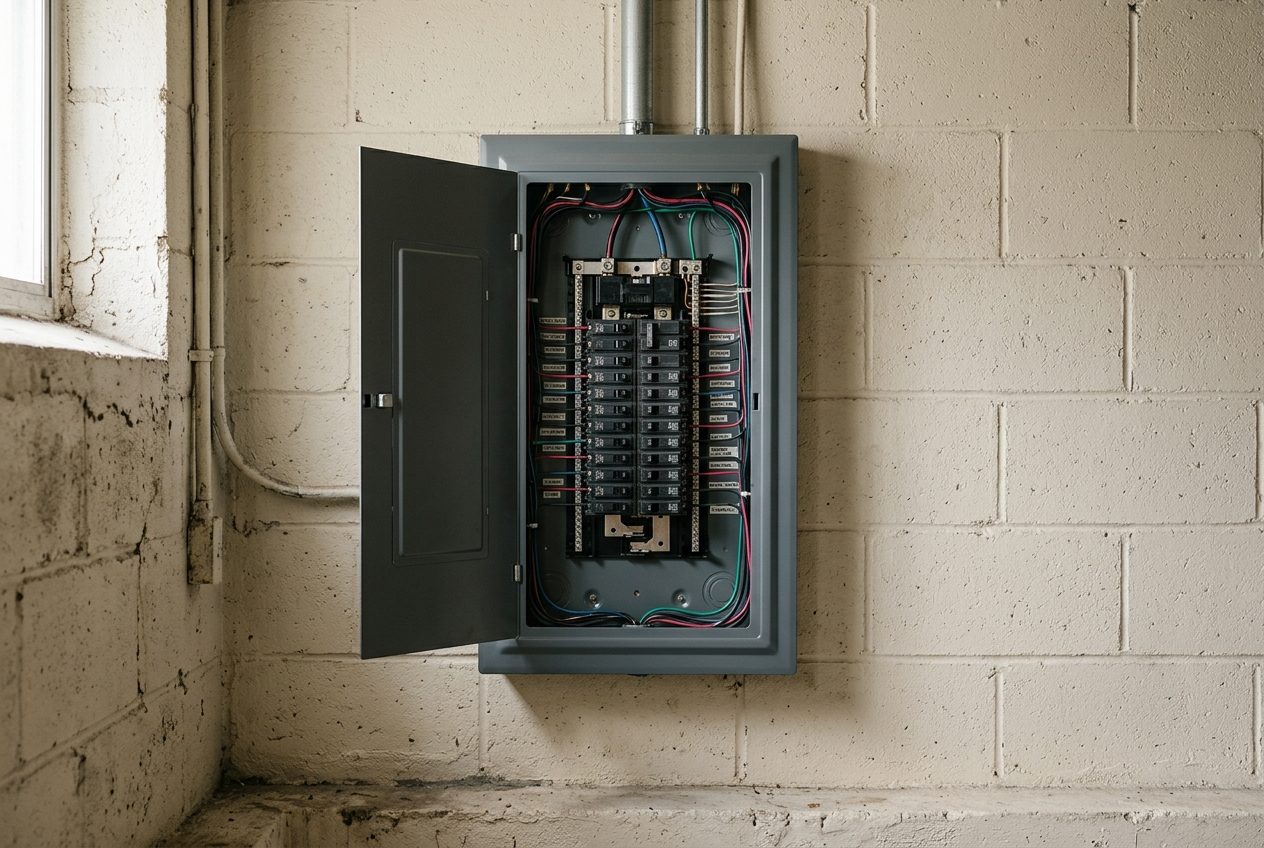
- Access to shutoffs, cleanouts, and the panel, so nothing important is walled in
When does it make sense to finish?
- You plan to live in the house for years, and you will use the space
- The basement is dry, high, and well lit, with good egress
- You can afford the work without needing it to pay back at sale
- The neighborhood's buyers expect finished lower levels
When should you leave it alone?
- Any history of water, even if it is fixed
- Low ceilings or poor light that limit the space
- A tight listing timeline
- A budget that would go to higher-return fixes first
In many sales, the better move is a clean, dry, well-lit unfinished basement with the mechanicals in good shape. Buyers can imagine their own plan, and a new inspector finds nothing to argue about. For where seller money tends to work harder, read What Upgrades Give the Best ROI Before Selling?.
What if the basement is already finished?
Then your job is to document it. Gather permits, receipts, and warranty paperwork. Be ready to say who did the work and when. Fix any visible moisture, and be honest in the property disclosure about known water problems. A finished basement with a paper trail is an asset. One without is a question mark.
What do buyers look for in a finished basement?
- Signs of moisture, such as staining, a musty smell, swollen baseboards, or a dehumidifier running hard
- Ceiling height and natural light
- Permits and egress
- Access to the mechanicals
- Quality of finish, including how the work meets the old foundation and floor
What are the common mistakes?
- Finishing before fixing the water
- Skipping permits
- Burying the sump pump or shutoffs behind walls
- Overbuilding for the neighborhood
- Hiding a past leak instead of documenting the repair
FAQ
Does finishing a basement increase my home's value?
It can add usefulness and some value, but it usually does not count like above-grade living area, and the return varies. Ask your agent how comparable sales in your area treat finished lower levels.
Do I need a permit to finish a basement?
Often yes. Your township sets the rules, and finished space can involve electrical, plumbing, egress, and detectors. Ask the township before you start.
Should I finish my basement before I sell?
Usually not, unless the space is dry, the work is permitted, and the finish is high quality. A clean, dry unfinished basement sells fine.
What if my basement was finished by a previous owner?
Find out whether it was permitted, gather any paperwork, fix visible moisture, and disclose known water problems.
If you are weighing what to do before you list and want a builder's read on your basement, book a 30-minute call. Bring the address.