"$5,000?"
"$20,000?"
"$50,000?"
How much should I spend getting my house ready to sell?
It's one of the most common questions sellers ask me—and there isn't a magic number.
In fact, I think starting with a dollar amount is often the wrong place to start.
With more than 20 years of experience in custom home building, construction management and renovation, I've seen homeowners spend significant amounts of money improving properties.
I've also seen homeowners spend money on things that the next buyer simply didn't value enough to pay them back for.
So before I tell a seller what to spend, I want to answer a much more important question:
What are we trying to accomplish?
Don't Renovate Just Because You're Selling
There's a strange thing that happens when homeowners decide to sell.
Suddenly, all of the projects they've lived with for years feel urgent.
The kitchen needs renovated.
The bathrooms need updated.
The floors need replaced.
The basement needs finished.
And my question is:
Does it?
Remember, we're not creating your dream home anymore.
We're preparing the property for your next buyer.
Those are two completely different objectives.
Every Dollar Should Have a Job
This is one of my biggest rules when preparing a home for market.
If I'm recommending that you spend money, I want to be able to explain why.
Generally, that investment should accomplish at least one of these things:
- Remove a potential buyer objection
- Improve the home's presentation
- Increase perceived value
- Protect the property's value
- Improve marketability
- Help the home compete more effectively
- Expand the potential buyer pool
If we can't identify what the money is supposed to accomplish, we need to question whether you should spend it.
Every dollar should have a job.
$5,000 Spent Strategically Can Beat $50,000 Spent Poorly
More money does not automatically equal a better result.
Suppose I walk into one property and recommend:
Fresh paint.
Updated lighting.
Professional cleaning.
Landscaping.
A few strategic repairs.
Maybe that investment is relatively modest, but the house suddenly feels brighter, cleaner, better maintained and more current.
Now imagine another seller spends $50,000 renovating a kitchen based entirely on their personal taste.
Will buyers pay $50,000 more for the house?
Maybe.
Maybe not.
That's why I don't want to guess.
I want to understand the market before we determine the scope of work.
I Use Four Categories When Evaluating Pre-Listing Improvements
When I walk through a seller's home, I like to separate potential projects into four buckets.
1. MUST ADDRESS
These are issues that could materially affect the transaction, create significant buyer concern or deserve further professional evaluation.
Examples could include obvious deferred maintenance, water intrusion, safety concerns or known defects.
This doesn't automatically mean every issue needs to be repaired before listing.
It means we need to understand it and create a strategy around it.
2. SHOULD IMPROVE
These are the items that I believe could meaningfully improve presentation, marketability or buyer perception.
That might include:
- Paint
- Flooring
- Lighting
- Landscaping
- Minor repairs
- Cleaning
- Decluttering
- Updating particularly dated finishes
These are often where we can find the strongest impact without undertaking a major renovation.
3. NICE TO HAVE
These improvements could help—but they're not necessarily essential.
Whether we complete them depends on:
Your budget.
Your timeline.
Your competition.
Your expected sale price.
And the likely return.
4. LEAVE IT ALONE
This might be my favorite category because sellers rarely expect to hear it.
Sometimes I want you to do nothing.
If I don't believe an improvement will materially change our outcome, I don't want you spending money simply because you think you're "supposed to" before selling.
There are situations where the next buyer may prefer to make the improvement themselves.
Let them.
Your Price Point Matters
Buyer expectations change at different price points.
The preparation strategy for a $300,000 property isn't necessarily the same as the strategy for a $750,000 home or a multimillion-dollar luxury property.
As price increases, expectations surrounding condition, finishes, maintenance and presentation may change as well.
That's why generic internet lists like "10 Things You Must Renovate Before Selling" can be misleading.
Your house doesn't exist in a vacuum.
It exists within a specific market.
Your Neighborhood Matters Too
A renovation needs context.
What have nearby homes sold for?
What condition were they in?
What does your competition look like?
What features are buyers expecting in this particular neighborhood?
What is the realistic ceiling for the property?
If beautifully renovated homes in your neighborhood are selling for only slightly more than well-maintained but dated homes, a massive renovation immediately before selling may be difficult to justify.
On the other hand, if condition is creating a significant difference in value or buyer demand, strategic improvements may be worth considering.
We need to know which situation we're in before you start writing checks.
Don't Forget the Things Buyers Can't Ignore
Sellers understandably gravitate toward cosmetic projects.
But sometimes the money needs to go somewhere much less exciting.
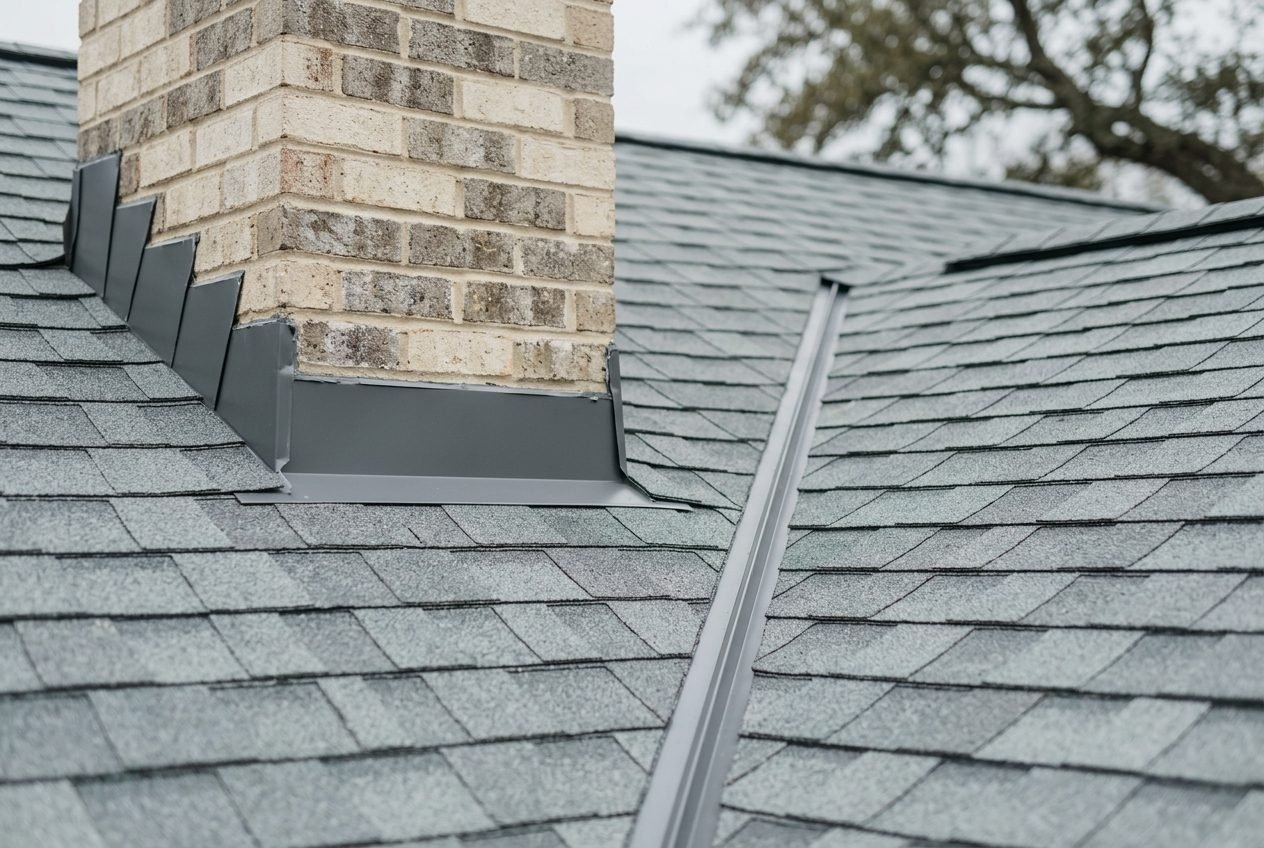
Roofing.
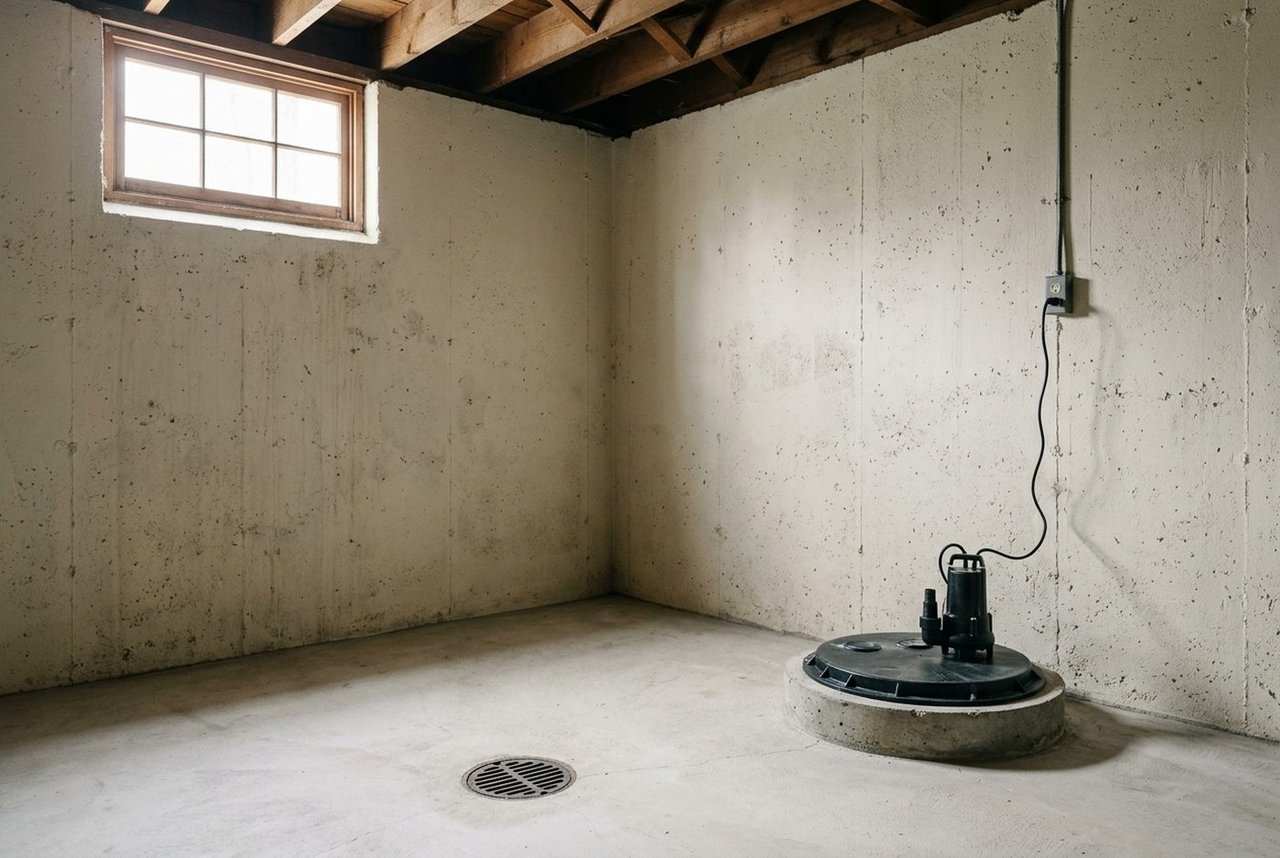
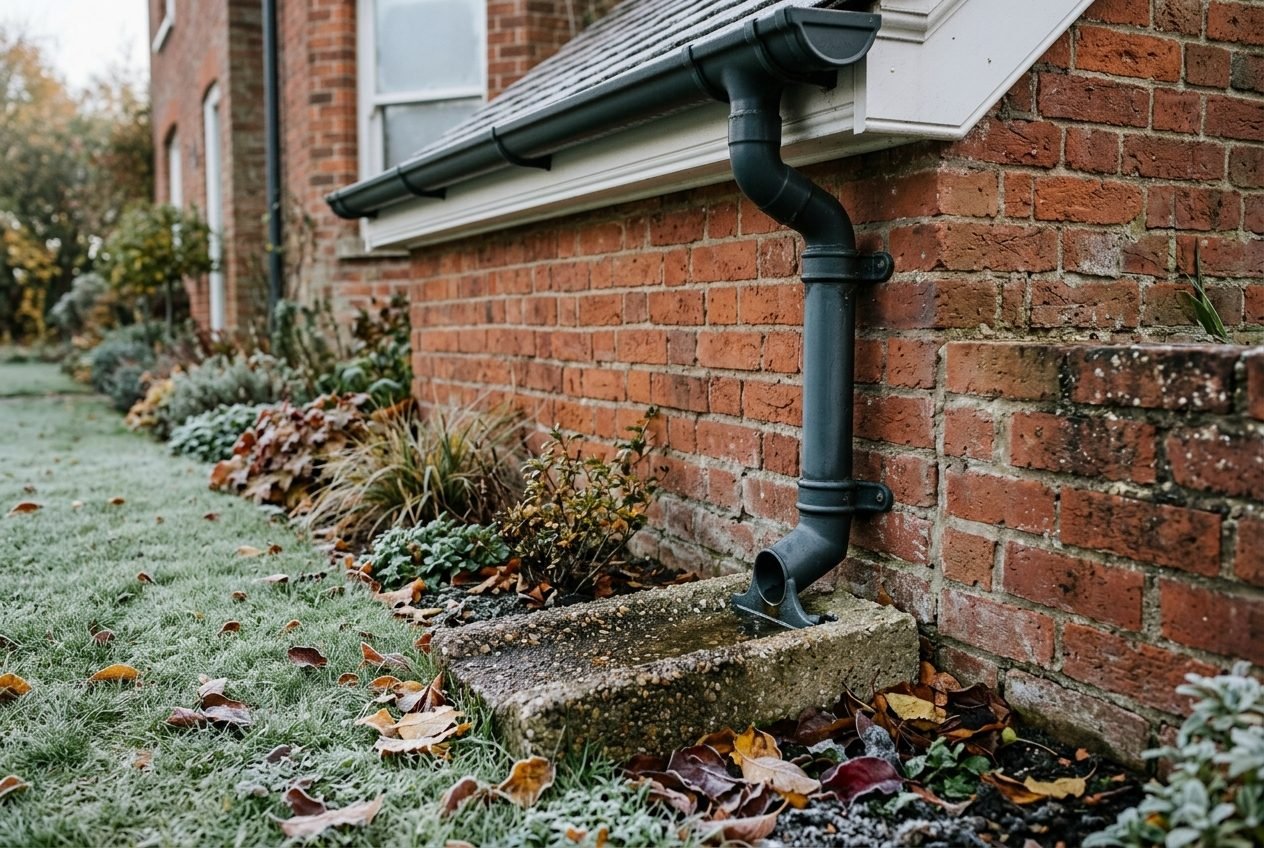
Drainage.
Electrical.
Plumbing.
HVAC.
Exterior maintenance.
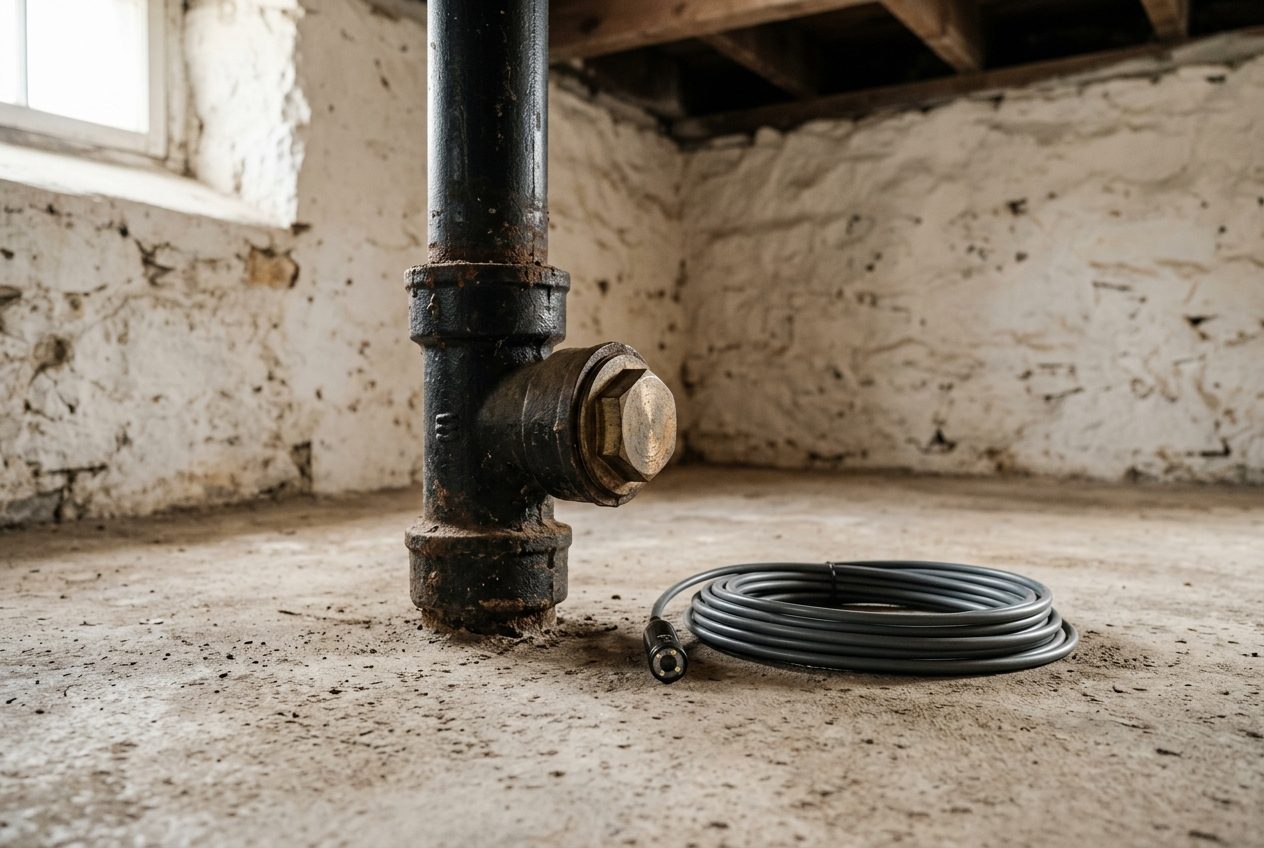
Water intrusion.
Deferred maintenance.
These aren't glamorous improvements.
But a beautiful new bathroom may not matter very much when a buyer is worried about a much larger underlying issue.
My construction background means I'm looking at the house from both perspectives:
What makes it attractive?
And:
What could make a buyer hesitate?
Preparation Is Part of Your Marketing Strategy
I don't view preparing the property and marketing the property as two separate processes.
The preparation is where the marketing begins.
We're preparing the house for:
Photography.
Video.
Online presentation.
Showings.
Inspections.
Buyer expectations.
And ultimately, the offer.
If I'm going to market your property as beautifully maintained, thoughtfully updated or move-in ready, the condition of the home needs to support that story.
Don't Wait Until Two Weeks Before You Want to List
One of the best things a seller can give me is time.
If you're thinking about selling in six months—or even next year—that isn't too early to have me walk through the house.
In fact, that's often the ideal time.
We can develop a plan.
We can prioritize.
We can get estimates if needed.
We can schedule contractors without panic.
And we can make thoughtful decisions instead of expensive last-minute ones.
You don't need to have everything finished before calling your Realtor.
Your Realtor should be part of deciding what needs finished.
So, How Much Should You Spend?
Enough to strategically prepare the property for its market.
And not a dollar more simply because someone told you every house needs to be renovated before it sells.
For one seller, the right number might be $3,000.
For another, it could be $30,000.
For another, a more significant renovation may make financial sense.
And for someone else?
My recommendation might be to spend almost nothing.
The number comes after the strategy—not before it.
Call Me Before You Start Spending
If you're considering selling your Pittsburgh home, I want to walk through the property before you start renovating.
We'll look at the house.
We'll look at the competition.
We'll talk about your timeline.
We'll identify the likely buyer.
Then we'll divide potential improvements into:
Must Address.
Should Improve.
Nice to Have.
Leave It Alone.
And we'll decide where your money is most likely to matter.
Because my goal isn't to help you spend more money preparing your home.
My goal is to help you make smarter decisions with the money you do spend.
Thinking About Selling in Pittsburgh?
Whether you're in Pittsburgh, Wexford, Pine Township, Franklin Park, Cranberry Township, Mars, the North Hills or the surrounding suburbs, let's create your pre-listing property strategy before the projects begin.
Ask Aubre Before You Renovate.
Every Dollar Should Have a Job.
Builder Eyes. Real Estate Strategy. Better Results.
Knowledge Starts with Knowing®.
Aubre Stacknick, Realtor®
Global Real Estate Advisor
Piatt Sotheby's International Realty
Your Next Chapter Starts Here.