Before you write an offer, ask what the seller knows, what the seller was never required to find out, what the inspection will and will not cover, and what would make you walk away. Pennsylvania law requires a seller to disclose known material defects, but it does not require the seller to investigate, so the rest is your job.
An offer is a promise with a price on it. Most of the regret I hear from buyers does not come from the price they paid. It comes from a question they did not ask before they signed.
Here are the questions I ask before any client writes an offer.
Aubre J. Stacknick is a Global Real Estate Advisor with Piatt Sotheby's International Realty in Pittsburgh, PA, helping buyers and sellers across Western Pennsylvania see a home through a builder's eyes. I have built and renovated homes, and I read a house the way a builder reads it: what is behind the finish, and what it will cost later.
What does the seller actually know about this house?
Start with the Seller's Property Disclosure Statement. Under the Pennsylvania Real Estate Seller Disclosure Law, a seller who intends to transfer a residential property must disclose any material defects known to the seller by completing a property disclosure statement. A signed and dated copy has to be delivered to the buyer before the agreement of sale is signed (68 Pa.C.S. § 7303). You can read the statute text in the Pennsylvania Department of State's copy of the Residential Real Estate Transfers Law.
The form asks about the roof, basements and crawl spaces, structural problems, additions and remodeling, water and sewage systems, plumbing, heating and air conditioning, electrical, soils and drainage, hazardous substances, and more (§ 7304).
Read it slowly, before you fall for the kitchen. Ask three things as you go:
- Which boxes say "unknown"? That is not a no. It means nobody has checked.
- Does the seller describe repairs or additions? If so, ask who did the work and whether permits were pulled.
- Does the story on paper match what you see when you walk the property?
What was the seller never required to find out?
This is the question most buyers miss. The same law says the seller is not obligated to make any specific investigation or inquiry in order to complete the disclosure statement. The seller may not make statements the seller knows to be false or misleading, and may not fail to disclose a known material defect (§ 7308). But a seller who had no knowledge of an error or omission is generally not liable for it (§ 7309).
In plain words, the disclosure tells you what the seller knows. It does not tell you what is true about the house. A wet corner behind finished drywall, a worn-out drain line, or wiring that has aged out can sit unseen for years without anyone being dishonest.
That gap is what your inspections are for.
What will the home inspection cover, and what will it miss?
A general home inspection is a visual look at the major systems and structure, done within the limits of what the inspector can see and reach. It is valuable, and it is not a guarantee. It also does not replace a specialist when the house has something specialized in it.
I wrote about those limits in What Does a Home Inspector Not Check Before You Buy a House? The short version: ask your inspector up front what falls outside the scope, and decide before you write the offer which of those items you want looked at separately.
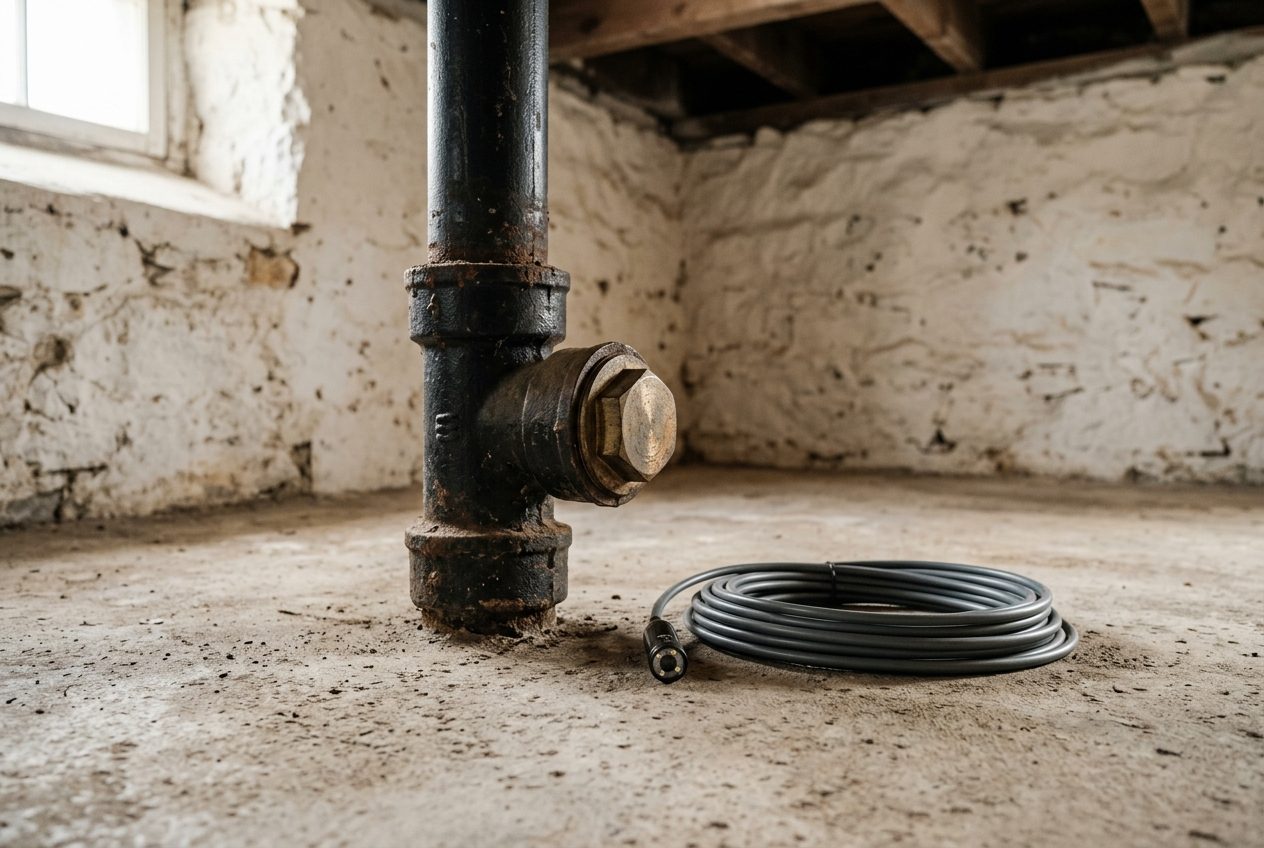
Items that often call for a separate look include the sewer line, radon, a private septic system, a private well, and anything structural the inspector flags for an engineer. I have posts on the sewer scope and radon testing if you want the detail.
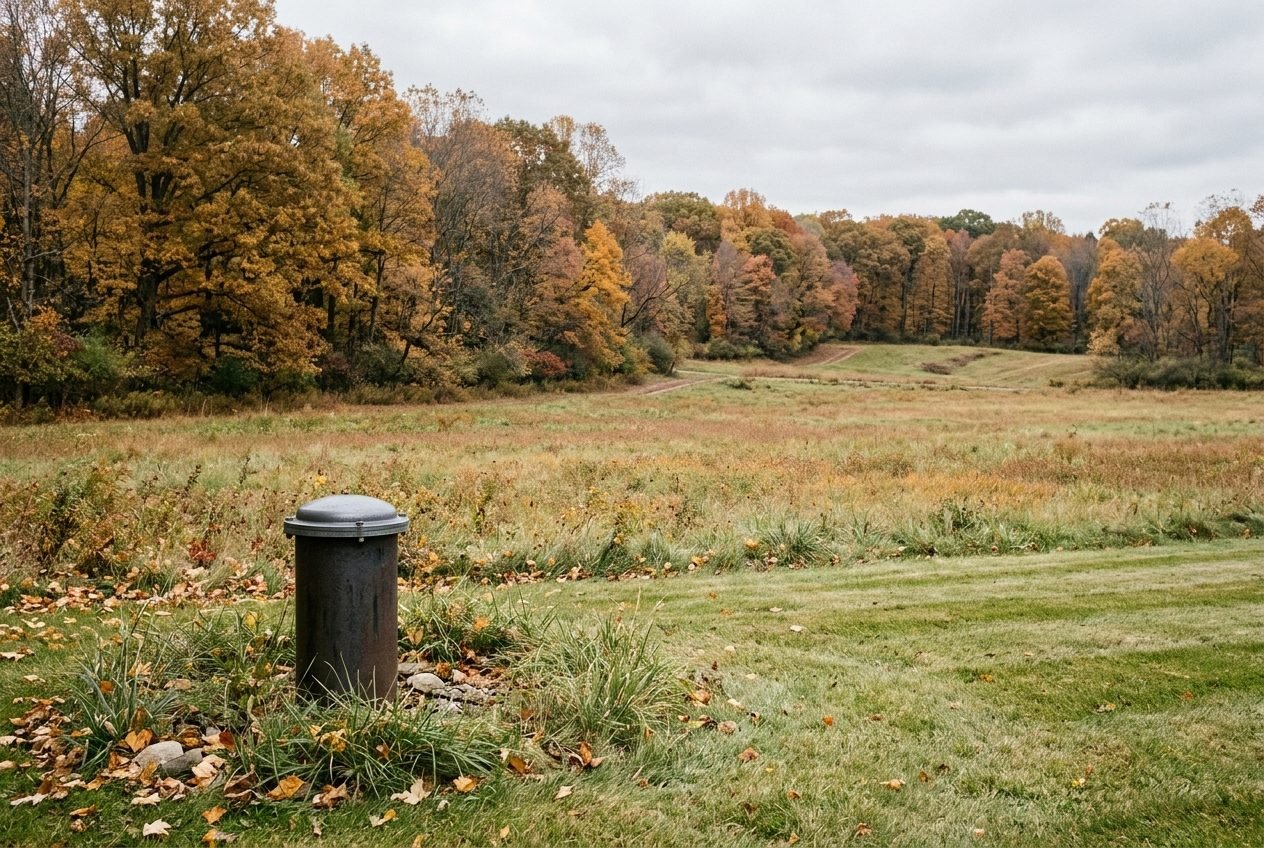
Does this property have a septic system or a private well?
Ask this before the offer, because the answer changes the inspections you will want lined up. Penn State Extension says a septic system can look fine above ground while hiding years of overuse, poor maintenance, or slow-developing damage. It says that without an inspection a buyer generally has no basis to request repairs or a price reduction after closing, and that repair or replacement can cost roughly $10,000 to $60,000 or more depending on the system. Read the full fact sheet: On-Lot Septic System Inspections During Real Estate Transactions.
For private wells, the Pennsylvania Department of Environmental Protection states on its private wells page that it does not regulate private wells. I go deeper on both in Should You Test the Well and Septic System Before Buying a Home in Western Pennsylvania?
If the answer is yes, plan the inspections before the offer, because their timing, and your right to act on the results, are written into the agreement of sale.
What contingencies will the offer include, and how long do they last?
An offer can be conditional. A contingency is a term that says the deal depends on something, such as a satisfactory inspection or financing. How many days you have, what you are allowed to do with the results, and what happens if you and the seller disagree are all spelled out in the agreement of sale.
I am not an attorney, and an agreement of sale is a legal contract. Ask your attorney to explain how the inspection, financing, and appraisal terms work in the contract you are about to sign. Then ask me how those terms tend to play out in the market you are buying in.
What I can tell you as your advisor is this: the shorter the window, the earlier you need your inspector, your specialists, and your contractor lined up. Having them on call before the offer is what makes a short window workable.
What work has been done on the house, and was it done right?
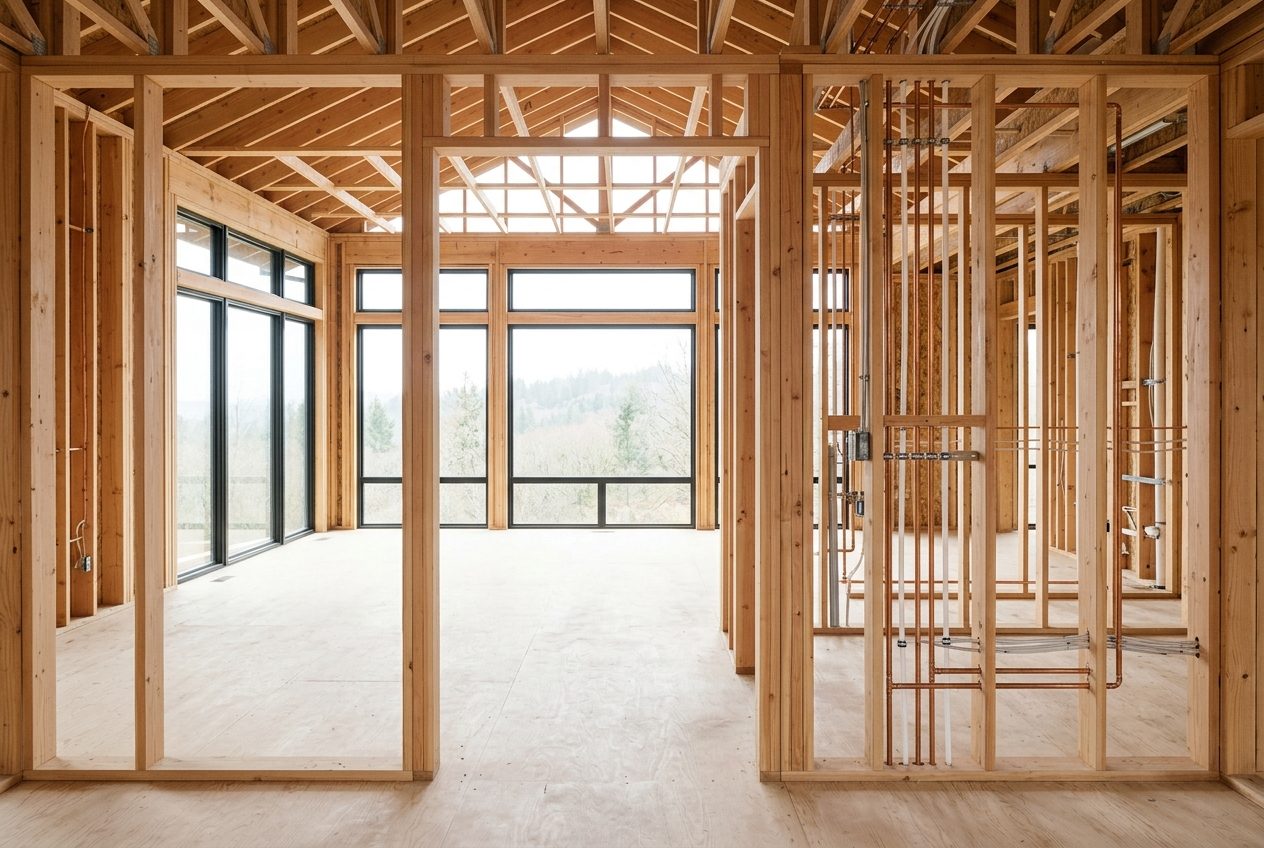
Renovated does not mean sound. Fresh paint and new flooring are the cheapest part of a renovation. The expensive part is what is behind the walls and under the floor.
Ask for the list of improvements, the names of the contractors if the seller has them, and any warranties. Ask whether permits were issued and closed out. Your township or municipal building office can tell you what permits are on record for the address and what they would want to see if work was done without one.
I walk through this in How Can You Tell If a Renovation Was Done Right Before You Buy? If the answers are thin, that is information too, and it belongs in your thinking about the offer.
What will this house cost me after I own it?
The price is the first number. It is not the only one. Before you offer, build a rough picture of the next five years:
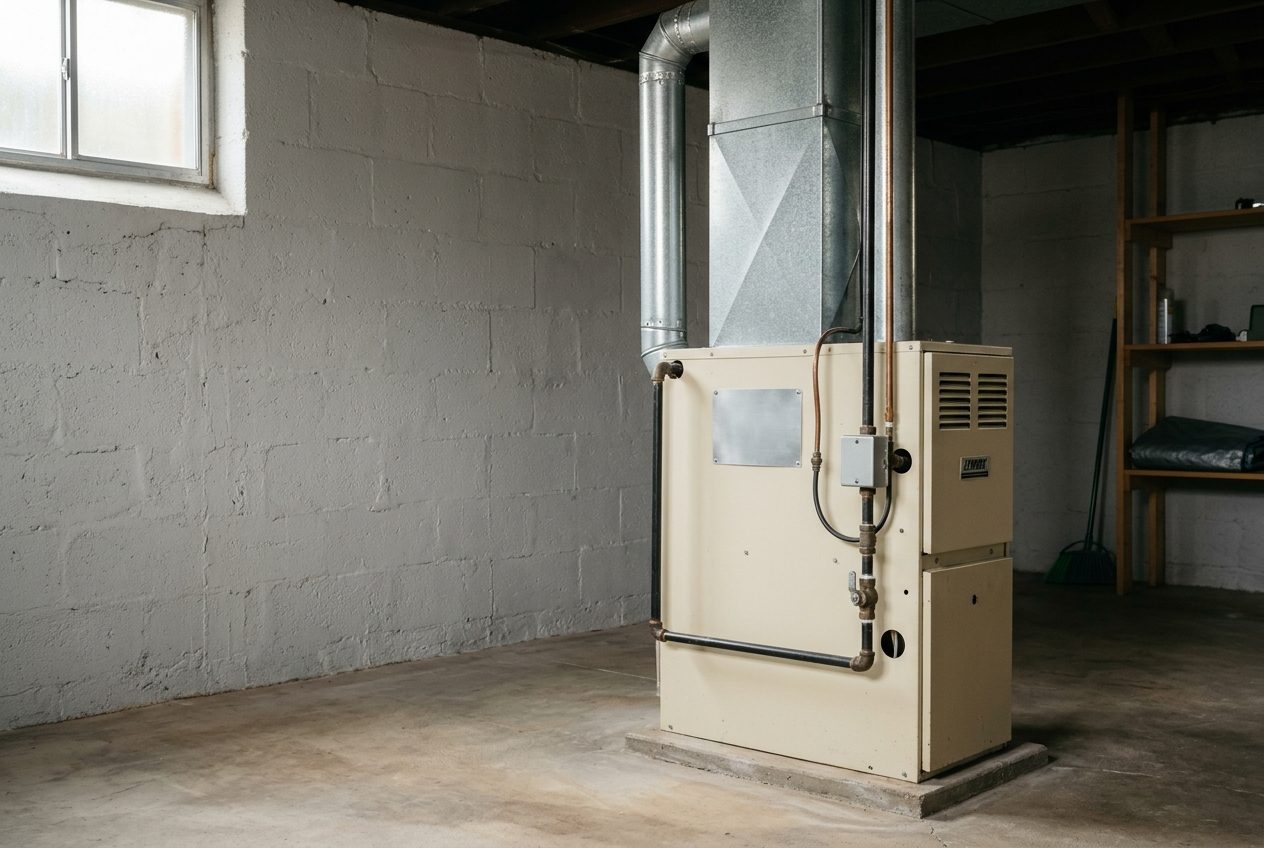
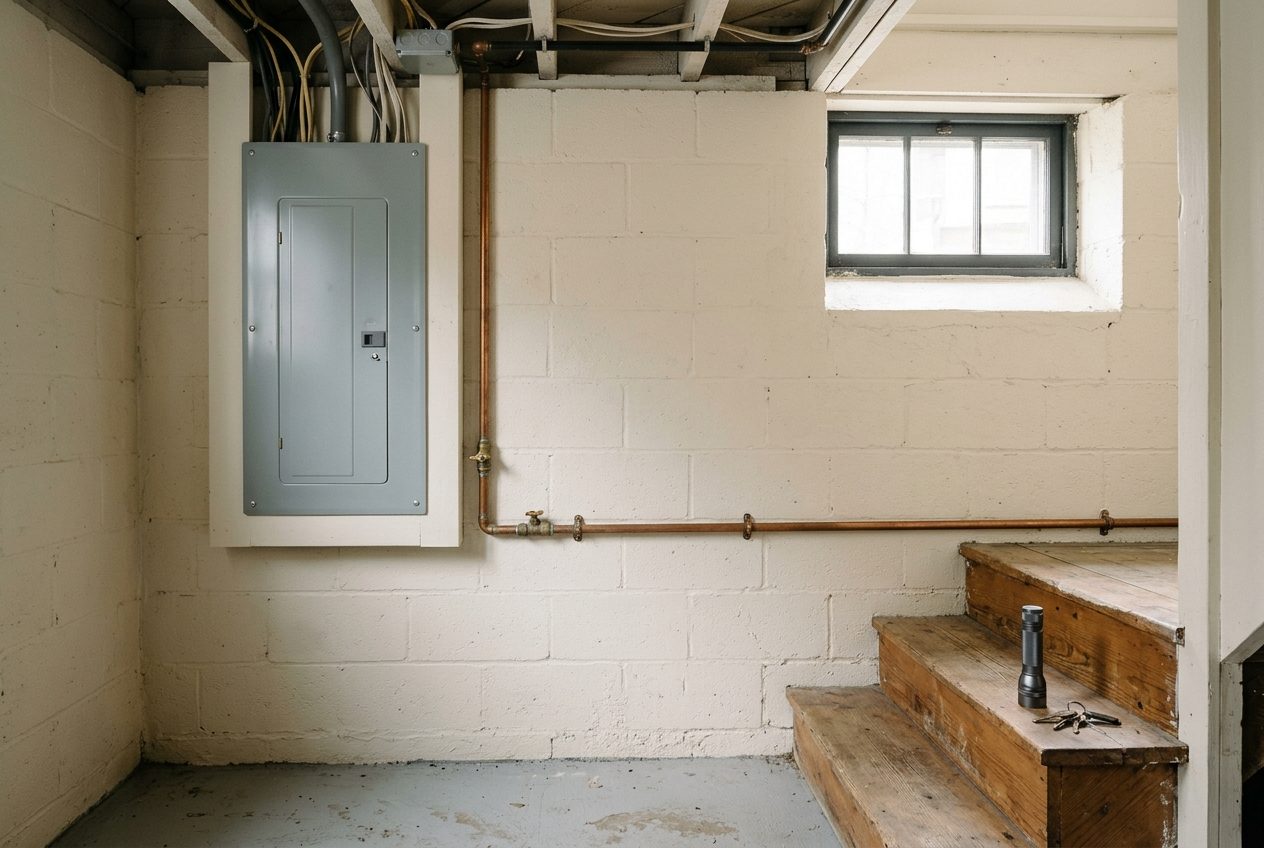
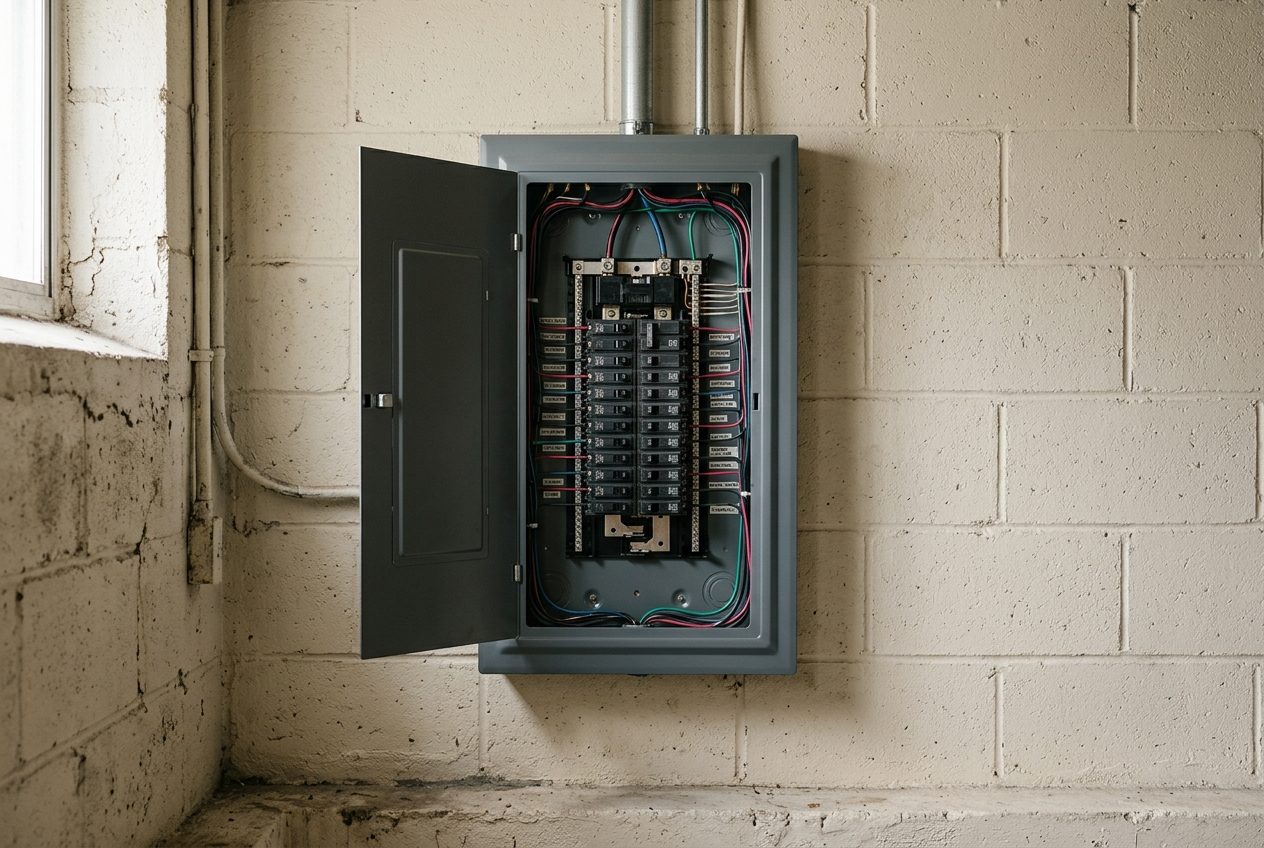
- The roof, the furnace, the water heater, the windows, and the electrical panel. How old are they, and what are the signs they are near the end?
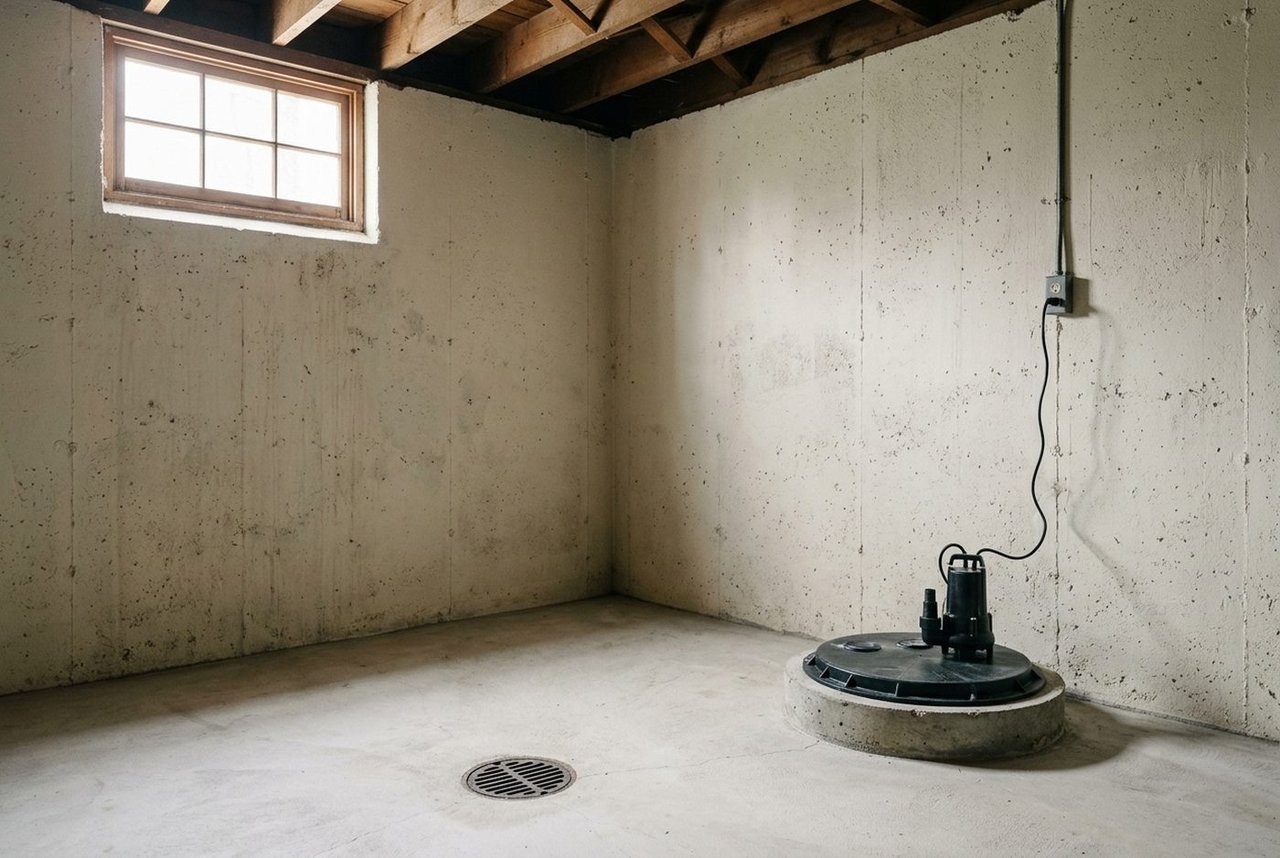
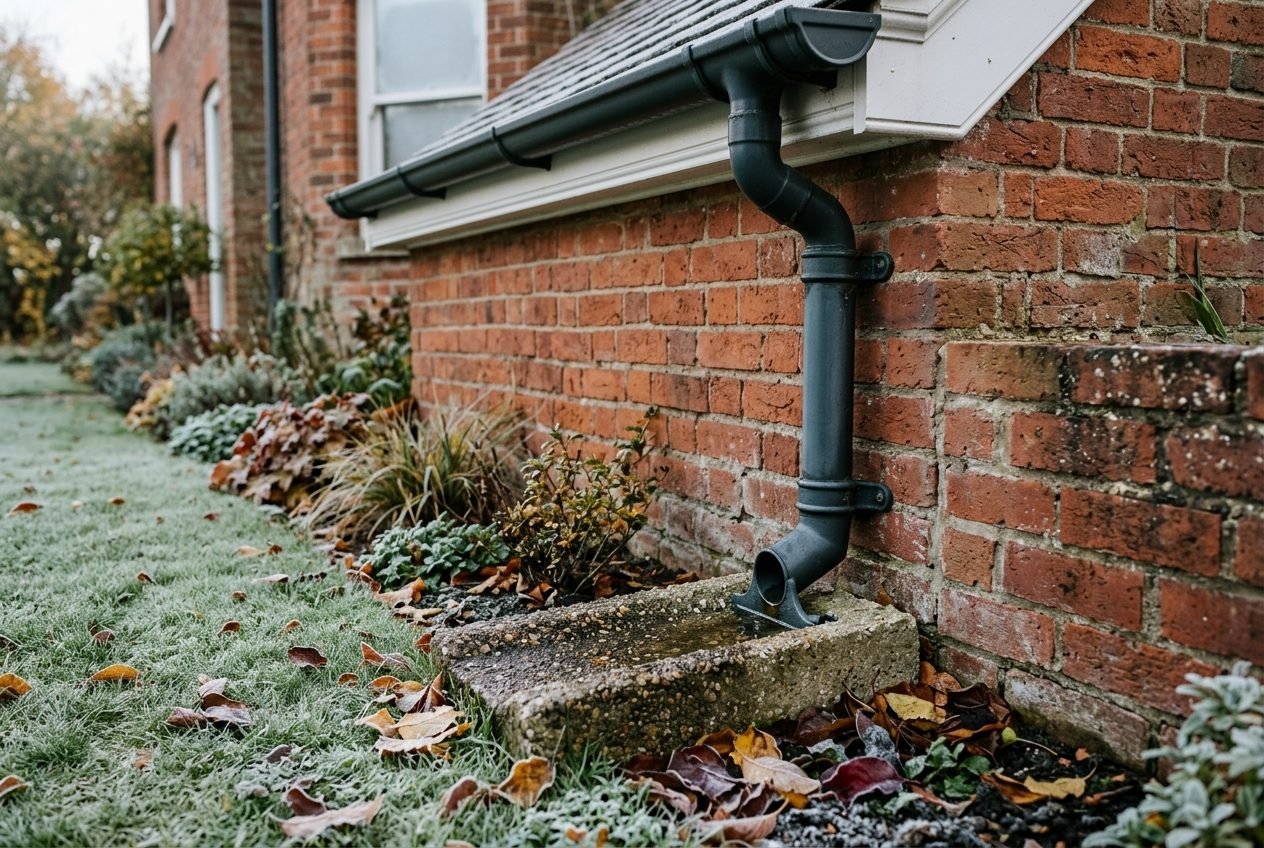
- Drainage and grading. Where does the water go when it rains hard?
- Anything you plan to change, such as a kitchen, a bath, or a basement. What would a contractor charge, and how would that change your budget?
- Taxes, insurance, and any association fees. Ask your lender and your insurance agent for real quotes, not estimates from memory.
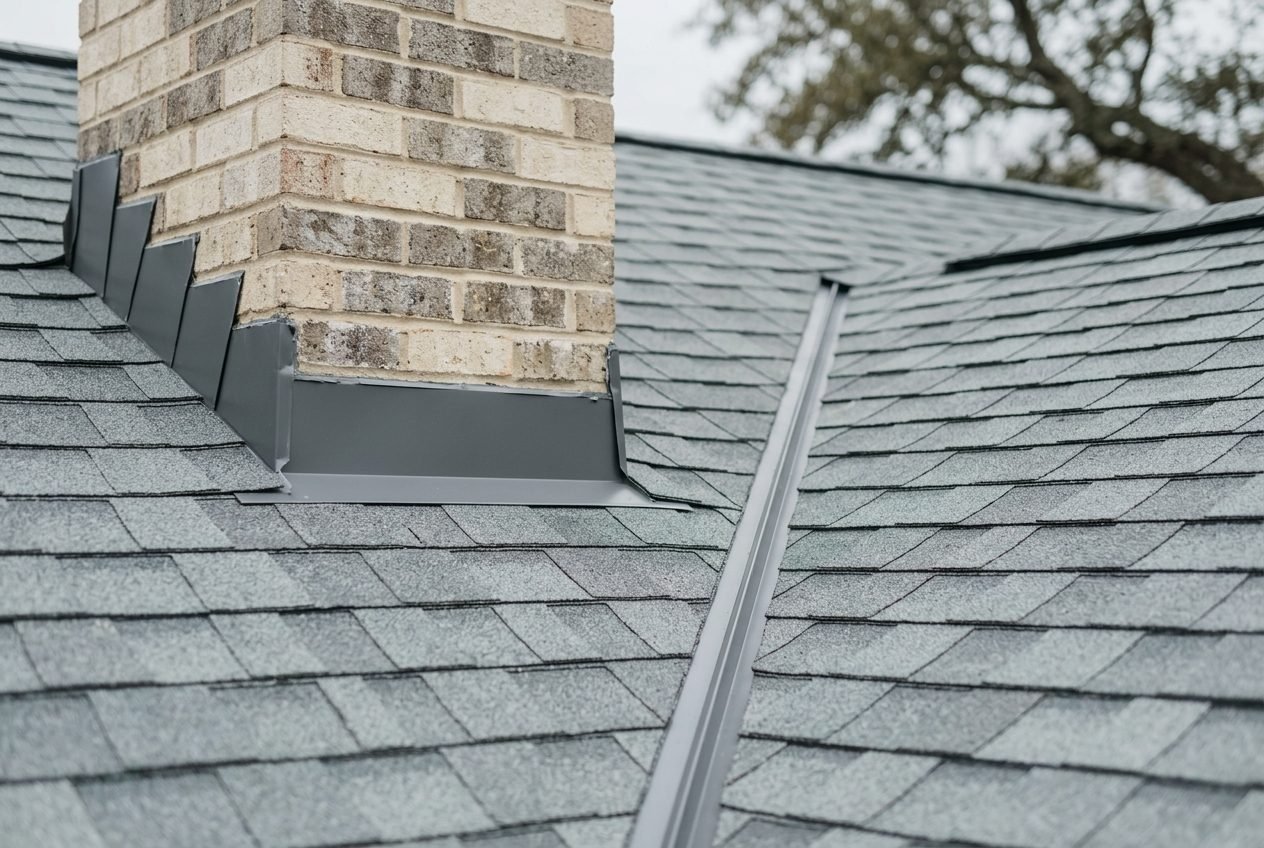
A house with a good price and an old roof is not the same deal as a house with a fair price and a new one. Ask your inspector for an honest sense of what is near the end of its life, and write it down.
If you are weighing an older home, What Should I Look for When Buying an Older Pittsburgh Home? is the checklist I would start from. For a quick screen of where the expensive surprises hide, read How Can I Tell If a House Has Expensive Problems Before I Buy It?
What is included, and what condition must it be in at closing?
Walk through the list in the agreement. Which appliances stay? What about window coverings, light fixtures, a shed, a play set, a generator? If it matters to you, write it in.
Then ask what condition the property must be in at closing. You will usually have a final walk-through before settlement. That is your last look, not the time to start asking questions. For a new build, I wrote a separate checklist: What Should You Check on the Final Walk-Through of a New Construction Home?
Is the price right, and how do we know?
Price is the question everyone asks first, and I would ask it after you know the condition. Two homes on the same street can be worth different amounts because of what is behind the finish.
Ask me for comparable sales, and ask me how the condition of each comparable differs from the house you want. A house that sold for more may have had a new roof and updated systems. A house that sold for less may have needed everything. If the numbers do not line up, the offer should reflect that, and the reasons should be in front of you, not in my head.
For the mechanics of the offer itself, I have written about 5 Ways to Write a Winning Offer in Today's Real Estate Market. A winning offer and a wise offer are two different things.
What would make me walk away?
Decide this before you are emotionally attached. Write down two or three things that would end the deal for you. It might be a structural issue, an unpermitted addition you cannot legalize, a failing septic system, or a repair estimate above a number you set.
With that list in hand, the inspection period becomes a test against your own standards instead of a negotiation driven by how much you like the house.
What are the common mistakes?
- Treating the seller's disclosure as a guarantee
- Skipping an inspection, or shortening the window, to look more attractive without knowing the risk
- Waiting until the offer is accepted to find an inspector
- Writing the offer before knowing what the house will cost in year one
FAQ
Does the Pennsylvania seller disclosure guarantee the condition of a home?
No. The law requires a seller to disclose known material defects but does not require the seller to investigate, and a seller is generally not liable for an omission the seller had no knowledge of. Use the form as a starting point for your own inspections.
When do I get the seller's property disclosure statement?
Under the Real Estate Seller Disclosure Law, a signed and dated copy must be delivered to the buyer before the agreement of sale is signed, so ask for it before you write your offer.
Should I plan inspections before I write an offer?
Yes. Decide which inspections you want, including any for sewer, radon, septic, or a private well, and have the professionals identified so you can use a short inspection window well. Ask your attorney how the inspection terms in your agreement of sale work.
What should I ask if a home has a septic system or private well?
Ask about a septic inspection and a well water test before you offer. Penn State Extension notes that a buyer generally has no basis to request repairs after closing if no septic inspection was done, and Pennsylvania DEP says it does not regulate private wells.
If you are about to write an offer and want a builder's eyes on the house first, book a 30-minute call. Bring the address and the disclosure.