I've walked construction sites for decades, and here's the first thing I want buyers to understand about new construction:
Don't start with the countertops.
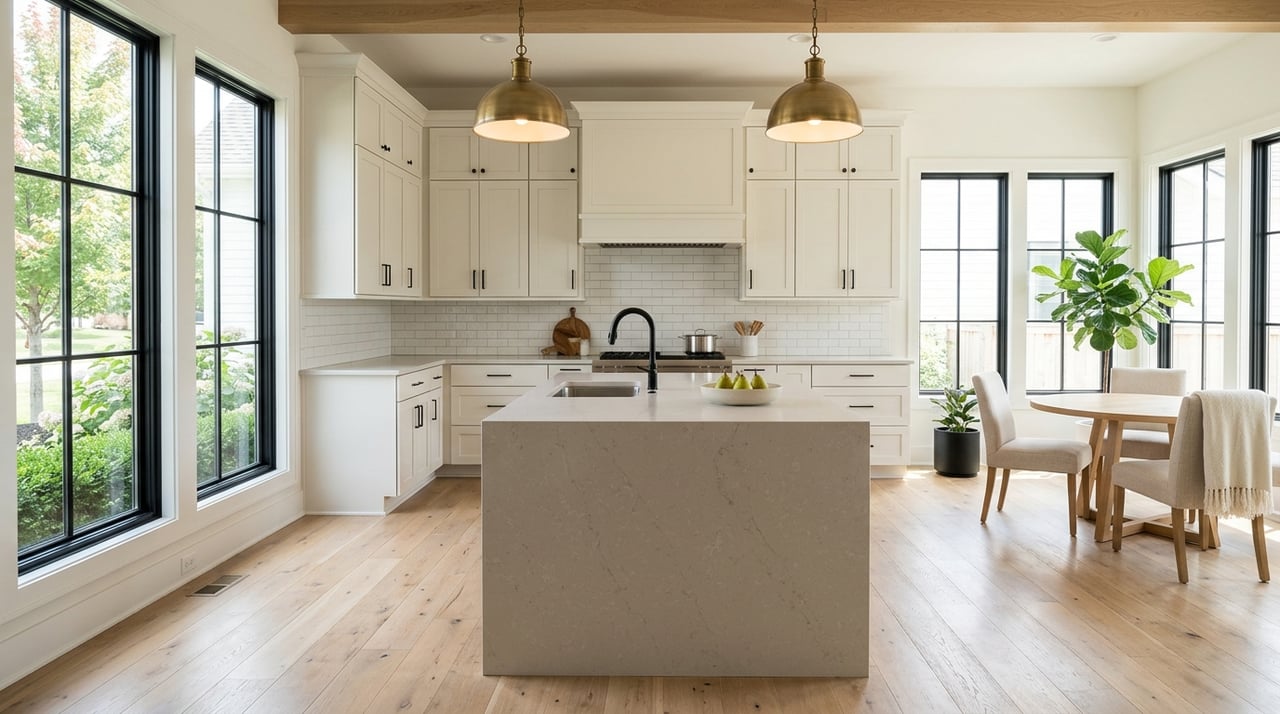
They're fun. So are the cabinets, flooring, fixtures and all of the beautiful selections you'll see in a model home.
But before you fall in love with the finishes, I want you looking at the things that are much harder—and much more expensive—to change later.
The homesite.
The grading.
The drainage.
The structure.
The mechanical systems.
The specifications.
The allowances.
And perhaps most importantly, the process you're agreeing to before construction ever begins.
With more than 20 years of experience in custom home building, construction management and renovation, I approach new construction differently because I know what happens between the blueprint and the finished home.
And there is a lot that happens in between.
1. Start With the Homesite, Not the House
You can renovate a kitchen.
You can't easily change the orientation of your lot.
Before selecting a homesite, I want my buyers thinking about questions like:
- How does the property sit compared with neighboring homes?
- Where will water naturally travel?
- How is the lot graded?
- What's behind the property?
- What might eventually be built around it?
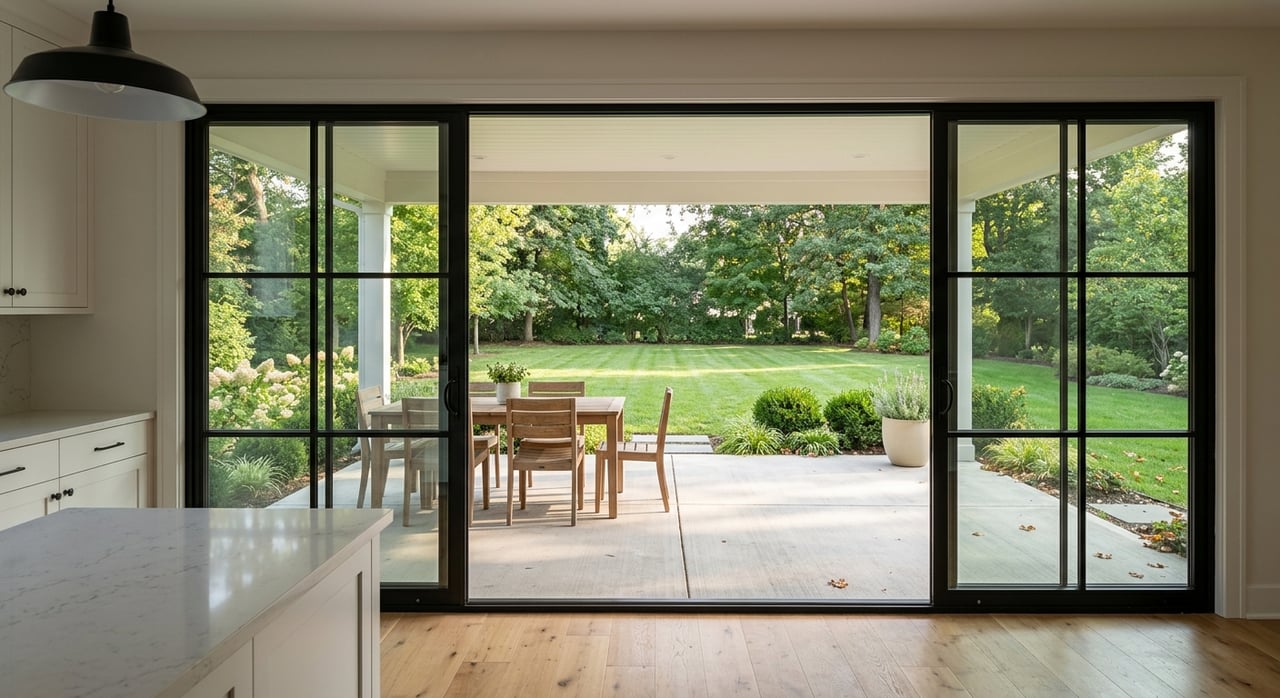
- How much usable yard will you actually have?
- Where does the sun hit throughout the day?
- Will the driveway be steep?
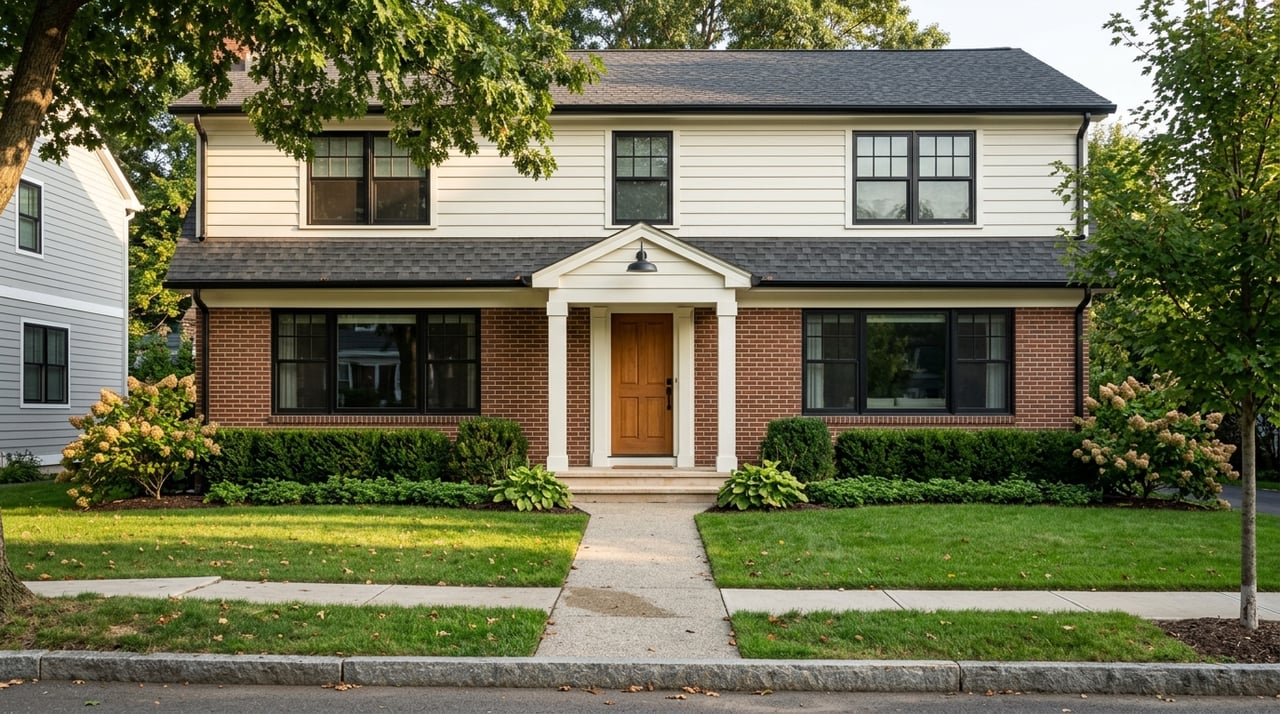
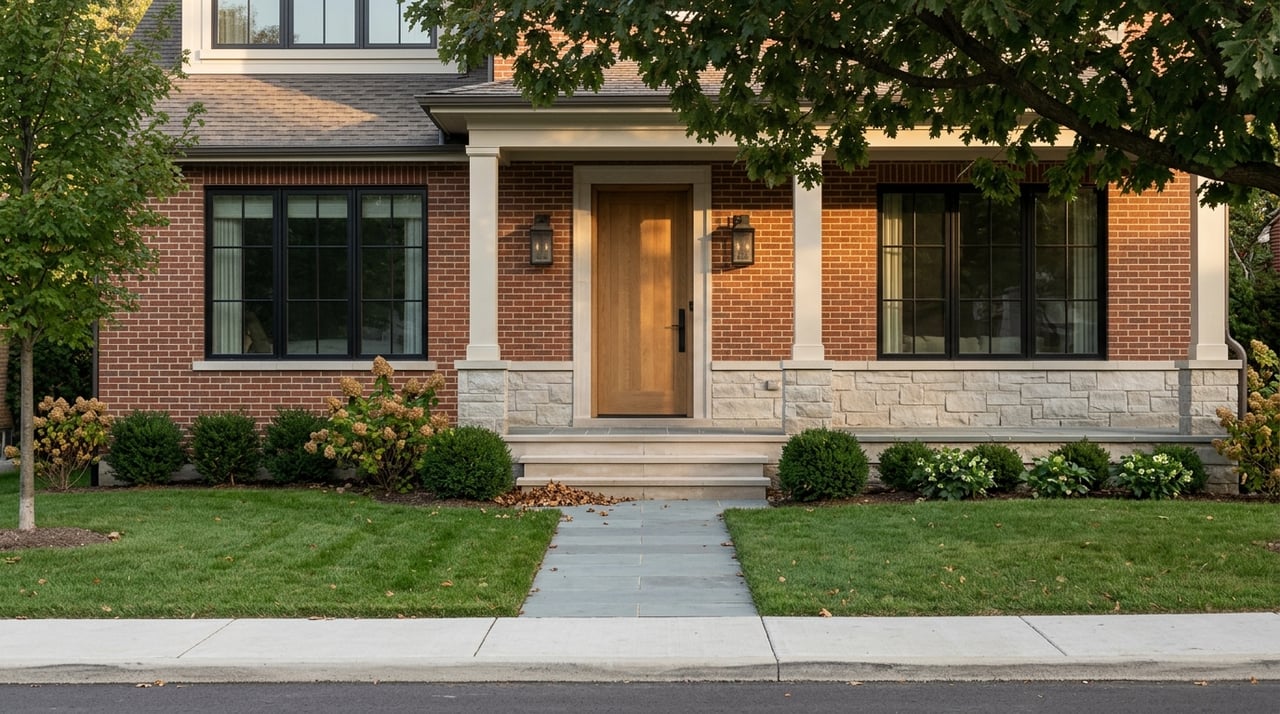
- How will the home sit from the street?
Pittsburgh's terrain makes this particularly important.
We have hills, slopes, retaining walls, varying elevations and significant drainage considerations throughout our region.
That gorgeous lot deserves a second look from a practical perspective before you choose it simply because you love the view.
Know the dirt before you build the house.
2. Understand What's Standard—and What's an Upgrade
One of the easiest mistakes to make when touring a model home is assuming what you're seeing is what you're buying.
It may not be.
Model homes are designed to show possibilities, and they can contain substantial upgrades.
Before comparing builders or pricing homes, understand exactly what is included in the base price.
Ask about:
- Flooring
- Cabinetry
- Countertops
- Appliances
- Lighting
- Plumbing fixtures
- Trim and millwork
- Windows
- Doors
- Exterior materials
- Landscaping
- Decks and patios
- Electrical packages
- Basement finishes
That $750,000 model home may not represent a $750,000 finished home once you recreate the features you loved.
Know what you're actually getting before you compare the price.
3. Pay Attention to Allowances
This is one of those areas where my builder background kicks in immediately.
An allowance is essentially a budget assigned to a particular selection or category.
And an allowance that sounds reasonable on paper may not purchase what you expect.
If your appliance allowance is $10,000 but the package you envision costs $20,000, that's important to know before signing—not halfway through construction.
The same applies to flooring, cabinetry, lighting, plumbing fixtures and other selections.
Small overages across multiple categories can become a very large number.
I want my buyers asking:
Is this allowance realistic for the level of home I'm expecting to build?
4. Look Beyond the Finishes
This is where I really want buyers to slow down.
I'm looking at things such as:
- Foundation and structural components
- Roofing
- Windows
- Insulation
- HVAC
- Plumbing
- Electrical capacity
- Waterproofing
- Drainage
- Exterior materials
- Energy efficiency
These things aren't as exciting as choosing your kitchen backsplash.
But ten years from now?
They may matter a whole lot more.
Beautiful finishes can be replaced.
Correcting fundamental construction issues can be far more complicated and expensive.
5. Think About How You'll Actually Live in the House
A floor plan can look fantastic on paper.
Living in it is different.
Where do you enter the house every day?
Where do groceries go?
Where are coats and shoes stored?
Is there enough pantry space?
Where is the laundry room in relation to the bedrooms?
Can furniture realistically fit in the rooms?
Where are electrical outlets located?
Is there enough storage?
Does the garage actually accommodate your vehicles?
What happens if your lifestyle changes five or ten years from now?
I've built homes and I've renovated homes.
One of the biggest lessons I've learned is that good design isn't simply about how a house looks. It's about how the house works.
6. Understand Change Orders Before You Make Changes
Changes during construction happen.
But buyers need to understand what those changes cost and how they're handled.
A seemingly small request can affect materials, labor, schedules and other trades.
Before construction begins, understand:
- How change orders are submitted
- How they're priced
- When payment is required
- Whether builder fees or markups apply
- Whether changes can affect completion dates
- Which selections become nonrefundable
The earlier you make thoughtful decisions, the easier it generally is to control both the budget and the process.
7. Don't Skip Walkthroughs and Inspections Because the Home Is New
New doesn't mean perfect.
There are hundreds—sometimes thousands—of individual components and decisions involved in building a home.
That's why walkthroughs, inspections and the final punch-list process matter.
I want buyers engaged throughout the process rather than seeing the completed house for the first time shortly before closing.
Depending on the project and contract, there may be opportunities for inspections or professional evaluations at different stages.
And at the end, your punch list matters.
Open the doors.
Turn things on.
Look closely.
Ask questions.
Document concerns.
You're not being difficult. You're learning about the house you're about to own.
8. Remember Who the Builder's Representative Represents
This is something buyers don't always understand when they walk into a model home.
The builder's sales representative works for the builder.
That doesn't make the representative bad or adversarial. They can be extremely knowledgeable and helpful.
But their client is the builder.
My client is you.
Having your own Realtor involved from the beginning gives you someone looking at the transaction from your perspective.
And when that Realtor also understands construction, you're adding another layer of knowledge to the process.
I understand the real estate transaction.
But I also understand construction schedules, allowances, selections, contractors, change orders, walkthroughs and punch lists.
Those two worlds come together in new construction.
9. Bring Your Realtor Before You Visit the Builder
This one is important.
If you're even considering new construction, call me before you start touring model homes or registering with builders.
Builder policies regarding Realtor representation can vary, and some require your agent to accompany you or be identified during your initial contact or registration.
Don't assume you can simply add representation later.
Start with your own representation from the beginning.
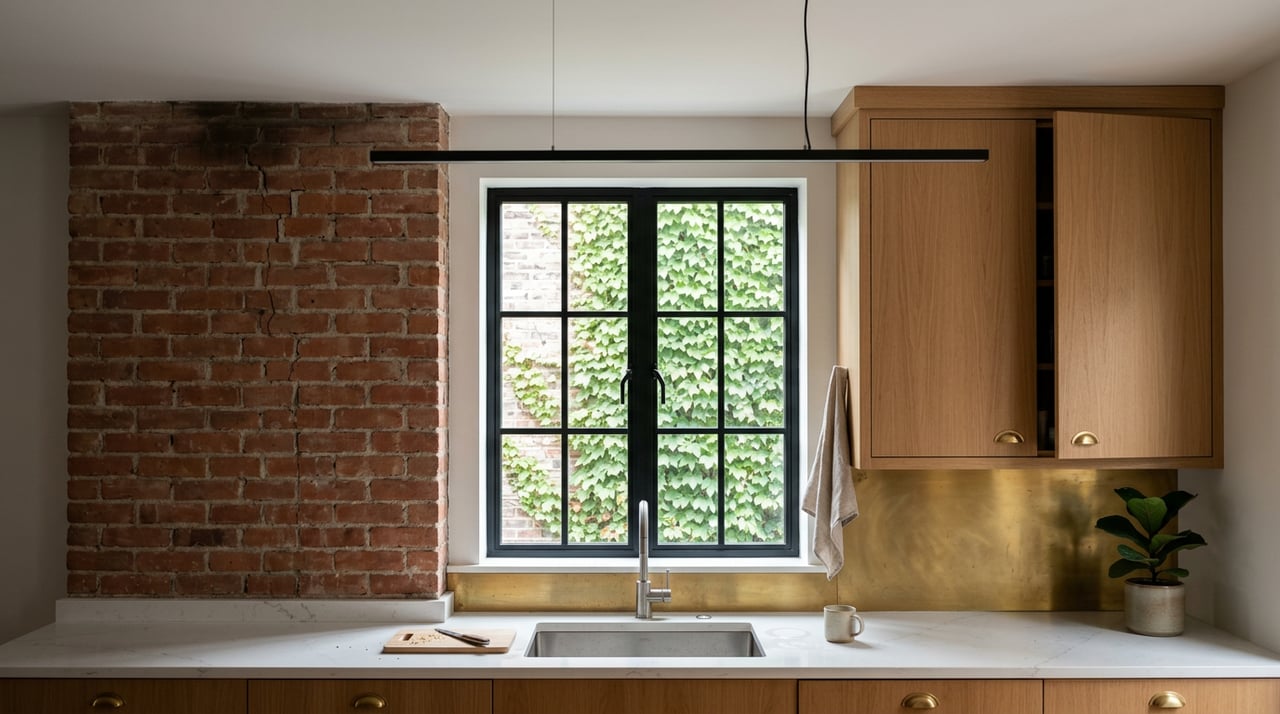
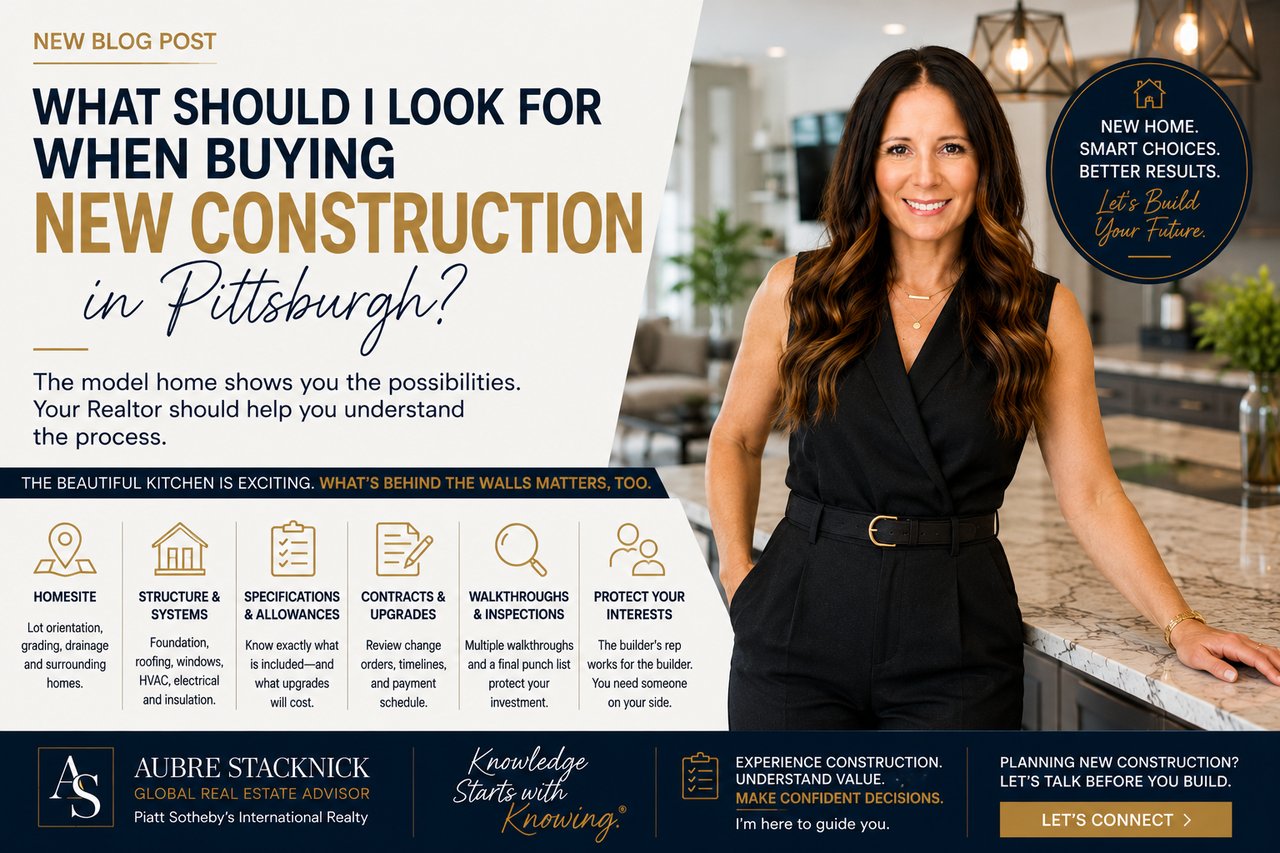
The Beautiful Kitchen Is Exciting. What's Behind the Walls Matters, Too.
I love new construction.
There is something incredible about watching a home go from a piece of land and a set of plans to the place where someone will build their life.
But building a home involves hundreds of decisions.
My job isn't to make those decisions for you.
It's to help you know which questions to ask before you make them.
That's where my background in custom home building, construction management, renovation and real estate comes together.
Planning New Construction in Pittsburgh?
Before you choose the lot.
Before you fall in love with the model.
Before you start selecting finishes.
Let's talk.
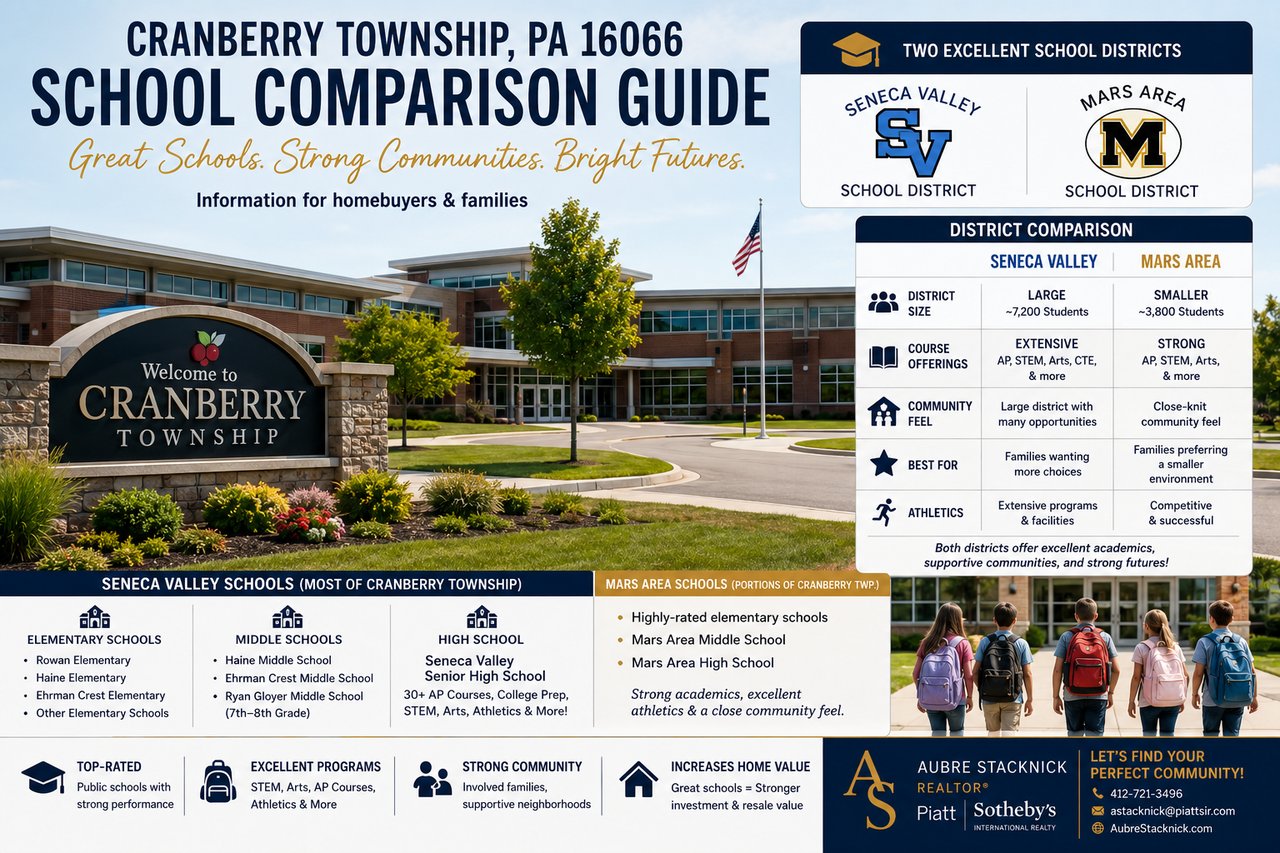
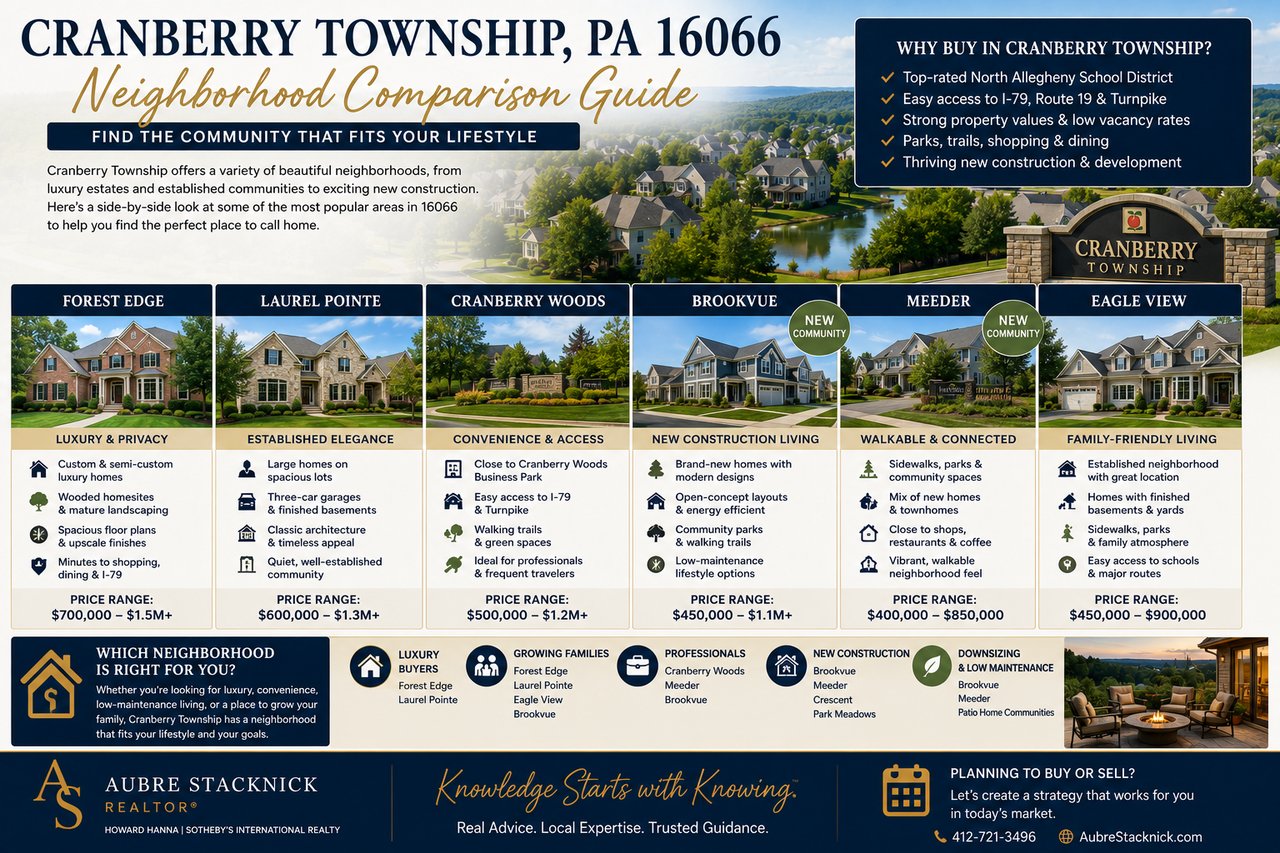
Whether you're considering a custom home, luxury new construction or a builder community in Pittsburgh, Wexford, Pine Township, Cranberry Township, Mars, the North Hills or the surrounding suburbs, let's make sure you understand what you're buying—and what you're building.
New Home. Smart Choices. Better Results.
Knowledge Starts with Knowing®.
Aubre Stacknick, Realtor®
Global Real Estate Advisor
Piatt Sotheby's International Realty
Your Next Chapter Starts Here.