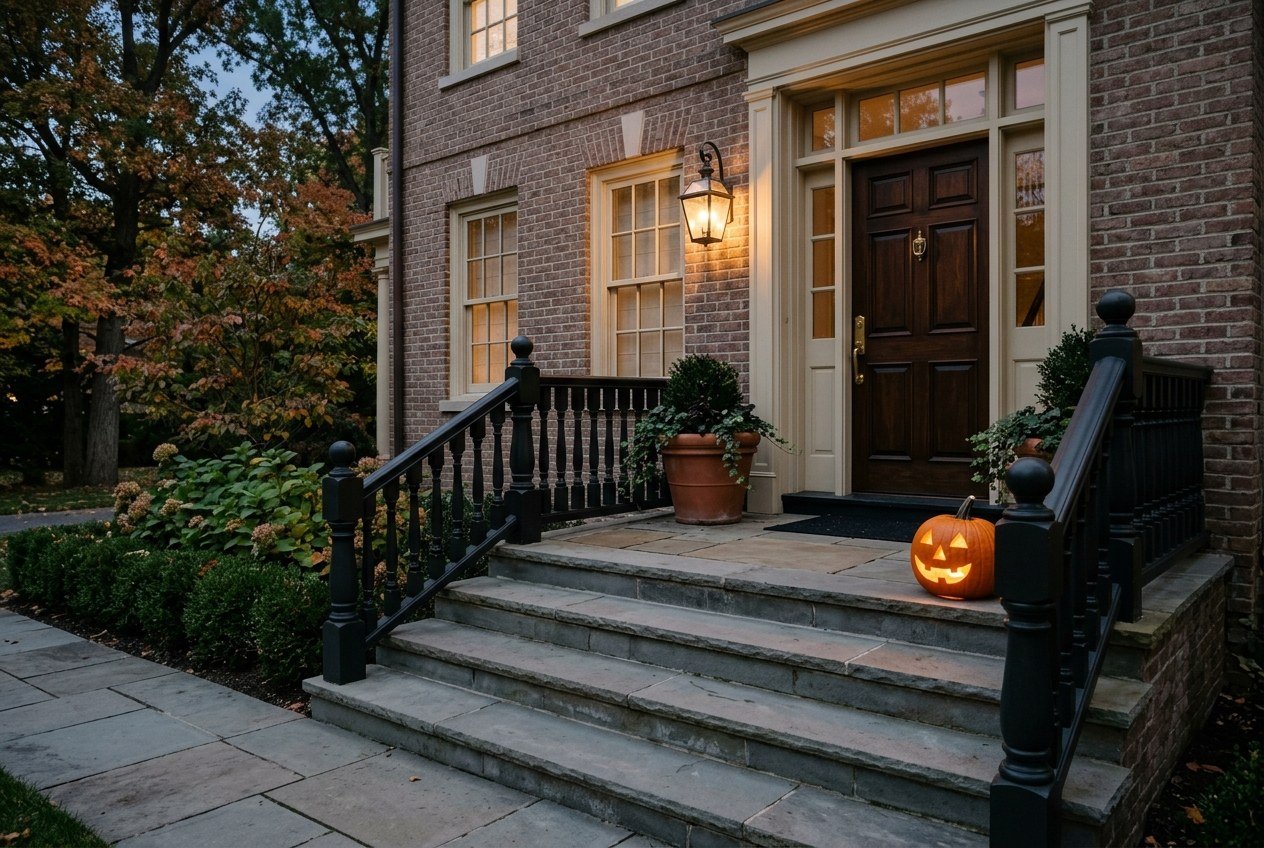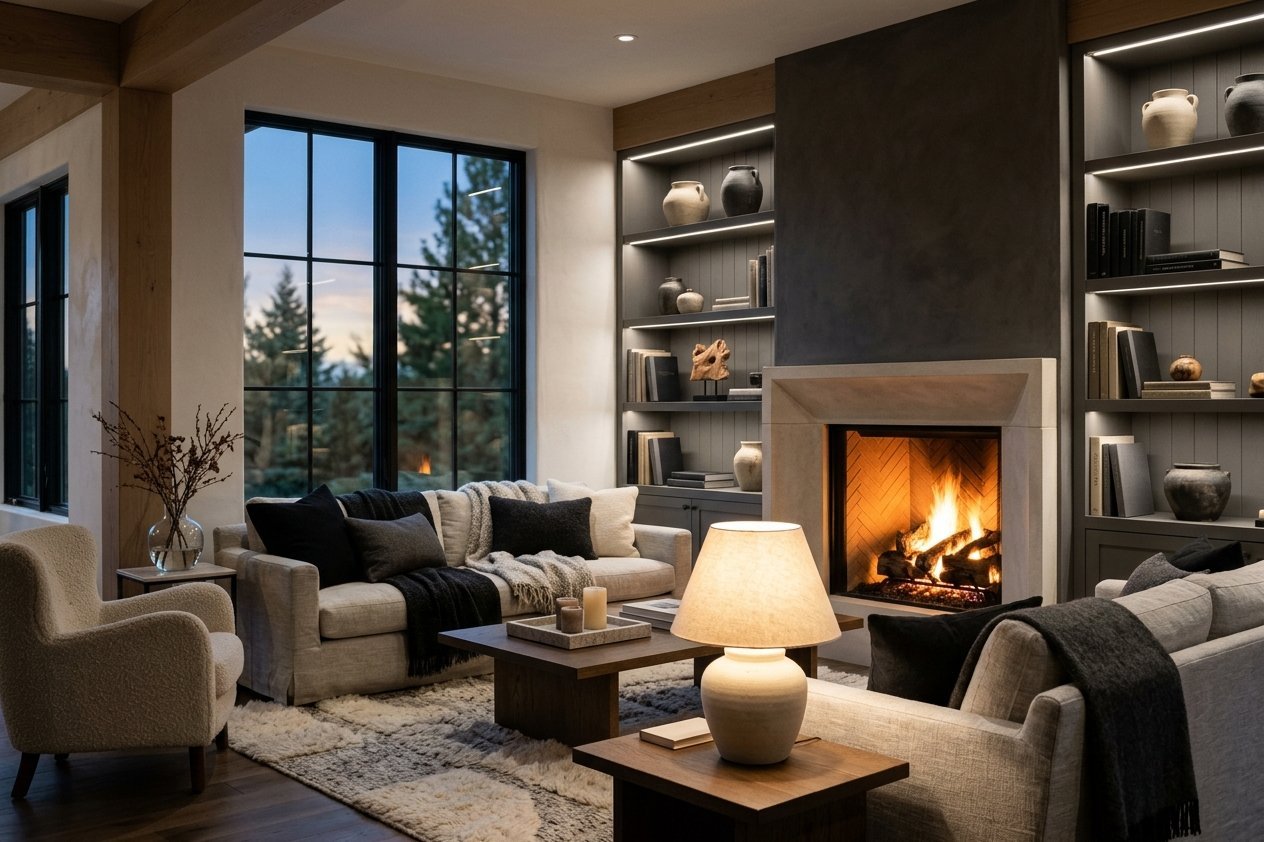
Pittsburgh gets dark early from now through March. A house that feels warm at 5 p.m. in November sells and lives better than one that only looks good at noon. Most of what makes a room feel warm is not the furniture. It is the light, the surfaces and the way the rooms are arranged.
Aubre J. Stacknick is a Global Real Estate Advisor with Piatt Sotheby's International Realty in Pittsburgh, PA, helping buyers and sellers across Western Pennsylvania see a home through a builder's eyes. This post borrows ideas from the November issue of Extraordinary Living and adds what I look at behind the finish. I am not an interior designer, and these are general ideas, not design advice for your specific home.
How do you layer a home for fall?
Mandi Keighran's article, Fall Interiors: Five Creative and Cozy Ways to Layer Your Home, gives five simple ideas.
- Layer textiles. Rugs over wood floors, throws on sofas, cushions and patterned curtains add warmth quickly.
- Borrow the season's colors. Ochre, burgundy, rust and deep green work well as accents in cushions and bedding.
- Make the bedroom a place to hibernate. Heavier curtains, layered bedding and a rug help, and darker colors can suit rooms with little daylight.
- Create a small snug. A compact room for retreat can suit a modern home as much as a traditional one.
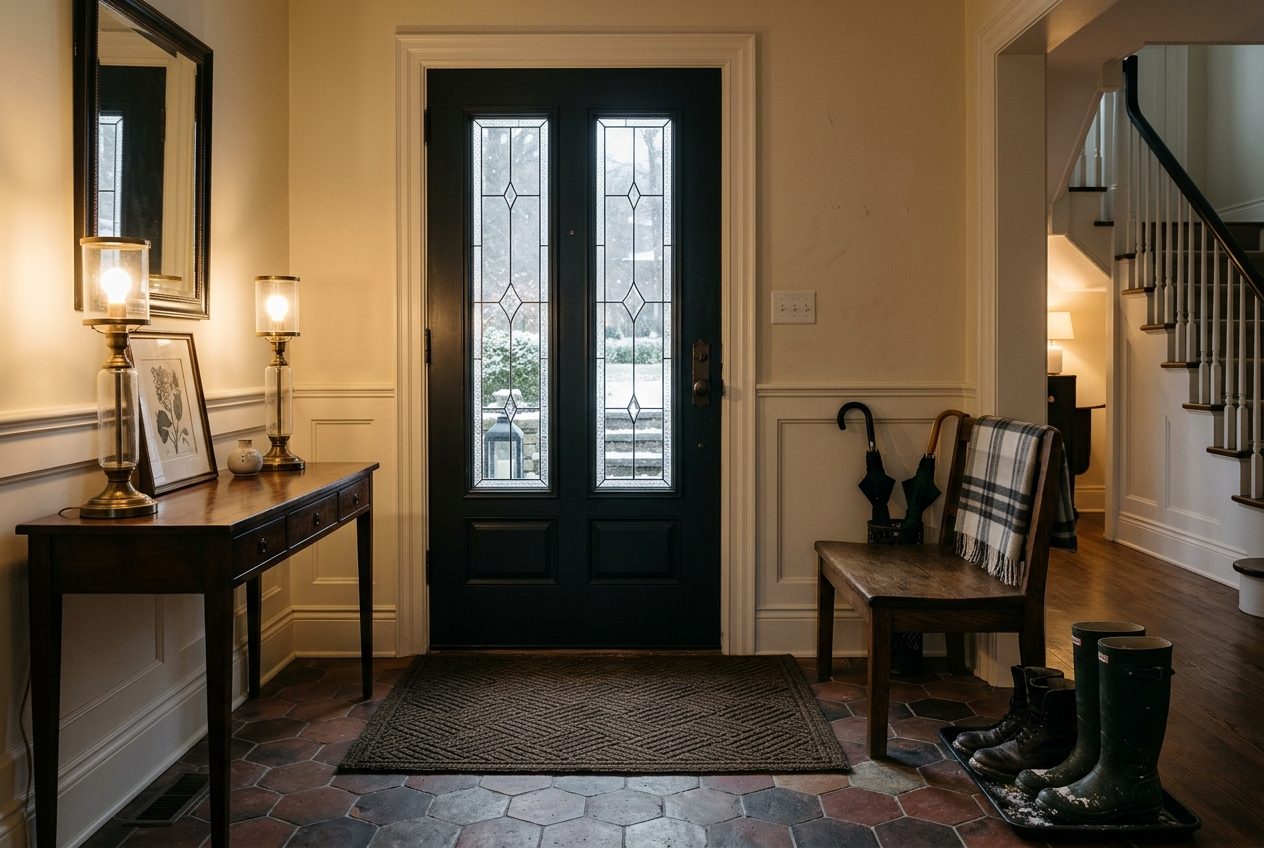
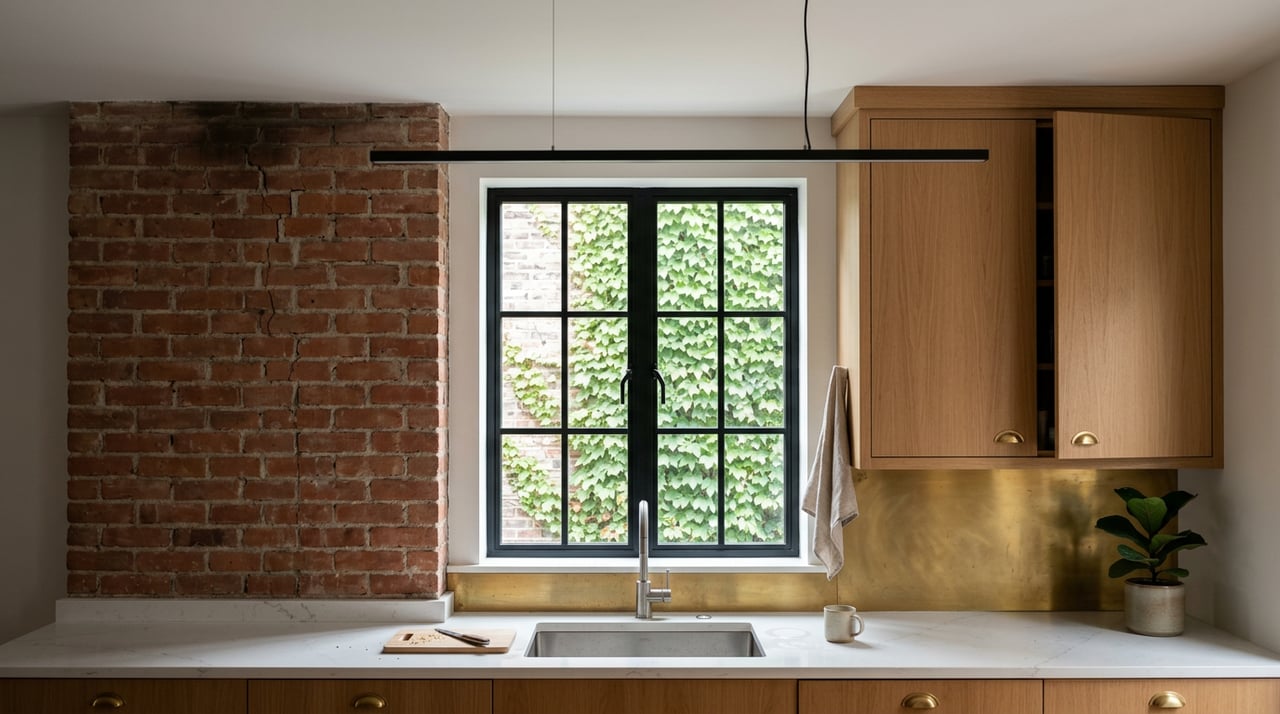
- Layer your lighting. Lamps and wall lights at different heights create overlapping pools of light through the evening.
You can read the full piece at Fall Interiors: 5 Creative and Cozy Ways To Layer Your Home.
What does the lighting plan have to do with the house itself?
Layered lighting sounds like a styling tip, but it depends on the building. Lamps need outlets where you want them. Wall lights need wiring behind the wall. A room with one overhead fixture and two outlets on the far wall limits what you can do, no matter how nice the lamps are.
Here is what I check:
- Outlets and switches. Count them in the living room and bedrooms. Switched outlets, where a wall switch turns on a lamp, make a room easy to light at night.
- Dimmers. A dimmer lets one fixture act like several moods.
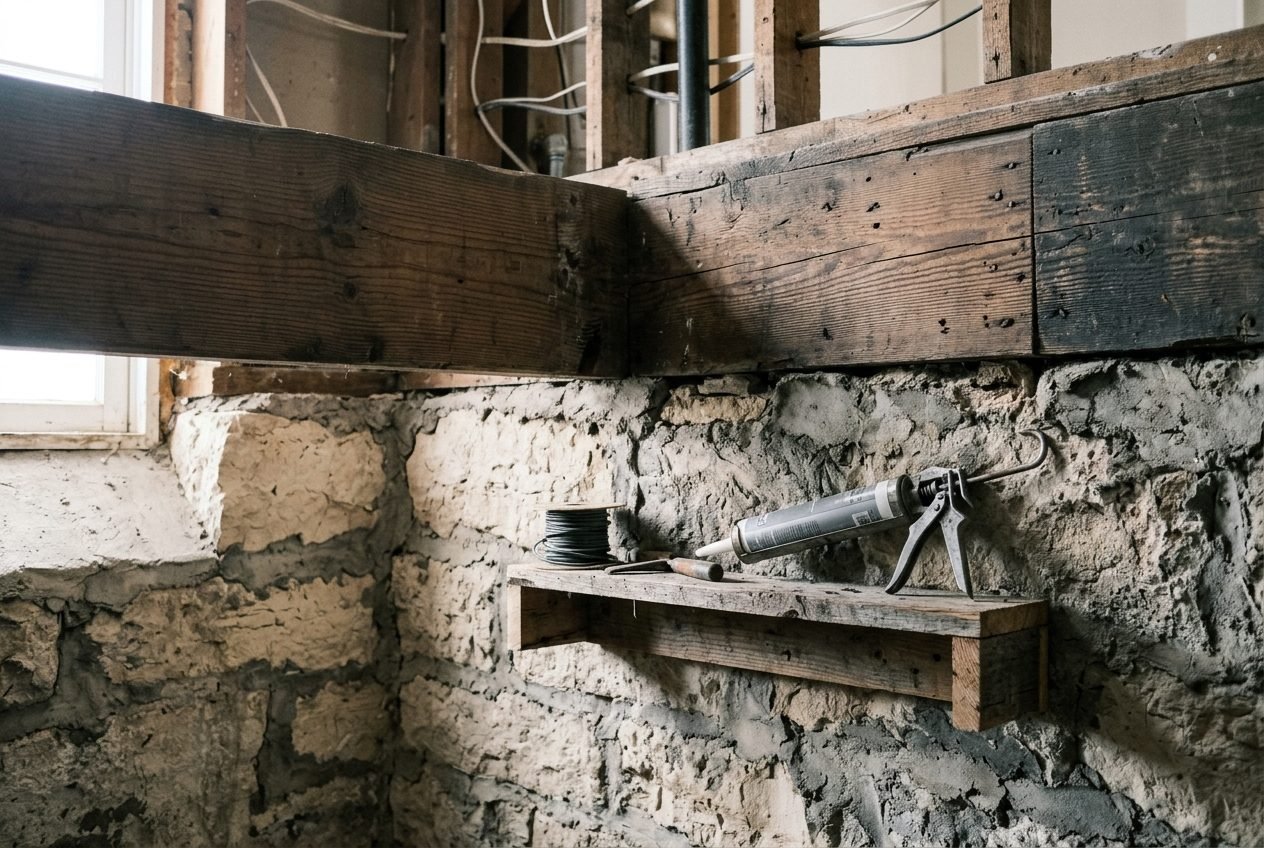
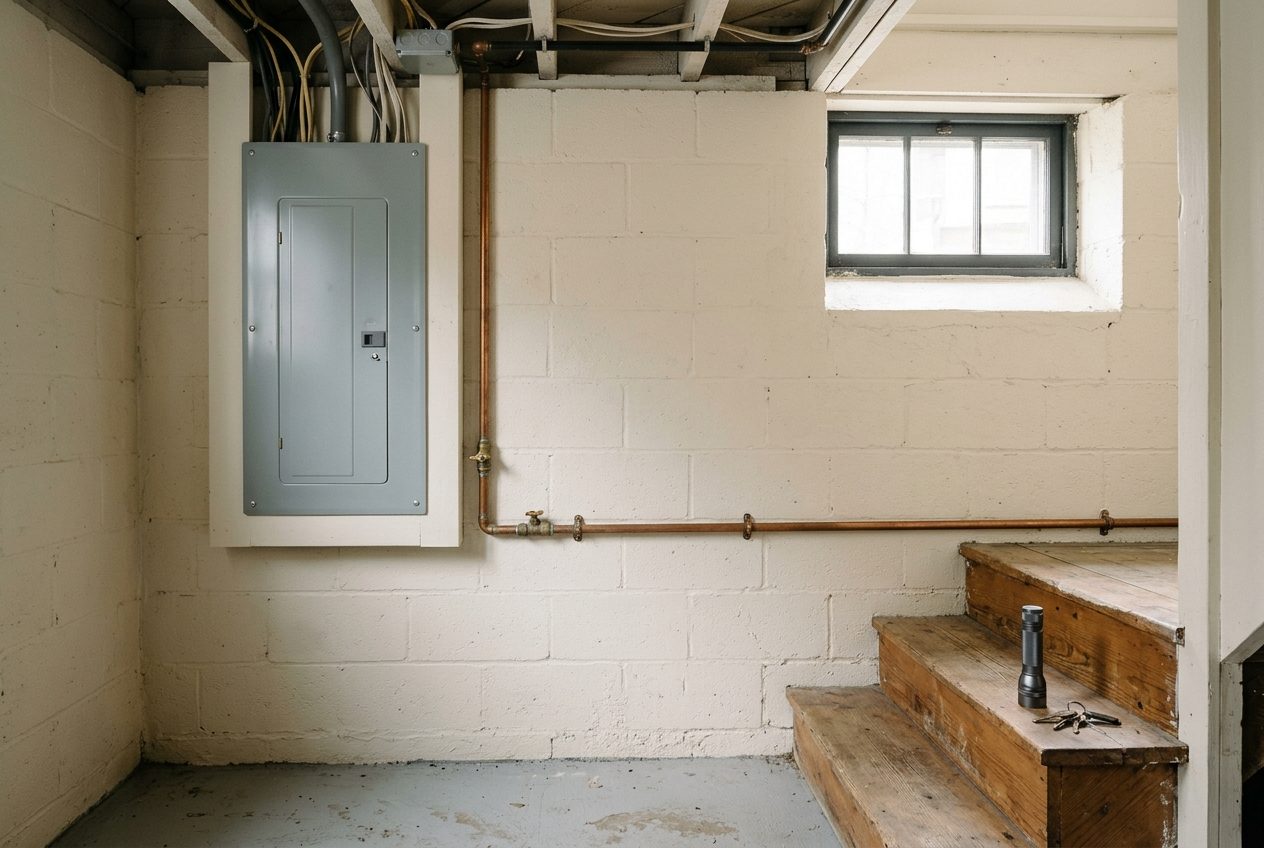
- Older wiring. If your home has older electrical, have a licensed electrician look at it before you add lamps and lights to the same circuits. I wrote about it in What Should You Know About Old Wiring Before You Buy a Pittsburgh Home?
Warm light also photographs better and reads better at a showing. A home that glows at dusk feels cared for.
What is a salon room, and does your home need one?
Elizabeth Fazzare's article, The Return of the Salon: A Space for Culture and Conversation, describes a room built for gathering, conversation, reading and music, with books and art where a television might be. Designer Kelly Zerbini calls it "people-facing rather than screen-facing." The article ties the idea to a wish to unplug and to a pull away from very large, overscaled rooms toward something more intimate.
The design details are useful even if you never build a salon:
- Use more than one seating area and avoid a single dominant focal point.
- Mix large art that reads from across the room with smaller pieces that reward a closer look.
- Use tall shelving and personal objects to draw the eye up.
- In an open plan, face furniture inward and give the group a focal point, such as a fireplace or a sculpture.
The full article is at The Return of the Salon.
How do you display a collection without cluttering the room?
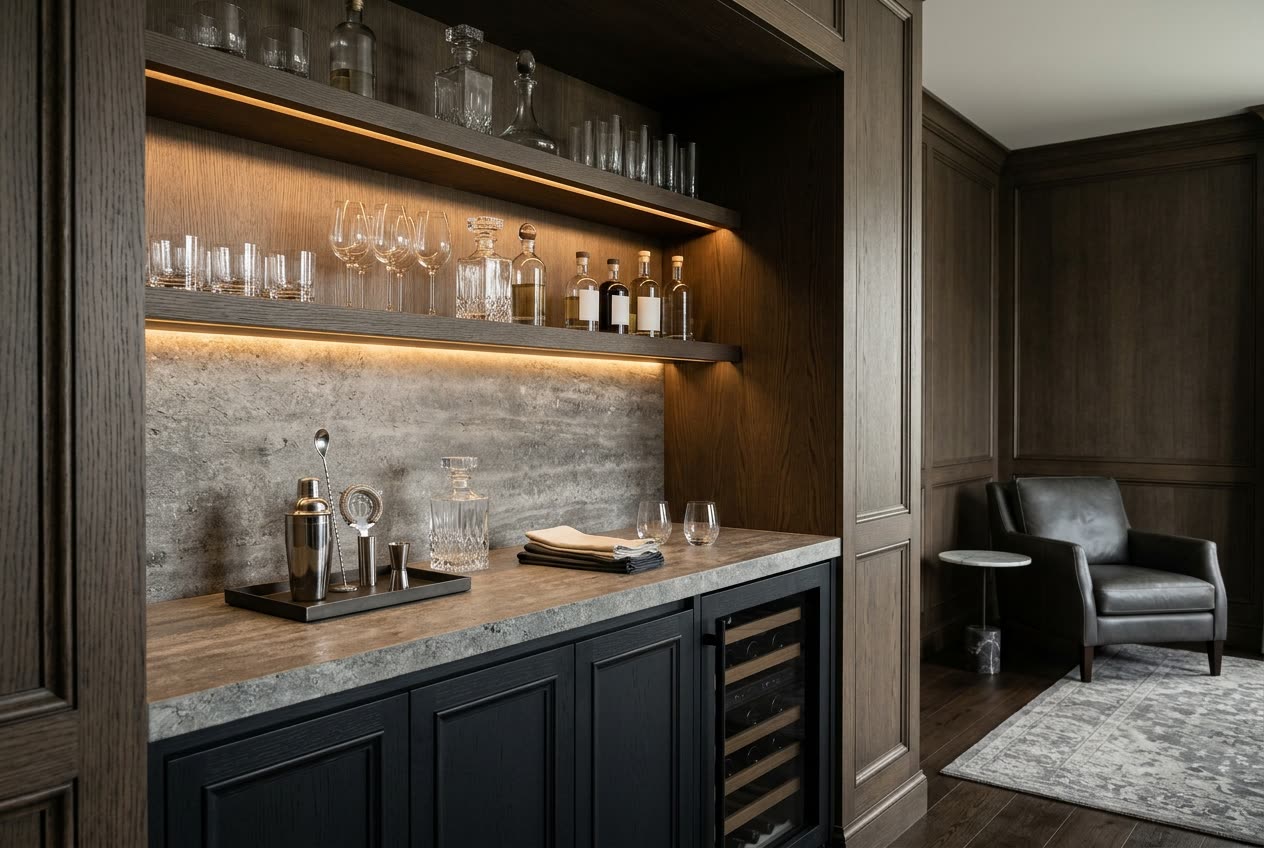
Kate Youde's article, The Art of Display: Curating a Collection, is the one I would hand to a seller. Designer Phillip Thomas looks for "pockets within a home" where treasured objects can be lifted up, such as custom shelving or a niche with a built-in frame. A few of the article's ideas:
- Let the collection enhance the home instead of taking it over.
- Arrange with rhythm: odd numbers, varied heights and works by different artists.
- Check how a piece looks from the doorway, when you are seated and when you are standing.
- Give large pieces room. Adrian Sassoon says oversized ceramics look sad pushed into a corner.
- Use warm, consistent lighting, not the cool white of a gallery.
- Edit and rotate. Thomas shows no more than 60 of a client's 100-plus ceramics at once and swaps them out to keep the room fresh.
Read it at The Art of Display: Curating a Collection.
The builder's note on this one: a niche or a shelf is a construction decision. Where there is a wall to recess into, where there is blocking behind the drywall to carry weight, and where an outlet can light the shelf all get decided before the paint goes on. If you are buying, look at the walls, shelves and built-ins as storage and display you would otherwise have to build.
Is a black and white home a good idea?
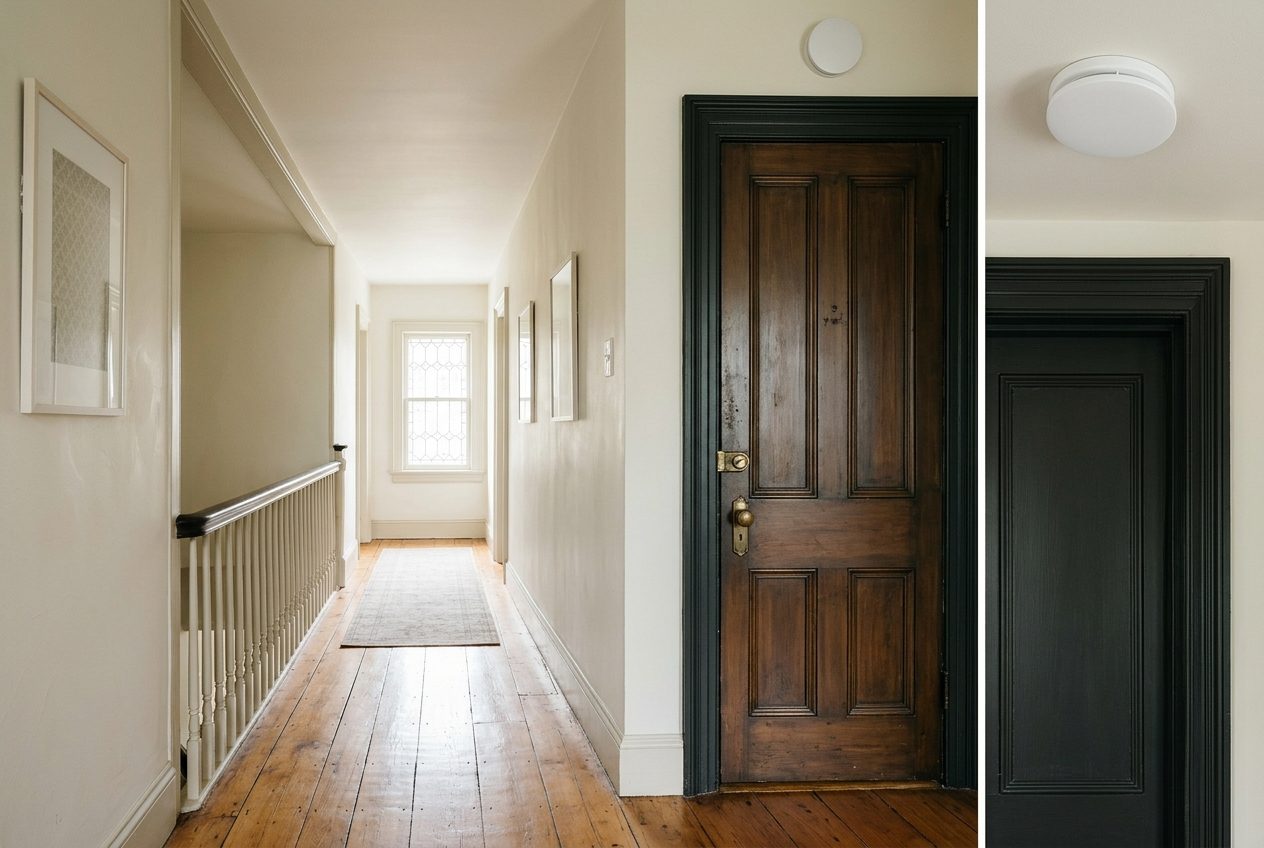
Jill Krasny's article, Color Chart: The Joys of a Black-and-White Home, calls black and white one of the most enduring pairings in luxury design. Designer-architect Nicholas Potts links it to classical antiquity, and the article notes its Art Deco heyday and its return in the 1990s. His advice for getting it right includes unexpected tile layouts, such as oversized tile or diagonal patterns, strong contrast without softening it with grey, and bold accents that stand out against the white.
Black and white also suits people who are nervous about committing to color, because patterns and accents can make the scheme more casual or more formal. See the full piece at Color Chart: The Joys of a Black-and-White Home.
If you are preparing to sell, I would be careful with bold choices. A strong scheme can look great in your own home and narrow the buyers who see themselves in it. That is a decision to make with a plan, not on impulse.
What should sellers do with all of this before listing?
Warm and curated is also what a showing needs. If you are thinking about selling this winter, I would start here:
- Walk each room at 4:30 p.m. with the lights on and note where it feels dark.
- Add or move lamps so each room has light at more than one height.
- Clear surfaces and edit shelves down. Fewer, better objects read as more expensive than many.
- Put a rug under the main seating area and take away anything that blocks the walking path.
- Check that every bulb works and that the bulbs match in color.
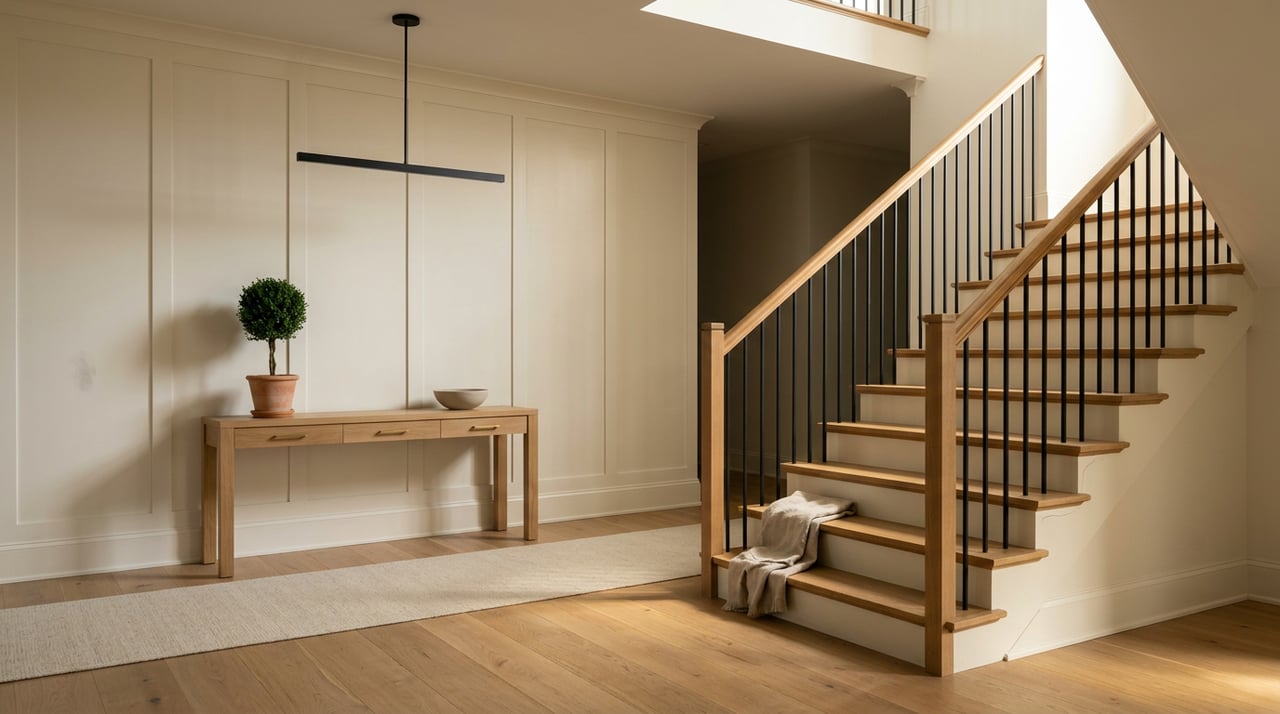
- Fix what a buyer would notice: a loose handrail, a sticking door, a dark corner on the stairs.
For the larger preparation list, my approach to getting a home ready is on my Property Knowledge Center.
What are the common mistakes?
- Decorating before checking the outlets, switches and wiring
- Lighting a room with one bright overhead fixture
- Filling every shelf instead of editing
- Pushing large pieces into corners
- Choosing a bold color scheme right before listing the house
- Using cool white bulbs in a room that should feel warm
FAQ
How do you make a house feel cozy in winter?
Layer textiles, light and color. Add rugs and throws, use lamps and wall lights at different heights, and borrow autumn colors such as ochre, rust and deep green, as the Extraordinary Living fall interiors article suggests.
What is the best lighting for a cozy room?
Layered lighting from lamps, wall lights and, where you have one, a fireplace. The Extraordinary Living article recommends combining light sources at different heights, and the collecting article recommends warm, consistent light over cool gallery white.
How many items should you display on a shelf?
There is no fixed number. The Extraordinary Living article on display suggests editing, using odd numbers and varied heights, and rotating pieces. Its designer shows no more than 60 of a 100-plus ceramic collection at a time.
Should you decorate before you sell your home?
Edit and prepare first. Warm light, clear surfaces and a few well-chosen objects help a home show well, and repairs that buyers notice come before any decorating.
If you are thinking about a move and want a builder's read on how a home will feel and function through a Pittsburgh winter, book a 30-minute call. Bring the address.