There are three common paths: one spouse buys out the other and keeps the house, you sell it and divide the proceeds, or one spouse stays for a set period and you sell later. In Pennsylvania, the court or a written agreement decides how the house is divided, so a divorce attorney tells you which option is right for you. I help with the real estate side: what the house is worth, what it will cost to hold or sell, and how to do either one well.
A house is usually the largest asset a couple owns, and it is also the place where the family lives. That is why it is hard to think clearly about it in a divorce. The decision is both a money question and a human one, and the two get tangled together.
My goal with this post is to lay out the options plainly, show what each involves on the real estate side, and mark where the attorney's job begins. I am not an attorney, and nothing here is legal or tax advice. It is a map, so you can walk into the conversation with your attorney knowing what to ask.
Aubre J. Stacknick is a Global Real Estate Advisor with Piatt Sotheby's International Realty in Pittsburgh, PA, helping buyers and sellers across Western Pennsylvania see a home through a builder's eyes. I keep the real estate side calm, factual and private.
Who decides what happens to the house in a Pennsylvania divorce?
Either you and your spouse agree, or a court decides. Under 23 Pa.C.S. § 3502, when either spouse asks, the court is directed to "equitably divide, distribute or assign, in kind or otherwise, the marital property," and it does so without regard to marital misconduct. The statute lists factors the court weighs, including the length of the marriage, and it also lists the federal, state and local tax ramifications associated with each asset.
Two things follow from that. First, "equitable" does not automatically mean a 50/50 split, and what is equitable in your situation is a legal question for your attorney. Second, how the house is treated depends on facts such as how and when it was acquired and who owns it. Ask your attorney whether the house is marital property, separate property, or a mix.
For a longer walk through how this works, I wrote What Happens to the House When You Get Divorced in Pennsylvania?.
What is the first thing to do about the house?
Find out what it is worth and what is owed against it. Everything else starts there. You cannot compare a buyout to a sale until you know the value, the mortgage balance, and what a sale would cost.
- The market value, from a current market analysis, not an app estimate. Ask your attorney whether a formal appraisal is the right tool for the legal process.
- What is owed: the mortgage, any home equity loan or line of credit, and any liens.
- The ongoing costs: taxes, insurance, utilities and maintenance.
- The condition: repairs that are due or deferred.
- Who is on the deed and who is on the loan. Those are two separate questions.
Write the numbers down. Calm decisions start with facts both people can see. A market analysis from a real estate advisor is a pricing opinion that helps you and your attorney plan. It is not a legal valuation, and your attorney may recommend an appraiser for the legal process.
Option one: can one spouse keep the house?
Often, yes, if the numbers and the lender allow it. This is usually called a buyout. One spouse keeps the house, and the other gives up their interest, usually in exchange for money, other assets, or an adjustment elsewhere in the settlement.
On the real estate side, a buyout raises practical questions:
- Value: what number is the buyout based on?
- Funding: where does the money come from? Cash, other assets, or a new loan?
- Financing: can the spouse who stays qualify for a mortgage on their own income? Lenders look at income, debts and credit, and a refinance is a new loan with its own costs.
- Existing mortgage: if both names are on the loan, a deed change alone may not remove one person's responsibility to the lender. Ask your attorney and your lender how that works for your loan.
- Paperwork: transferring the deed and releasing or refinancing the loan are separate steps.
I go through the mechanics in How Does Buying Your Spouse Out of the House Work?.
A buyout works well when the person staying can carry the house comfortably, not just on paper. I ask them to look at the monthly cost of taxes, insurance, repairs and heating along with the mortgage payment. An older house in particular needs a repair budget.
Option two: what does selling and dividing the proceeds involve?
Selling turns the house into cash that can be divided according to your agreement or the court's order. It ends the shared obligation and gives you an actual sale price instead of an estimate.
On the real estate side, a sale is a normal listing with a few extra needs:
- Both owners are typically needed to sign the listing agreement and, later, the deed. If one of you will not cooperate, that becomes a legal matter, and your attorneys handle it.
- Agree in writing on who communicates with the agent, who approves offers, and how showings will work.
- Agree on the price strategy up front, so you are not negotiating with each other after every offer.
- Decide how the proceeds will be held at closing until your attorneys say how they are divided.
- Plan for the costs of selling, which come out of the proceeds. Your agent can estimate them for you.
The timing of a sale in relation to the divorce is a legal and tax question as well as a market one. I wrote about it in Should You Sell the House Before or After the Divorce Is Final?. Ask your attorney and your tax adviser about timing before you list.
Option three: can one spouse stay for a while and sell later?
Sometimes. Some couples agree that one spouse, often with children, stays in the house for a period, and the house is sold later. This can give a family stability, for example through a school year.
It also leaves real estate questions open, and they need clear answers in writing:
- Who pays the mortgage, taxes, insurance and repairs while one spouse stays?
- What event or date triggers the sale?
- Who chooses the listing agent and the price when the time comes?
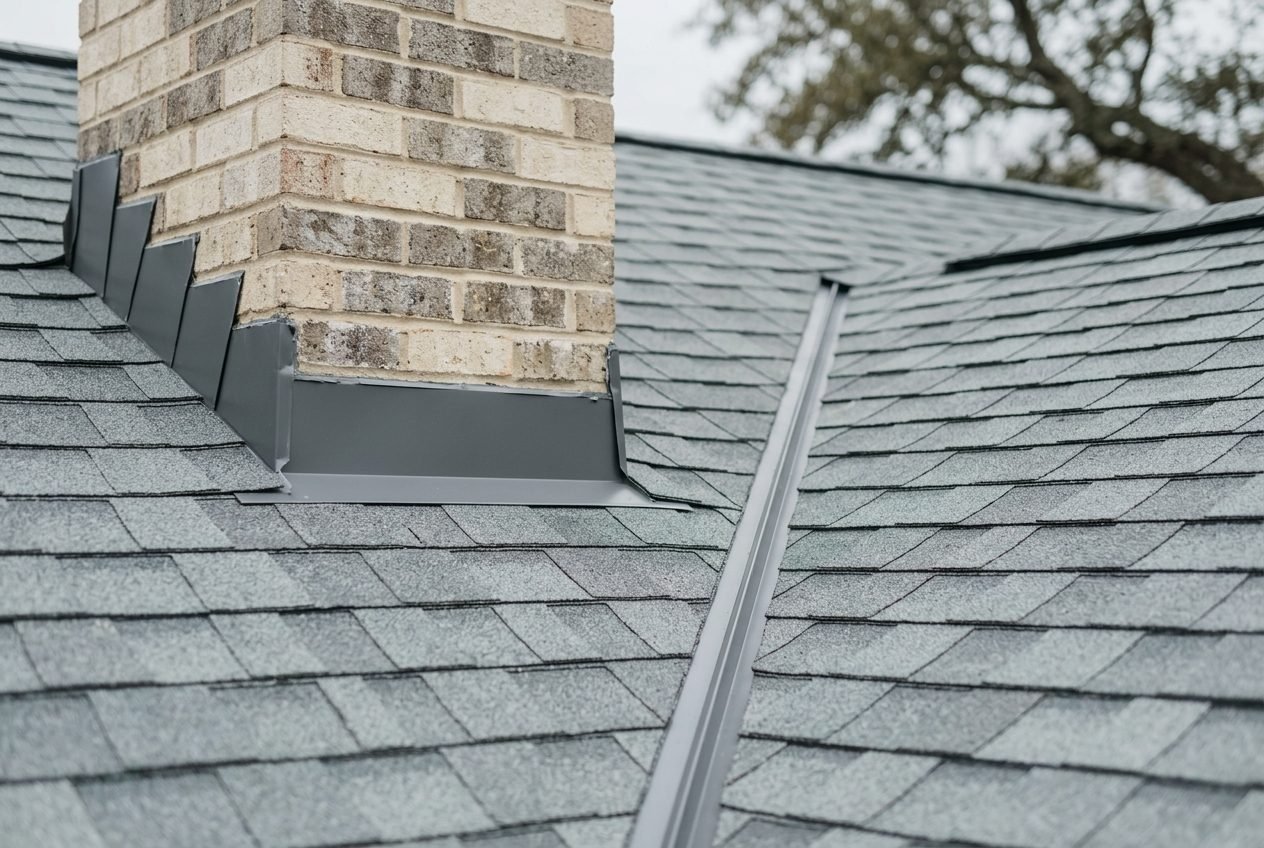
- What happens if the house needs a major repair, such as a roof or a furnace?
- What condition must the house be kept in for showings?
These details belong in the agreement your attorneys draft. A vague plan to "sell later" is where many disagreements start.
What if one spouse wants to sell and the other does not?
A real estate agent cannot decide this or force a sale. A disagreement like this is a legal question, and the house does not move until it is resolved by agreement or through the court process. Your attorneys handle that. If you are in this spot, I explain what a Realtor can and cannot do in What Happens If Your Spouse Refuses to Sell the House During Divorce?.
In the meantime, the house still needs care. The mortgage, insurance and taxes still come due, and the roof does not stop aging. Agree on who covers what while the question is open, and put it in writing.
What happens to the mortgage?
The divorce agreement and the mortgage are separate contracts. Your agreement says who is supposed to pay, but the lender was not part of it. If both of you signed the loan, the lender can generally still look to both of you unless the loan is paid off, refinanced or otherwise released by the lender. Ask your attorney and your lender how this works for your loan before you rely on a promise to pay. I cover this in What Happens to the Mortgage After Divorce?.
How do you prepare the house for sale during a divorce?
The same way you prepare any house, with a little more structure and a lot more patience.
- Pick one point of contact for the agent and the showings, so there is a single set of instructions.
- Agree on a repair budget and a short list, and put the agreement in writing. Focus on things that matter to buyers and inspectors.
- Declutter and clean. Remove personal papers and valuables before showings.
- Decide who is present at showings. Most sellers are better off out of the house.
- Keep showings on a schedule both of you can live with.
- Keep the house in good order between showings, even if you are living in it.
How do you keep it calm?
Divorce is stressful, and a house sale adds logistics on top of emotion. A few habits help:
- Keep communication about the house in writing, short and factual.
- Use one agent and one attorney each, and let them talk to each other when you cannot.
- Decide on a timeline together, and give yourselves room for disagreement.
- Take the house one step at a time. You do not have to decide everything at once.
- Ask for what you need. If you need a showing schedule that works around work or children, say so.
My job is to keep the real estate side orderly so the two of you can focus on the rest. I treat the situation privately and with respect for both people.
What should you bring to your attorney?
A short list makes the first meeting more productive:
- The deed and the mortgage statement.
- Recent property tax and insurance bills.
- A current market analysis from your agent.
- A list of repairs and recent improvements, with receipts.
- Your questions about each option, in writing.
Then ask your attorney which option fits your case, what the tax consequences might be, and what the court would need to see.
FAQ
Who gets the house in a Pennsylvania divorce?
Either the spouses agree, or the court decides under Pennsylvania's equitable distribution law, which does not automatically mean a 50/50 split. Your divorce attorney can tell you how the house is likely to be treated in your situation.
Can I keep the house if I cannot afford to buy my spouse out?
It depends on whether you can qualify for a loan or fund the buyout another way, and whether the agreement allows it. A lender and your attorney can answer the specifics, and an agent can show you the market value and the carrying costs.
Do both spouses have to sign to sell the house?
Typically, anyone who owns the house needs to sign the listing agreement and the deed. Ask your attorney about your situation, especially if one of you will not cooperate.
Can I sell the house before the divorce is final?
Often it is possible, but timing has legal and tax consequences. Talk to your attorney and a tax adviser first, then bring in a real estate advisor to price and plan the sale.
If you are facing a decision about the house and want the real estate facts organized before you meet with your attorney, book a 30-minute call. It is private, and there is no pressure.