Winter is when furnaces, boilers, fireplaces and water heaters work hardest, and it is when carbon monoxide questions come up on showings and inspections. Sellers sometimes assume a working smoke alarm covers it. It does not. Carbon monoxide is a different hazard, and the law treats it as one.
Aubre J. Stacknick is a Global Real Estate Advisor with Piatt Sotheby's International Realty in Pittsburgh, PA, helping buyers and sellers across Western Pennsylvania see a home through a builder's eyes. I look at heating systems, flues and fireplaces for a living, and I am not an attorney. This post explains what the statute says in plain words. It is not legal advice, so ask your own attorney about your situation.
What does the Pennsylvania Carbon Monoxide Alarm Standards Act say about selling a home?
The Act was signed on December 18, 2013, as Act 121 of 2013, and it took effect immediately. You can read it on the Pennsylvania General Assembly website.
Section 4(a) covers the sale of a residential building. It says the seller shall disclose information regarding the installation of carbon monoxide detectors on the property disclosure statement required by Chapter 73 of Title 68 of the Pennsylvania Consolidated Statutes, the chapter on seller disclosures.
In plain words: when you fill out the seller's property disclosure, you say whether carbon monoxide detectors are installed in the house, and you say it truthfully. That is the sale rule. Section 4(a) is about disclosure.
The Act defines a "residential building" as a detached one- or two-family home, or multiple single-family homes, up to three stories with a separate way out, including accessory structures. Check the definition against your own property with your attorney if it is anything other than a standard house.
Does the law require every house to have a carbon monoxide alarm?
Not under the sale provision. Section 4(a) is a disclosure rule. The alarm-installation requirement in Section 4(b) is for multifamily dwellings, meaning a building with three or more households in separate apartments. It requires each apartment with a fossil-fuel heater or appliance, a fireplace or an attached garage to have an approved, operational alarm near the bedrooms. Section 5 sets out the duties of rental owners and occupants.
I am not telling you that no other rule applies to your house. A township can adopt stricter requirements. Section 7 of the Act says municipalities may adopt, by resolution, requirements that are equal to or more stringent. Your lender, your insurer and the buyer's inspector may ask about alarms as well. I have not checked any local ordinance for this post, so call your municipality's code office before you list.
What counts as an approved carbon monoxide alarm?
The Act's definition lists three kinds: alarms and detectors that meet the ANSI/UL 2034 or ANSI/UL 2075 standards, combined carbon monoxide and smoke alarms that meet the listed UL standards and sound a distinct signal for each hazard, and detection systems installed under the National Fire Protection Association's NFPA 72 and NFPA 720.
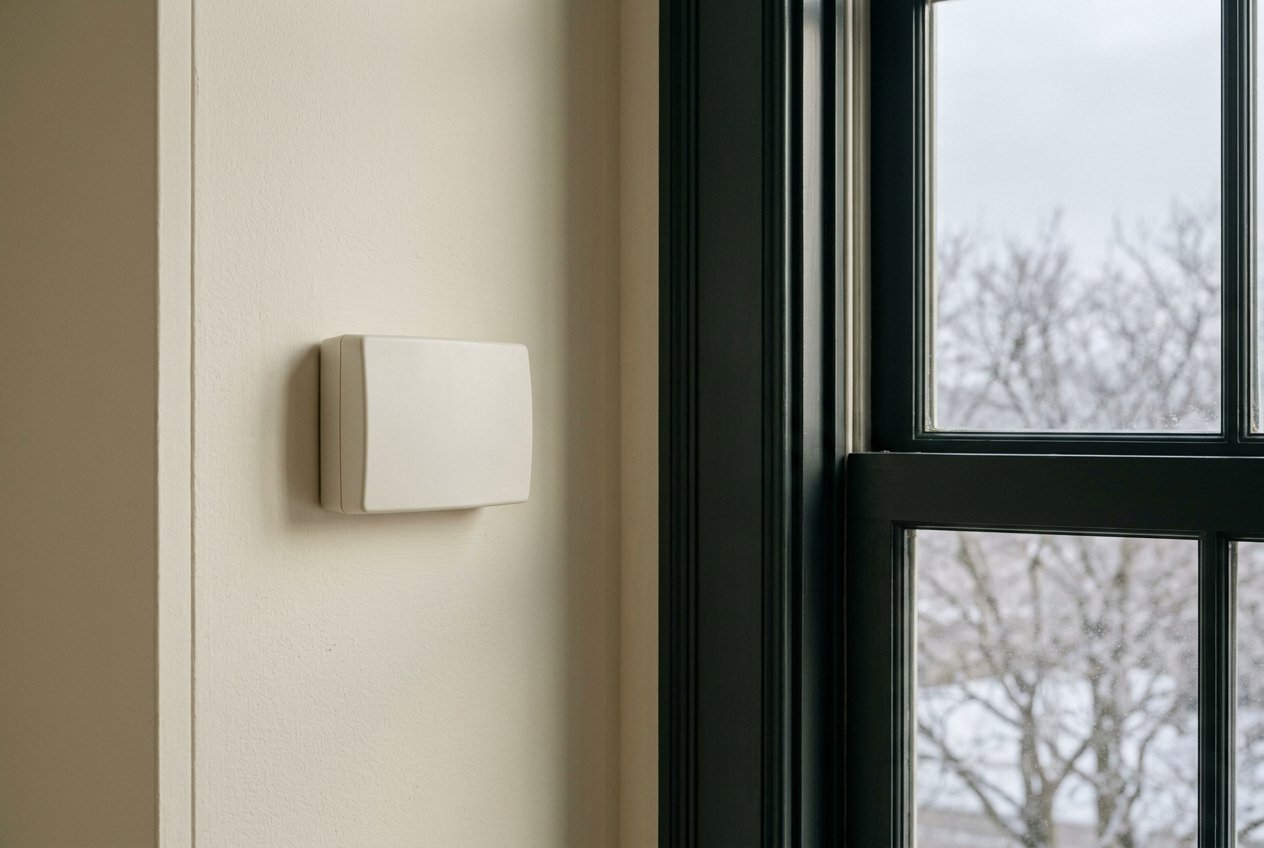
It also defines "installed." The alarm must be hardwired, plugged straight into an outlet with no switch other than a circuit breaker, or, if battery-powered, mounted on a wall or ceiling following NFPA 720. A detector sitting on a shelf or in a drawer is not installed.
When you buy a new alarm, look for the standard on the package. Do not buy by price alone.
Where should carbon monoxide alarms go?
The U.S. Consumer Product Safety Commission recommends battery-operated carbon monoxide alarms, or alarms with battery backup, on every level of the home and outside sleeping areas. It also says interconnected alarms work best, because when one sounds, they all sound. See the CPSC Carbon Monoxide Information Center.
Here is the builder's checklist I use on a walk-through:
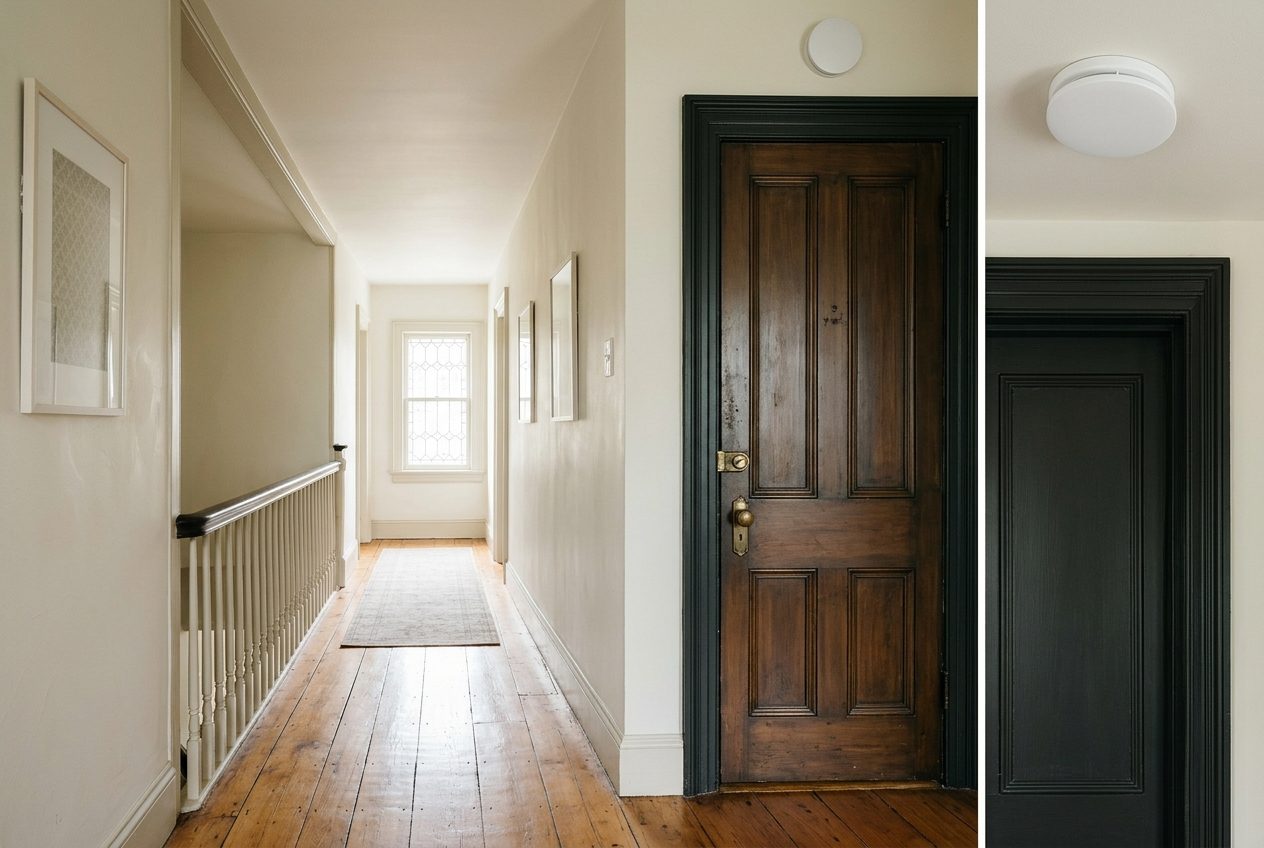
- One on each level, including the basement.
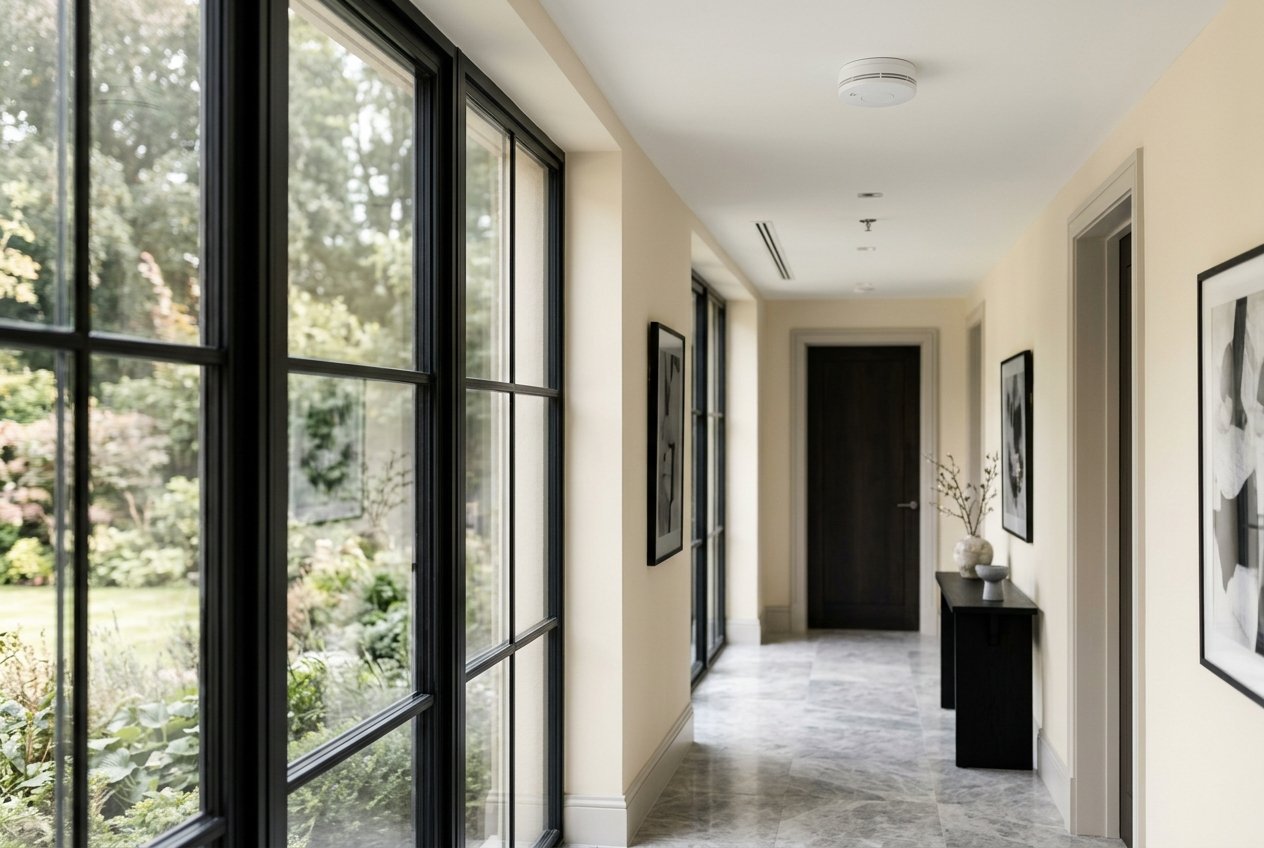
- One outside each bedroom area.
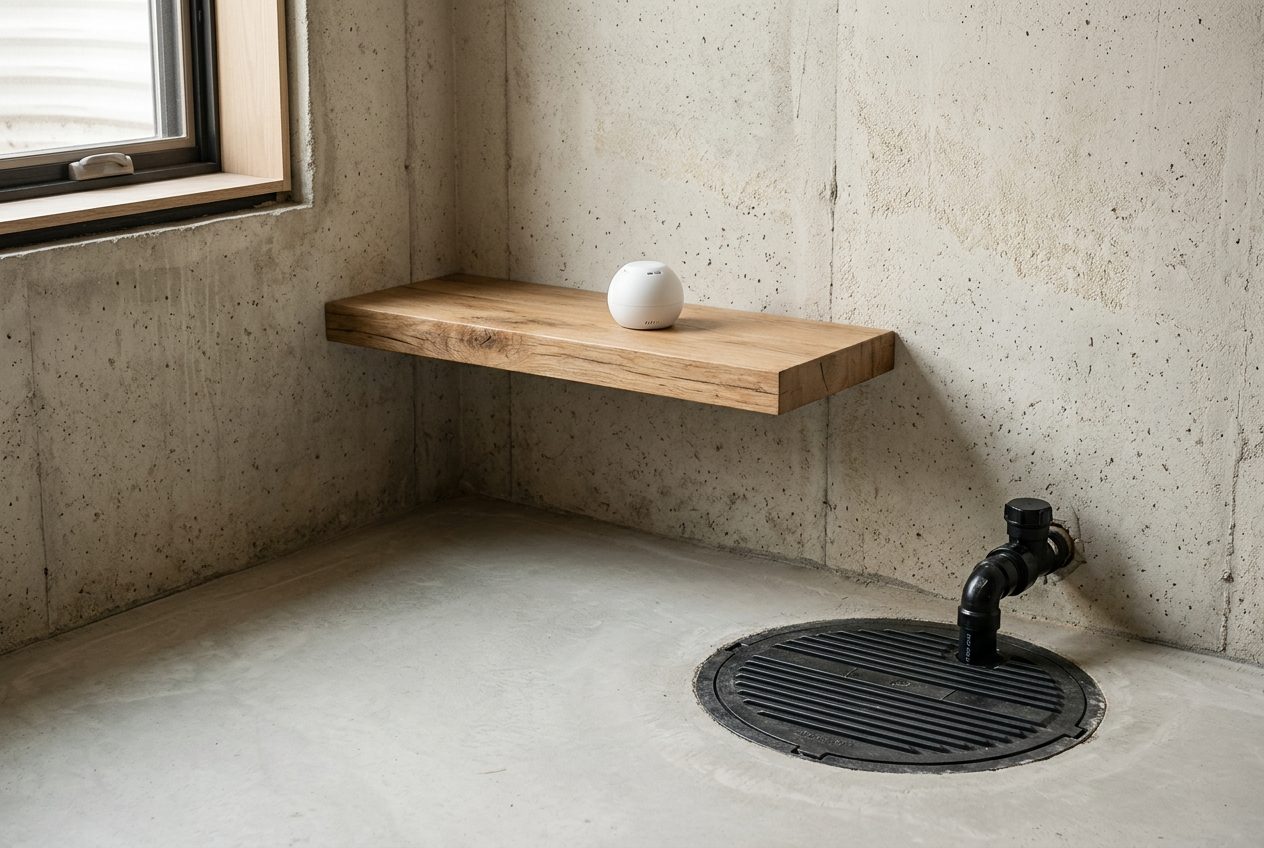
- Near, but not right next to, the furnace, water heater and fireplace.
- Not behind furniture or curtains.
- Batteries checked, and the alarm tested using the maker's instructions.
- A look at the manufacturer's date on the back, because alarms wear out. Follow the replacement guidance printed on the unit.
What are the symptoms of carbon monoxide poisoning?
The CPSC lists headache, dizziness, weakness, nausea, vomiting, sleepiness and confusion. The symptoms can look like the flu, which is part of why an alarm matters. If you suspect carbon monoxide poisoning, the CPSC says to get outside to fresh air immediately, then call 911.
If an alarm goes off in a house you are showing, treat it as real. Get everyone outside first. Then call for help.
Why do buyers and inspectors ask about carbon monoxide?
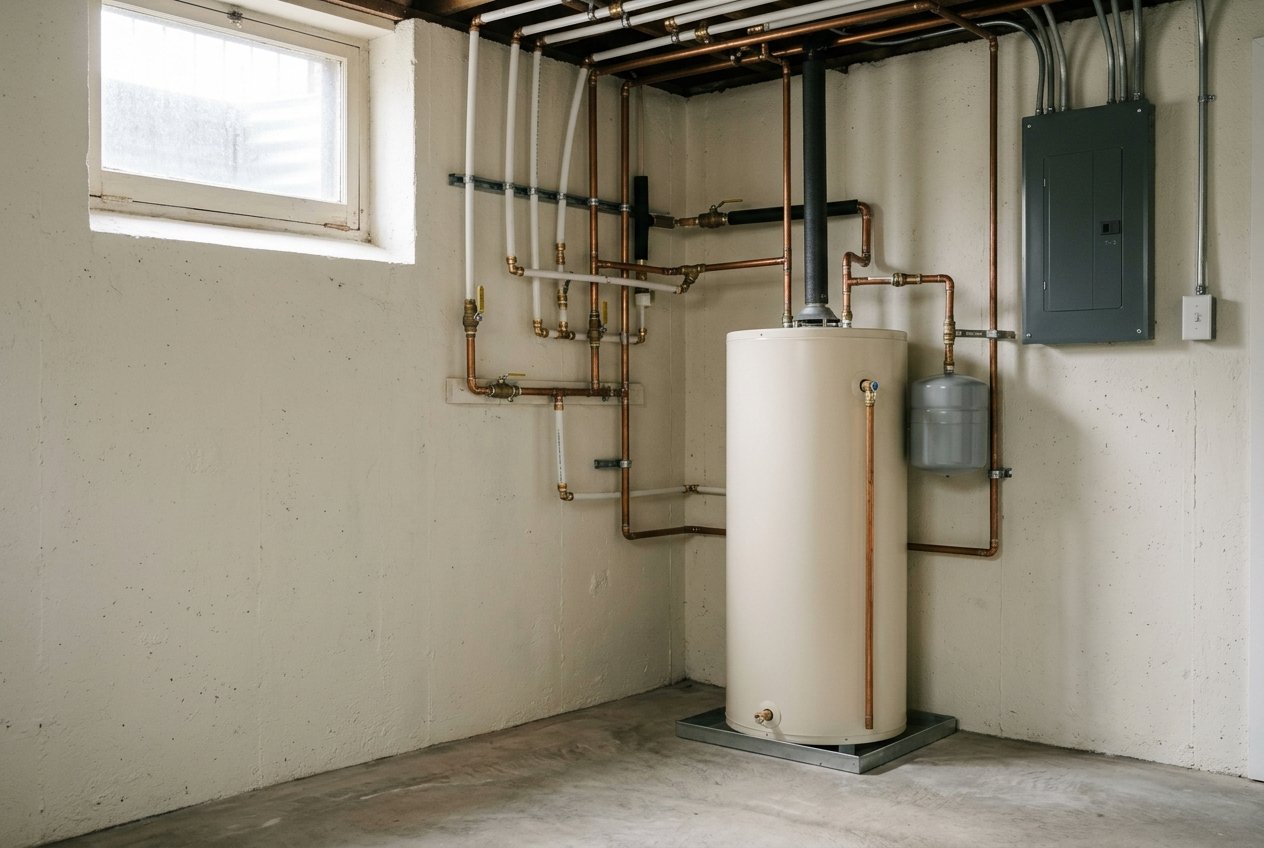
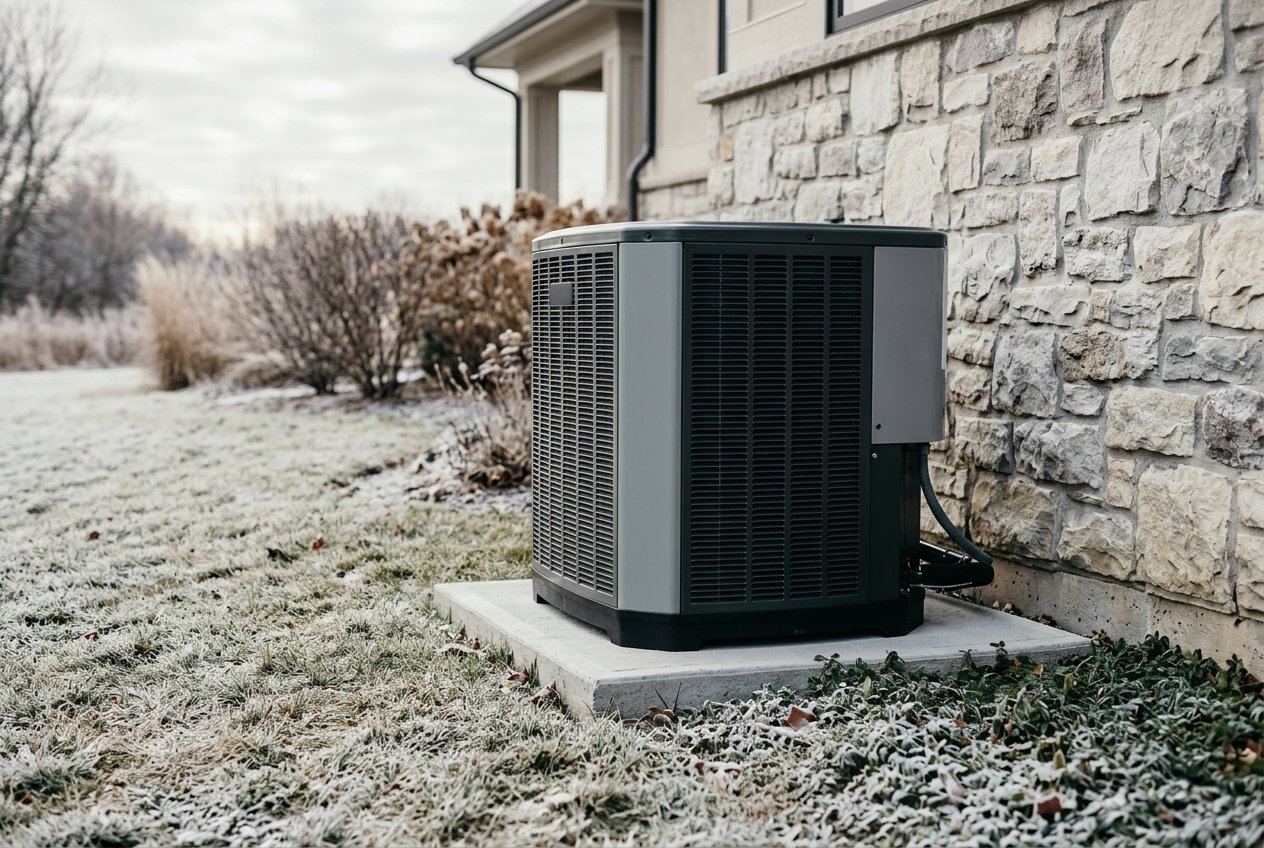
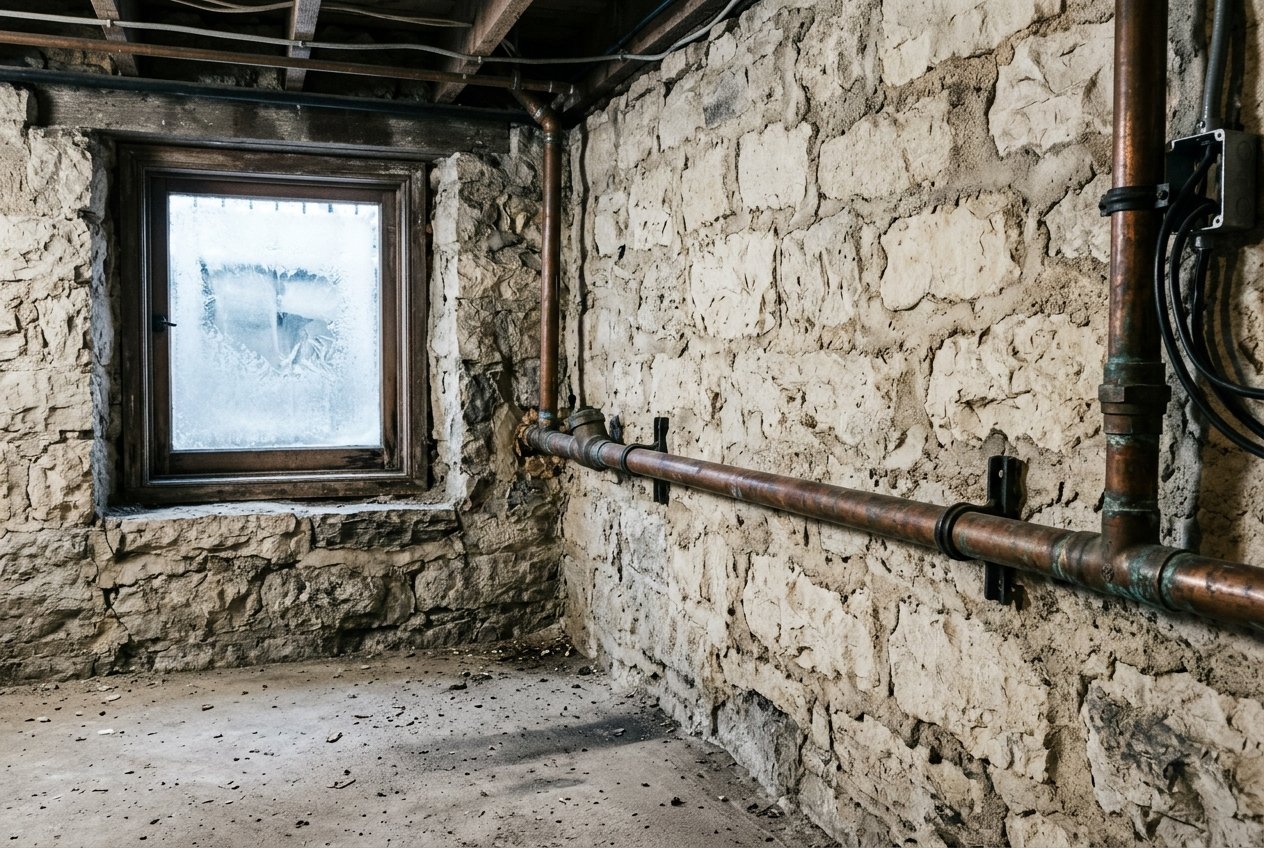
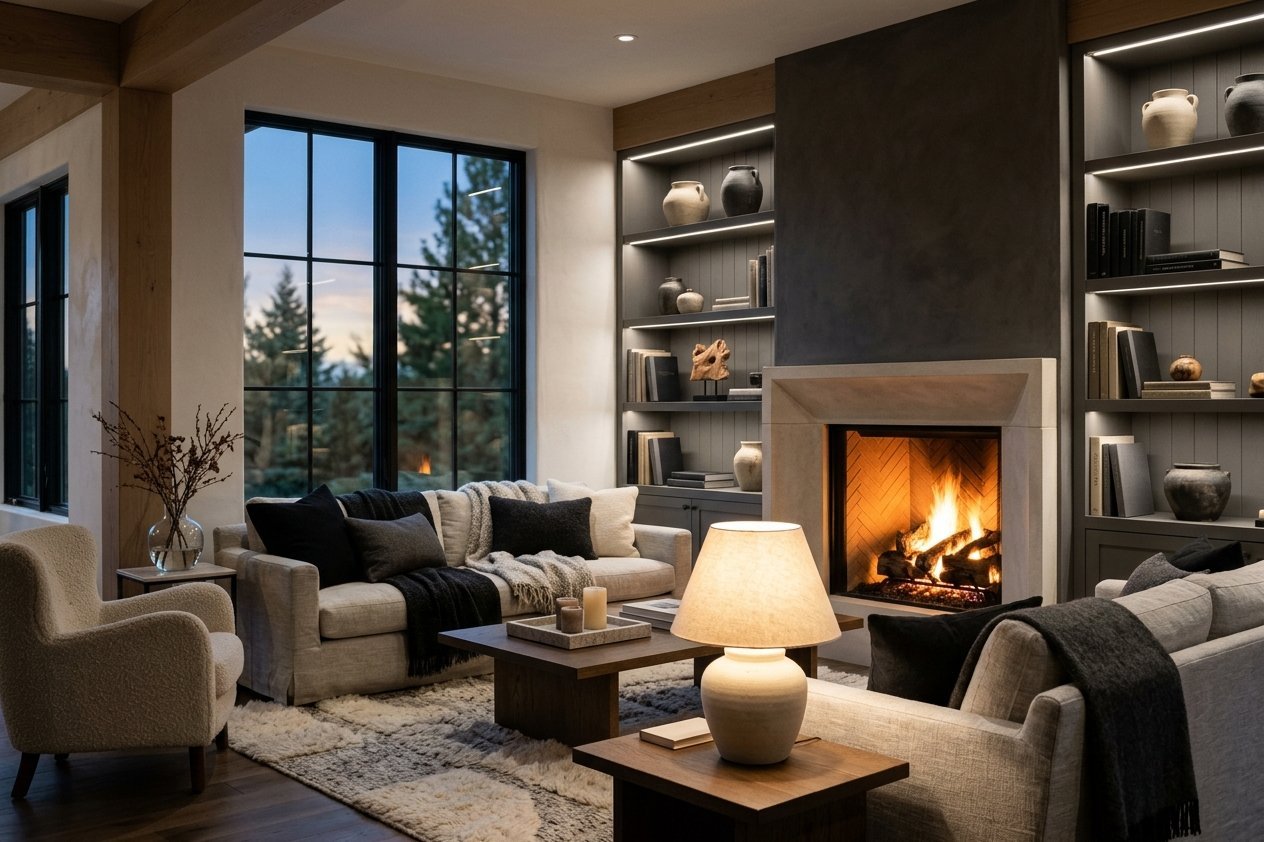
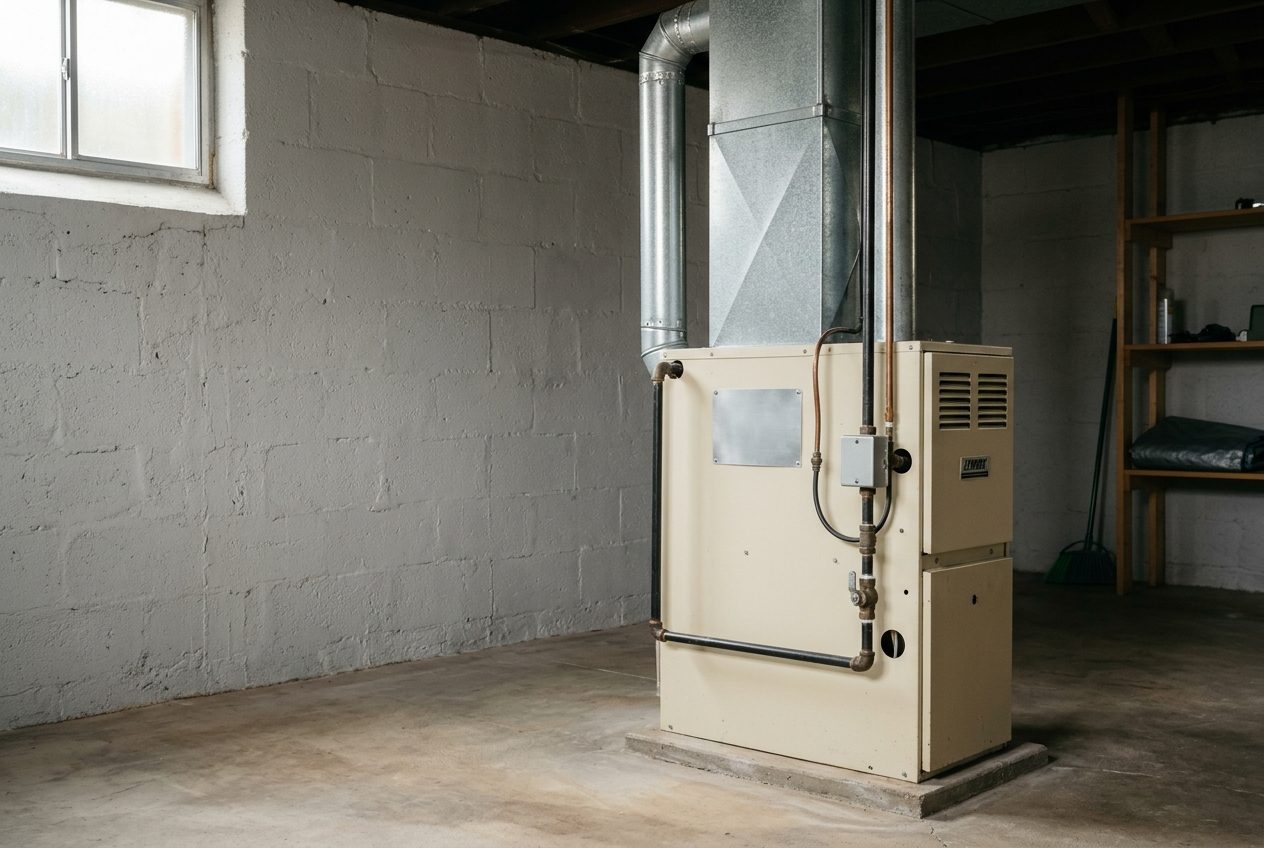
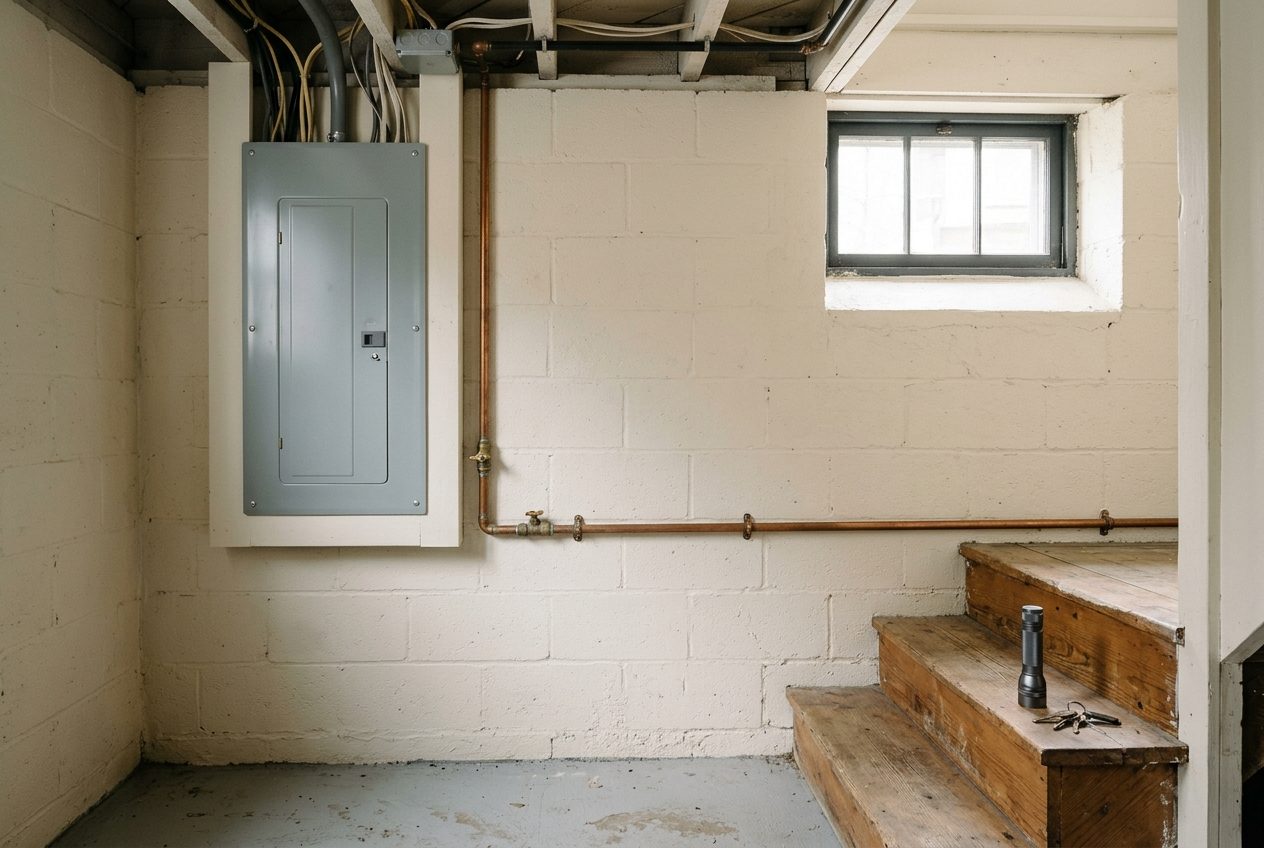
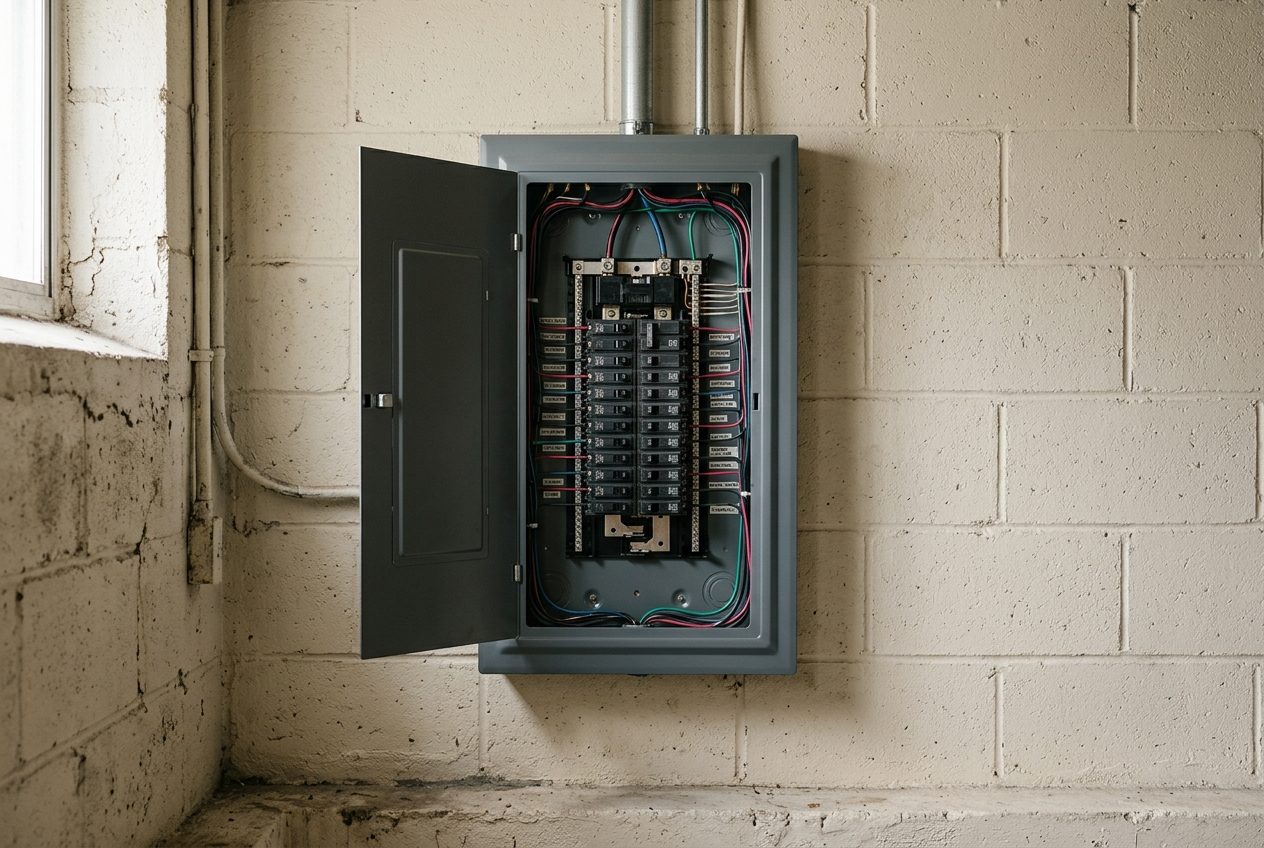
Carbon monoxide comes from burning fuel. In an older Pittsburgh house, the usual sources are a gas or oil furnace, a boiler, a gas water heater, a gas range, a fireplace, a wood stove and an attached garage.
The Act's definition of fossil fuel covers coal, kerosene, oil, wood, fuel gases and other petroleum or hydrocarbon products that emit carbon monoxide as a by-product of combustion. That is most of what heats an older house.
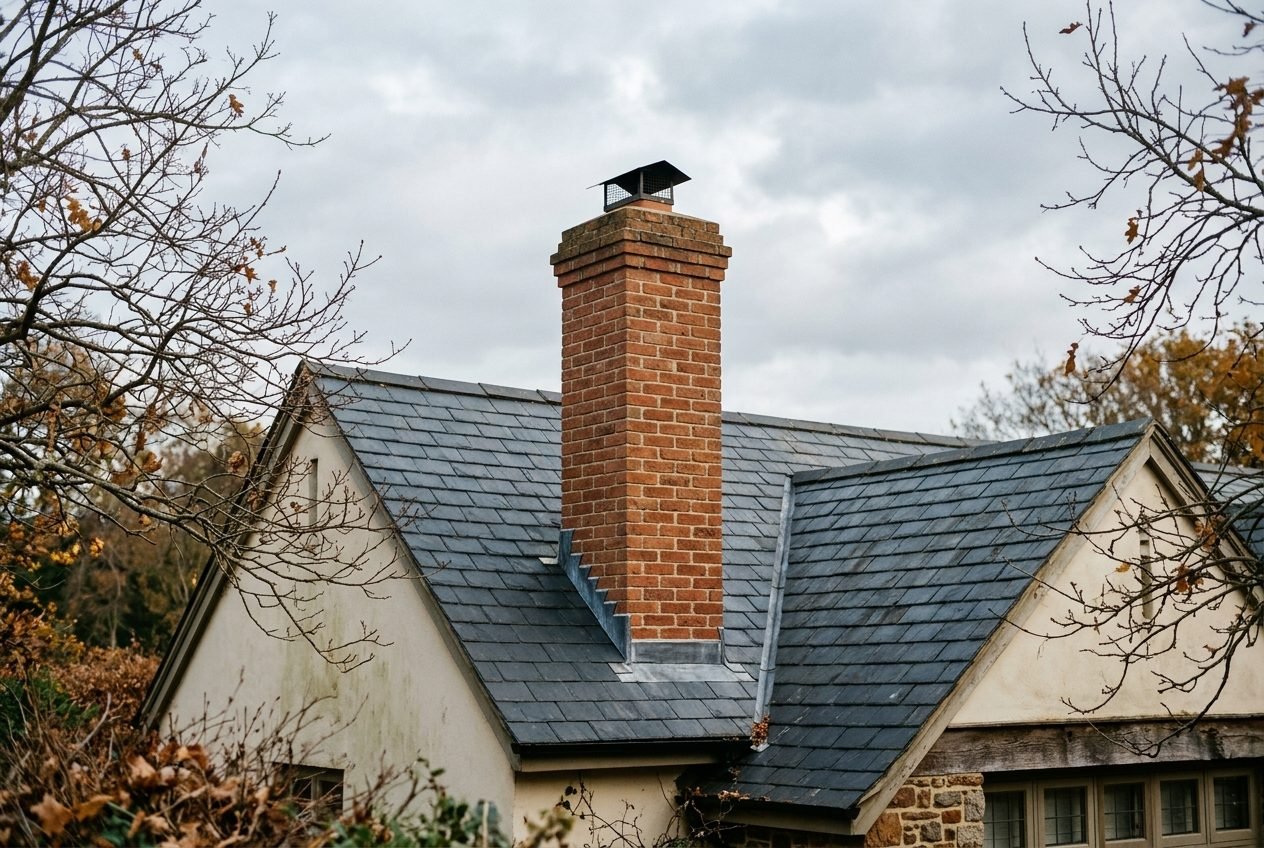
An inspector may check whether the appliances vent properly, whether the flue is intact and whether alarms are in place. They are not a substitute for a heating or chimney specialist. My post on what a home inspector does not check explains why a separate specialist is often worth the fee. For the heating side, see how old is too old for a furnace or boiler, and for fireplaces, my post on inspecting the chimney and fireplace.
What should sellers do before listing?
- Walk the house and count the alarms. Write down where each one is and how it is powered.
- Replace dead or old units. A new alarm costs little compared with a buyer's worry.
- Test every alarm and keep the receipt for any new ones.
- Answer the disclosure question about carbon monoxide detectors accurately. If you are unsure, check the house first, then answer.
- Have the furnace, boiler, water heater and chimney serviced if it has been a while, and keep the paperwork.
- Ask your township's code office whether it has its own alarm requirements for a sale.
- Talk to your attorney if you have a question about the disclosure form itself.
A pre-listing inspection can catch these items on your schedule rather than during the buyer's inspection. For more on preparing a house, see my Property Knowledge Center.
What should buyers ask?
- Where are the carbon monoxide alarms, and how old are they?
- When were the furnace, boiler, water heater and chimney last serviced?
- Has anyone ever had a carbon monoxide problem or alarm in the house?
- Is there an attached garage, and is there an alarm near the door into the house?
- What does the seller's property disclosure say about detectors?
Add your own alarms the day you move in. It is the cheapest safety upgrade in the house.
What are the common mistakes with carbon monoxide alarms?
- Believing a smoke alarm also detects carbon monoxide, unless the label says it is a combination unit
- Putting a loose alarm on a shelf instead of installing it
- Skipping the basement and the bedroom hallway
- Answering the disclosure question from memory without walking the house
- Ignoring an old alarm that chirps
- Assuming the buyer will replace everything, so there is no point checking
FAQ
Does a Pennsylvania seller have to disclose carbon monoxide detectors?
Under Section 4(a) of the Carbon Monoxide Alarm Standards Act (Act 121 of 2013), a seller of a residential building must disclose information about carbon monoxide detector installation on the property disclosure statement required by Chapter 73 of Title 68.
Does a single-family house need a carbon monoxide alarm to be sold?
The sale provision in Section 4(a) is a disclosure rule. The Act's alarm requirement in Section 4(b) is for multifamily dwellings. A township may have stricter rules, so check with your municipality and your attorney.
Where should carbon monoxide alarms be installed?
The Consumer Product Safety Commission recommends them on every level of the home and outside sleeping areas, and says interconnected alarms work best.
What are the signs of carbon monoxide poisoning?
The CPSC lists headache, dizziness, weakness, nausea, vomiting, sleepiness and confusion. If you suspect it, get outside to fresh air right away and call 911.
If you are preparing an older Pittsburgh house to list and want a builder's read on the heating, flue and alarm questions before the buyer's inspector asks them, book a 30-minute call. Bring the address.