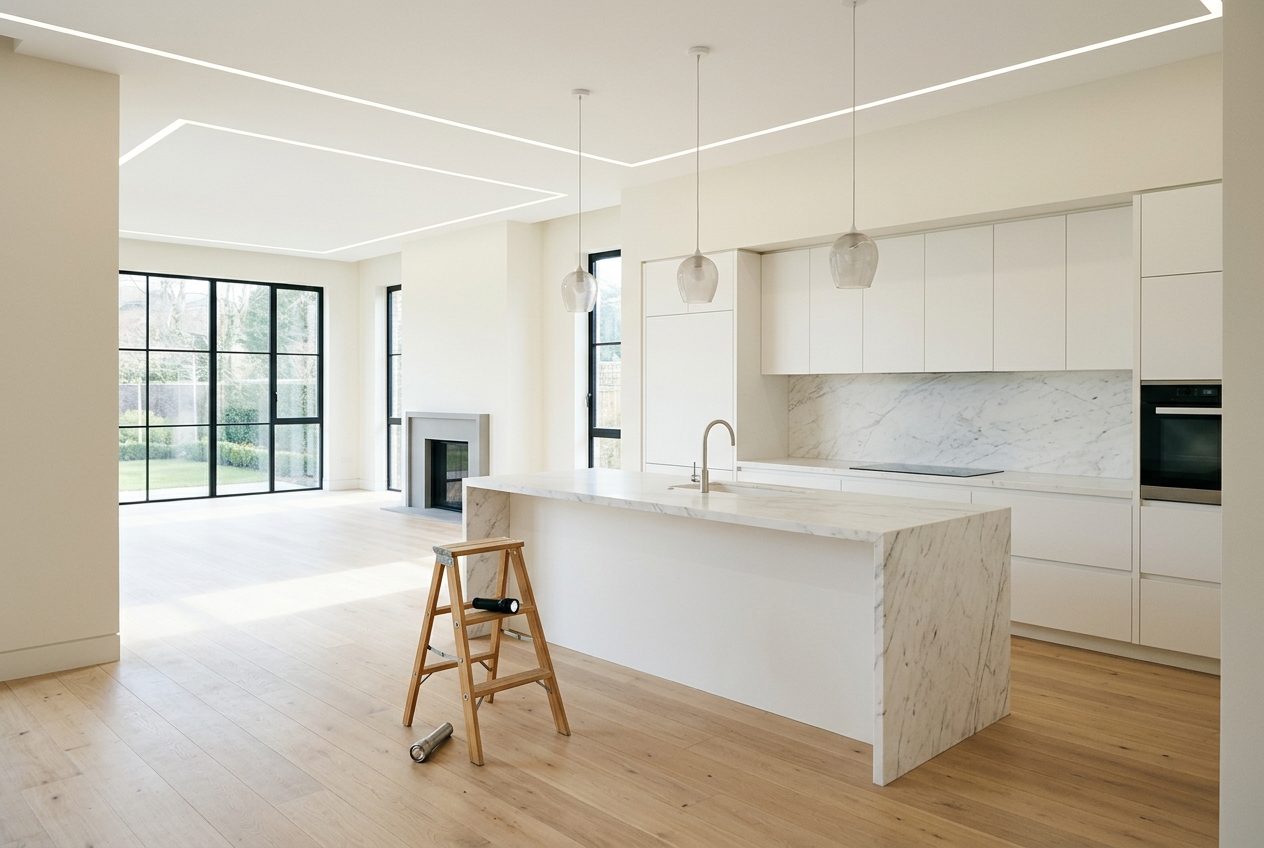
The final walk-through is not a tour. It is the last point where you hold leverage over a builder who wants to close. After you sign, the same problems become warranty requests that move at the builder's pace.
Treat it like an inspection, because it is the most important one you will do.
Aubre J. Stacknick is a Global Real Estate Advisor with Piatt Sotheby's International Realty in Pittsburgh, PA, helping buyers and sellers across Western Pennsylvania see a home through a builder's eyes. I have stood on the builder's side of a final walk-through, and I know what gets missed when buyers rush.
What is a final walk-through?
It is a scheduled visit, usually shortly before closing, where you and the builder's representative go through the finished house together. You note anything incomplete, damaged, or not working. The builder agrees to fix the items, often on a written list called a punch list, before or soon after closing.
Ask when it is scheduled and how long you have. Do not let it be a ten-minute walk with the paint still wet.
Who should come?
You, your agent, and, if possible, an independent inspector who knows new construction. A second pair of eyes catches things you will stop seeing after the first twenty minutes. Plan to spend a couple of hours, and ask for time without a rush.
What should you bring?
- A printed list of what you ordered, including options, upgrades, and any change orders, so you can check that each one is there
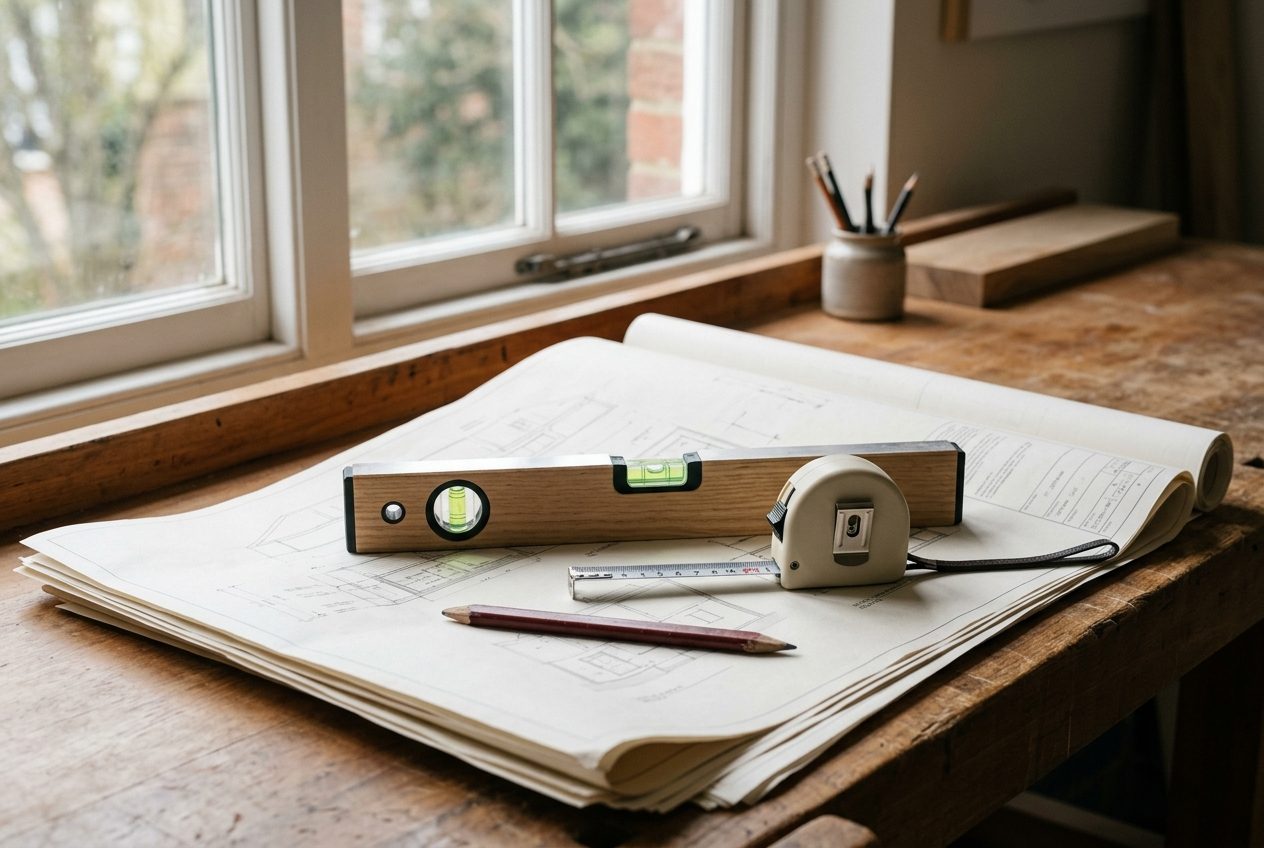
- Your contract and plans
- A phone with a flashlight and a camera
- A small level, a tape measure, and an outlet tester
- Painter's tape to mark problems on the spot
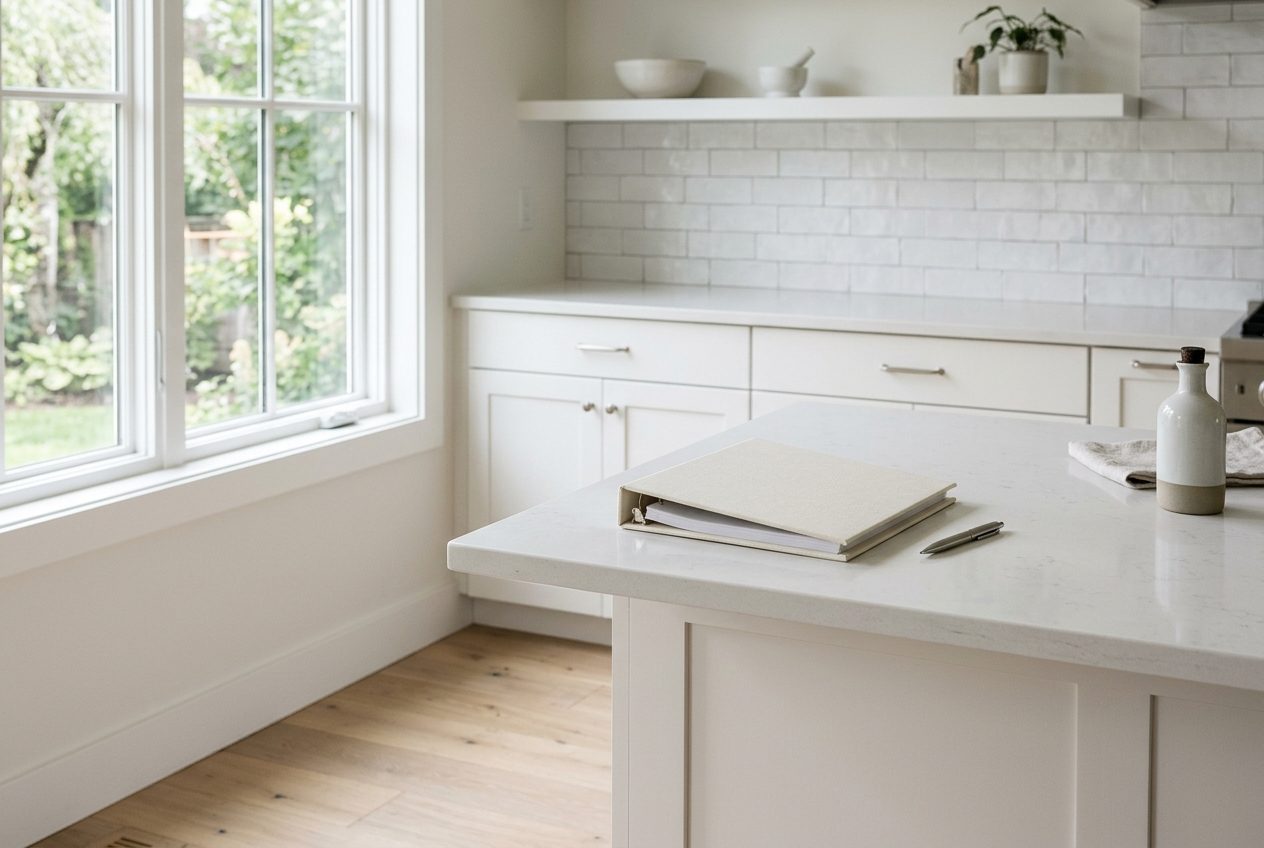
- A notebook or the notes app, with every room listed
What should you check inside?
Work room by room, and do the same things in each one.
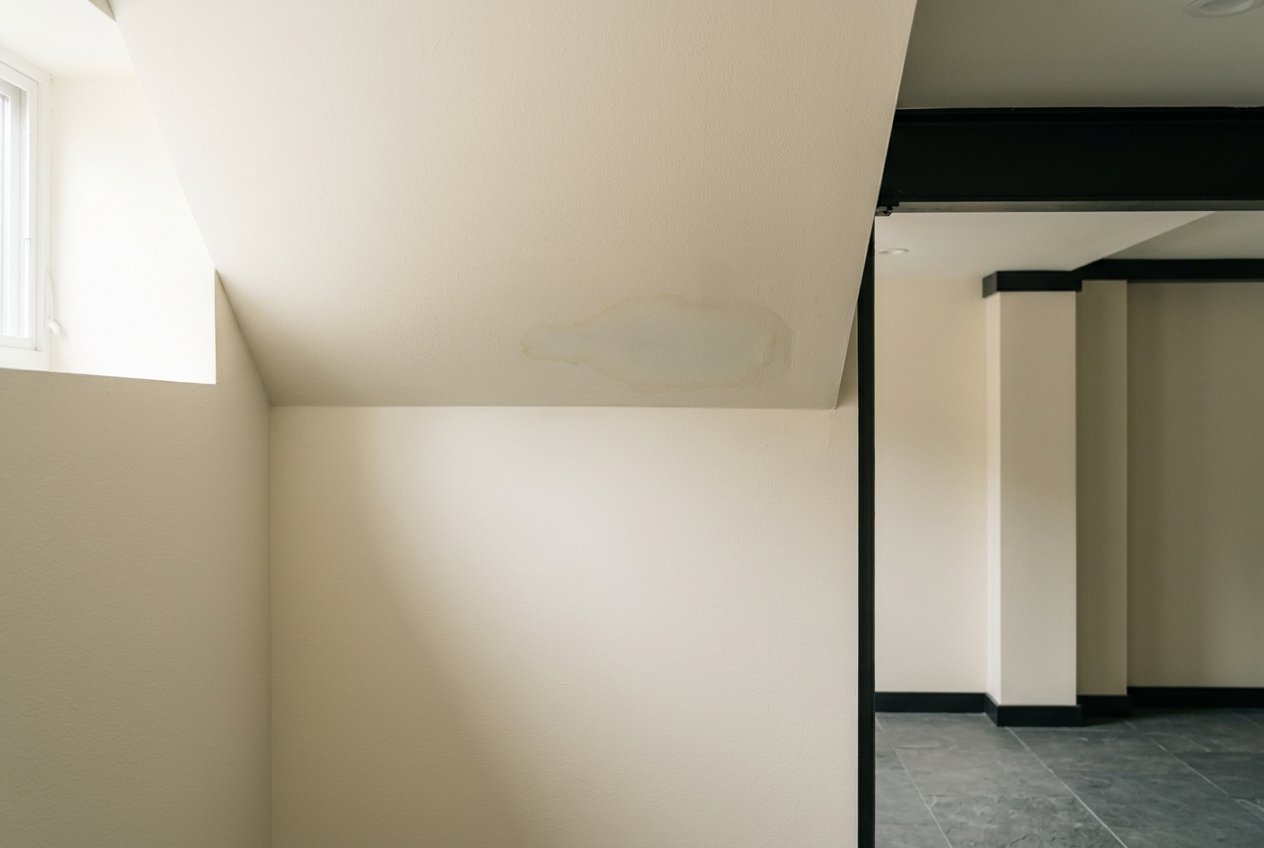
- Walls and ceilings. Look at them in angled light for nail pops, uneven drywall, cracks, and paint misses.
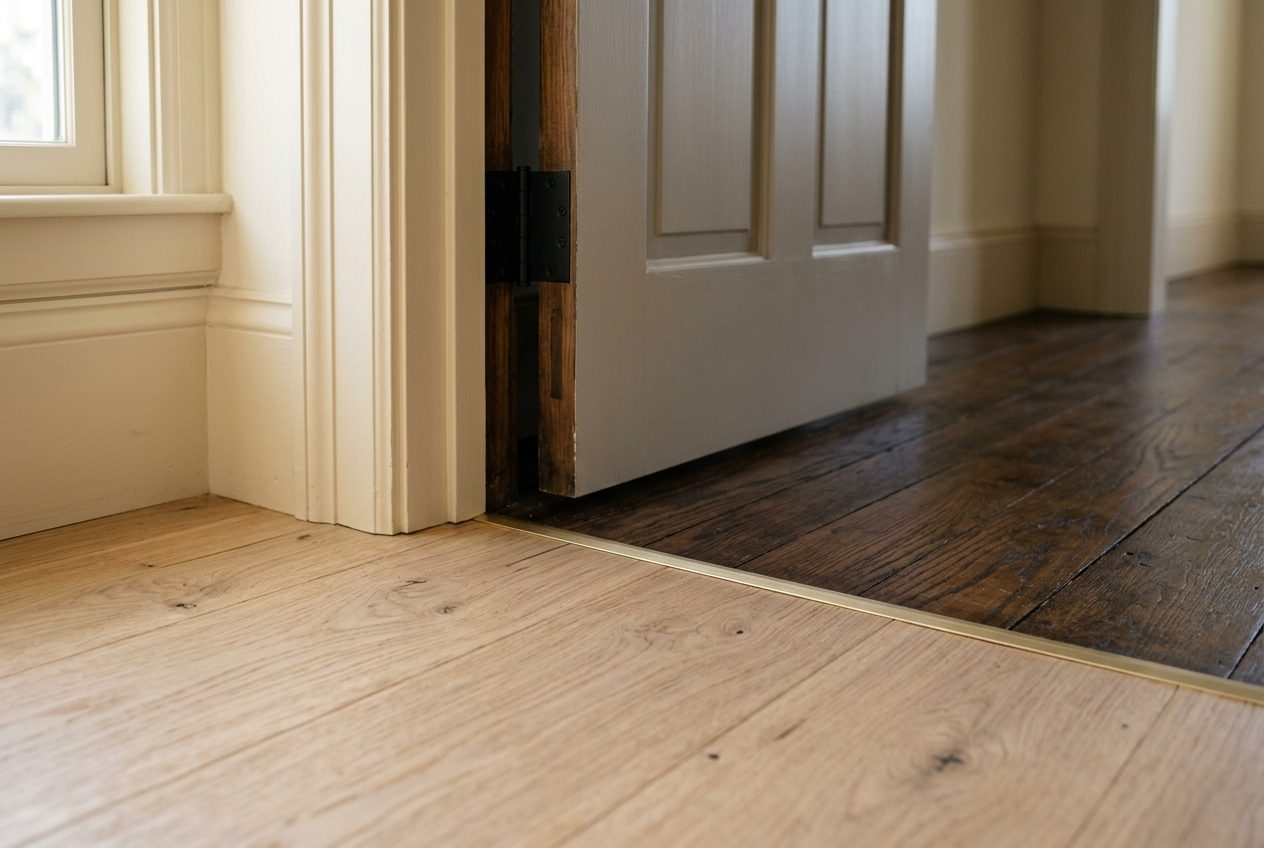
- Floors. Walk every floor for squeaks, gaps, scratches, uneven areas, and trim that does not meet.
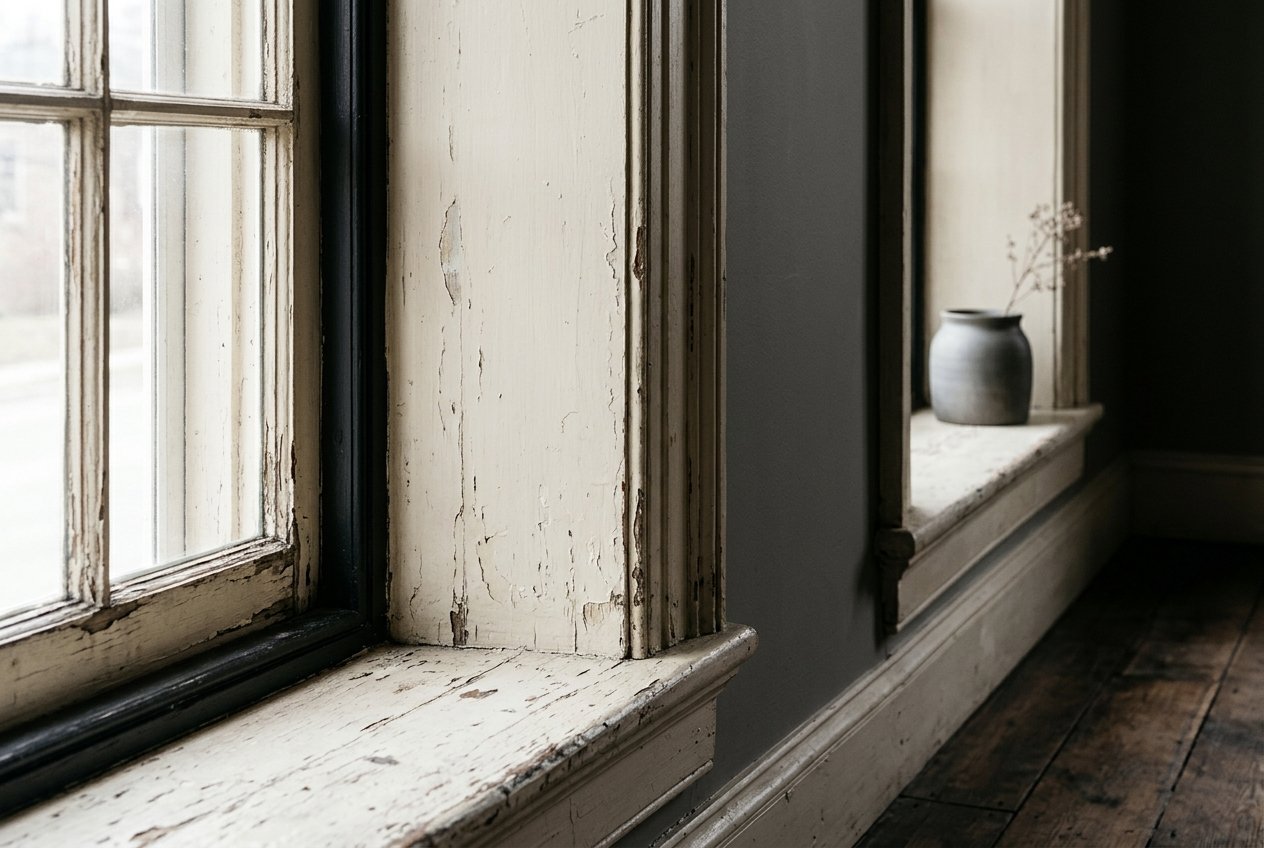
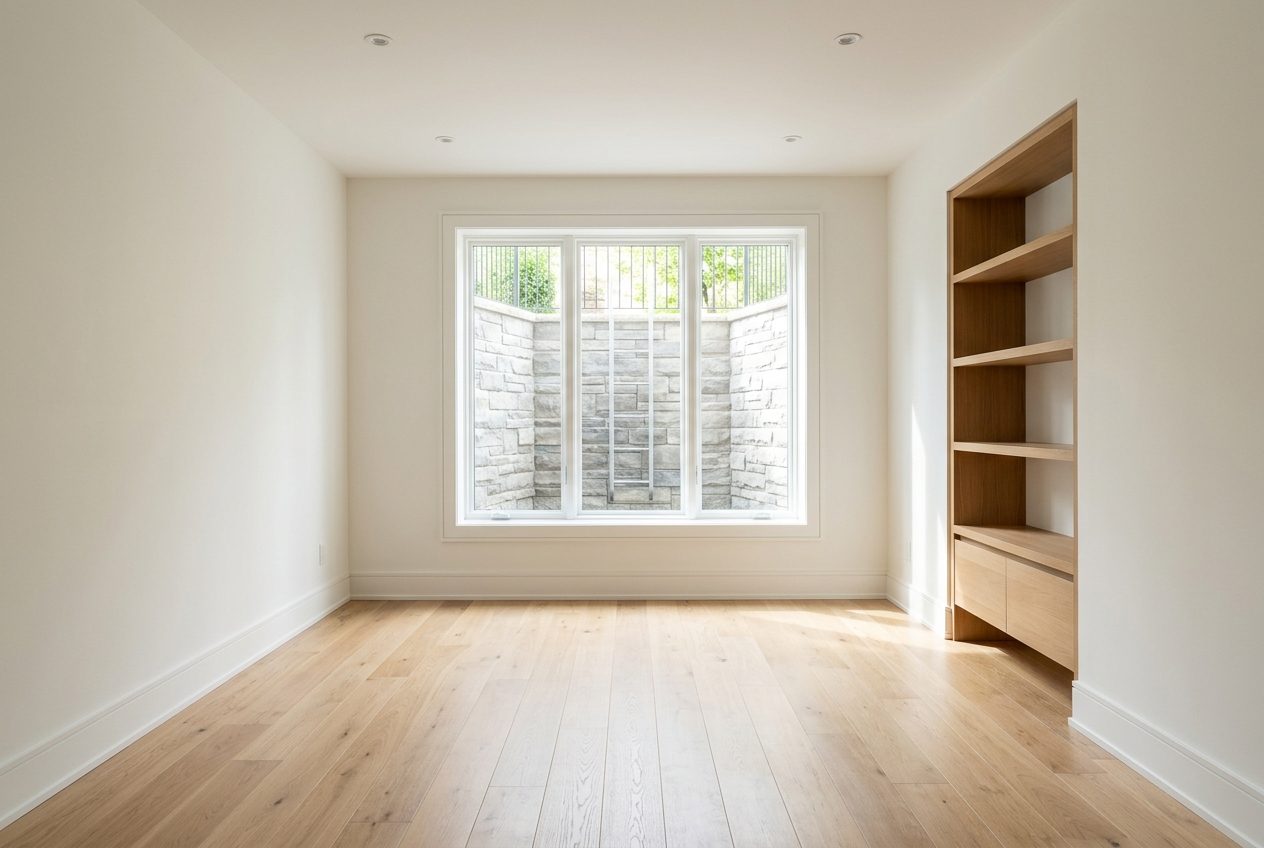
- Doors and windows. Open and close every one. Check locks, latches, screens, and weatherstripping. Look for gaps and daylight at the edges.
- Cabinets and counters. Open every door and drawer. Check alignment, soft-close hardware, chips, and gaps at the wall.
- Lights and outlets. Turn on every light. Test every outlet. Check the switches and any dimmers.
- Plumbing. Run every faucet, shower, and tub. Check for leaks under sinks, water pressure, and hot water. Flush every toilet. Fill tubs and watch the drains.
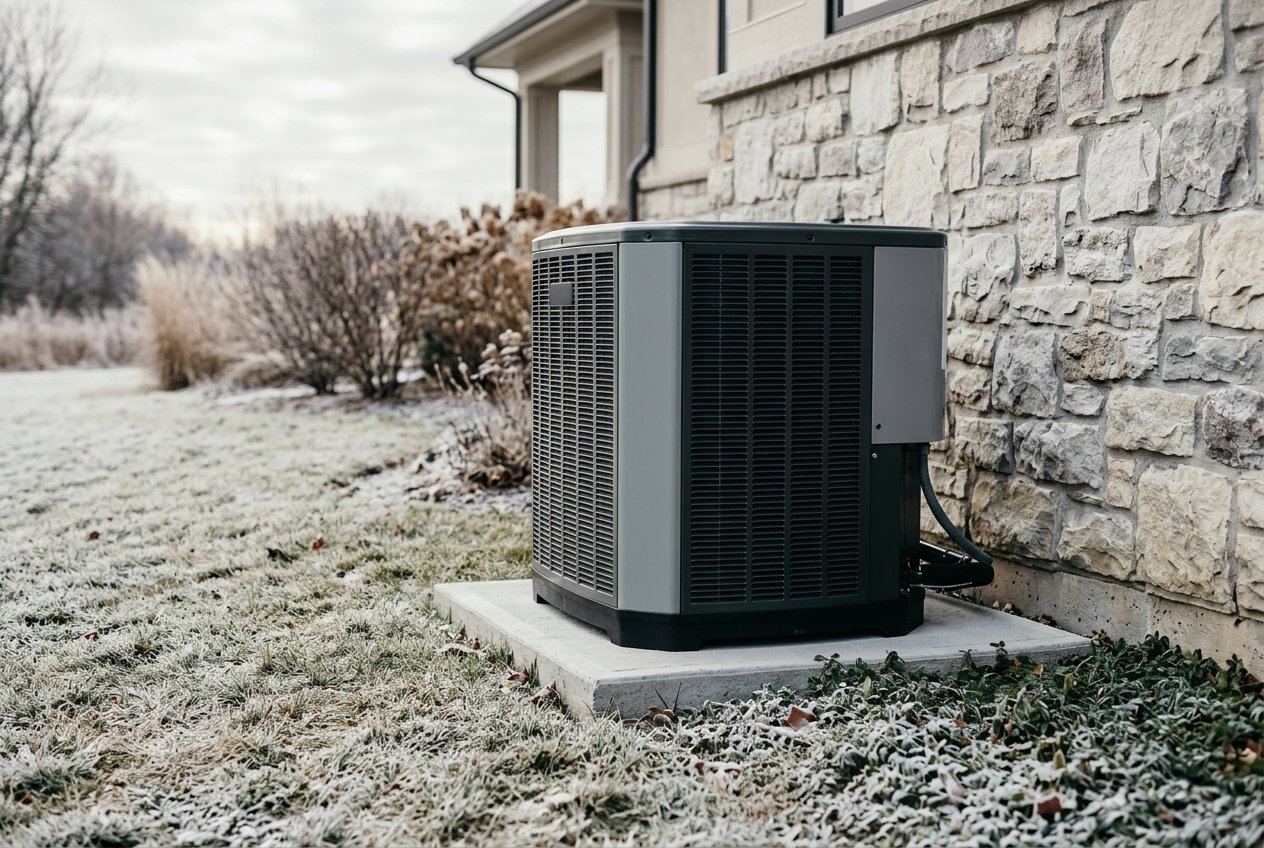
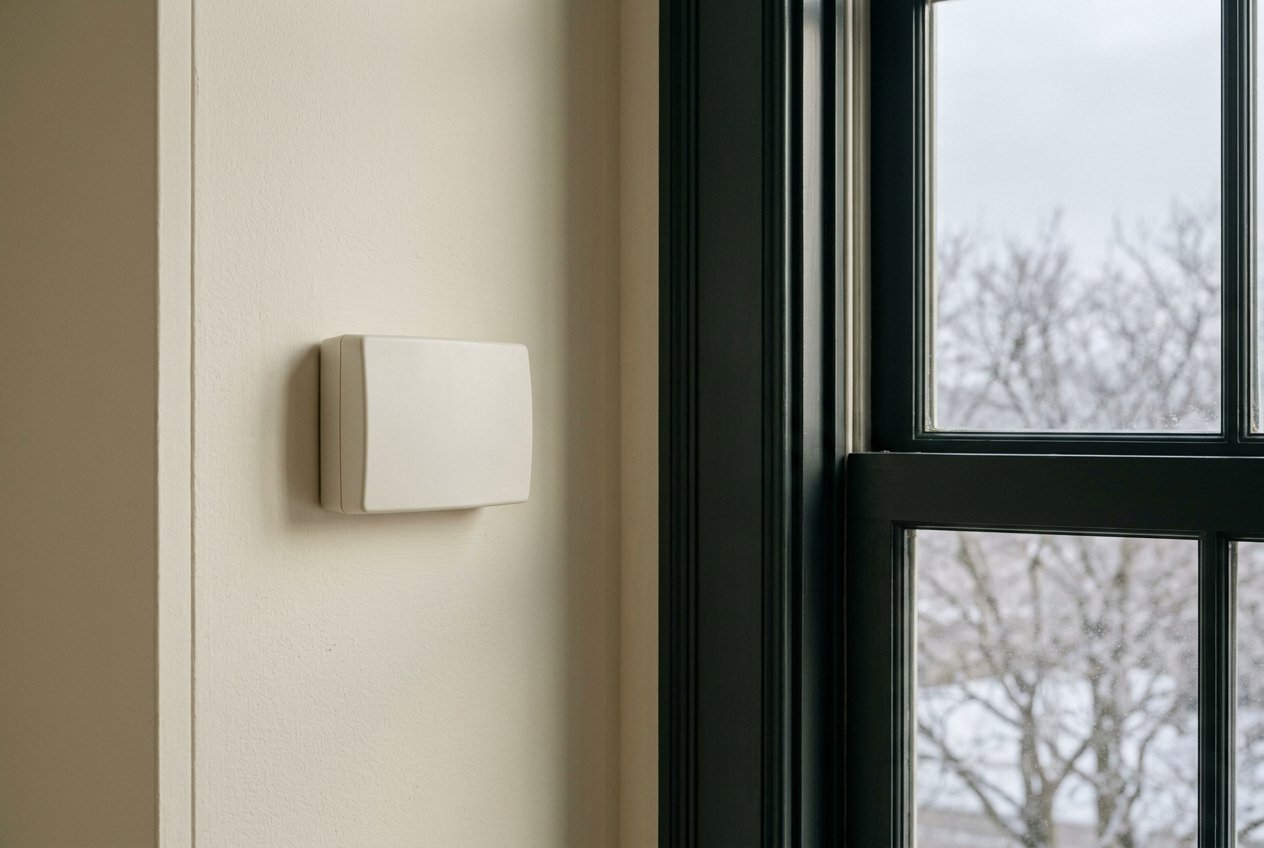
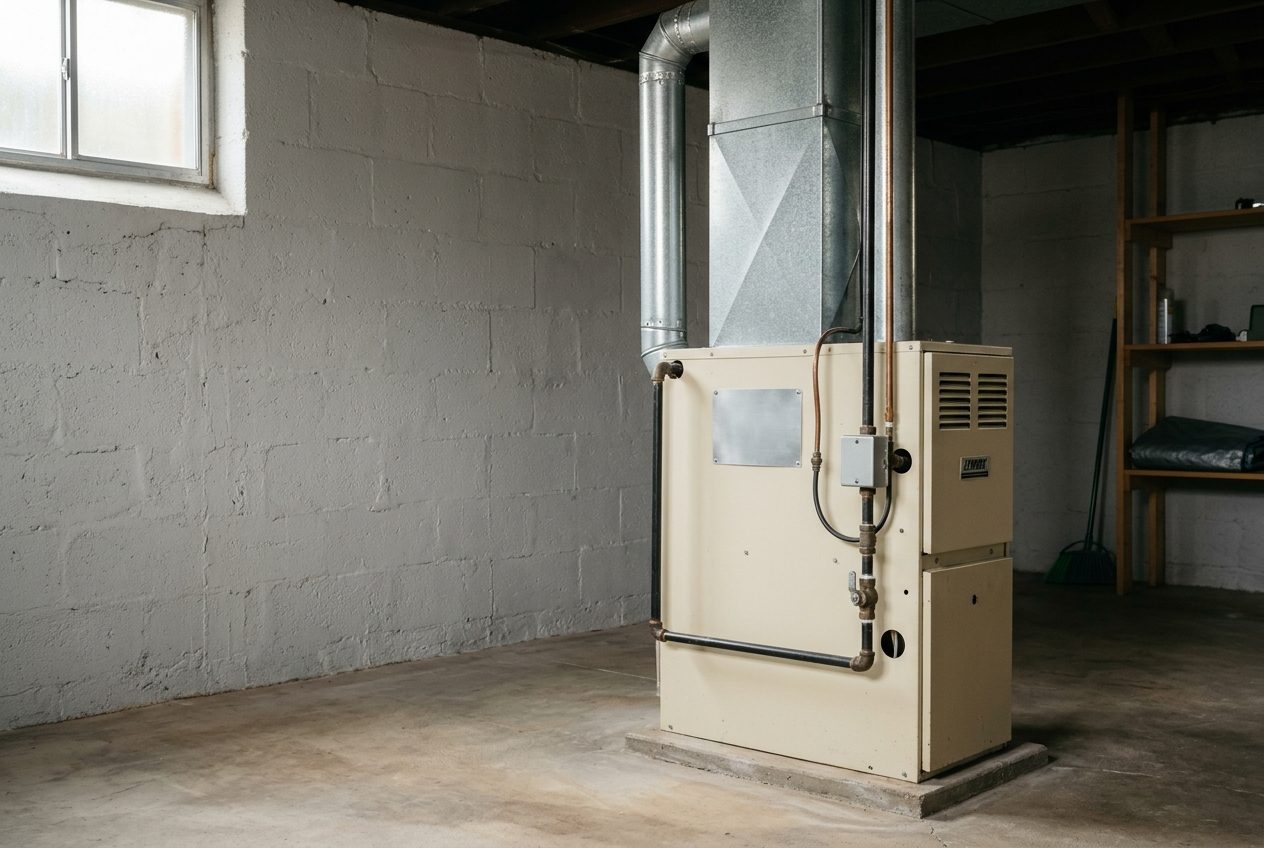
- Heating and cooling. Run both and check that each room gets air. Locate the filter and the thermostat.
- Appliances. Run each one, and confirm the models match your order.
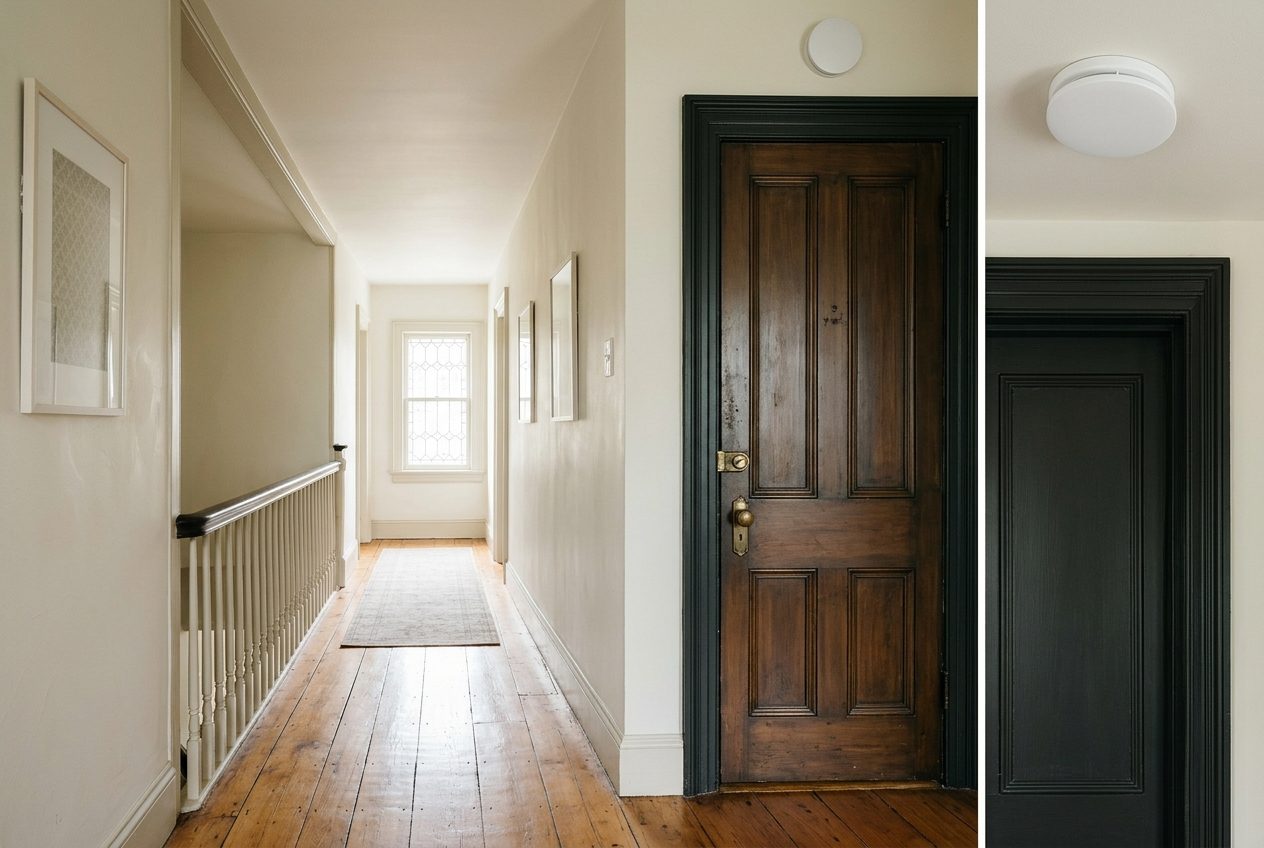
- Smoke and carbon monoxide detectors. Confirm they are present and test them.
What should you check outside?
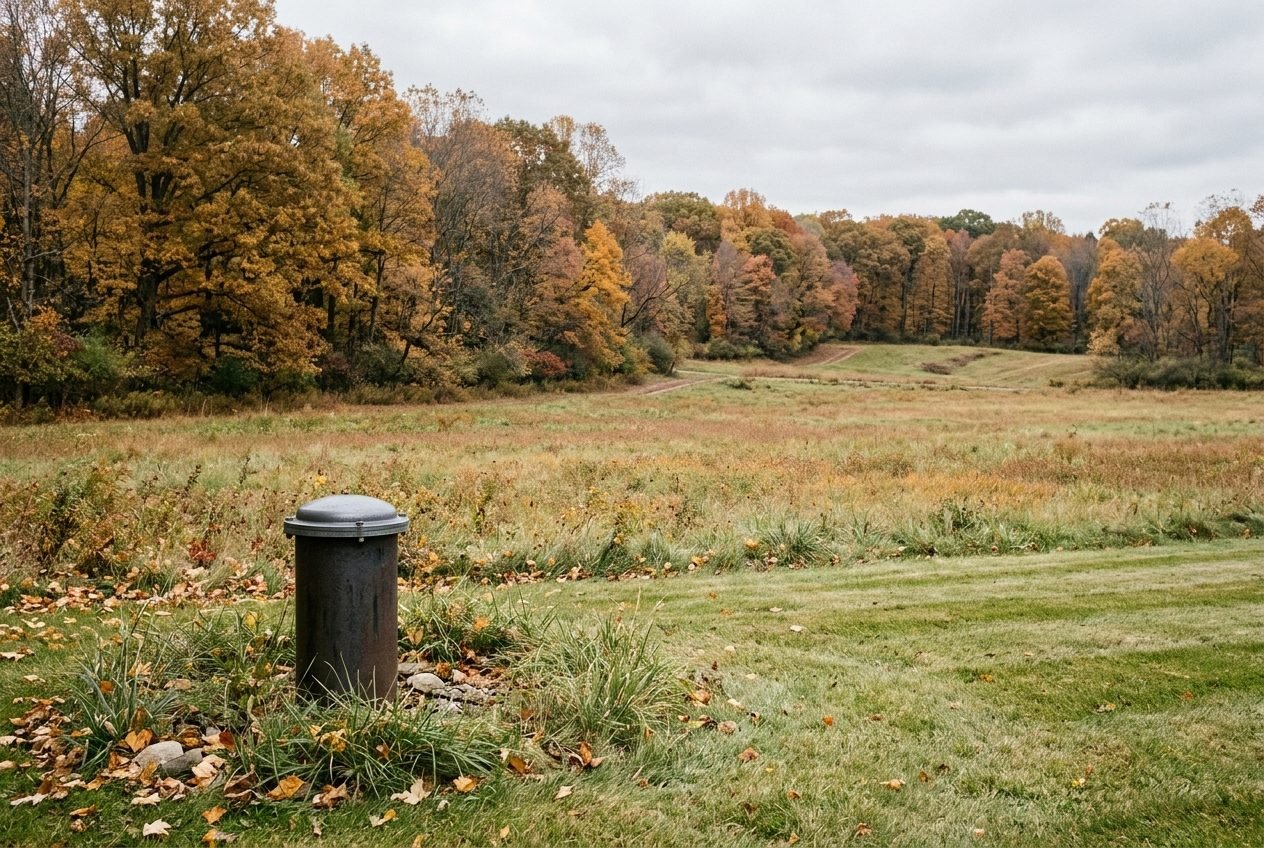
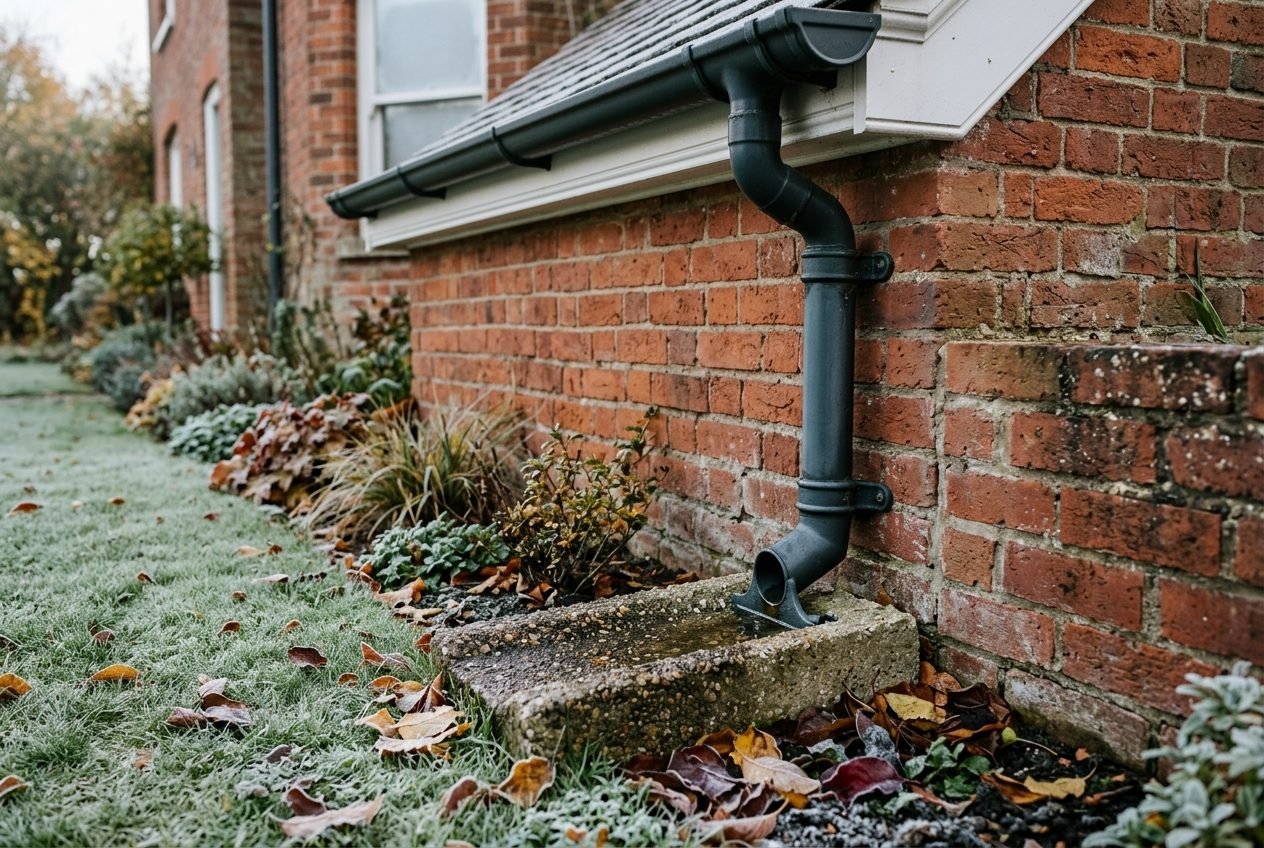
- Grading. Water should run away from the house, not toward it. Look at the soil around the foundation, and at downspouts and where they empty.
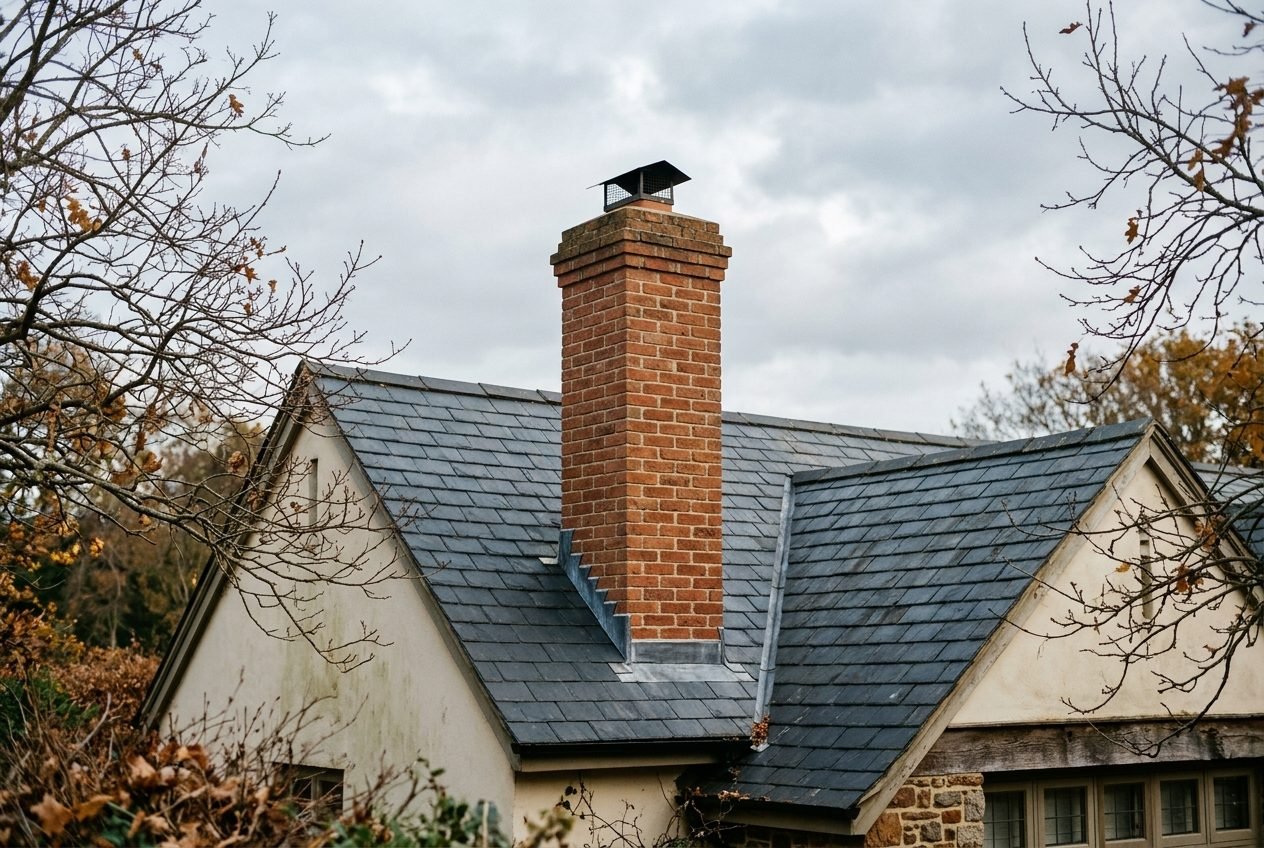
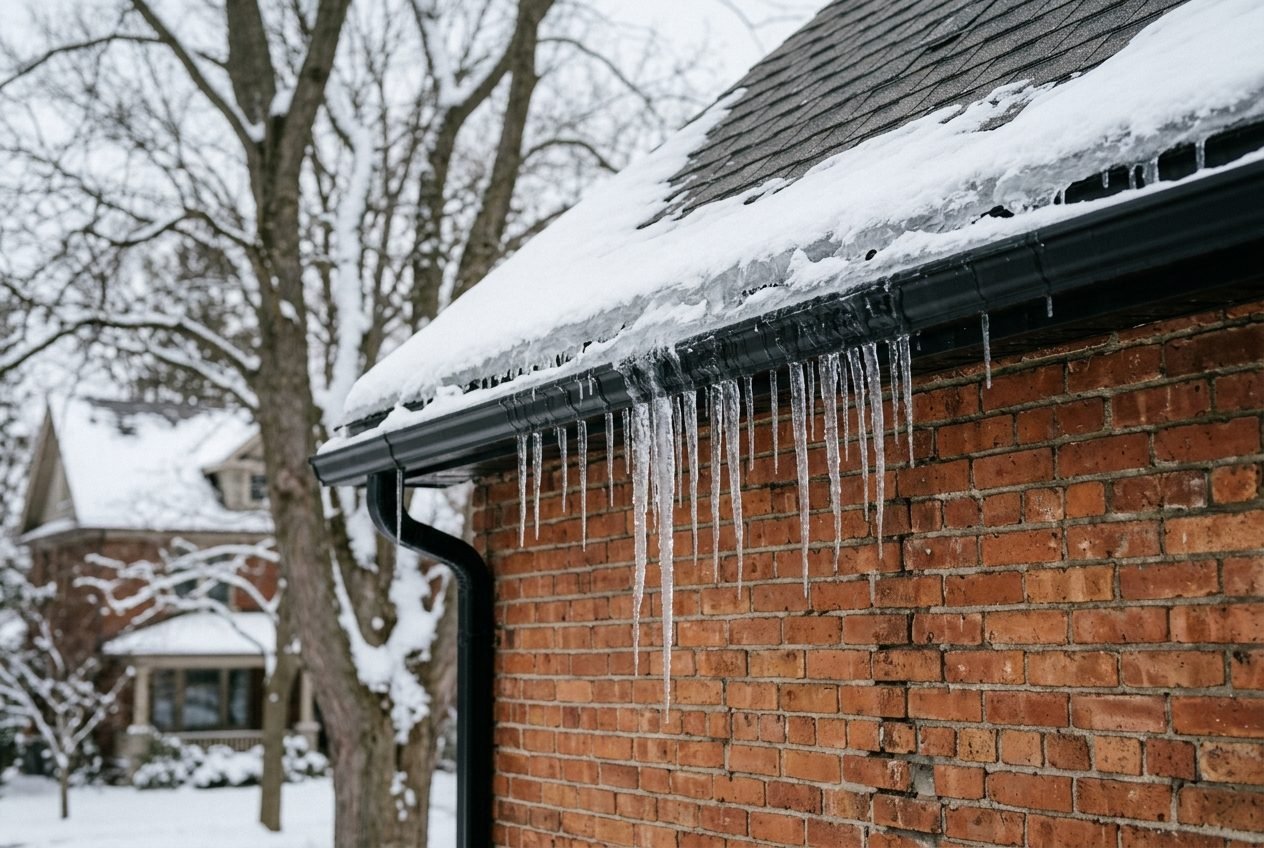
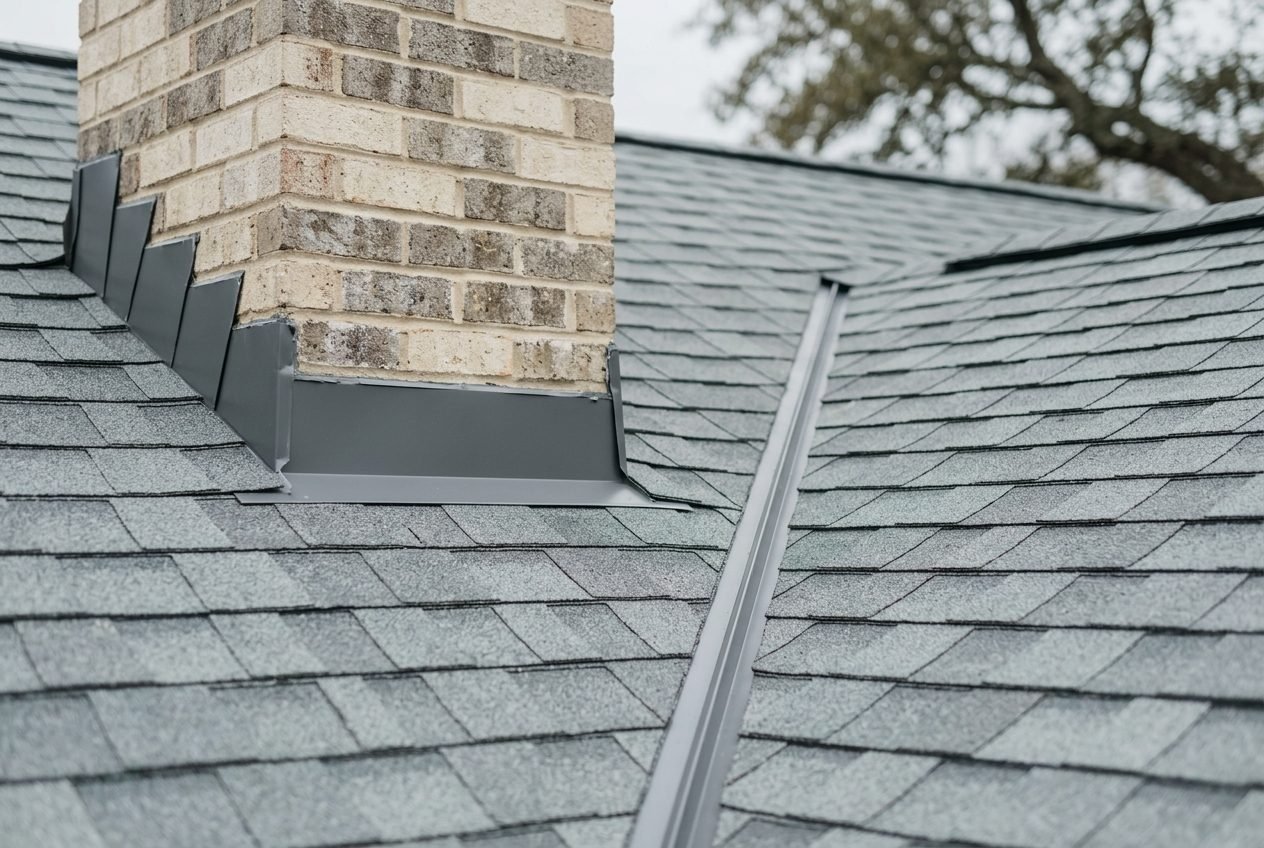
- Roof and gutters from the ground. Look for missing pieces, loose flashing, and gutters that pitch correctly.
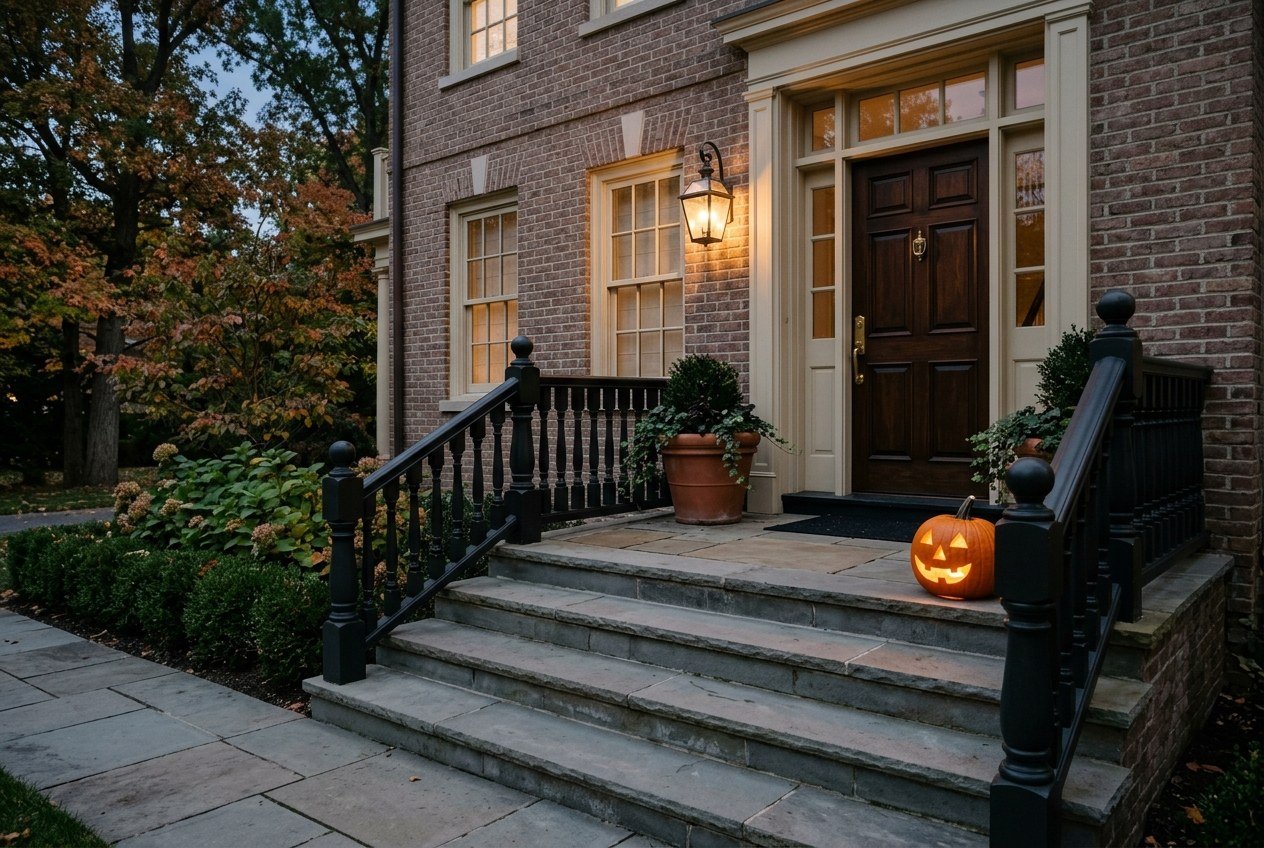
- Siding and trim. Look for gaps, damage, and unpainted areas.
- Driveways, walks, and steps. Check for cracks and uneven areas.
- Garage. Test the door and the opener, and check the floor and the slope to the door.
- Landscaping and sod. Compare to the contract. Look for drainage problems.
What about the basement, attic, and mechanicals?
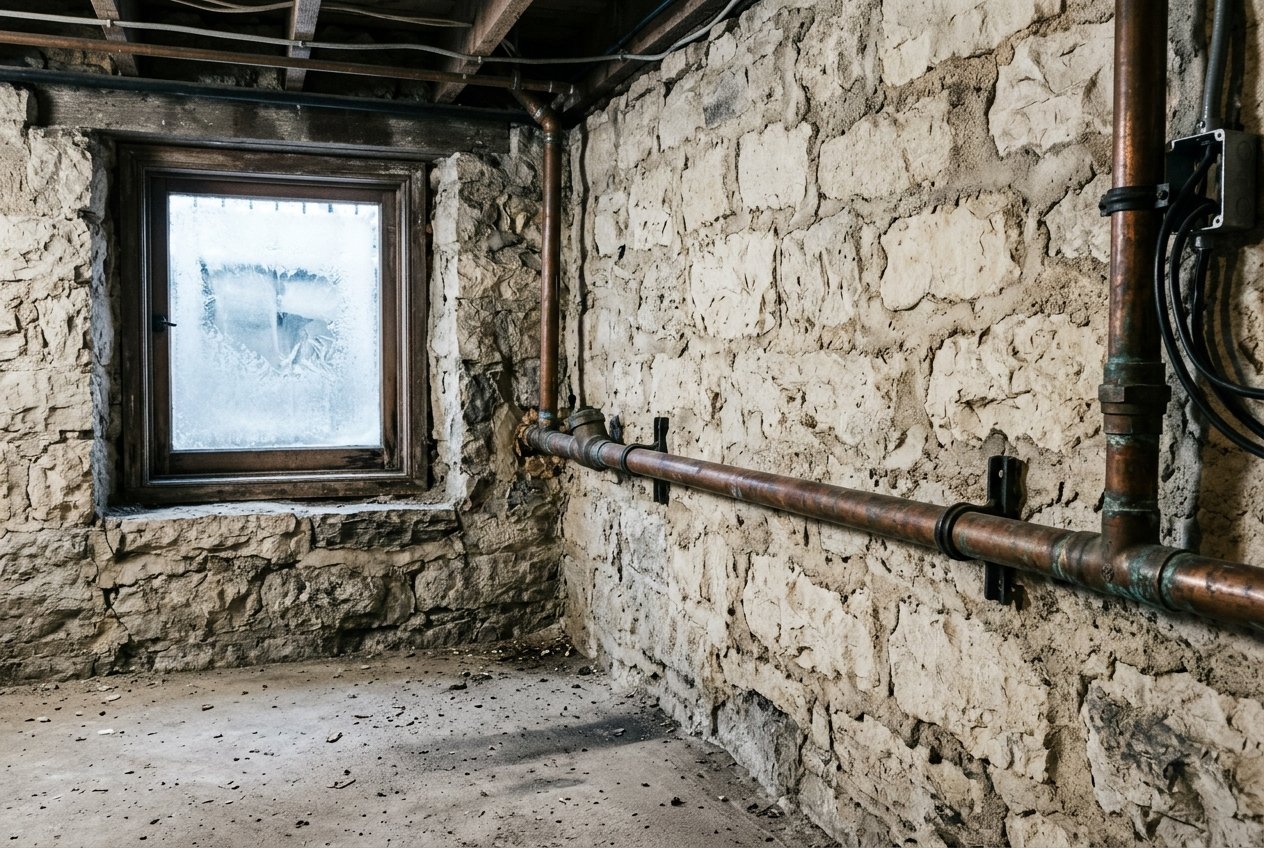
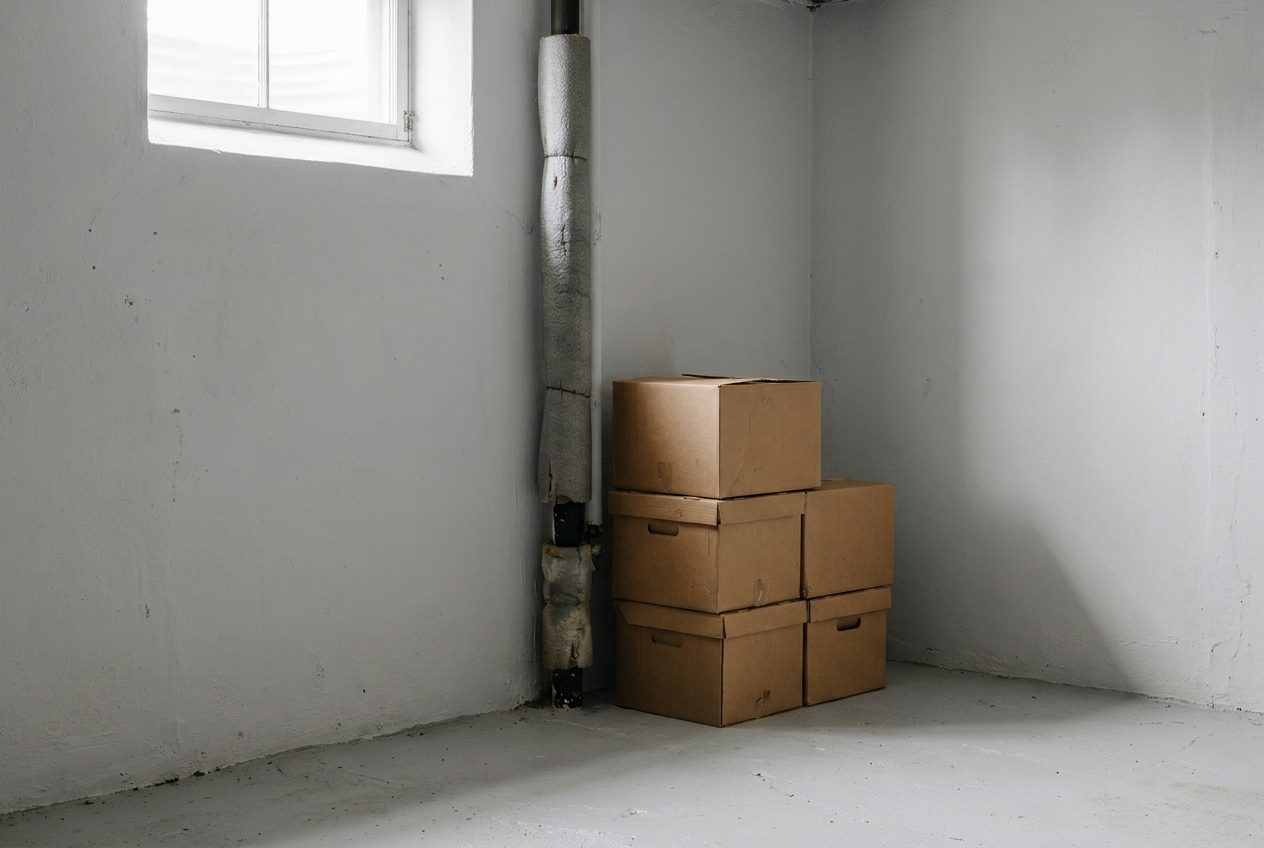
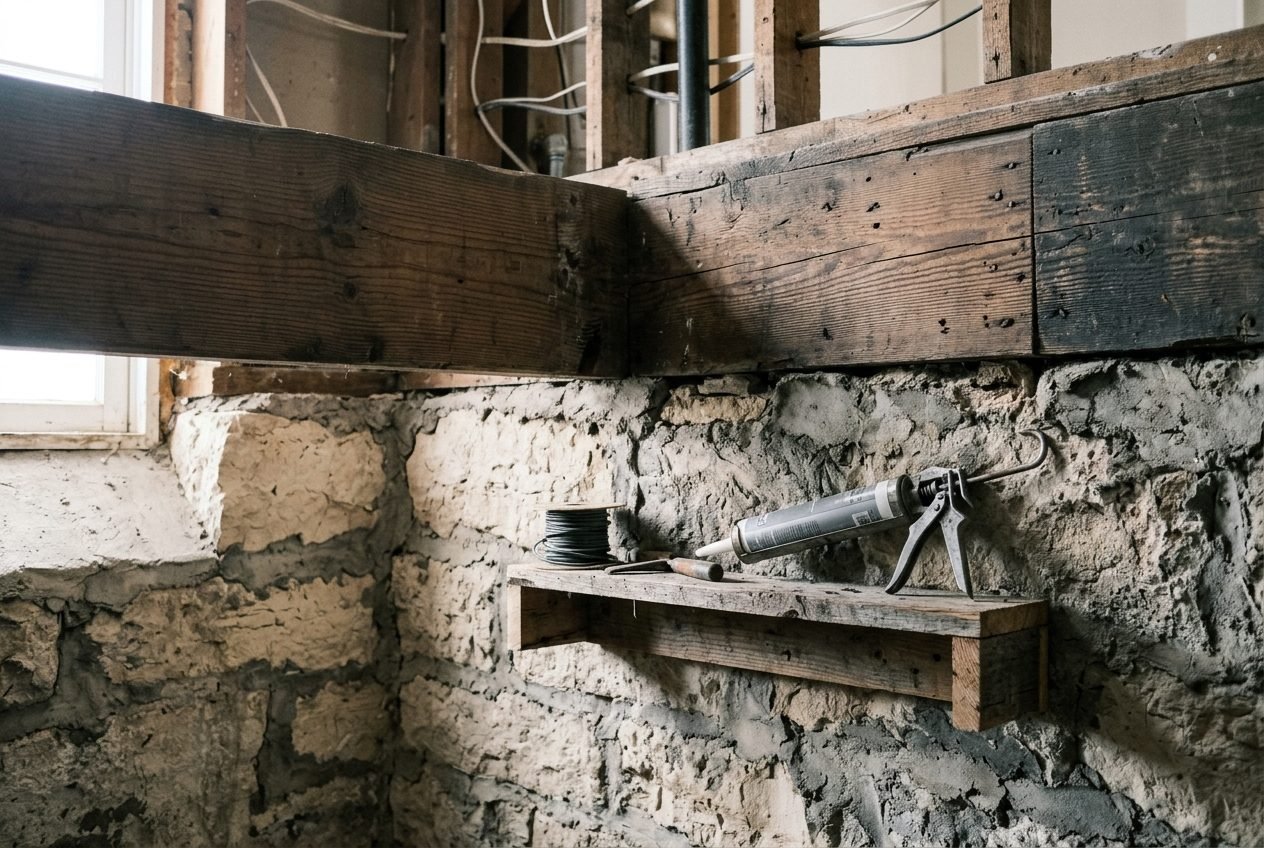
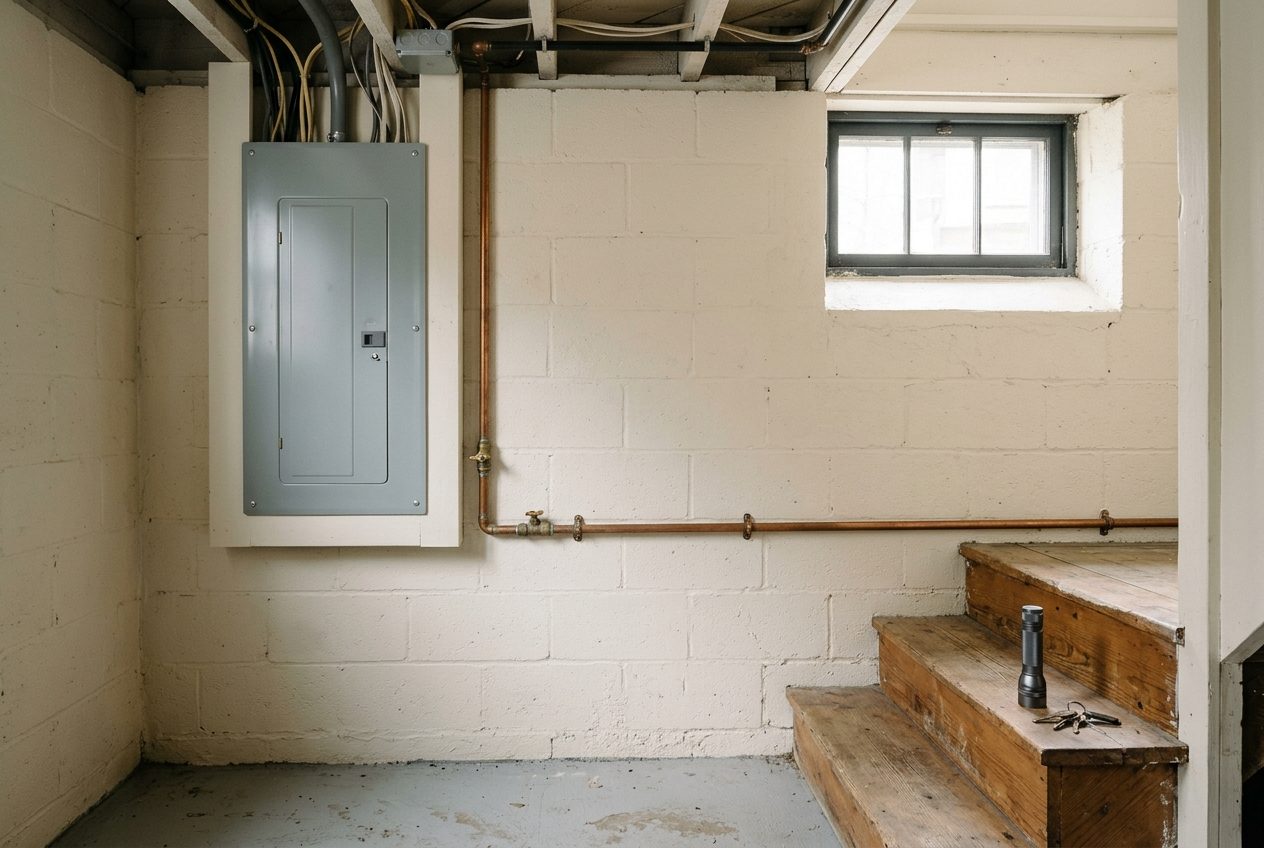
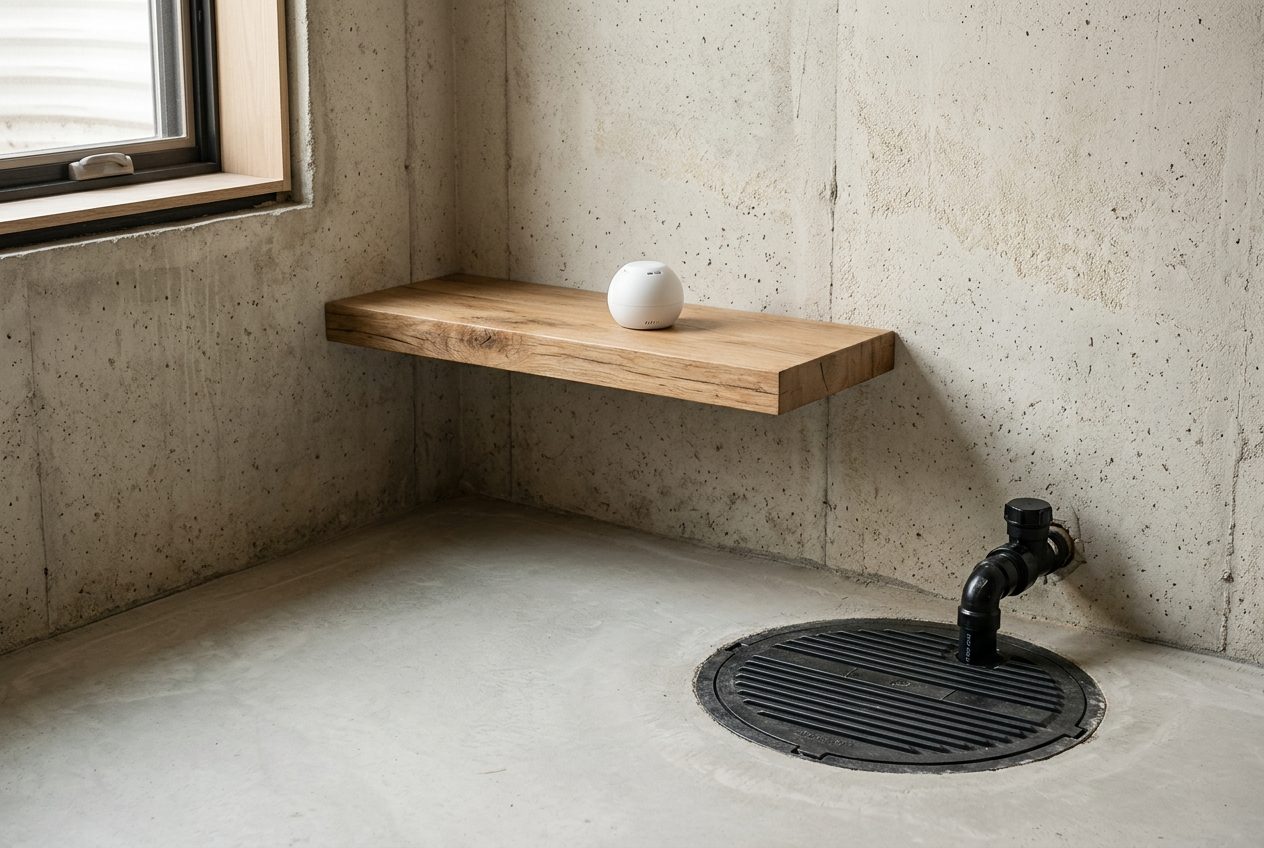
- Basement walls and floor for cracks, moisture, and unsealed penetrations
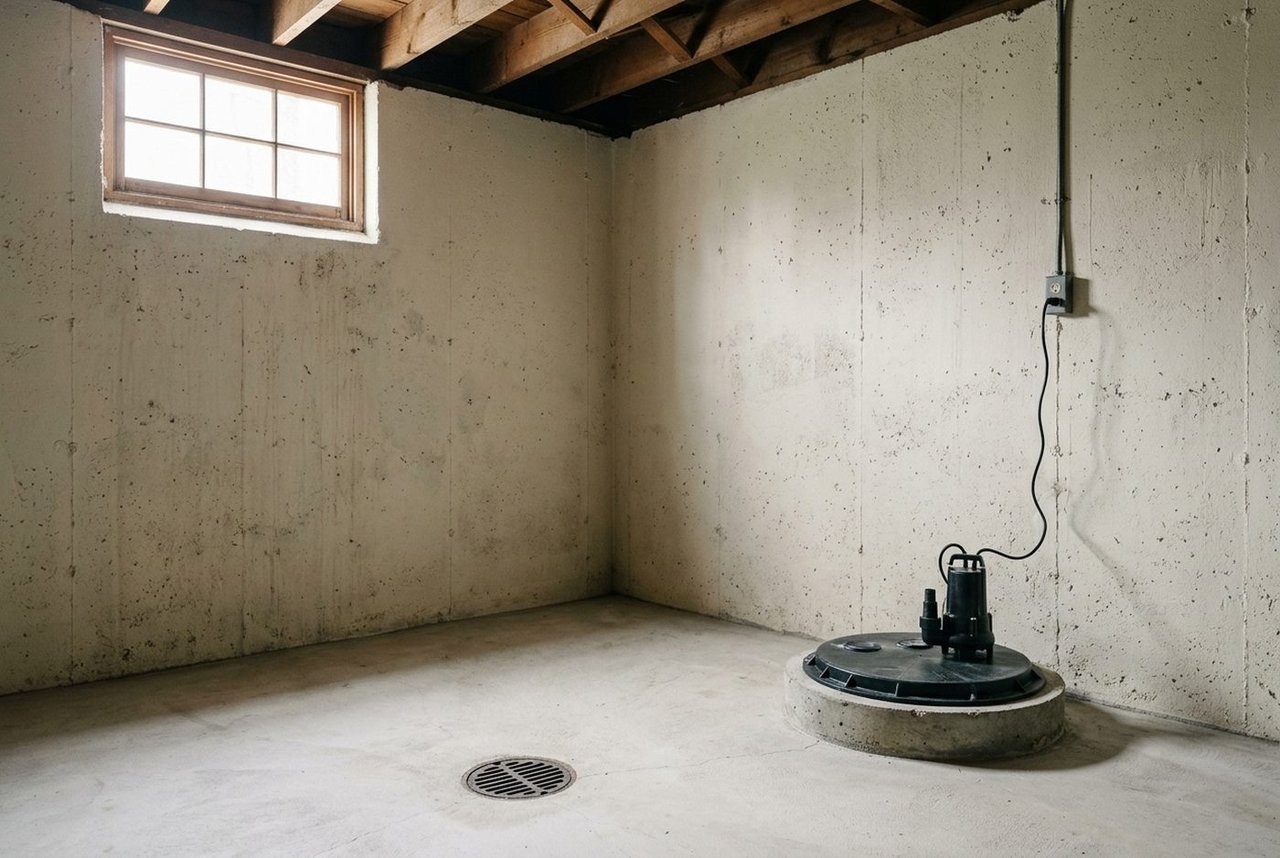
- The sump pump, if there is one, which you can test with a bucket of water
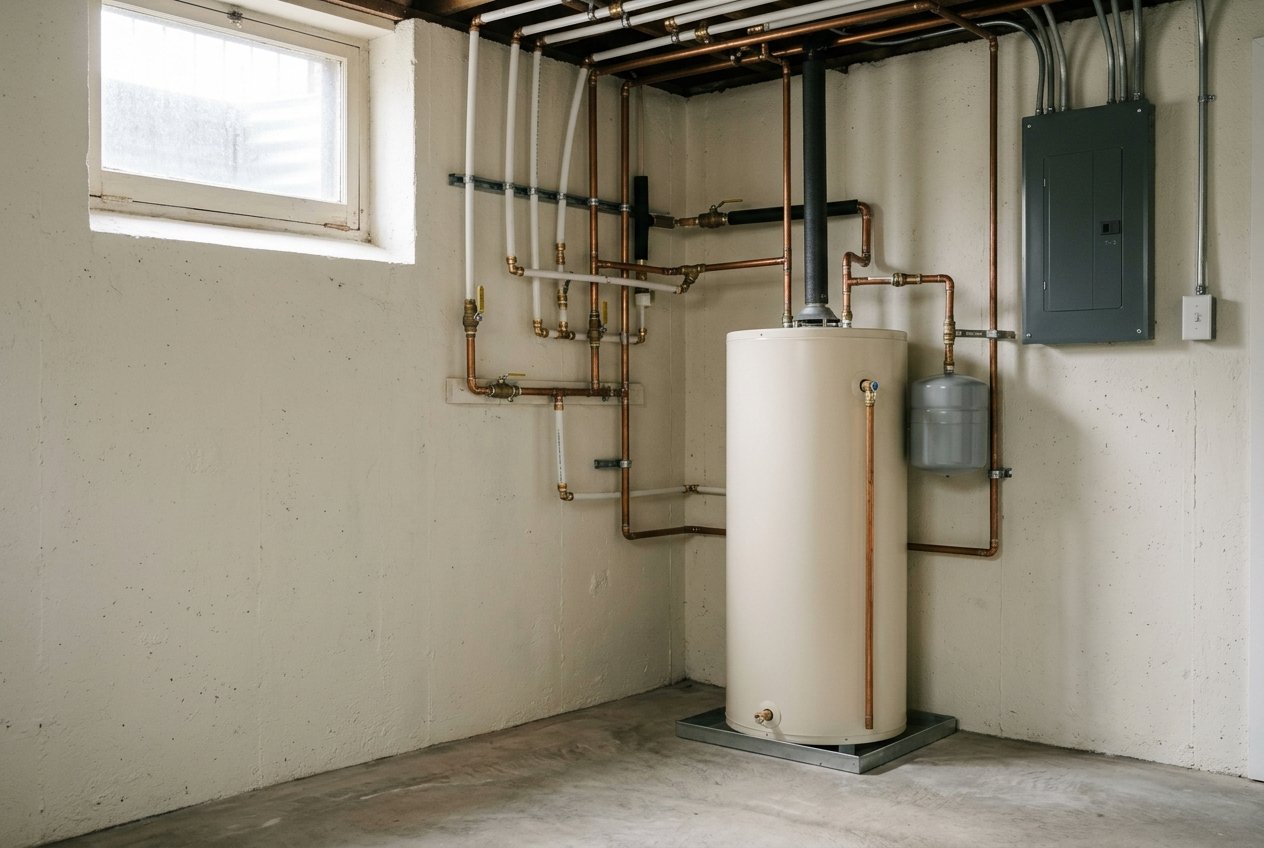
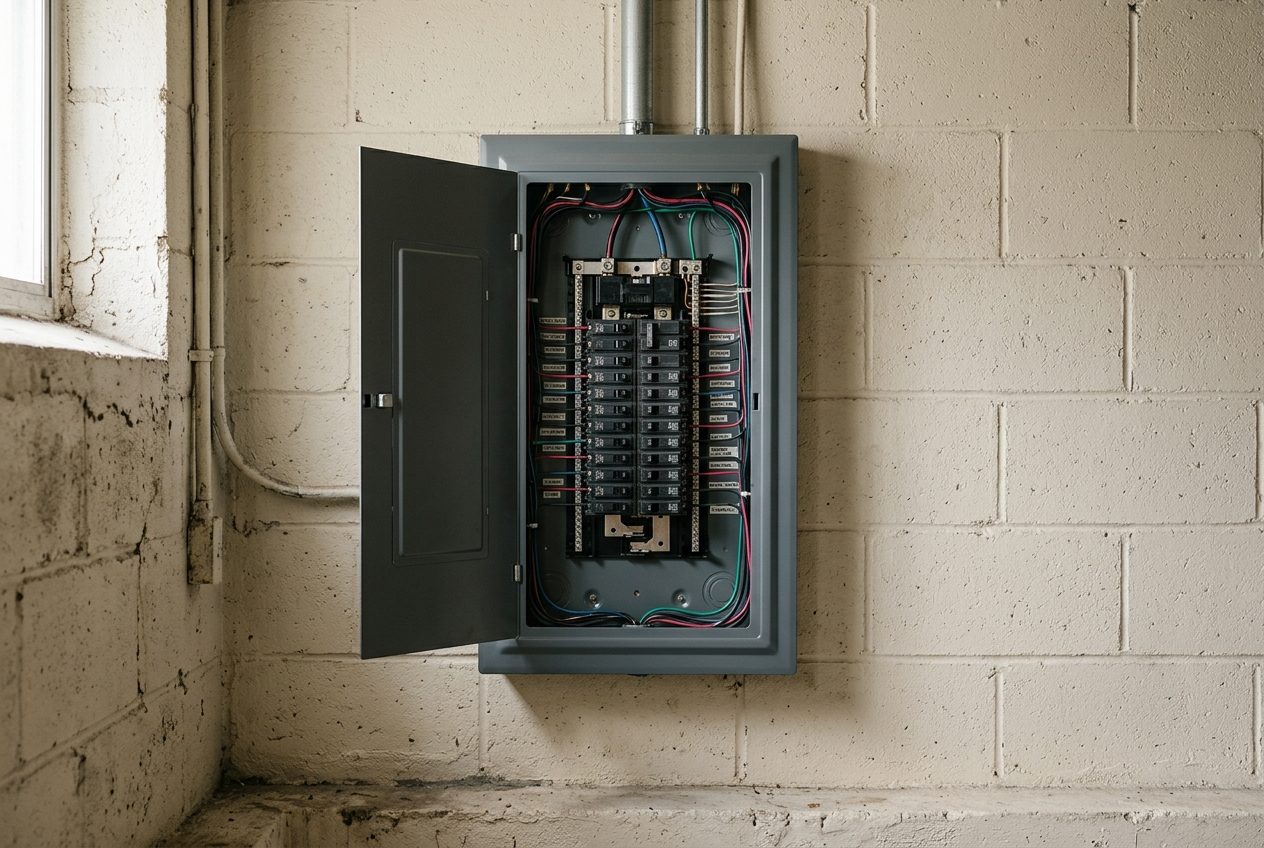
- The water heater, panel, and shutoffs. Label the main water and gas shutoffs and learn where they are
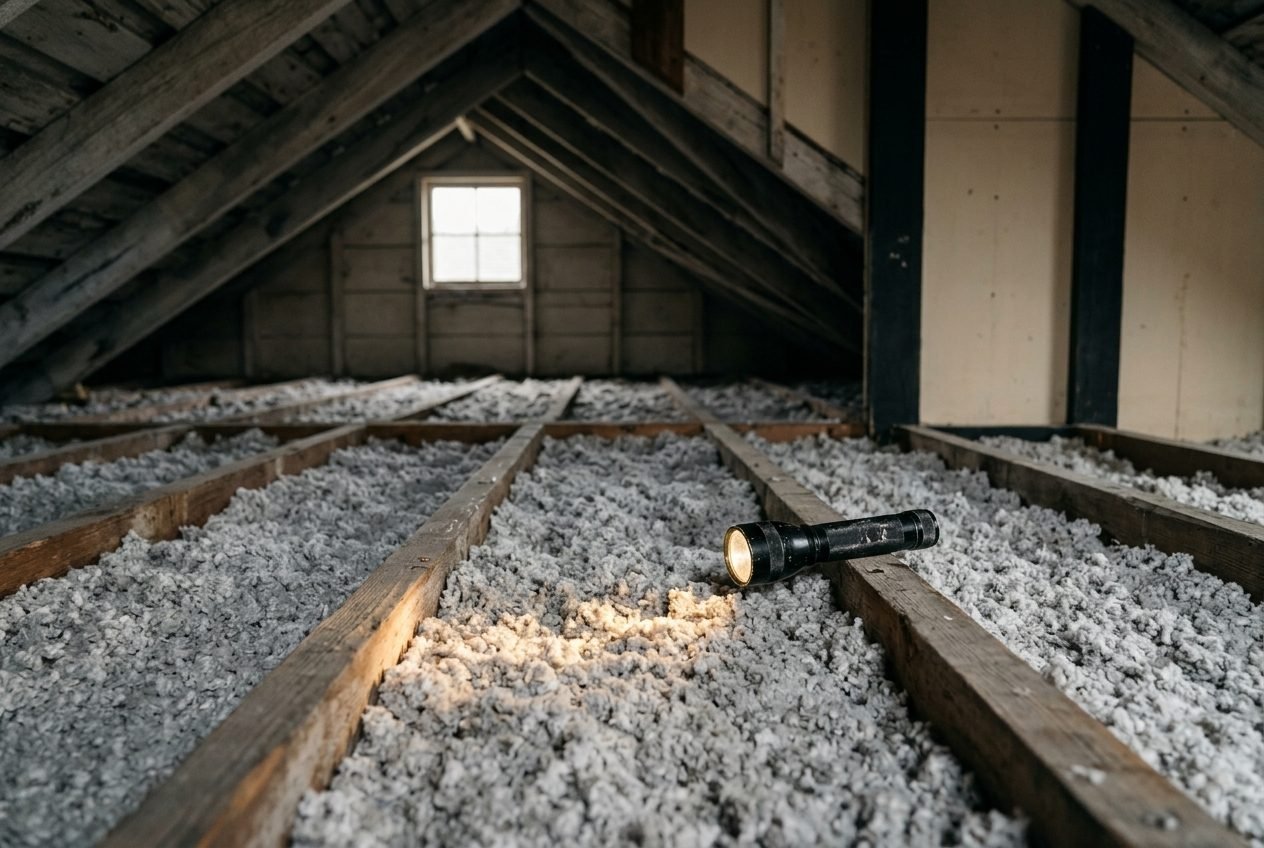
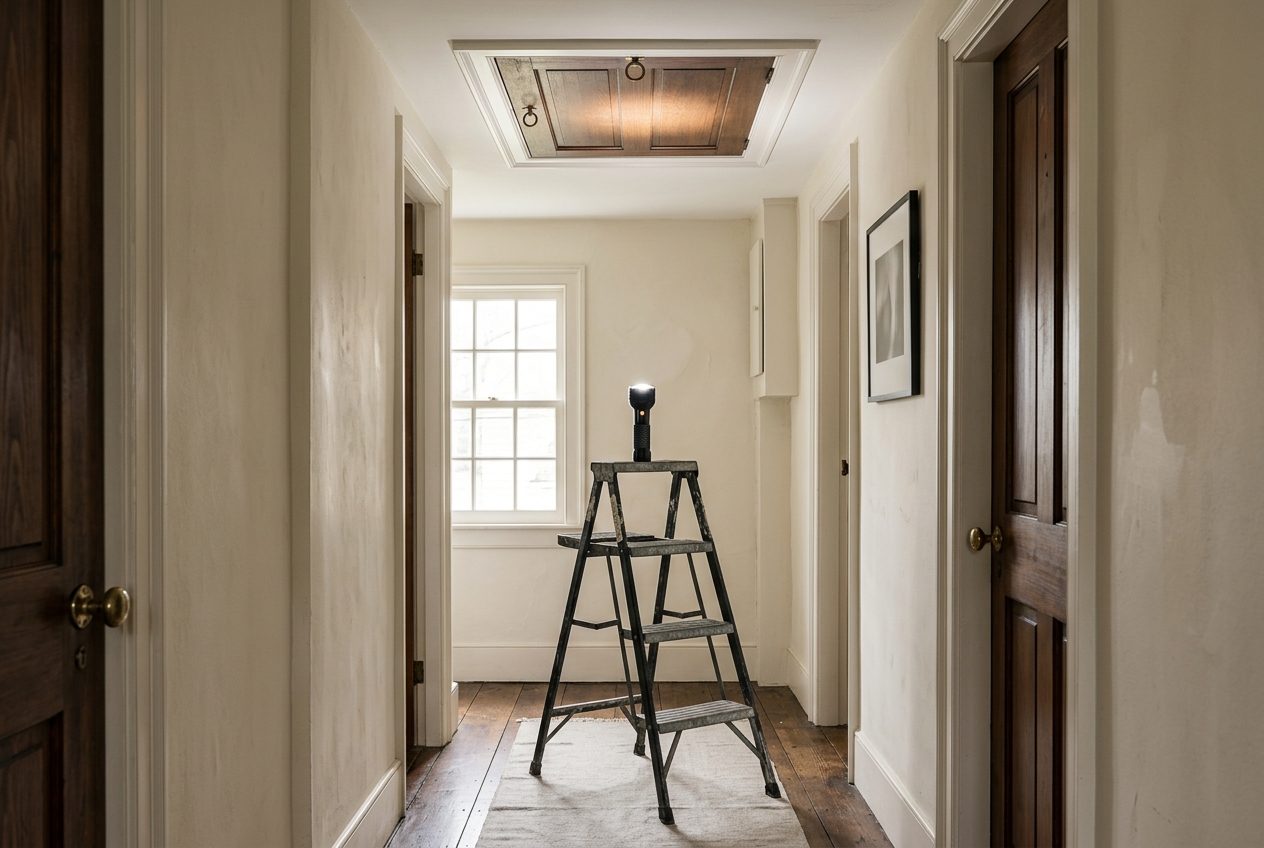
- The attic for insulation coverage, ventilation, and anything left behind
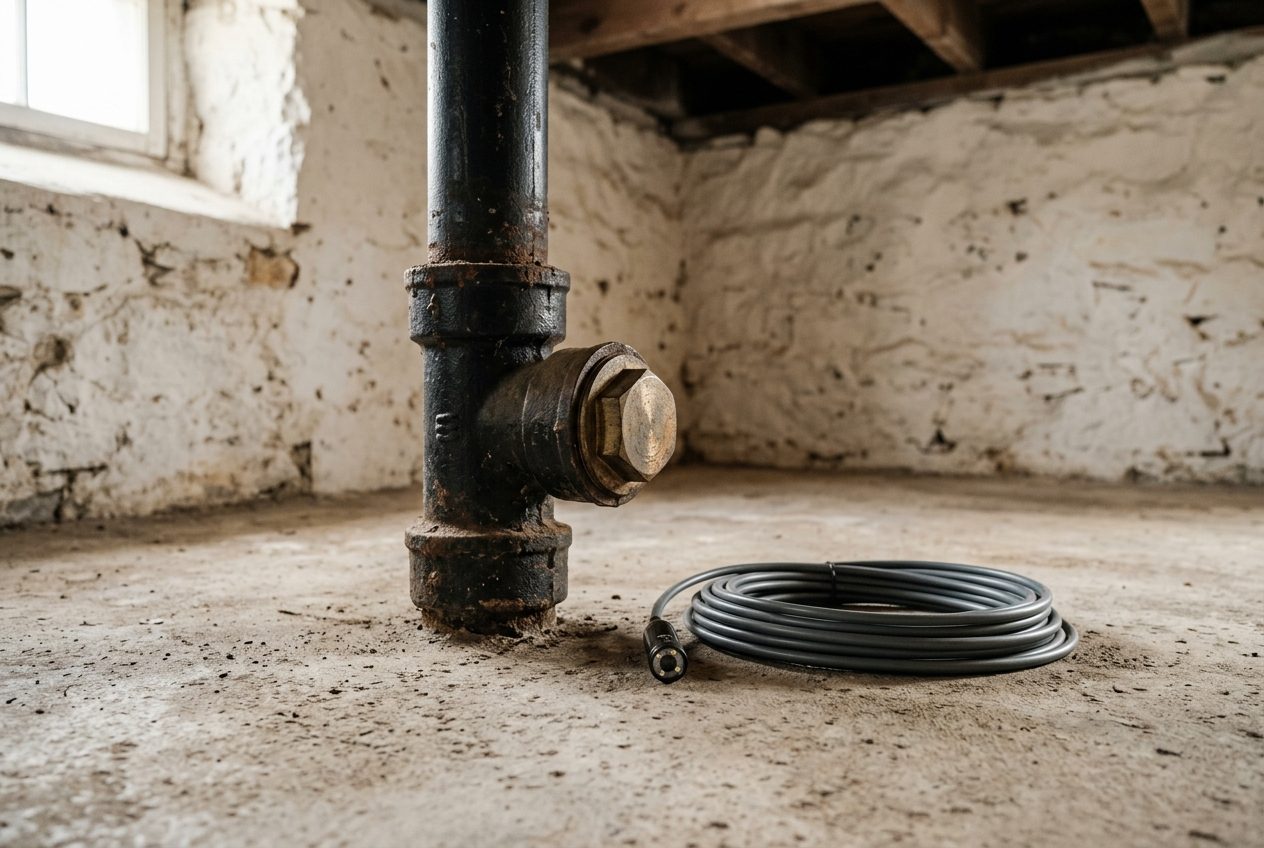
- Cleanouts and drains that should not be buried or blocked
How do you handle the defects?
- Write every item down, with a photo and the room. Be specific.
- Mark the spot with painter's tape so the repair crew can find it.
- Ask which items will be done before closing and which after, and get a date for each in writing.
- Do not accept a verbal "we will take care of it." Get the list signed or emailed.
- For anything serious, such as water, structure, or safety, ask for it to be fixed and rechecked before you close.
Ask your agent about holding back funds for unfinished items, or a written agreement with dates. Details depend on your contract, so read it before the walk-through.
What about the warranty?
Ask what the builder's warranty covers, how long, how to submit a request, and who to call. Keep a file of the warranty paperwork, the walk-through list, and every photo. If the builder offers a one-year check-in, schedule it.
For more on what to look for in a new build, read What Should I Look For When Buying New Construction in Pittsburgh?. If you are still earlier in the process, What Is a Pre-Drywall Inspection, and Should New Construction Buyers Ask for One? explains why I like to see the house before the walls close.
What are the common mistakes?
- Rushing a final walk-through because the closing date is close
- Skipping an independent inspector
- Not testing everything, from every outlet to every faucet
- Accepting verbal promises about repairs
- Closing before serious items are fixed and rechecked
FAQ
What is a punch list?
It is the list of incomplete or defective items found at the walk-through. The builder agrees to fix them, and the list should have dates.
Can I delay closing if the house is not ready?
It depends on your contract. Talk to your agent and, if needed, an attorney, before the walk-through so you know your options.
Should I bring an inspector to the final walk-through?
It is a good idea. An independent inspector who knows new construction can catch problems you will miss.
What happens after closing if I find a problem?
Use the builder's warranty process, and keep your documentation. The walk-through list and photos help.
If you are building and want a builder's eye on your final walk-through, book a 30-minute call. Bring your contract and list.