A pre-listing inspection shows you what a buyer's inspector will likely find, while you still have time to fix it, price for it, or explain it. It is not required, it does not replace a buyer's own inspection, and anything it reveals becomes something you have to disclose.
Most sellers meet their house's problems for the first time in a buyer's inspection report, in the middle of a deal, with a deadline running. By then you are negotiating from behind.
A pre-listing inspection moves that conversation to the front, when you still control the timing. Here is what it can and cannot do for you.
Aubre J. Stacknick is a Global Real Estate Advisor with Piatt Sotheby's International Realty in Pittsburgh, PA, helping buyers and sellers across Western Pennsylvania see a home through a builder's eyes. I have built and renovated homes, and I look at a house the way an inspector, and then a buyer, will.
What is a pre-listing inspection?
It is a general home inspection that you order as the seller, before the home goes on the market. It is the same kind of visual look a buyer's inspector performs. The inspector looks at the roof, the structure, the electrical, plumbing, and heating and cooling systems, and the other major parts of the house, and writes a report.
The National Association of Realtors' magazine describes the idea simply: sellers learn the condition of the home before buyers do, so they can make repairs or account for issues in the asking price. You can read their piece, Pre-Listing Inspections Put Sellers in Control. That article is archived, so treat its details as a general description, not a current price list.
What does it catch before buyers do?
I cannot give you statistics on how often a given problem appears, and I will not make one up. What I can give you is the kind of item a general inspection is built to notice, based on the houses I have walked as a builder and as an advisor:
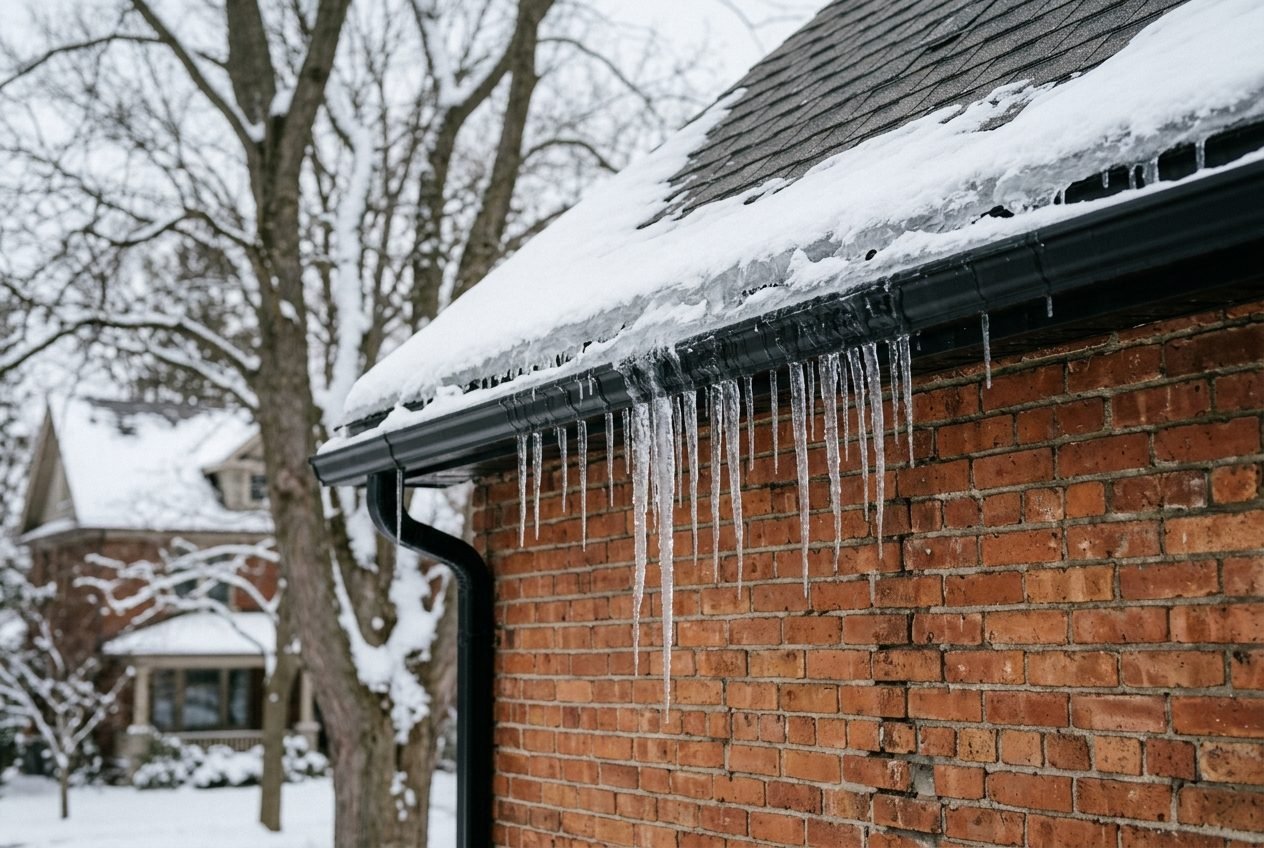
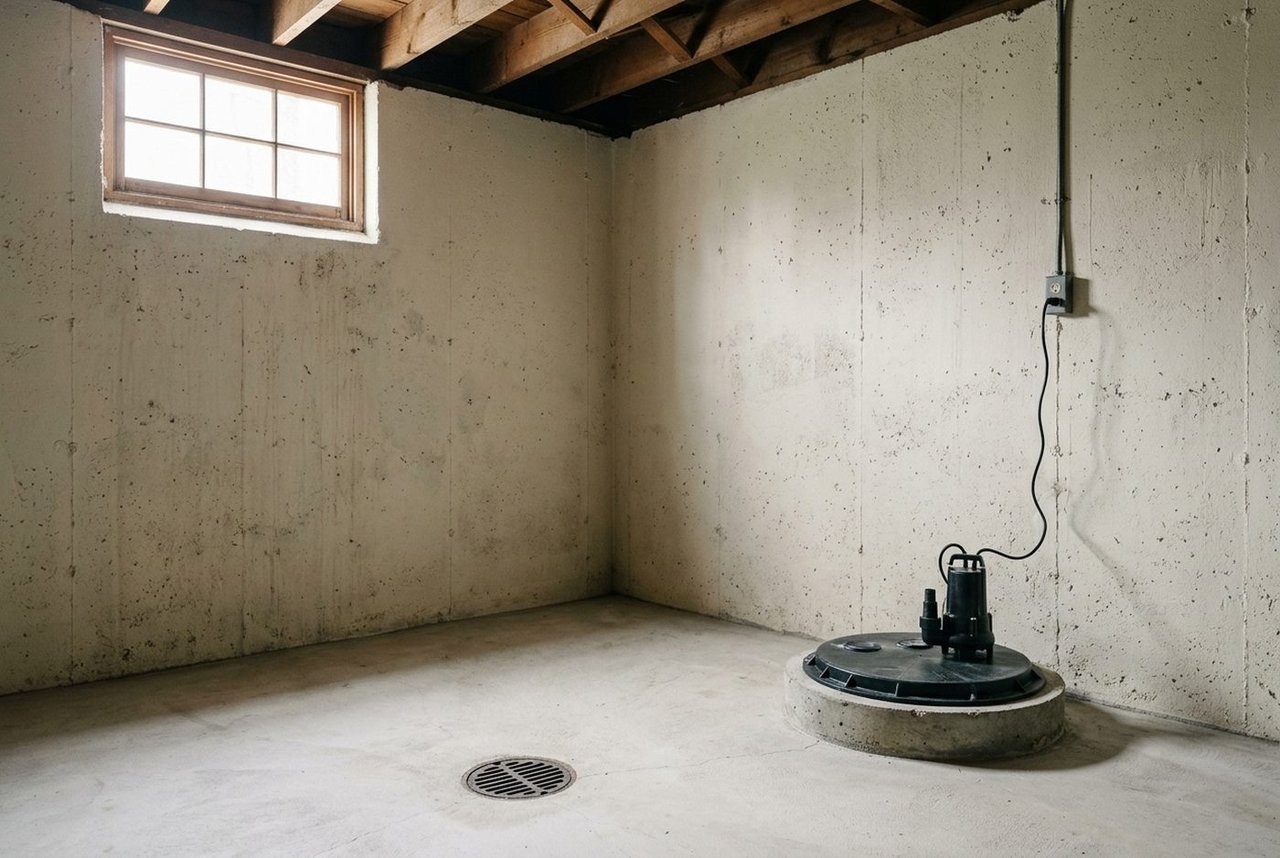
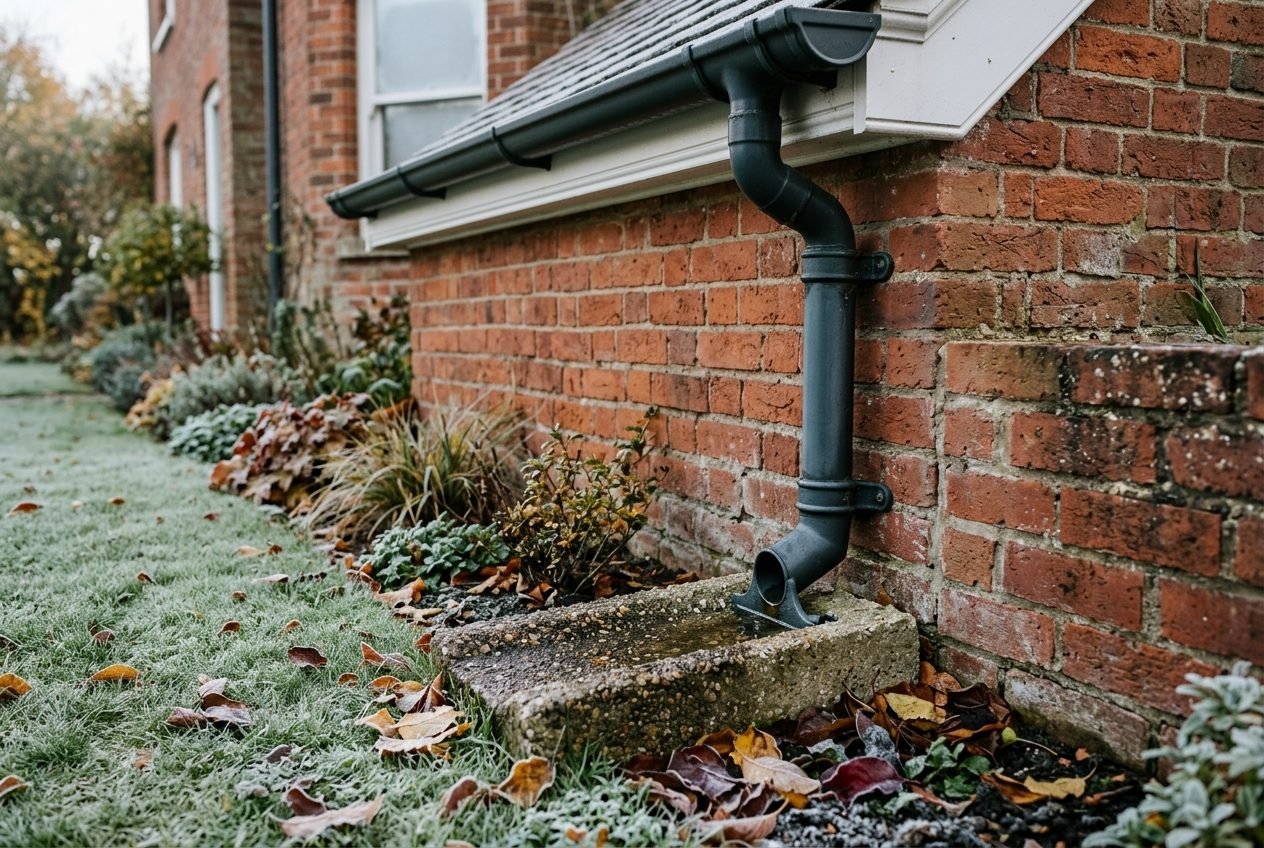
- Water. Stains on ceilings and basement walls, grading that sends water toward the foundation, gutters that dump at the wall, and signs of past leaks.
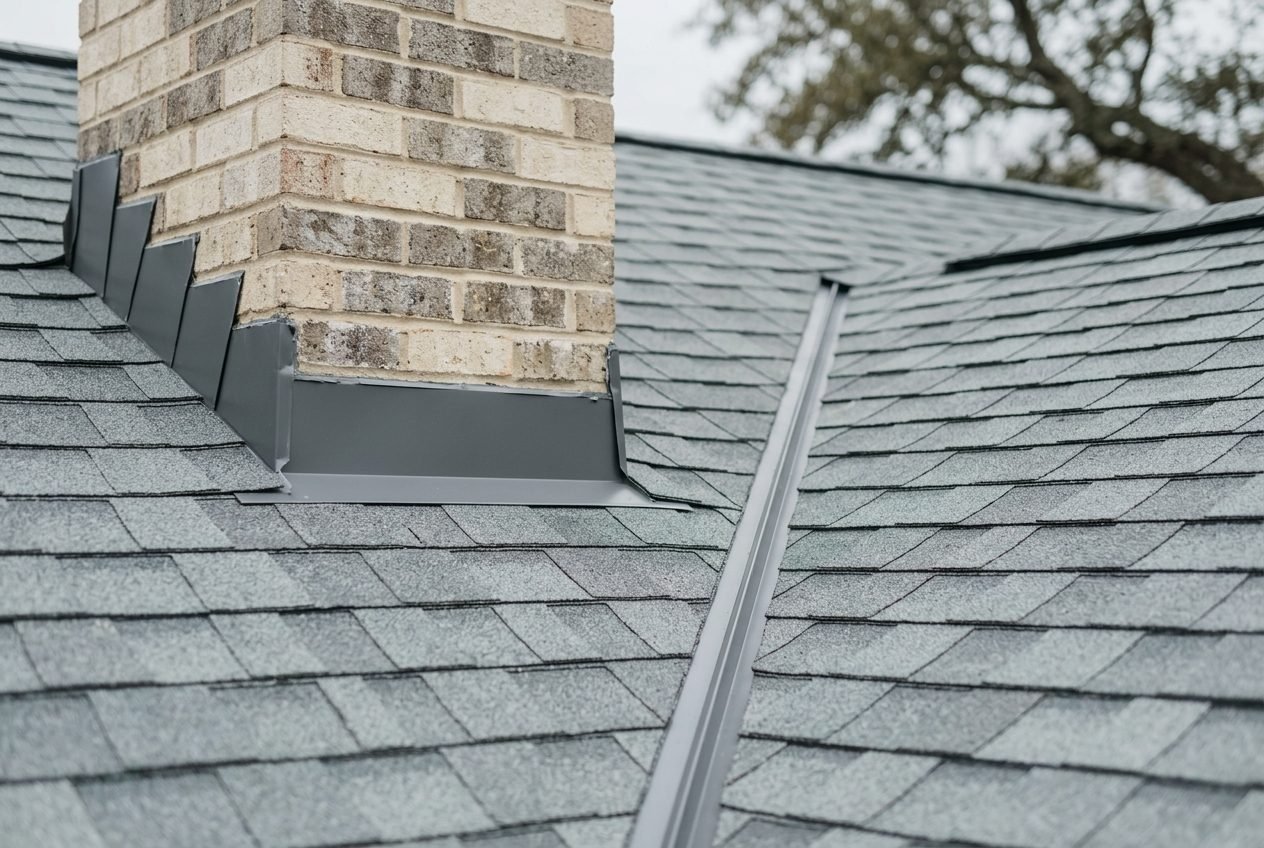
- Roof and flashing. Worn or damaged shingles, failing flashing around chimneys and valleys, and signs of water entry in the attic.
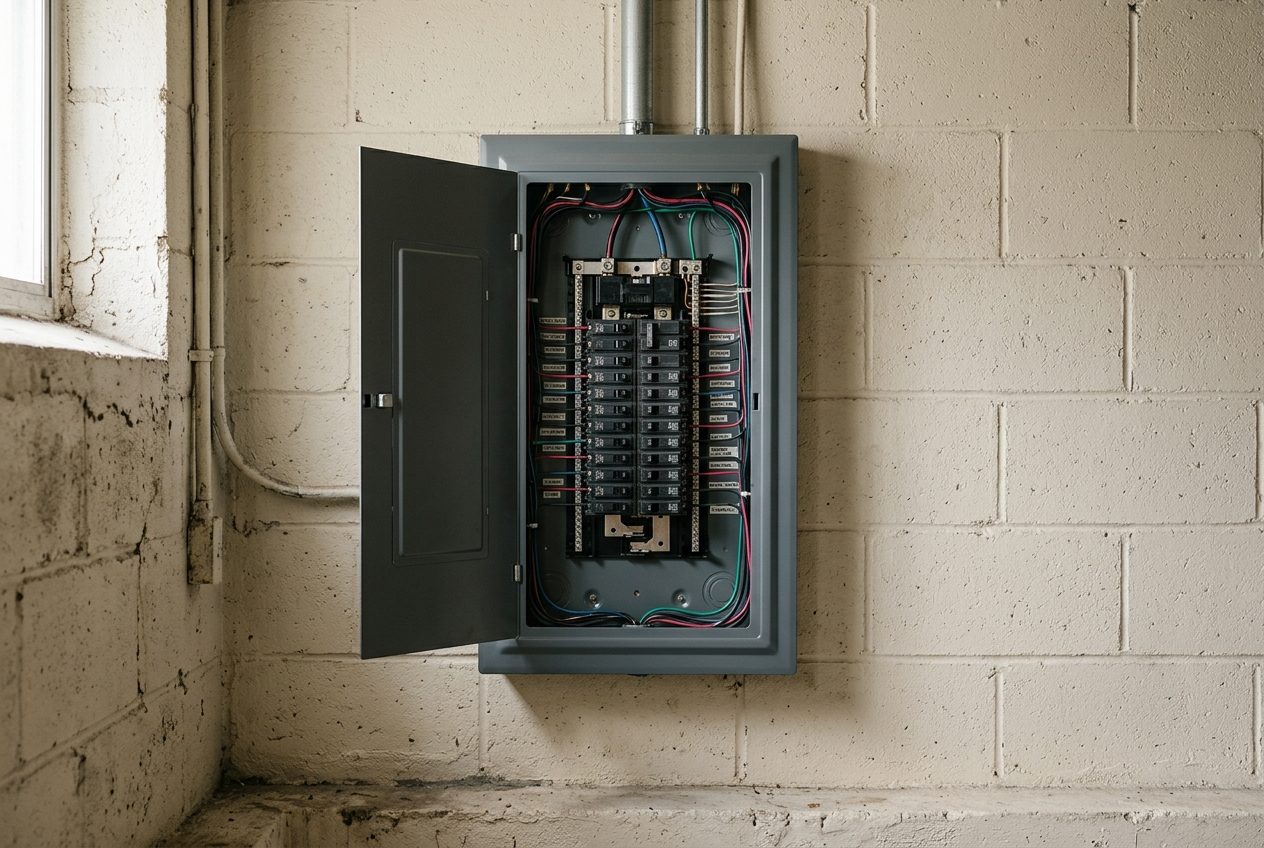
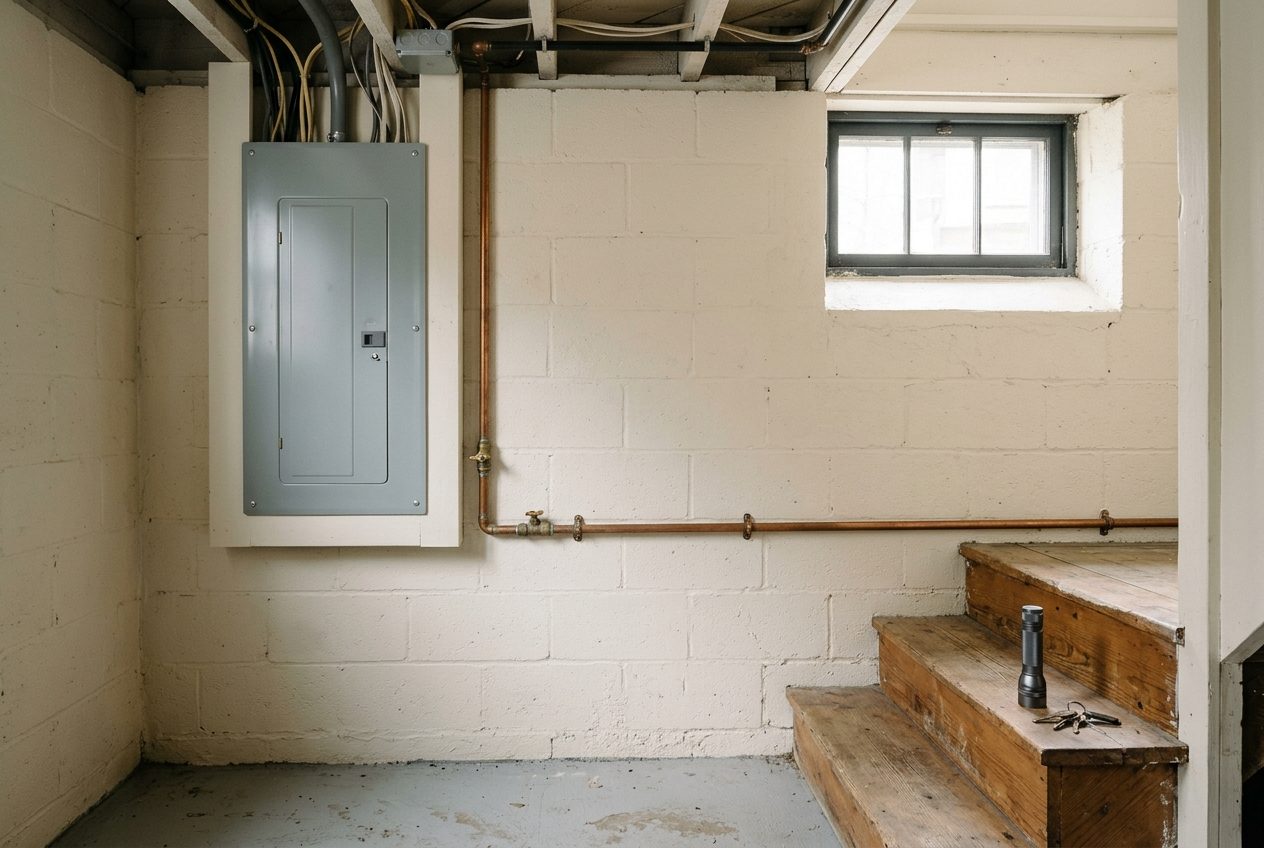
- Electrical. Missing covers, double-tapped breakers, a panel that is out of date, and wiring that someone has modified. More in What Should You Know About Old Wiring Before You Buy a Pittsburgh Home?
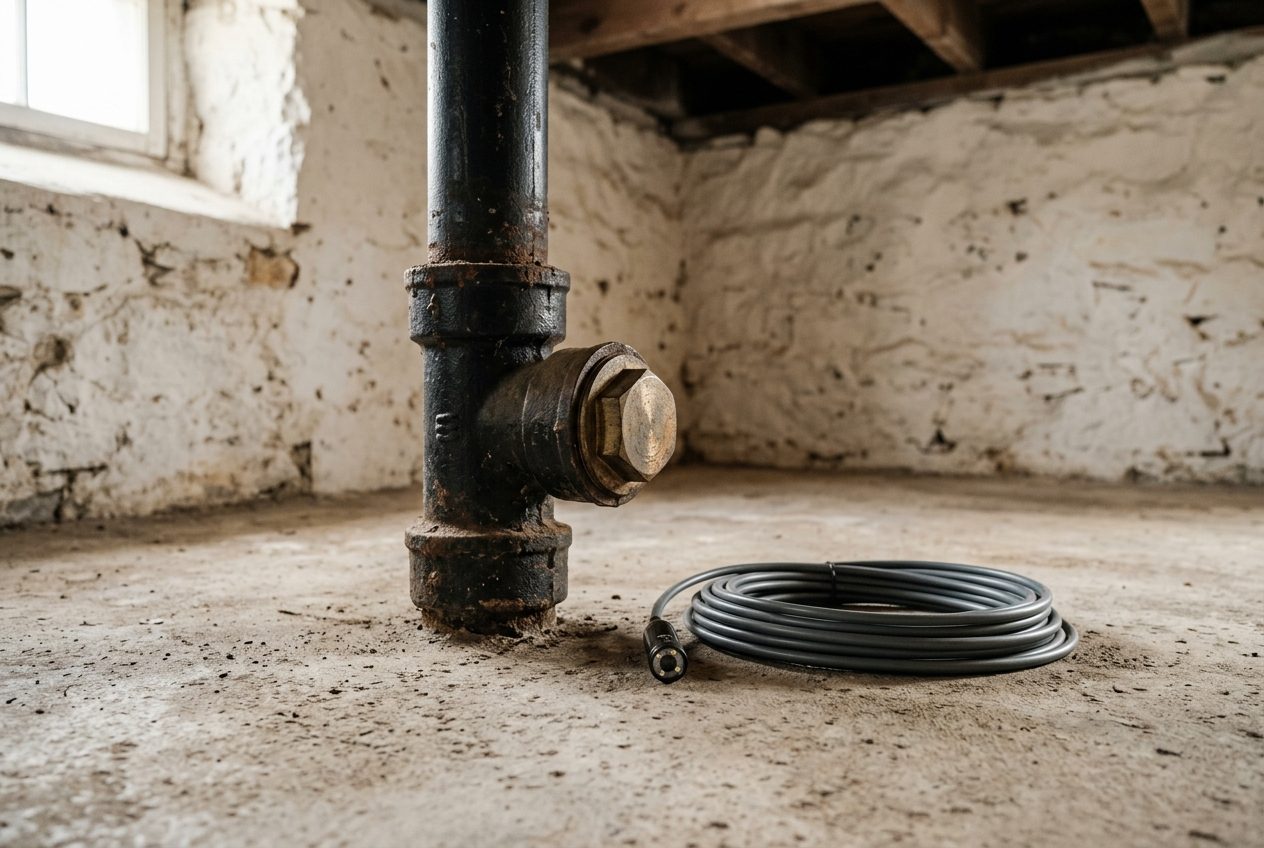
- Plumbing. Leaks under sinks, slow drains, old supply lines, and a water heater near the end of its life.
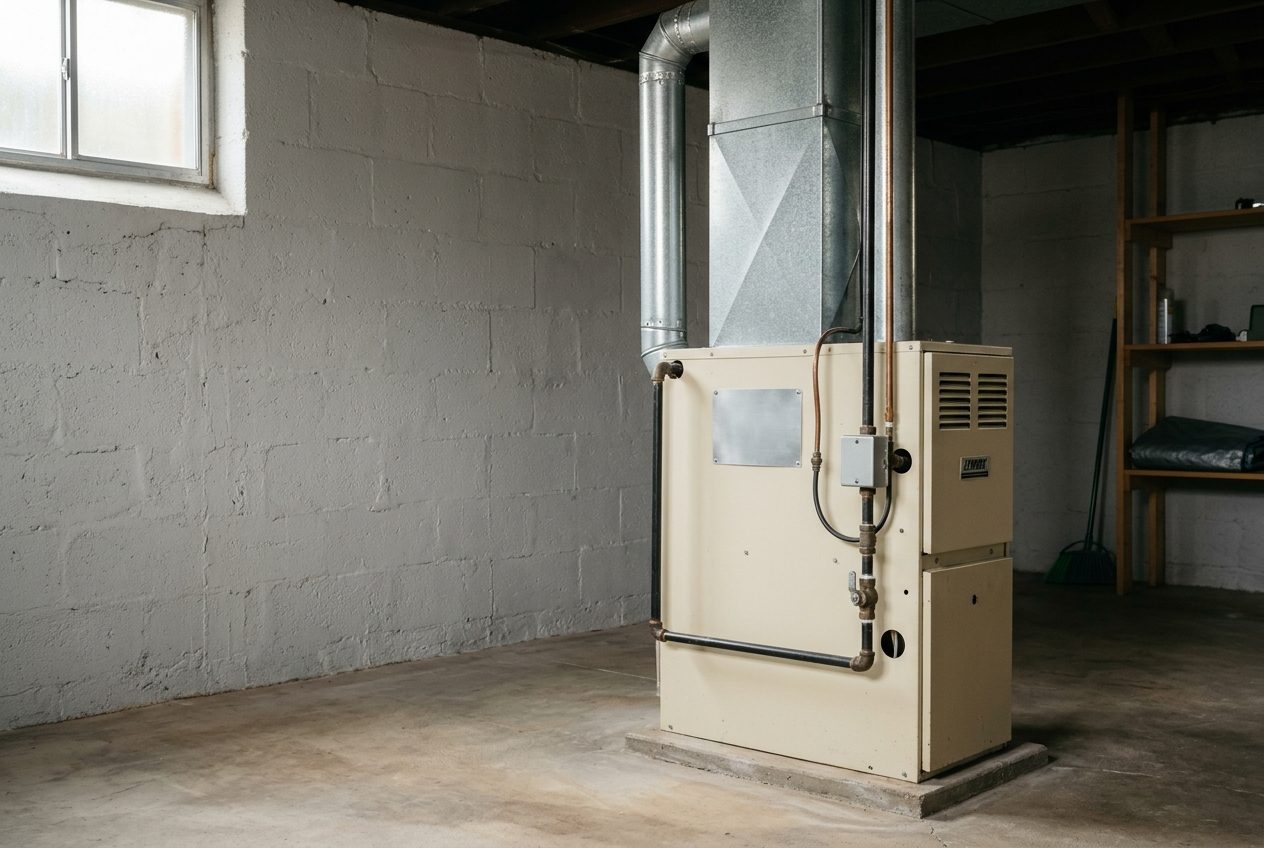
- Heating and cooling. Furnaces and air conditioners that run poorly or have not been serviced.
- Structure. Cracks, sloping floors, and moved framing that deserve a closer look.
- Safety and function. Missing smoke or carbon monoxide alarms, windows that will not open, doors that will not latch.
Notice what these have in common. None of them is a surprise a seller wants to learn about on day six of a seven-day inspection period. All of them are cheaper to deal with when nobody is waiting on you.
What will a pre-listing inspection not catch?
A general inspection is visual and limited to what the inspector can see and safely reach. It does not look behind finished walls, under flooring, or inside a sewer line. It will not test for radon, and it is not a specialist's evaluation of a septic system or a well. I cover this in What Does a Home Inspector Not Check Before You Buy a House?
So the report is a good map, not the full territory. If it flags something, such as a roof near the end, a foundation crack, or an electrical concern, ask the inspector who a qualified specialist would be, and have that person look before you decide what to do.
Does a pre-listing inspection mean you have to fix everything?
No. The NAR article says sellers do not automatically need to fix every problem, and that an agent should help the seller decide which repairs are necessary for the sale to go forward. That matches my experience. The report is a decision tool.
For each item, you have four reasonable choices:
- Fix it before you list.
- Get a written quote and offer a credit or a price adjustment that reflects it.
- Disclose it and sell the house as it is, priced accordingly.
- Leave it alone because it is minor or cosmetic.
The right choice depends on what the item costs, how much it worries buyers, and how it will look in a buyer's report. I explain how I sort these in Do I Have to Fix Everything Before Selling My House? How to Prioritize Pre-Listing Repairs and in What Should I Inspect Before Selling an Older Home? 5 Major Systems to Check.
What happens to what the inspector finds? Do you have to disclose it?
This is the part sellers should understand before they order the inspection. Pennsylvania's Real Estate Seller Disclosure Law requires a seller to disclose any material defects known to the seller by completing a property disclosure statement, and to deliver a signed copy to the buyer before the agreement of sale is signed (68 Pa.C.S. § 7303). The law does not require a seller to investigate in order to complete the form (§ 7308). But once a report tells you about a defect, you know about it, and you cannot fail to disclose it. The NAR article says the same thing in plain terms: a seller who learns of an issue through a pre-listing report has a legal duty to disclose it to buyers.
The statute text is on the Pennsylvania Department of State's copy of the Residential Real Estate Transfers Law.
The same law has a protection for sellers who rely on experts. A seller is not liable for an error or omission based on information from a home inspector or contractor about matters within their expertise, if the seller had no knowledge of the error, and a written report delivered to the buyer counts for that purpose (§ 7309). This is not a reason to hide a report, and it is not a substitute for advice. Ask your attorney how the disclosure rules apply to your situation before you decide what to order and what to share.
Who sees the report, and does the buyer still get their own inspection?
You decide how to share it, and I will advise you on what to hand to a buyer, how to present it, and how to describe the work you did in response. The NAR piece notes that a full report can alarm buyers who cannot interpret it, and that a summary is often enough, though that depends on the situation and you should talk it through with your agent.
Expect buyers to order their own inspection anyway. The NAR article says buyers will generally want their own inspection, especially to confirm repairs. A buyer may use your inspector or choose someone else. A buyer who can read your report and your repair receipts, and then sees the same things in their own inspection, has fewer reasons to feel surprised. That is the real benefit: fewer surprises in the middle of a deal.
When does a pre-listing inspection make the most sense?
It is most useful when the house has some age, when you have deferred maintenance you suspect but have not looked at, when you are not sure what you would find, or when you need to decide where to put a limited repair budget. A newer home in good order may not need one.
It makes the least sense if you have no intention of acting on it. An inspection you ignore is a liability you paid for. If you order one, plan on using it: to repair, to price, or to disclose and document.
Pair it with a plan. Before you spend on repairs, I walk through the question in Should I Renovate Before Selling My Pittsburgh Home? and, if the roof is the big item, Should You Replace the Roof Before Selling Your Pittsburgh Home?
How should you prepare for the inspection?
- Clear access to the electrical panel, the furnace, the water heater, the attic hatch, and the crawl space.
- Gather what you have: receipts, permits, warranties, and the names of contractors who did work.
- Write down what you know. Past leaks, repairs, and anything that seems off. You will need it for the disclosure form anyway.
- Be there or be reachable, but let the inspector work. Do not argue with the findings. Ask questions.
- Decide ahead of time which findings you will act on, and what budget you will set aside.
What are the common mistakes?
- Ordering an inspection and then ignoring what it says
- Treating the report as a checklist to fix every line
- Assuming a pre-listing report replaces the buyer's inspection
- Failing to disclose something the report revealed
- Hiring the cheapest contractor to fix items quickly, without permits or a written scope
- Waiting until just before listing, when there is no time left to schedule repairs
FAQ
Is a pre-listing inspection required in Pennsylvania?
No. Pennsylvania requires sellers to complete a property disclosure statement listing known material defects, but it does not require a seller to order an inspection. Ask your attorney how the rules apply to your sale.
Do I have to disclose what a pre-listing inspection finds?
If the report tells you about a material defect, you know about it, and the Seller Disclosure Law requires you to disclose known material defects to the buyer. The NAR article states the same duty. Ask your attorney how it applies to your situation.
Will buyers still hire their own inspector?
Usually, yes. Buyers generally want their own inspection, especially to confirm any repairs, and they may use your inspector or someone else.
Do I have to fix everything the inspector finds?
No. You can repair an item, offer a credit or price adjustment with a written quote, disclose it and price accordingly, or leave minor items alone. An agent can help you decide which repairs matter for the sale.
If you are thinking about listing and want a builder's list of what to look at first, book a 30-minute call. Bring your questions.