“I’m Just Going to Wait Until Prices Come Down.”
I've heard some version of that sentence over and over.
And I understand why.
For several years, buyers have been navigating higher mortgage rates, affordability concerns, limited inventory and nonstop predictions about what the housing market might do next.
It seemed reasonable to think:
“I'll wait. Prices have to come down eventually.”
But Greater Pittsburgh continues to remind us why national housing headlines don't necessarily tell us what's happening in our own backyard.
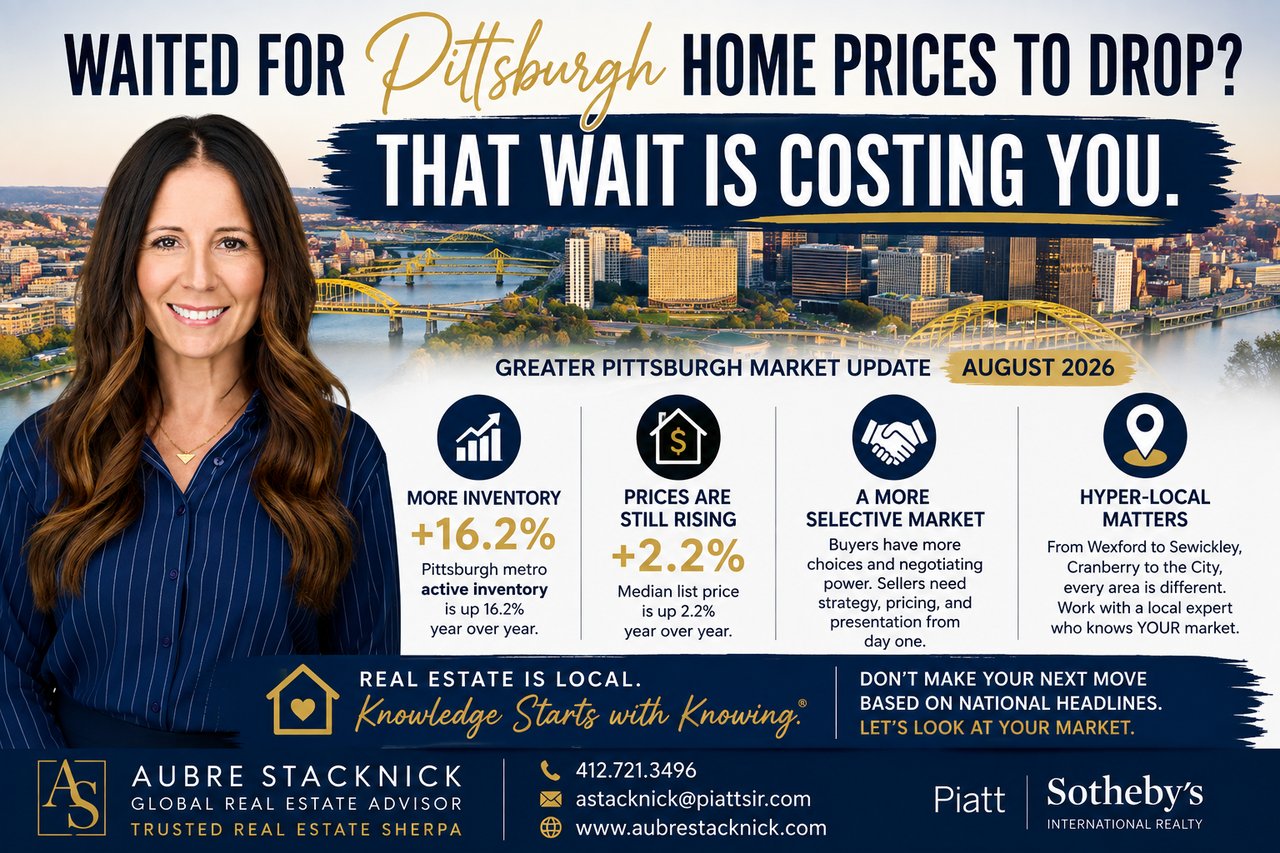
Waiting for Pittsburgh home prices to fall? That wait may be costing you.
What's Actually Happening in the Pittsburgh Housing Market?
The Pittsburgh market isn't frozen.
And it hasn't disappeared.
What we're seeing is a more balanced and more selective market than we experienced during the frenzy of the pandemic years.
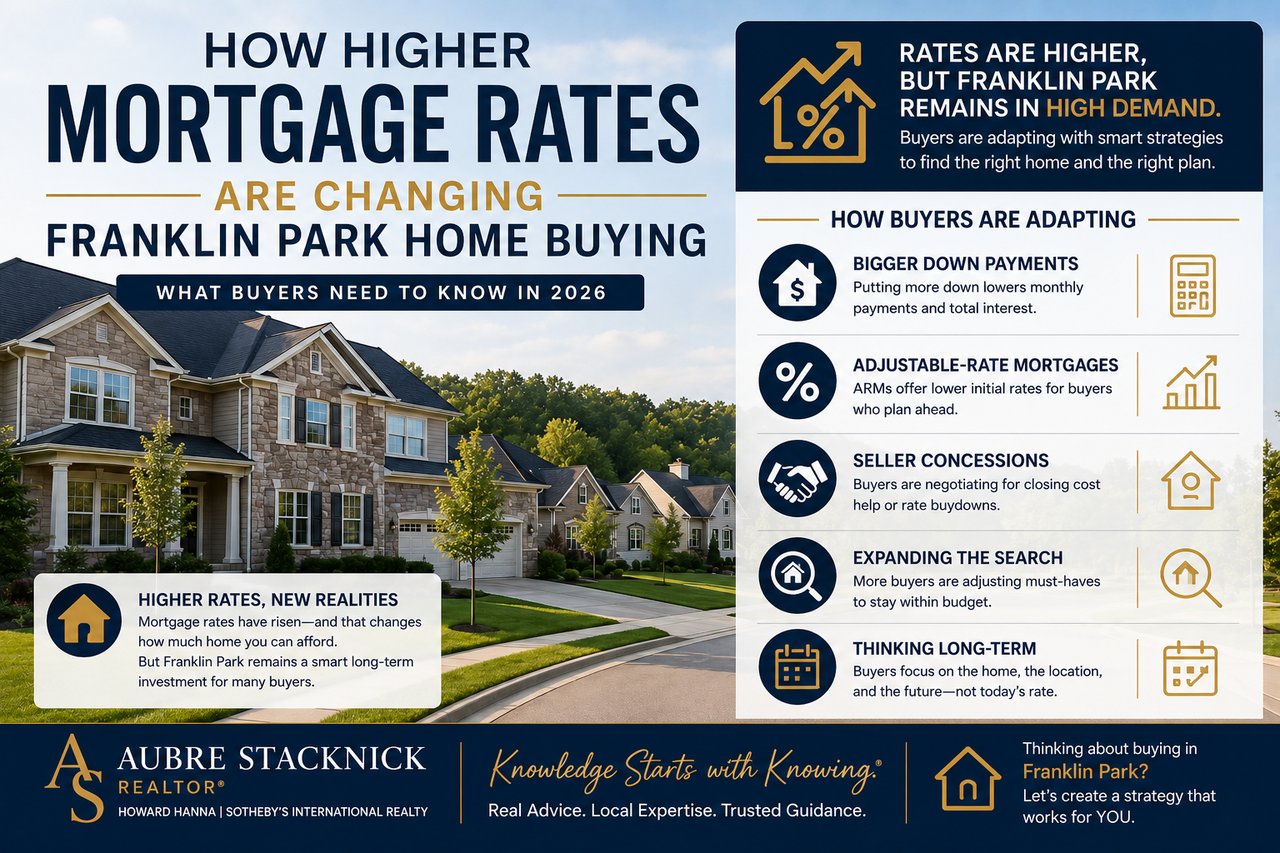
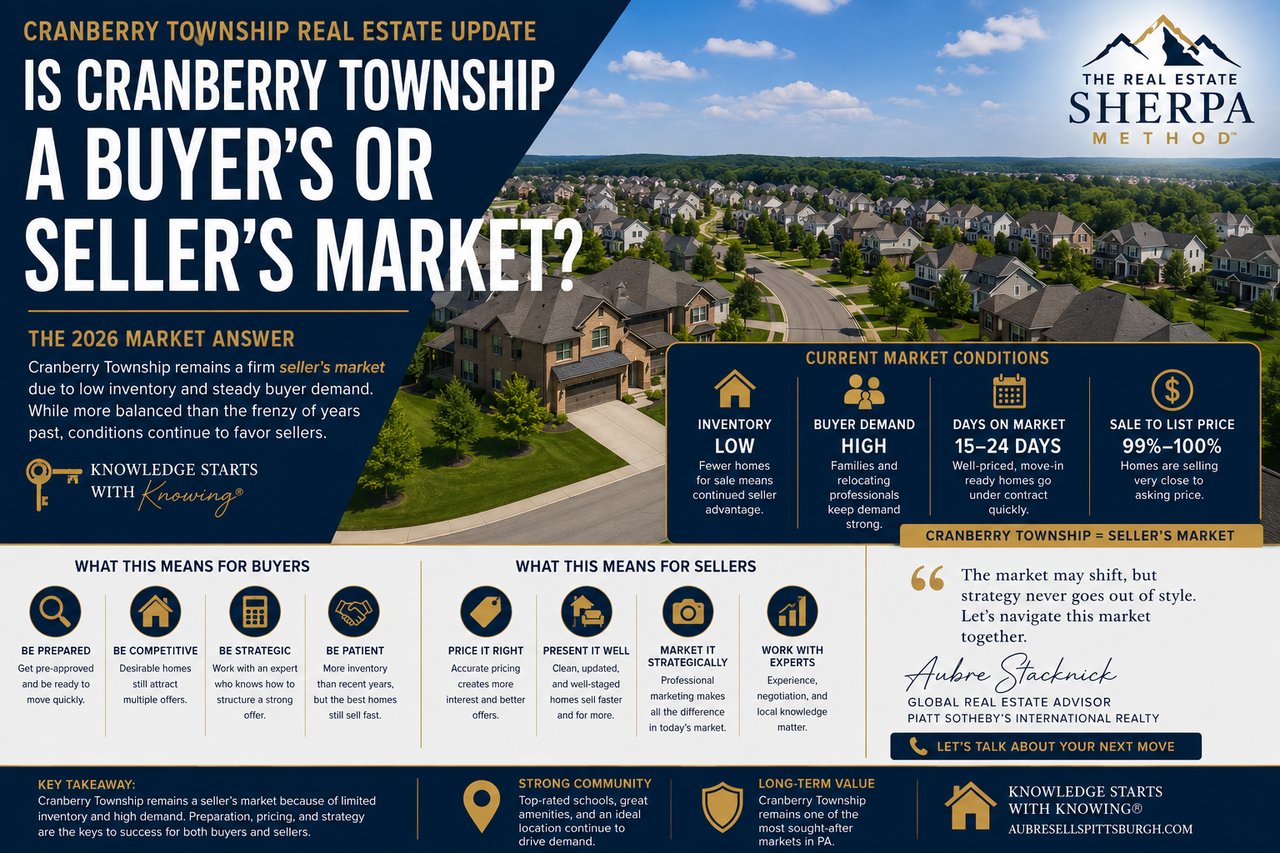
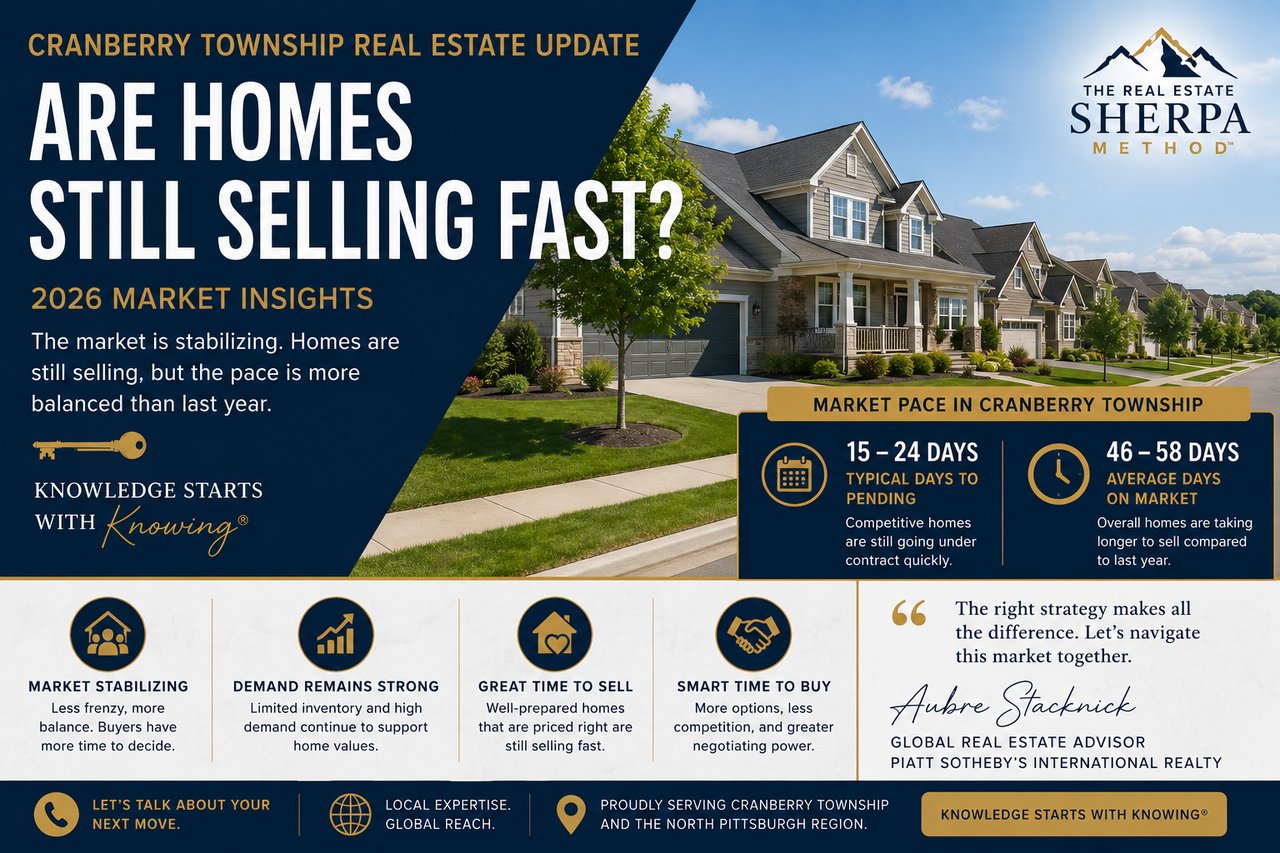
Inventory has increased, which is good news for buyers because there are more homes to consider.
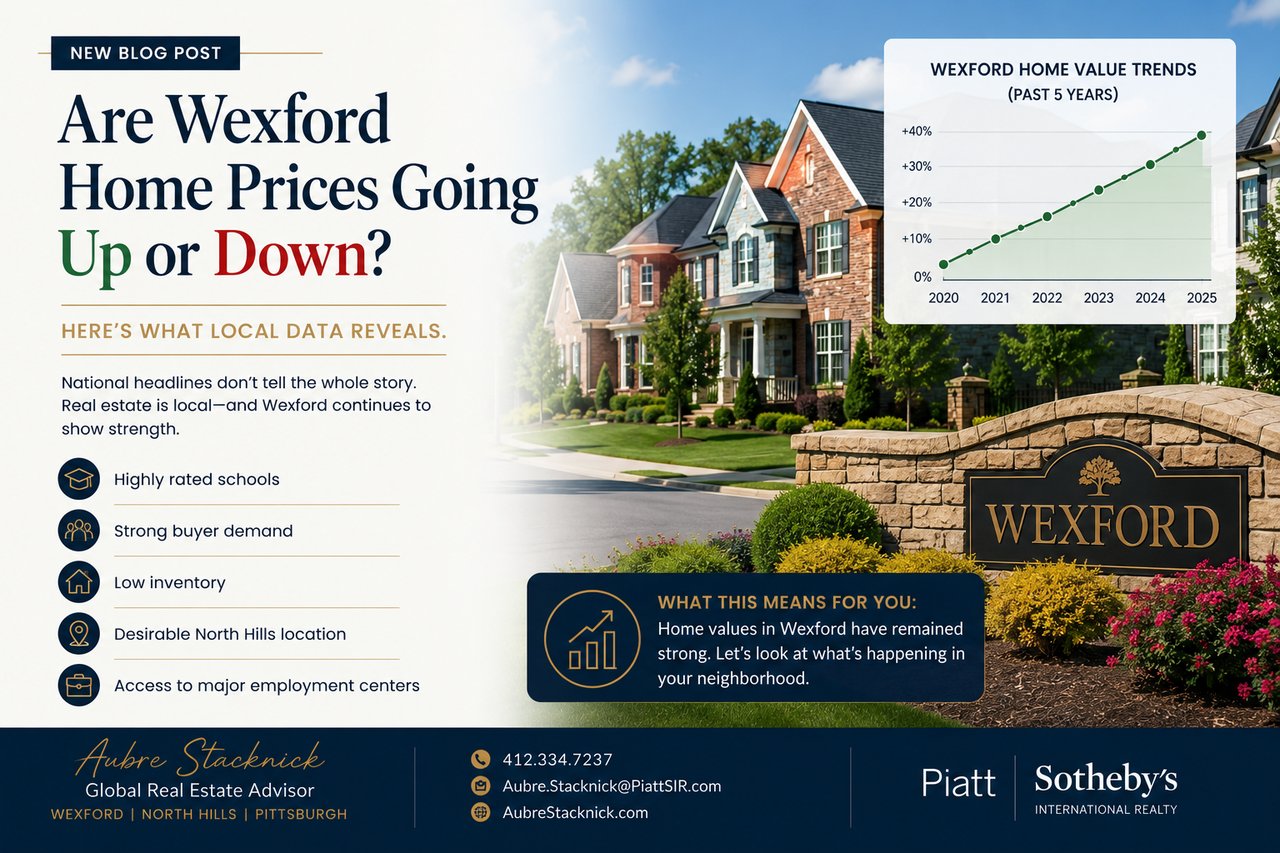
At the same time, Pittsburgh-area home values have continued to show resilience rather than experiencing the dramatic price collapse some buyers were waiting for.
That distinction matters.
More inventory does not automatically mean falling home prices.
It means buyers may have more choices, more time to evaluate certain properties and, depending on the home, more opportunity to negotiate.
The Pittsburgh Market Isn't One Market
Look at a map of current real estate activity across Greater Pittsburgh and you'll immediately notice something important:
There is activity everywhere.
But those pins don't all represent the same market.
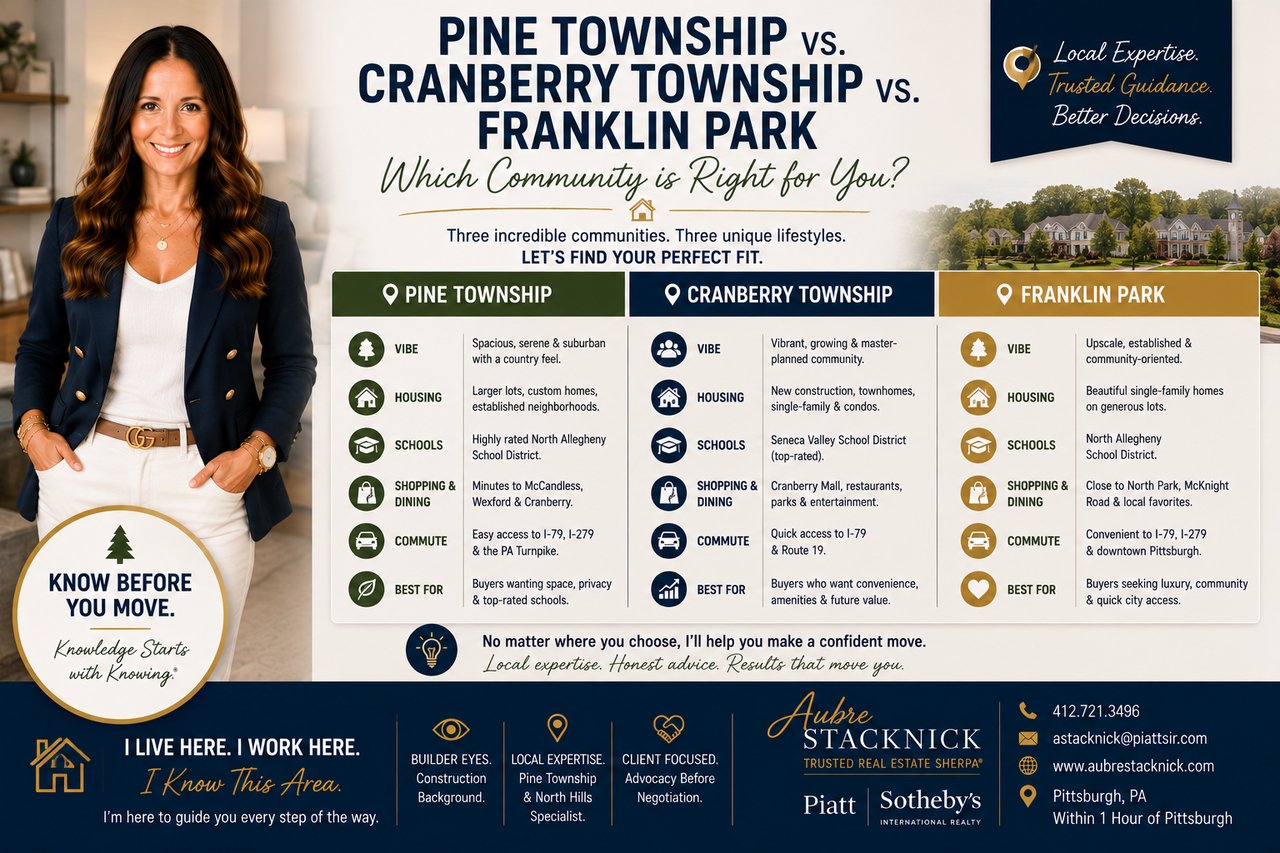
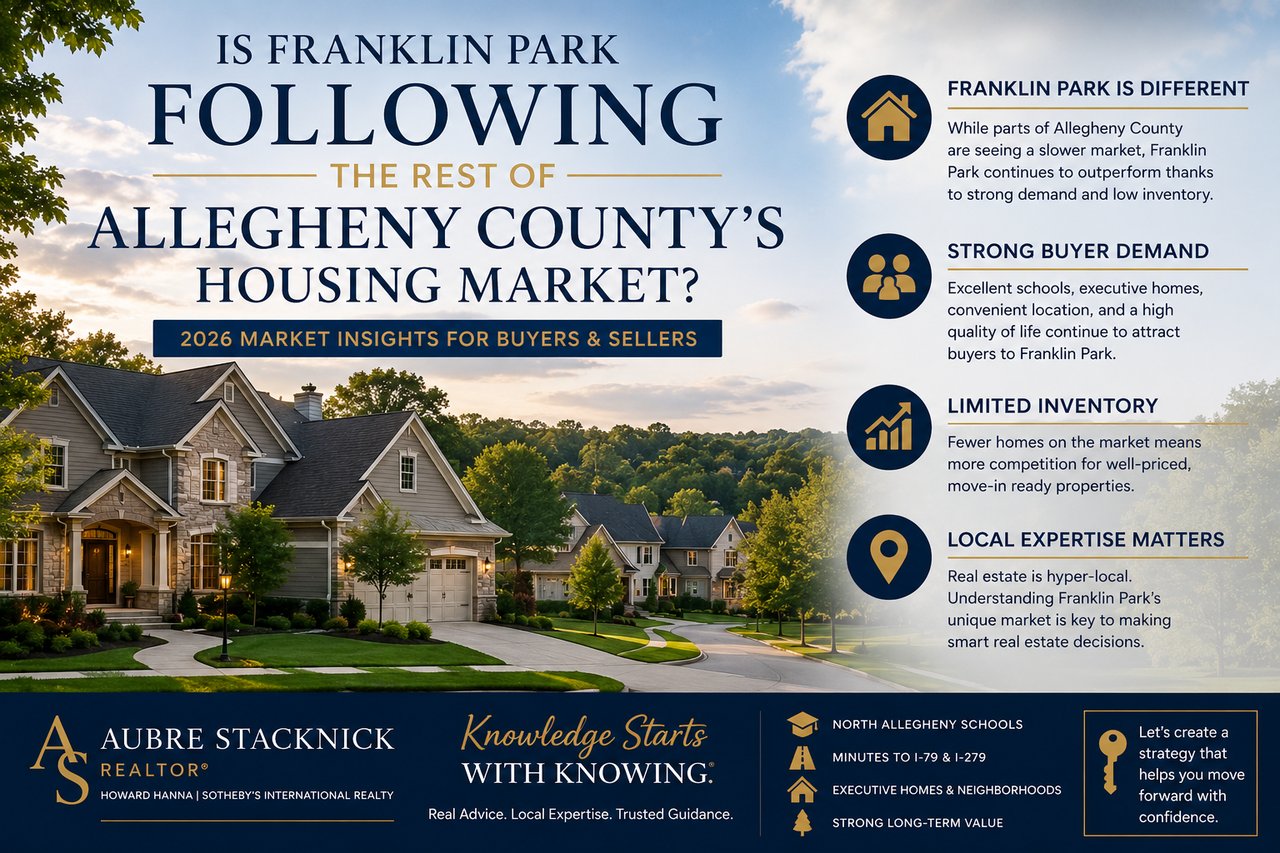
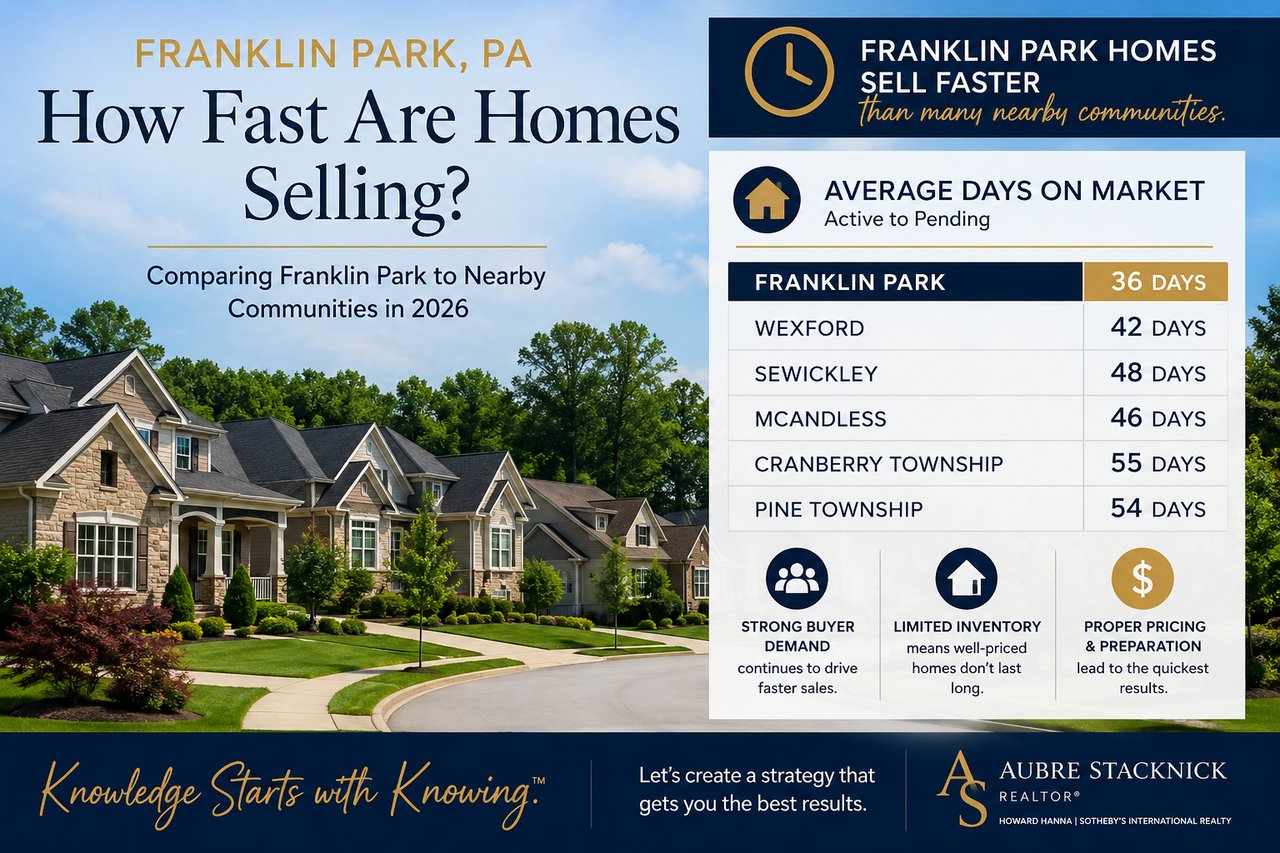
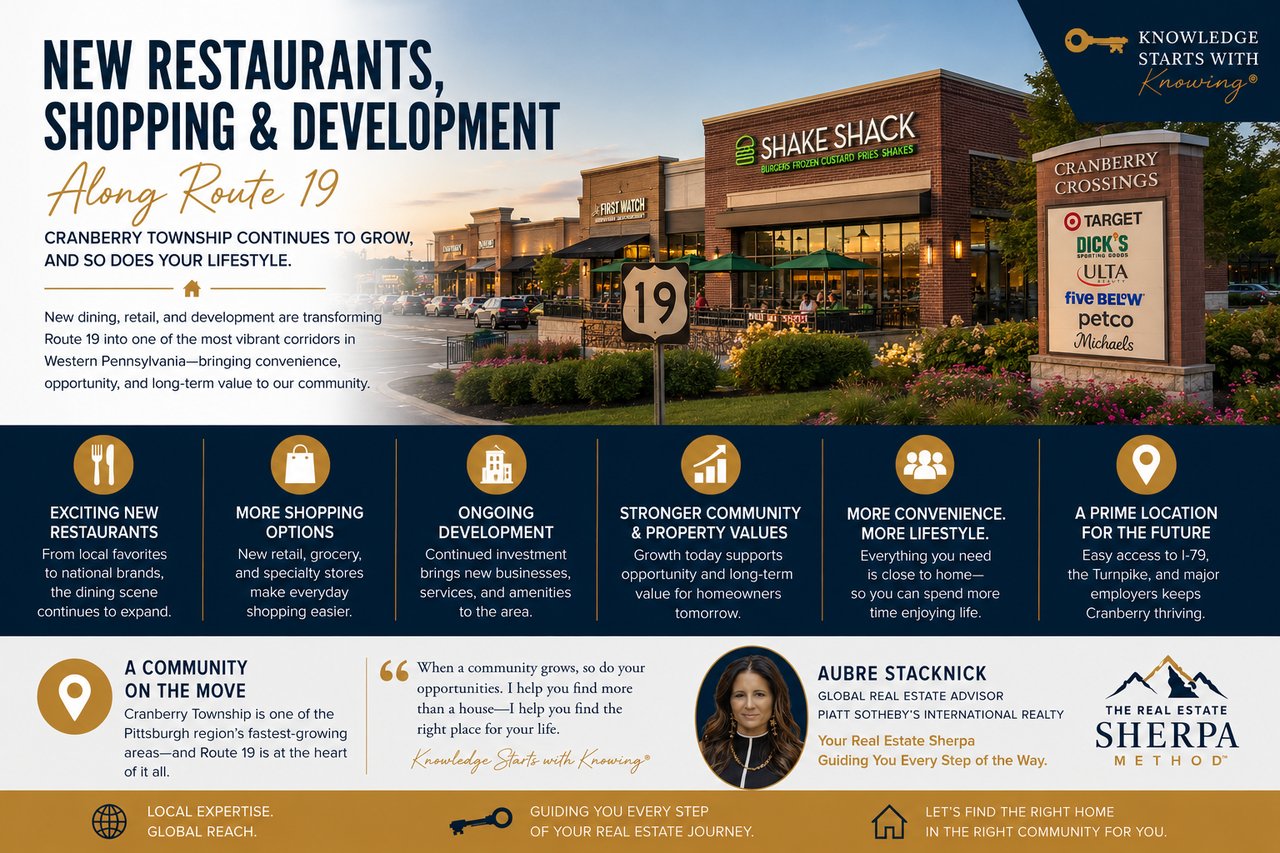
Wexford can behave differently from Cranberry Township.
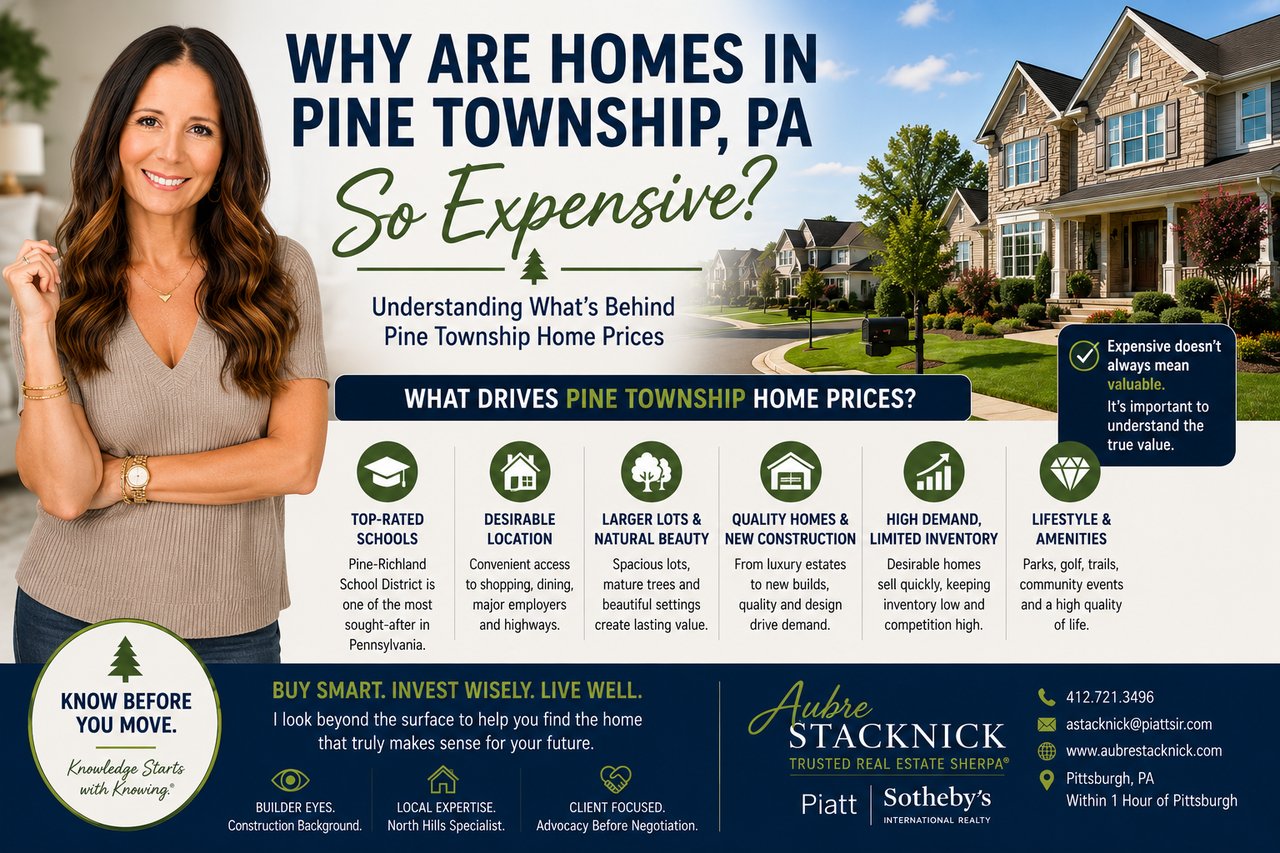
Pine Township can behave differently from McCandless.
Sewickley isn't necessarily following the same trends as the South Hills.
And Pittsburgh's city neighborhoods can vary dramatically—even from one neighborhood to the next.
That's why asking, “How is the Pittsburgh real estate market?” isn't always the right question.
A better question is:
“What's happening with homes like mine—or the homes I want to buy—in the specific area I'm considering?”
That's where meaningful real estate advice begins.
Why Waiting Can Become Expensive
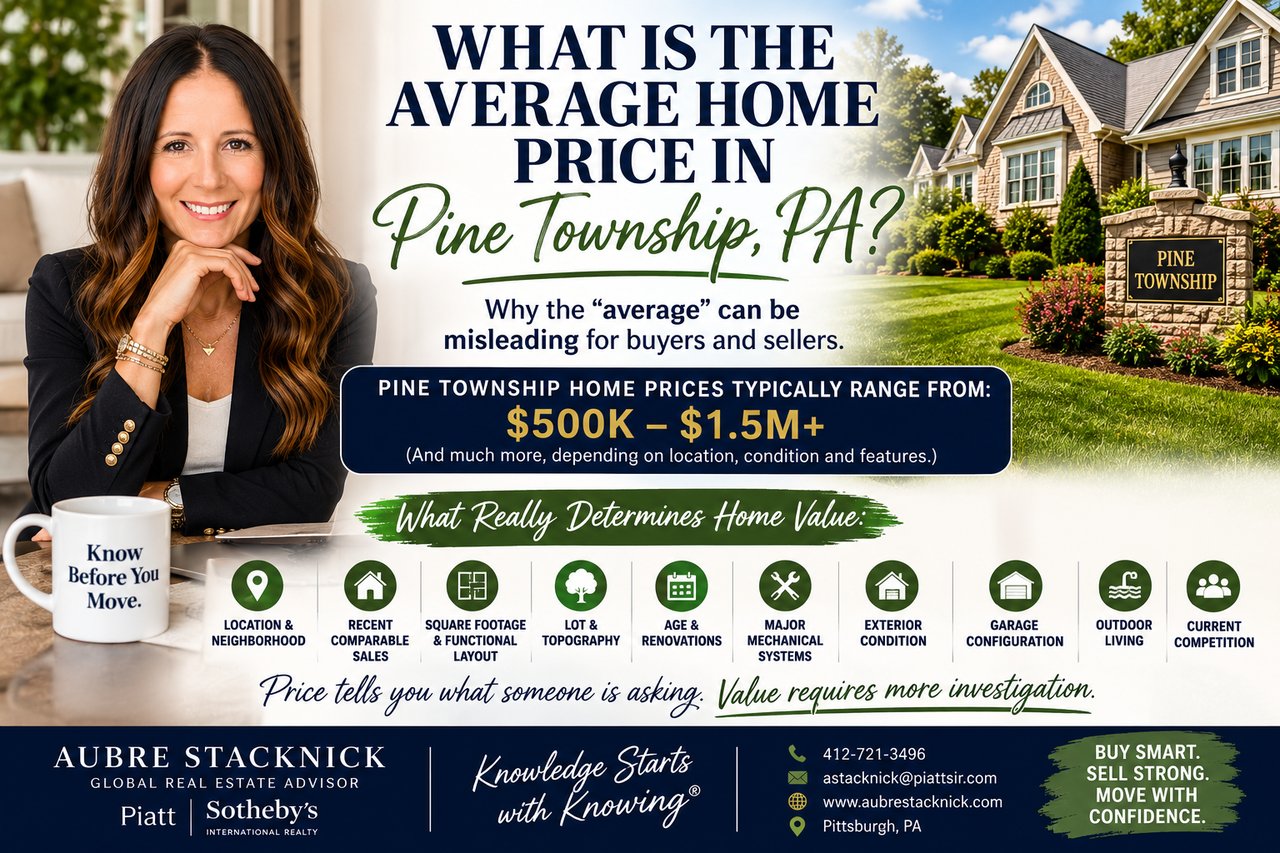
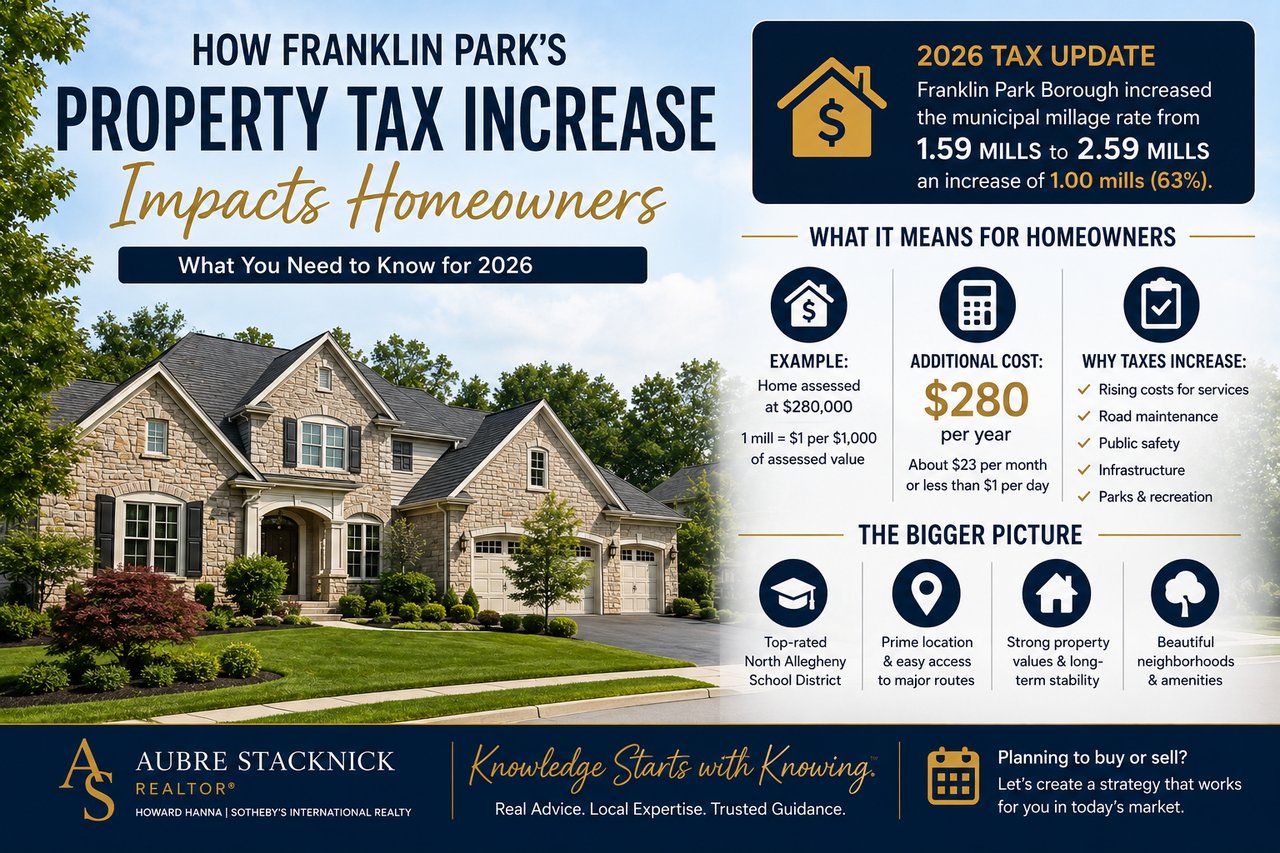
Suppose you're waiting for a $500,000 home to become cheaper.
If that home's value increases just 2% instead of declining, it becomes approximately $510,000.
At $750,000, the same 2% increase represents approximately $15,000.
At $1 million, it's $20,000.
And purchase price is only one part of the equation.
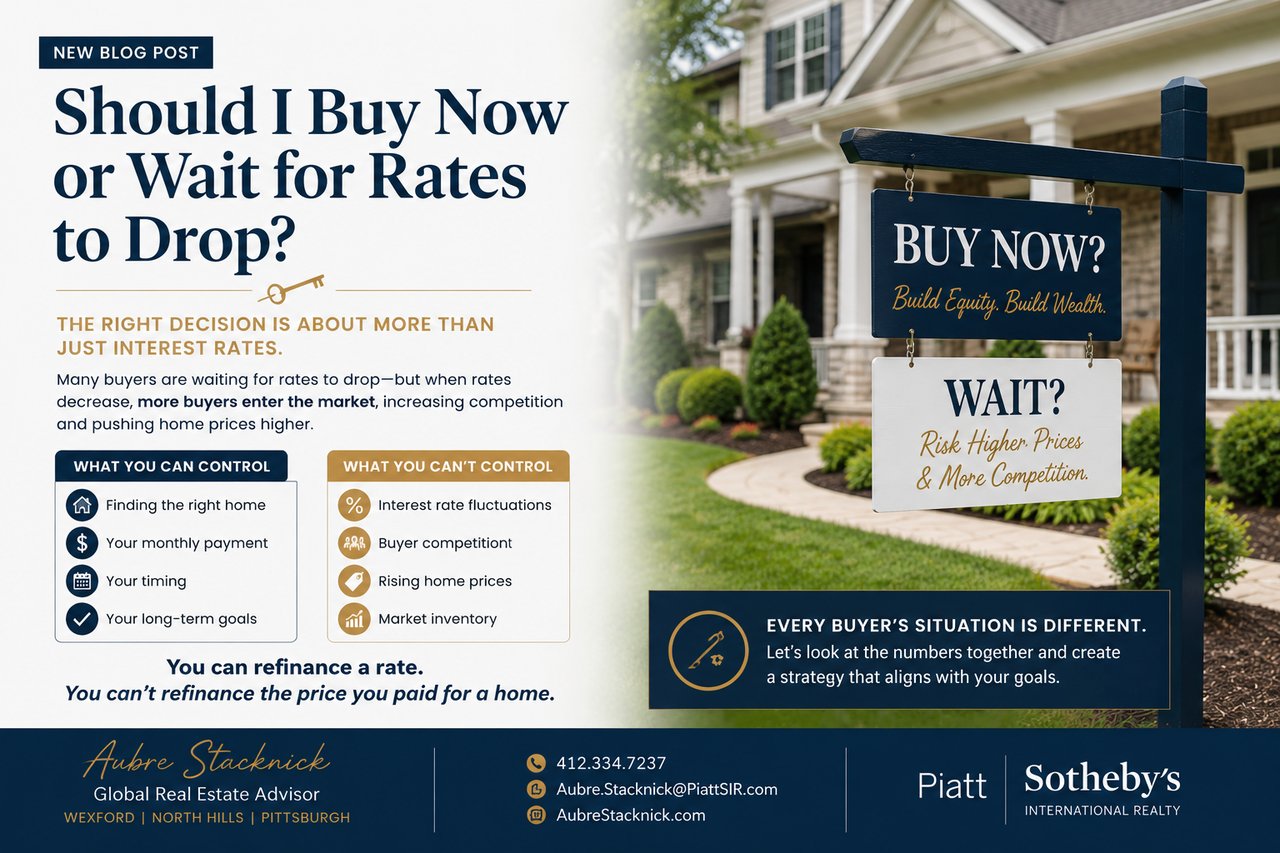
If you're financing your purchase, you're simultaneously trying to predict two moving targets: home prices and mortgage rates.
Nobody can reliably guarantee where either will be six or twelve months from now.
That's why I don't believe in making a major real estate decision based solely on trying to perfectly time the market.
Make the decision based on whether the numbers, property and timing make sense for you.
Buyers: More Inventory Can Be an Opportunity
Here's the part of today's market that buyers shouldn't overlook.
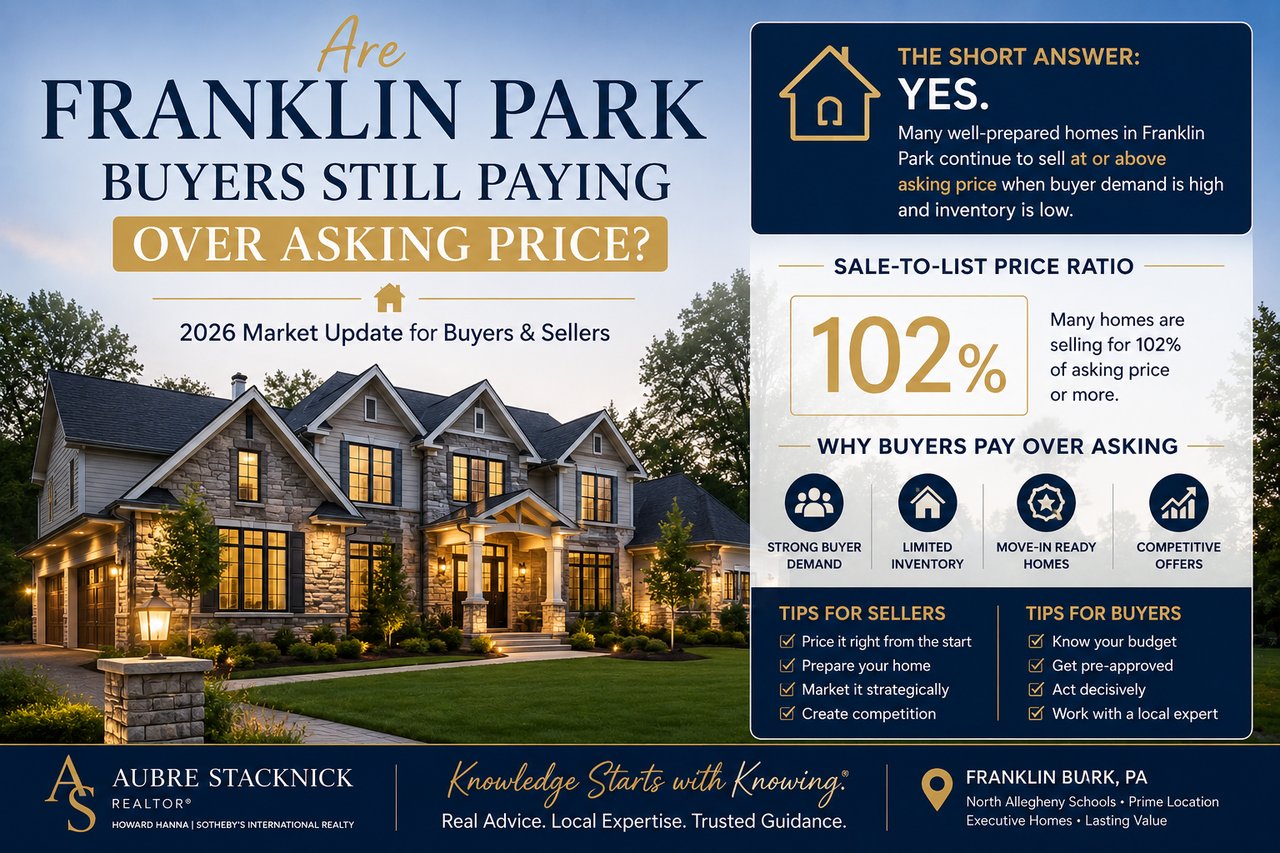
More inventory can create opportunities that simply weren't available when nearly every desirable property generated immediate competition.
Depending on the property, today's buyer may have opportunities to negotiate around:
- Purchase price
- Inspections
- Seller assistance
- Closing timelines
- Repairs
- Mortgage-rate strategies
- Properties that have accumulated days on market
But there's an important catch.
The best homes can still move quickly.
A well-priced, well-maintained home in a desirable Pittsburgh-area neighborhood isn't necessarily going to sit around simply because overall inventory has increased.
More choices don't mean buyers should stop being prepared.
They mean buyers can be more strategic.
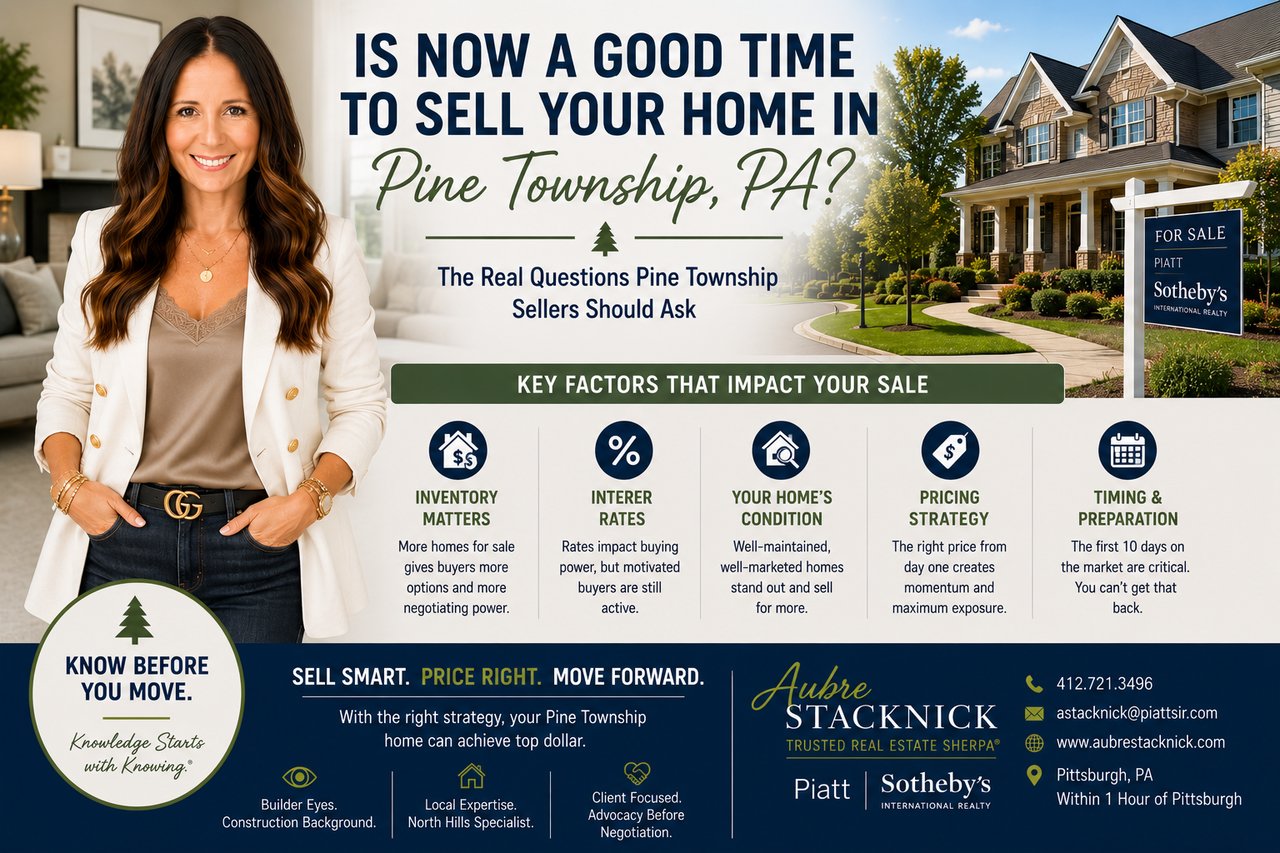
Sellers: More Listings Mean Your Strategy Matters More
Sellers need to understand the other side of increasing inventory.
Your home has more competition.
When buyers have choices, they compare.
They compare price.
They compare condition.
They compare renovations.
They compare photography.
They compare location.
They compare how much work they'll need to do after closing.
This is exactly why I talk so much about the importance of a property's first days on the market.
Overpricing a home because you want to “leave room to negotiate” can backfire.
If buyers perceive better value elsewhere, they simply move on.
Then the seller may end up reducing the price and chasing the market instead of positioning the property correctly from the beginning.
The market will tell us what a home is worth—but our job is to position it so buyers understand that value immediately.
Condition Matters More in a Selective Market
This is also where my construction and renovation background becomes especially important.
Not every improvement produces the same return.
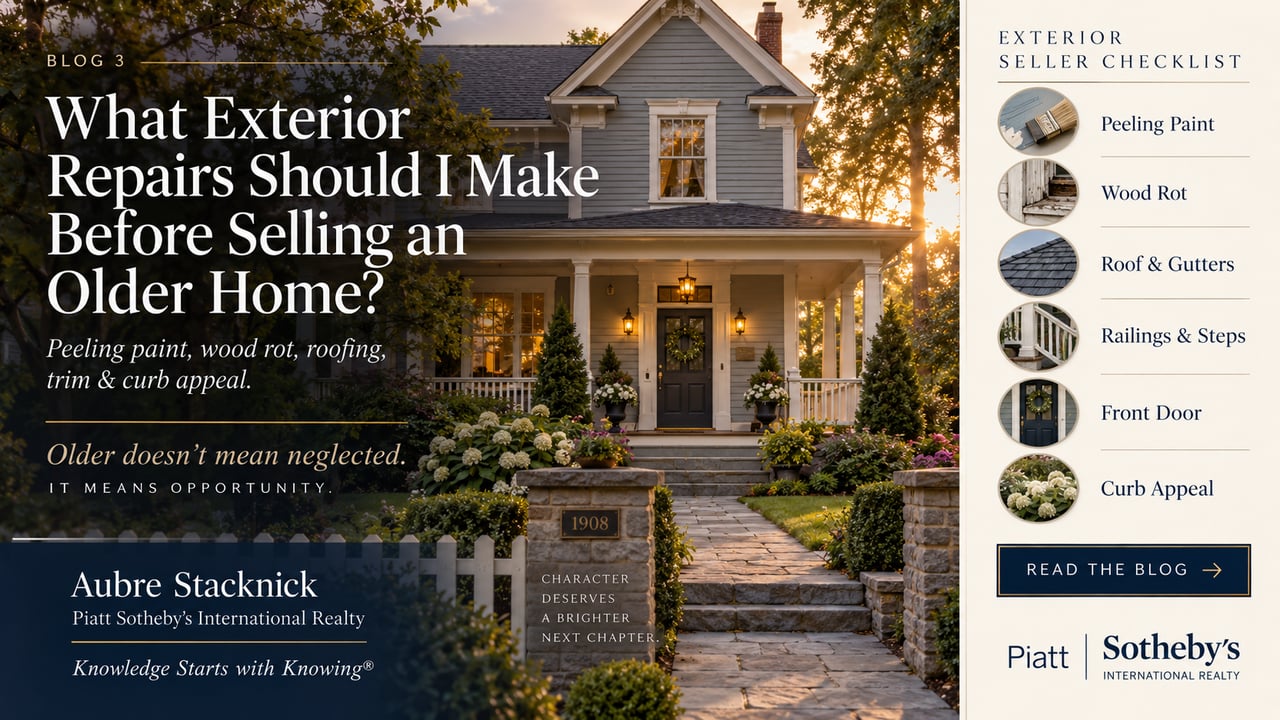
And not every home should be renovated before it goes on the market.
Sometimes paint, lighting, flooring and strategic repairs can dramatically change a buyer's perception.
Sometimes a major renovation makes sense.
And sometimes the financially smarter decision is to sell the property in its current condition and allow the next owner to make those choices.
The answer depends on the property, neighborhood, likely buyer and expected return.
Renovating without understanding your market can be just as expensive as doing nothing.
What About New Construction?
New construction adds another layer to the conversation.
Buyers shouldn't compare a builder's advertised base price directly with the price of an existing home without understanding what's actually included.
Lot premiums, structural options, allowances, flooring, cabinetry, lighting, landscaping, window treatments and post-closing improvements can substantially change the final investment.
An existing home may appear more expensive until you calculate what it would cost to recreate everything already included.
Or the opposite may be true.
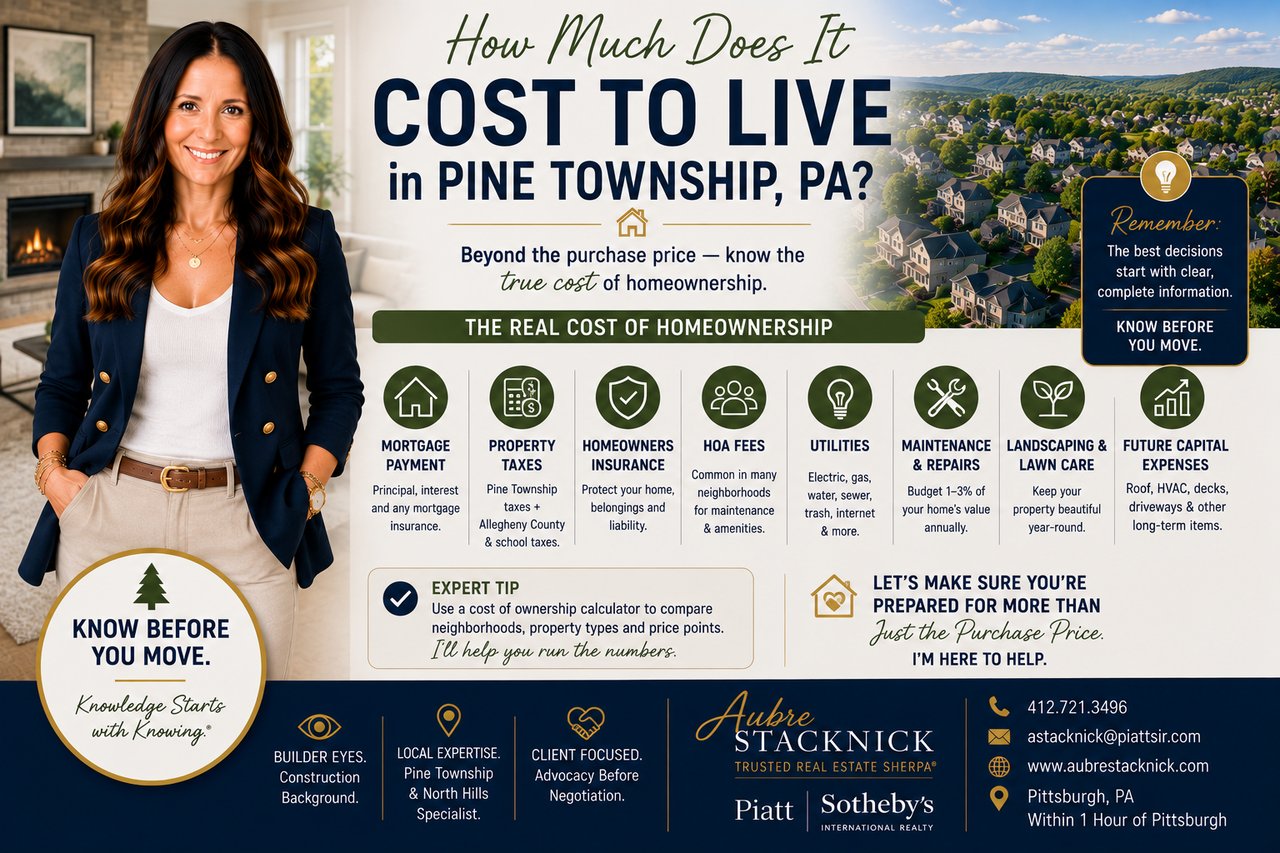
That's why buyers should compare the total cost of ownership and completion, not simply the number on the listing or builder's website.
Relocating to Pittsburgh? National Headlines Matter Even Less.
This is especially important for relocation buyers.
If you're coming from New York, New Jersey, Washington, California, Florida, Texas—or internationally—your perception of Pittsburgh pricing may be completely different from someone who has lived here for decades.
But affordability relative to another market doesn't mean you should overpay.
You still need to understand:
What does THIS house compete with in THIS Pittsburgh-area neighborhood?
That's the analysis that protects you.
The Cost of Waiting Isn't Always Financial
There's another piece of this conversation that doesn't fit neatly into a spreadsheet.
Real estate decisions are often life decisions.
A growing family may need another bedroom.
Someone relocating may need to be closer to work.
Parents may want a different school district.
Empty nesters may be ready to right-size.
Someone may want acreage, privacy, a walkable neighborhood or simply a home that fits the next chapter of their life better.
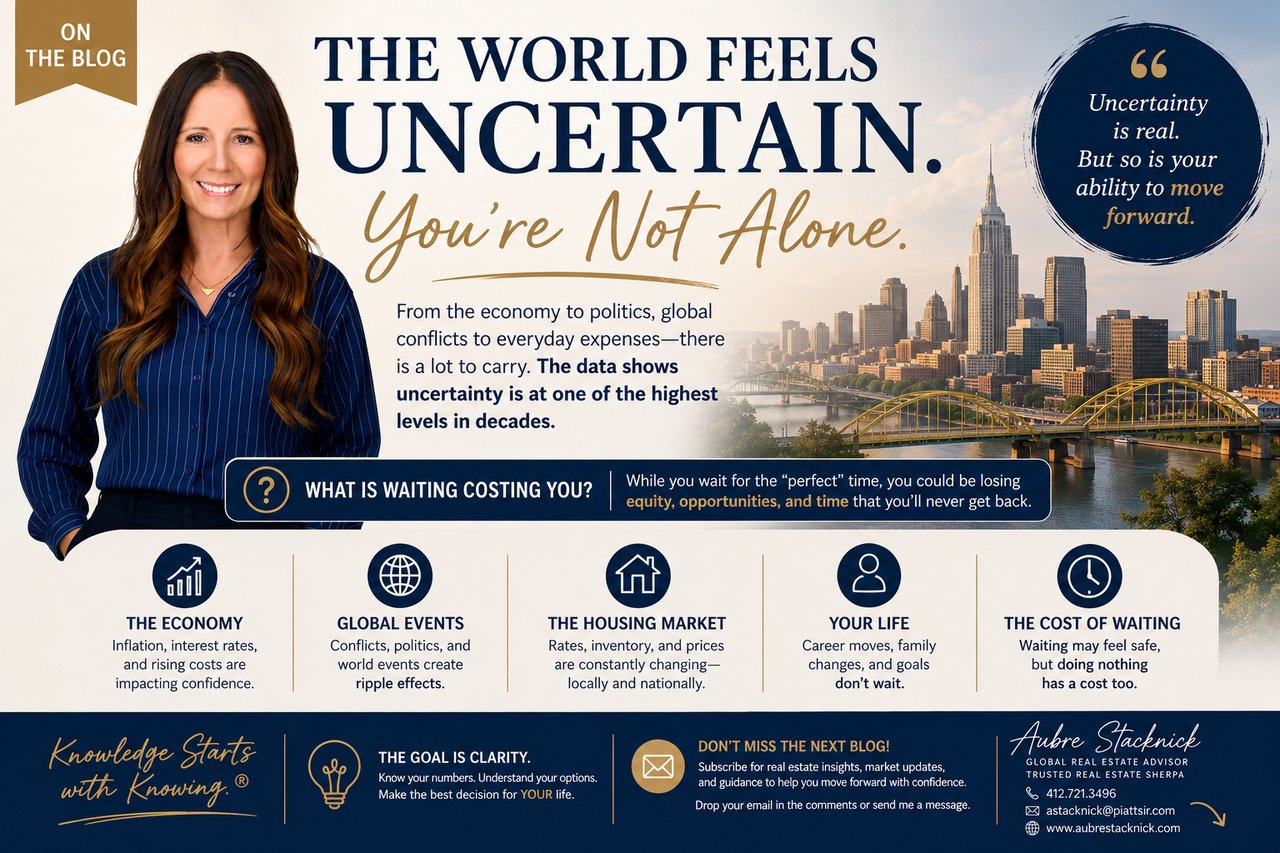
Waiting has a cost, too.
Sometimes that's money.
Sometimes it's opportunity.
And sometimes it's another year spent living somewhere that no longer works for you.
So, Should You Buy or Sell in Pittsburgh Right Now?
There isn't one answer for everyone.
And anyone giving you one without understanding your circumstances probably isn't giving you enough information.
For some buyers, today's additional inventory may create an excellent opportunity.
For others, waiting may make sense.
For some sellers, current market conditions may be very favorable.
Others may benefit from making strategic improvements or adjusting their timing.
The goal isn't to convince you to move.
The goal is to give you enough information to make the right decision.
That's what I mean when I say:
Knowledge Starts with Knowing®.
Before You Decide to Wait, Know What You're Waiting For.
If you're considering buying, selling, building, renovating, investing or relocating anywhere in the Greater Pittsburgh region, don't base your next move on a national headline.
Let's look at your actual market.
Your neighborhood.
Your price point.
Your competition.
Your financing.
Your property.
And your goals.
Because the question isn't simply:
“Is now a good time to buy or sell?”
The better question is:
“Does moving now make sense for me—and what does the data say about my specific situation?”
That's a question worth answering before another year goes by.
Aubre Stacknick | Global Real Estate Advisor
Piatt Sotheby's International Realty
Trusted Real Estate Sherpa
Knowledge Starts with Knowing