Aubre J. Stacknick is a Global Real Estate Advisor with Piatt Sotheby's International Realty in Pittsburgh, PA, helping buyers and sellers across Western Pennsylvania see a home through a builder's eyes. I am not an insurance agent or an engineer, and this is general information. A licensed insurance producer and your attorney answer the questions about your own policy.
What is mine subsidence?
It is ground movement caused by the collapse of old underground mines. DEP describes the covered cause as the roof, floor and pillars of underground coal or clay mines giving way. It can also include a sudden water breakout from a mine.
Western Pennsylvania has a long mining history, and I do not assume any one town is or is not over an old mine. The address decides, not the neighborhood. That is why I ask buyers to check the property, not the zip code.
Does a standard homeowners policy cover it?
DEP says damage from mine subsidence or mine water breakouts is usually not covered by your homeowner's insurance policy. That is the reason the state runs Mine Subsidence Insurance.
"Usually" is the word to respect. Read your own policy and ask your agent in writing. I cannot tell you what your policy says, and I will not guess. A lender may also ask you about it, depending on the property.
What does Mine Subsidence Insurance cover?
According to DEP's page:
- Damage from the collapse of underground coal or clay mines, including the roof, floor and pillars
- Damage from a sudden water breakout from a mine
- Complete buildings and buildings under construction, with each building needing its own policy
- Incidental costs such as temporary relocation, at amounts DEP lists from $600 to $7,000 for policies created or renewed after December 11, 2013
DEP says coverage ranges from $5,000 to $1,000,000, and that it recommends insuring a home for its replacement value plus 20%. Policies run one year and renew each year.
What does it not cover?
This is the list buyers skip, and it matters:
- Sinkholes that occur as a result of limestone weathering
- Contents. DEP says MSI only covers damage to the building and its appurtenances
- Detached garages, which need their own policy
- Appurtenances such as fences, retaining walls, patios, walks, driveways and in-ground pools, which are limited to 10% of the coverage amount and paid only if the insured building is damaged by the same event
- Causes that can look like subsidence, such as settlement under surface loads, landslides, soil shrinking or swelling, and poor construction
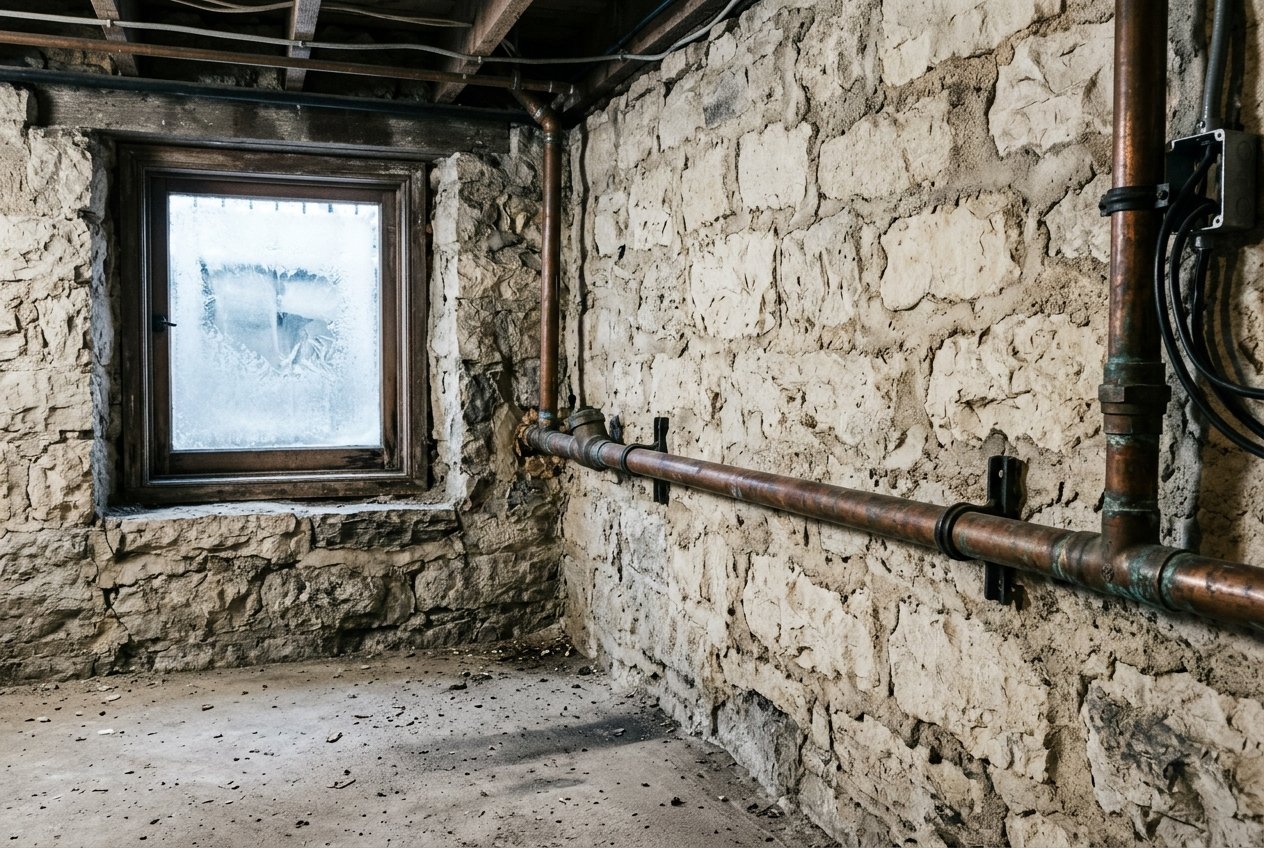
Notice the last item. A cracked wall is not always subsidence, and a landslide is not covered by this program. A cracked foundation needs a professional to say why it cracked. I wrote about checking the other things that cause cracks and moisture in How Can I Tell If a House Has Expensive Problems Before I Buy It?
How much does it cost?
DEP says residential coverage costs about 27 cents per $1,000 of coverage. Its example is that $150,000 of coverage costs $41.25 a year. A house with a higher replacement value costs more, and DEP's premium calculator gives the figure for a specific amount.
I mention the example only to show the scale. It is a small number next to the price of the house. Ask for a quote, and decide with your agent and your lender.
How do you check whether an address is at risk?
DEP says to use its MSI Risk interactive map. You can locate a site by address, latitude and longitude, or municipality, and the result shows the mining status and whether MSI is recommended. For information about underground mining at a specific location, DEP offers a Site-Specific Request Form.
I would run this check on any house you are serious about, and I would do it before the inspection deadline in your contract, not after. It takes a few minutes, and the answer goes in the file.
How do you buy it?
DEP says to use its premium calculator, then apply online through DEP GreenPort, or call 1-800-922-1678 to have a paper application mailed. The page says only insurance producers with property and casualty authority in Pennsylvania can submit applications. DEP also says the policy takes effect on the day the online application is submitted, as long as payment arrives within 60 days.
Some buildings in areas with past or recent problems may need an inspection before coverage is issued, according to the page. So do not wait until the week of closing. Ask your agent and your insurance producer early.
What should a seller do before listing?
- Find out whether you have MSI and keep the policy and the premium record
- Run the MSI Risk map for your address so you know what a buyer will find
- Tell your agent about any past ground movement or damage claims and keep the paperwork
- Do not call a crack subsidence or not subsidence yourself. Have the right professional look
A seller who has the information ready is easier to trust. A buyer's attorney and lender will ask, and answers in writing help. I covered a related list in What Does a Pre-Listing Inspection Catch Before Buyers Do?
What about new construction?
A new home is a different building on the same ground. The ground does not change because the house is new. If you are building, the lot is the question, and I covered how to think about it in How Do You Choose a Lot Before You Build a New Home in Western Pennsylvania? Check the MSI Risk map for the lot and ask your builder and your insurance producer what they require.
Why do I care about this as a builder?
Because what is under a house is part of the house. I can read a foundation wall, a sill and a roofline. I cannot read an old mine from the street. That is the kind of question a map and a licensed professional answer, and I would rather you ask it on day three than on closing week.
For how I evaluate a house from foundation to roof, see the Builder's Eye approach.
What are the common mistakes?
- Assuming the standard homeowners policy covers mine subsidence
- Assuming a house is fine because the neighbors never had a problem
- Not checking the address on DEP's MSI Risk map
- Forgetting that a detached garage needs its own policy
- Waiting until the week of closing to ask about coverage
- Calling every crack subsidence, or ruling it out without a professional
What if the report shows a crack you cannot explain?
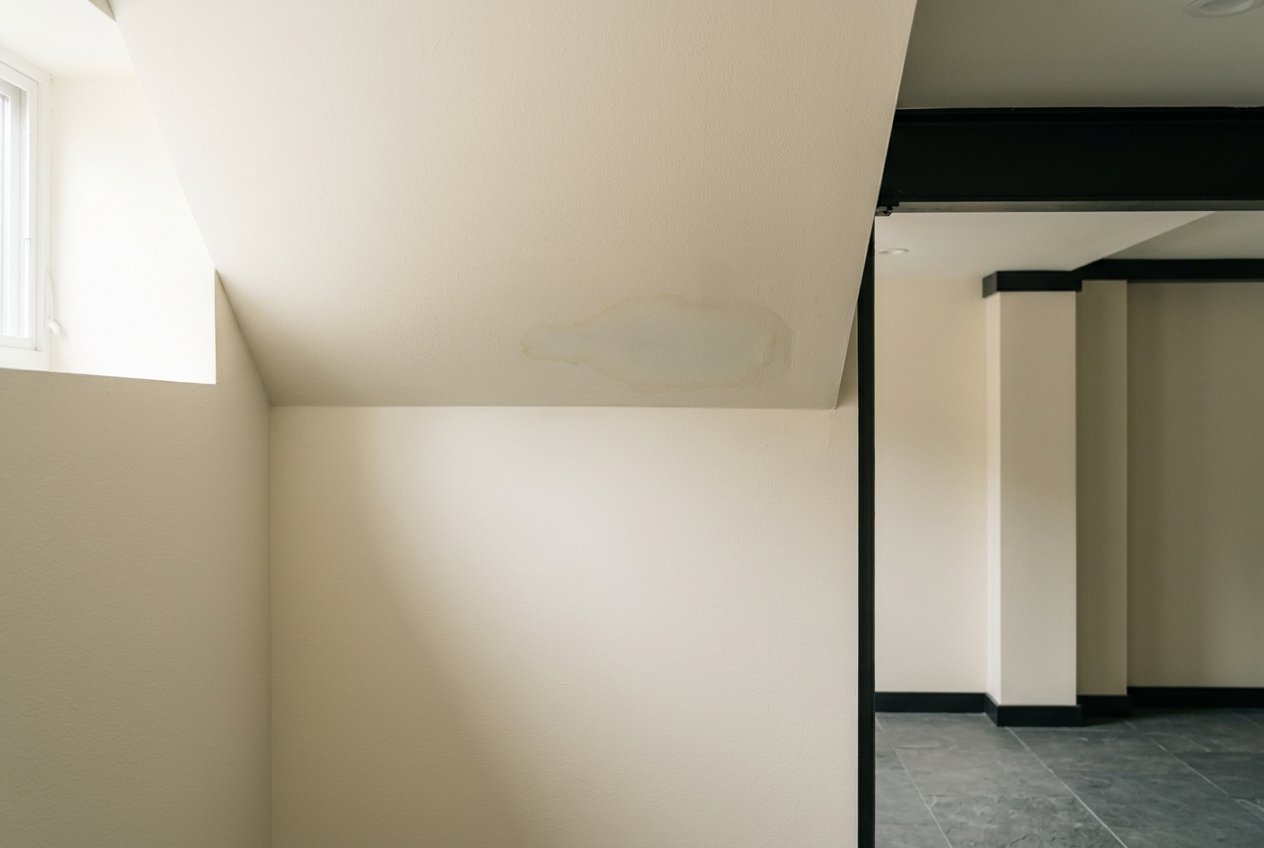
Start with the right person, not the worst guess. A crack in a foundation or a wall can come from settlement, moisture, soil movement or construction, and DEP's own list of look-alike causes says subsidence is only one of them. Ask your inspector what they see, and ask whether a structural engineer should look. If the address shows a mining history on DEP's map, tell the engineer. Then ask your insurance producer how MSI works for that building before you decide.
Keep every photo, report and date together. If you ever need to make a claim, DEP lists the claims line as 1-800-922-1678, and good records make the call easier.
What questions should a buyer put in writing?
Short ones, and to the right people:
- To the seller: has the property ever had ground movement, foundation repair or an insurance claim for mine subsidence, and is there paperwork?
- To your insurance producer: does the homeowners policy exclude mine subsidence, and what would Mine Subsidence Insurance cost for this address and this replacement value?
- To your attorney: what does the sales agreement say about inspections and the timeline for them?
- To your inspector: please note any cracks, stair-step patterns or doors that no longer close, and say what else could explain them
Written answers become part of the file. If something changes later, you have the record, and so does the next buyer. I would rather ask five plain questions in November than discover the answer in a March claim.
FAQ
Does homeowners insurance cover mine subsidence in Pennsylvania?
DEP says damage from mine subsidence or mine water breakouts is usually not covered by a homeowner's insurance policy, which is why the state offers Mine Subsidence Insurance.
How much does Mine Subsidence Insurance cost?
DEP says residential coverage costs about 27 cents per $1,000 of coverage. For example, $150,000 of coverage costs $41.25 a year.
How do you check if a house is at risk of mine subsidence?
DEP says to use its MSI Risk interactive map, where you can search by address, latitude and longitude, or municipality.
What does Mine Subsidence Insurance not cover?
DEP says it does not cover limestone sinkholes, contents, or detached garages without their own policy, and it limits appurtenances such as fences, patios and driveways to 10% of the coverage amount.
If you are buying or selling in Western Pennsylvania and want a builder's read on the questions to ask about the ground under a house, book a 30-minute call. Bring the address and your questions.