Which Home Improvements Add the Most Value Before Selling?
The best improvements are generally the ones that remove buyer objections, improve first impressions and bring the property closer to what buyers expect at its price point—not necessarily the most expensive renovations.
I look at improvements through two lenses:
What will buyers notice?
and
What could stop them from moving forward?
Nationally, NAR's 2025 Remodeling Impact Report estimated particularly strong cost recovery for front doors, closets and windows, while complete kitchen and bathroom renovations recovered substantially less than their full cost on average.
Local results will vary—which is precisely why improvement decisions should start with the property and its competitive market.
My Priority List
1. Deferred maintenance
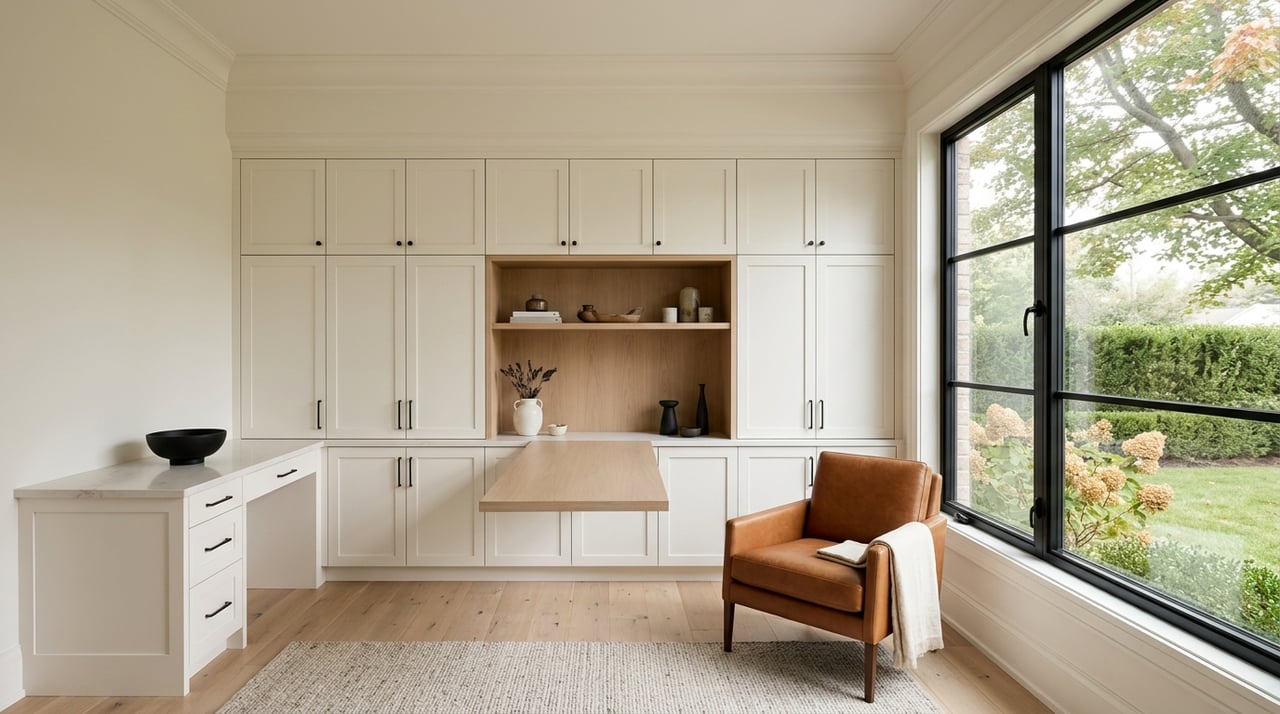
A gorgeous kitchen doesn't erase obvious maintenance problems.
2. Paint
Fresh, appropriate paint can change how buyers perceive the entire property.
3. Lighting
Outdated or insufficient lighting can make an otherwise attractive home feel tired.
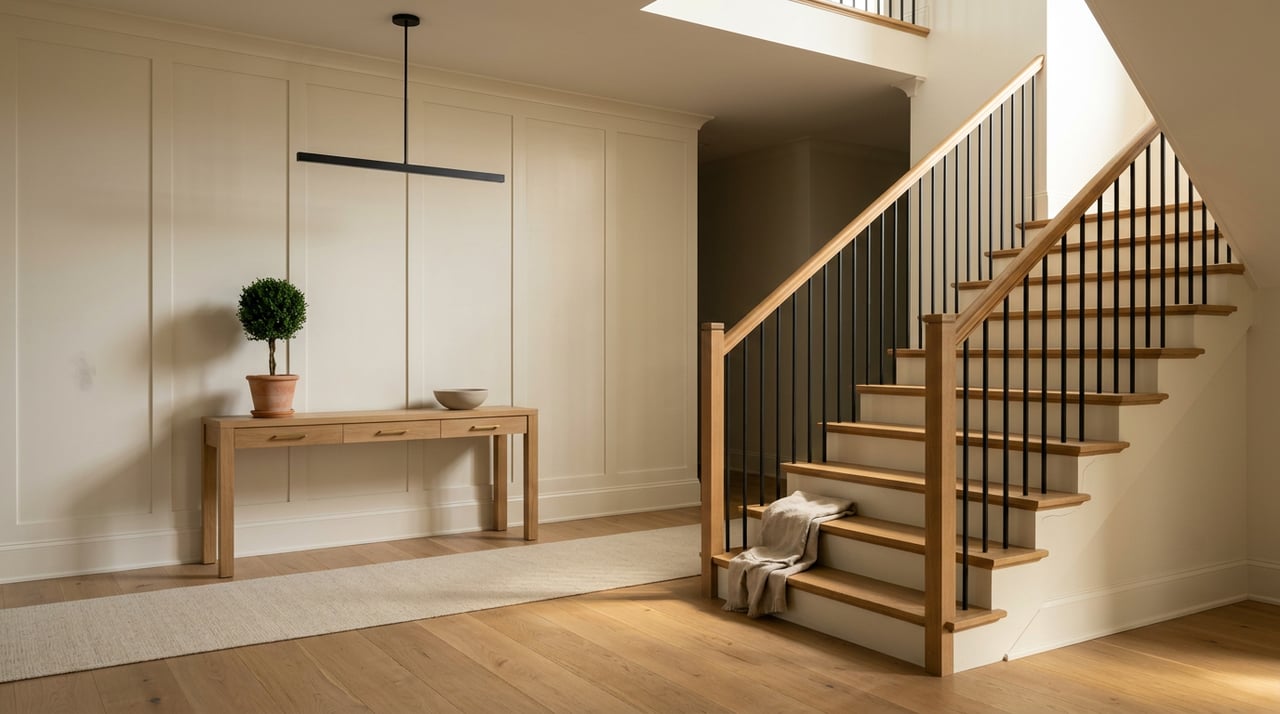
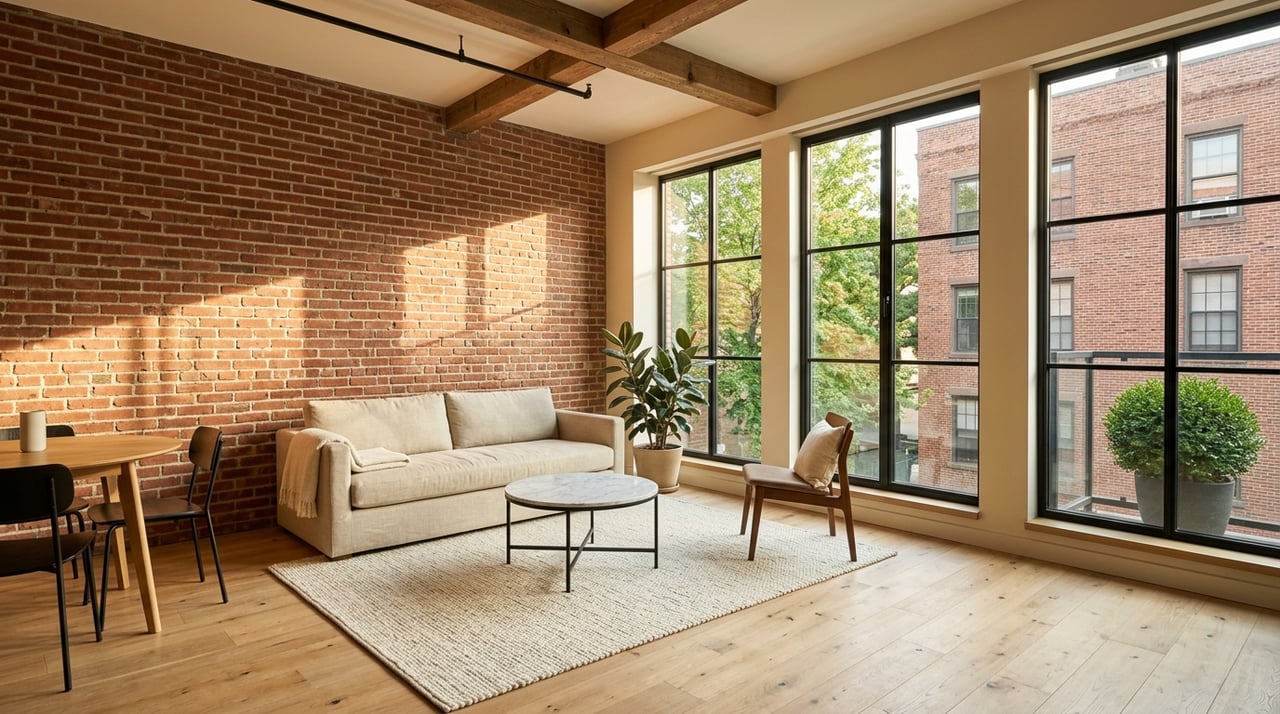
4. Flooring
Flooring creates continuity. Buyers notice damaged, heavily worn or mismatched floors quickly.
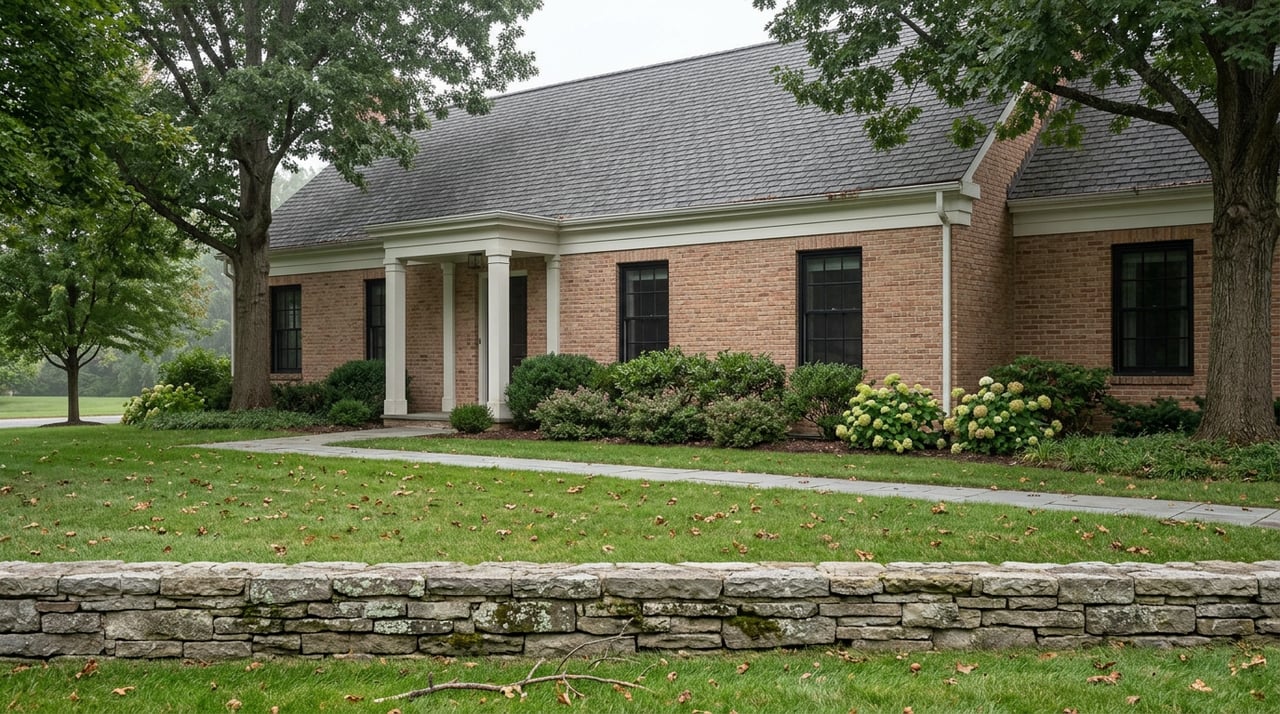
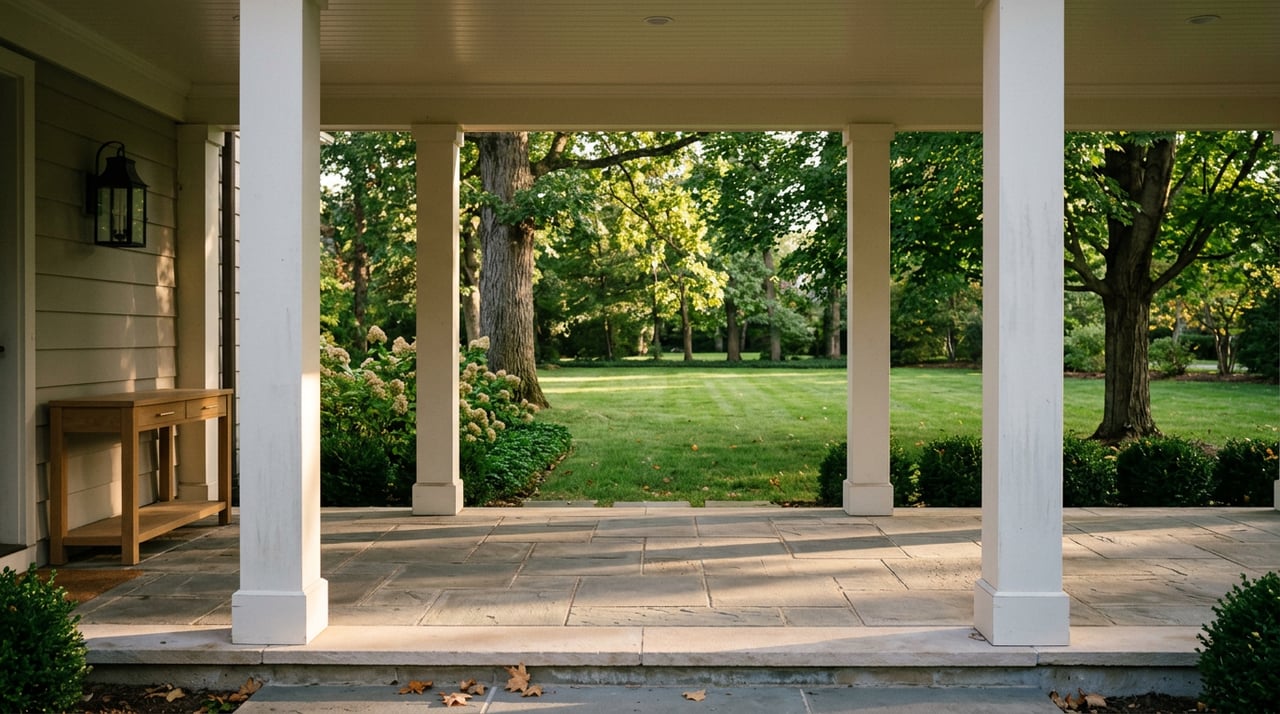
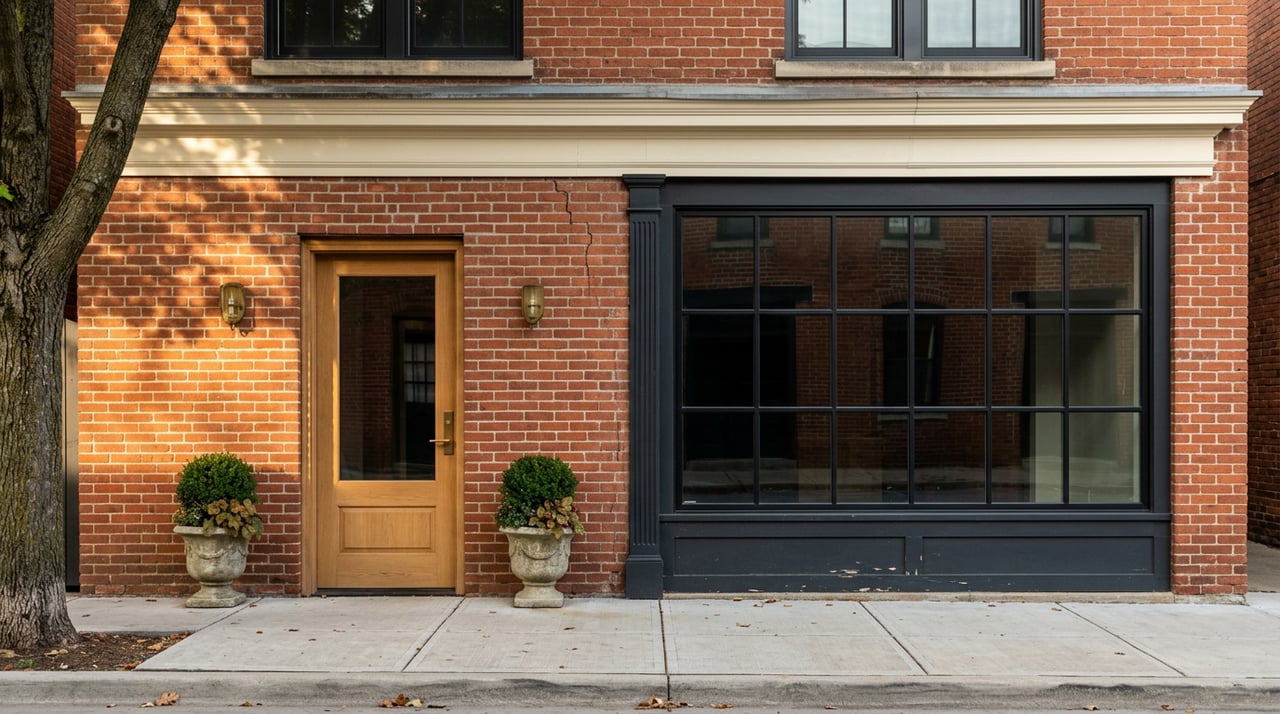
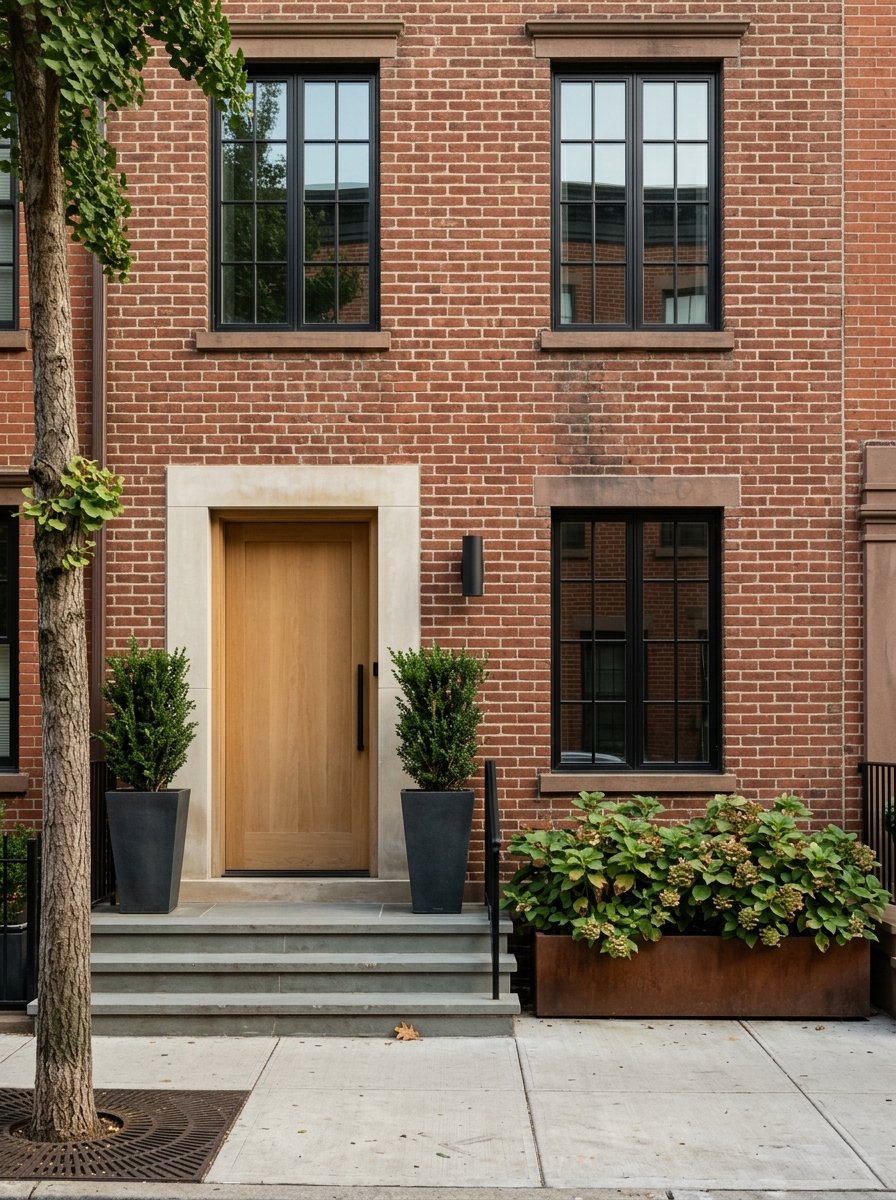
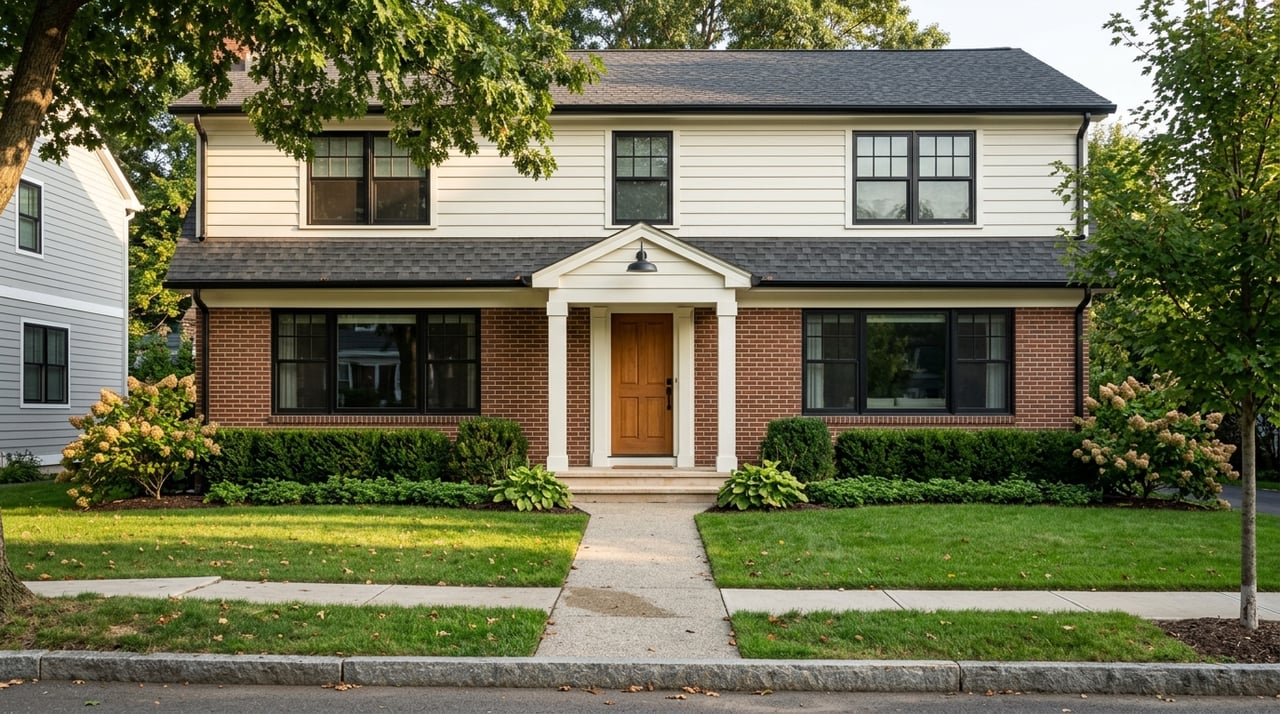
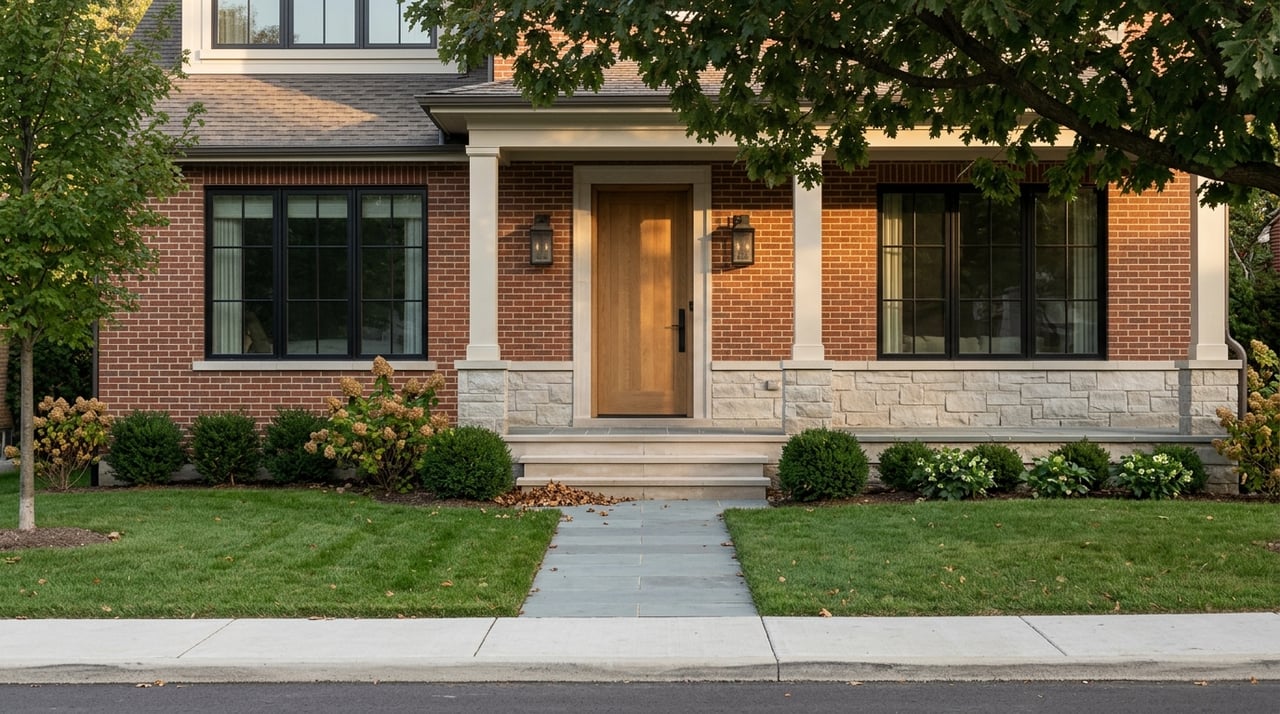
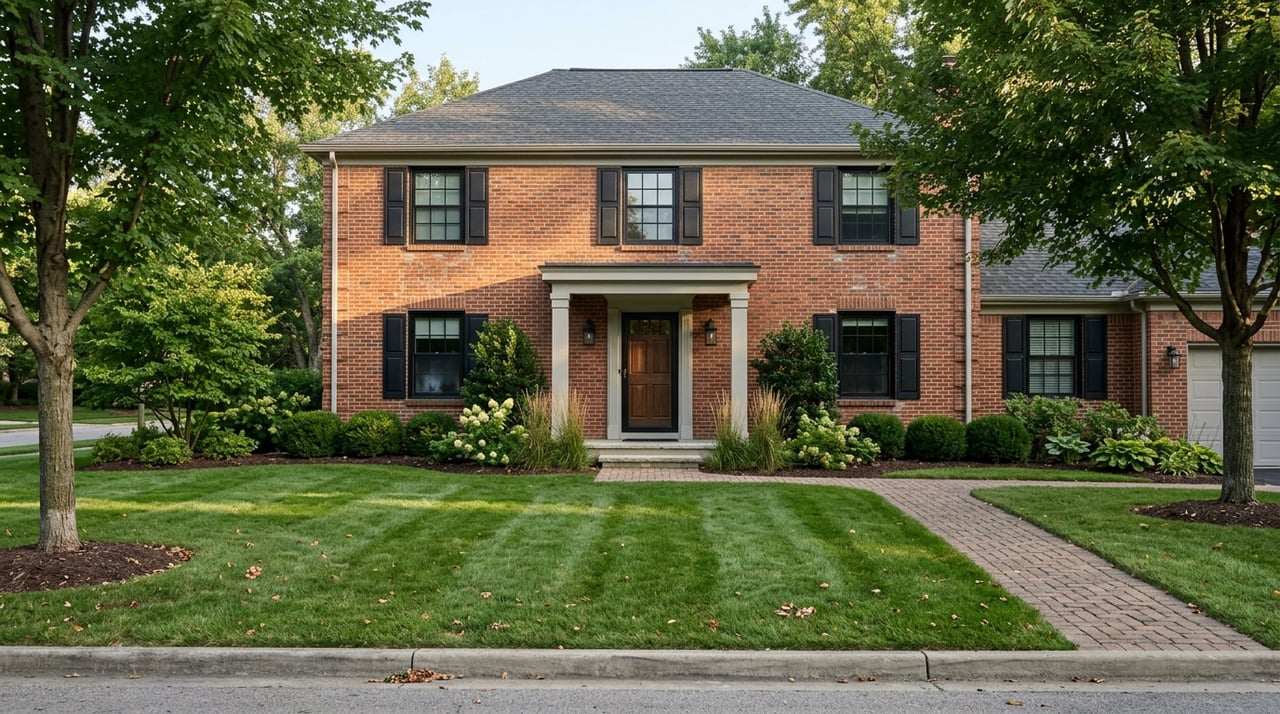
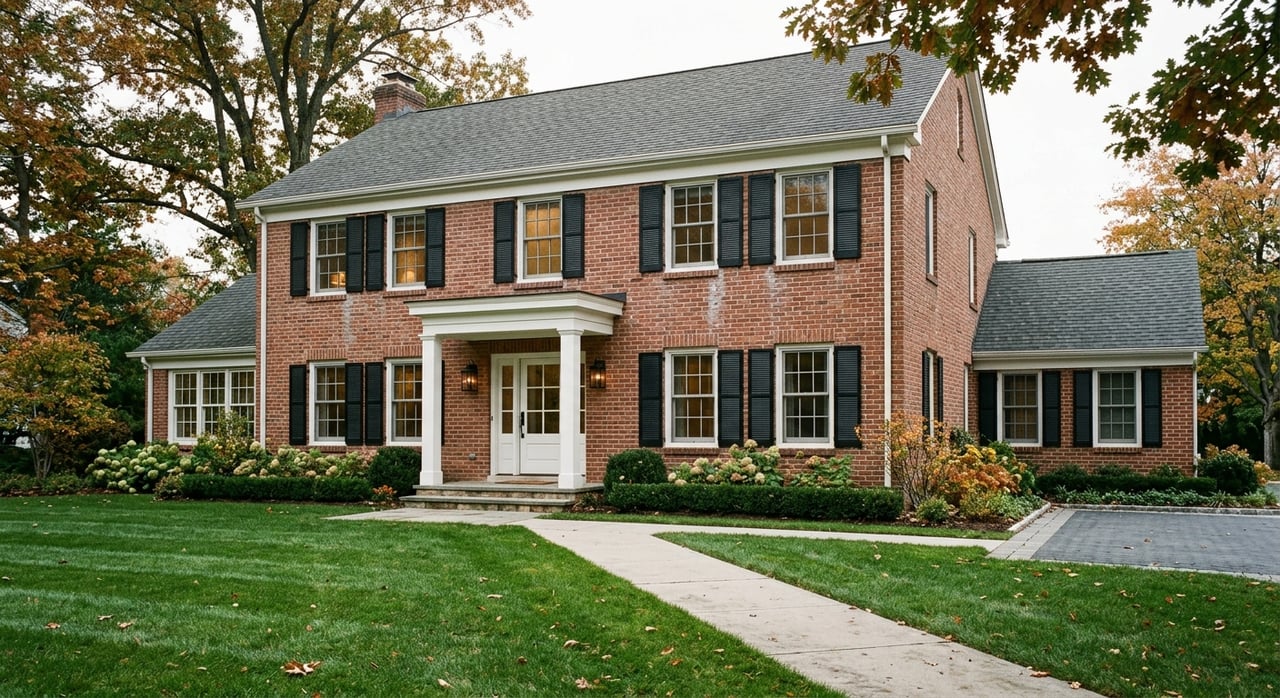
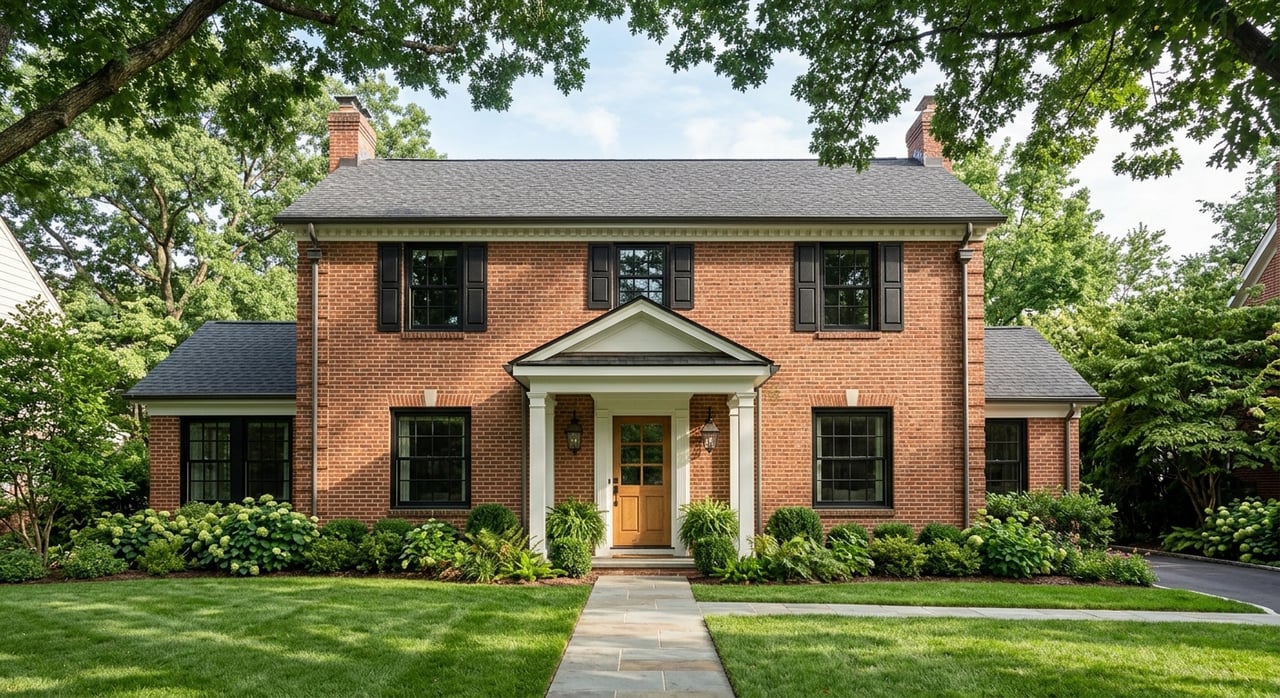
5. Curb appeal
Buyers begin forming opinions before opening the front door.
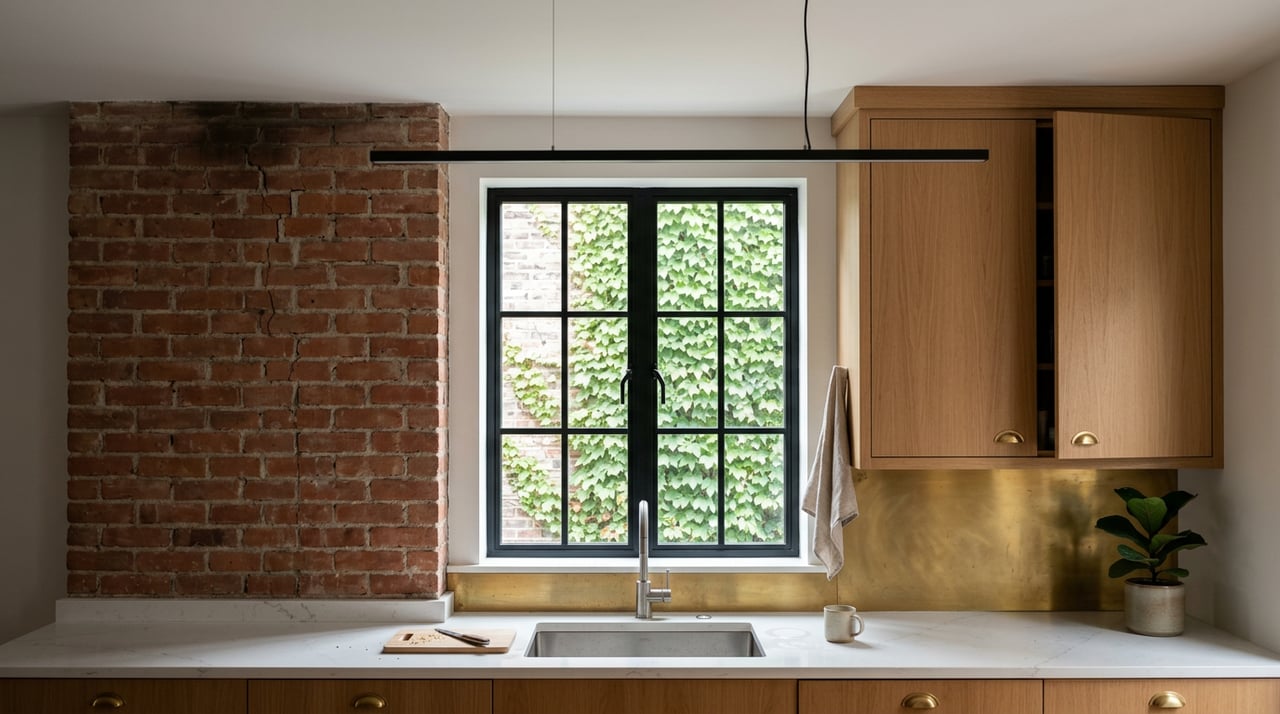
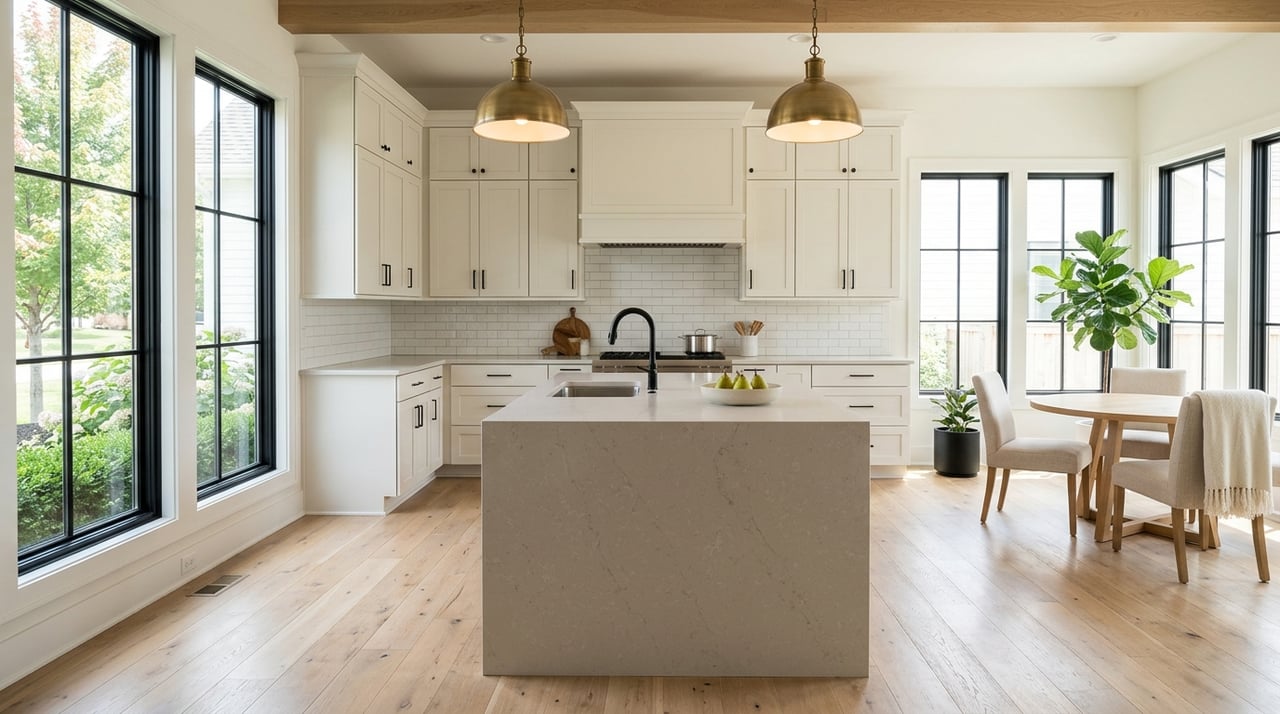
6. Kitchens and baths—selectively
Sometimes a full renovation makes sense.
Often, strategic updates are smarter.
The $50,000 Question
If you handed me $50,000 to prepare your house for sale, I wouldn't automatically put it into the kitchen.
I'd first evaluate the entire property.
Where is the biggest buyer objection?
Where can we create the strongest visual impact?
What does the competition look like?
What's expected at this price?
That's how I want sellers thinking.
Improve strategically. Don't renovate emotionally.