Radon is the thing buyers skip because it is invisible, and it is the one problem on this list that can affect your health every day you live in the house.
The good news is that it is easy to measure and, if it is high, usually fixable.
Aubre J. Stacknick is a Global Real Estate Advisor with Piatt Sotheby's International Realty in Pittsburgh, PA, helping buyers and sellers across Western Pennsylvania see a home through a builder's eyes. A house can look perfect and still need a radon fix, so I treat testing as part of buying.
What is radon?
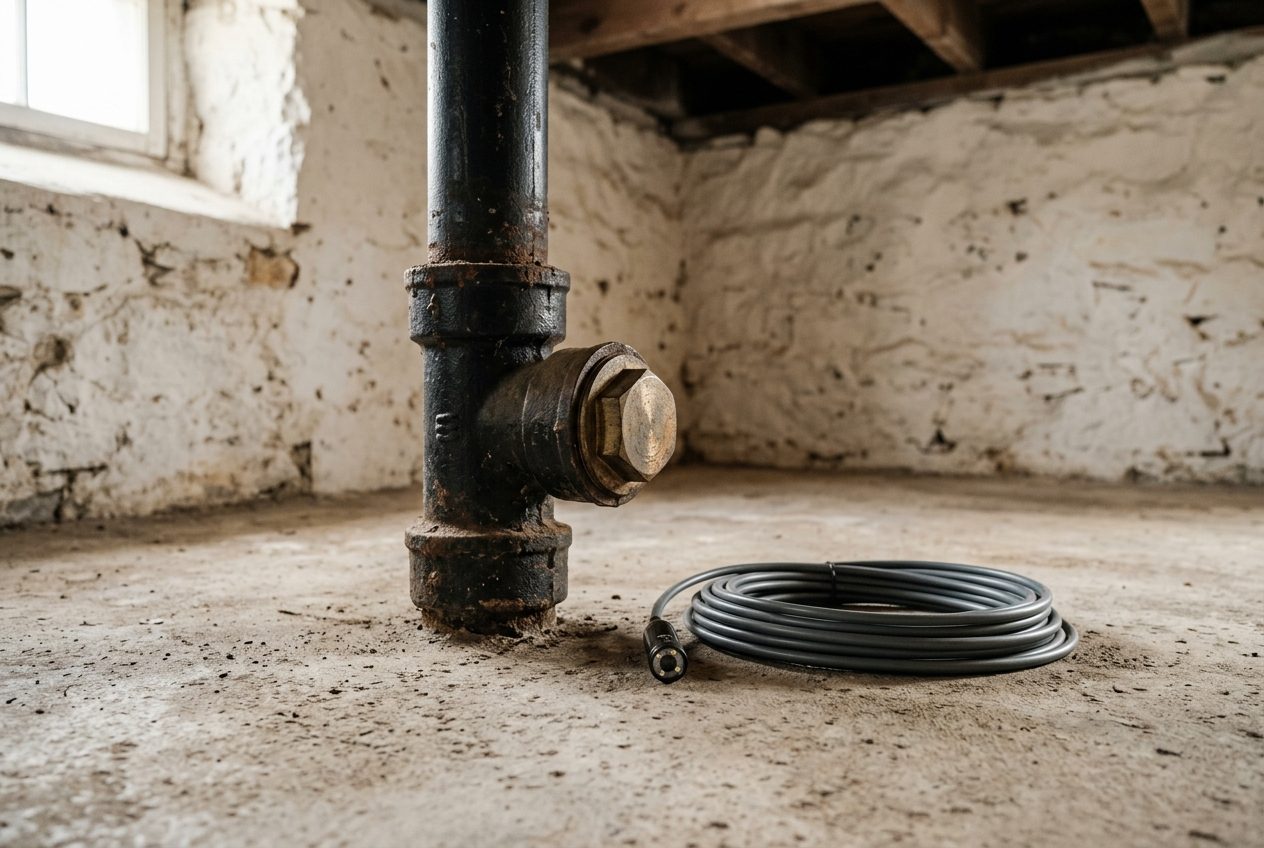
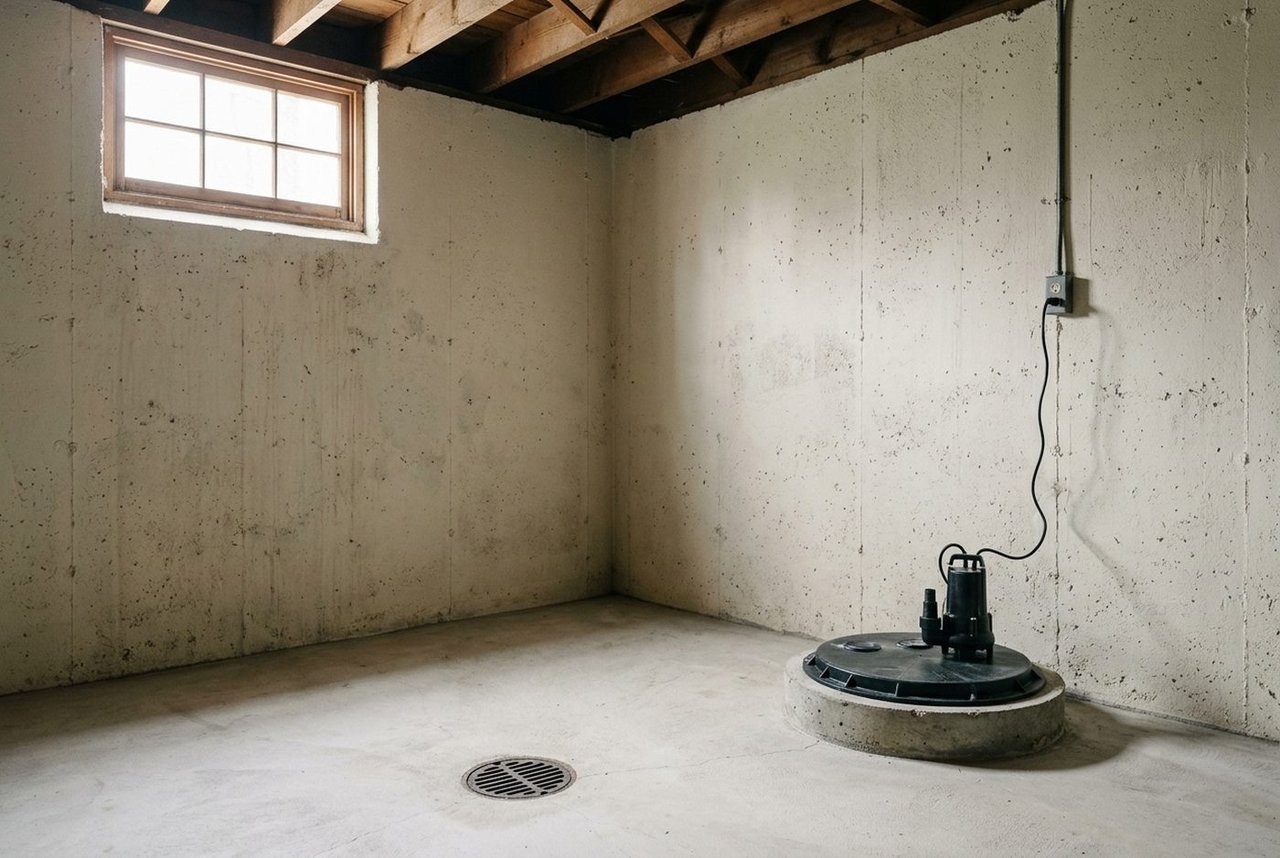
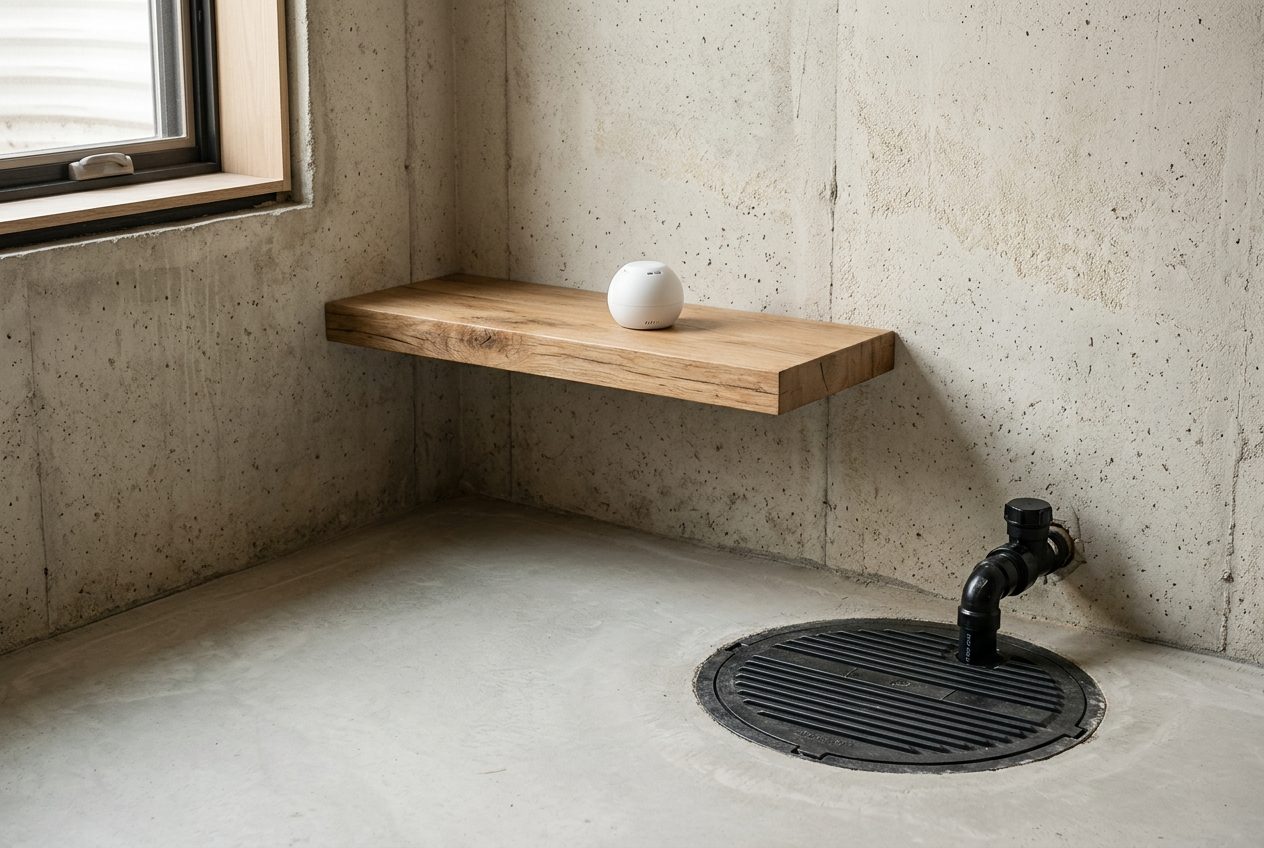
Radon is a radioactive gas that forms naturally when uranium in soil and rock breaks down. It moves up through the ground and can enter a house through cracks in the foundation, gaps around pipes, sump pits, and floor drains. It then collects indoors, usually highest in the lowest level of the house.
You cannot see it, smell it, or taste it. That is why the EPA says testing is the only way to know your level.
Why does it matter?
The EPA says radon is the second leading cause of lung cancer overall. It is a long-term exposure issue, not a short-term one. A house with high radon is not an emergency overnight, but it is a reason to fix the problem rather than live with it for years.
The EPA also shows a chart of risk at different levels and tells homeowners to fix a home at 4 picocuries per liter, or pCi/L, and to consider fixing at lower levels as well. Read the EPA's own page for the numbers and what they mean: EPA, Health Risk of Radon.
Does a good inspection find radon?
Not by itself. A general home inspection is visual, and radon testing is a separate service. Ask your inspector whether they offer it, or hire a qualified radon tester. For more on what a general inspection leaves out, read What Does a Home Inspector Not Check Before You Buy a House?.
How is a radon test done?
There are two common ways.
- A short-term test, usually a couple of days, with a device placed in the lowest livable level of the house under closed-house conditions. This is the common choice during a purchase because it fits an inspection period.
- A long-term test, which runs for months and gives a fuller picture. It is more useful after you own the house.
Follow the tester's instructions. Keep windows and exterior doors closed as directed, and do not move the device. Results come as a number in pCi/L. Ask the tester how the device was placed and whether anything disturbed it.
What if the result is high?
Do not panic and do not walk away automatically. A high result is a common, fixable problem.
- A radon mitigation system is usually a pipe and fan that draws gas from under the foundation and vents it outside the house. A licensed or certified radon professional designs and installs it.
- After installation, test again to confirm it worked.
- A buyer can ask the seller to install a system, share the cost, or credit the price. A seller can fix it before listing and hand over the test results.
The EPA recommends using a qualified radon professional for the repair. Get a written quote, and ask what the system covers and what it needs after installation, such as fan maintenance.
Who should test, buyers or sellers?
Both can. Buyers should test during the inspection period, because the result affects the deal. Sellers can test before listing, which puts a number on the table and removes a surprise. A seller who has a recent test and, if needed, a mitigation system in place has a selling point.
Does a new house need a test?
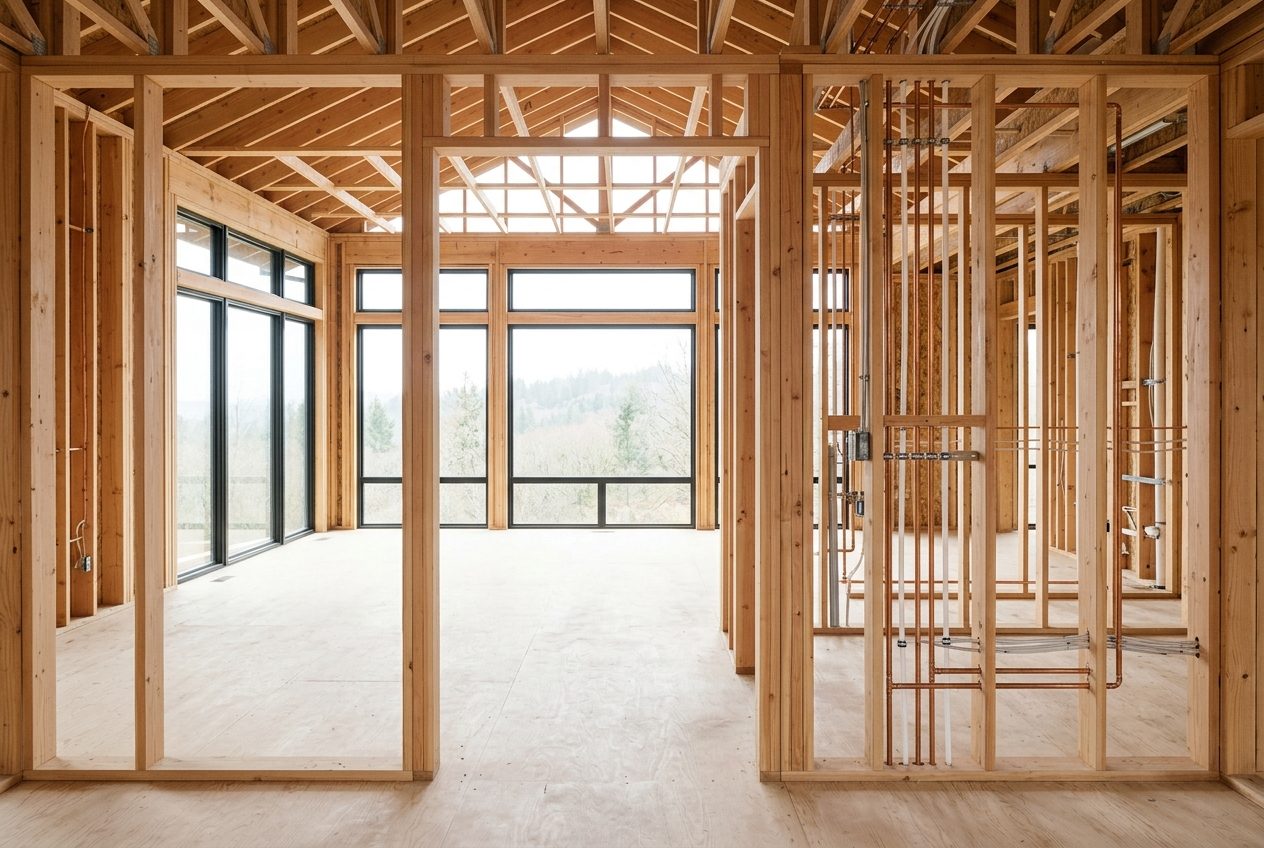
Yes. A new house can have radon too. Builders may install passive radon-resistant features, and some include a test. A passive system is not a result. Ask for the actual test and test again after you move in.
What should you ask?
- Has the house been tested, when, and what was the result?
- Is there a mitigation system, who installed it, and is there paperwork?
- If there is a fan, is it running, and when was it last checked?
- Will the seller allow testing during the inspection period?
Read the property disclosure too. A seller who knows of a radon problem should say so. For more on the questions to ask about older houses, read What Should I Look For When Buying an Older Pittsburgh Home?.
What are the common mistakes?
- Skipping the test because the house looks perfect
- Assuming a neighbor's result applies to your house
- Testing in an upper bedroom instead of the lowest livable level
- Opening windows during a short-term test
- Not retesting after a mitigation system is installed
FAQ
Is radon testing part of a standard home inspection?
Usually not. It is a separate service. Ask your inspector whether they offer it or hire a qualified radon tester.
What radon level is too high?
The EPA tells homeowners to fix a home at 4 pCi/L and to consider fixing at lower levels. Check the EPA's page for the current guidance.
Can a house with high radon be fixed?
Usually yes. A mitigation system draws gas from under the foundation and vents it outside. Test again afterward to confirm it worked.
Does a new house need a radon test?
Yes. New houses can have radon too. A radon-resistant feature is not a test result, so test after you move in.
If you are buying an older home and want help deciding which inspections to add, book a 30-minute call. Bring the address.