Aubre J. Stacknick is a Global Real Estate Advisor with Piatt Sotheby's International Realty in Pittsburgh, PA, helping buyers and sellers across Western Pennsylvania see a home through a builder's eyes. I am not a licensed pest control operator, and this is general information. A licensed professional decides what a house has and what it needs.
Are termites a real issue in Pennsylvania?
Penn State Extension says eastern subterranean termites are present throughout Pennsylvania. It also says damage is usually slow, with problems appearing some years after construction, usually 10 years or more. That is why older houses deserve a look. The wood has had time to be found.
It is not a reason to panic. Extension describes the damage as slow, not a sudden onslaught. It is a reason to ask the question before closing, when it is a negotiation, and not after, when it is your bill.
Where do termites show up in a house?
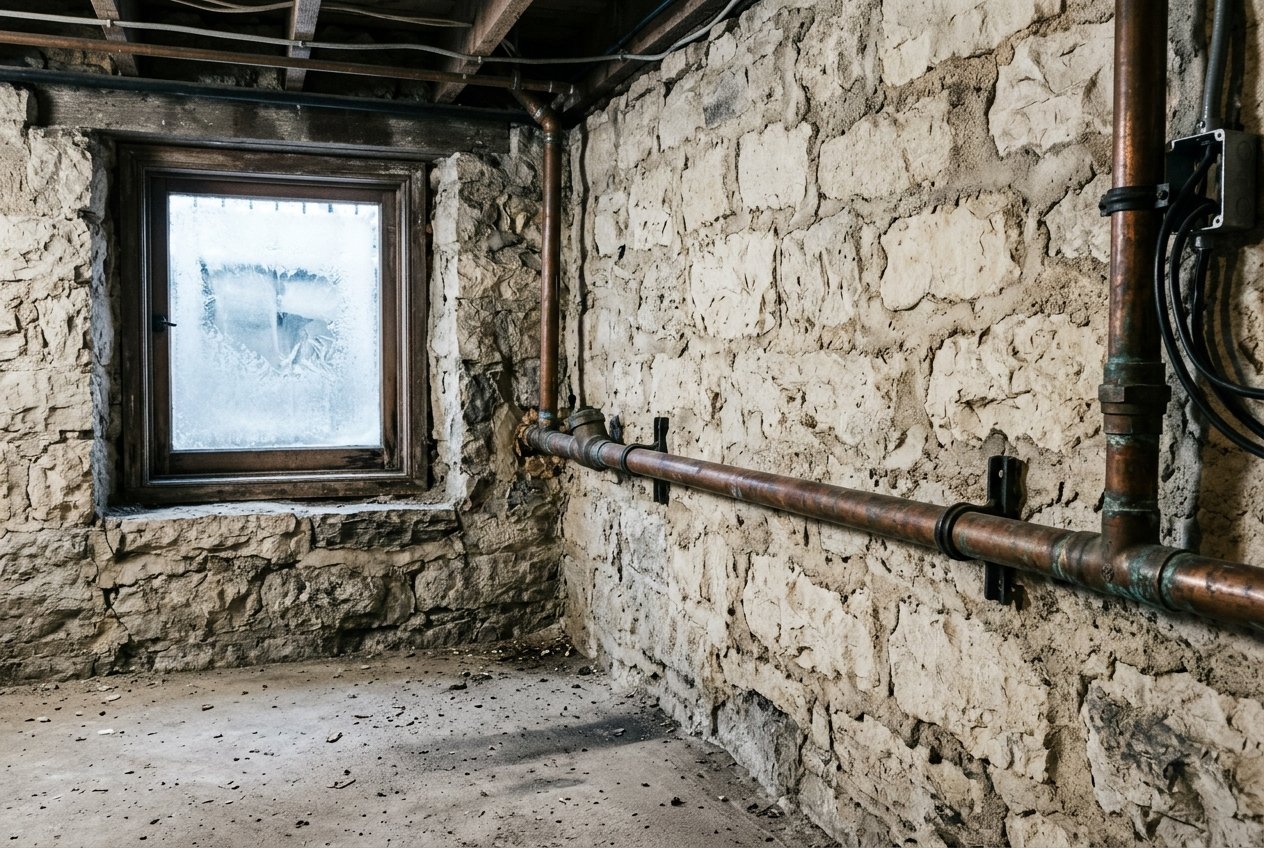
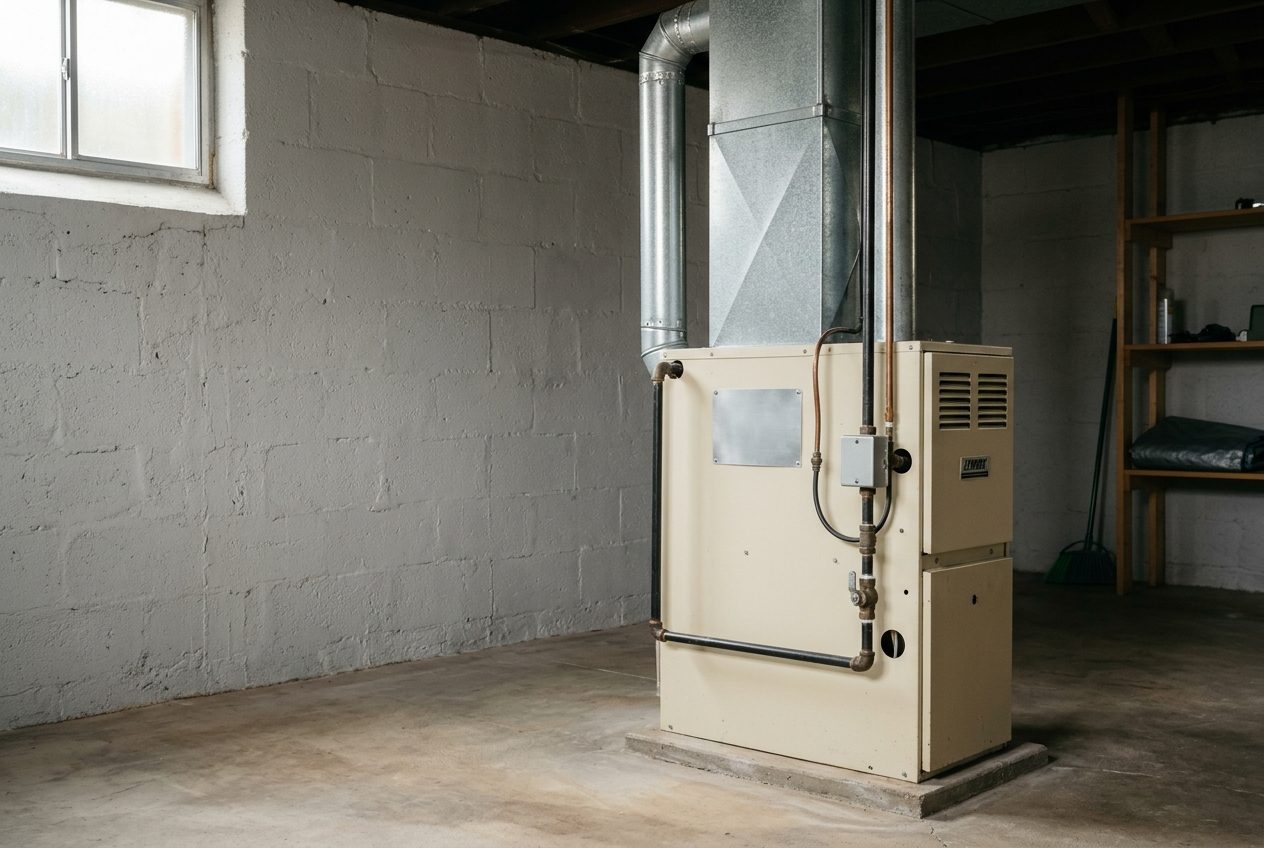
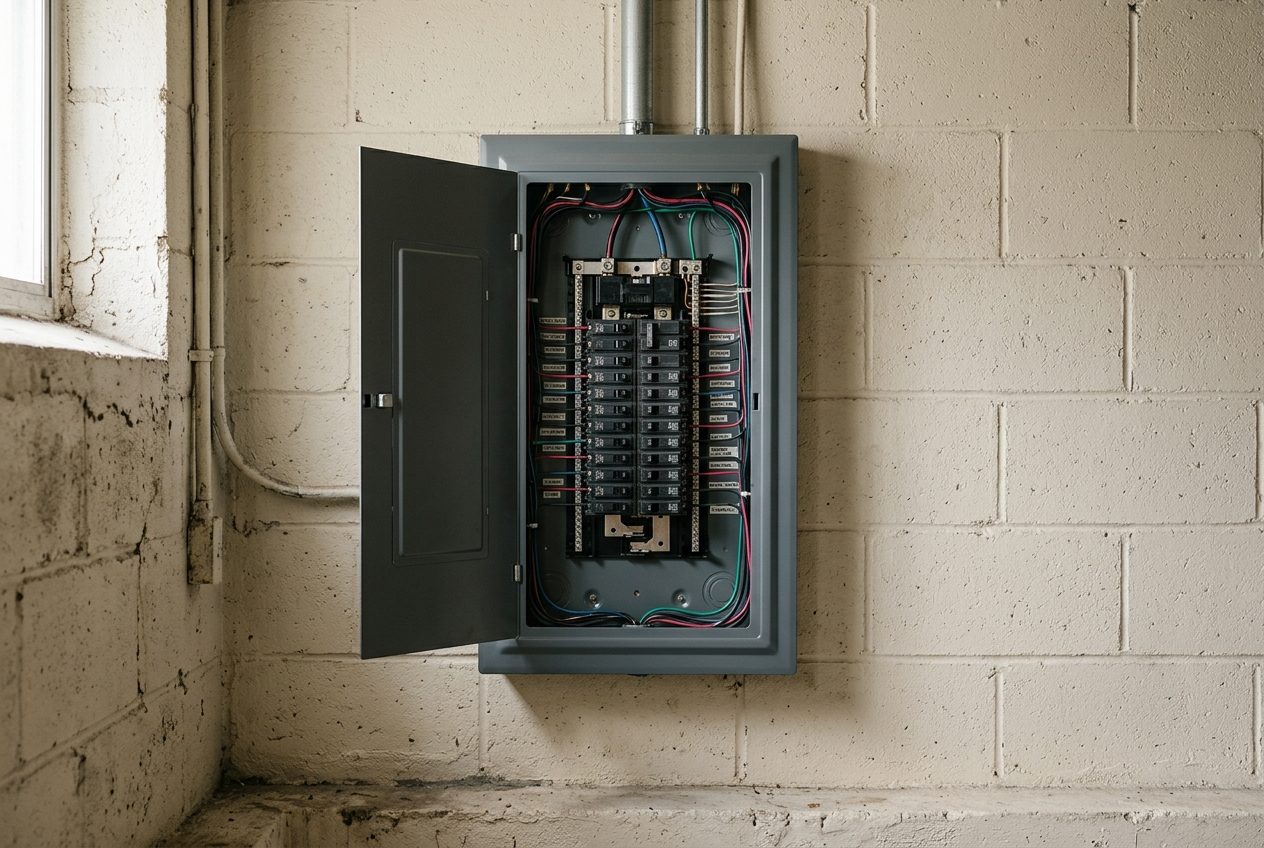
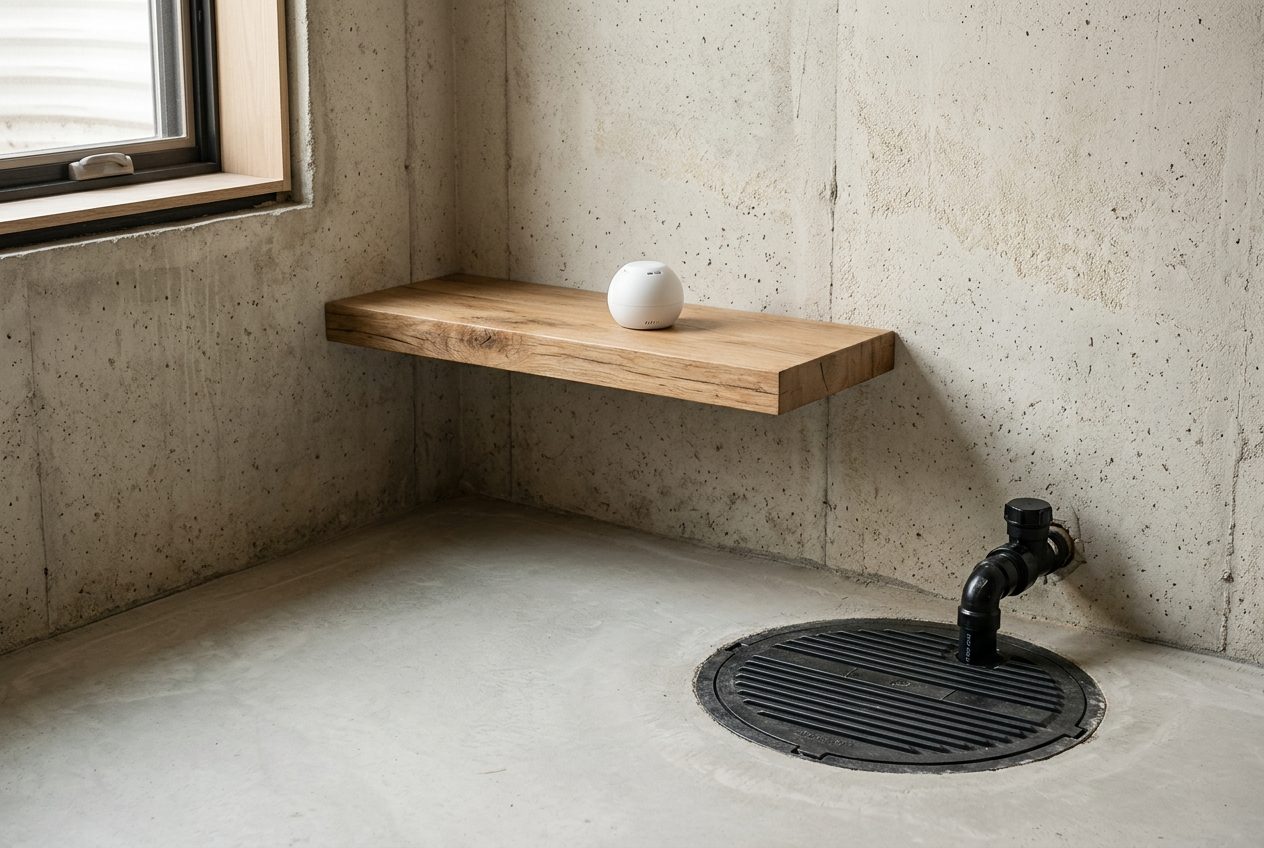
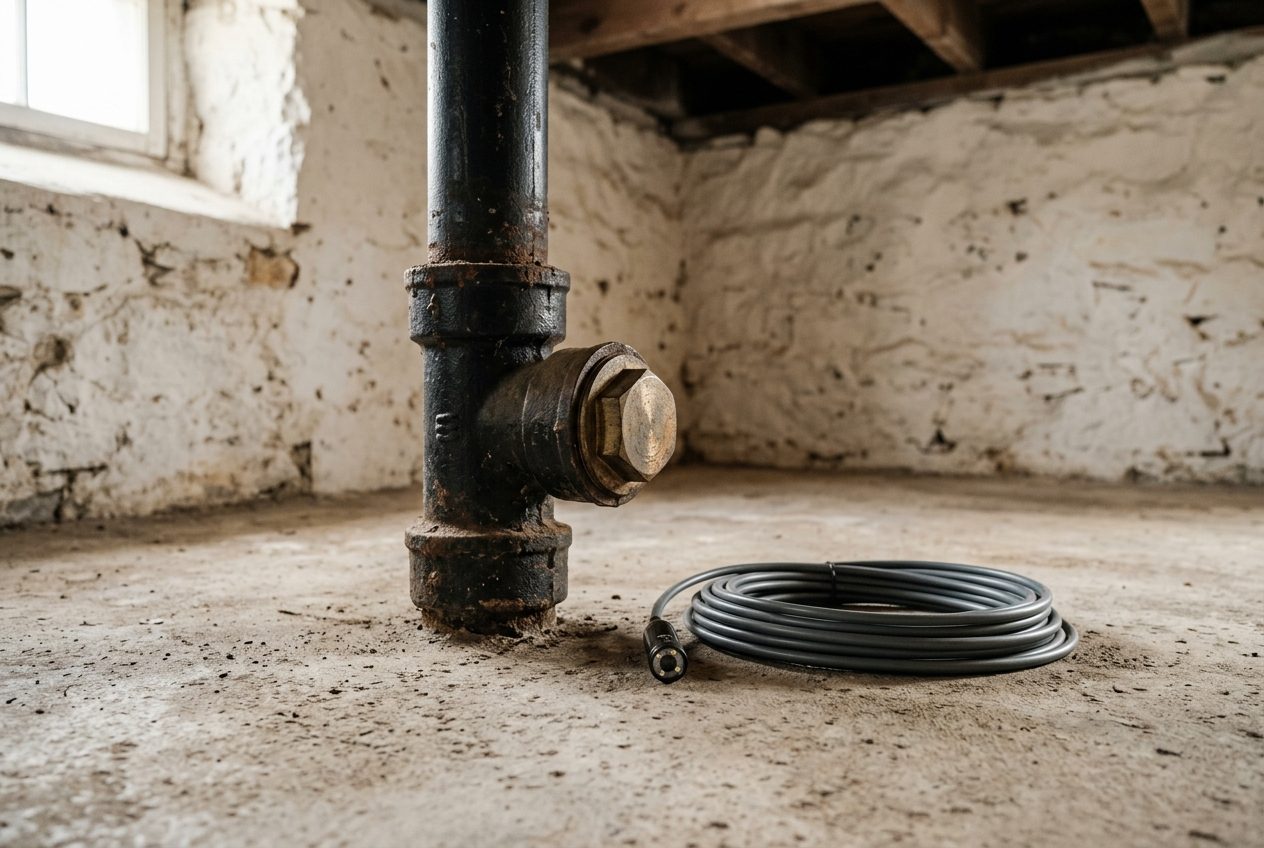
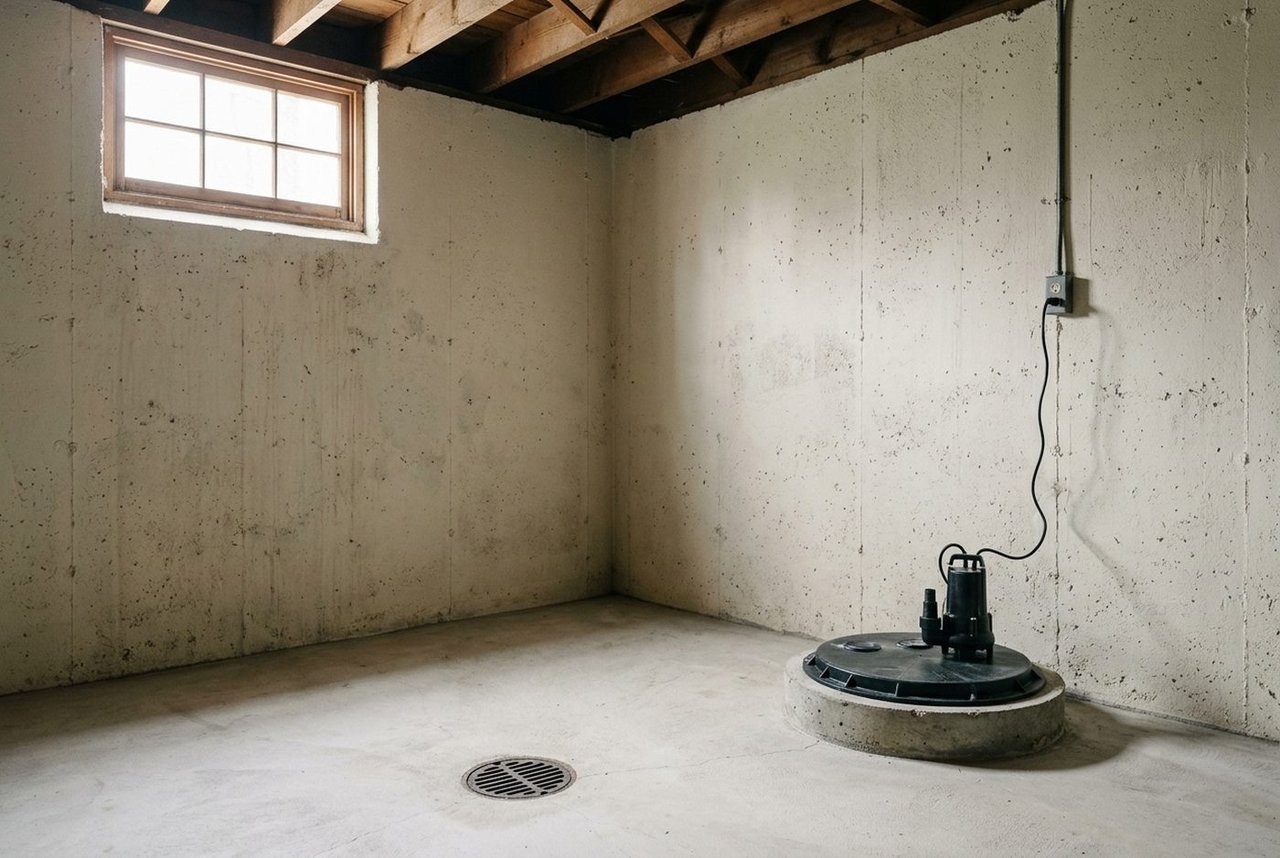
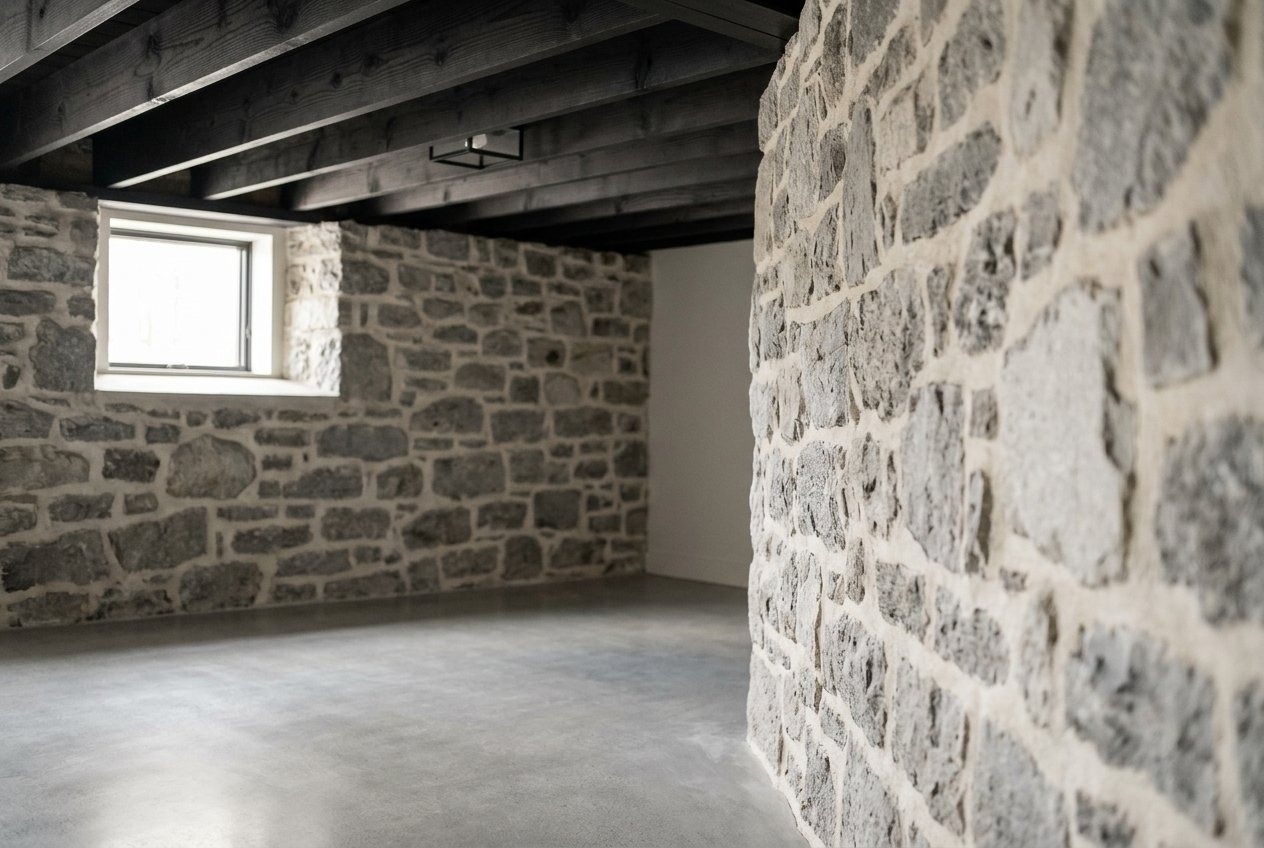
Extension says most termite infestations in buildings occur in the basement or cellar areas, in the structural timbers nearby. So that is where I look first at a showing:
- Mud tubes on the cellar walls, on wooden posts, on wall studs and on mudsills
- Wood with passages coated in an earth-like material
- Winged termites in spring. Extension says swarms of winged termites usually emerge between February and June
- Shed wings near windows or on sills. Extension says the presence of swarming termites or their wings alone is a sure sign that termites are working in a building
Extension suggests probing suspect wood with a tool such as an awl or a screwdriver. I do not probe a seller's wood at a showing, and you should not either. That is the inspector's job.
What about carpenter ants?
Carpenter ants are different, and the difference matters because the fix is different. Extension describes carpenter ant workers as wingless, dark, shiny brown to black and 1/4 to 1/2 inch long, with a pinched waist and elbowed antennae. Termite workers are creamy-white, 1/8 to 1/4 inch long, with straight antennae.
The tunnels differ too. Carpenter ant galleries are smooth-sided and contain no soil or fecal pellets, while termite tunnels contain soil.
Extension says the parent colony is often outdoors in a tree, a log or waste wood within 100 yards of the house. Inside, nests commonly appear in porch pillars, sills, joists, wall studs and insulation between joists or studs.
What are the signs of carpenter ants?
Extension lists:
- Piles of coarse, stringy wood particles and dead insect parts near cracks, behind moldings, in basements and attics, and under porches
- Foraging workers, usually seen at night
- Winged reproductives at windows, which suggest an indoor nest
- Spots that stay damp from poor ventilation, leaks or condensation
Extension says carpenter ants generally avoid sound wood with a moisture content below 15 percent, and that fixing roofs, flashing and gutters and replacing decayed wood makes a house less appealing to them. So a carpenter ant sign is often a moisture sign, and I treat it that way.
For moisture in general, read How Do You Spot Mold and Moisture Problems Before You Buy an Older Home?
Should a buyer order a pest inspection?
Extension says "we recommend you have a professional pest control operator inspect the building." I agree with that, and I would ask for it on any older house, and on any house where I see wood in contact with soil, damp framing or a mud tube.
Ask your agent how a wood-destroying insect inspection fits into your contract timeline, and what your sales agreement says about inspections. Your attorney reads the contract. I am not giving legal advice. I am telling you to ask early, because inspections have deadlines.
A general home inspector may only look at what is visible and accessible, and a pest inspection is its own specialty. I explain the limits in What Does a Home Inspector Not Check Before You Buy a House?
What should a seller do before listing?
If you are selling an older house, look in the places a buyer's inspector will look:
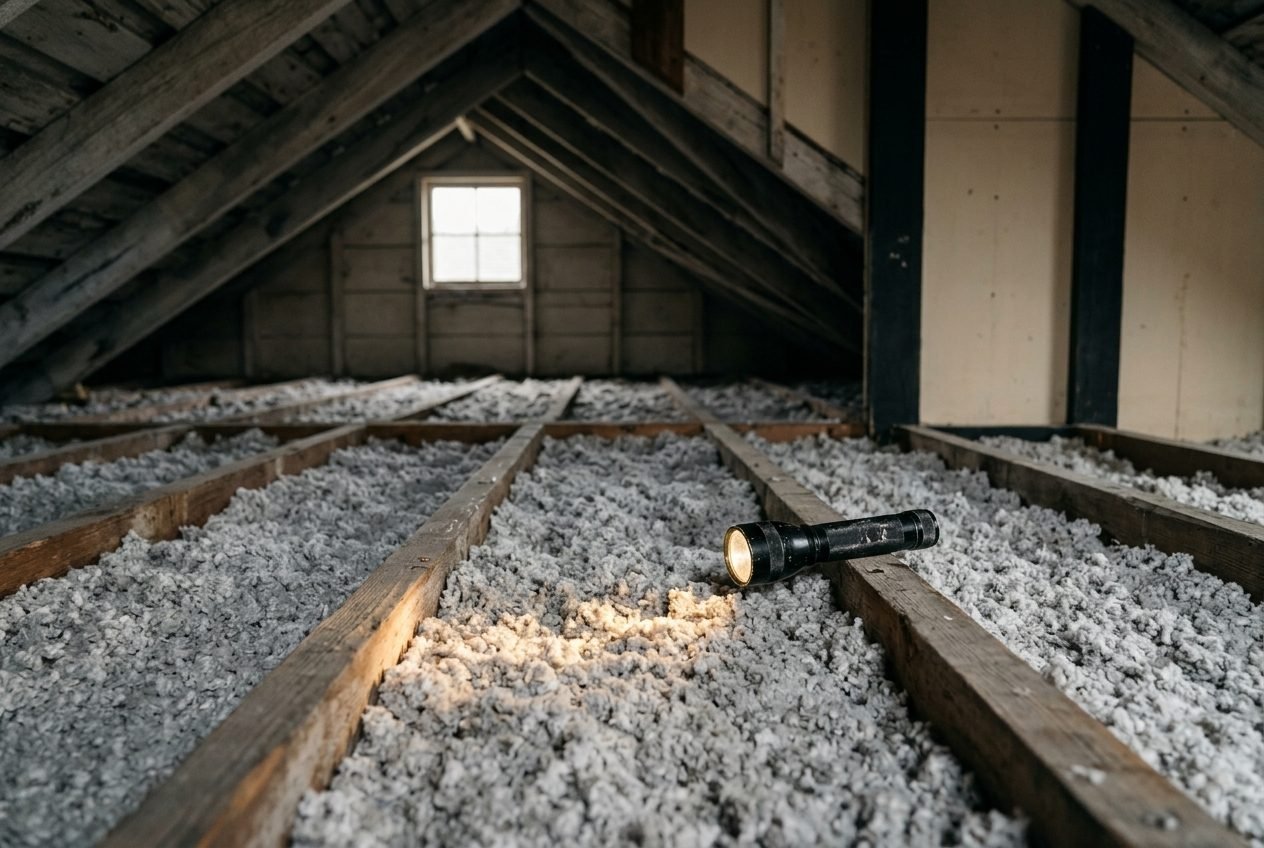
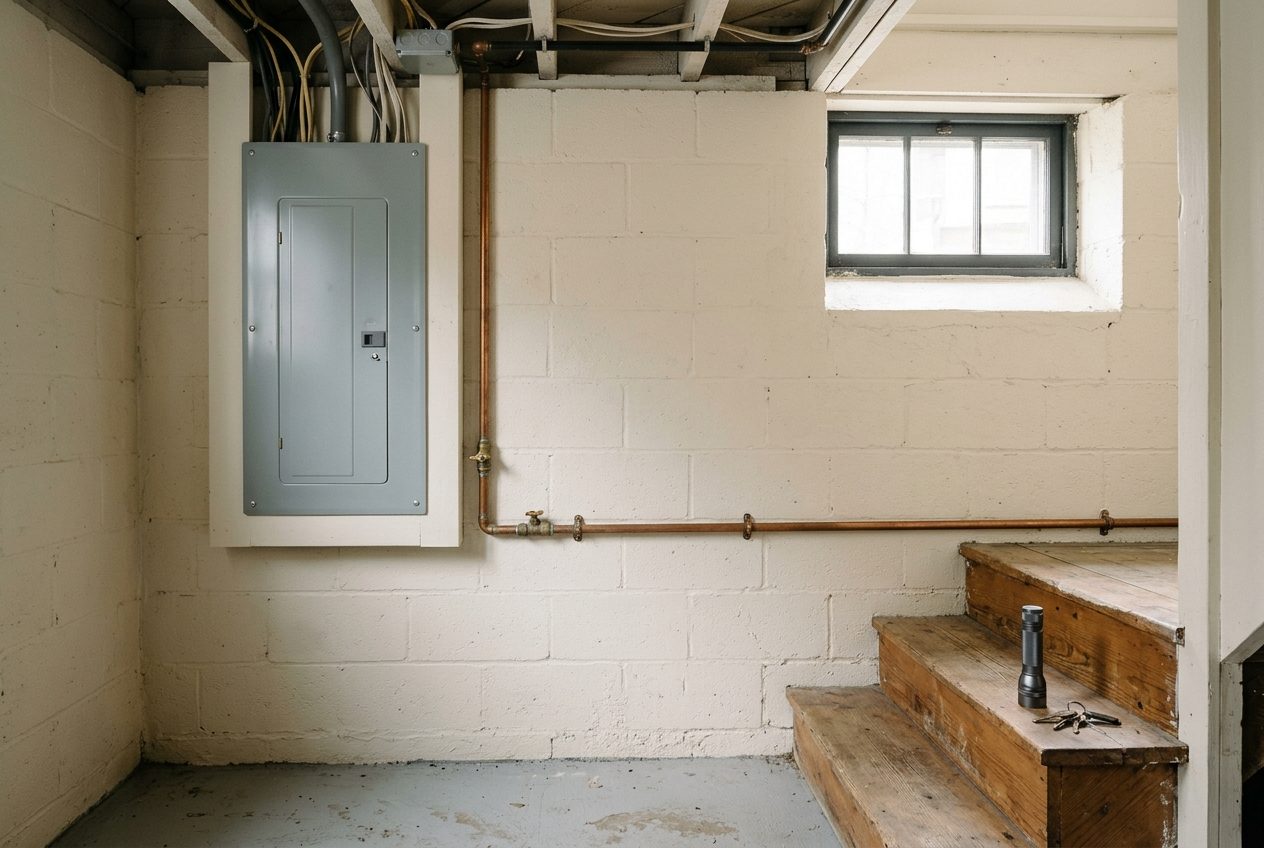
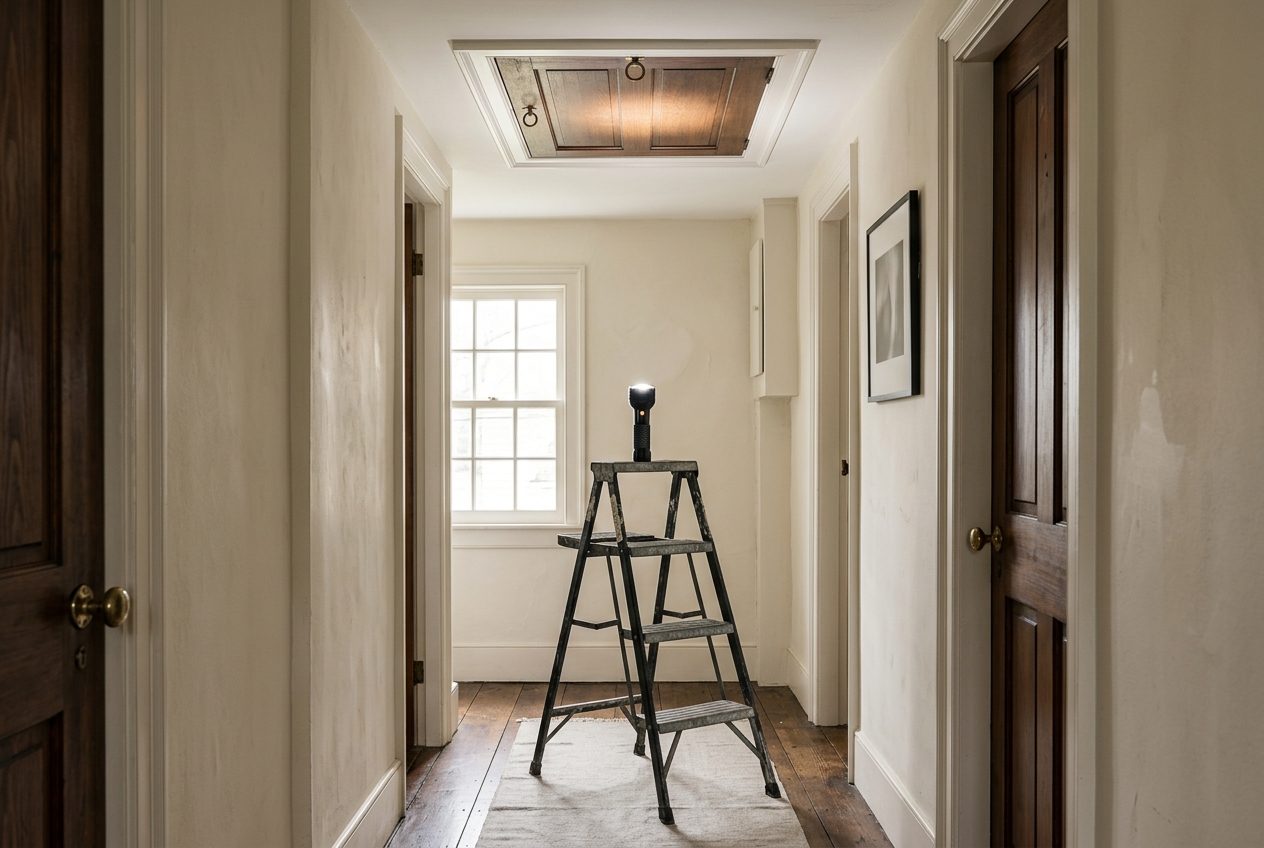
- Walk the basement or cellar with a flashlight and look at the sills and posts
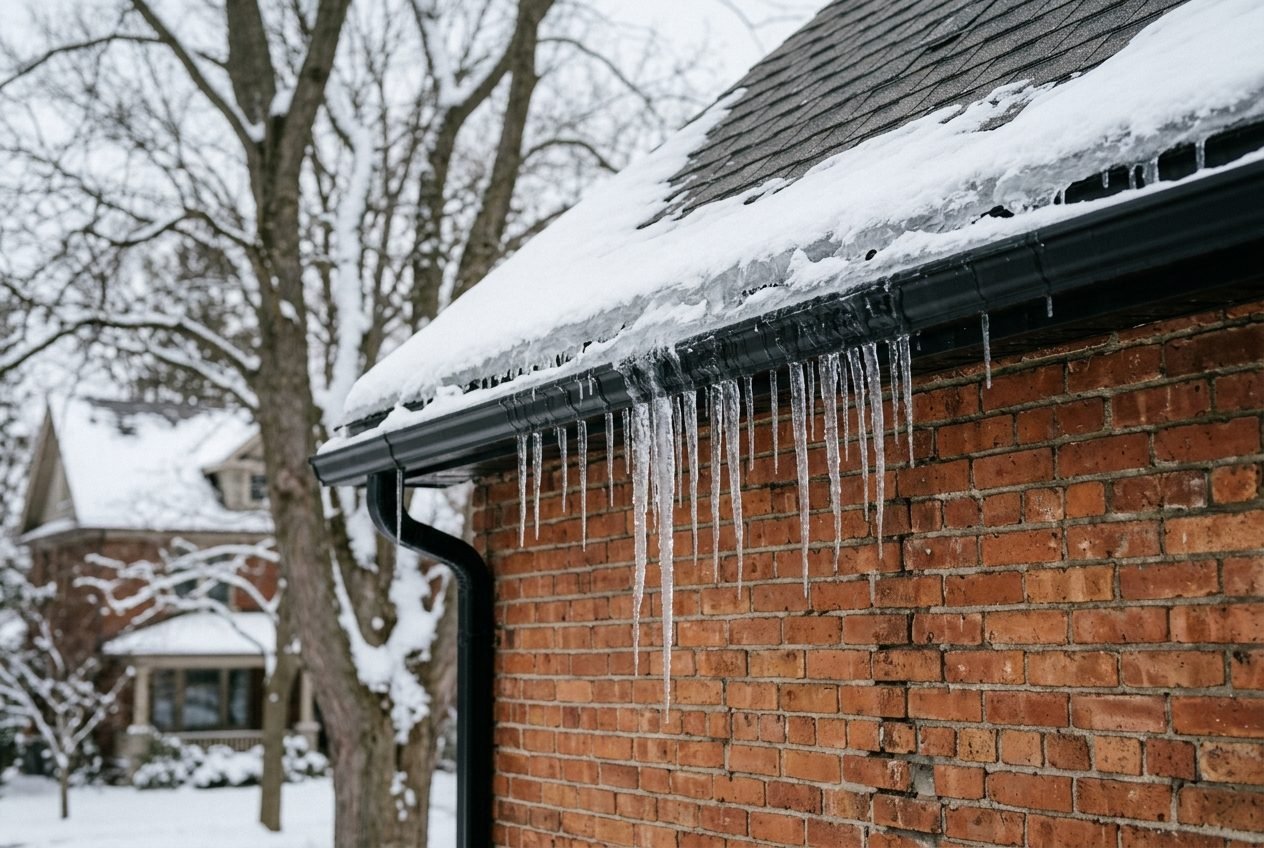
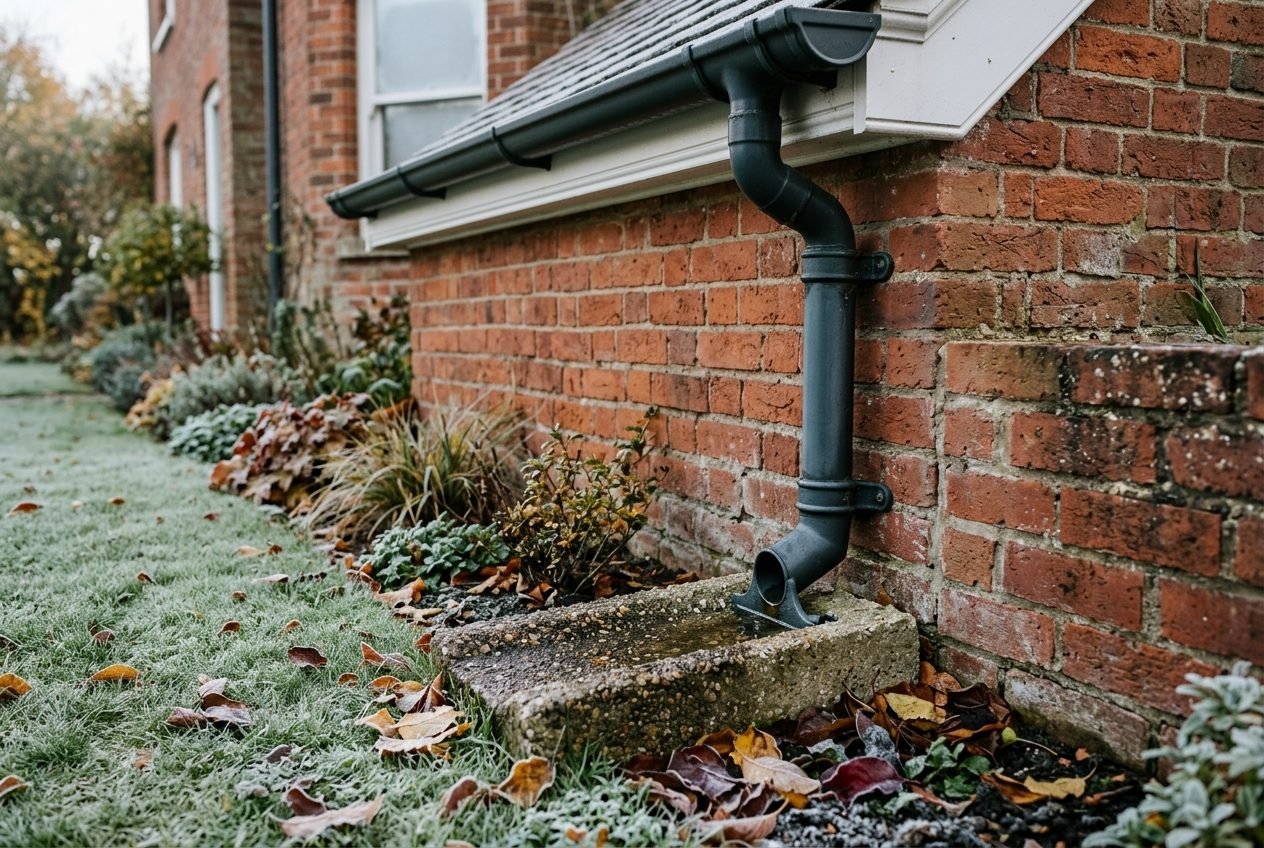
- Fix leaks, damp spots and gutters that dump water at the foundation, because moisture invites trouble
- Move firewood, lumber and debris away from the house
- Keep wood and soil from touching where you can
- If you have had treatment or repairs, find the paperwork and keep it with the listing
I covered a related list in What Should I Inspect Before Selling an Older Home? 5 Major Systems to Check
A seller who has already looked is in a better position than one who learns about it from a buyer's report. I would rather you hear it from a licensed professional on your timeline.
What if you find something?
Do not treat it yourself. Extension advises getting estimates from at least three licensed operators and advises against homeowners treating their own homes for an established infestation. It also says controlling the colonies is essential for carpenter ants, or they may return within weeks.
For a buyer, a finding is information, and it can be a negotiation. Ask the professional what they found, what it affects, and what a repair looks like. Ask whether wood needs replacing and whether a structural professional should look. Do not guess.
Why do I care about this as a builder?
Because wood is the structure of most houses in Western Pennsylvania, and structure is where I spend my attention. A carpenter ant nest or a termite tunnel can sit behind a finished wall for years. Paint and drywall do not tell you what is behind them. I read a house for moisture, wood and the parts that move, and I want a licensed professional looking where I cannot.
For how I evaluate a house from foundation to roof, see the Builder's Eye approach.
What are the common mistakes?
- Assuming a newer-looking basement means no pests
- Skipping the pest inspection because the house "looks fine"
- Confusing carpenter ants with termites and treating the wrong one
- Treating an established problem on your own
- Ignoring the moisture that brought them
- Missing the inspection deadline in your contract
How do you tell a pest problem from a moisture problem?
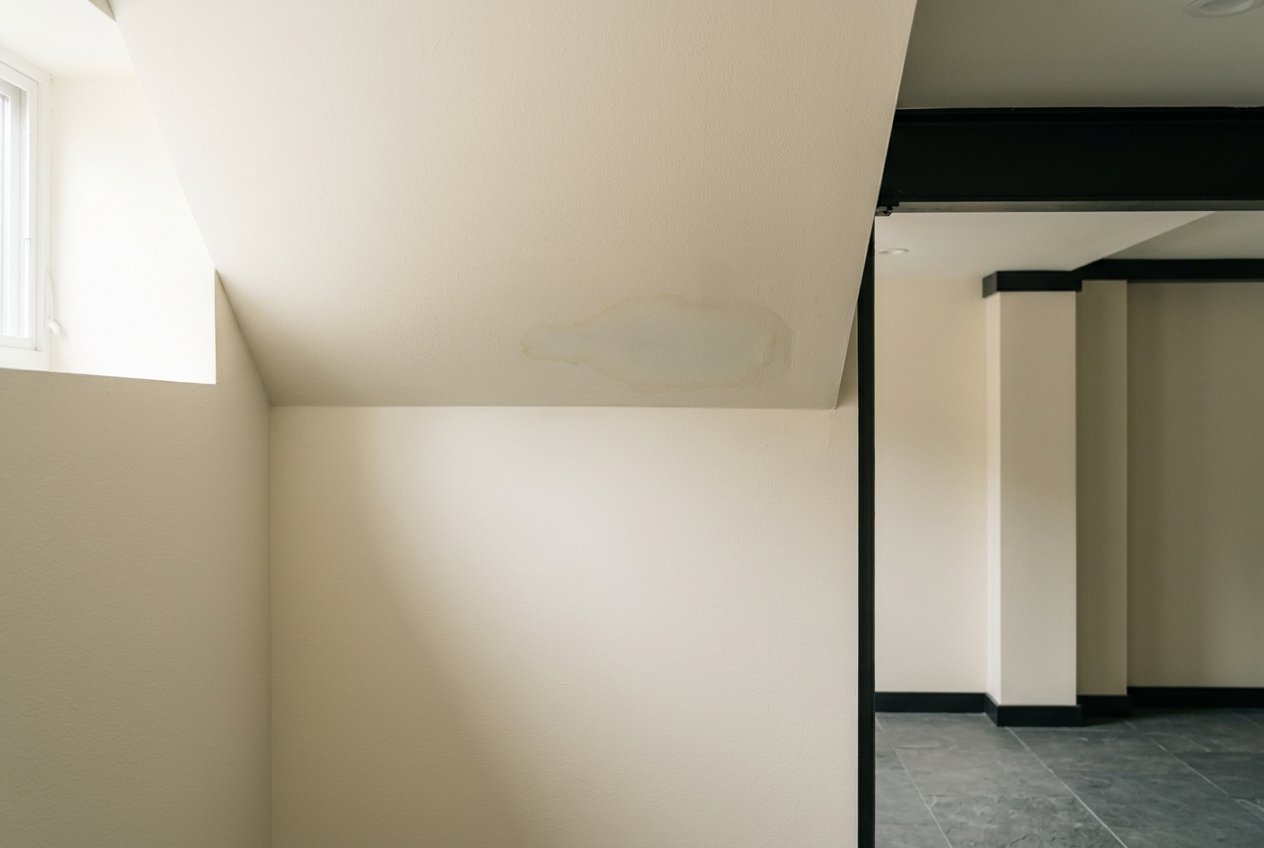
Often they are the same problem. Penn State Extension notes that carpenter ants excavate wood that is damp, and it points to leaks, poor ventilation and condensation. So when I see a sign of ants or a soft spot in a sill, I follow the water. Where does the gutter drain? Is there a leak at the flashing? Is the basement damp in the same corner as the wood?
That is the builder's habit I rely on. Fix the water, and you remove much of the reason the insects came. Fix only the insects, and the water keeps working on the wood.
For a buyer, that means a pest finding and a moisture finding belong in the same conversation with your inspector. For a seller, it means a dry basement and clean gutters are the best pest control that does not need a license. I still want a licensed professional involved for any established problem, and I want you to keep the paperwork.
Ask the professional to put what they find in writing, with locations. That makes the next conversation, with a lender, a buyer or a seller, much easier.
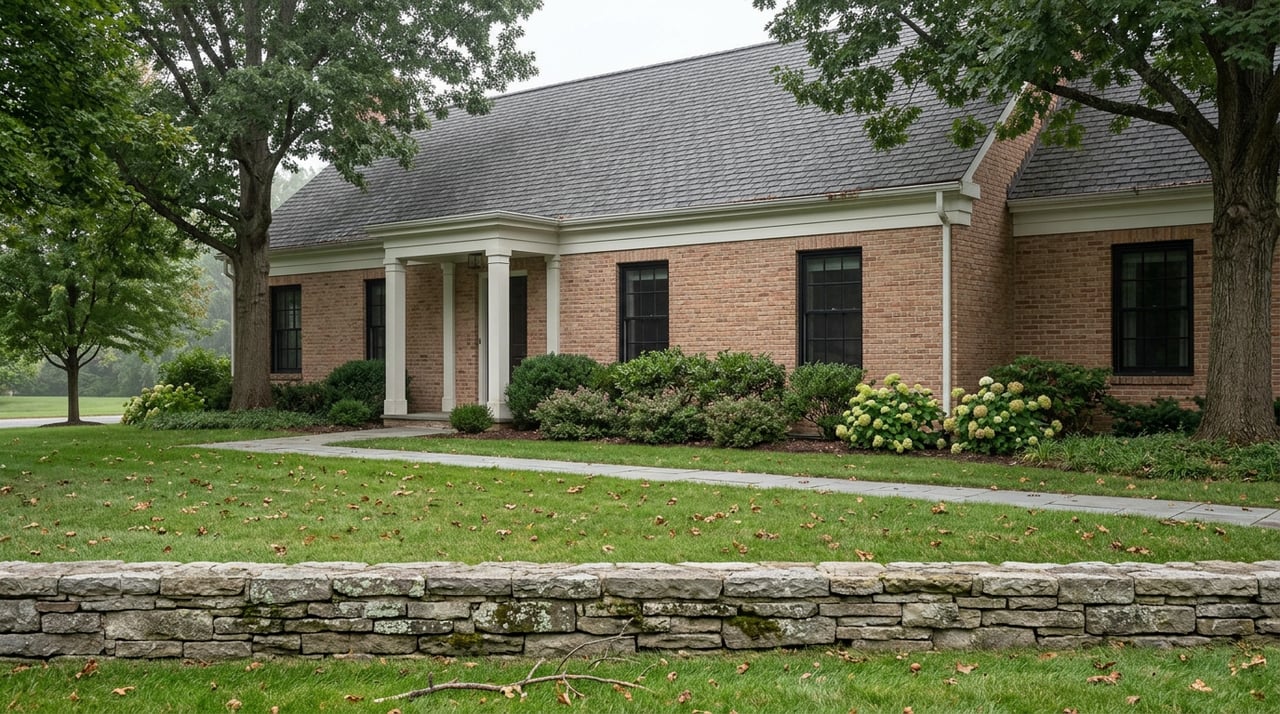
One last habit: look at the outside too. Extension says the parent colony of carpenter ants is often in a tree, a log or waste wood within 100 yards of the house. A stump by the garage or a woodpile against the siding is worth a note on your list, and it is a ten-minute chore to clear before a showing.
FAQ
Are termites found in Pennsylvania?
Penn State Extension says eastern subterranean termites are present throughout Pennsylvania, and most infestations in buildings occur in basements and cellars.
How can you tell a termite from a carpenter ant?
Extension says carpenter ants have a pinched waist and elbowed antennae, while termites have a broad body and straight antennae. Carpenter ant galleries are smooth-sided, and termite tunnels contain soil.
What are signs of termites in a house?
Extension lists mud tubes on cellar walls, posts, studs and sills, swarms of winged termites usually between February and June, and shed wings.
Who should inspect a house for termites?
Extension recommends a professional pest control operator inspect the building and advises getting estimates from at least three licensed operators.
If you are buying an older house and want a builder's read on where to look and who to call, book a 30-minute call. Bring the address and your questions.