Aubre J. Stacknick is a Global Real Estate Advisor with Piatt Sotheby's International Realty in Pittsburgh, PA, helping buyers and sellers across Western Pennsylvania see a home through a builder's eyes. I am not an appliance technician or a fire official, and this is general information. A qualified professional decides what your dryer and vent need.
What does the U.S. Fire Administration say to do?
Its Clothes Dryer Fire Safety flyer lists simple steps:
- Have your dryer installed and serviced by a professional
- Do not use the dryer without a lint filter, and clean the lint filter before and after each cycle
- Clean the back of the dryer, where lint can build up
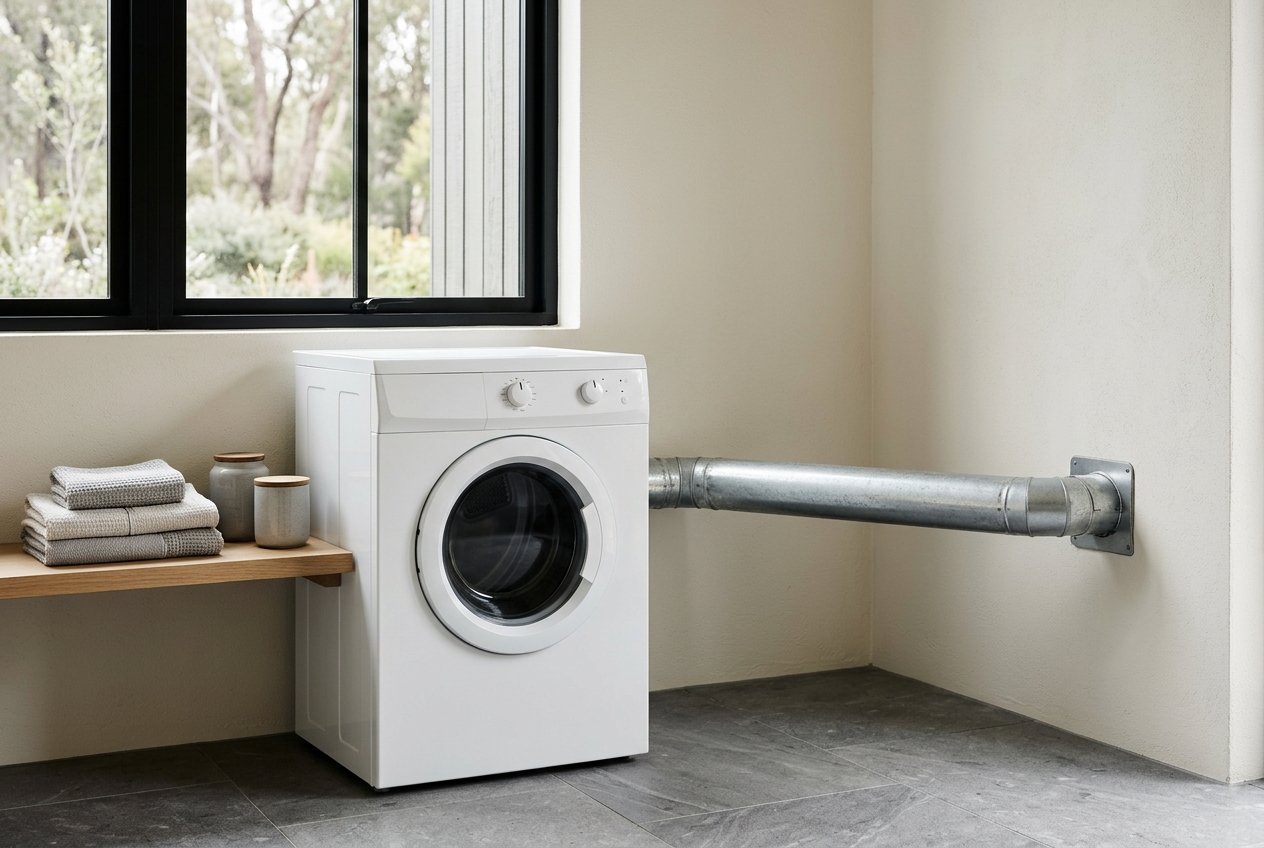
- Check the venting system behind the dryer to make sure it is not damaged, crushed or restricted
- Make sure the outdoor vent covering opens when the dryer is operating
That list is short and clear, and it is the basis for everything below. I would add one builder's principle: the vent is part of the house, not part of the appliance. When a seller takes the dryer, the vent stays.
What should a buyer check at a showing?
If the washer and dryer are in the house, I look at four things:
1. The lint filter. Is there one, and is it clean? A filter packed with lint tells you how the owners treat maintenance.
2. Behind the dryer. If you can see it without moving anything heavy, look at the duct. Is it connected, straight and in one piece, or is it kinked, crushed, taped or squeezed against the wall?
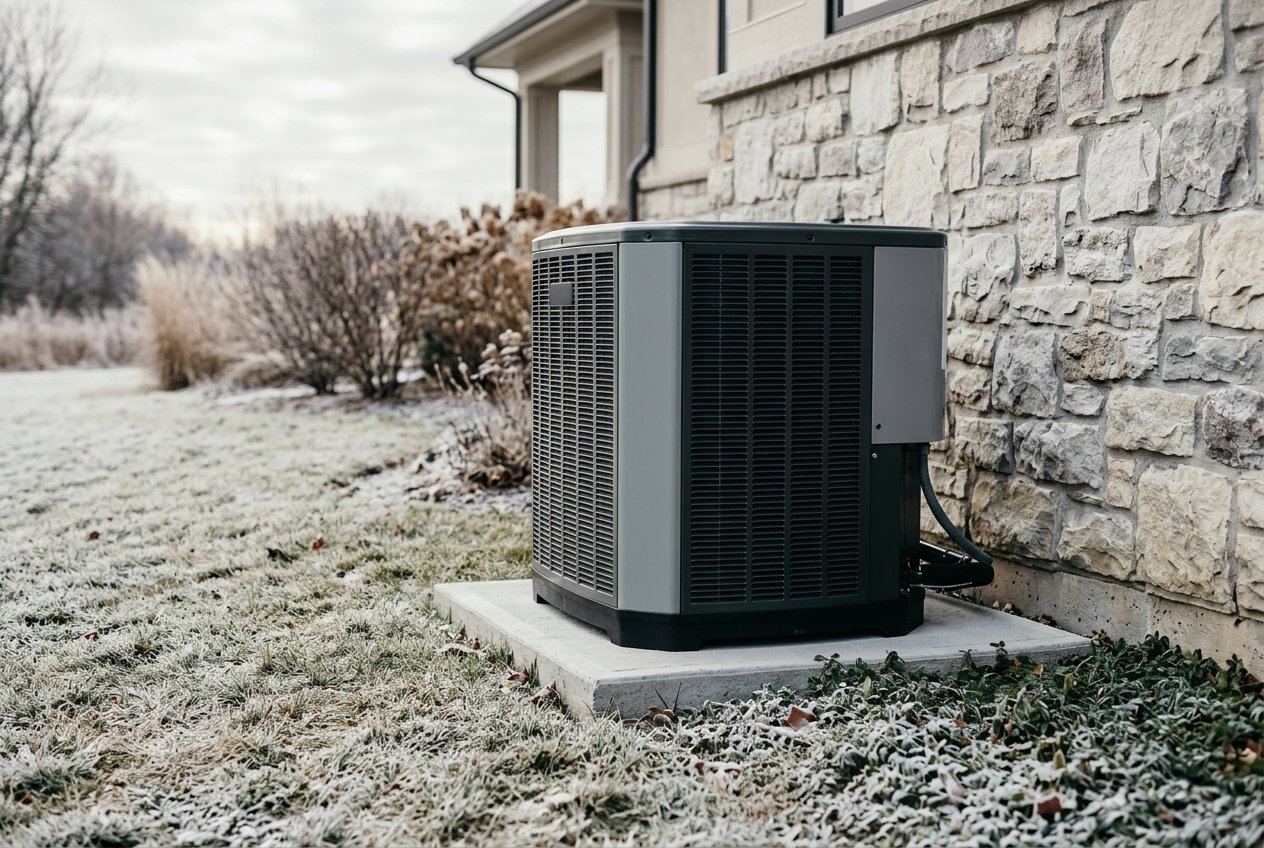
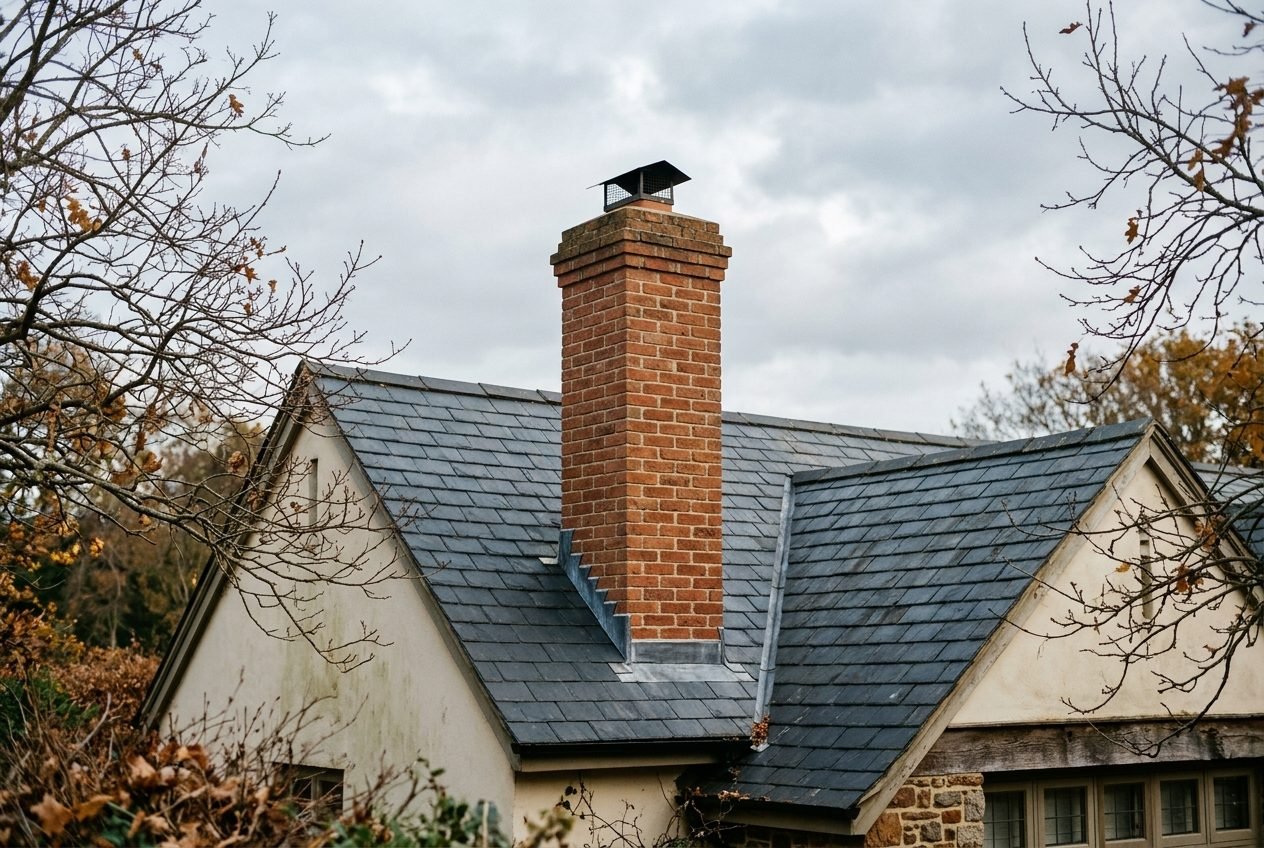
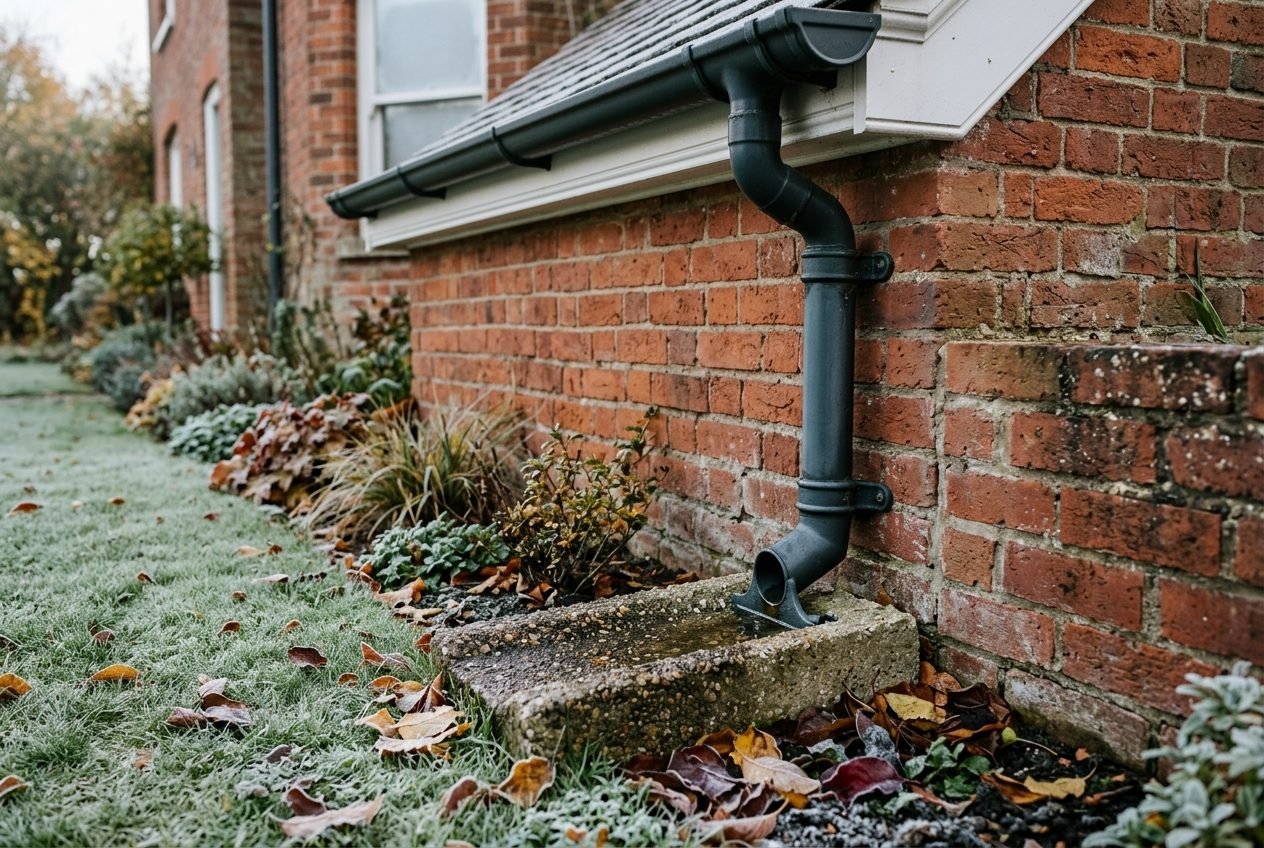
3. The outdoor cover. Find where the vent exits the house. Is the cover intact, and is it free of debris, a bird nest or a blockage?
4. The path in between. A long, bending run behind a wall or through a basement ceiling is harder to inspect and harder to clean.
Do not move a heavy appliance or reach into a duct. Ask the seller or your inspector. A home inspector may only look at what is visible and accessible, so tell yours you want the dryer vent noted. I explain what an inspection can and cannot cover in What Does a Home Inspector Not Check Before You Buy a House?
Why does the dryer vent matter to me as a builder?
Because the path matters as much as the machine. Dryers push warm, lint-filled air through a duct to the outside. If the duct is crushed, disconnected or very long, the air has trouble leaving. The USFA flyer asks you to check that the vent is not damaged, crushed or restricted for that reason.
Laundry rooms get moved, finished or tucked into closets over the years. In an older house I often find a dryer that was added later, with a vent that was run wherever it could go. If the vent exits through a wall you cannot see, or through a basement ceiling you cannot reach, I want a professional to take a look.
Questions of what code allows for the route and materials are for your township's code office and a licensed contractor. I will not guess at rules I cannot confirm.
What should a seller do before listing?
This is the easy list:
- Empty the lint filter and clean around and behind the dryer
- Check the vent behind the dryer for damage, kinks or crushing
- Walk outside and confirm the vent cover is intact and opens when the dryer runs
- If you are unsure about the vent, ask a professional to look at it and clean it
- If the dryer is staying with the house, say so in the listing and gather any service records
It is a small effort, and it signals care to a buyer who opens the laundry closet. It also removes one thing for an inspector to write up. See what a pre-listing check can catch in What Does a Pre-Listing Inspection Catch Before Buyers Do?
What should you ask about the electrical or gas supply?
A dryer needs either an electrical connection or a gas connection, depending on the type. I do not evaluate these myself. If you see scorch marks on an outlet, a cord that looks damaged or a gas dryer with an old hose, ask a licensed electrician or plumber to check it. For older houses, read What Should You Know About Old Wiring Before You Buy a Pittsburgh Home?
Smoke and carbon monoxide alarms near the laundry area are a related safety item. Pennsylvania has rules on the carbon monoxide side when you sell, and I covered them in What Does Pennsylvania Law Say About Carbon Monoxide Alarms When You Sell a Home?
What about a new construction home?
Check the dryer vent at the final walk-through, as part of your list. The vent should be connected and the outdoor cover should open when the dryer runs. If something is wrong, note it on your punch list. I covered the larger list in What Should You Check on the Final Walk-Through of a New Construction Home?
For how I evaluate a house from foundation to roof, see the Builder's Eye approach.
What are the common mistakes?
- Cleaning the lint filter only once in a while
- Forgetting the back of the dryer, where lint can build up
- Leaving a crushed or kinked vent behind the dryer because it still works
- Never checking the outdoor cover
- Running a dryer without a lint filter
- Assuming the inspector will check the vent unless you ask
FAQ
How often should you clean the dryer lint filter?
The USFA says to clean the lint filter before and after each cycle.
What should you check behind the dryer?
Check the venting system to make sure it is not damaged, crushed or restricted, and clean the back of the dryer where lint can build up.
How do you know the outside vent is working?
The USFA says to make sure the outdoor vent covering opens when the dryer is operating.
Who should install or service a dryer?
The USFA says to have your dryer installed and serviced by a professional.
If you are buying or selling and want a builder's read on the small safety items inside a house, book a 30-minute call. Bring the address and your questions.