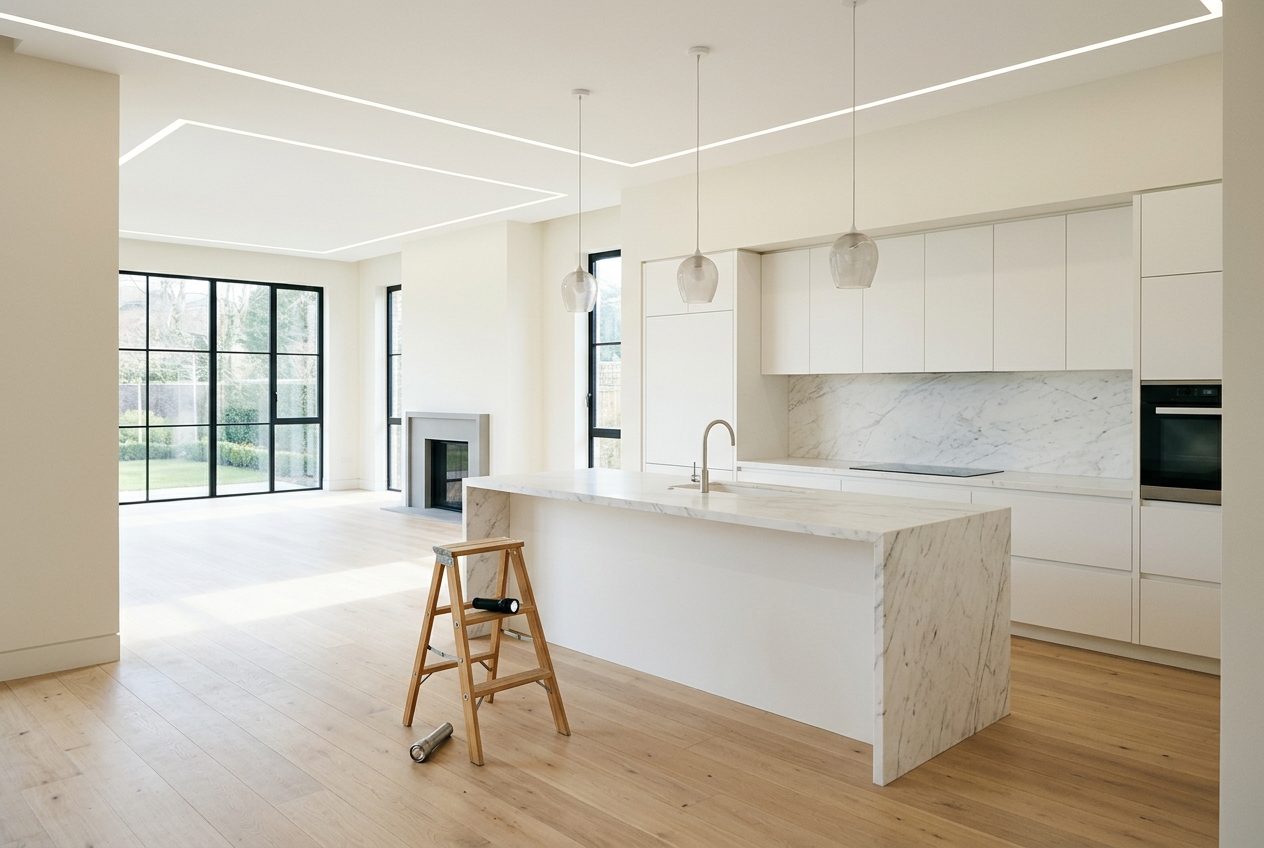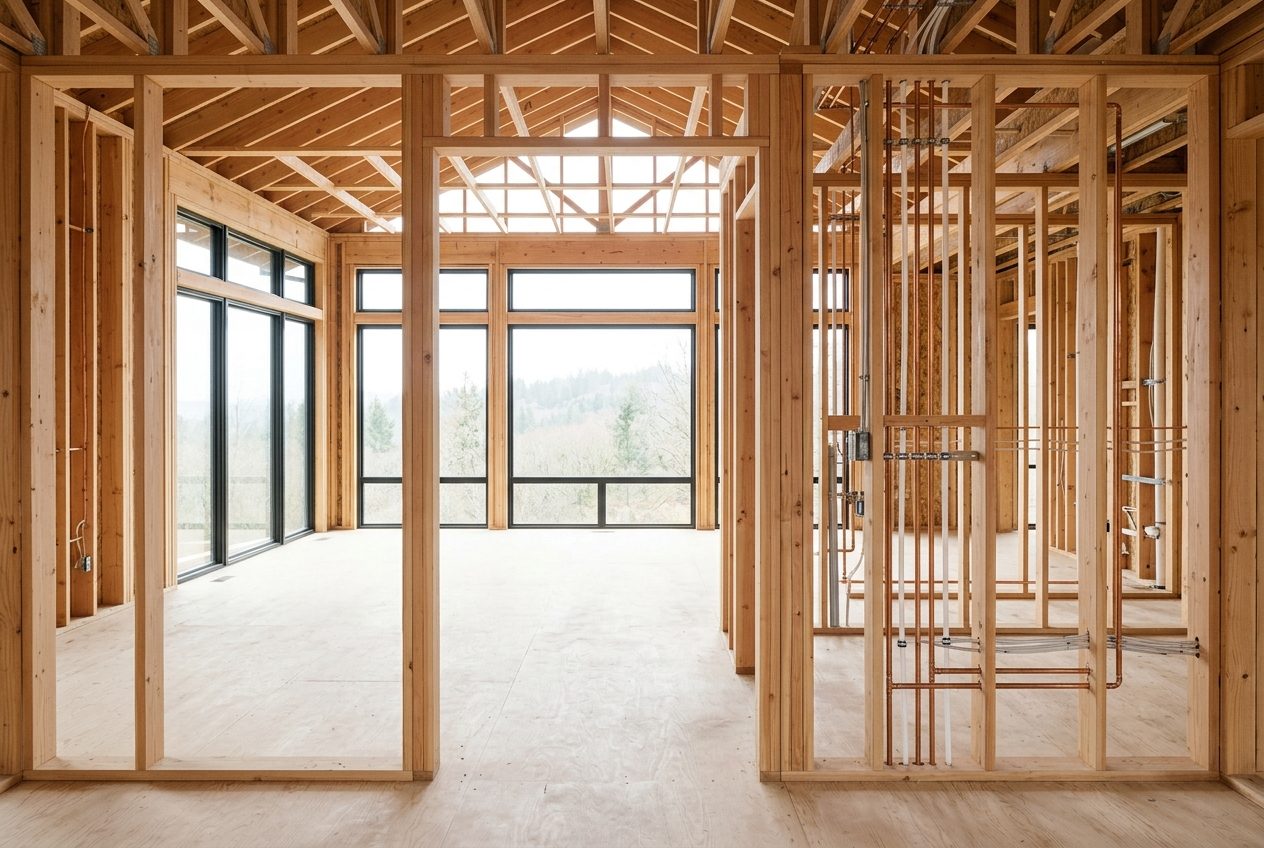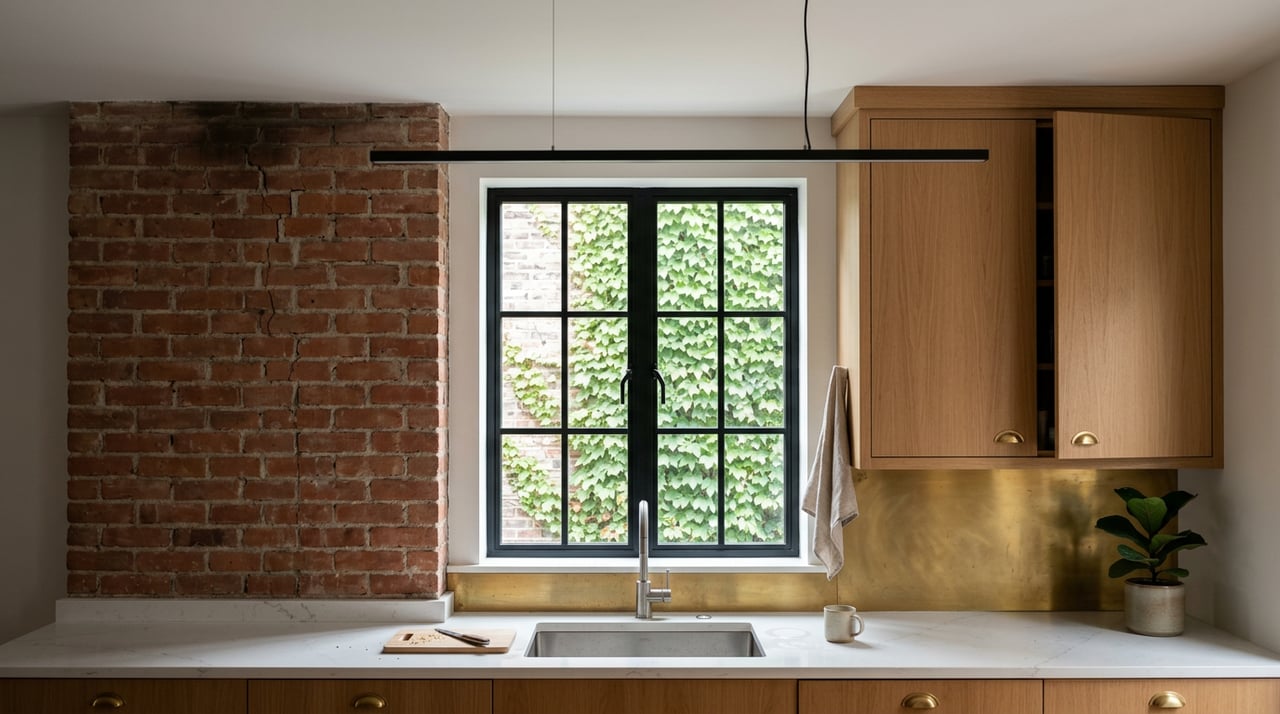
Electrical problems hide inside walls, and an older house may have wiring from several eras in different rooms. A new kitchen can sit on a panel that is decades old.
You do not have to be an electrician to ask the right questions.
Aubre J. Stacknick is a Global Real Estate Advisor with Piatt Sotheby's International Realty in Pittsburgh, PA, helping buyers and sellers across Western Pennsylvania see a home through a builder's eyes. Wiring is one of the first things I look at in an older house, because the fix can be large and it is behind the walls.
What kinds of old wiring are there?
Older houses can have a mix. The ones buyers hear about most:
- Knob-and-tube. An early system of single wires run on porcelain insulators, found in some houses from the early twentieth century. It has no ground wire, and it was not designed for modern loads.
- Cloth-covered wiring. Older wire with fabric insulation that can dry and crack.
- Aluminum branch wiring. Used in some houses in a later period, it needs special connections and can loosen over time.
- Older panels with limited capacity, or panels from manufacturers with known concerns.
- Modern wiring in updated areas, sitting beside older wiring elsewhere.
A house is rarely all one type. Ask which parts have been updated, and when.
Why do old systems matter?
- Safety. Damaged insulation, loose connections, and overloaded circuits can overheat. An electrician can tell you what is serious and what is stable.
- Capacity. Older systems were built for fewer devices. Modern kitchens, electric vehicle chargers, and heat pumps can ask more than an old panel can give.
- Insurance and financing. Some insurers ask about the type of wiring or the age of the panel, and some may limit coverage or add conditions. Ask your insurance agent before you are committed.
- Cost. A full rewire is a major project, and partial updates add up. Knowing the scope before you offer lets you price it.
What can you see yourself?
You can spot signs without opening anything.
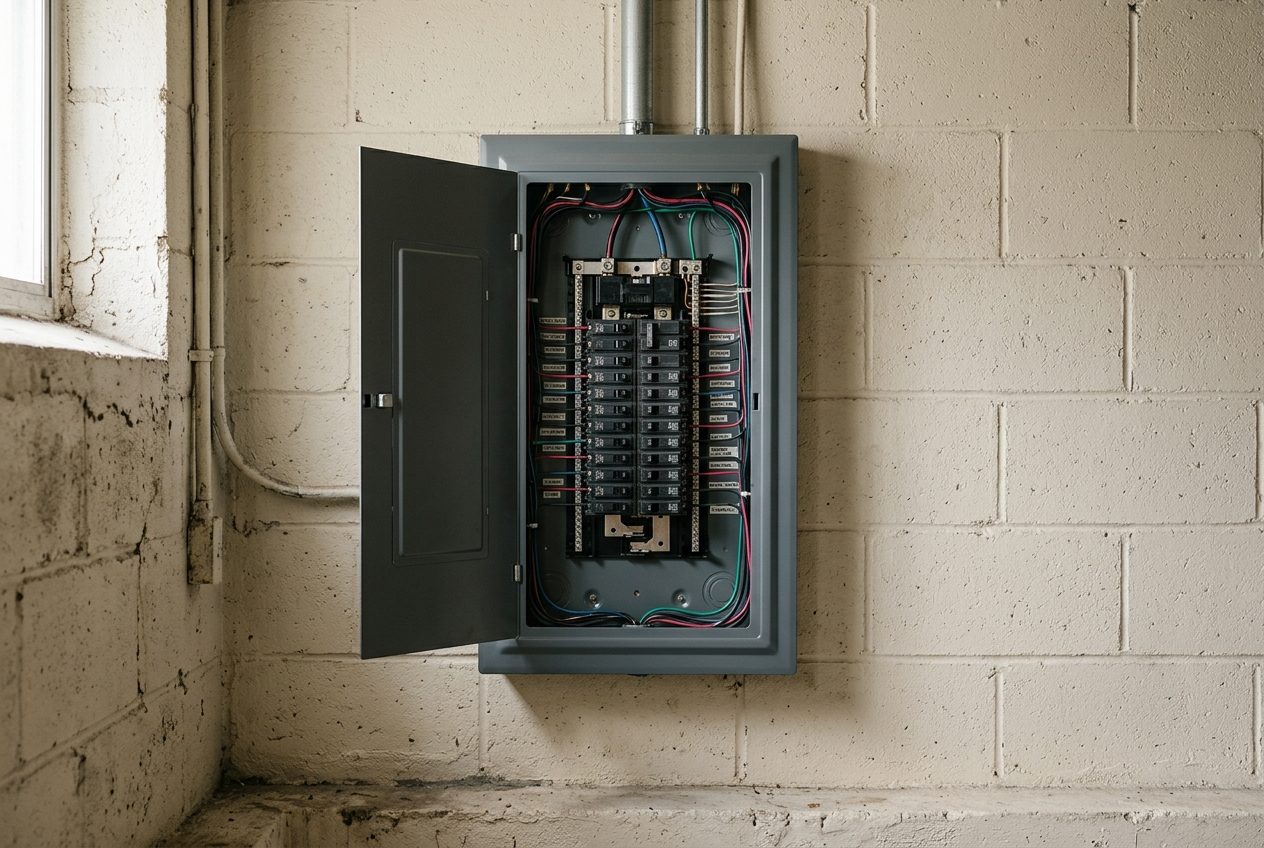
- The panel. Is it labeled and tidy? Is there rust, scorch marks, or a double tap, meaning two wires under one breaker? Is the panel full?
- Outlets. Are there two-prong outlets in rooms? Do outlets feel warm, buzz, or flicker? Are there enough outlets, or are extension cords everywhere?
- Switches and lights. Do lights flicker when something turns on?
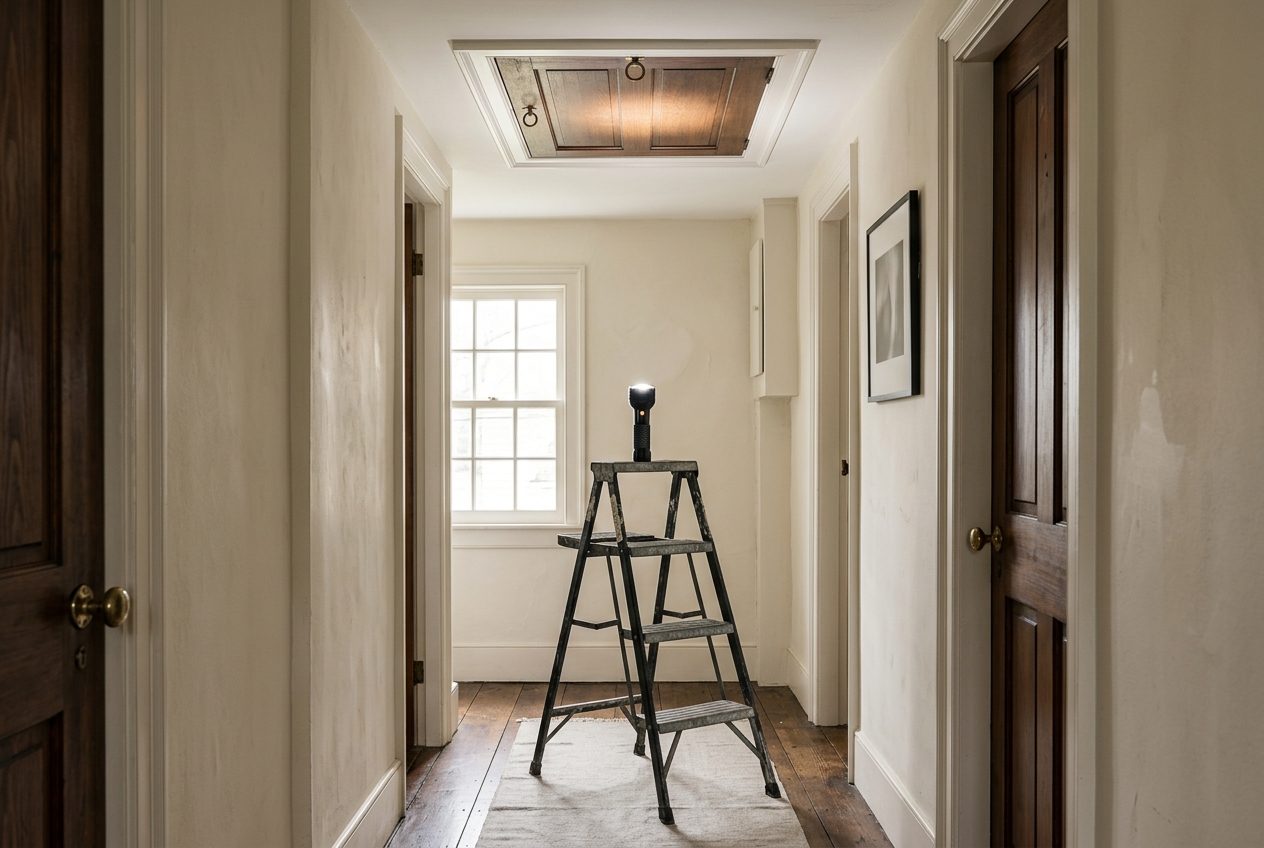
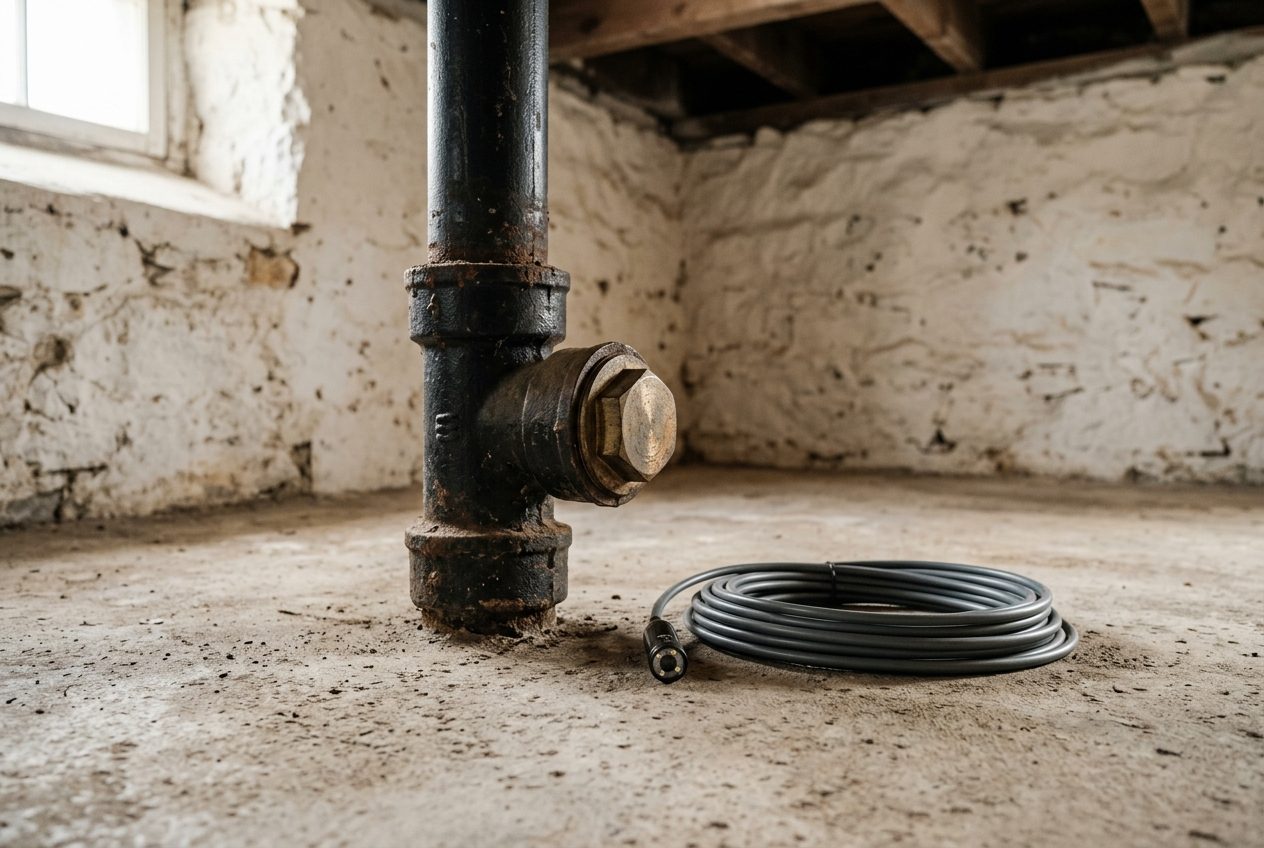
- The basement and attic. Exposed wiring can show the age and type. Look for cloth-covered wire, porcelain knobs, or cables that look patched.
- Kitchens and baths. Ground fault protection near water is expected in modern work. Its absence suggests older or uninspected work.
None of this is a diagnosis. It tells you when to bring in a licensed electrician.
When should you bring in an electrician?
Add a licensed electrician to your inspection plan if you see any of these:
- Knob-and-tube, cloth wiring, or aluminum branch wiring
- An older panel, a full panel, or signs of overheating
- Two-prong outlets throughout
- Partial updates, such as a new kitchen on an old system
- Any work that looks like it was done without a permit
Ask the electrician what is there, what is safe, and what a reasonable update would cost. A written scope lets you negotiate. For how I think about hidden work in updated houses, read How Can You Tell If a Renovation Was Done Right Before You Buy?.
What should you ask the seller?
- When was the panel replaced, and was it permitted?
- What kind of wiring is in each part of the house?
- Has an electrician inspected it, and is there a report?
- Has any work been done without a permit?
- Have there been problems with breakers, outlets, or smells?
Read the property disclosure as well. A seller who knows about a problem should say so.
What are your options if the wiring is old?
- Negotiate the price to reflect the update you will need.
- Ask the seller to update the work before closing, with permits and a final inspection.
- Plan a phased update after you buy, with a written scope from a licensed electrician.
- Walk away if the problem is large, the seller will not allow an inspection, or the cost does not fit.
Old wiring that is stable and has been checked can be a reasonable purchase at the right price. Old wiring nobody has looked at is an unknown.
What are the common mistakes?
- Judging the house by the fixtures instead of the panel
- Assuming a renovated kitchen means a renovated system
- Skipping the electrician because the general inspection did not flag it
- Not asking the insurer about wiring before closing
- Ignoring two-prong outlets as cosmetic
FAQ
Is knob-and-tube wiring a reason not to buy?
Not automatically. It is a reason to have a licensed electrician look at the house and to price any update before you offer.
Can I get insurance on a house with old wiring?
Some insurers ask about wiring type and panel age and may add conditions. Ask your insurance agent before you commit.
How do I know if a house has been rewired?
Ask the seller for permits and records, look at the panel and exposed wiring, and have a licensed electrician check.
Does a general home inspection cover wiring?
It covers what is visible and accessible, such as the panel and some outlets. It cannot see inside walls, so ask an electrician about older systems.
If you are looking at an older house and want help deciding what to ask an electrician, book a 30-minute call. Bring the address.