Aubre J. Stacknick is a Global Real Estate Advisor with Piatt Sotheby's International Realty in Pittsburgh, PA, helping buyers and sellers across Western Pennsylvania see a home through a builder's eyes. This post is general information. An assessor certified in your area, not this article, decides what your house needs.
What is a home energy assessment?
It is also called an energy audit. According to DOE's Energy Saver guide, a professional audit determines how much energy your home uses and evaluates the steps you can take to make it more efficient.
The guide describes two levels. Some audits take about an hour, do not require specialized equipment and are relatively inexpensive. More thorough assessments take about four hours, use specialized equipment and cost more, but give more detailed information on how the home uses energy.
I think of it the way I think of a home inspection. An inspector tells you what is wrong with a house today. An energy assessment tells you how the house performs as a system: the envelope, the heating and cooling equipment, the air and the insulation.
What do the diagnostic tests look for?
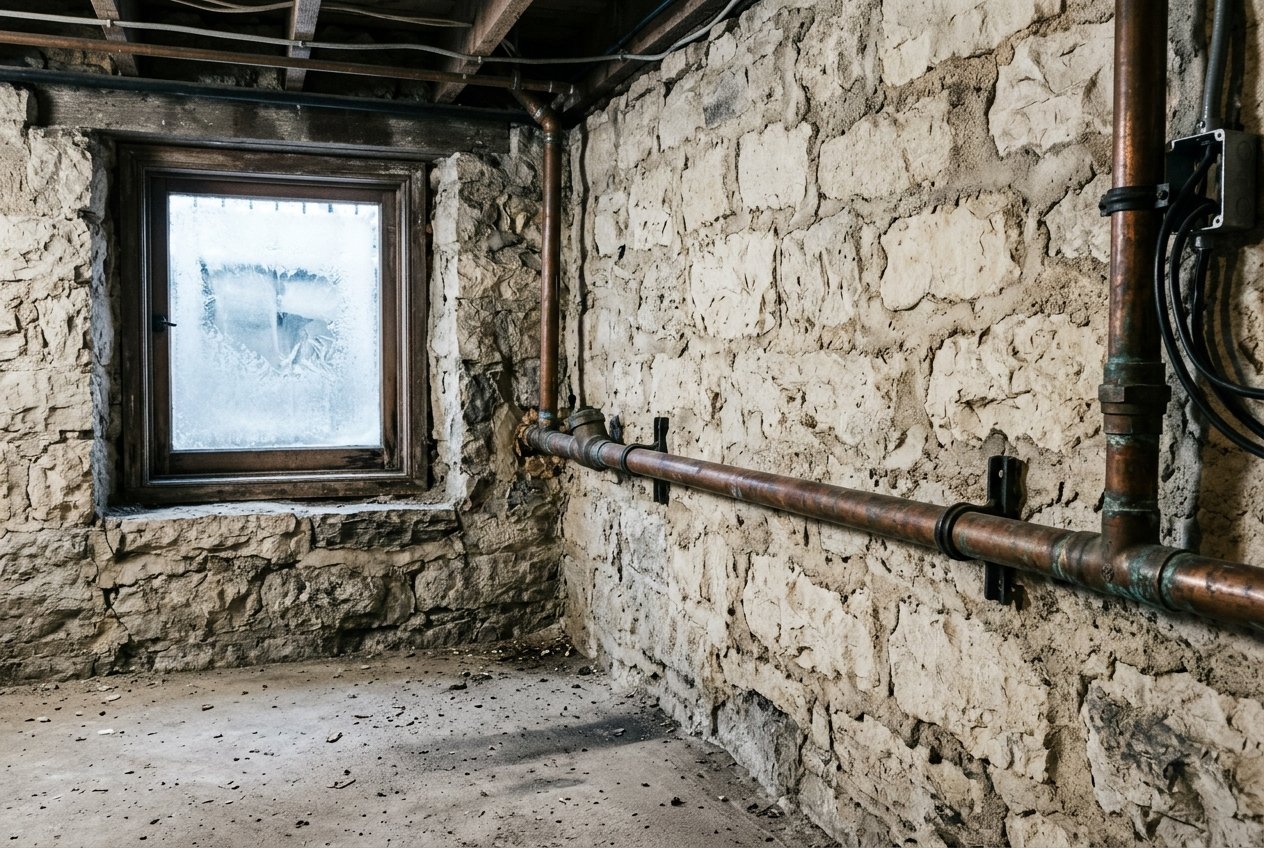
DOE says a more detailed assessment includes diagnostic tests, such as a house air leakage test, a duct air leakage test or an infrared scan, to identify additional areas for improvement. It recommends working with a certified energy professional trained in the use of diagnostic equipment that can find air leaks, areas lacking insulation and inefficient or malfunctioning equipment.
In plain words:
- An air leakage test measures how leaky the house is, so the assessor can find the gaps
- A duct leakage test checks whether heated or cooled air is escaping from the ductwork before it reaches a room
- An infrared scan uses a camera that shows temperature differences, which can point to missing insulation or air movement behind a finish
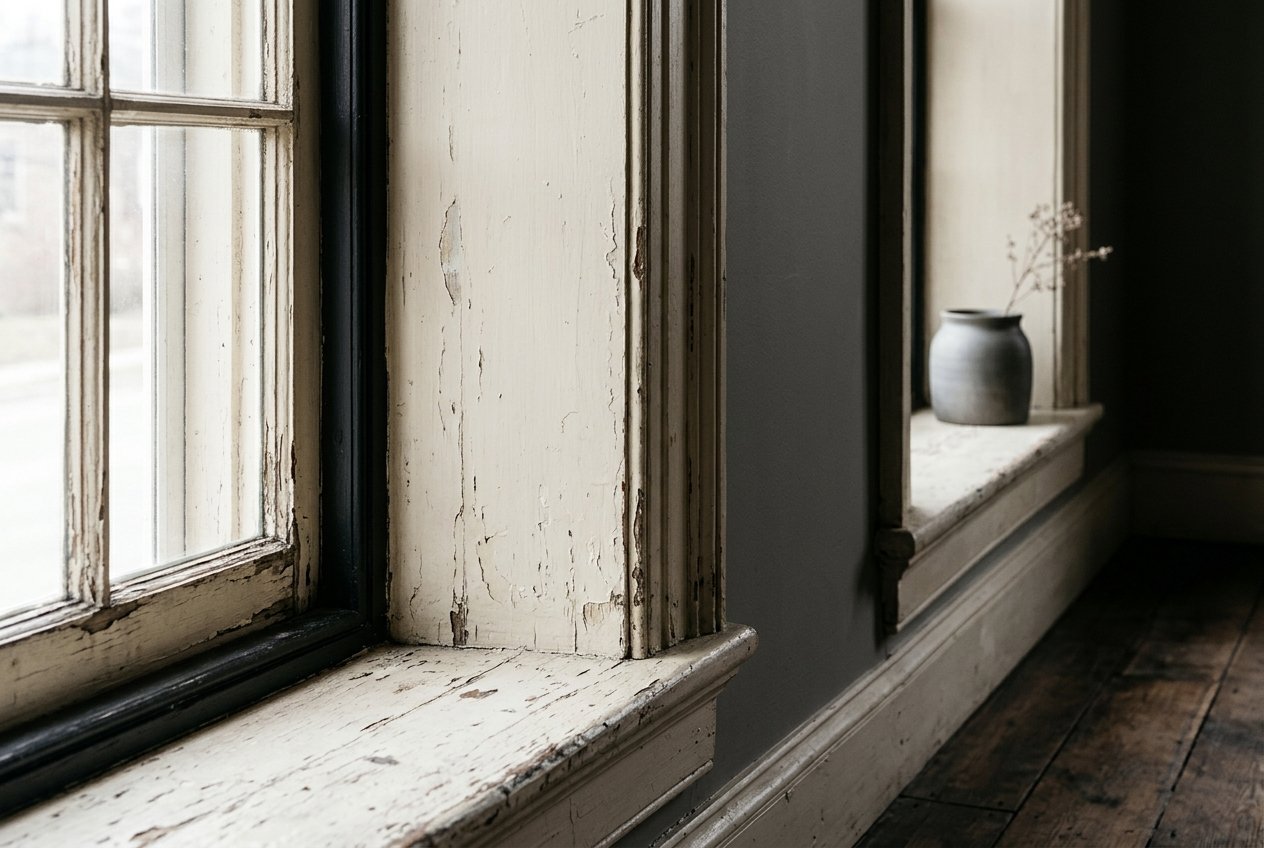
That last one matters to me. A wall can look perfect and still be missing insulation behind the paint. This is the kind of thing I mean when I say look at what is behind the finish.
What is the Home Energy Score?
DOE describes the Home Energy Score as a simple assessment that works like a miles-per-gallon rating for a car. It is designed to help homeowners and homebuyers gain information about a home's energy performance and to compare homes. It also provides recommendations on how to improve efficiency cost-effectively.
DOE says some of the information on the Home Energy Score Report can be included in real estate listings and may influence appraisals and financing. If you want one, DOE says to look for a partner that offers it through its Better Buildings Solution Center. Not every area or every assessor offers it, so ask.
How can a buyer use an energy assessment?
Order it when you are under agreement, alongside the inspection if the contract allows, and ask these questions of the report:
- What is the biggest source of heat loss or air leakage?
- Which fixes are simple and which are expensive?
- Is the heating and cooling equipment working as it should?
- Are there duct problems that make some rooms hard to heat or cool?
Then put the list next to the price. A house with a long, expensive list is not a bad house. It is a house where you should know the full cost before you commit. If the list is long, ask your agent how to handle it in the negotiation, and talk with your lender about any renovation financing before you assume anything.
I covered the roof and attic side in How Much Attic Insulation Does an Older Pittsburgh House Need Before You Buy or Sell It? and the air side in Where Does an Older Pittsburgh House Leak Air, and Is Air Sealing Worth Doing Before You Sell?
How can a seller use an energy assessment?
Before listing, an assessment can show you what a buyer's inspector or assessor might find. That gives you three choices: fix the simple things, document what you know, or leave it and be ready to talk about it.
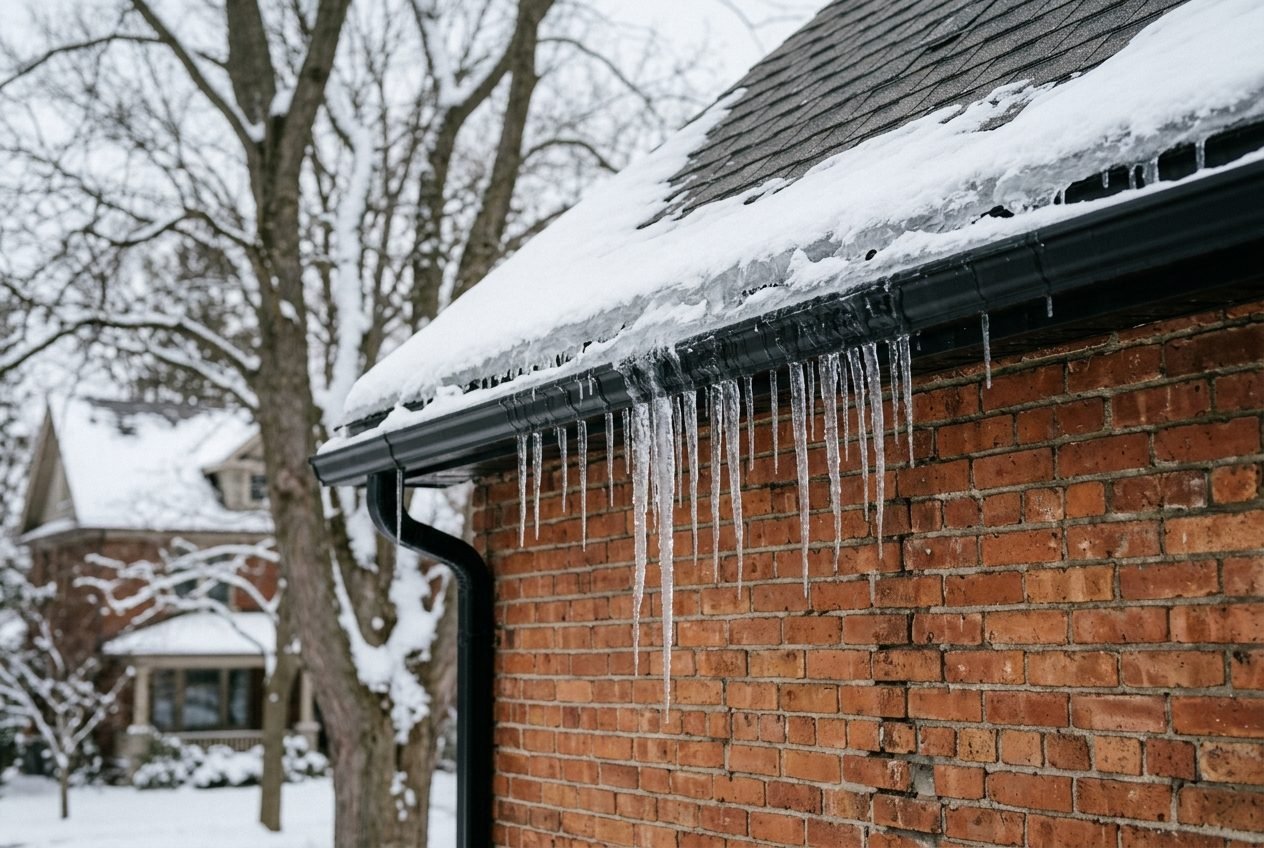
I would not spend money on an energy upgrade only because it is on a list. Ask whether it solves a problem a buyer will notice, such as a cold room, a drafty door or an ice dam that returns each winter. If it does, it can be worth doing before showings. If it does not, the report may be most useful as a document that shows you looked.
If your assessor produces a Home Energy Score, ask whether it can be shared with buyers and how. DOE says the information can be included in listings, so talk it through with me before it goes anywhere public.
How do you find a qualified assessor?
DOE says to work with a certified energy professional. Ask what certification the assessor holds, what tests are included, how long the visit takes and what the written report will contain. Ask for a sample report. Ask what is included in the price and what is extra.
Prepare before the visit. Gather recent utility bills and make a list of problems such as drafty rooms, condensation or uneven temperatures. If you are a buyer, ask the seller for twelve months of bills if they are willing to share them.
What can an assessment not tell you?
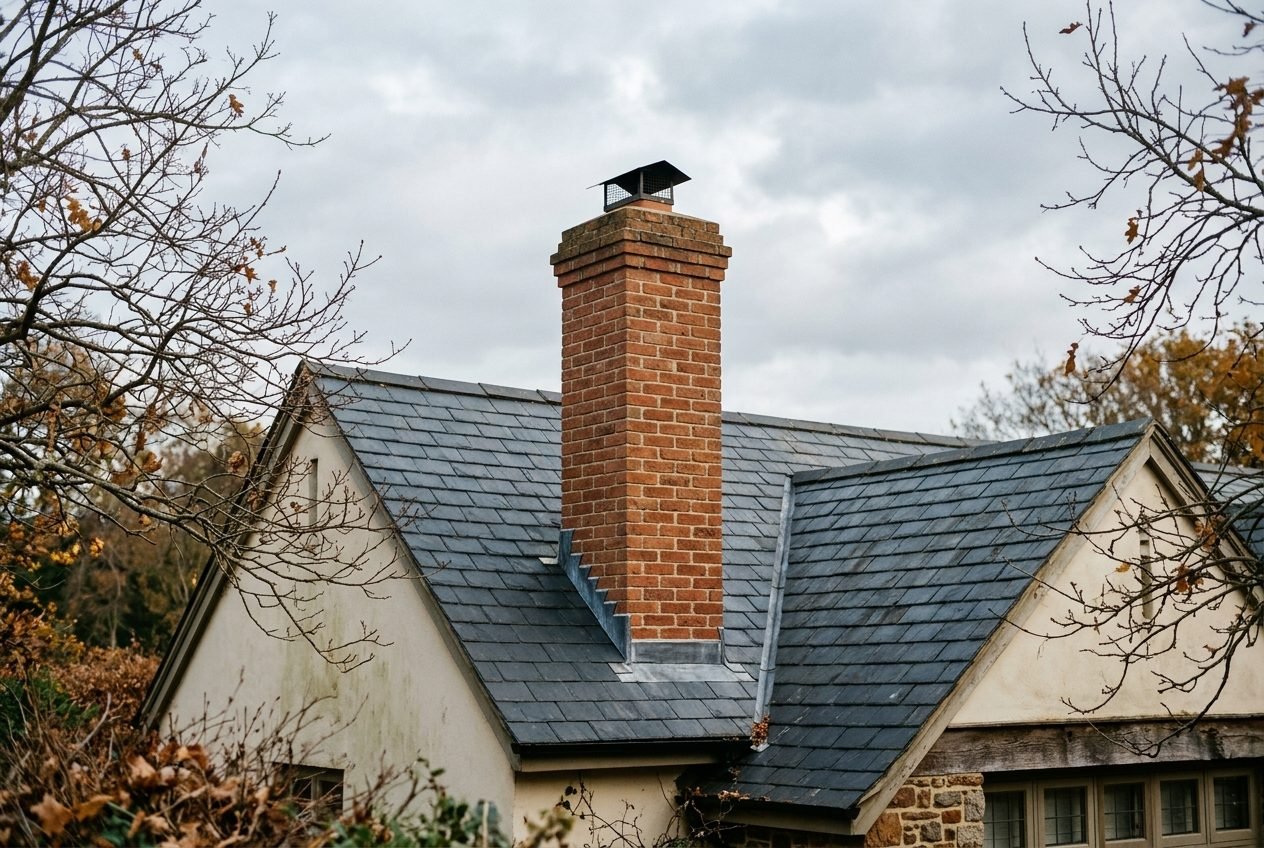
It cannot tell you the condition of the roof, the foundation, the wiring or the plumbing. It is not a replacement for a home inspection. It is one more lens on the house, and a useful one in a region where winter is long.
It also cannot promise a savings number that you should count on. Treat any claim of exact dollars saved with caution and ask for the assumptions behind it. For an older house with window questions, see Should You Replace the Windows Before You Sell or Buy an Older Pittsburgh Home?
What are the common mistakes?
- Treating an energy assessment as a substitute for a home inspection
- Hiring someone who cannot say what certification they hold
- Paying for a thorough assessment when a basic one would answer the question, or the reverse
- Upgrading everything on the list in order, instead of by problem and cost
- Expecting the report to guarantee a specific savings number
FAQ
What is a home energy assessment?
It is an evaluation of how a home uses energy, done by a certified professional, that identifies and prioritizes improvements. DOE also calls it an energy audit.
How long does a home energy assessment take?
DOE says some audits take about an hour, while more thorough assessments with specialized equipment take about four hours.
What is the Home Energy Score?
It is a simple rating, described by DOE as like a miles-per-gallon rating for a car, that helps homeowners and buyers compare homes and see improvement ideas.
Should you get an energy assessment before buying a house?
It can help you understand the full cost of the house before you commit. It does not replace a home inspection.
If you are buying or selling and want a builder's read on what an assessment would find, book a 30-minute call. Bring the address and your questions.