The first hard freeze in western Pennsylvania arrives quickly, and an older house shows its weak points the first cold week. A frozen pipe, an ice dam, or a furnace that quits on the coldest night is rarely bad luck. It is usually a maintenance item that waited too long.
An hour of looking now is cheaper than a plumber at midnight.
Aubre J. Stacknick is a Global Real Estate Advisor with Piatt Sotheby's International Realty in Pittsburgh, PA, helping buyers and sellers across Western Pennsylvania see a home through a builder's eyes. This is the walk-around I do on my own houses every fall.
What should you check outside first?
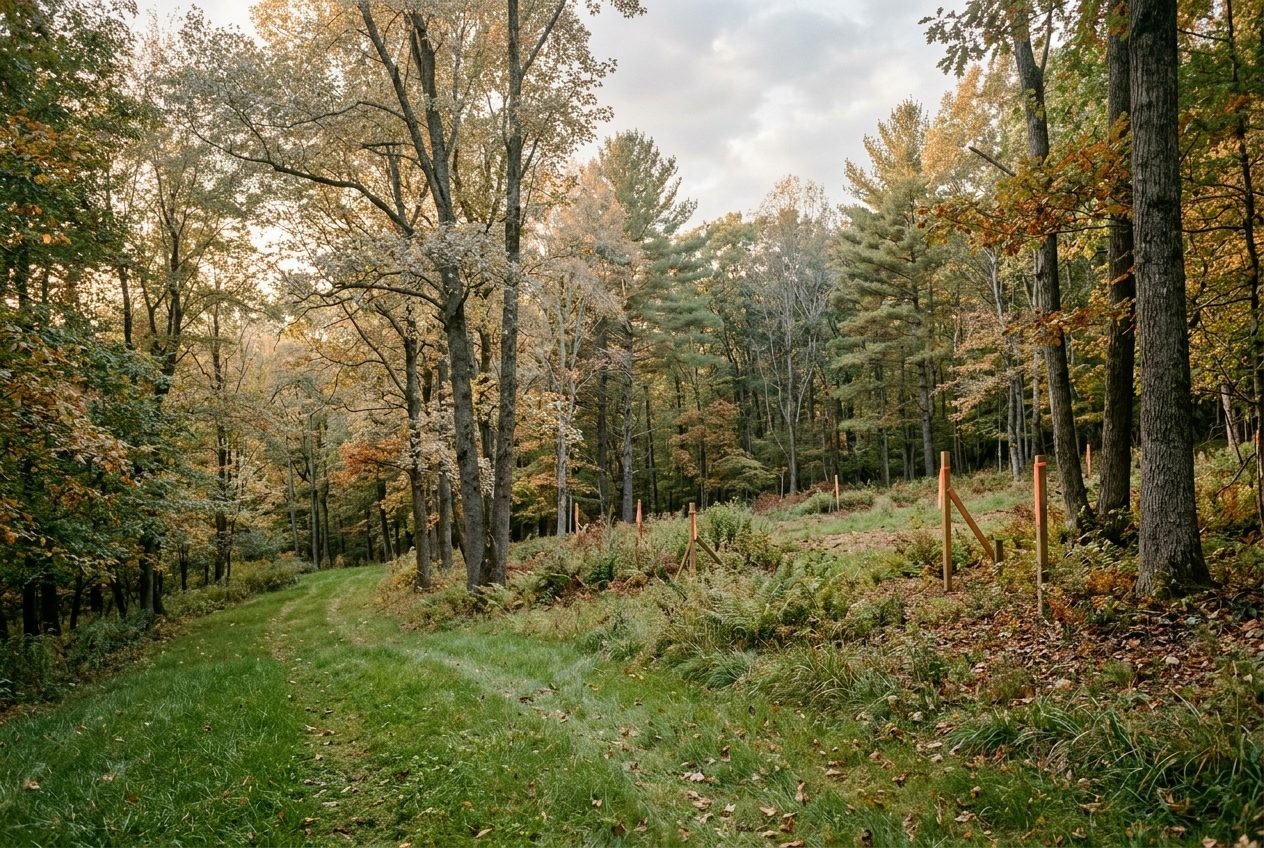
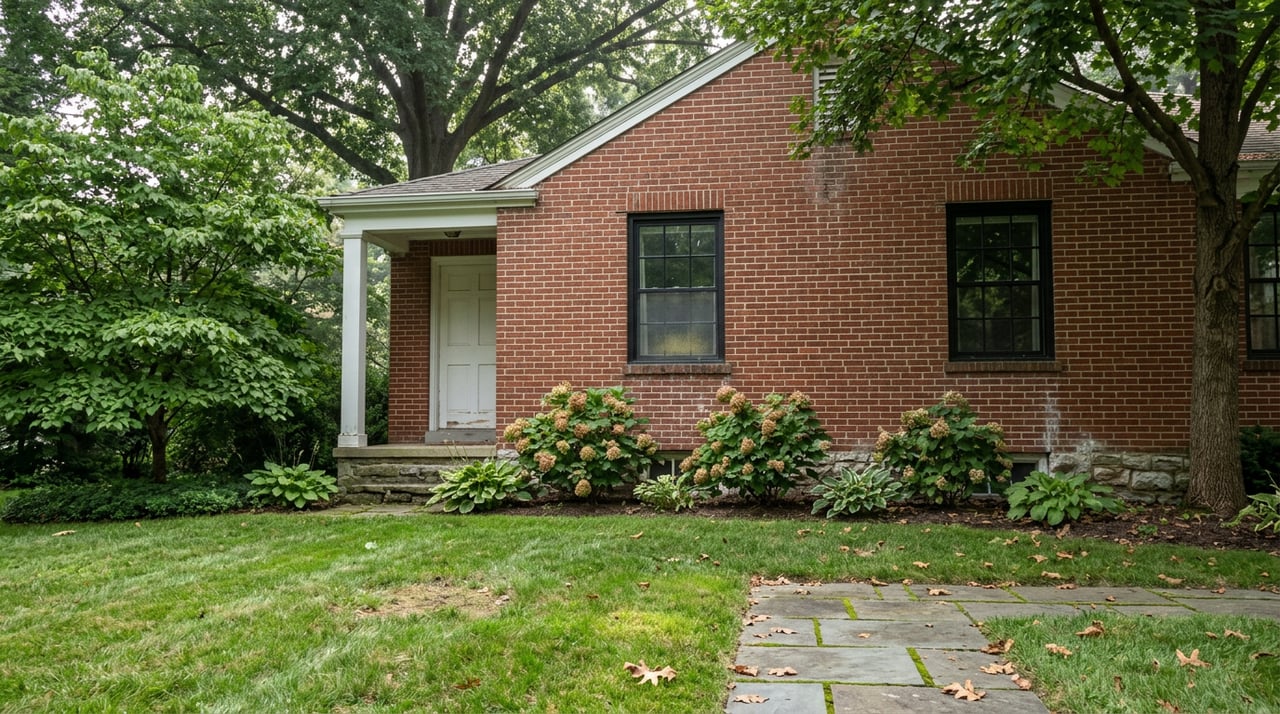
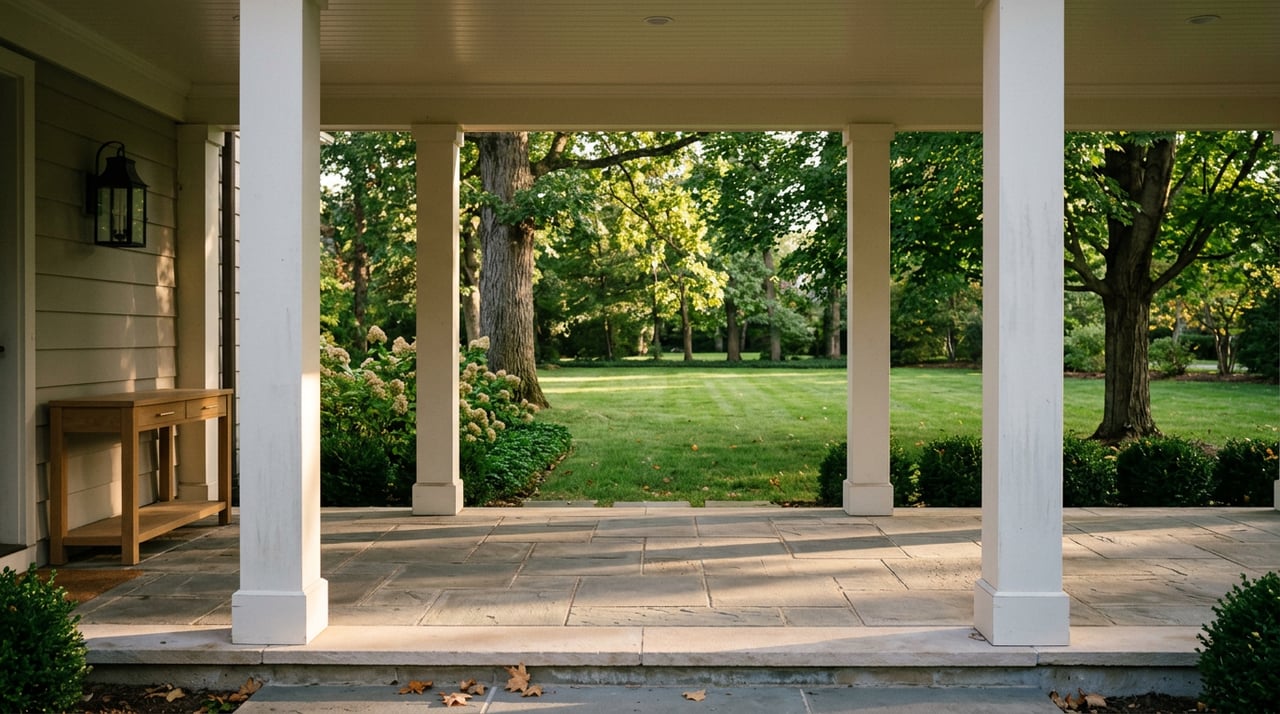
Water is the thing that hurts a house, and winter turns it into ice. Start outside.
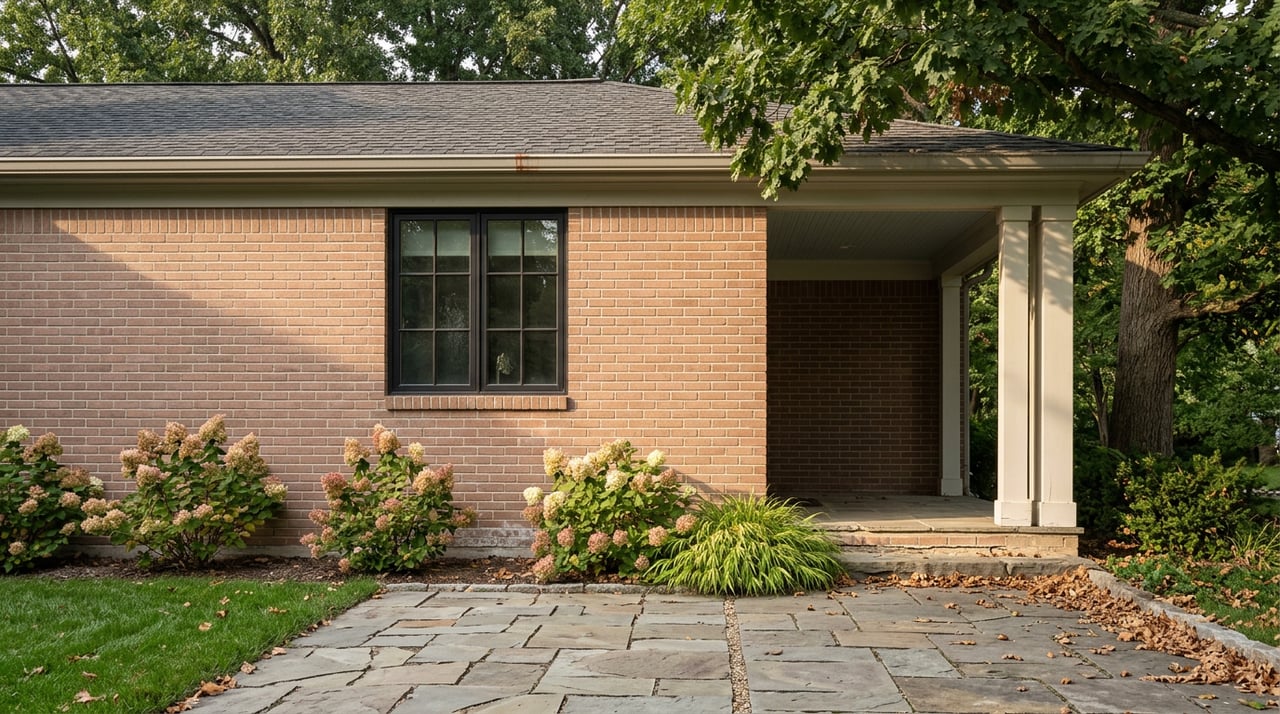
- Gutters. Clear leaves and debris so water drains instead of backing up under the shingles and freezing there. Check that the gutters are pitched toward the downspouts and the brackets are tight.
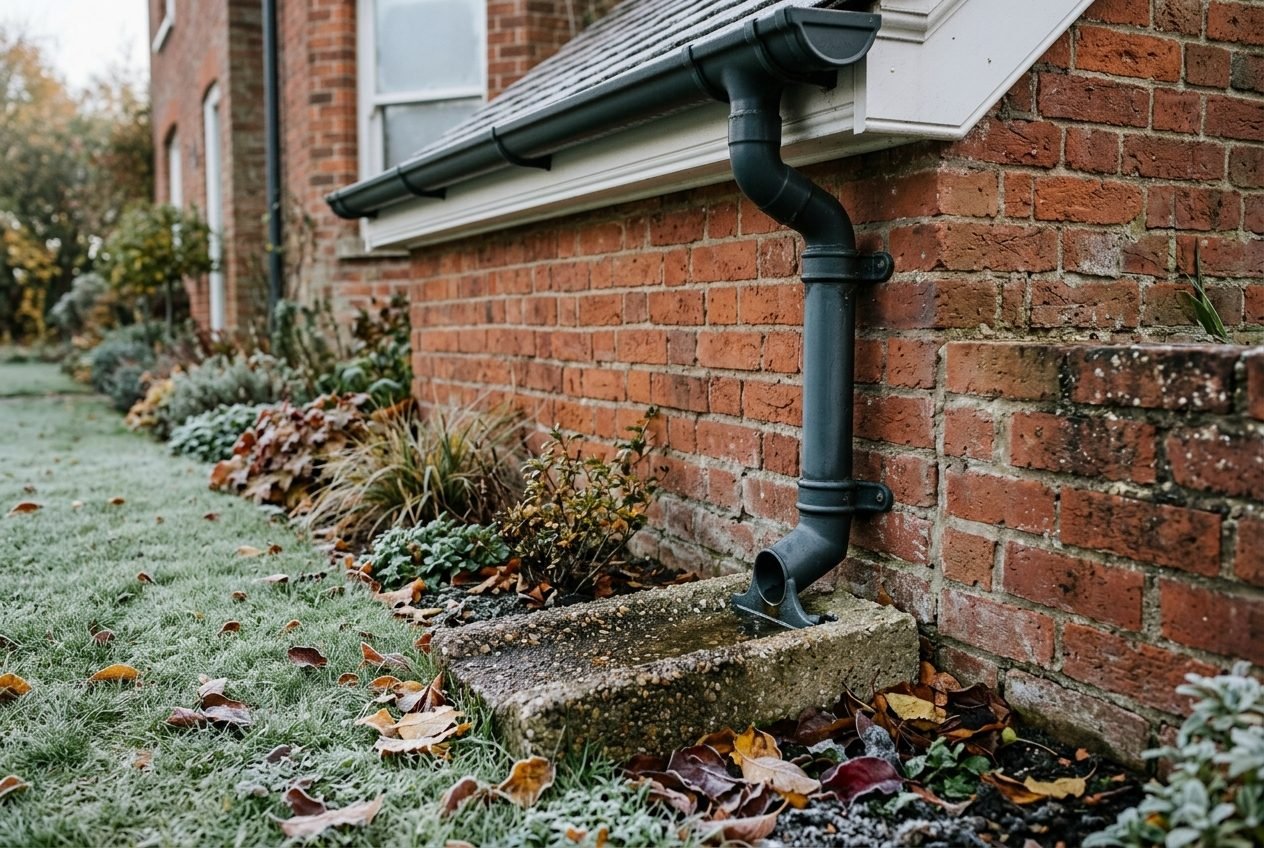
- Downspouts. Make sure each one empties well away from the foundation. A downspout that drops water beside the wall feeds the basement all winter.
- Outdoor spigots. Disconnect every hose. A hose left attached traps water in the faucet, and a freeze can split the pipe inside the wall, where you will not see it until spring.
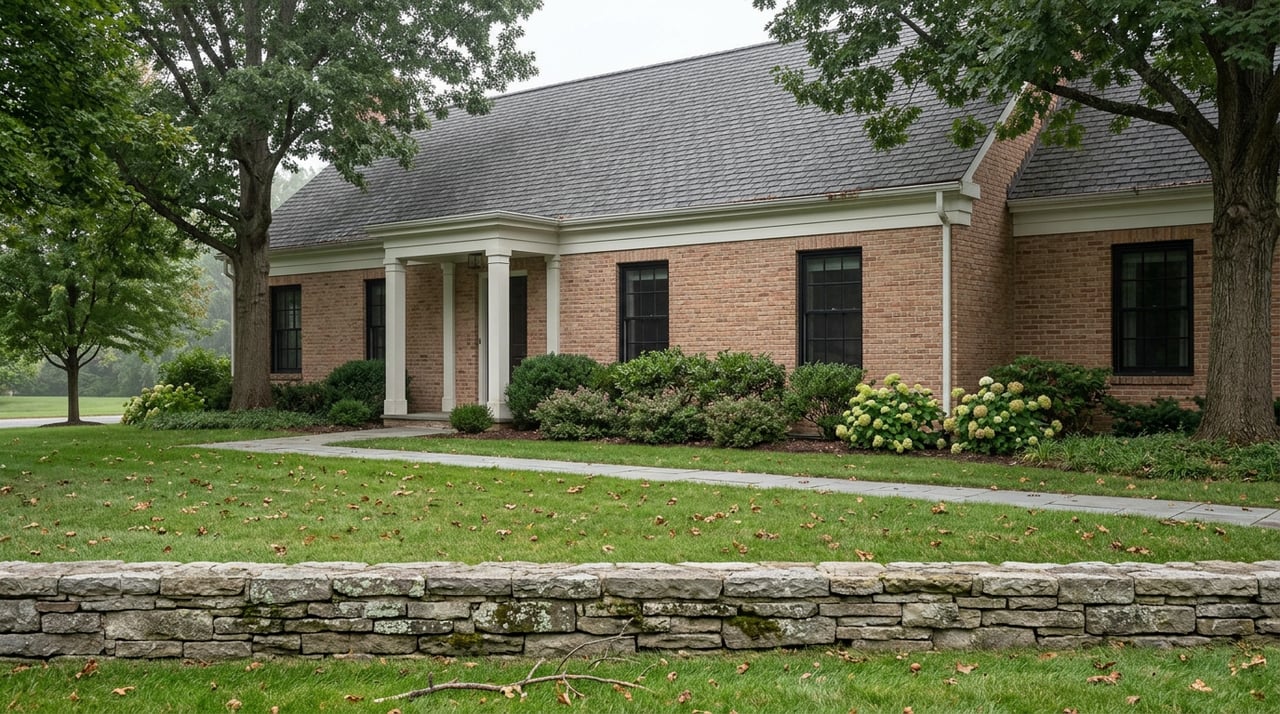
- Grading. Look at the soil along the foundation. It should slope away from the house. Settled soil that slopes toward the wall sends melting snow to the basement.
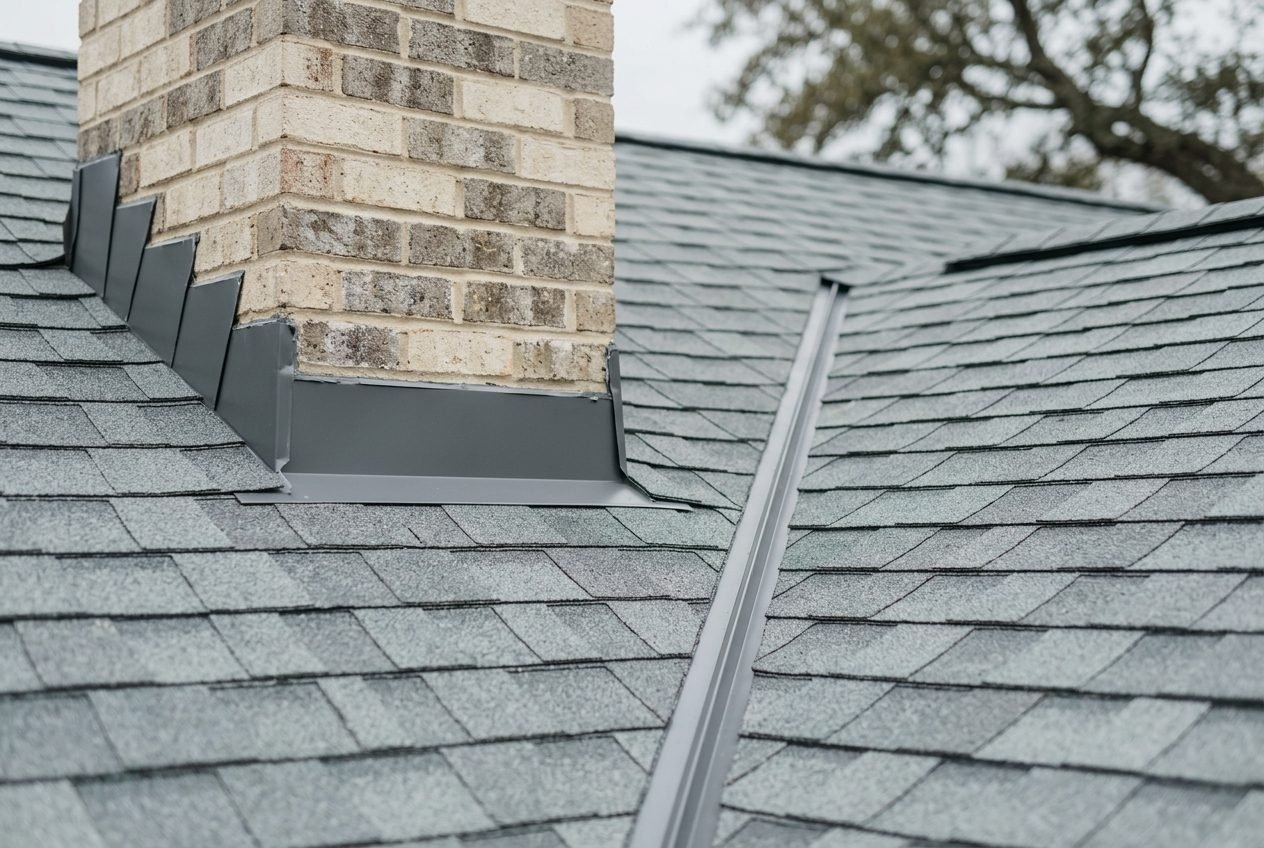
- Roof and chimney. From the ground, look for missing or lifted shingles, loose flashing around the chimney, and a chimney cap that is intact. Binoculars help. A leak in winter gets worse fast.
- Steps and railings. Loose railings and cracked steps are a bigger hazard once there is ice on them.
What should you check in the basement?
The basement is where the mechanicals live, and where a small problem becomes a flood or a freeze.
- Furnace or boiler. Replace the filter, and book a service visit before the first cold snap, not during it. The week it gets cold is the week every technician is busy.
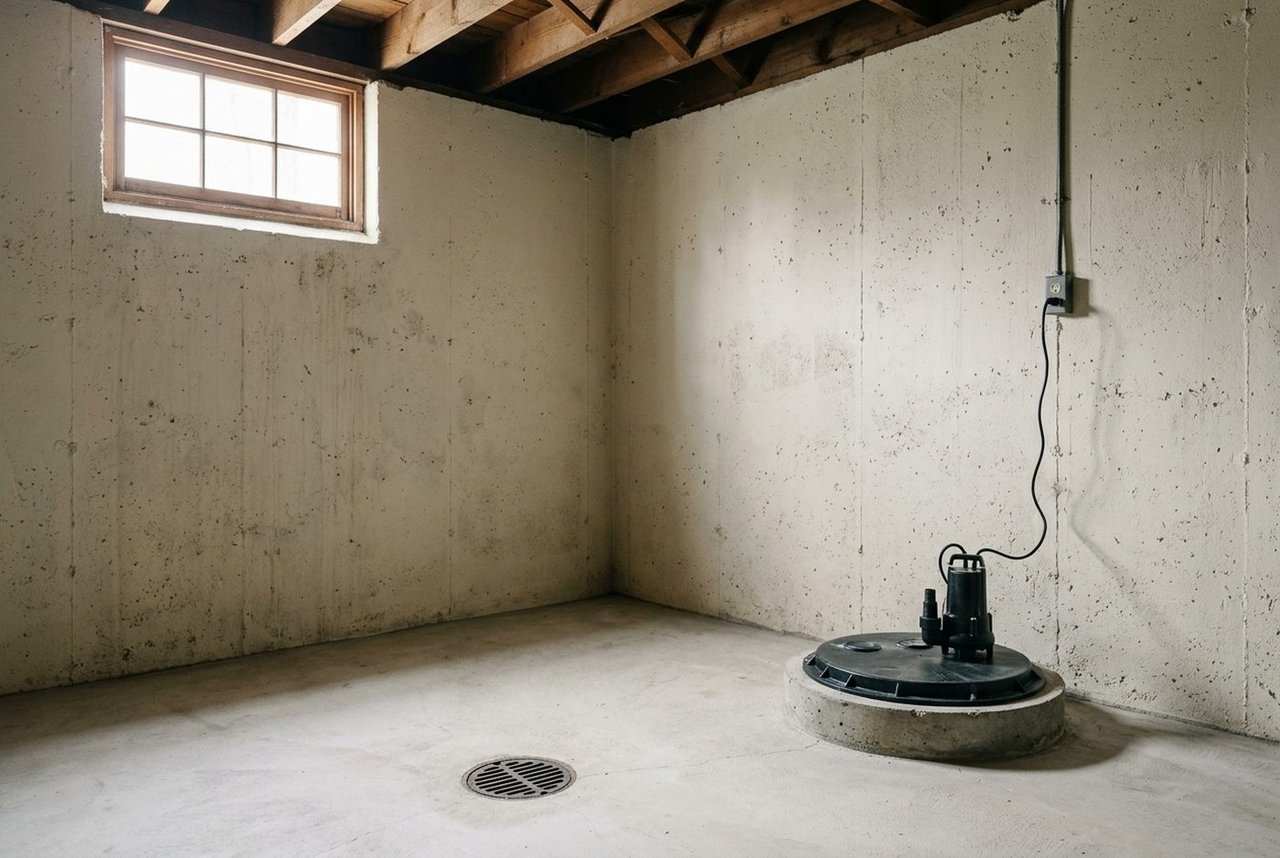
- Sump pump. Pour a bucket of water into the pit and watch the pump start, discharge, and shut off. A pump that has sat dry all summer may not run when you need it.
- Water heater. Look for rust, moisture at the base, and an old relief valve. A water heater that is leaking slowly is announcing its end.
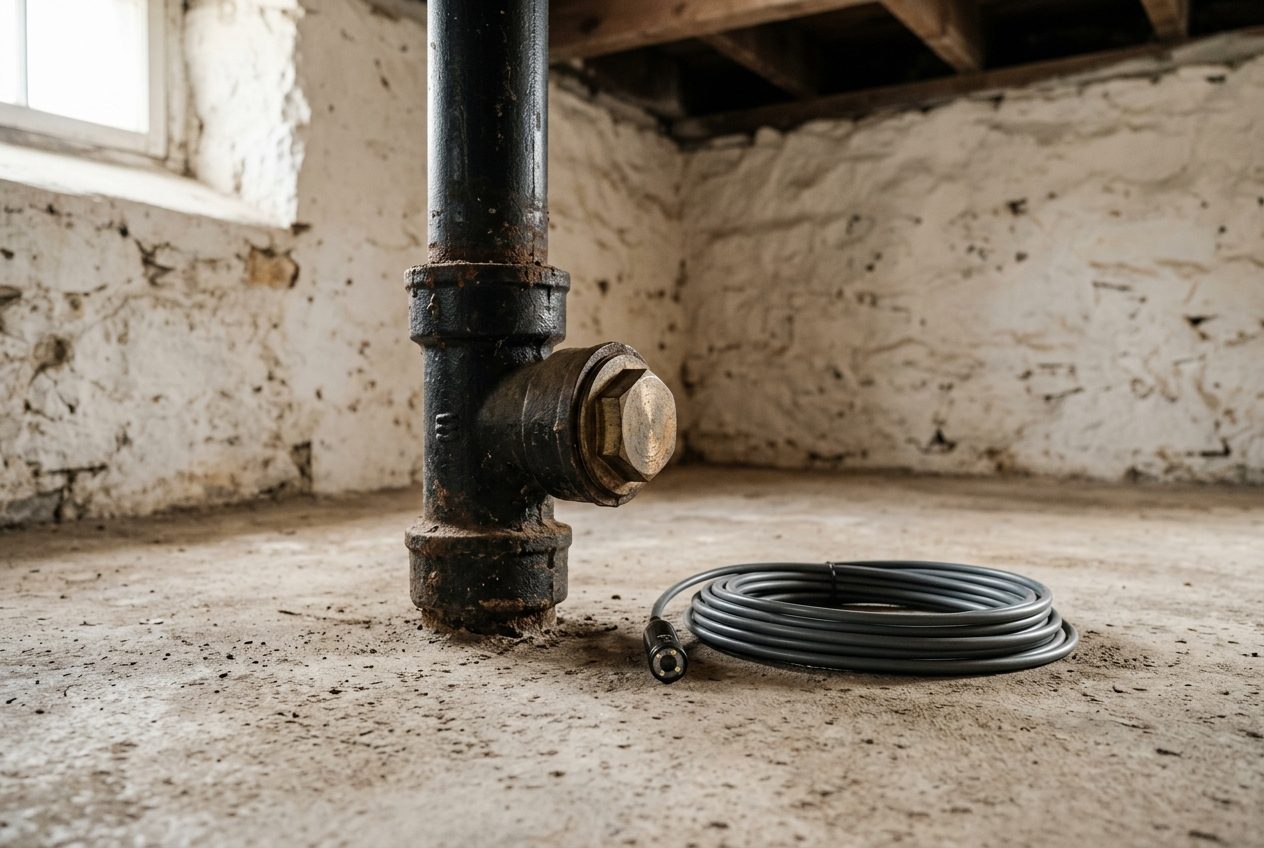
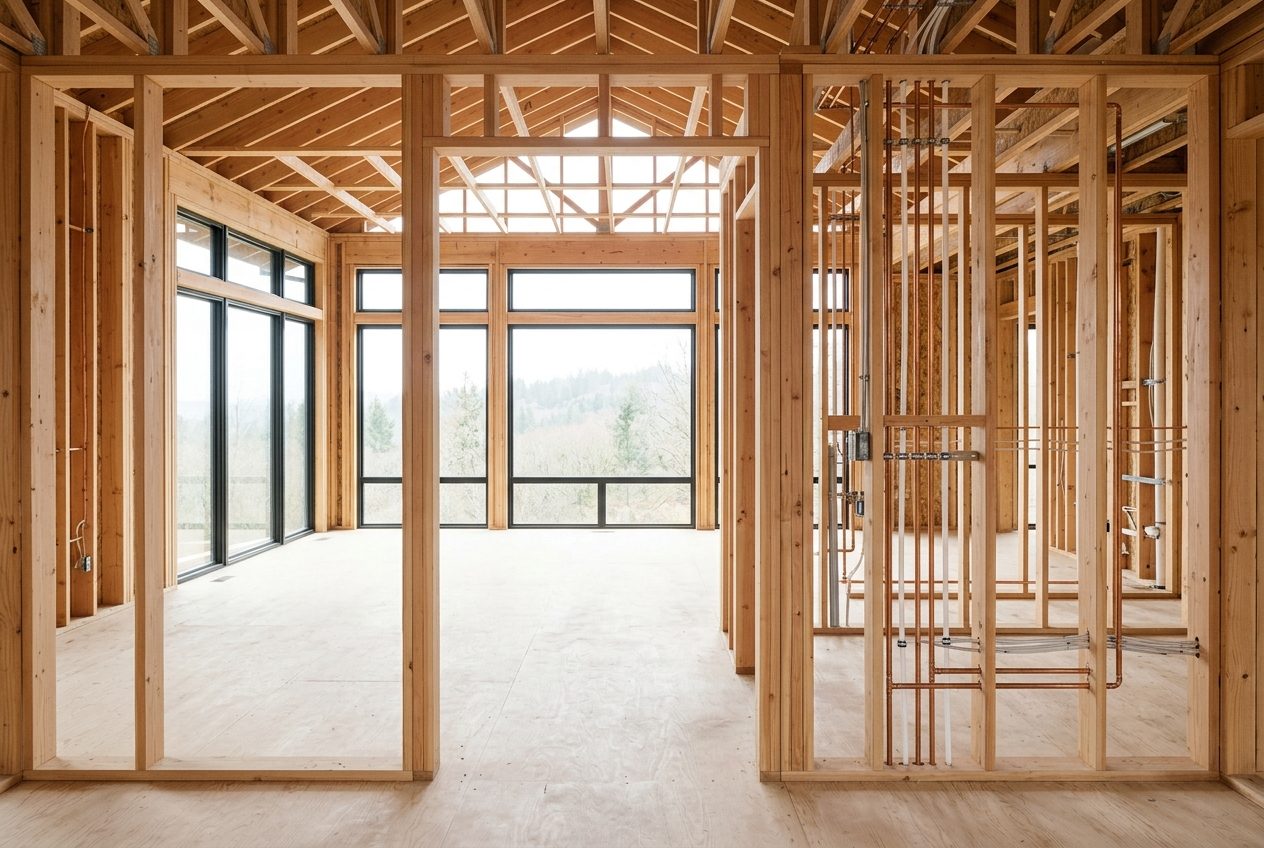
- Exposed pipes. Check pipes along exterior walls, in crawl spaces, and in unheated corners. Insulate what you can. A pipe that runs along a cold outside wall is the one that freezes.
- Rim joist. Look at the area where the floor framing meets the foundation. Gaps there let cold air in and can freeze nearby pipes. Sealing them is a small job with a large effect.
- Dryer vent. Disconnect it and look. Lint builds up, and a clogged vent is a fire hazard and makes the dryer work harder.
What should you check in the attic?
The attic tells you whether your roof will hold snow without making ice.
- Insulation. It should cover the floor evenly, with no bare patches and no compressed spots. Heat that leaks into the attic melts snow on the roof, and the melt refreezes at the edge. That is an ice dam.
- Ventilation. Soffit vents should be open, not blocked by insulation, and the air should be able to move to a ridge or roof vent. A cold, ventilated attic is the goal.
- Bath and kitchen fans. Confirm they vent outside, not into the attic. Moist air in a cold attic condenses and drips.
- Stains and daylight. Dark marks on the underside of the roof deck or on the rafters point to a leak or condensation. Daylight coming through is a hole.
What should you do inside the house?
- Test the smoke and carbon monoxide detectors. Heating season is when carbon monoxide becomes a risk. Replace batteries and replace any unit that is past its date.
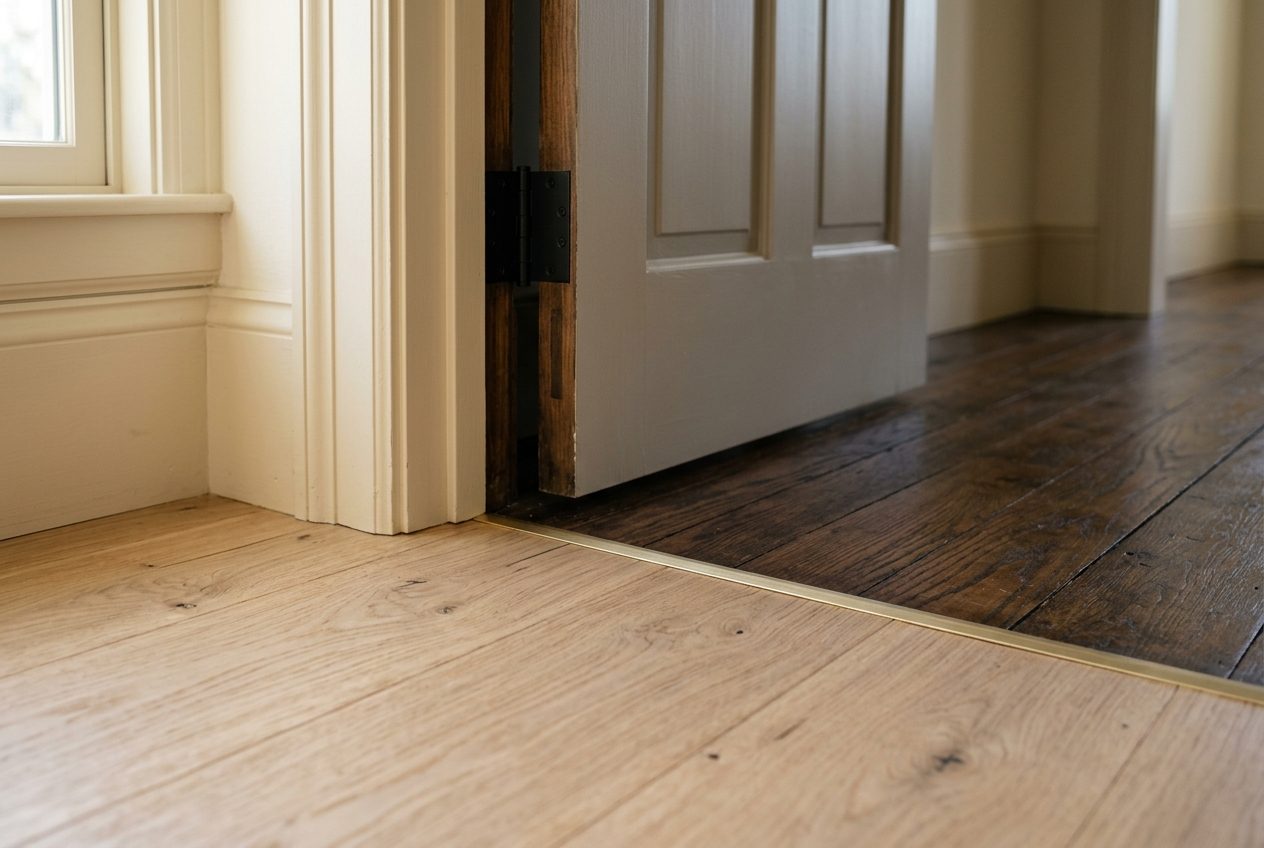
- Check windows and doors. Look for drafts, failed caulk, and weatherstripping that has hardened or fallen out. A candle or a hand held near the edge will show air movement.
- Know where your main water shutoff is. If a pipe does burst, the first minute matters. Make sure every adult in the house can find it and turn it.
- Bleed radiators if you have them, and check that the thermostat works. Heat that comes on unevenly is a clue the system needs attention.
- Leave cabinet doors open under sinks on exterior walls on the coldest nights, so warm air reaches the pipes.
What can you leave until spring?
Plenty. Cosmetic work, repainting, and most landscaping can wait. Anything that keeps water out, keeps pipes from freezing, or keeps heat in should happen now. That list is the one above.
Is this worth doing if you plan to sell?
Yes. A buyer's inspector will find the same things, and a home that has been maintained reads as a home that is cared for. A winter inspection is also when problems show up, such as ice dams, drafts, and a damp basement after a thaw. Fix the small things before the listing, and keep the receipts. For more on what to handle before you list, read What Exterior Repairs Should I Make Before Selling an Older Home? and What Should I Inspect Before Selling an Older Home? 5 Major Systems to Check.
What is the single most useful habit?
Look at the house in the rain, and again the day after the first thaw. Water shows you everything: where it runs, where it pools, and where it comes through. A short walk with a flashlight during or after a storm will teach you more than a spring inspection. If something looks wrong, deal with it while it is small. For buyers, the same habit is how I read a house I am considering, which I cover in How Can I Tell if a House Has Expensive Problems Before I Buy It?.
The common mistakes homeowners make before winter
- Leaving hoses connected to outdoor spigots
- Waiting for the first cold night to call about the furnace
- Never testing the sump pump
- Ignoring a downspout that empties at the foundation
- Treating a small attic stain as cosmetic
FAQ
When should I winterize an older house in Pittsburgh?
Do the outside work and the furnace service before the first hard freeze, ideally in October or early November. The point is to finish before the weather forces the issue.
How do I keep pipes from freezing?
Insulate pipes along exterior walls and in unheated spaces, seal air leaks at the rim joist, disconnect hoses from outdoor spigots, and open cabinet doors on exterior walls during extreme cold.
What causes ice dams?
Heat escaping into the attic melts snow on the roof, and the water refreezes at the cold edge. Better insulation and ventilation in the attic are the lasting fix.
Do I need to service my furnace every year?
Annual service is a common recommendation for most heating systems, and it is easiest to book before the first cold snap. Ask your technician what your system needs.
If you want a second set of eyes on an older house before winter, or before you list it, book a 30-minute call. Bring the address.