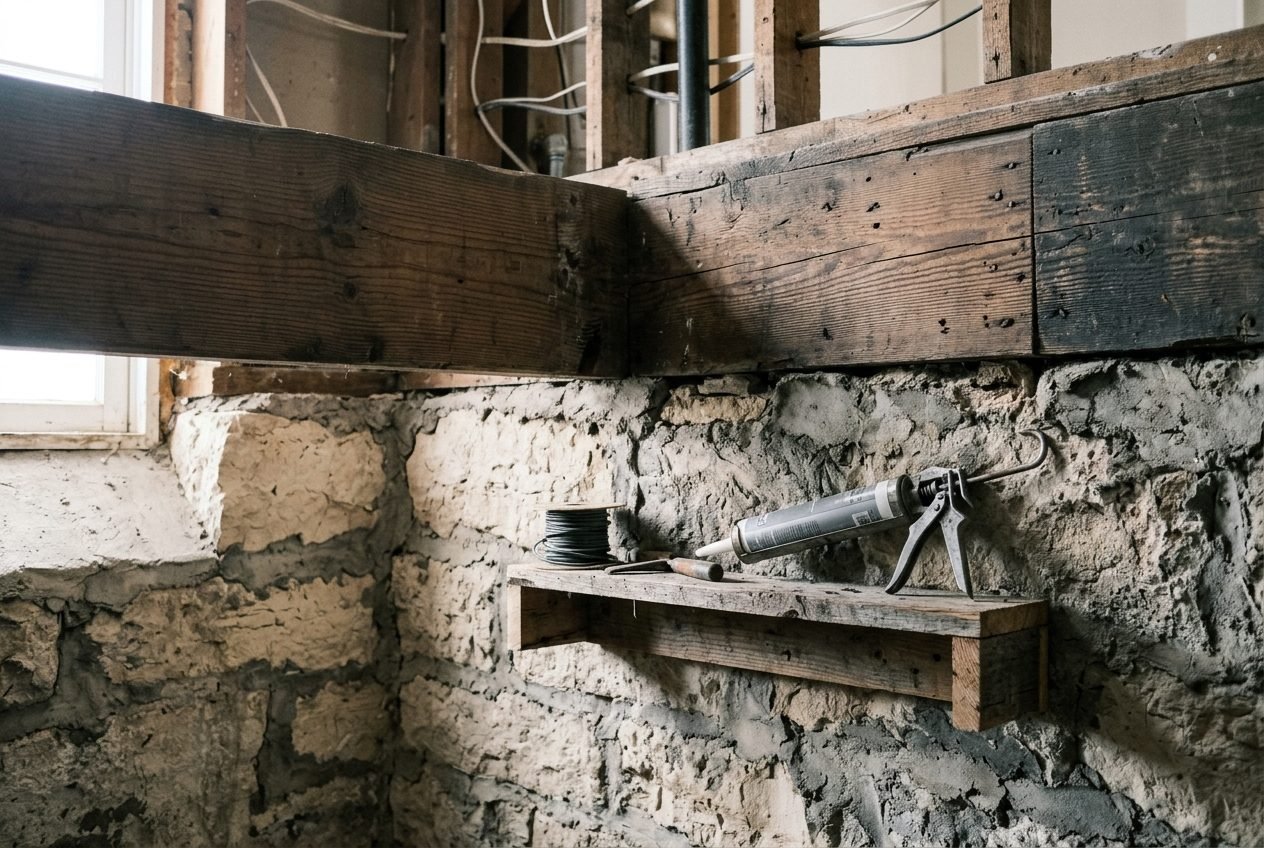
You can feel a leaky house even if you cannot find the leak. A cold floor over the basement, a draft at an outlet on an exterior wall, a bedroom that is always a few degrees off. As a builder, I walk a house looking for where that air is getting in and out, because it points to the cost of living in the house, not just the look of it.
Aubre J. Stacknick is a Global Real Estate Advisor with Piatt Sotheby's International Realty in Pittsburgh, PA, helping buyers and sellers across Western Pennsylvania see a home through a builder's eyes. This post is a general guide, not an energy audit. A licensed energy professional can measure what I can only look for.
What does the Department of Energy say about air sealing?
The Department of Energy's page on insulation and air sealing says that air sealing "reduces the amount of air that leaks into and out of your home." It describes air sealing as a cost-effective way to cut heating and cooling costs, improve durability and comfort, and create a healthier indoor environment.
Three details from that page are worth knowing:
- Caulking and weatherstripping are called "two simple and effective air-sealing techniques that offer quick returns on investment." Caulk is for stationary gaps, such as around door and window frames. Weatherstripping is for moving parts, such as doors and operable windows.
- Walls and rim joists make up more than 40 percent of a house's envelope area.
- Adding continuous exterior insulation during a re-siding project is a good time to air seal, with an energy-savings payback of roughly 5 to 10 years, according to the page.
Those are the Department of Energy's figures for their context. Your own savings depend on the house, so treat them as a reason to look, not a promise.
Where do older Pittsburgh houses leak the most?
In a typical older house, I check these places first.
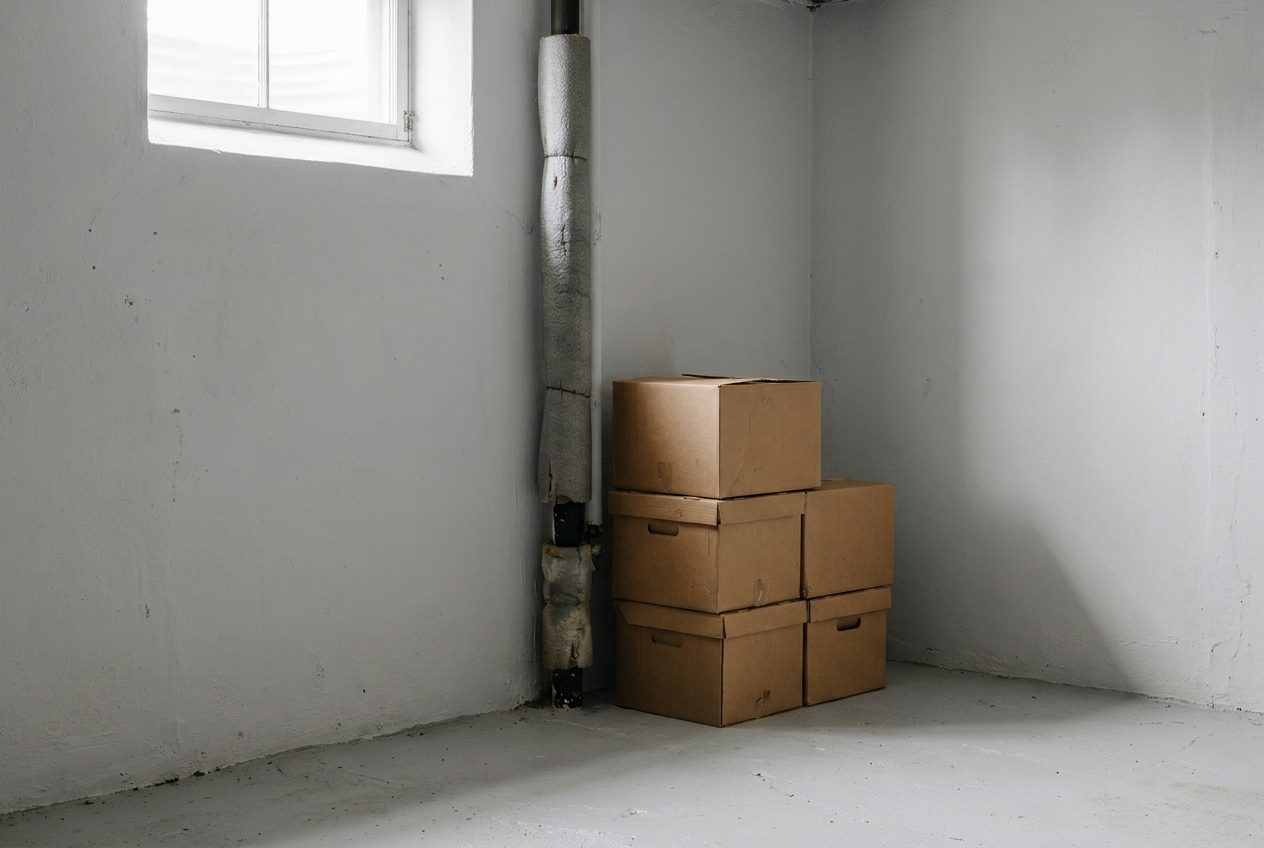
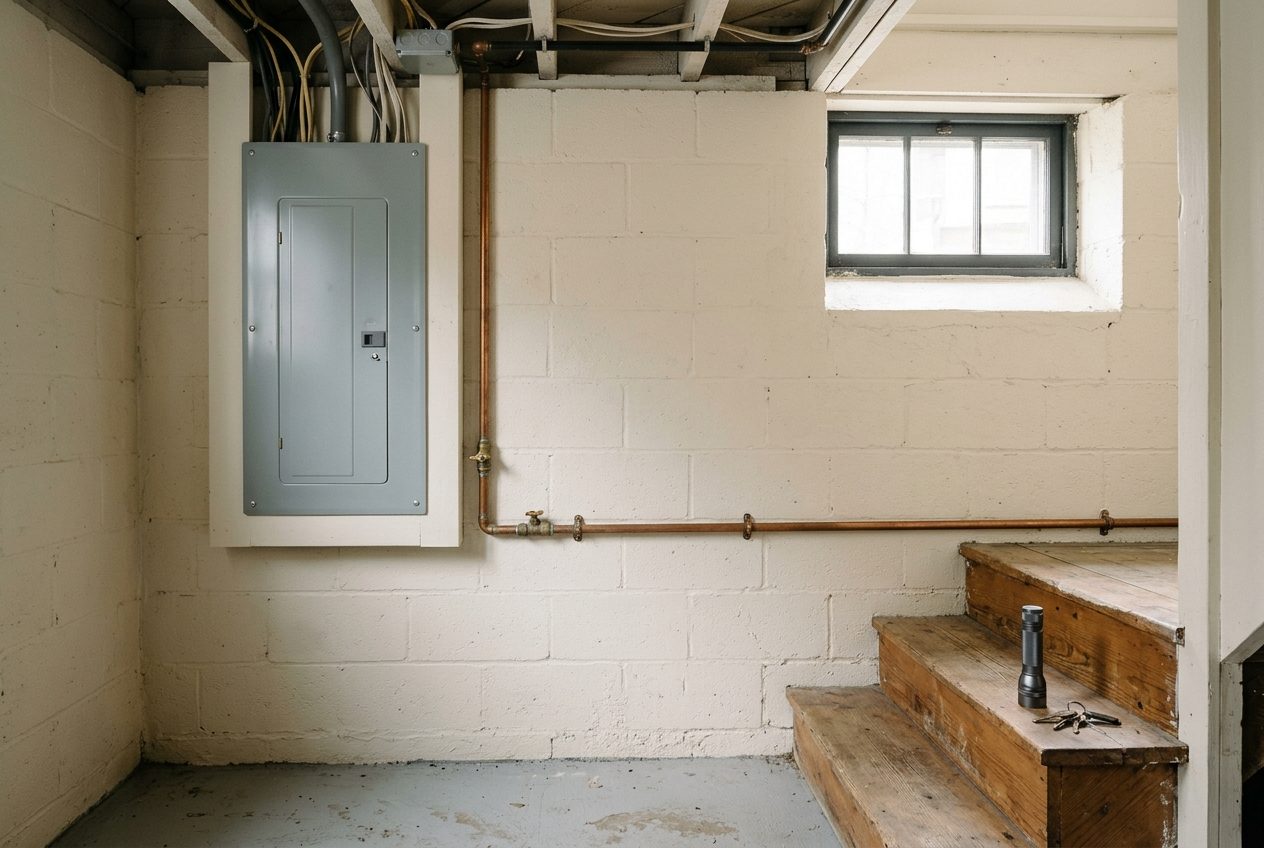
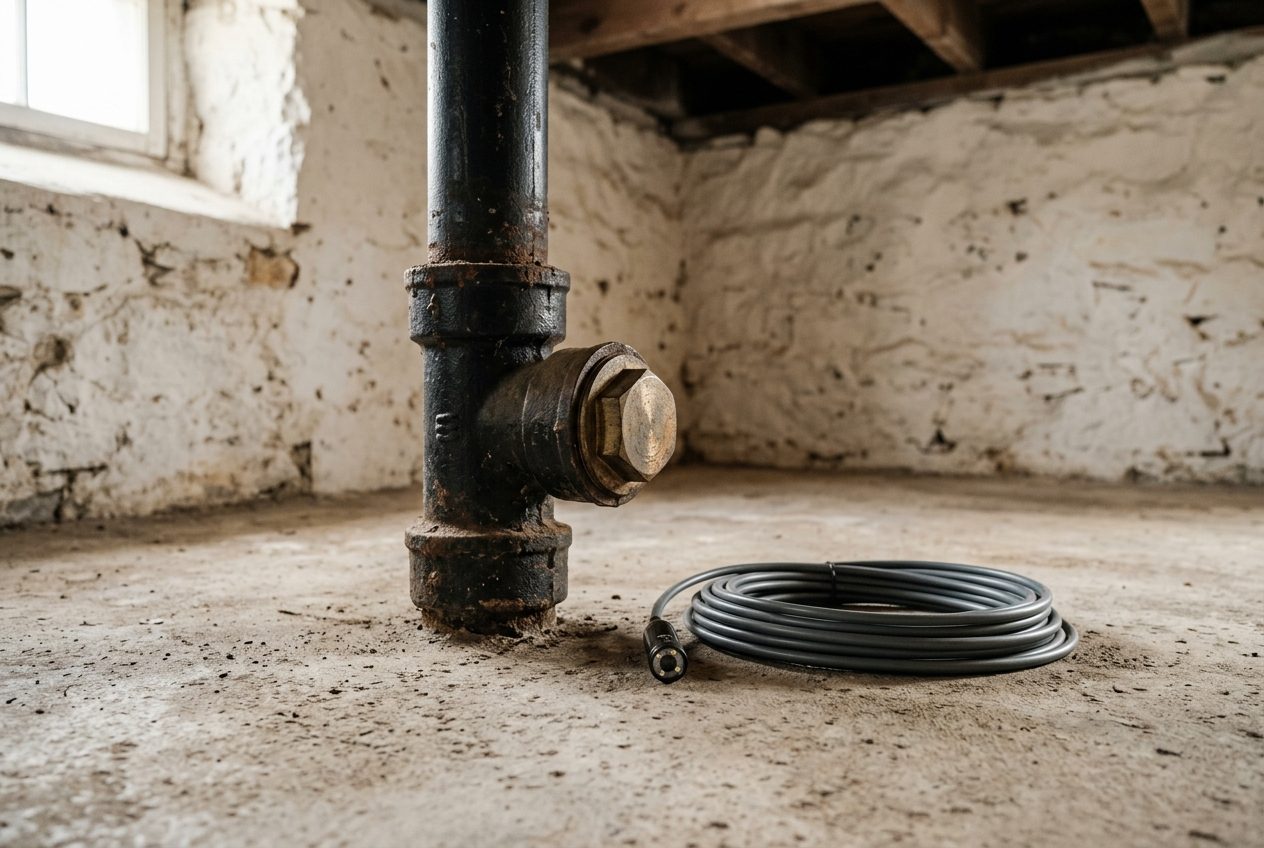
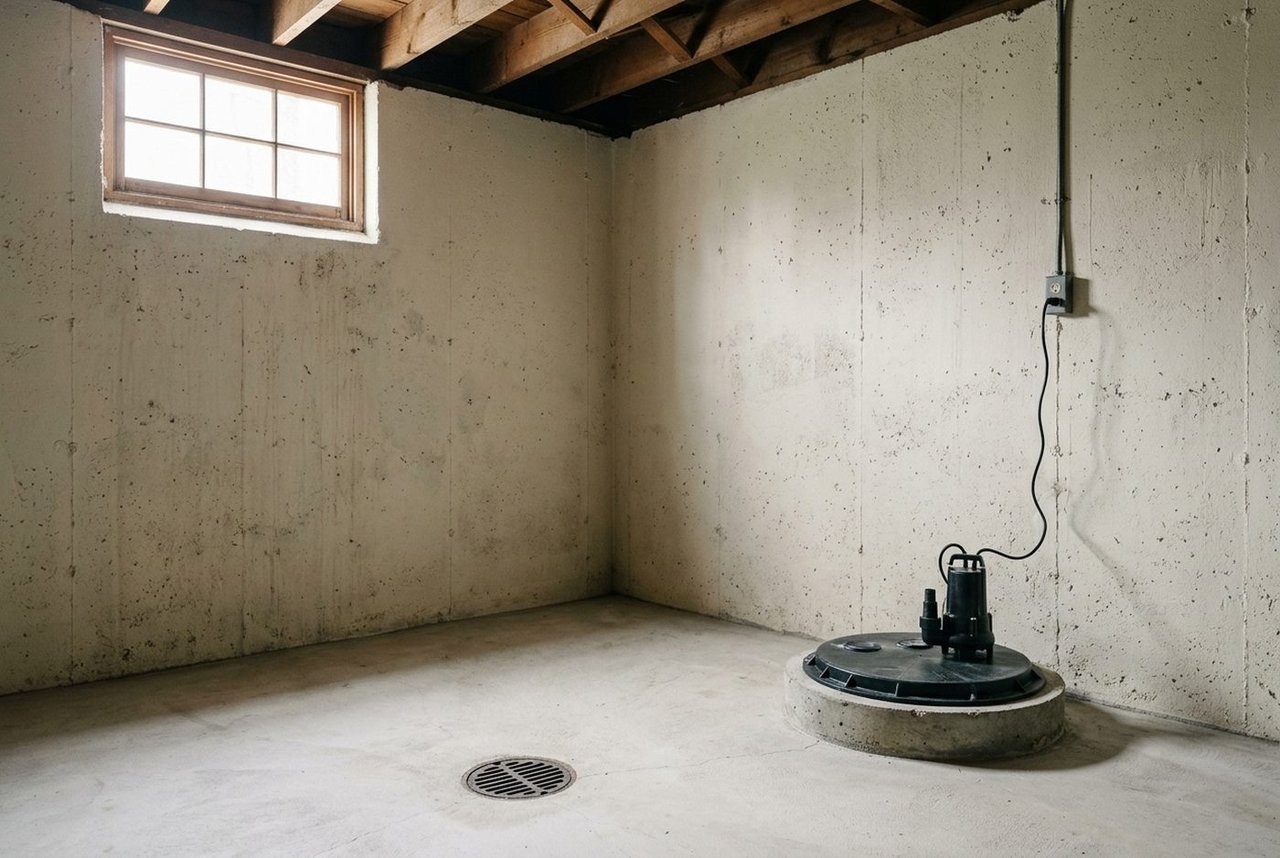
- The rim joist area in the basement. This is where the framing meets the top of the foundation wall. It is usually unfinished, often uninsulated, and often full of gaps. It is also easy to see from a basement stair with a flashlight.
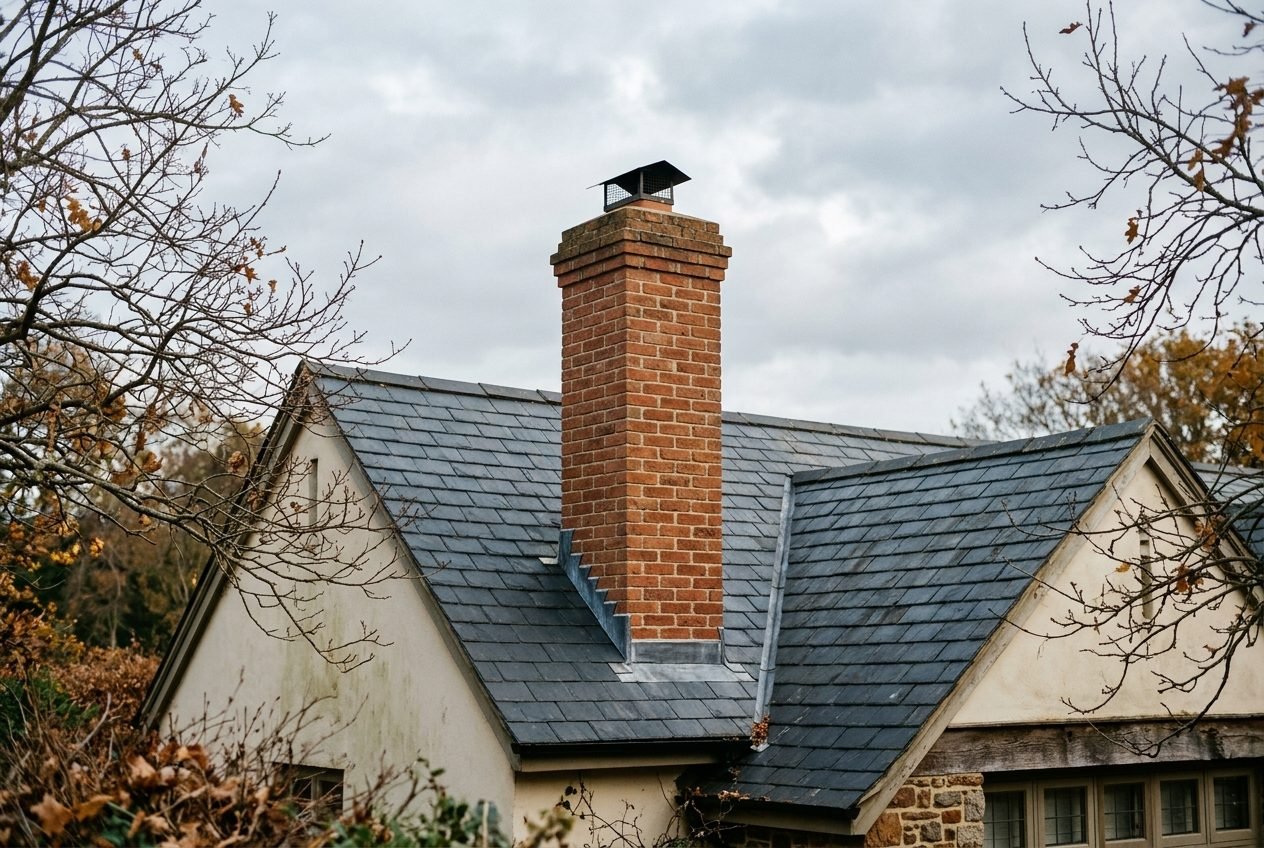
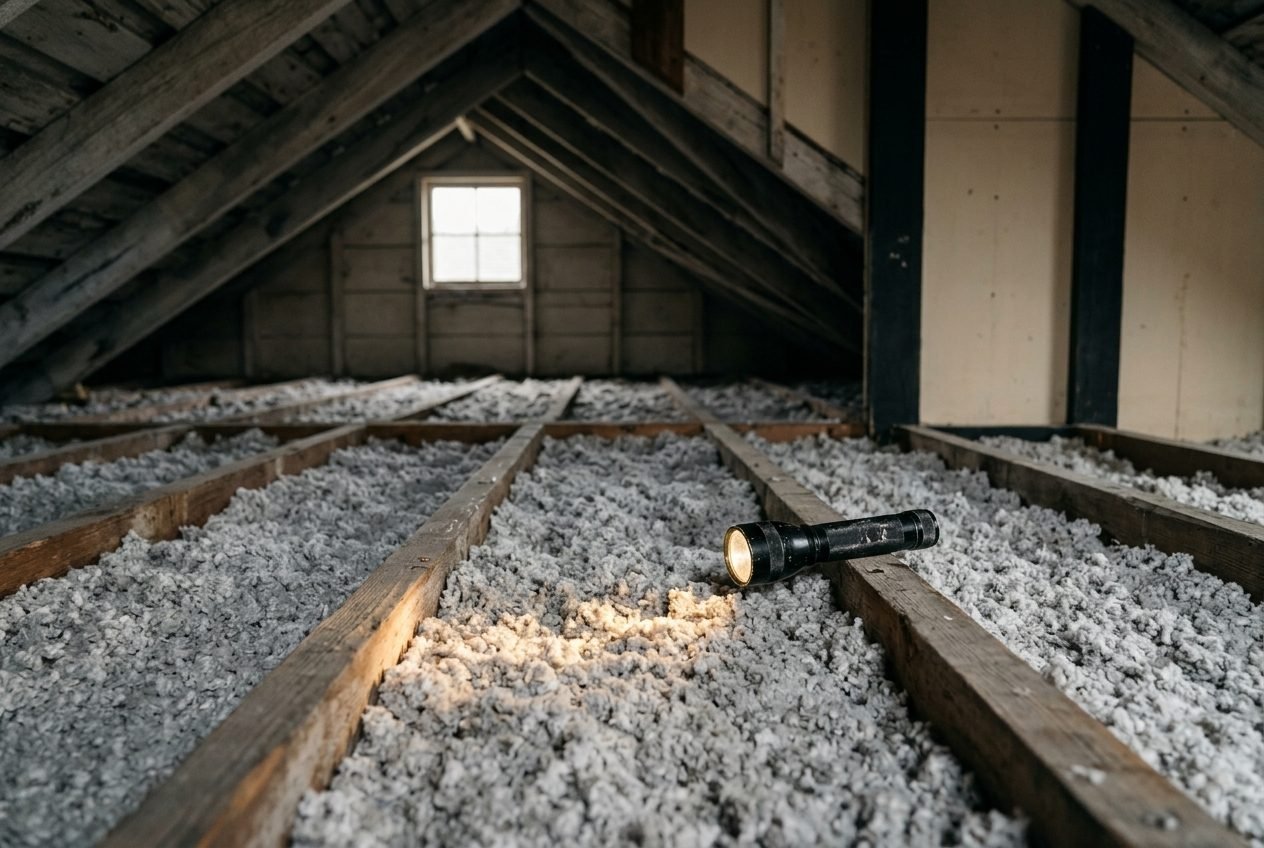
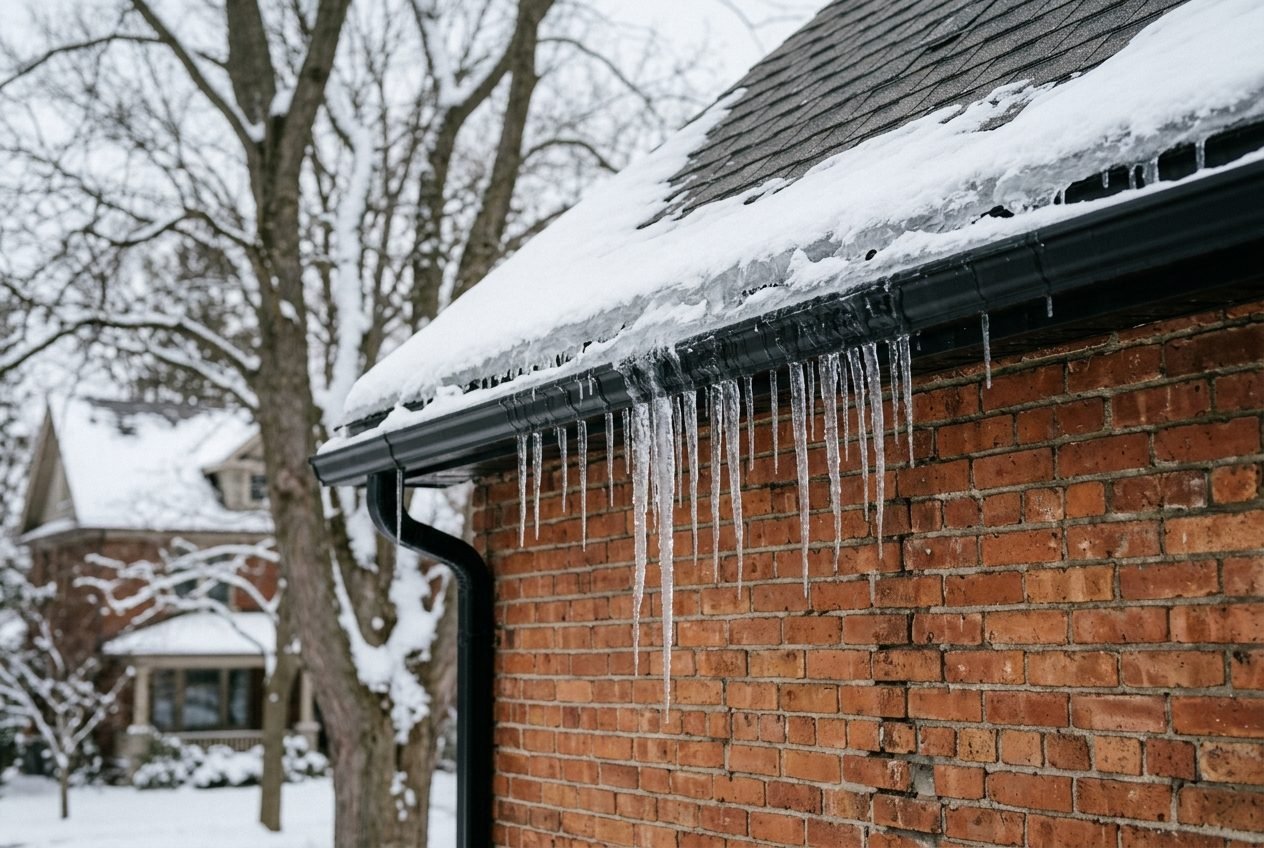
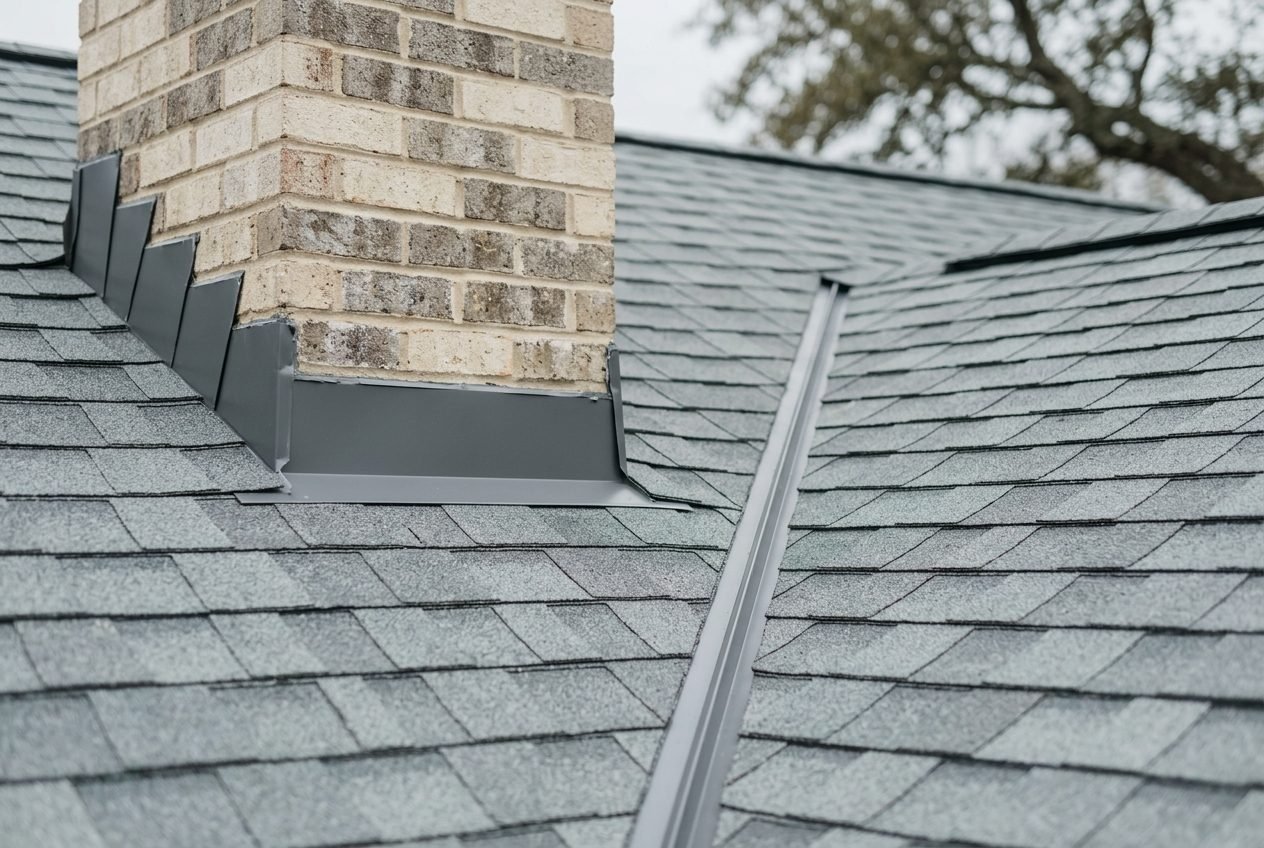
- The attic floor. Gaps around plumbing stacks, wire holes, chimney chases and recessed lights let warm air rise. My posts on ice dams and attic insulation cover that space.
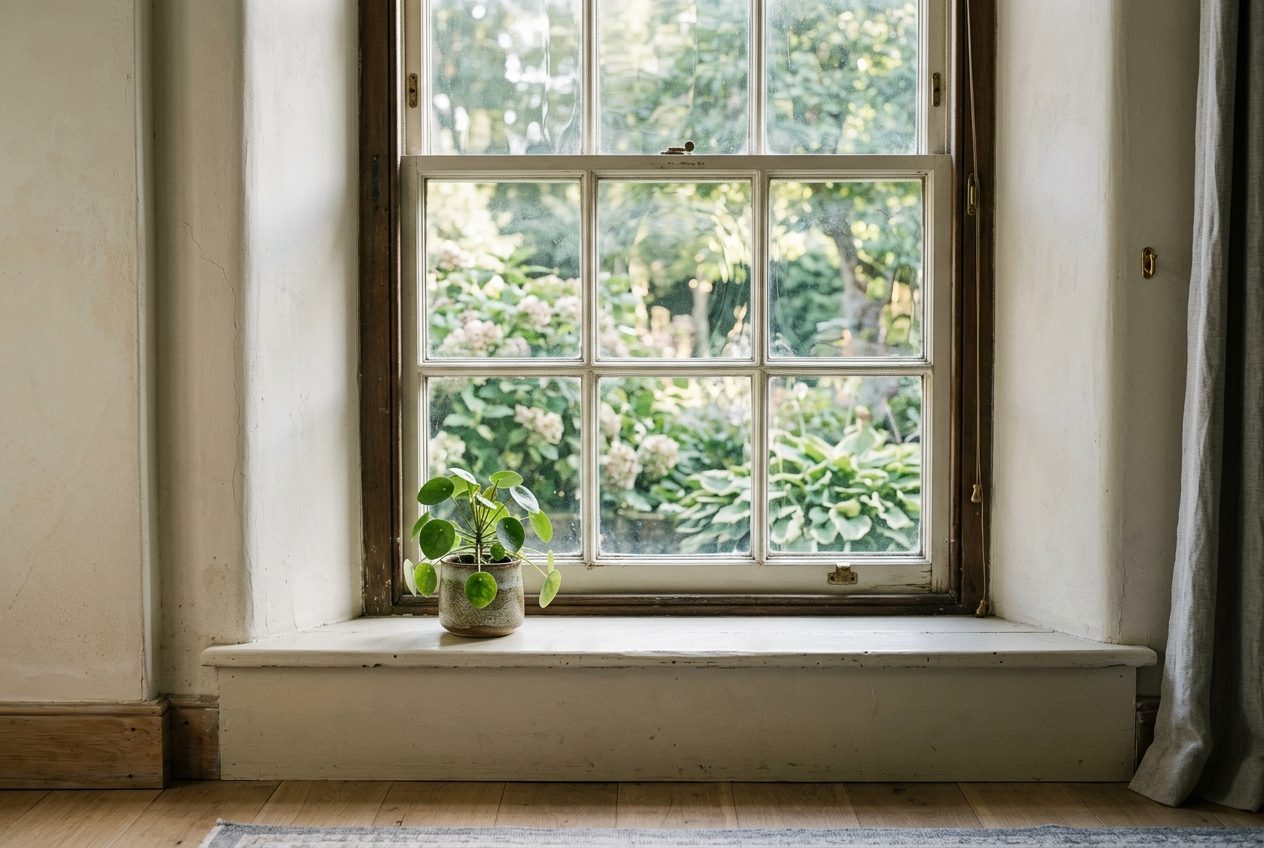
- Windows and doors. Look for cracked or missing caulk, worn weatherstripping and gaps at the sill. If you are weighing replacement, my post on replacing windows before you sell or buy explains what to fix first.
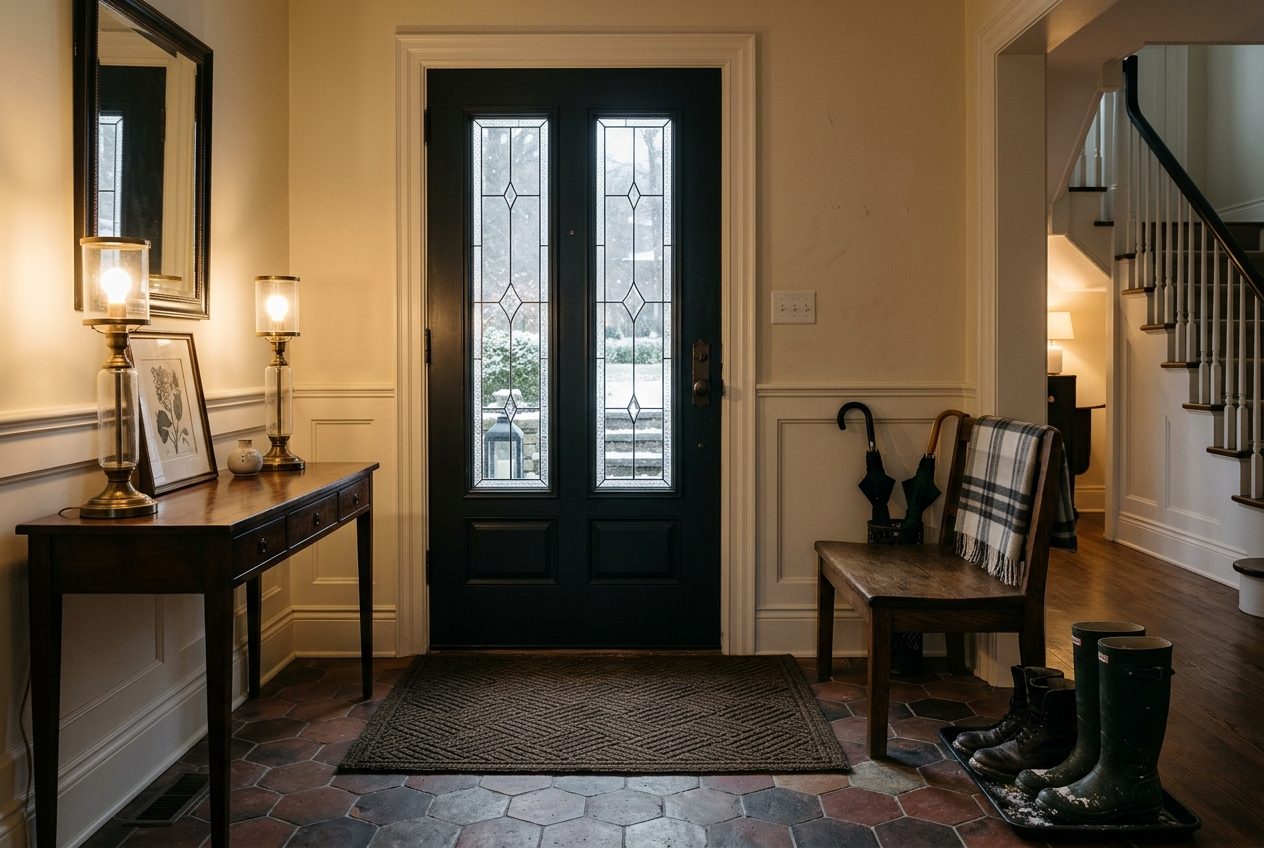
- Outlets and switches on exterior walls. Hold your hand near the cover plate on a windy day.
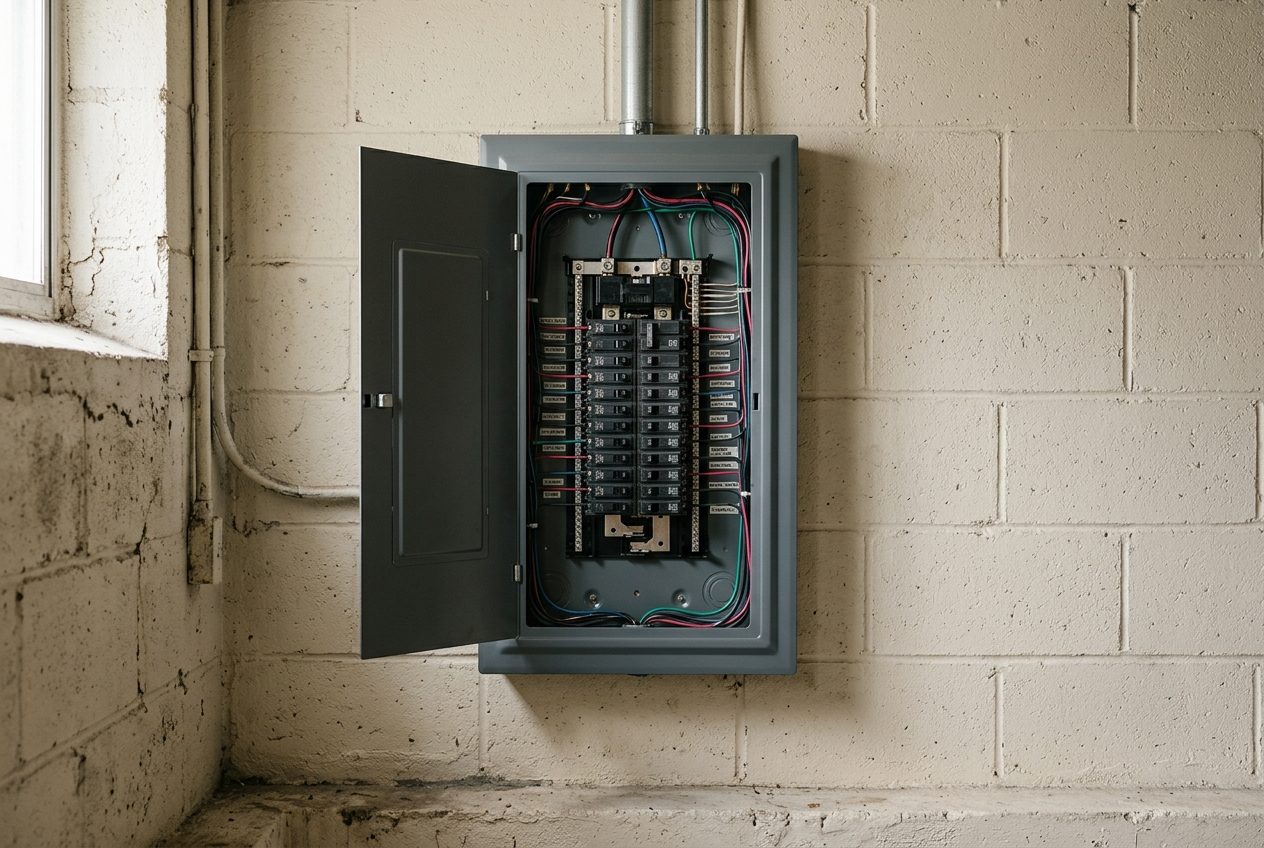
- Where utilities come through the wall. Gas, water, electric, cable and dryer vents all pass through the envelope, and the gaps are rarely sealed well.
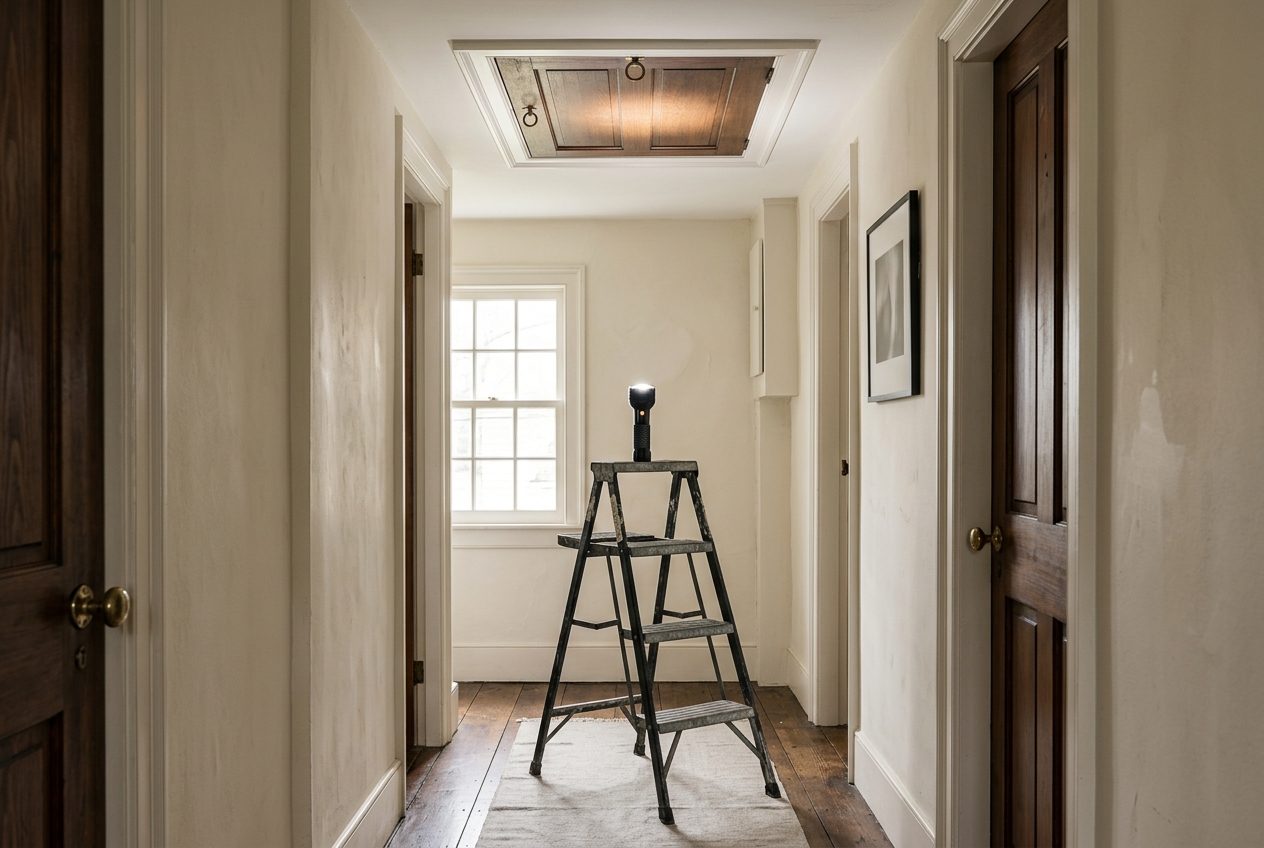
- The attic hatch or pull-down stairs, and any knee walls in a finished attic.
- Fireplaces with a damper that does not close well.
Is it worth doing before you list?
It depends on the house. Here is how I think it through with a seller.
- Cheap and visible first. Fresh caulk at windows and doors, new weatherstripping and a tight attic hatch cost little and make a house feel cared for.
- Then the invisible things a buyer's inspector or energy auditor may find. A well-sealed rim joist or attic floor can take an item off a buyer's list.
- Keep the receipts and photos. A buyer who can read about the work is more likely to trust it.
- Do not spend big on a project that will not show. If the roof or the foundation needs attention, that comes first. My post on what a pre-listing inspection catches can help you sort priorities.
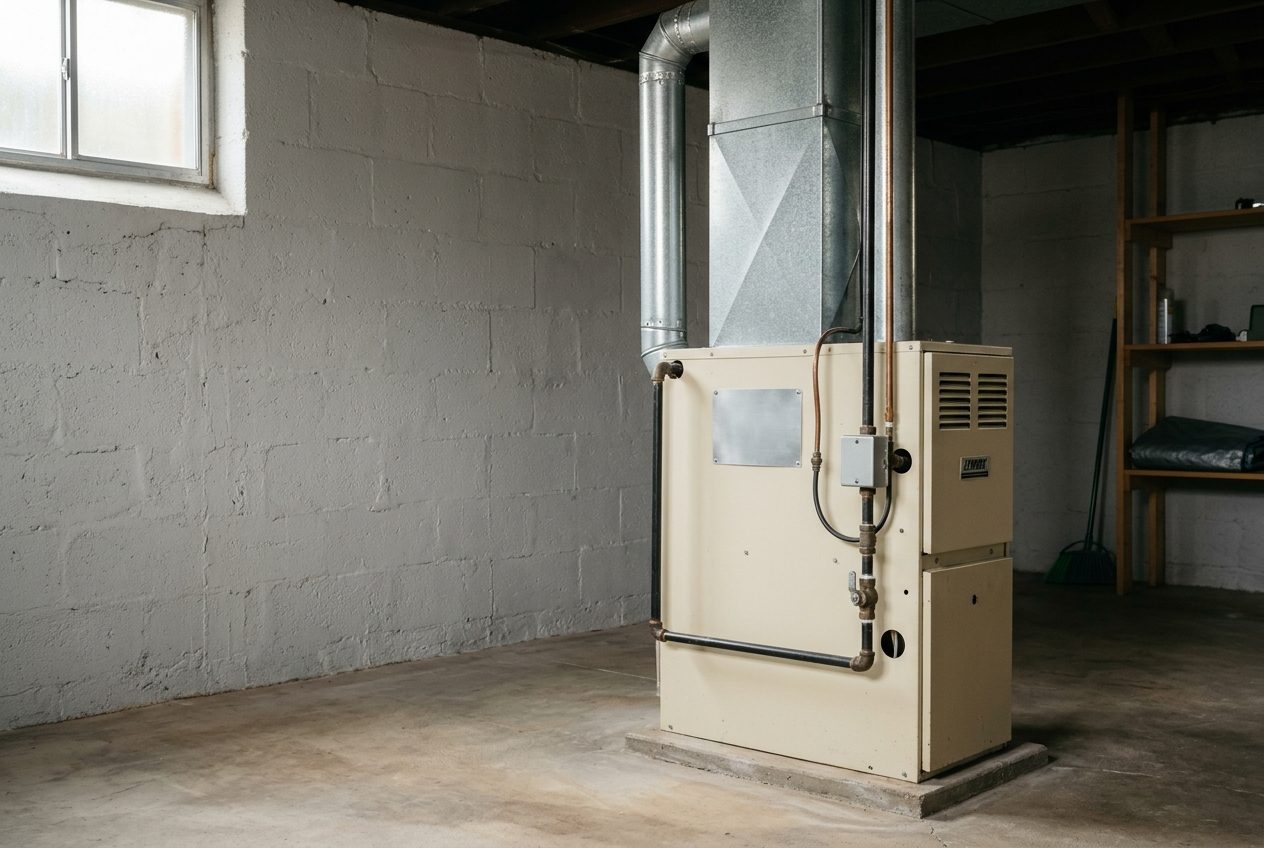
- Remember ventilation. A house that is sealed tighter still needs its bath fans, range hood and combustion appliances to work correctly. If you have a gas furnace or boiler, a water heater or a fireplace, ask a qualified professional to check that they vent safely after any big sealing job.
That last point is not a footnote. A tighter house changes how air moves, and combustion appliances need the right air supply and exhaust. A licensed heating professional can check it.
What can a buyer do about a leaky house?
- Ask for a year of heating and cooling bills.
- Ask the inspector to note signs of air leaks, missing insulation and moisture.
- Consider hiring a qualified energy professional to do an energy assessment during your inspection period if the house is older and the bills look high.
- Ask the seller what has been done, and ask for the paperwork.
- Price the work. Caulk and weatherstripping are small jobs. Rim joist sealing, attic sealing and insulation are larger ones. Get written quotes.
- If you are planning to re-side the house, think about the air sealing and insulation at the same time. The Department of Energy points to re-siding as a natural moment for it.
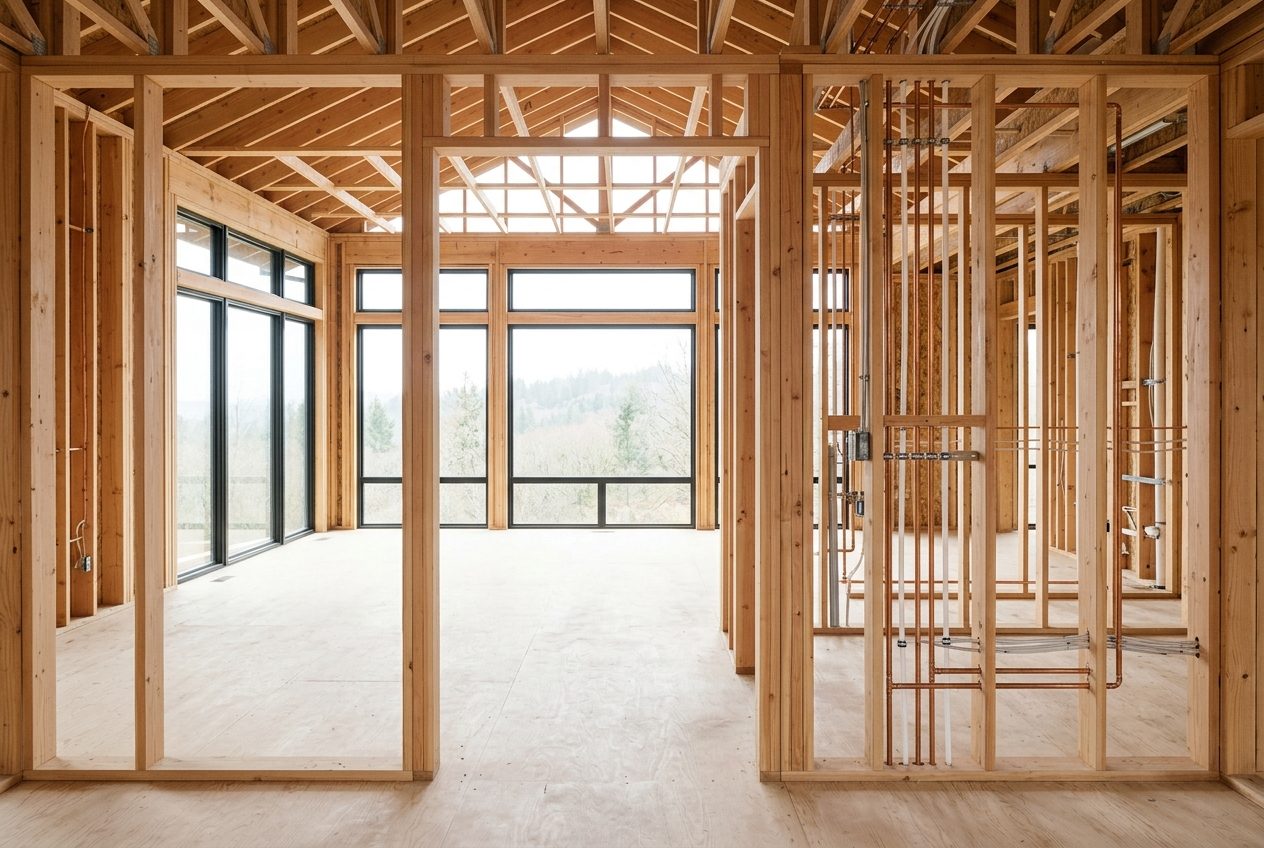
If you are looking at a new build, do not skip the question. Ask what air sealing steps were taken and whether they were checked. The best time to see them is before the walls are closed. See my post on the pre-drywall inspection.
What are the common air sealing mistakes?
- Sealing the house tight without checking furnace, water heater and fireplace venting
- Using the wrong product in the wrong place, such as ordinary caulk around a flue or chimney
- Spending on new windows when the attic and rim joist are the bigger leaks
- Adding insulation over open gaps
- Closing up an old house with no plan for moisture and ventilation
- Skipping the receipts
Ask the contractor what product they plan to use at each location and whether it is approved for that use. A good one will answer in plain language.
How do you compare a quote for air sealing?
Look for line items, not a single price. A real scope names where the work happens: attic floor, rim joists, penetrations, hatch, doors and windows. It names the materials. It says whether the contractor will check combustion appliances afterward. If you have an energy assessment, ask the contractor to work from it and to explain which items give the most benefit.
Be careful of anyone who promises a specific savings number without seeing the house. The Department of Energy's figures come with context. A contractor's promise should too.
What does a builder notice that a buyer usually misses?
Buyers tour a house in good light with the heat on, and they look at finishes. I look at what the house is doing when nobody is paying attention to it.
- Whether the basement ceiling is cold to the touch or has visible gaps at the top of the foundation wall.
- Whether the furnace runs often and long on a cold day.
- Whether there are drafts at the base of the walls, around the fireplace or at the back door.
- Whether the previous owner left receipts for caulking, weatherstripping, insulation or window work.
- Whether the house smells musty, which can point to moisture moving through the same gaps.
None of these is a verdict. Together they tell you whether the house is likely to be comfortable and what it might ask of you in the first winter.
FAQ
Where do older houses leak the most air?
Common places include the rim joists in the basement, the attic floor, gaps around pipes and wires, windows and doors, outlets on exterior walls and the attic hatch. The Department of Energy notes that walls and rim joists make up more than 40 percent of a house's envelope area.
Is air sealing worth it before selling a house?
Often the small jobs are. Caulk, weatherstripping and a sealed attic hatch cost little and show well. Larger sealing and insulation work depends on the house and should be weighed against bigger repairs such as the roof or foundation.
What is the difference between caulk and weatherstripping?
According to the Department of Energy, caulk is used for stationary gaps such as around door and window frames, and weatherstripping is used for moving parts such as doors and operable windows.
Can you make a house too tight?
A tighter house changes how air moves, and combustion appliances and moisture still need to vent properly. Have a qualified heating or energy professional check venting after a major sealing project.
If you are comparing older Pittsburgh houses and want a builder's read on where one loses heat and what it would take to fix, book a 30-minute call. Bring the address.