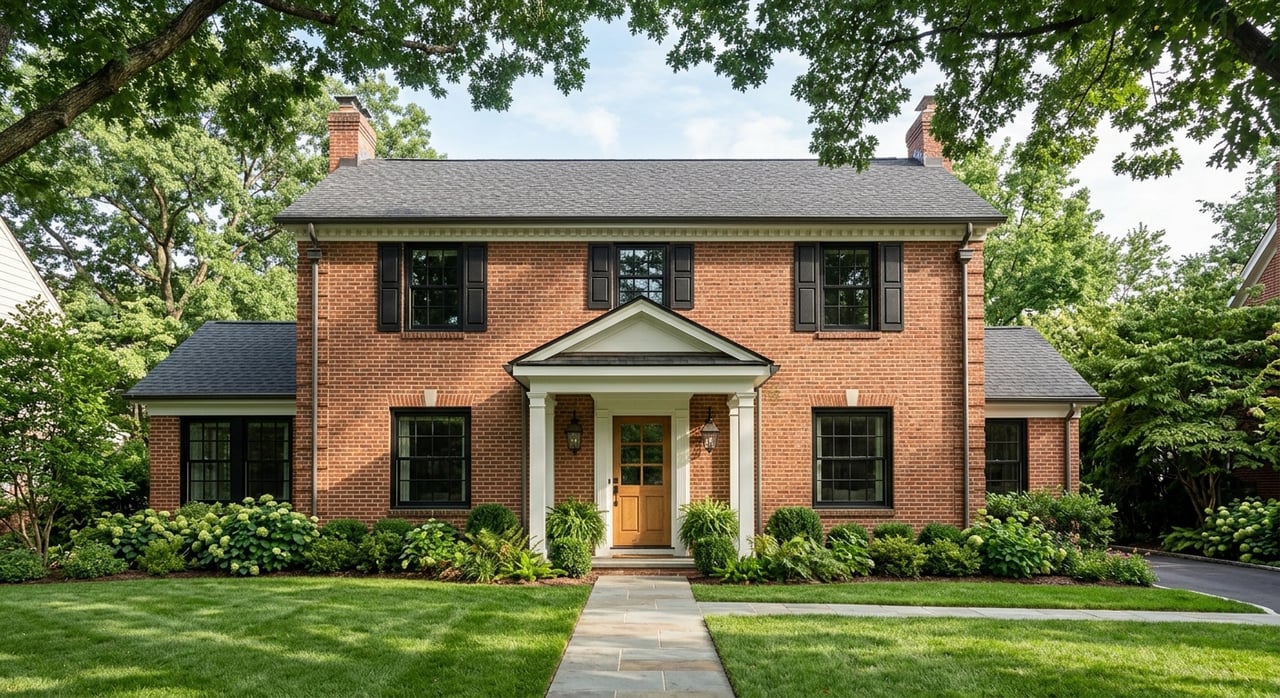
What Should You Look for When Buying a House in Pittsburgh?
The short answer: Look beyond the kitchen, paint colors and staging. Pittsburgh buyers should pay close attention to water management, foundation and basement conditions, grading, roof condition, mechanical systems, electrical and plumbing updates, previous renovations, drainage and the overall quality of workmanship.
I've walked construction sites for decades, and here's the thing I want buyers to understand:
The prettiest part of the house is rarely the first thing I'm looking at.
When I walk into a home with a client, I'm looking at the property as a whole.
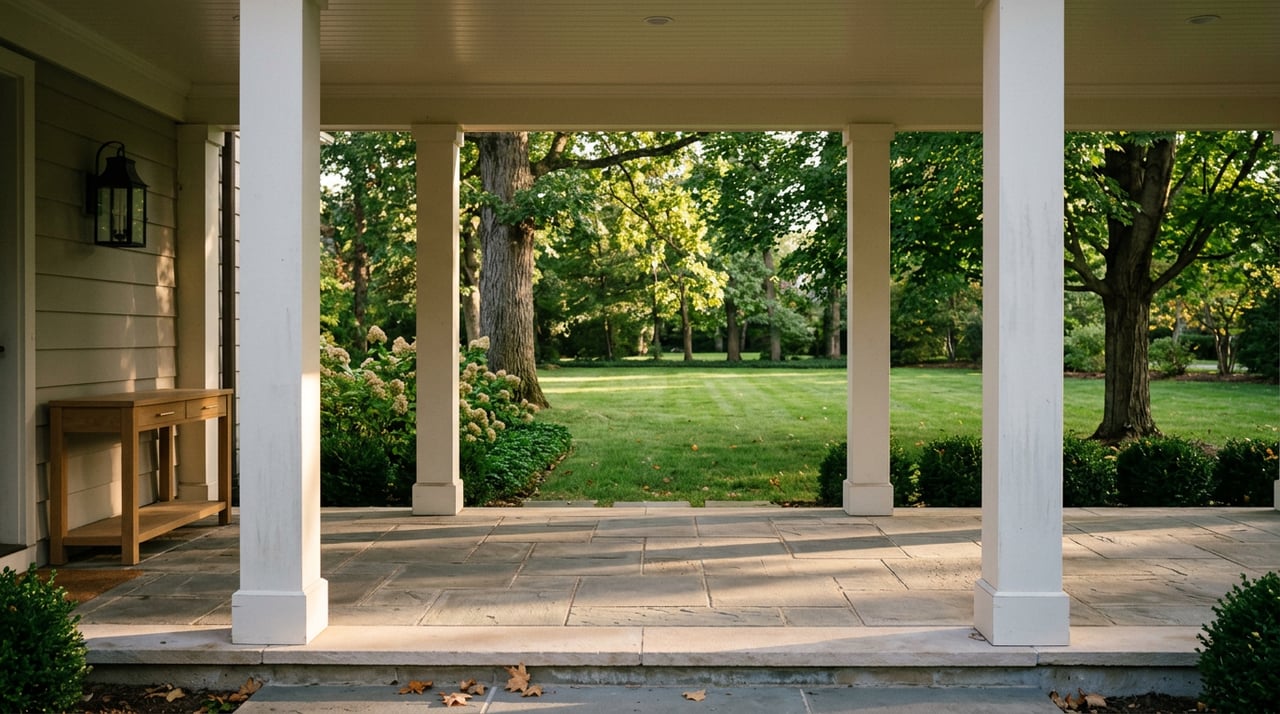
1. Start Outside the House
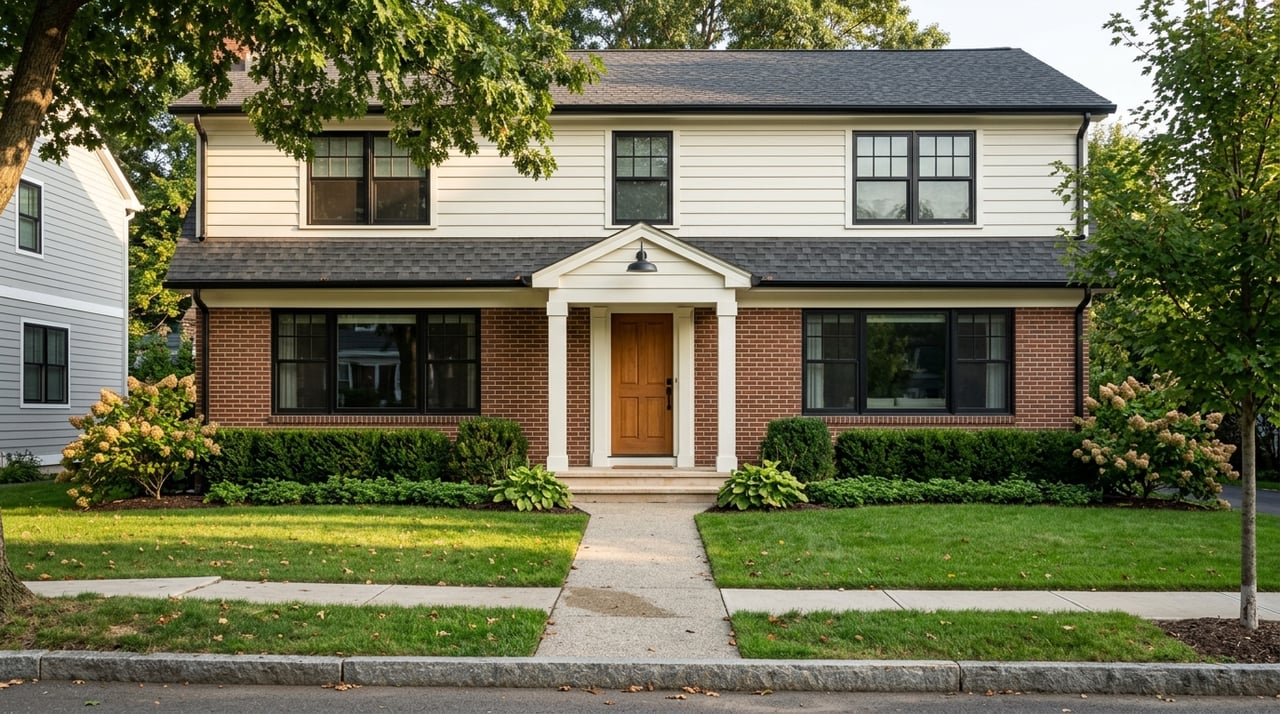
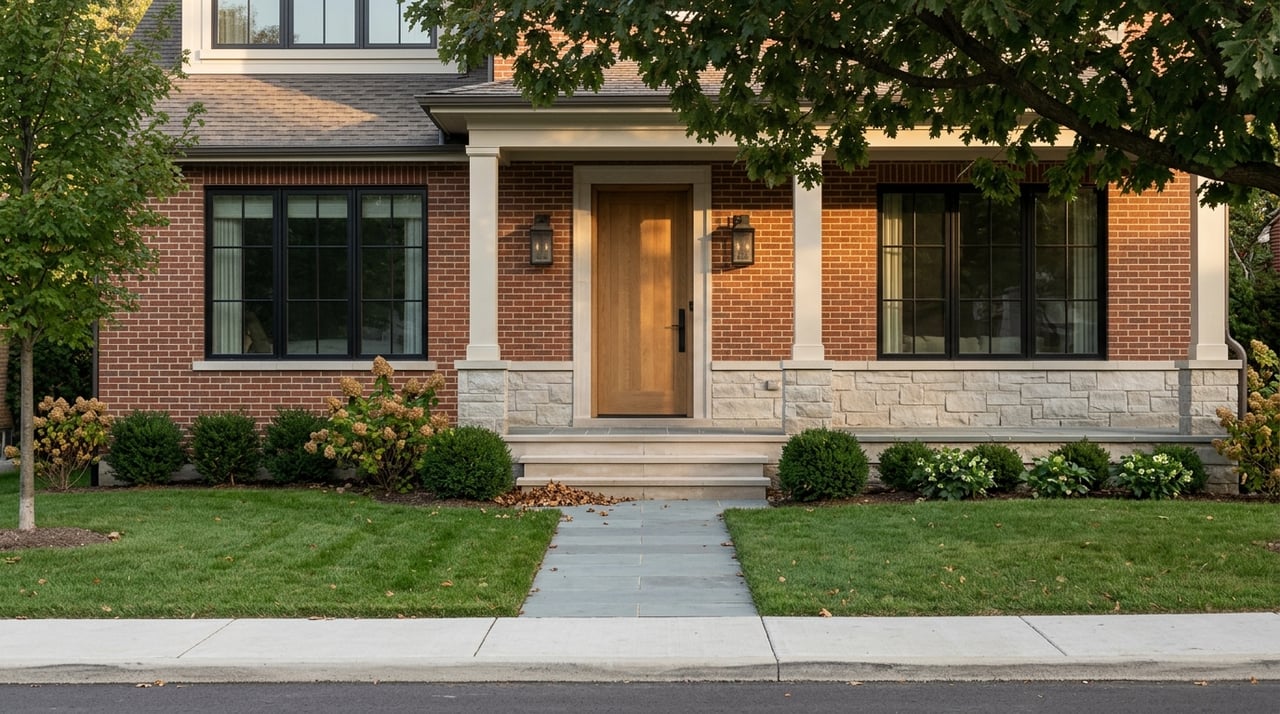
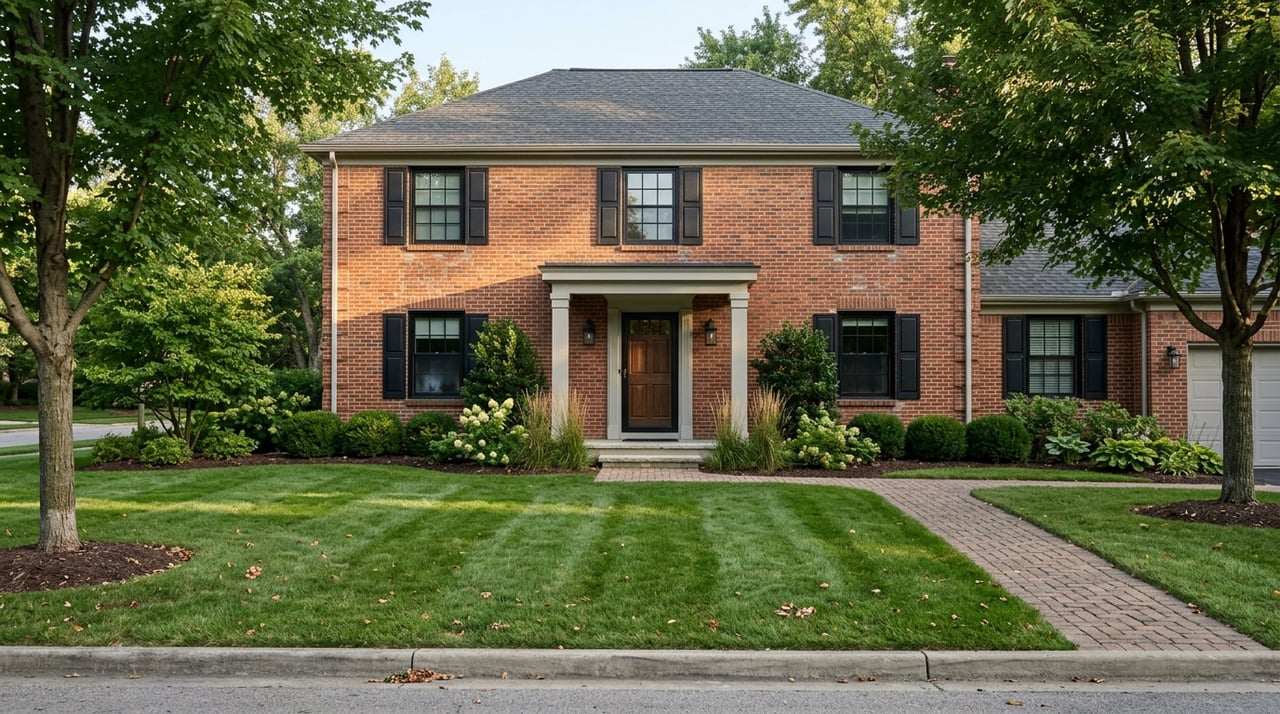
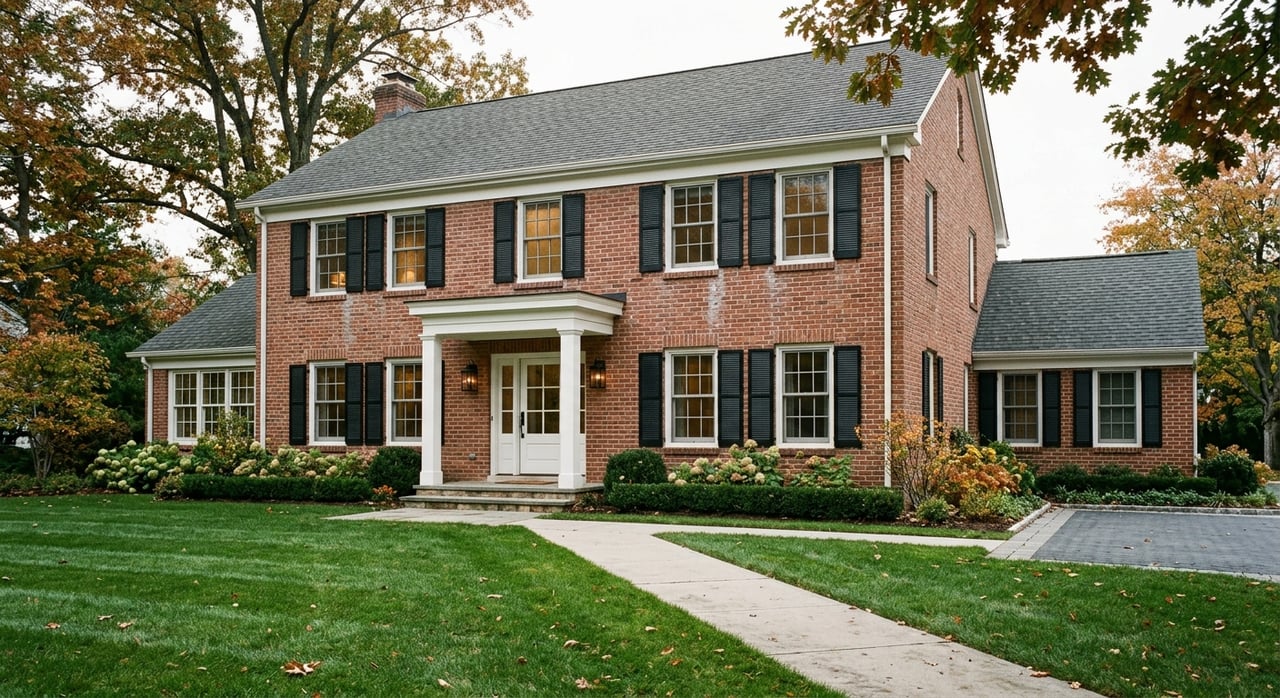
Before we even get through the front door, I'm looking around.
Where does the land slope?
Where will water go during a Pittsburgh downpour?
Are the downspouts moving water away from the foundation?
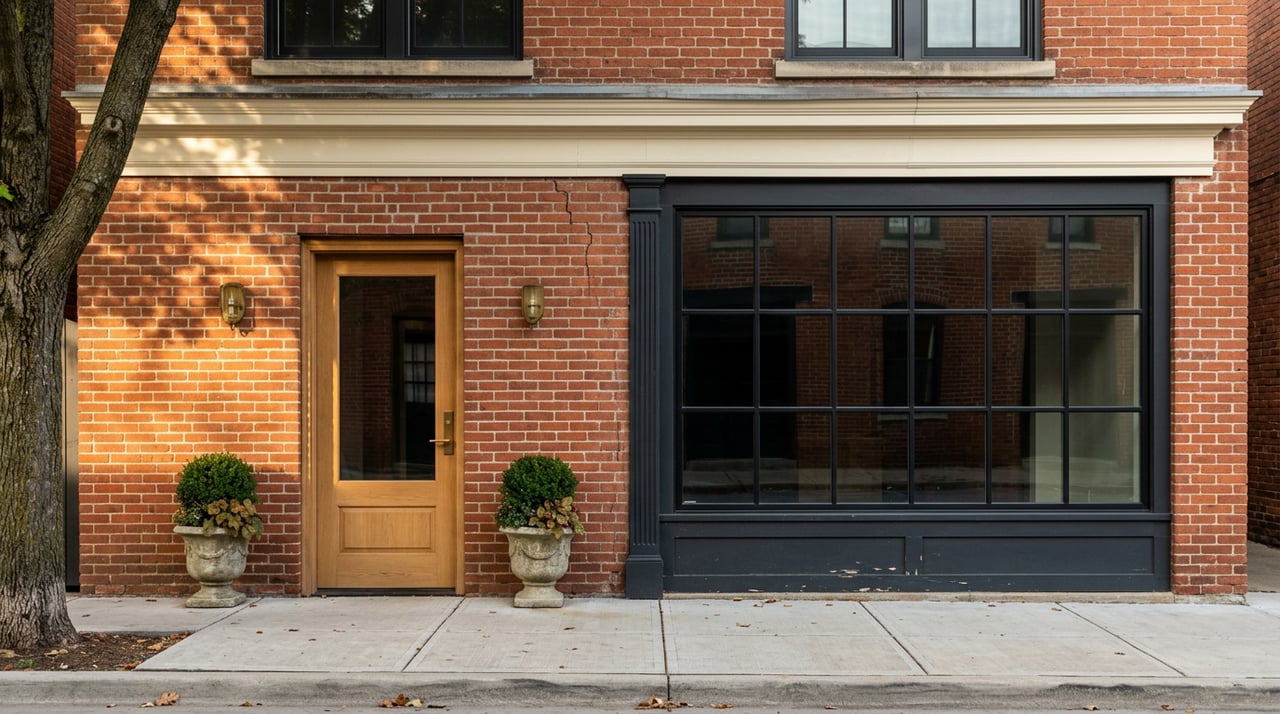
How does the roof look?
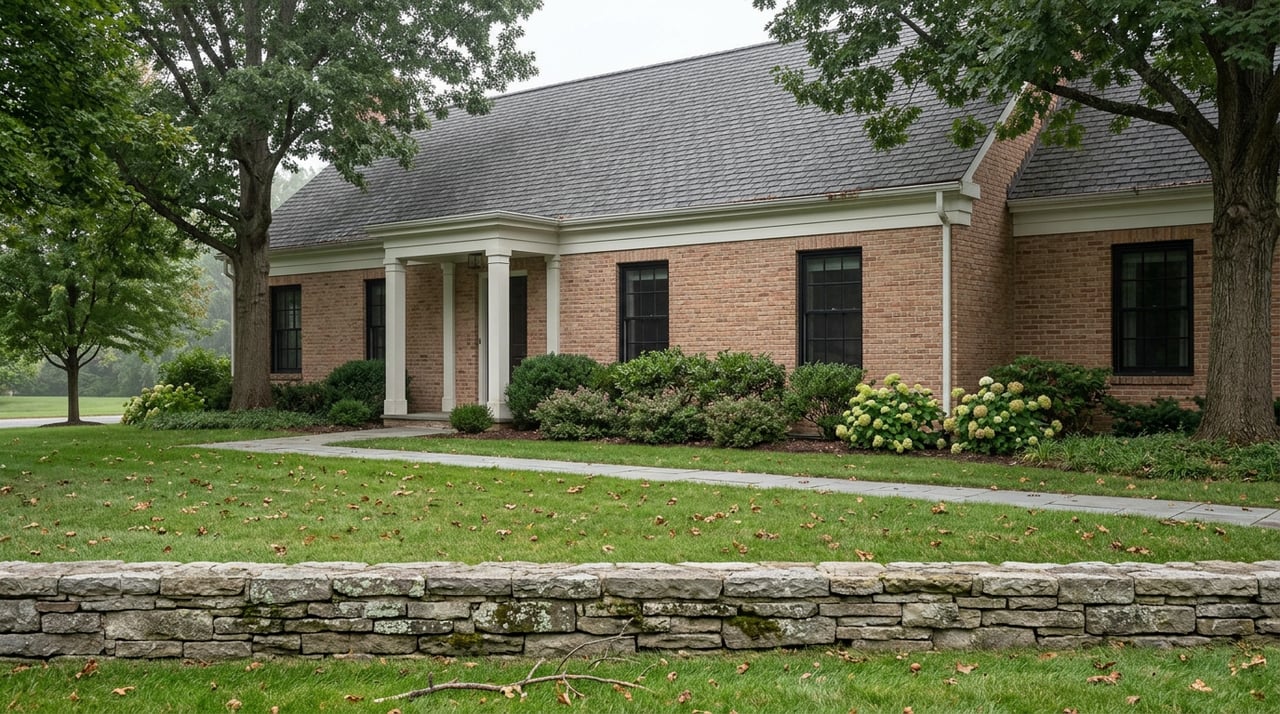
What condition are the retaining walls, driveway and exterior materials in?
Water management matters in Western Pennsylvania. A beautiful finished basement doesn't mean much if water is finding its way toward the foundation.
2. Pay Attention to the Basement
Pittsburgh has plenty of older housing stock, so basements tell stories.
I'm looking for signs of past or present moisture, changes in materials, staining, drainage systems, sump pumps, cracks and evidence that something may have been repaired or covered.
That doesn't automatically mean there's a major problem.
It means:
Ask more questions.
3. Look Beyond Renovated Finishes
This is one of my favorite Builder Eyes™ lessons.
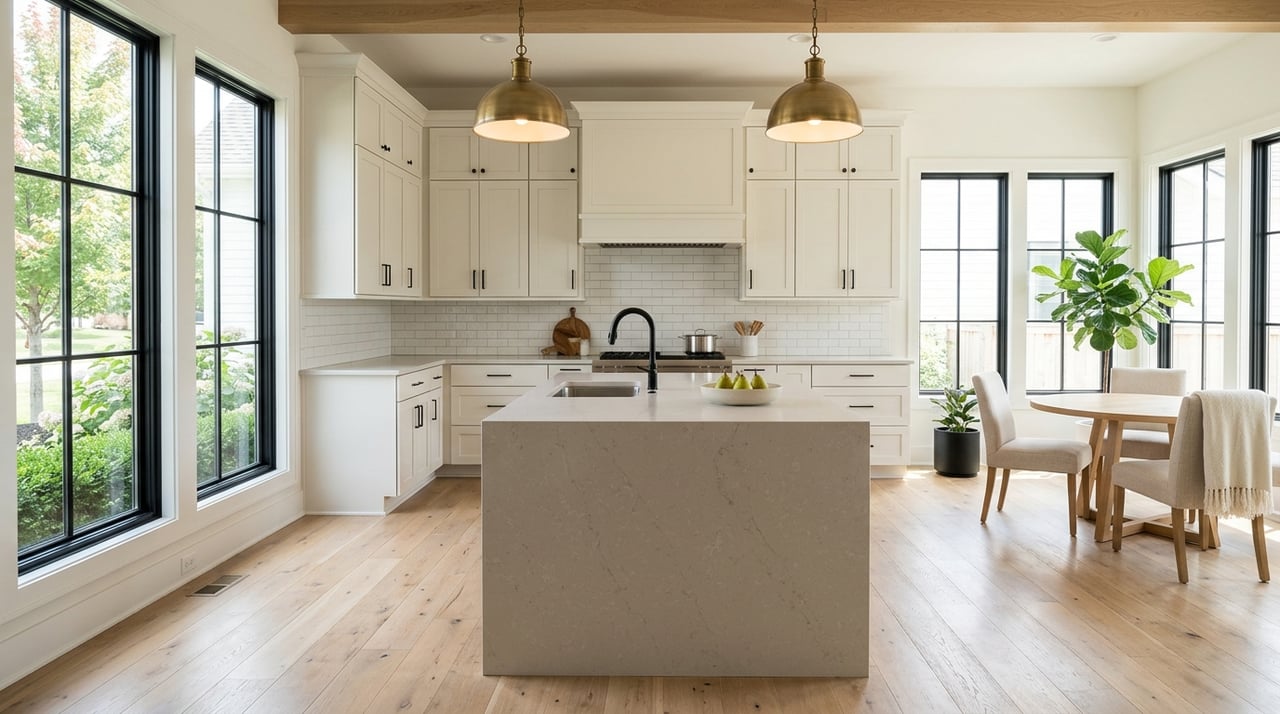
New cabinets don't necessarily mean the house was well renovated.
If walls were moved, plumbing relocated, electrical changed or structural modifications made, I want to understand what happened.
Pennsylvania's seller-disclosure requirements specifically address items including roofs, basements, structural problems, remodeling, plumbing, electrical systems, drainage and hazardous substances.
4. Understand the Major Systems
Roof.
HVAC.
Electrical.
Plumbing.
Windows.
Water heater.
These aren't nearly as exciting as a gorgeous waterfall island, but replacing several major systems shortly after closing can change the economics of a purchase quickly.
5. Don't Skip Independent Inspections
My construction experience doesn't replace a qualified home inspector—and it shouldn't.
The CFPB recommends an independent inspection so buyers can understand the physical condition of a home and identify potentially significant issues before completing the purchase.
My job is to help you ask better questions, understand what we're seeing and determine what information we need next.
And in Pennsylvania, I'd add radon to the conversation. Pennsylvania DEP says approximately 40% of tested homes in the state have been above the EPA's 4 pCi/L action guideline and recommends testing homes for radon.
My Builder's Perspective
A house doesn't have to be perfect for me to like it.
In fact, sometimes an imperfect house represents a fantastic opportunity.
I want my clients to understand:
What are we buying?
What needs attention?
What's an easy fix?
What's potentially expensive?
And does the price make sense given all of it?
That's the difference between simply falling in love with a house and making an informed real estate decision.
Know Before You Buy
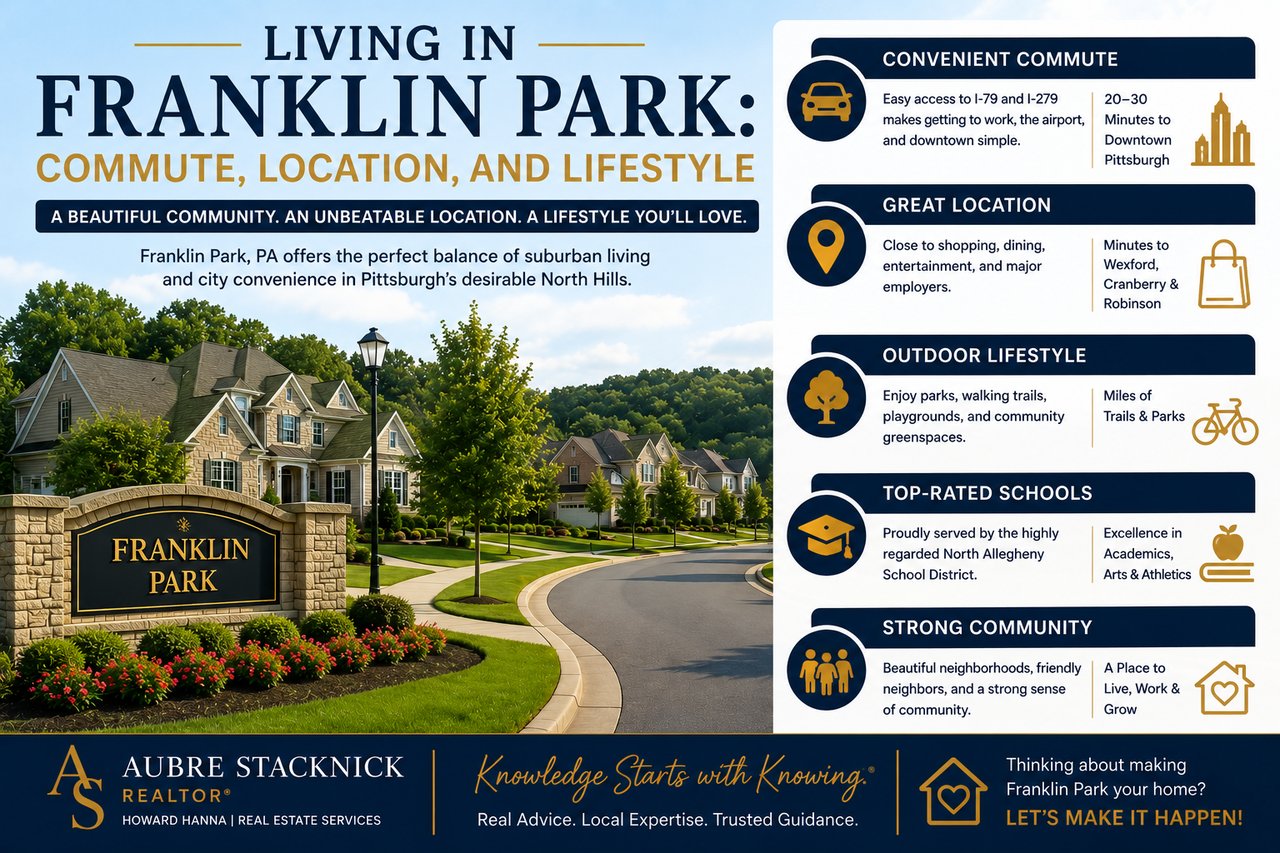
If you're considering buying in Pittsburgh, Wexford, Pine Township, Franklin Park, Cranberry, Mars or the surrounding communities, let's look at more than the finishes.
Knowledge Starts with Knowing®.