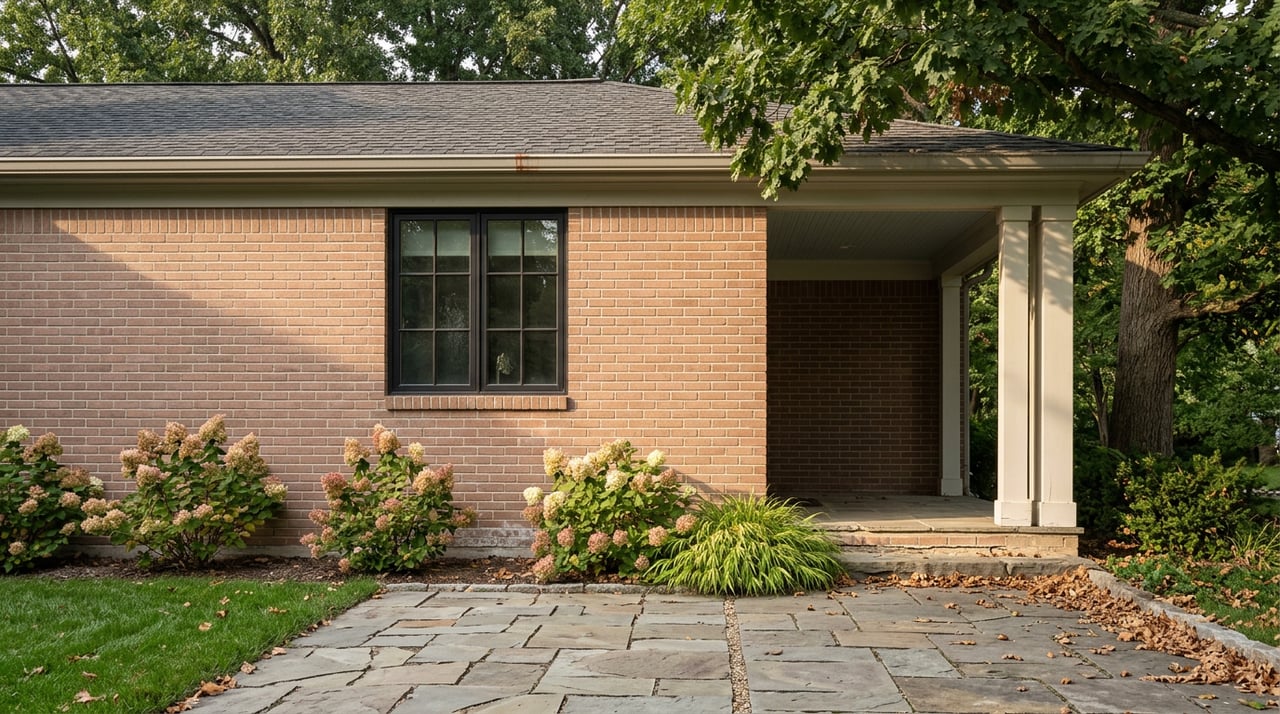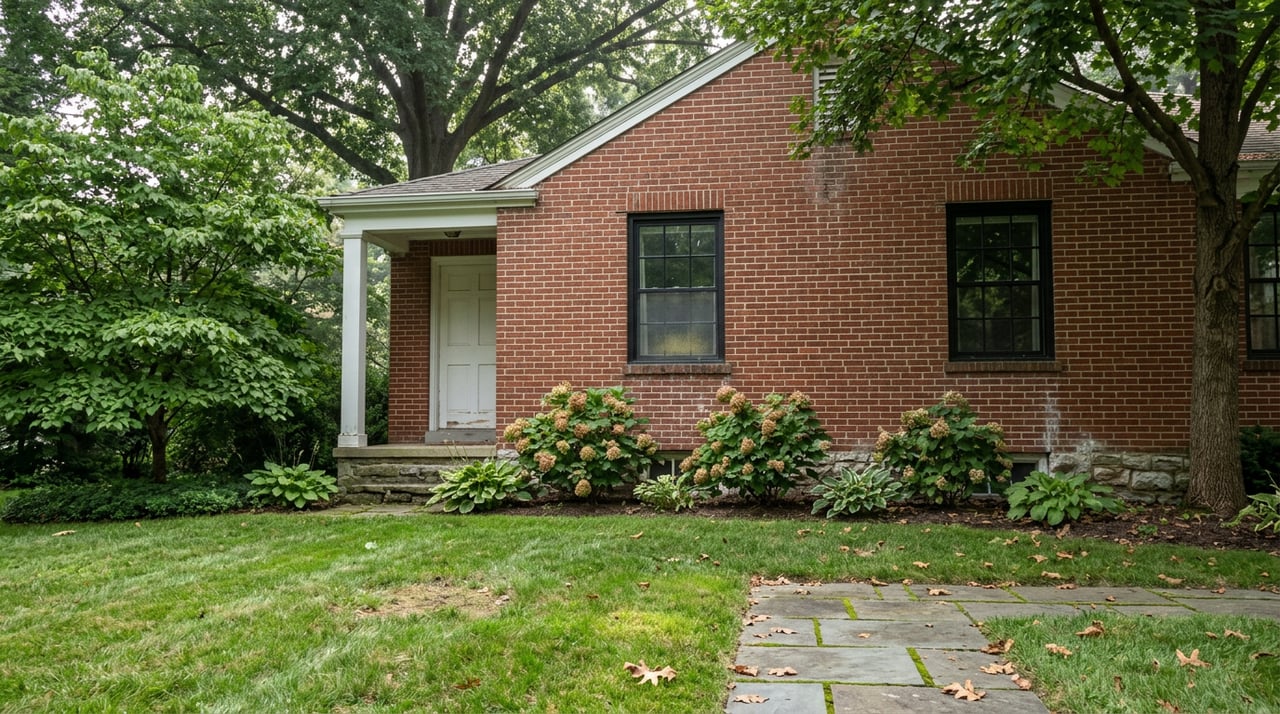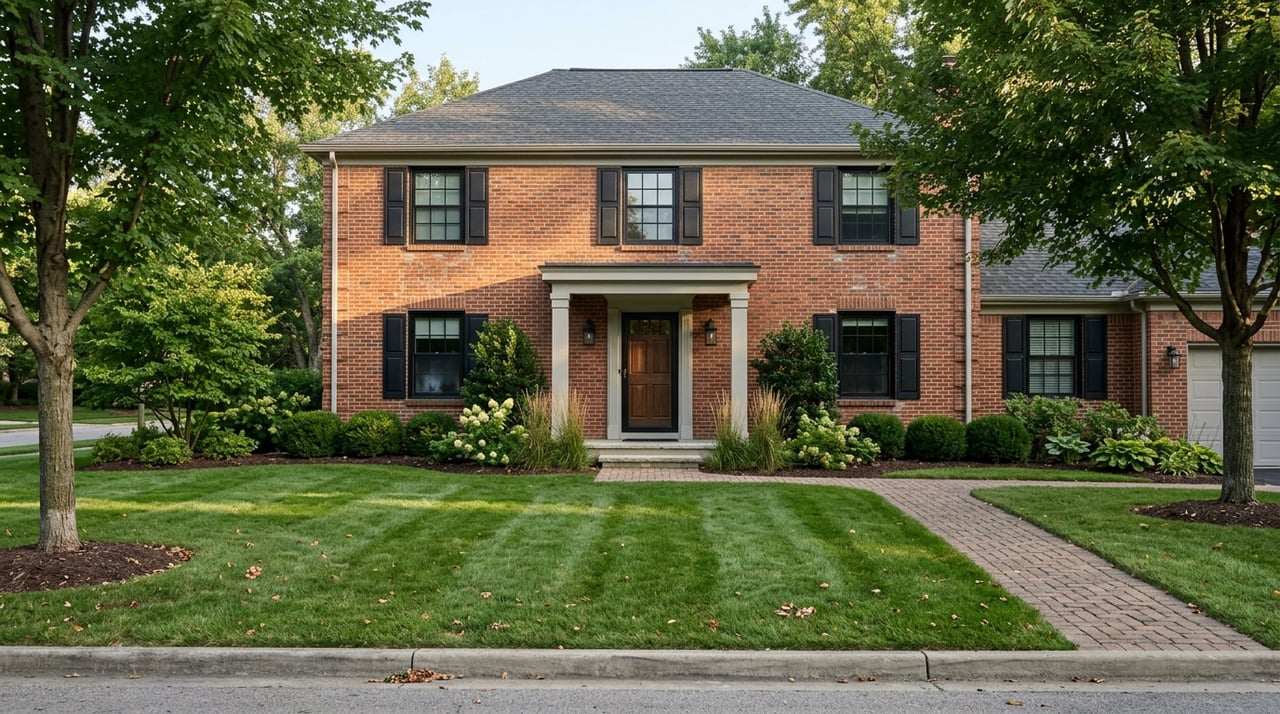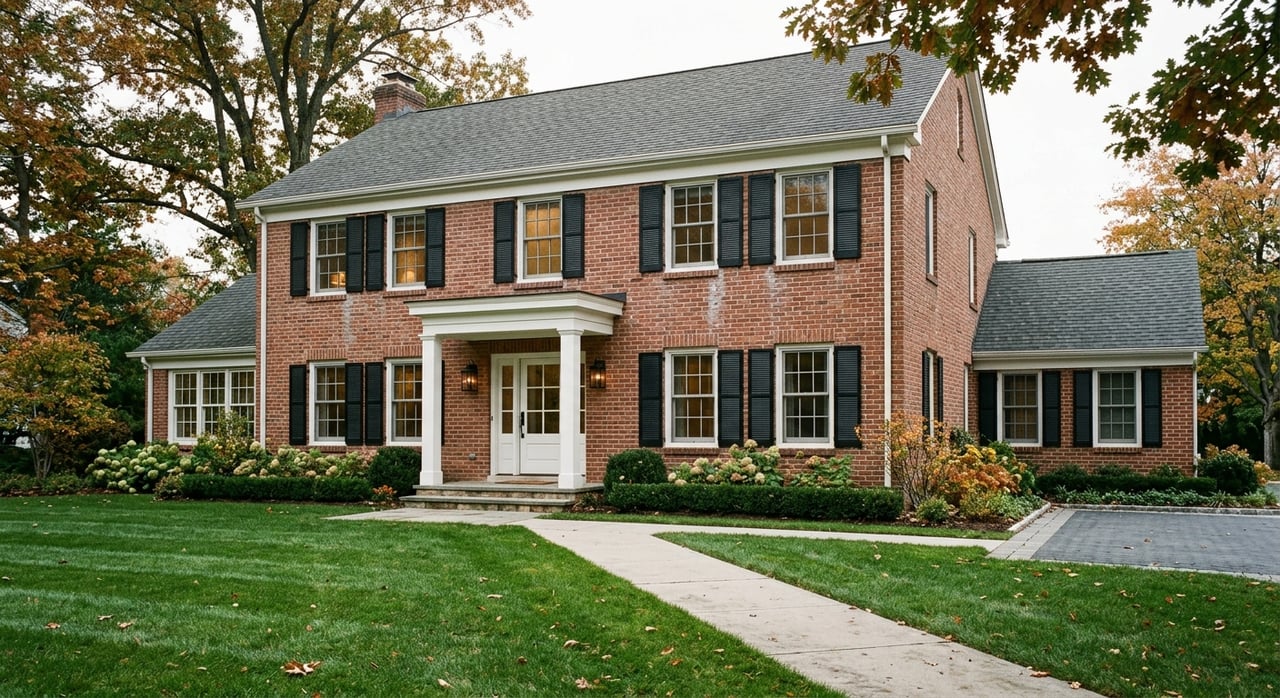
You've found the perfect home.
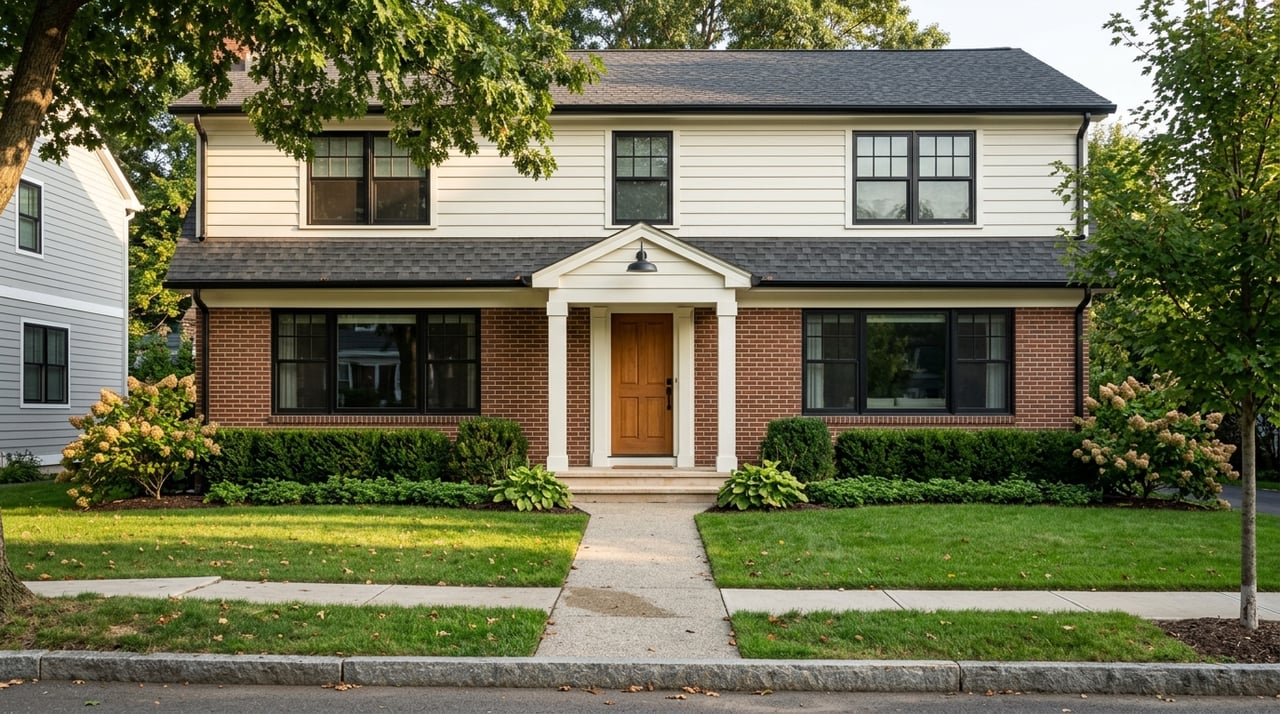
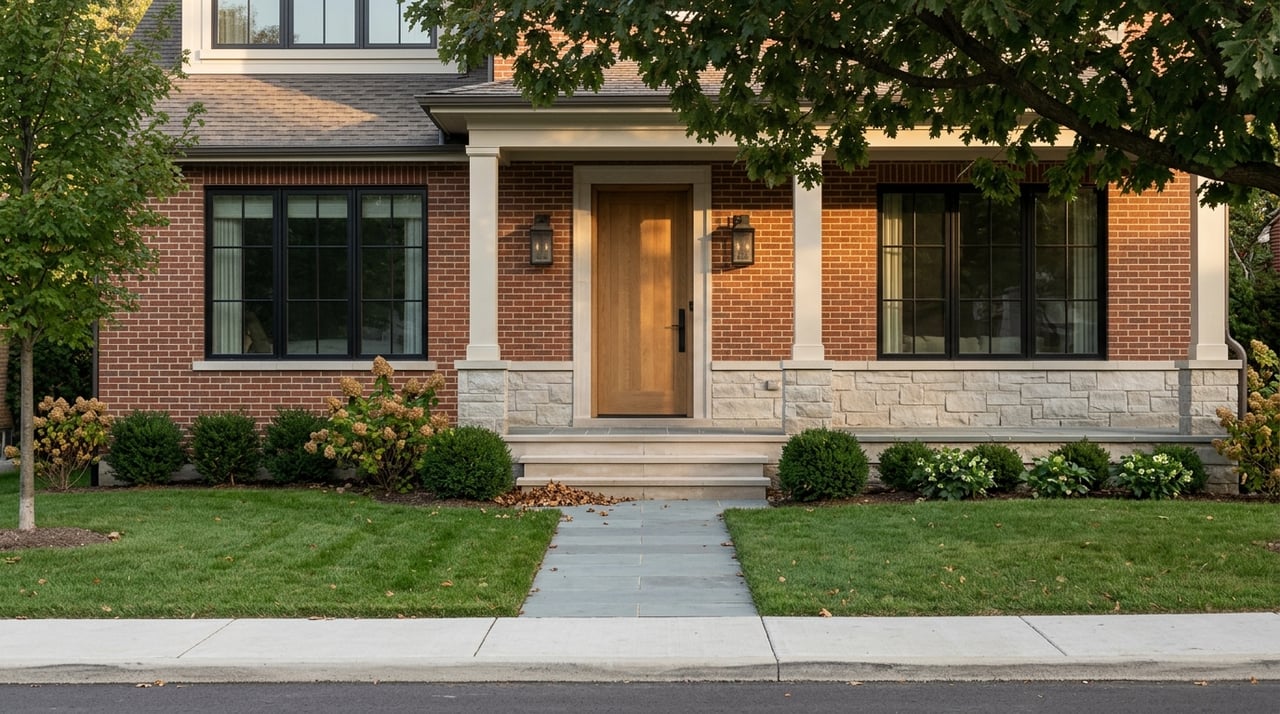
The neighborhood is beautiful.
The landscaping is immaculate.
The sidewalks are clean.
The community pool looks like a resort.
Then you notice something on the property listing:
HOA Fee: $175 per month.
One of the first questions buyers ask is:
"What exactly am I paying for?"
It's an excellent question.
Homeowners Association (HOA) fees can significantly impact your monthly housing costs, but they also provide valuable services and help protect property values.
Understanding what an HOA does—and whether it's the right fit for your lifestyle—is an important part of making an informed home-buying decision.
As I always tell my clients:
Knowledge Starts with Knowing®.
The more you understand before you buy, the more confident you'll feel after you move in.
What Is a Homeowners Association (HOA)?
A Homeowners Association is an organization that manages and maintains shared areas within a neighborhood or planned community.
The HOA is typically responsible for maintaining common property, enforcing community standards, and managing amenities that all homeowners share.
Many of Cranberry Township's newer neighborhoods, townhome communities, and planned developments have HOAs.
The goal isn't simply to collect fees.
It's to preserve the appearance, functionality, and long-term value of the community.
What Do HOA Fees Usually Cover?
Every community is different, but HOA fees often help pay for services and amenities such as:
- Lawn care in common areas
- Snow removal on private streets
- Community landscaping
- Clubhouses
- Swimming pools
- Fitness centers
- Walking trails
- Playground maintenance
- Community ponds
- Street lighting
- Private road maintenance
- Exterior maintenance (in some townhome communities)
- Roof replacement reserves (in certain communities)
- Insurance for common areas
- Professional property management
Some neighborhoods include only basic maintenance, while others offer resort-style amenities.
That's why it's important to understand exactly what is—and isn't—included.
Are HOA Fees Worth It?
The answer depends on your lifestyle and priorities.
For many buyers, HOA fees provide convenience.
Busy professionals, retirees, and frequent travelers often appreciate having landscaping, snow removal, and exterior maintenance handled for them.
Families may value:
- Community pools
- Parks
- Sidewalks
- Walking trails
- Organized neighborhood events
For others, HOA fees may feel unnecessary if they prefer complete control over their property.
There isn't a right or wrong answer.
It's about finding the community that fits your lifestyle.
Common HOA Rules Buyers Should Know
An HOA doesn't just provide services.
It also establishes community guidelines.
Depending on the neighborhood, these rules may address:
- Exterior paint colors
- Fence installation
- Landscaping requirements
- Holiday decorations
- Parking regulations
- Trash can storage
- Shed placement
- Rental restrictions
- Pet guidelines
- Home additions
- Roofing materials
Most rules are designed to maintain consistency throughout the neighborhood and help protect everyone's property values.
Before purchasing, buyers should review the HOA documents carefully to ensure they're comfortable with the community's expectations.
How HOA Fees Affect Your Monthly Budget
One of the biggest mistakes buyers make is focusing only on the mortgage payment.
Your true monthly housing cost may include:
- Principal
- Interest
- Property taxes
- Homeowners insurance
- HOA fees
- Utilities
- Maintenance
For example, two homes with the same purchase price may have very different monthly ownership costs depending on HOA dues and property taxes.
Understanding the complete financial picture helps buyers choose the home that best fits their long-term budget.
Questions Every Buyer Should Ask
Before making an offer on a property with an HOA, consider asking:
What is the monthly or annual HOA fee?
Know exactly what you'll be paying.
What services are included?
Not all HOA fees provide the same value.
Request a breakdown of what's covered.
Are there any upcoming special assessments?
Occasionally, HOAs collect additional funds for major projects such as roofing, road improvements, or clubhouse renovations.
Understanding future assessments helps you avoid unexpected expenses.
Are there rental restrictions?
If you may eventually convert the home into an investment property, it's important to understand leasing rules before purchasing.
Are pets allowed?
Some communities have restrictions regarding:
- Number of pets
- Breed restrictions
- Weight limits
How financially healthy is the HOA?
A well-managed association with adequate reserve funds is generally better prepared for future maintenance needs.
HOA Fees Can Protect Property Values
While many buyers initially focus on the monthly cost, it's important to recognize the long-term benefits.
HOAs help maintain:
- Neighborhood appearance
- Common areas
- Amenities
- Architectural consistency
This often contributes to stronger resale values because buyers appreciate well-maintained communities.
Although no investment is guaranteed, attractive neighborhoods with consistent upkeep tend to remain desirable over time.
The Real Estate Sherpa Method™
Buying a home isn't simply about choosing a floor plan.
It's about understanding the complete ownership experience.
Through my Real Estate Sherpa Method™, I help buyers evaluate every aspect of a property before making one of life's biggest financial decisions.
Educate Before Action
We discuss HOA fees, property taxes, insurance, financing, and long-term ownership costs before touring homes.
Compare Communities
Not every neighborhood offers the same value.
Together, we compare HOA services, amenities, monthly costs, and community expectations.
Understand the Fine Print
HOA documents can feel overwhelming.
I help buyers identify important questions so they know exactly what they're purchasing.
Negotiate with Confidence
Understanding total ownership costs helps buyers evaluate homes more accurately and make stronger purchasing decisions.
Guide Every Step
Whether you're purchasing your first home, downsizing, relocating, or buying new construction, my goal is to simplify the process and eliminate surprises.
Final Thoughts
HOA fees shouldn't automatically discourage you from purchasing a home.
In many cases, they provide valuable services, beautiful amenities, and long-term protection for your investment.
The key is understanding what you're paying for.
Every community is different.
Every HOA is different.
The more questions you ask before purchasing, the more confident you'll feel after moving in.
Because at the end of the day…
Knowledge Starts with Knowing®.
Frequently Asked Questions
Are HOA fees required?
Yes. If you purchase a home within an HOA-governed community, payment of HOA dues is generally mandatory.
What happens if I don't pay my HOA fees?
Failure to pay HOA assessments can result in late fees, collection efforts, and, in some circumstances, legal action as outlined in the association's governing documents.
Can HOA fees increase?
Yes. HOA boards may adjust dues over time to reflect rising maintenance costs, reserve funding needs, inflation, or capital improvement projects.
Are HOA fees tax deductible?
For most primary residences, HOA fees are generally not tax deductible. If you're purchasing an investment property, tax treatment may differ. Always consult your tax advisor for guidance based on your specific situation.
Can I change the HOA rules after I move in?
HOA rules are governed by the association's bylaws and governing documents. Changes typically require approval through the association's established voting process.
About Aubre Stacknick
Aubre Stacknick is a Global Real Estate Advisor with Piatt Sotheby's International Realty, serving Cranberry Township and communities throughout the North Pittsburgh region. Through her Real Estate Sherpa Method™, she helps buyers navigate every stage of the home-buying journey with confidence by combining education, construction expertise, strategic guidance, and concierge-level service.
She believes informed buyers make the best decisions.