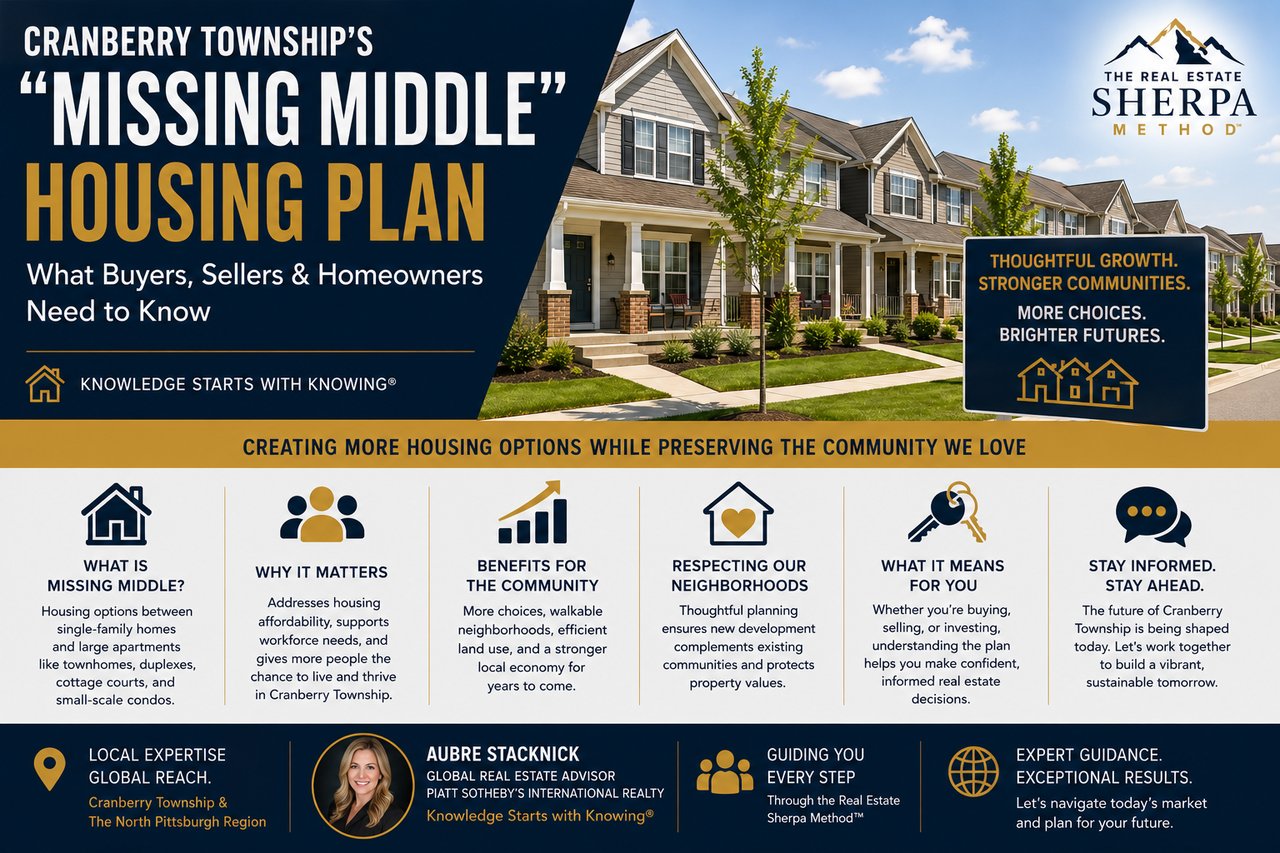
Cranberry Township's "Missing Middle" Housing Plan
What Buyers, Sellers, and Homeowners Need to Know About the Future of Housing
If you've been following local planning discussions, you've probably heard the phrase:
"Missing Middle Housing."
For many homeowners, it sounds confusing—or even concerning.
Questions like these often come up:
- Will this change my neighborhood?
- Will it affect my home's value?
- Does this mean more apartments?
- Why is Cranberry Township considering this?
The truth is, the Missing Middle Housing initiative is not about replacing neighborhoods.
It's about creating more housing choices that meet the changing needs of today's residents while preserving the qualities that have made Cranberry Township one of the most desirable communities in Western Pennsylvania.
As I often tell my clients:
Knowledge Starts with Knowing®.
Understanding community planning helps you make informed real estate decisions—not emotional ones.
What Is "Missing Middle" Housing?
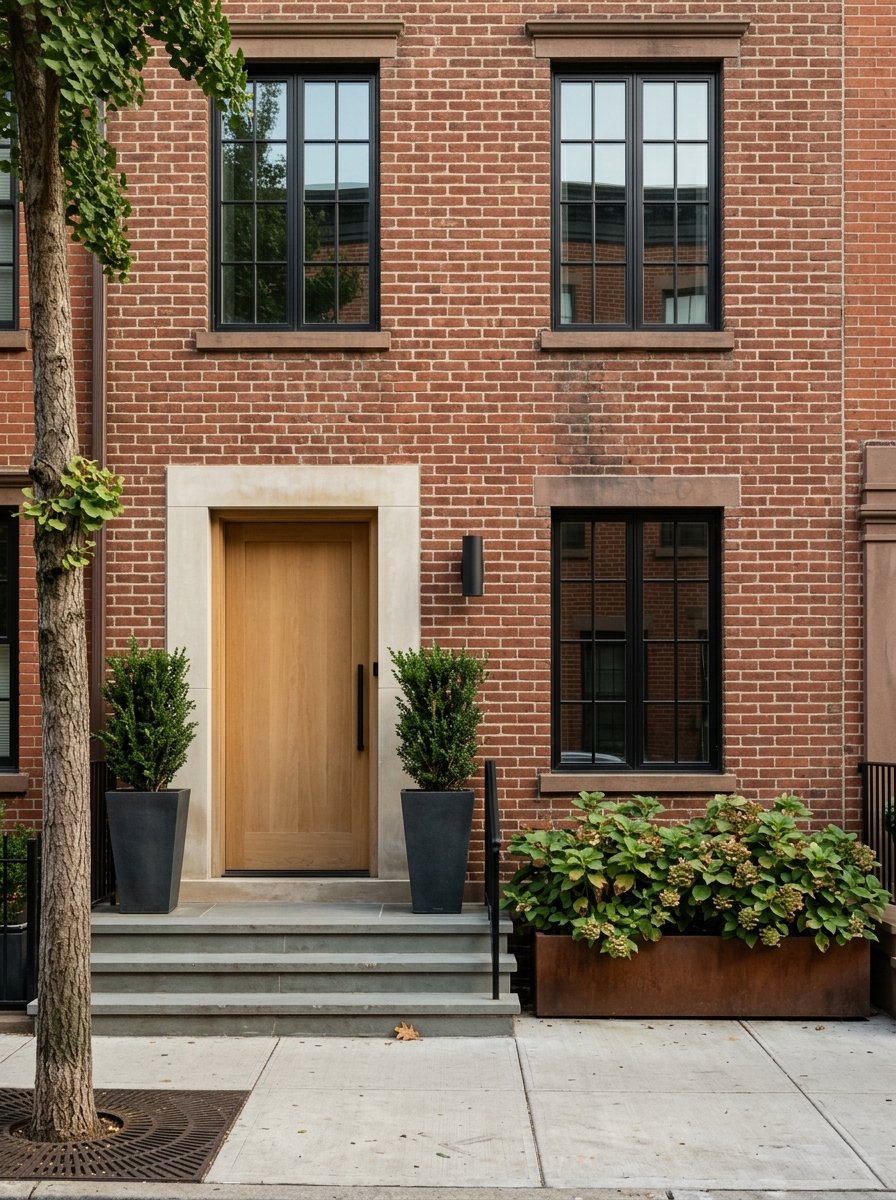
The term Missing Middle Housing refers to housing types that fall between a traditional single-family home and a large apartment complex.
These homes have become increasingly difficult to find in many communities because decades of development focused primarily on either:
- Single-family detached homes
- Large multi-family apartment buildings
The "middle" housing options gradually disappeared.
Examples include:
- Townhomes
- Duplexes
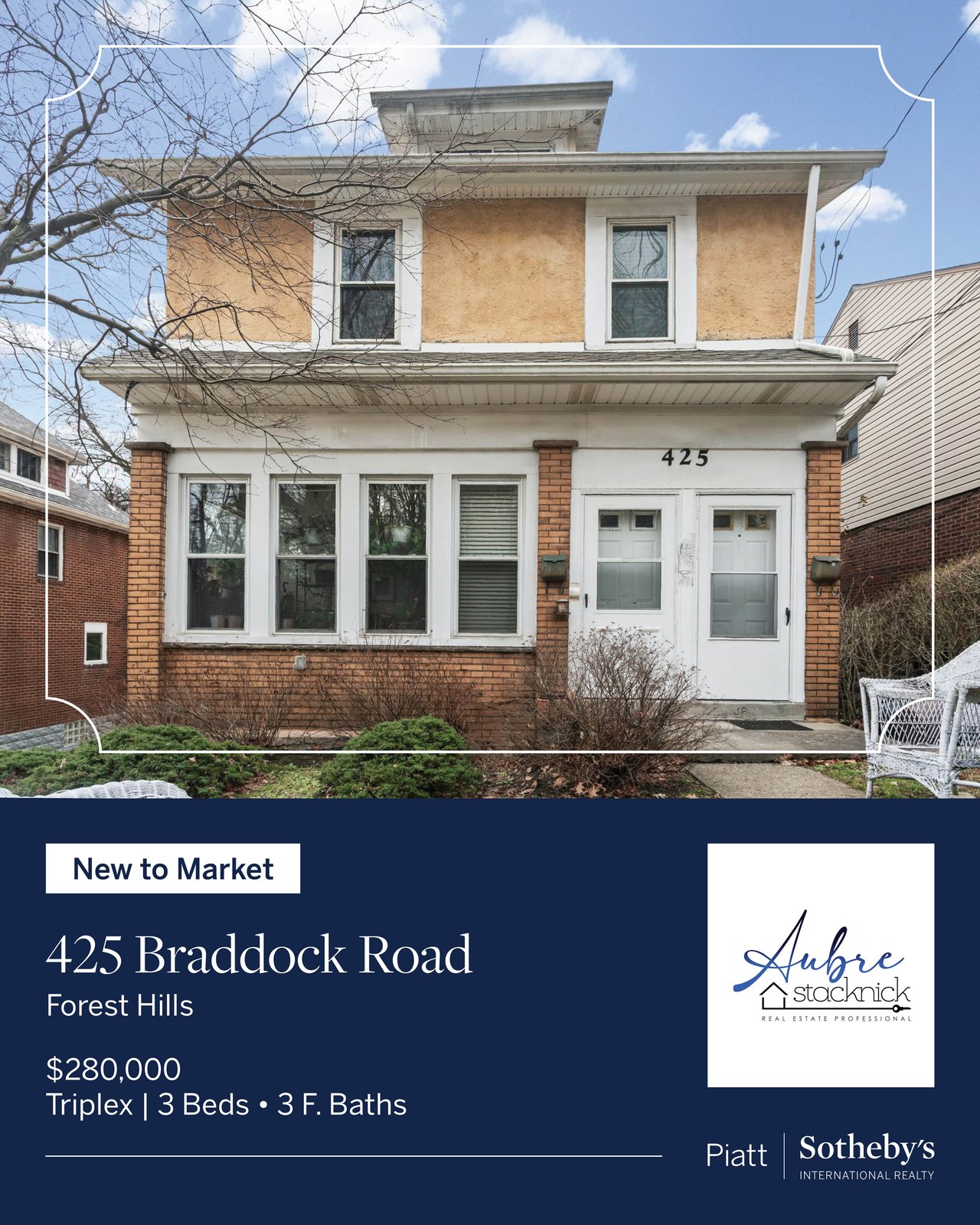
- Triplexes
- Fourplexes
- Cottage courts
- Courtyard homes
- Small-scale condominiums
- Cluster homes
- Live-work residences
These housing styles provide additional choices without dramatically changing the character of established neighborhoods.
Why Is Cranberry Township Exploring This Plan?
Like many growing communities, Cranberry Township faces several housing challenges.
Housing demand continues to increase due to:
- Population growth
- Corporate relocation
- Healthcare expansion
- Remote workers
- Young professionals
- Empty nesters
- Downsizing retirees
Many of these buyers don't necessarily want—or need—a large single-family home.
Instead, they're looking for:
- Lower maintenance
- Walkable communities
- Smaller lots
- Modern floor plans
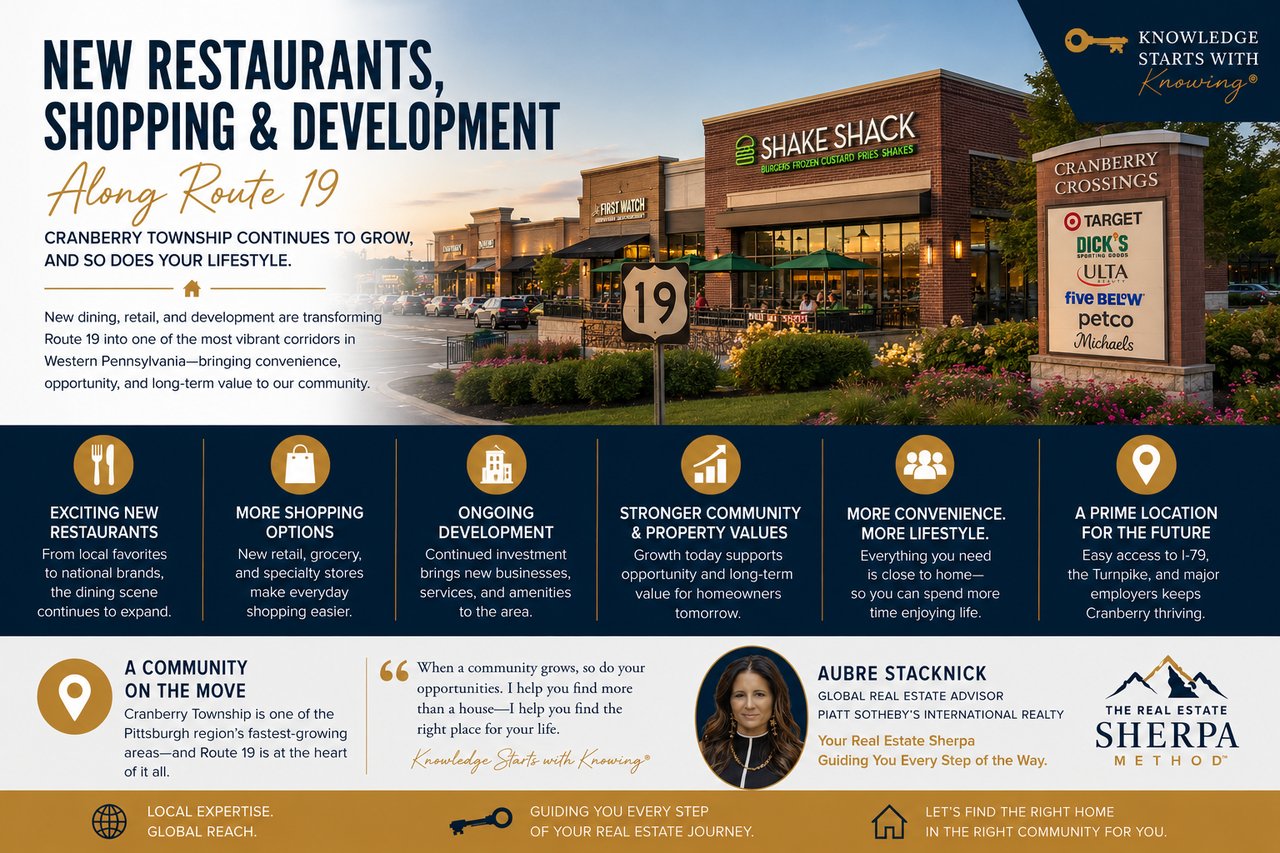
- Convenient access to shopping and restaurants
The Missing Middle Housing Plan aims to provide these options while supporting long-term community growth.
Who Benefits from Missing Middle Housing?
One of the biggest misconceptions is that this initiative serves only first-time buyers.
In reality, it benefits multiple groups.
First-Time Homebuyers
Entry-level ownership opportunities have become increasingly difficult due to rising home prices.
Townhomes and smaller attached homes may provide a more attainable path to homeownership.
Young Professionals
Many professionals relocating to Cranberry Township want modern homes with minimal maintenance and easy access to employment centers.
Downsizing Homeowners
Many longtime residents want to remain in Cranberry Township but no longer need large homes or large yards.
Missing Middle Housing allows them to stay close to family while simplifying homeownership.
Essential Workers
Teachers, healthcare professionals, first responders, and other workforce members often struggle to find housing options within the communities they serve.
Creating a wider range of housing choices helps support a balanced local economy.
Will This Affect Existing Neighborhoods?
This is often homeowners' biggest concern.
The answer is:
Not necessarily.
The Missing Middle Housing initiative generally focuses on thoughtful planning rather than widespread redevelopment.
Future housing would likely be directed toward appropriate locations through updated zoning regulations and comprehensive planning.
The goal is to complement existing neighborhoods—not replace them.
Good planning emphasizes:
- Walkability
- Green space
- Architectural compatibility
- Transportation access
- Community amenities
- Infrastructure capacity
Thoughtful growth can strengthen a community while preserving its identity.
How Could This Affect Property Values?
Many homeowners worry that additional housing options might lower property values.
Historically, that's not always the case.
Well-designed communities with:
- Diverse housing choices
- Strong amenities
- Walkable environments
- High-quality construction
- Good schools
- Effective planning
often remain highly desirable.
Property values are influenced by many factors, including:
- Inventory
- Employment
- Schools
- Interest rates
- Community investment
- Buyer demand
- Overall market conditions
Quality planning is generally intended to support long-term community health rather than reduce property values.
Why Buyers Should Pay Attention
If you're considering purchasing in Cranberry Township, understanding future community planning helps you evaluate long-term value.
Future housing development may create:
- More homeownership opportunities
- Additional neighborhood amenities
- Expanded retail
- Greater walkability
- Increased housing diversity
- More options for future resale
Communities that plan for changing demographics are often better positioned for long-term growth.
What This Means for Sellers
For homeowners considering selling over the next several years, community growth remains an important part of your home's story.
Today's buyers aren't purchasing only a house.
They're buying into a community.
Features like:
- Walkability
- Parks
- Dining
- Shopping
- Community events
- Schools
- Recreation
often influence buying decisions just as much as the home itself.
Understanding future development allows sellers to better position their property within the evolving market.
The Real Estate Sherpa Method™
Buying or selling a home isn't simply about today's market.
It's about understanding where the community is headed.
Through my Real Estate Sherpa Method™, I help clients evaluate both the property and the long-term vision for the neighborhoods they're considering.
Educate Before Action
We discuss market trends, community planning, zoning updates, and future development—not just current listings.
Evaluate Lifestyle
A home should support how you want to live today and where you want to be years from now.
Understand Long-Term Value
Community growth, schools, infrastructure, and future investment all influence long-term appreciation.
Build a Personalized Strategy
Every buyer and seller has different goals.
Understanding future community development helps create smarter long-term decisions.
Guide Every Step
Whether you're relocating, downsizing, purchasing new construction, or selling your current home, my goal is to simplify the process and provide the education needed to make confident decisions.
Final Thoughts
Cranberry Township continues to evolve because leaders are planning not just for today—but for future generations.
The Missing Middle Housing Plan is designed to expand housing opportunities while preserving the qualities that have made Cranberry Township such an attractive place to live.
Growth doesn't have to mean losing community character.
When planned thoughtfully, it can create stronger neighborhoods, greater housing choices, and long-term sustainability.
Whether you're buying, selling, investing, or simply watching your community grow, understanding the bigger picture helps you make better real estate decisions.
Because at the end of the day…
Knowledge Starts with Knowing®.
Frequently Asked Questions
What is Missing Middle Housing?
Missing Middle Housing refers to housing types between single-family homes and large apartment buildings, including townhomes, duplexes, cottage courts, courtyard homes, and small multi-unit residences.
Why is Cranberry Township considering this plan?
The goal is to create more housing choices for first-time buyers, young professionals, downsizing homeowners, and local workforce members while supporting responsible community growth.
Will this lower property values?
Not necessarily. Property values are influenced by many factors. Thoughtfully planned communities with quality amenities and diverse housing options often remain desirable and continue to experience healthy demand.
Will every neighborhood change?
No. Future development would be guided by zoning regulations, infrastructure planning, and community input. Existing neighborhoods are not automatically subject to redevelopment.
Who benefits from Missing Middle Housing?
First-time buyers, downsizers, healthcare workers, teachers, young professionals, retirees, and families looking for lower-maintenance housing options all stand to benefit from increased housing diversity.
About Aubre Stacknick
Aubre Stacknick is a Global Real Estate Advisor with Piatt Sotheby's International Realty, serving Cranberry Township and the North Pittsburgh region. Through her Real Estate Sherpa Method™, she helps buyers and sellers understand not only today's housing market but also the long-term community trends that influence real estate decisions.
Her mission is simple:
Educate before advising.
Advocate before negotiating.
Knowledge Starts with Knowing®.