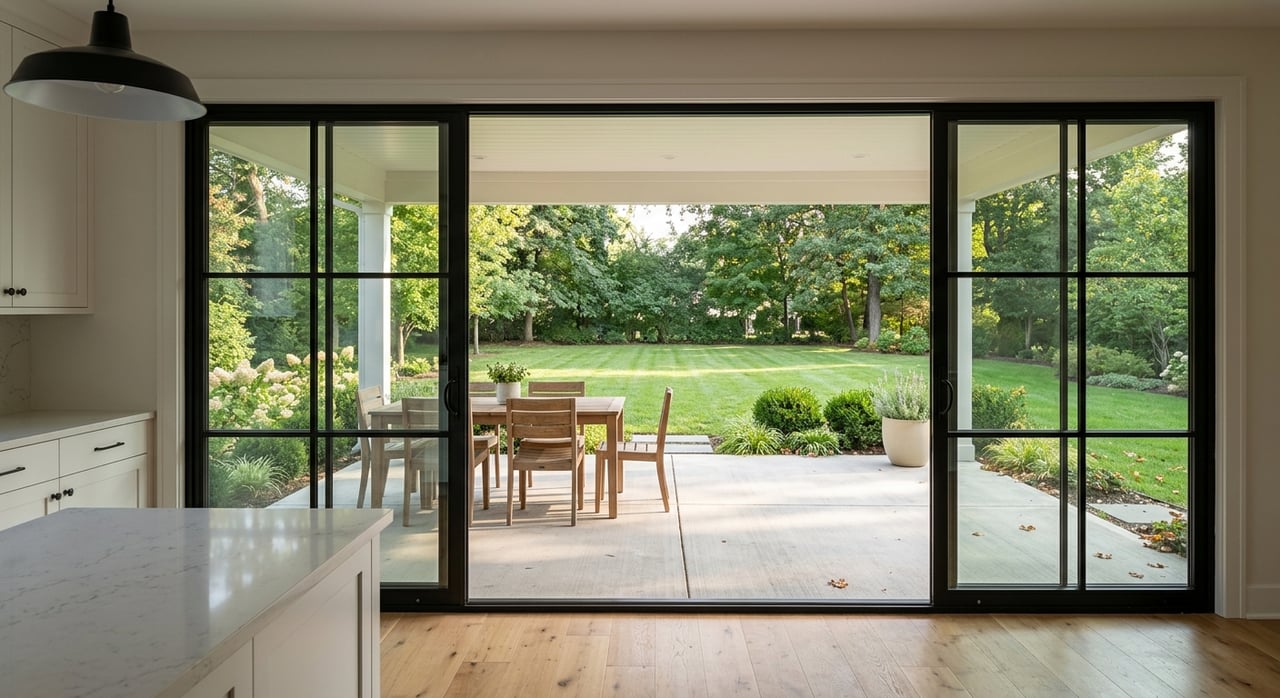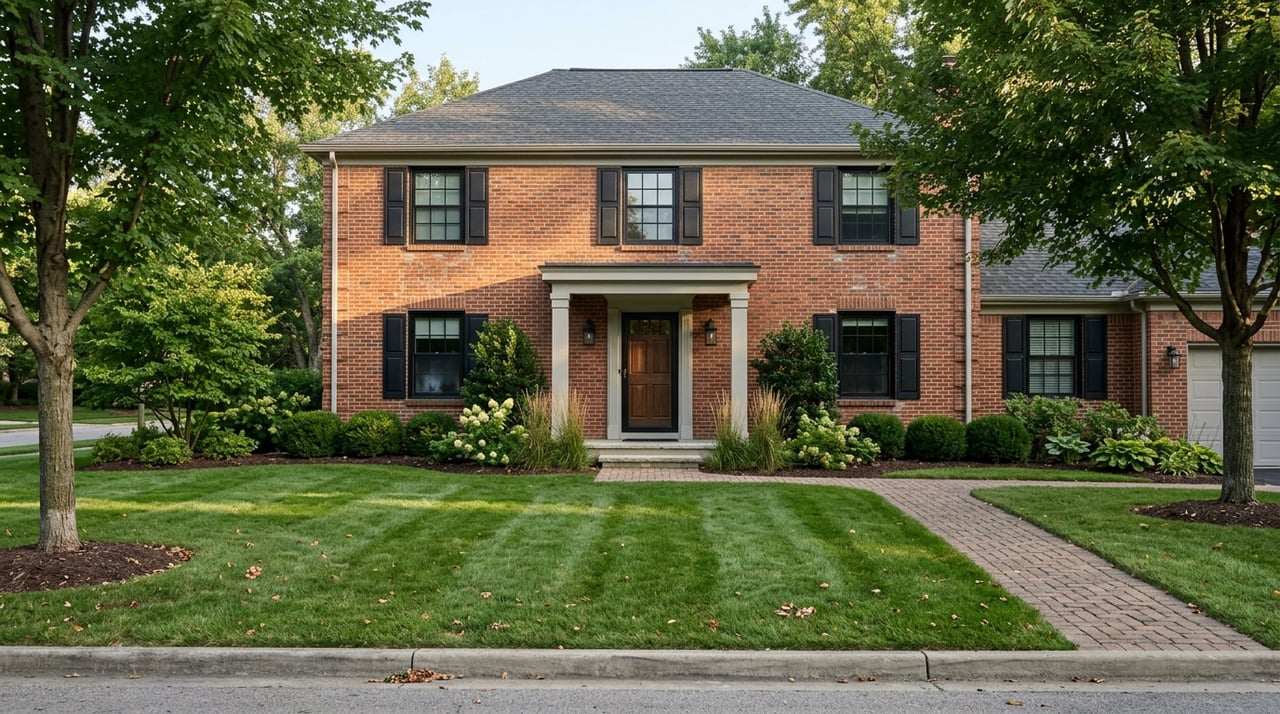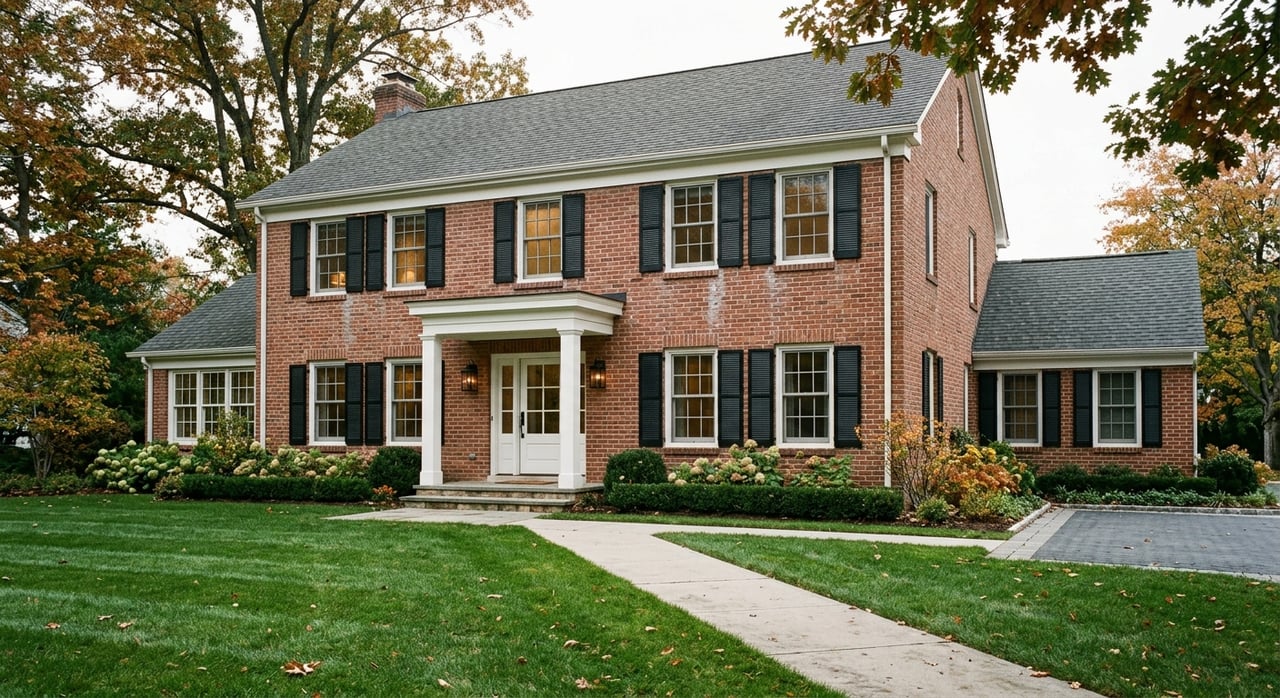
If you are trying to choose between Pittsburgh and the north suburbs, you are really deciding what kind of daily life fits you best. Some buyers want a lower entry price, walkable neighborhood character, and easier transit access. Others want more space, newer housing, and a quieter suburban setup. This guide will help you compare the tradeoffs so you can make a more confident move. Let’s dive in.
Price Differences to Know
The biggest gap between Pittsburgh and the north suburbs is usually price. Pittsburgh city has the lowest-cost position in this comparison, with a Census estimate of $205,800 for the median value of owner-occupied homes. That lower entry point can make the city appealing if you want more flexibility on budget.
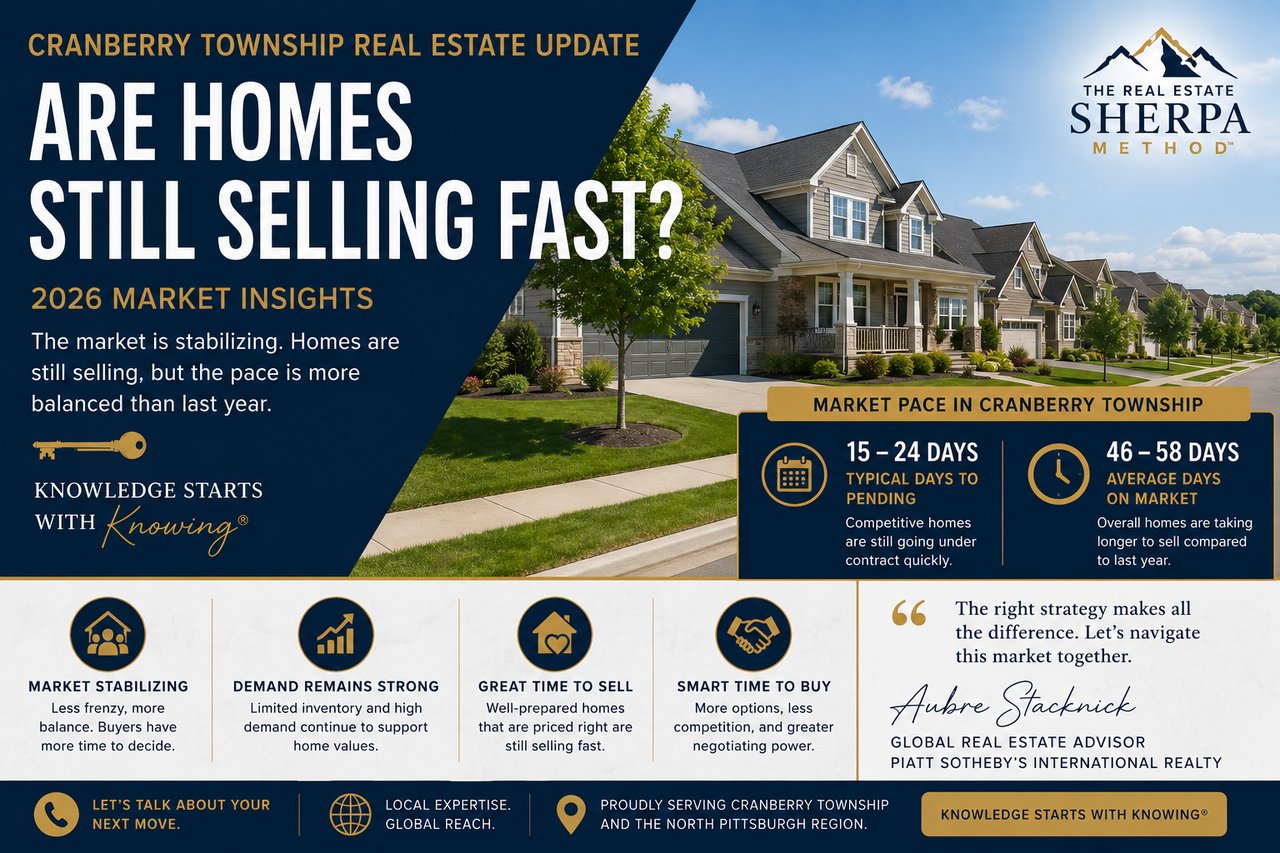
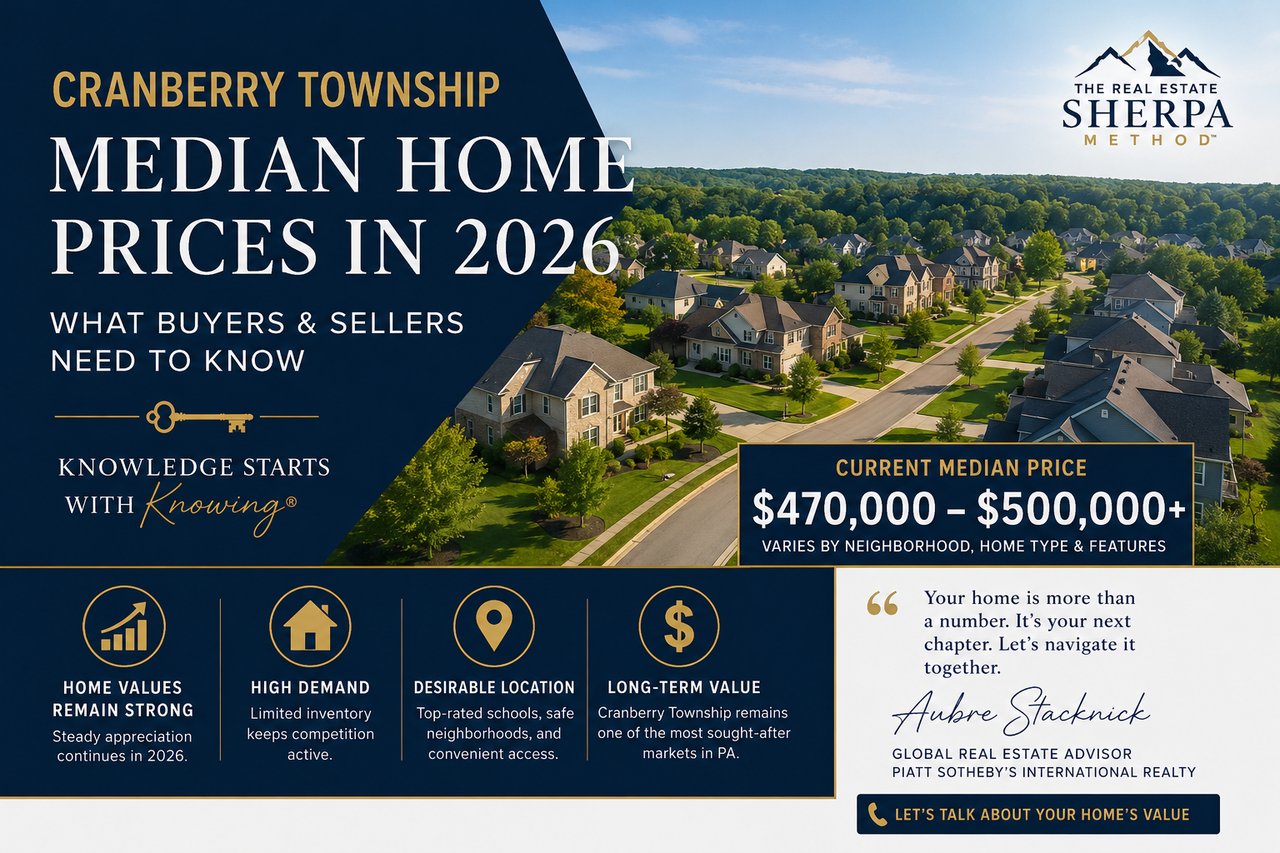
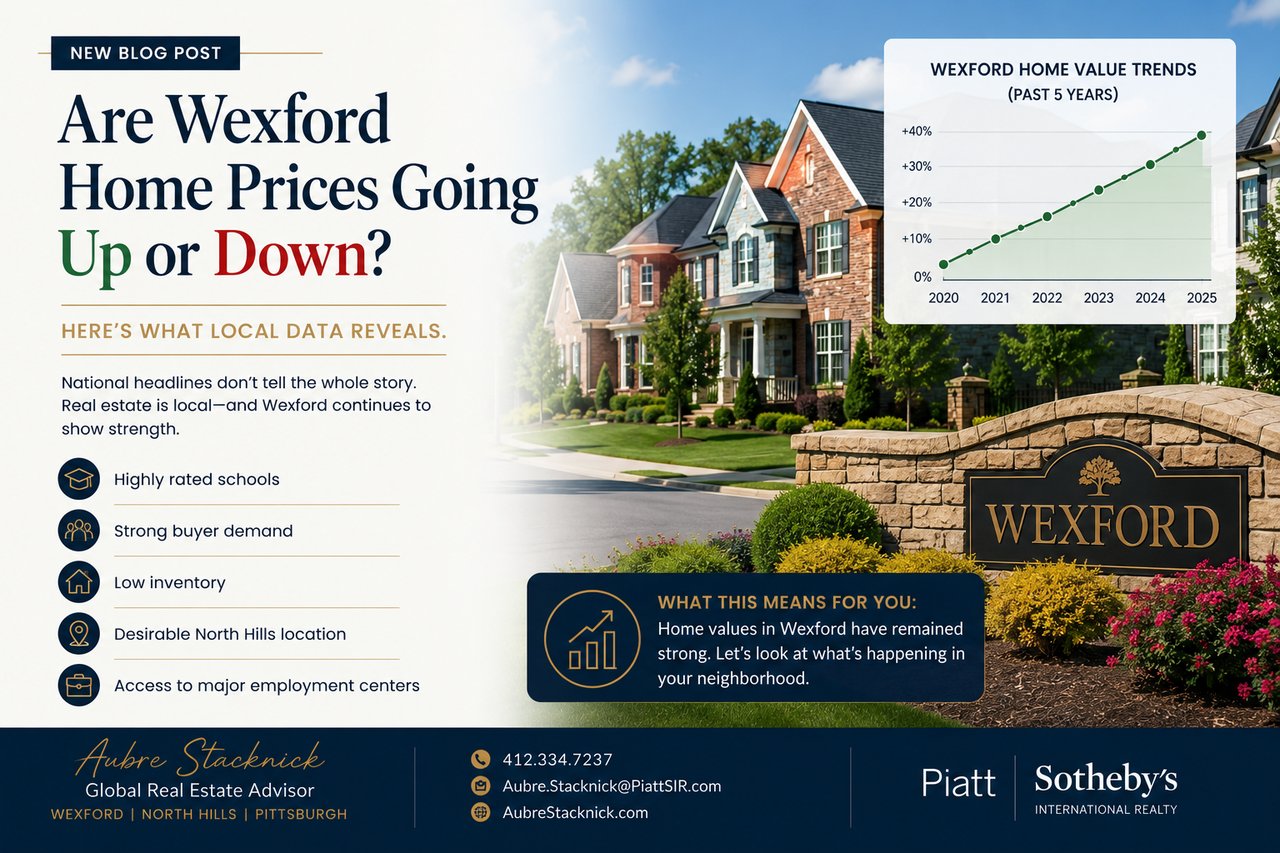
The north suburbs tend to sit in a higher price tier. In Wexford’s 15090 market, Redfin reports a median sale price of $548,000, while Census data places the median owner-occupied value at $579,700. Cranberry’s 16066 market is lower than Wexford but still well above the city, with a Redfin median sale price of $430,000 and a Census owner-occupied median value of $421,300.
Fox Chapel stands apart as a much higher-priced option. Census data shows a median owner-occupied value of $900,600, which reflects its more private, low-density residential profile. Treesdale also falls into the premium suburban category, with home options ranging from entry level to estate properties above $1 million.
The key takeaway is simple: if your top priority is getting into the market at a lower price point, Pittsburgh usually offers more options. If you are comfortable spending more for space, privacy, or newer surroundings, the north suburbs may feel like a better fit.
Housing Style and Home Types
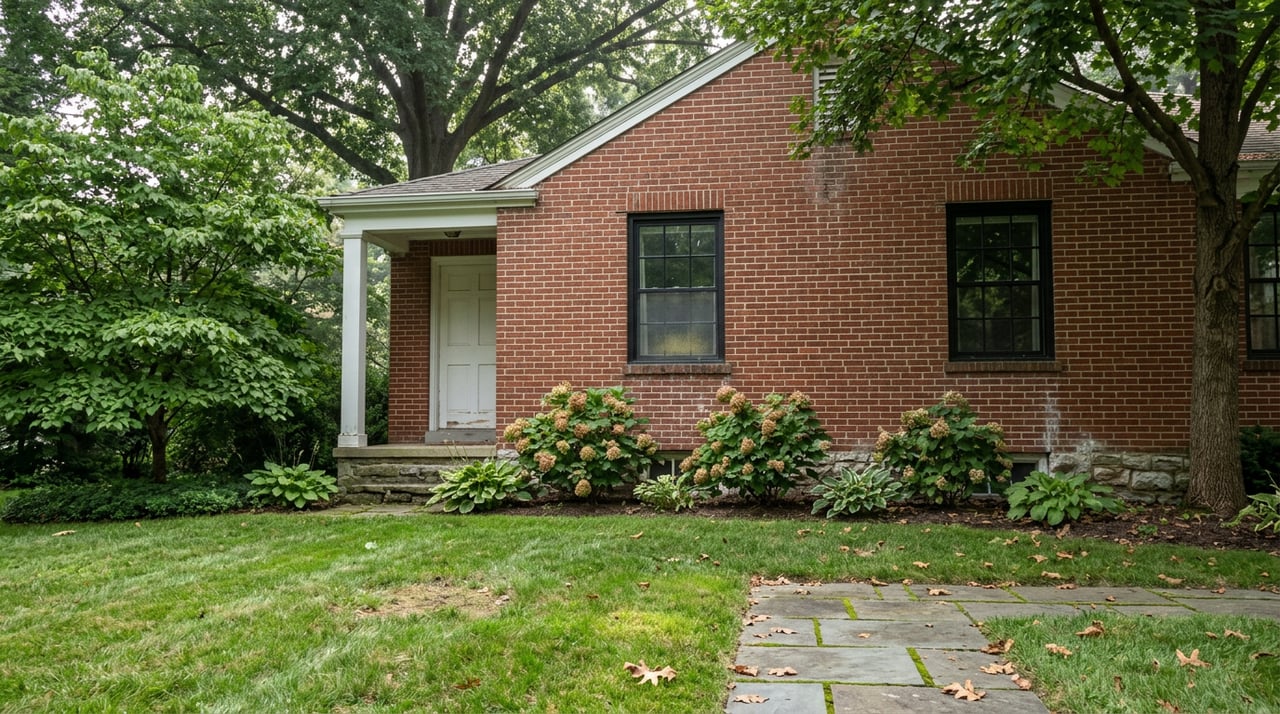
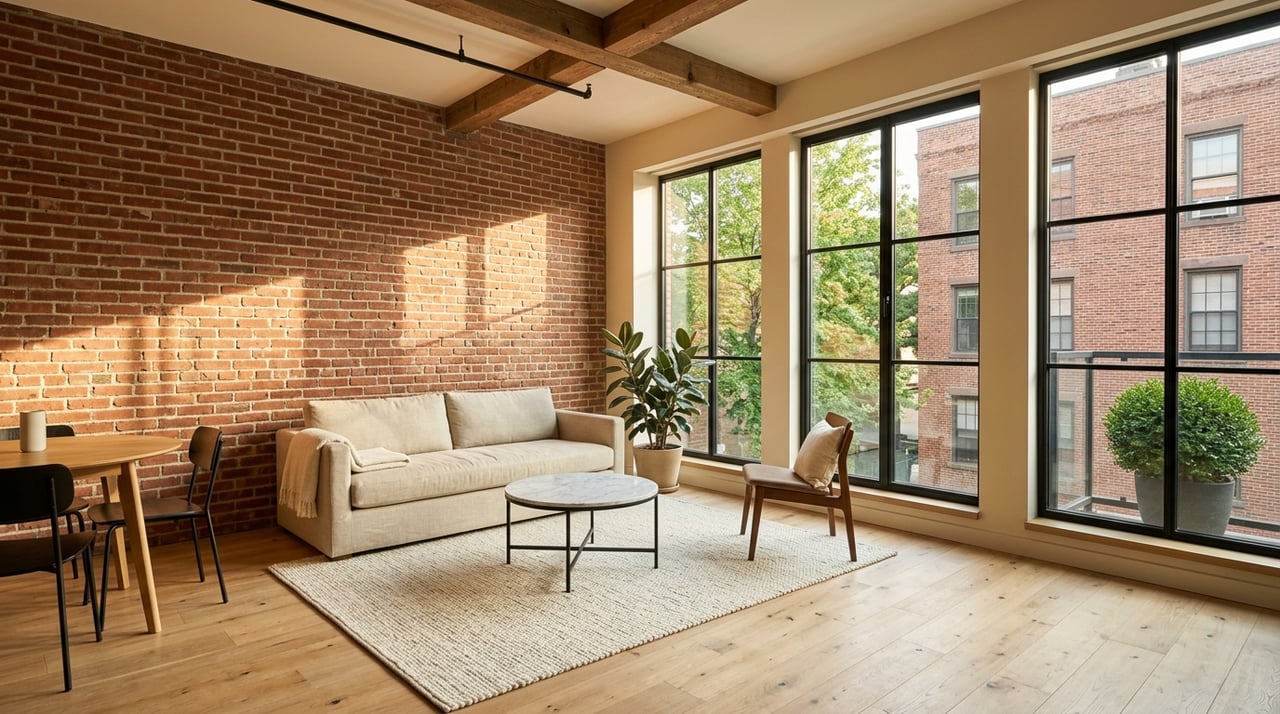
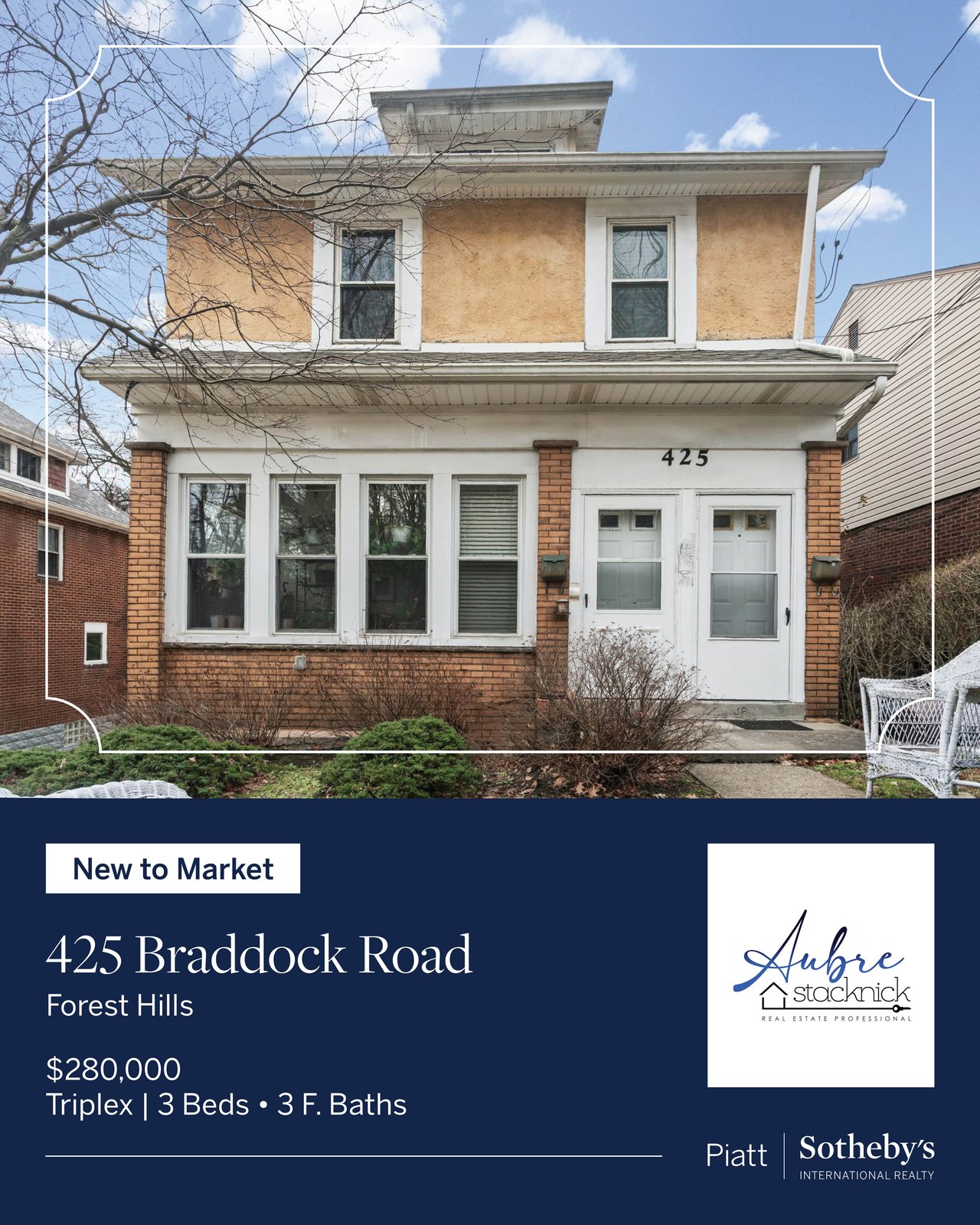
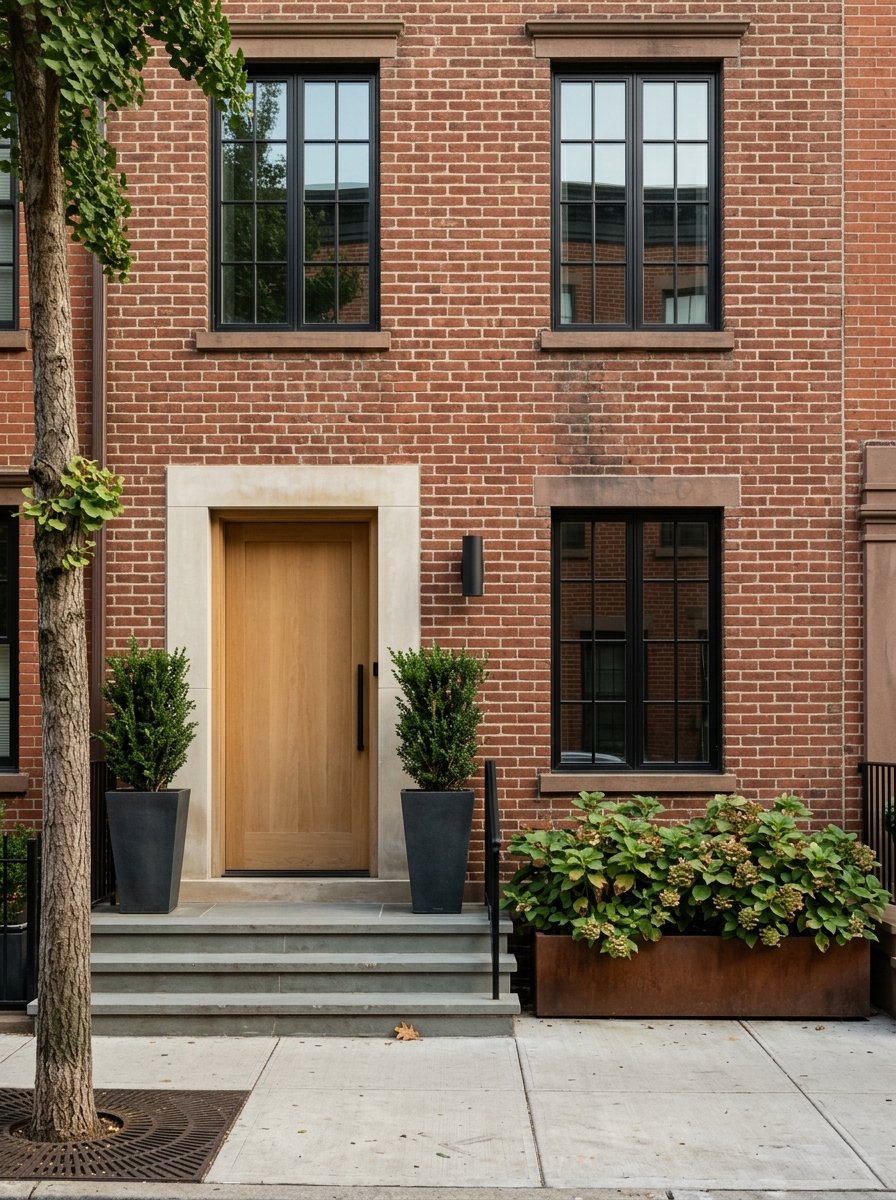
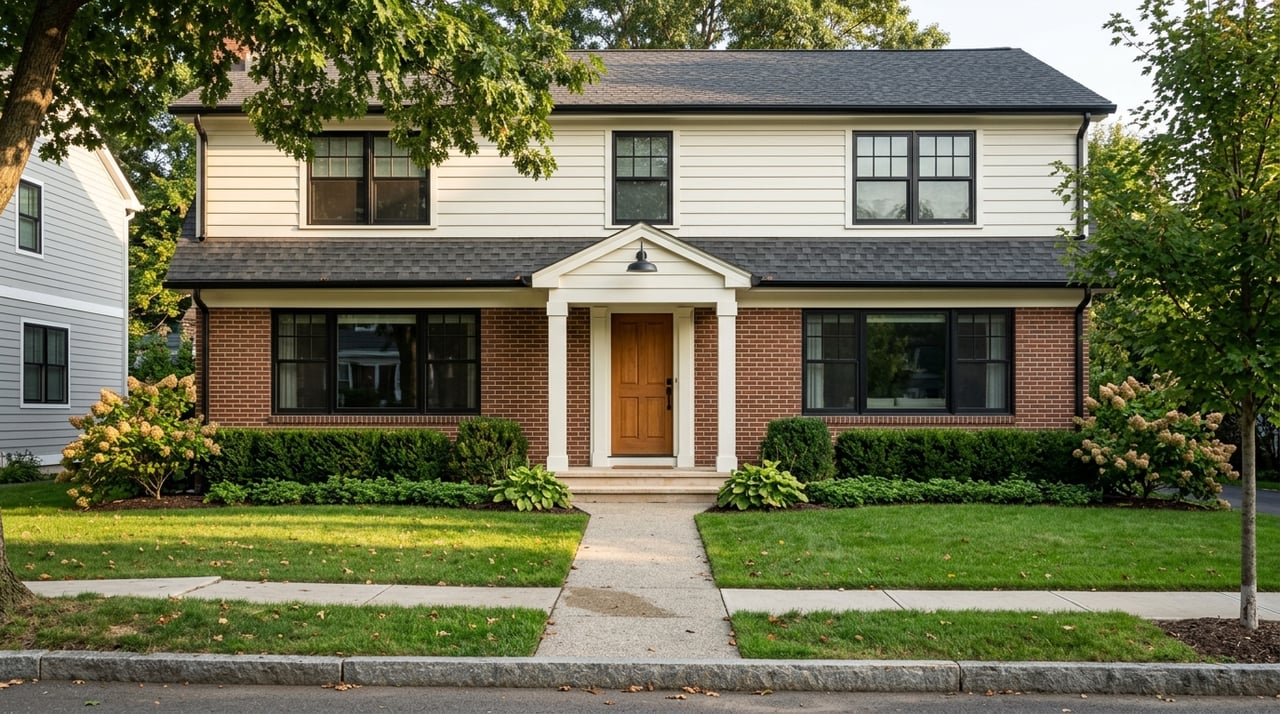
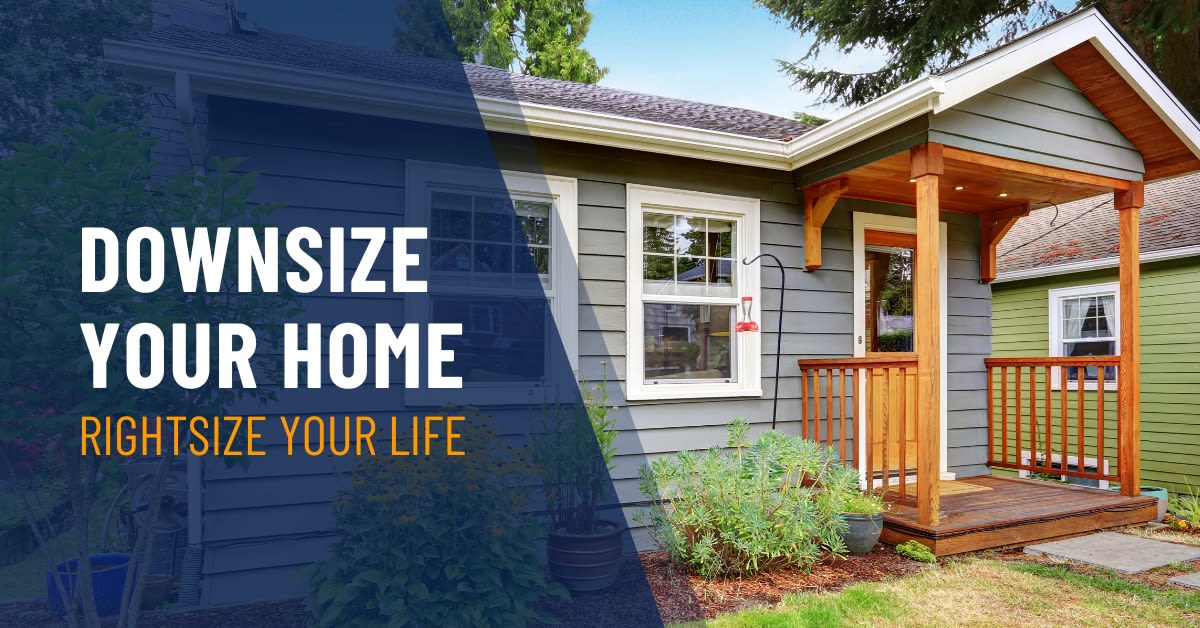
Pittsburgh gives you the widest mix of housing styles. City materials describe a range that includes rowhouses, detached homes, historic homes, condos, and mixed-use living. In practical terms, that means you may find more architectural variety and more older homes with character.
That urban housing mix can appeal to buyers who love original details, established streets, and neighborhood identity. It can also mean older systems, more variation from block to block, and a wider spread in home condition. If you value charm and flexibility, that variety may be a plus.
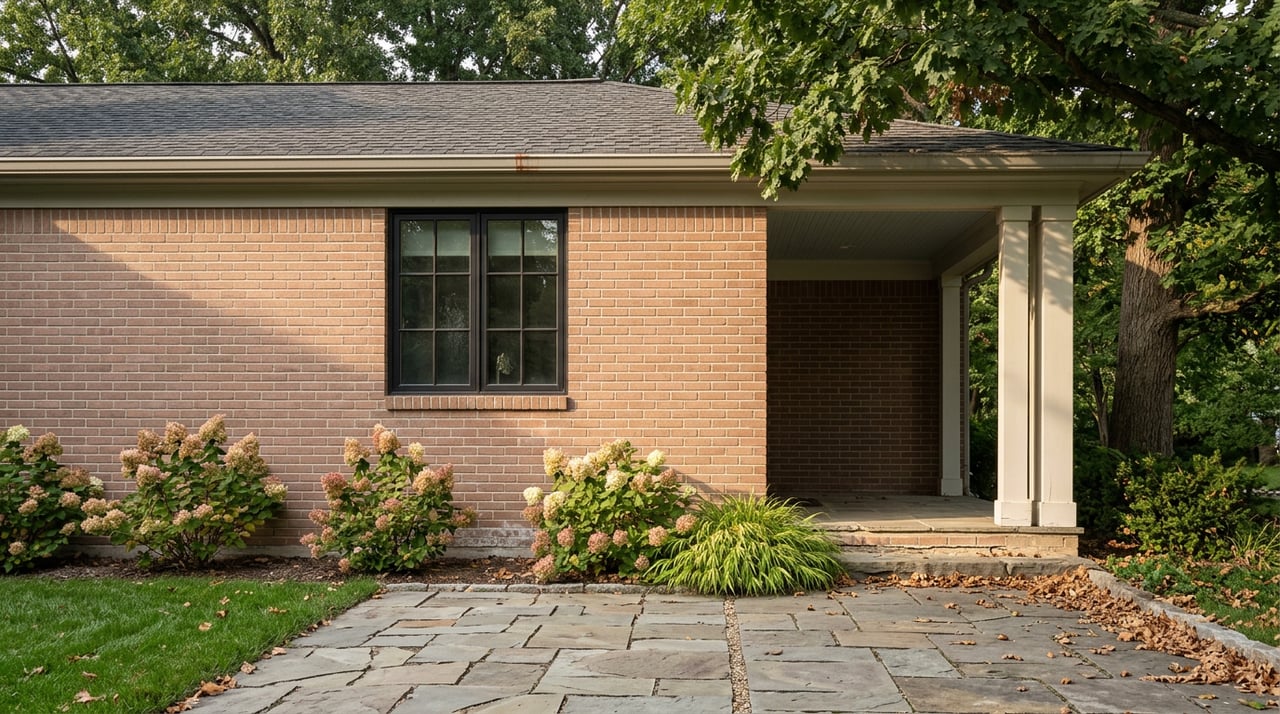
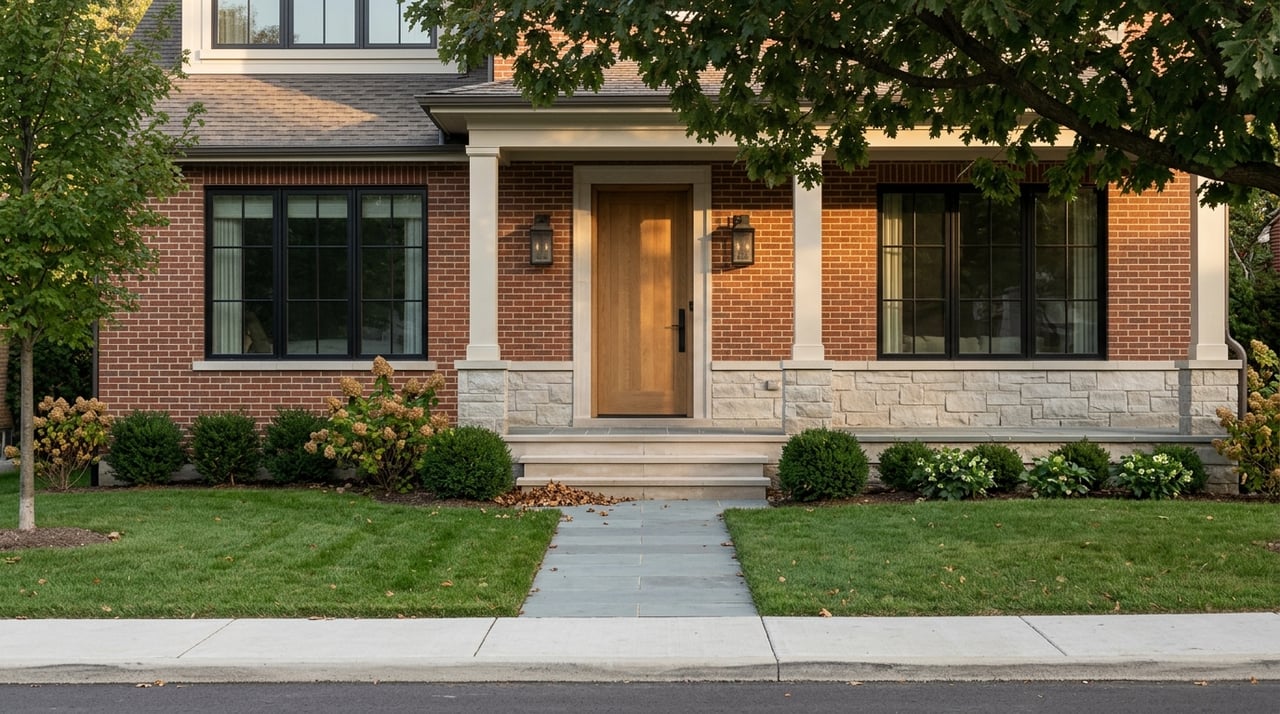
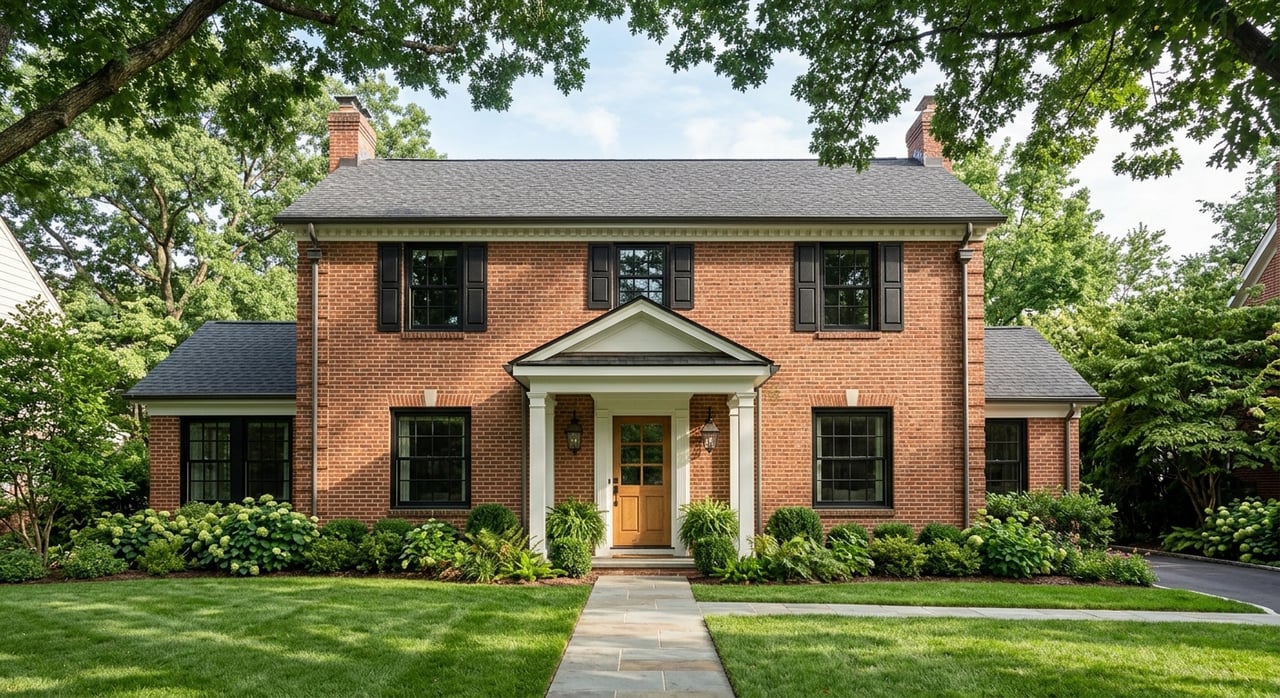
The north suburbs often offer a different experience. Buyers there are more likely to find larger lots, more garages and driveways, newer construction, and a more consistently suburban streetscape. That can be especially attractive if you want a home that feels more move-in ready or offers more exterior space.
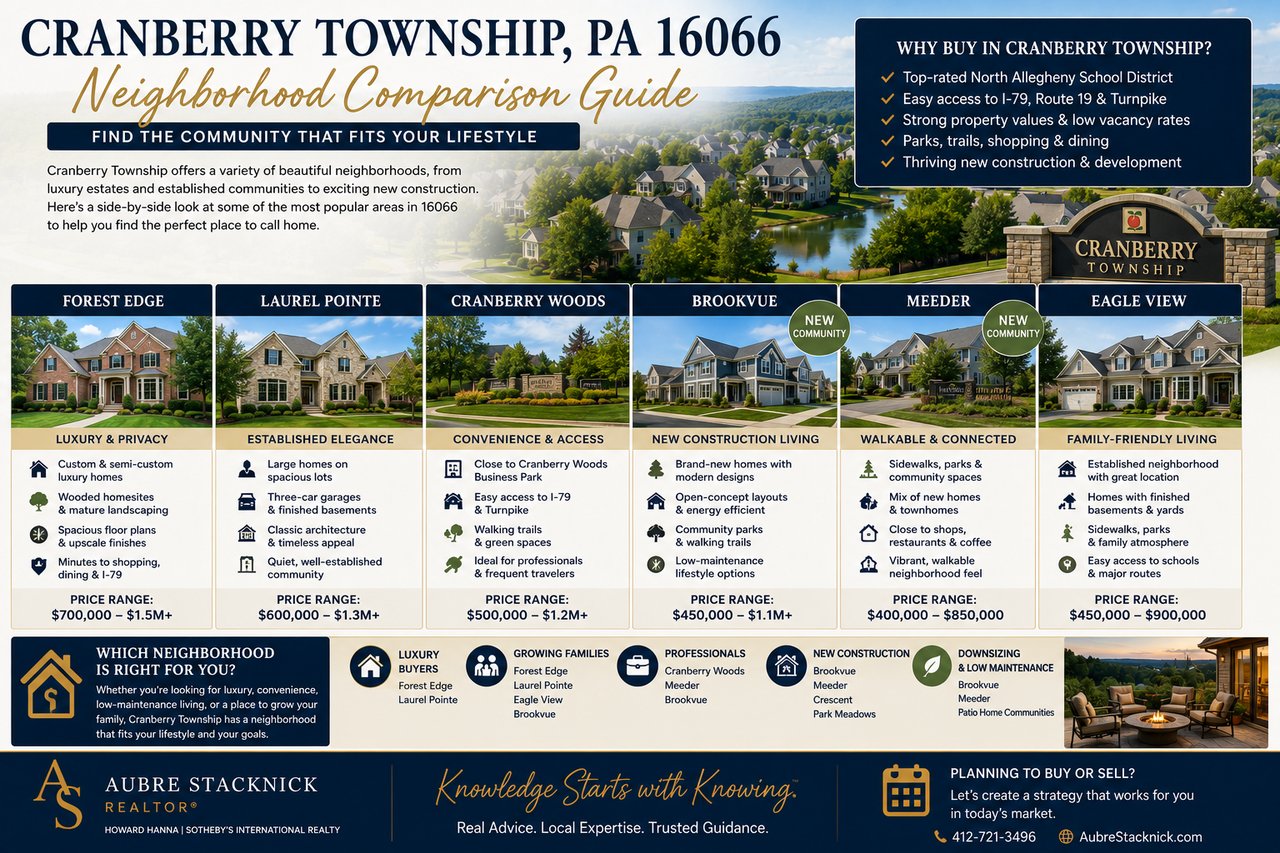
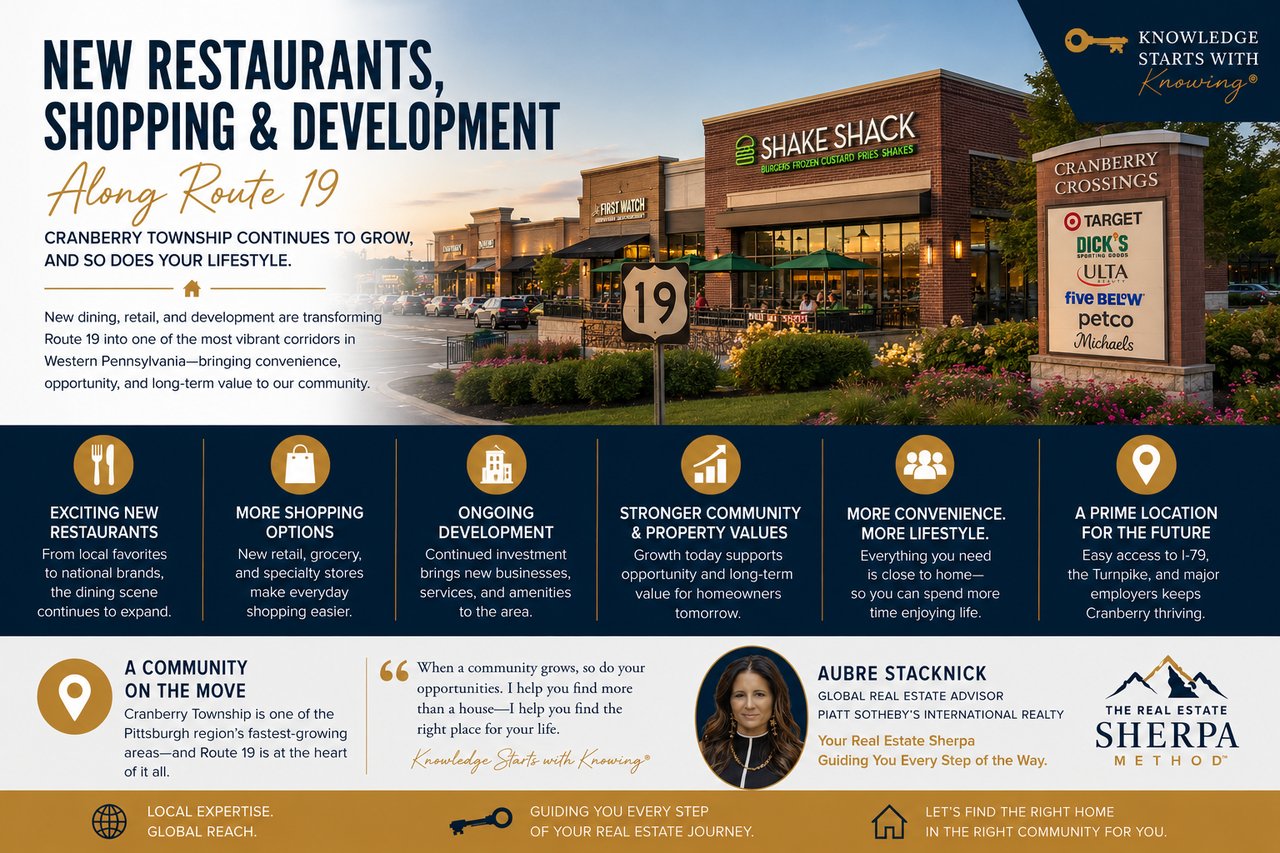
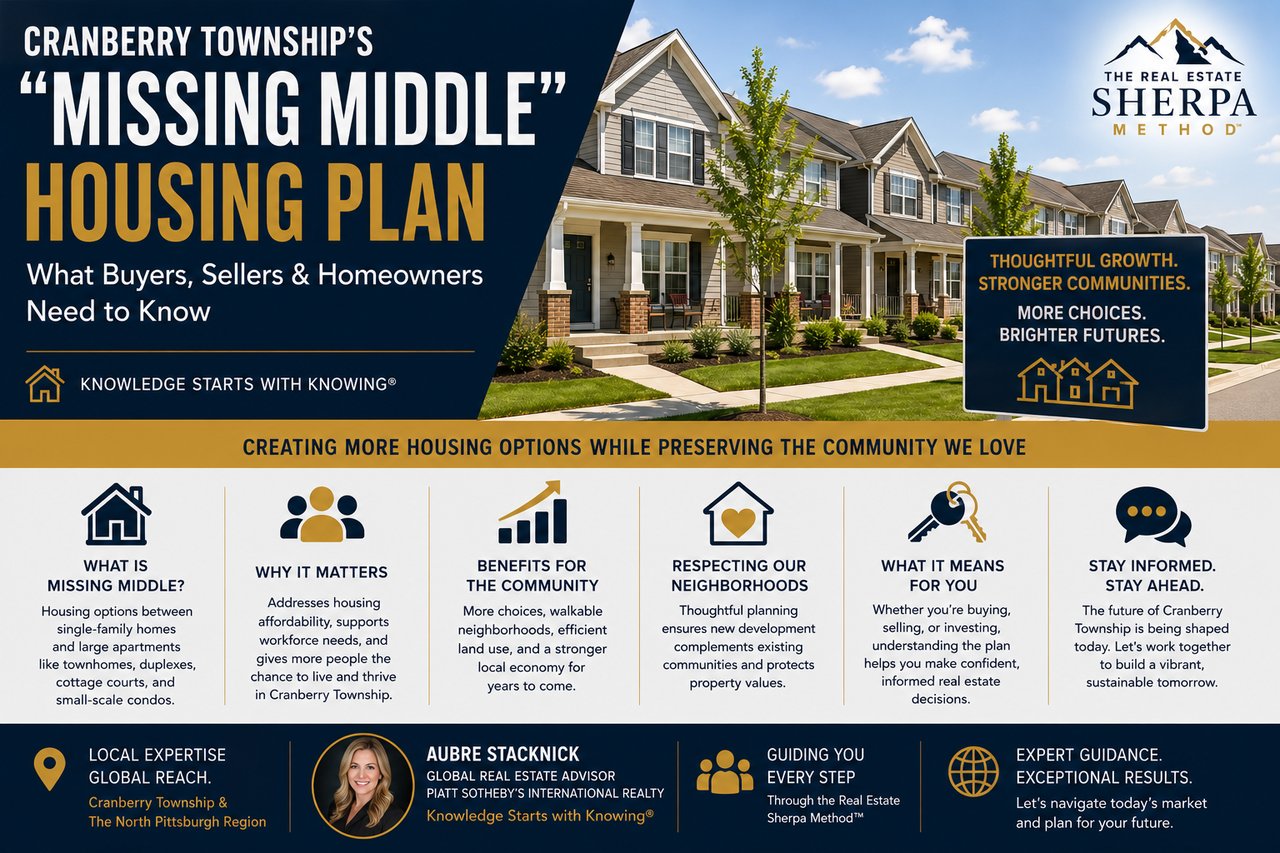
Cranberry is a good example of how suburban housing has evolved. The township says its growth has expanded beyond detached subdivisions to include apartments and townhomes, which gives buyers more choices than a single-family-only market. That matters if you want suburban convenience without taking on a larger house or lot.
Fox Chapel sits at the lower-density end of the spectrum. Its zoning includes large residential lots, including minimums of 1 to 3 acres in several districts, with one residence per lot in residential districts. That helps explain why it feels more private and estate-oriented than many other areas.
Commute and Transportation
Your day-to-day routine may matter just as much as the house itself. Pittsburgh has the clearest transit advantage, with Pittsburgh Regional Transit operating a bus network that covers more than 500 square miles in Allegheny County and a 26-mile light rail line from the North Shore to the South Hills. If you want more options beyond driving, the city has a clear edge.
The city also shows a shorter mean commute in this comparison. Census data reports an average commute of 23.1 minutes in Pittsburgh. That is lower than Pine Township at 25.9 minutes, Fox Chapel at 26.5 minutes, and Cranberry Township at 27.1 minutes.
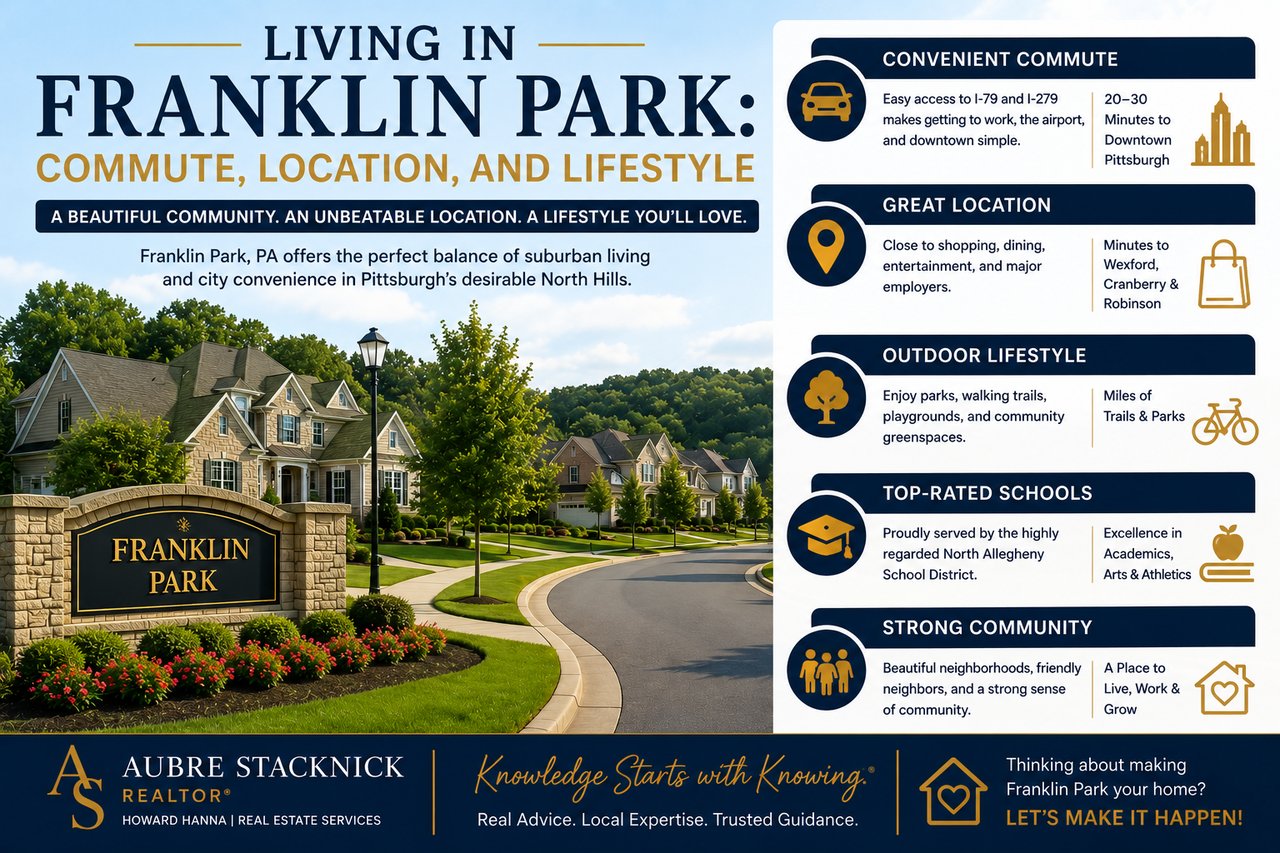
That said, the north suburbs are still very commutable. Cranberry sits at the intersection of I-79 and the Pennsylvania Turnpike, and Treesdale also highlights quick access to both routes. If your routine is built around highway driving, the suburban commute may feel straightforward and manageable.
So the difference is not always dramatic in pure drive time. The bigger distinction is usually how you get around. Pittsburgh supports a more mixed transportation lifestyle, while the north suburbs lean more heavily on the car.
Lifestyle and Daily Convenience
Pittsburgh and the north suburbs offer very different rhythms. Pittsburgh is built around density, neighborhood identity, and access to cultural destinations. The city includes 90 neighborhoods and 143 active bridges, and its neighborhood districts are known for their distinct business areas, housing patterns, and street life.
If you like the idea of walkable business districts, historic streets, and more variety from one neighborhood to the next, the city may feel energizing. Areas throughout Pittsburgh offer different combinations of urban living, older housing, and local character. That can be a major draw if you want your neighborhood to feel active and connected.
The north suburbs tend to shine in convenience, open space, and planned amenities. Cranberry highlights parks, trails, sports fields, a library, a waterpark, and indoor walking space. Fox Chapel emphasizes parkland and trails, while Treesdale adds a community center, pool, courts, field space, and golf-club amenities.
North Park is also a major amenity for many north suburban buyers. Allegheny County says the park covers more than 3,000 acres across Hampton, McCandless, and Pine townships and includes walking, biking, lakeside, and other outdoor features. If regular outdoor access is high on your list, that can be a meaningful lifestyle benefit.
School Geography Matters
If school planning is part of your move, the city and north suburbs work differently. Pittsburgh Public Schools is the largest of 43 districts in Allegheny County and uses a magnet-school application and lottery process. That structure can feel different from suburban areas that are closely tied to specific district boundaries.
In the north suburbs, district geography often plays a larger role in where buyers search. Fox Chapel Area School District serves six municipalities, and North Allegheny’s Wexford campus addresses reflect how tightly some suburban communities connect to district lines. Even so, boundaries can vary by street.
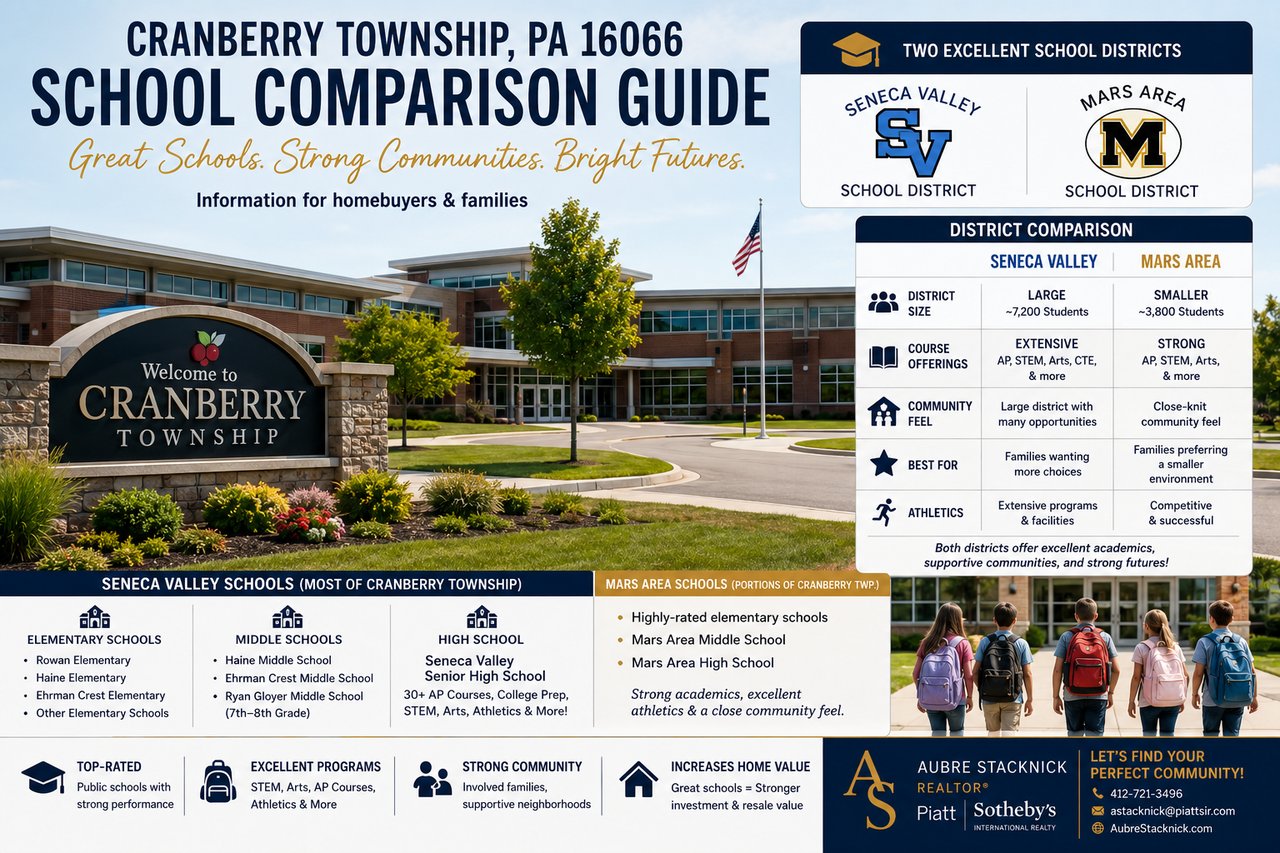
That is why it is important to verify the exact parcel, not just the community name. Market sources for 15090 specifically note that school service boundaries are for reference only and recommend confirming enrollment eligibility directly. If schools are a major factor in your move, parcel-level verification should happen early.
Which Buyer Fits Pittsburgh Best?
Pittsburgh often makes the most sense if you want a lower entry point and a wider range of housing types. It can also be a good fit if you value transit access, older architecture, and a more walkable daily routine. For some buyers, that combination creates a lifestyle that feels more connected and flexible.
You may also prefer the city if you enjoy neighborhood variety. Pittsburgh’s mix of rowhomes, detached homes, condos, and historic properties creates more options across style and budget. If you like comparing very different blocks and housing types, the city gives you more to work with.
This side of the market can also appeal to buyers who want character over uniformity. If you are comfortable evaluating condition, updates, and layout tradeoffs, Pittsburgh may open up opportunities that feel harder to find in more standardized suburban inventory.
Which Buyer Fits the North Suburbs Best?
The north suburbs often fit buyers who want more space, more privacy, and a more driving-centered routine. They can also appeal to people who prefer newer homes, planned amenities, or neighborhoods with a more consistent suburban feel. If yard size and day-to-day convenience rank high for you, this side of the market may feel more comfortable.
Within the north suburbs, the options still vary. Wexford reads as a higher-priced suburban market with brisker sales. Cranberry feels more like a convenience-and-growth market with a wider mix that includes townhomes and apartments.
Fox Chapel is the outlier for buyers seeking privacy, large lots, and a more estate-style setting. Treesdale leans into lifestyle, with a master-planned layout and amenities tied to club-style living. Those differences matter because “north suburbs” is not one single experience.
A Simple Way to Decide
If you are torn, start by thinking beyond the house itself. Ask yourself whether you care more about walkability or yard size, architectural character or newer construction, and transit access or highway convenience. Those are often the choices driving this decision.
Budget should be part of that conversation, but not the only part. A lower purchase price in the city may come with a different housing style and neighborhood rhythm. A higher suburban price may buy you more space, privacy, or community amenities.
The best answer is not that one side is better than the other. It is that the right fit depends on how you want to live every day. When you match the home, location, and routine together, the decision usually becomes much clearer.
If you want help comparing Pittsburgh neighborhoods with communities like Wexford, Cranberry, Fox Chapel, or Treesdale, Aubre Stacknick can help you weigh the tradeoffs with clear, local guidance.
FAQs
Should you choose Pittsburgh if you want a lower home price?
- Pittsburgh has the lowest entry point in this comparison, with a Census median owner-occupied home value of $205,800, which is well below the suburban examples covered here.
Are the north suburbs more expensive than Pittsburgh?
- Yes. Wexford, Cranberry, Fox Chapel, and premium communities like Treesdale all sit above Pittsburgh in this comparison, with Fox Chapel in a much higher price tier.
Is commuting from the north suburbs to Pittsburgh realistic?
- Yes. The north suburbs are still commutable, with Census mean commute times ranging from 25.9 to 27.1 minutes in the examples here, compared with 23.1 minutes in Pittsburgh.
Does Pittsburgh offer better public transit than the north suburbs?
- Yes. Pittsburgh has the strongest transit advantage in this comparison, supported by Pittsburgh Regional Transit’s countywide bus network and light rail service.
Are homes in Pittsburgh older than homes in the north suburbs?
- Generally, yes. Pittsburgh is known for a wider mix of older housing types, including historic homes, rowhouses, and older detached homes, while many north suburban areas offer newer construction and more suburban development patterns.
What makes Fox Chapel different from other north suburbs?
- Fox Chapel stands out for large residential lots, a low-density residential pattern, and a much higher median owner-occupied home value than the other areas covered here.
Is Cranberry a good option if you want suburban convenience?
- Cranberry stands out for highway access, retail convenience, parks, trails, and a housing mix that includes detached homes, townhomes, and apartments.
Should you verify school boundaries before buying in Pittsburgh or the north suburbs?
- Yes. School service areas can vary by street, so buyers should confirm the exact parcel and enrollment eligibility directly rather than relying only on a community name.