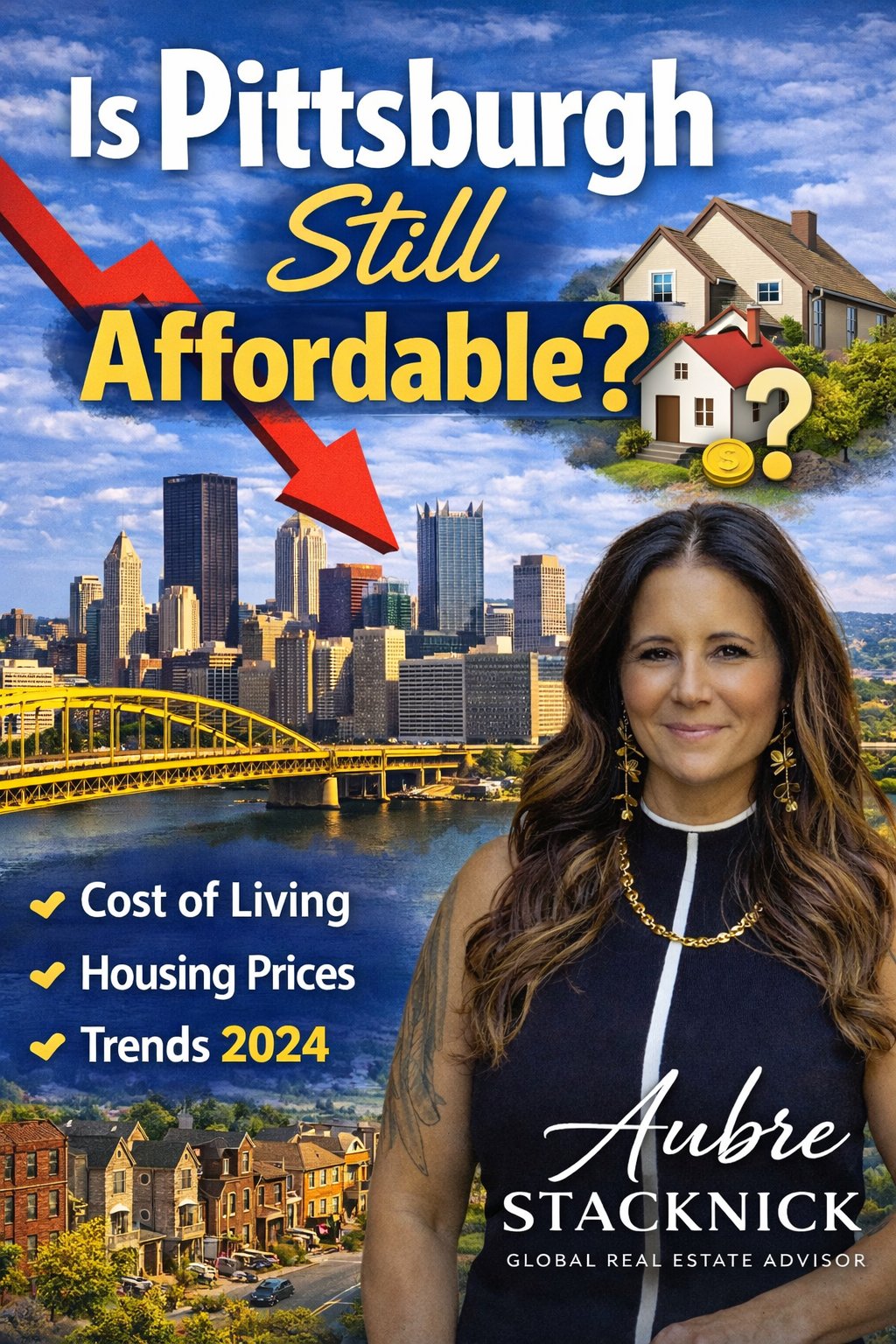
Is Pittsburgh Still Affordable in 2026?
A Real-World Look at Prices, Paychecks & Buying Power
Short answer: yes — especially compared to most U.S. cities.
Long answer: affordability in Pittsburgh looks different than it did five years ago, but the city (and its suburbs) still offer strong buying power, reasonable price points, and long-term stability when you understand where and how to buy.
As someone working in this market every day, here’s what’s actually happening — beyond the headlines.
📊 The Big Picture: How Pittsburgh Compares Nationally
Even in 2026, Pittsburgh consistently ranks among the most affordable large metro areas in the U.S.
Here’s why:
-
Home prices remain well below the national median
-
Property taxes, while neighborhood-specific, are generally more manageable than many peer cities
-
Cost of living (housing, utilities, transportation) stays lower than coastal and Sunbelt markets
That combination keeps Pittsburgh attractive for:
✔ First-time buyers
✔ Relocation clients
✔ Investors
✔ Buyers priced out of larger metros
🏠 Home Prices: Higher Than Before, Still Reasonable
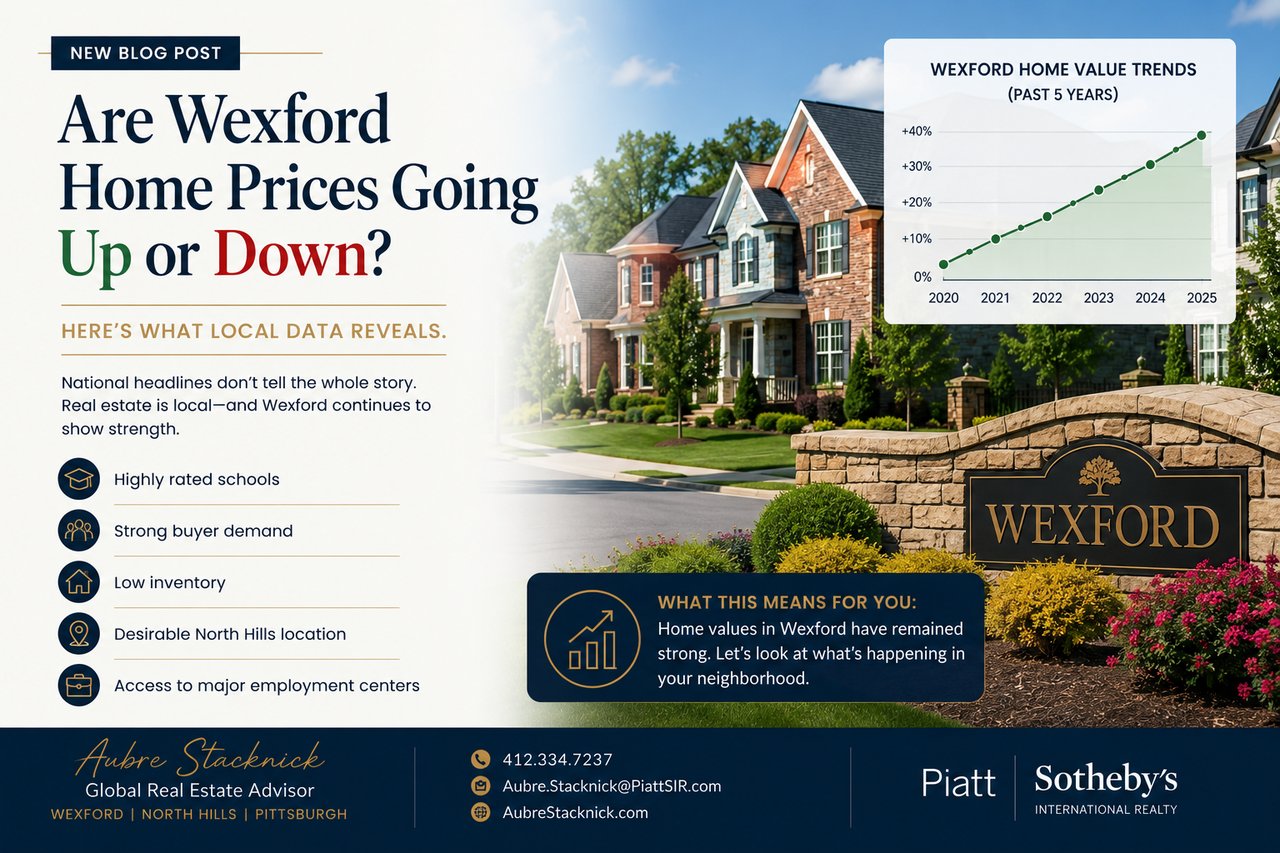
Yes — prices have increased since 2020.
No — Pittsburgh did not experience the same extreme spikes seen in cities like Austin, Phoenix, or Miami.
What I’m seeing on the ground:
-
Entry-level homes are more competitive than before
-
Well-priced homes still move quickly
-
Buyers with strategy (not emotion) win
Affordability hasn’t disappeared — it’s just more neighborhood-specific now.
💰 Income vs. Housing Costs: Why Pittsburgh Still Works
One of Pittsburgh’s biggest advantages is the balance between local incomes and housing costs.
Major employers in:
-
Healthcare
-
Tech
-
Education
-
Robotics
-
Finance
…continue to bring stable, well-paid jobs to the region.
That matters because affordability isn’t just about price — it’s about what percentage of income goes toward housing. Pittsburgh still performs well in that equation.
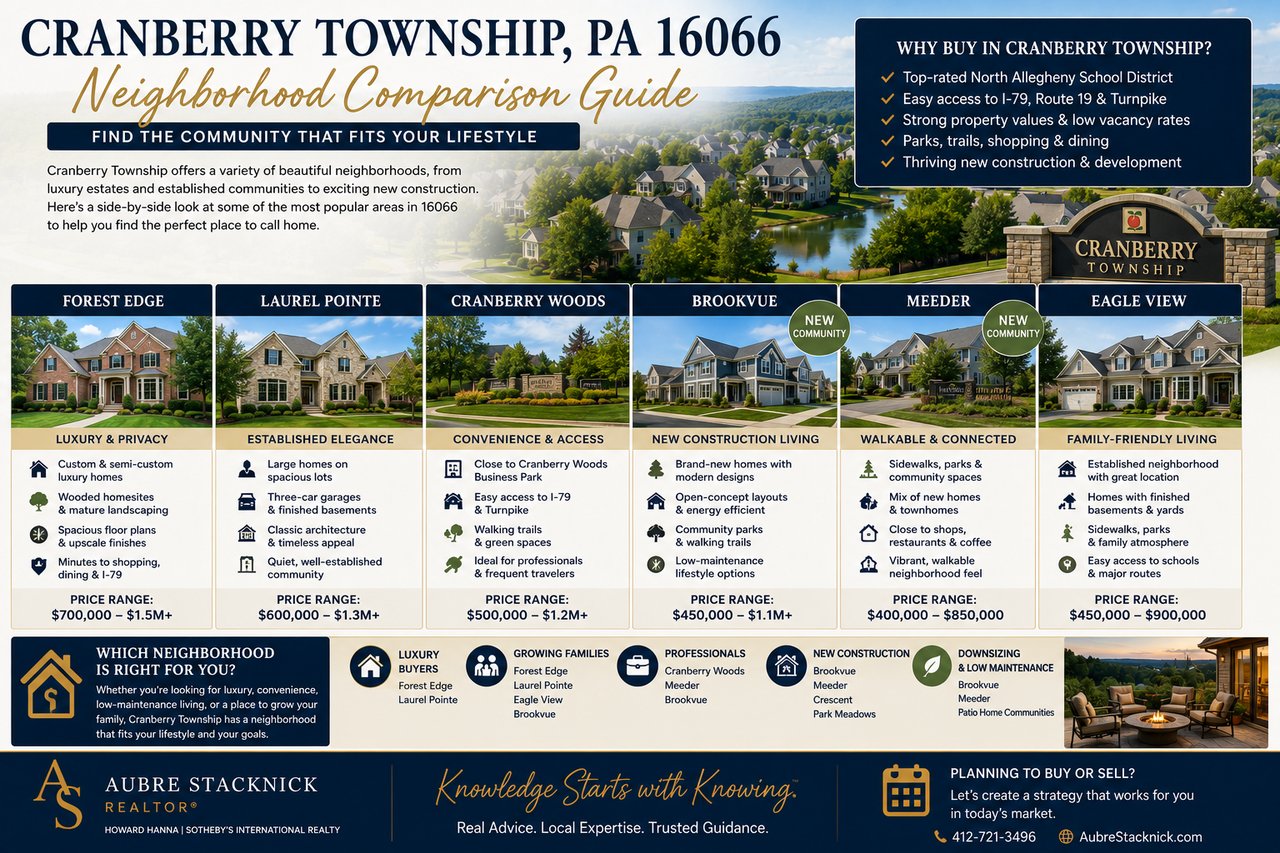
🧭 Where Affordability Lives in 2026
“Affordable” doesn’t mean the same thing everywhere. Here’s how buyers are navigating it successfully:
✔ City Neighborhoods
-
Strong value in transitioning and established areas
-
Ideal for buyers who want walkability and character
✔ Inner-Ring Suburbs
-
Great balance of price, schools, and commute
-
Popular with first-time and move-up buyers
✔ Outer Suburbs
-
More space and newer construction
-
Often better price-per-square-foot
The key? Matching lifestyle goals with the right location — not just chasing the lowest price.
⚠️ What Buyers Need to Know
Affordability doesn’t mean “easy.”
Today’s market still requires:
-
Smart pricing strategy
-
Strong local guidance
-
Understanding of taxes, resale value, and long-term demand
Buyers who rely only on online estimates often miss the full picture.
Homes with similar list prices can have very different monthly costs and future value depending on location and condition.
💡 My Honest Take
Pittsburgh is no longer “cheap” — and that’s not a bad thing.
It’s:
✔ Stable
✔ Livable
✔ Diverse
✔ Investable
And compared to most U.S. metros, it’s still one of the last places where you can buy a quality home without stretching your finances beyond comfort.
🏡 Final Thoughts
If you’re asking whether Pittsburgh is still affordable, the better question might be:
Affordable for what lifestyle?
Affordable in which neighborhood?
Affordable for how long you plan to stay?
Those answers matter more than a headline.
And that’s where real local guidance makes the difference.
— Aubre Stacknick
Global Real Estate Advisor | Pittsburgh Region